Before teenagers could make money through online stores, social media, or freelance websites, earning a few extra dollars usually meant getting out of the house and finding someone who needed help. A bicycle, a lawn mower, or a handwritten sign could be enough to start a small neighborhood business. For many American teenagers growing up in the 1950s, 1960s, 1970s, and 1980s, their first paycheck came from someone just a few doors away.
These jobs weren’t always glamorous, and most didn’t pay very much. Still, there was something exciting about earning money without asking Mom or Dad for it. Whether they were saving for a new record, a pair of sneakers, or their first car, teenagers learned that a little effort could turn into a few dollars in their pockets. Some of these jobs still exist today, but the way kids found them and the independence that came with them belonged to a different time.
1. Delivering Newspapers Before Sunrise
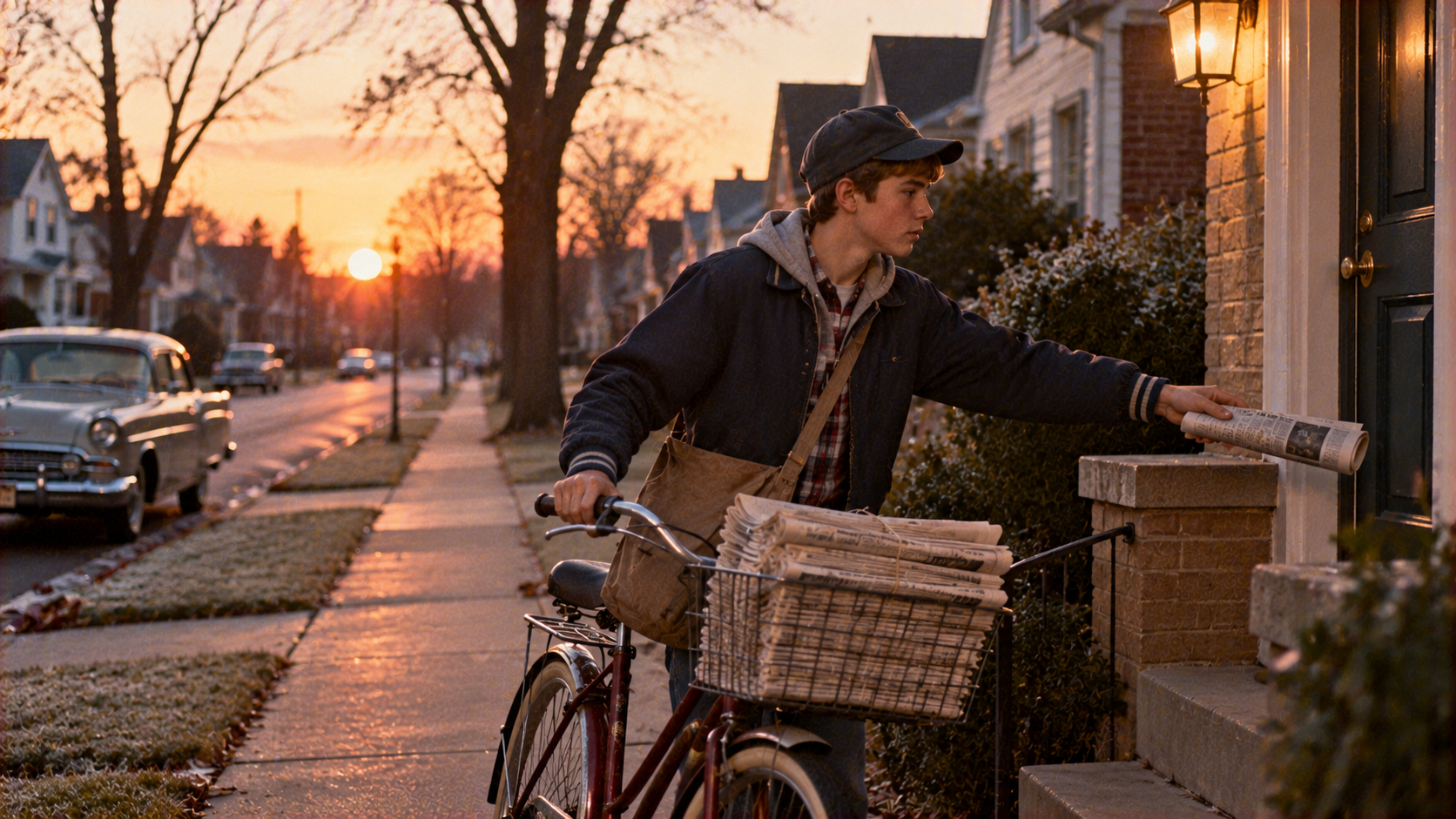
Long before people checked the morning headlines on their phones, teenage newspaper carriers were already making their rounds. Many got up before the rest of the neighborhood, loaded newspapers into a canvas bag, and rode their bicycles from house to house. Sunday editions were especially challenging because they were so thick and heavy. Carriers often had to collect subscription payments themselves, knocking on doors and hoping customers had the correct change. It was an early lesson in responsibility, punctuality, and dealing with people who weren’t always happy to answer the door.
2. Mowing Neighbors’ Lawns
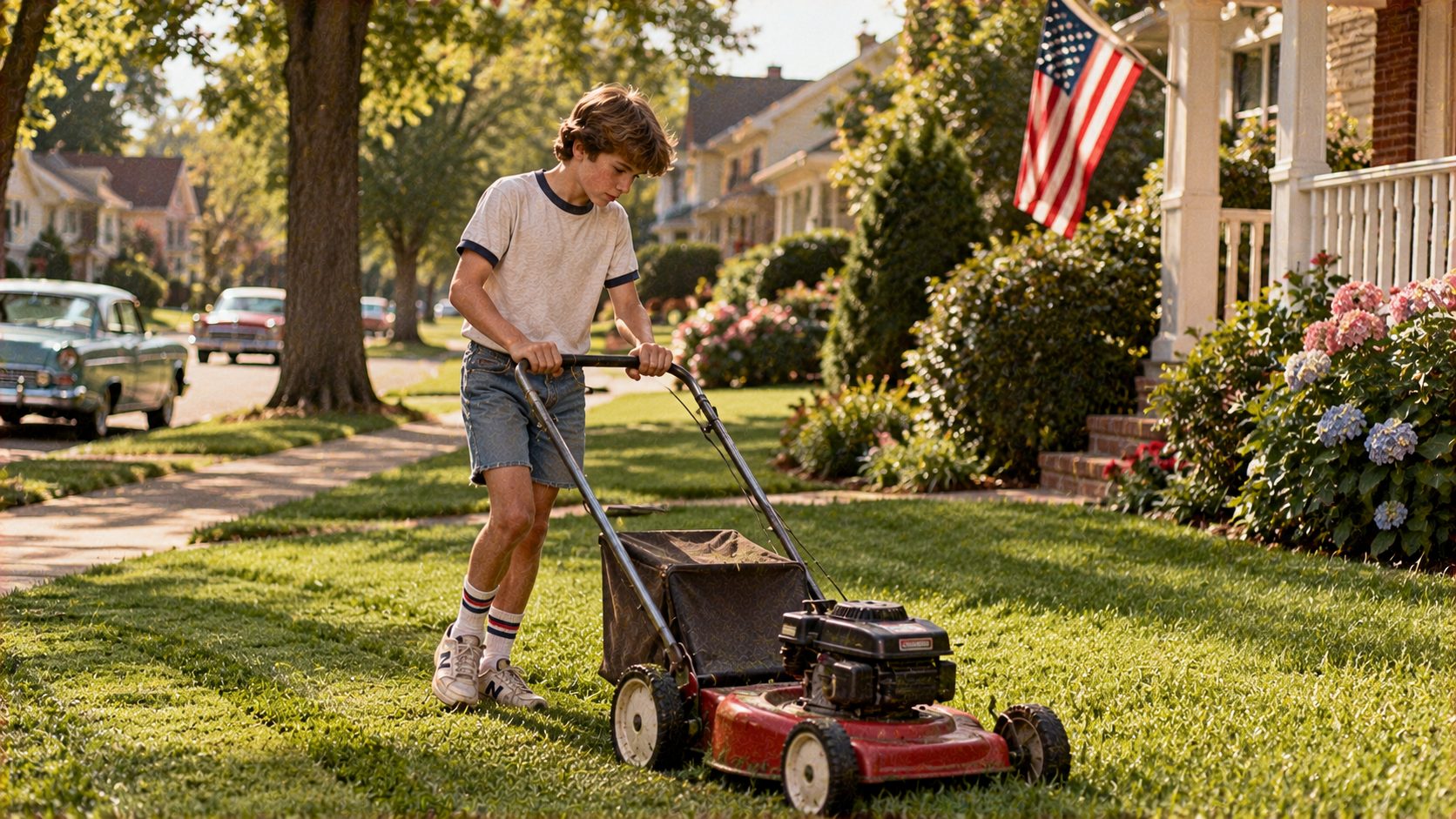
A teenager pushing a lawn mower down the sidewalk was once a familiar summer sight in American suburbs. Kids could earn a few dollars cutting grass for elderly neighbors, busy families, or anyone who preferred spending Saturday afternoon relaxing. Some brought their family’s mower, while others used whatever equipment the homeowner had available. Regular customers meant steady summer income, especially when the grass grew quickly after a stretch of rain. The smell of freshly cut grass became closely associated with the satisfaction of having money to spend.
3. Babysitting on Friday and Saturday Nights

For generations of teenagers, babysitting was one of the easiest ways to earn money without leaving the neighborhood. Parents heading to dinner, the movies, or a party needed someone responsible to watch their children for a few hours. Babysitters arrived with homework, magazines, or a favorite book to pass the time after bedtime. There were no cell phones for quick updates, so parents usually left a telephone number written on a piece of paper near the kitchen phone. Getting paid at the end of the night, sometimes with a little extra for staying late, made the responsibility worthwhile.
4. Shoveling Snow From Driveways
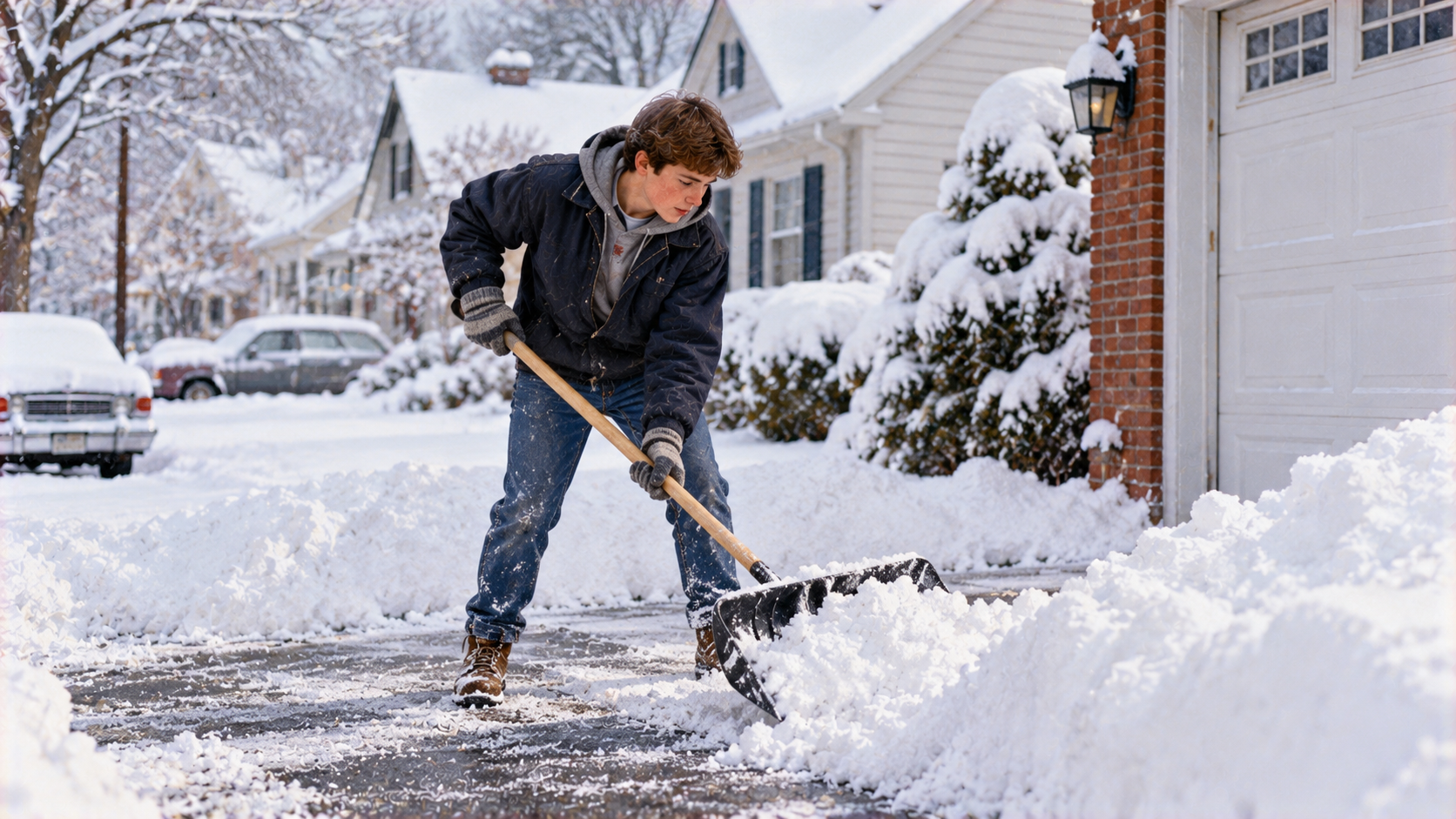
In colder parts of the country, a heavy snowfall meant opportunity for teenagers willing to bundle up and work. Armed with snow shovels, they walked from driveway to driveway asking homeowners if they needed help clearing their sidewalks or front steps. The work was exhausting, especially when the snow was wet and heavy, but a neighborhood full of buried driveways could turn into a profitable morning. Some teenagers even developed regular arrangements with neighbors who counted on them after every storm. Frozen fingers and soaked boots were simply part of earning winter spending money.
5. Washing Cars in the Driveway
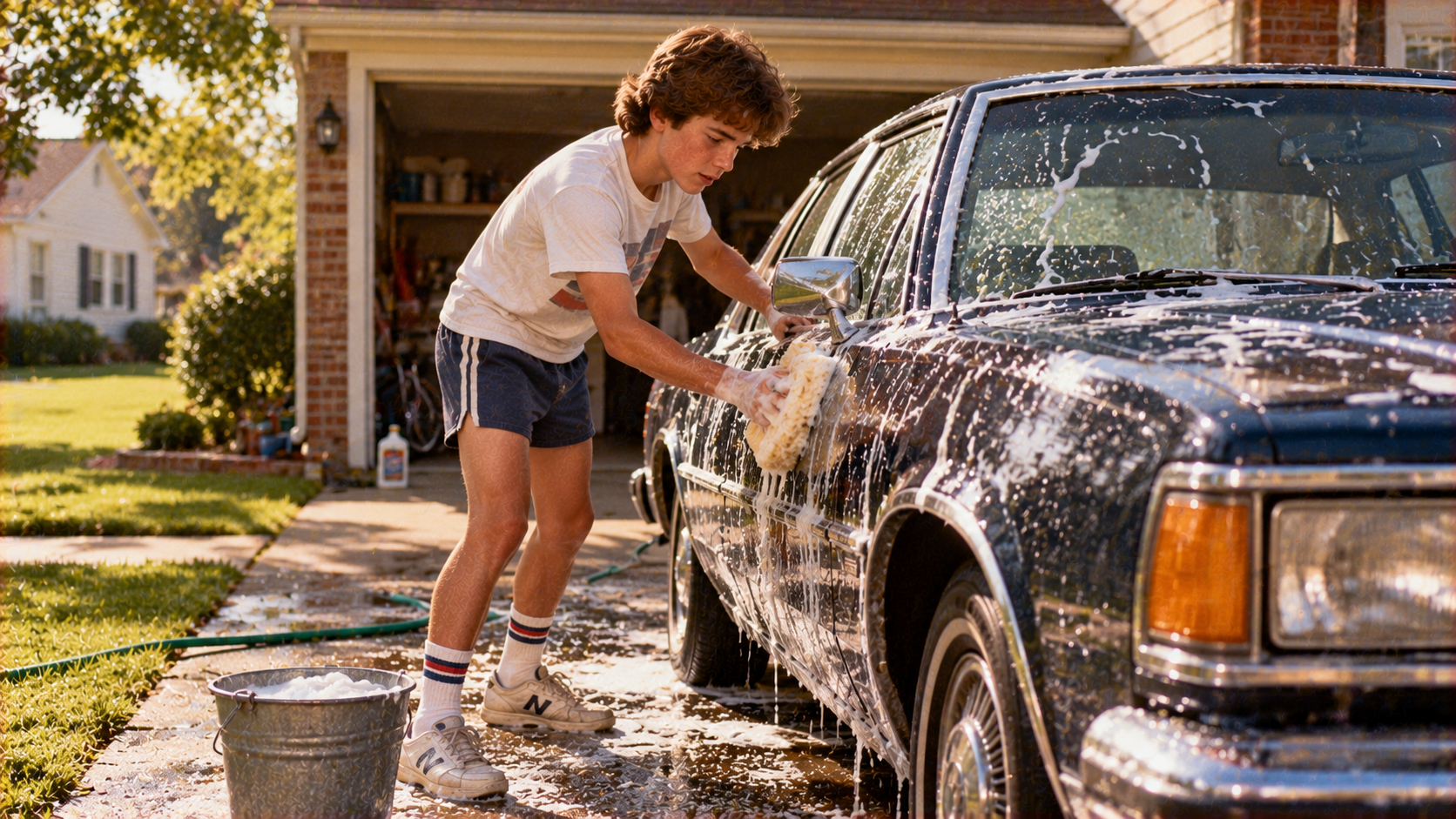
Before automatic car washes became so widespread, many families cleaned their vehicles at home with a bucket, sponge, and garden hose. Teenagers realized that offering to do the job for a small fee could bring in extra money on warm weekends. Some worked alone, while others teamed up with friends and washed several cars in one afternoon. The most ambitious offered to vacuum the interior or polish the windows for a little more. By the end of the day, their clothes were usually soaked, the driveway was covered in puddles, and their pockets were a little heavier.
Trending on Wealth Gang


6. Working as a Grocery Store Bagger
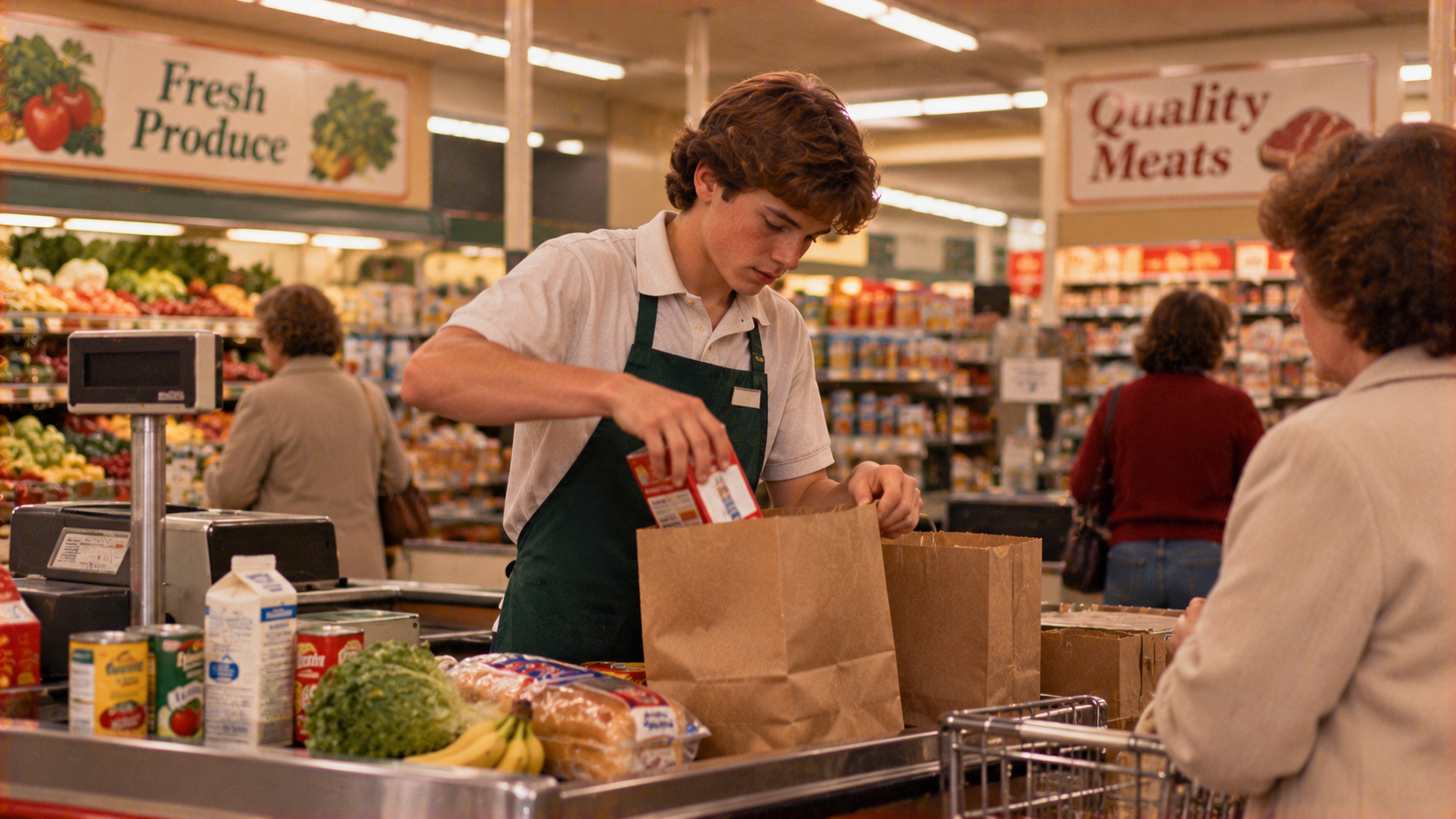
Local supermarkets once provided a common introduction to the working world for teenagers. Young employees stood at the end of checkout lanes, carefully packing groceries into paper bags and sometimes carrying them out to customers’ cars. Knowing not to put bread beneath canned goods was practically a job requirement. In some stores, baggers received small tips from grateful shoppers, especially when helping with large orders. It wasn’t exciting work, but earning a regular paycheck and getting to know familiar customers made it a popular first job.
7. Walking Neighborhood Dogs

Before dog-walking apps and professional pet-care platforms, teenagers often earned money by helping neighbors with their pets. A family going away for the weekend might ask the teenager next door to feed the dog, refill its water bowl, or take it around the block. Other arrangements involved walking dogs for older residents who had trouble keeping up with energetic pets. These jobs often began through simple conversations over backyard fences. Once a teenager proved dependable, word could spread quickly among other pet owners on the street.
8. Working at the Local Movie Theater
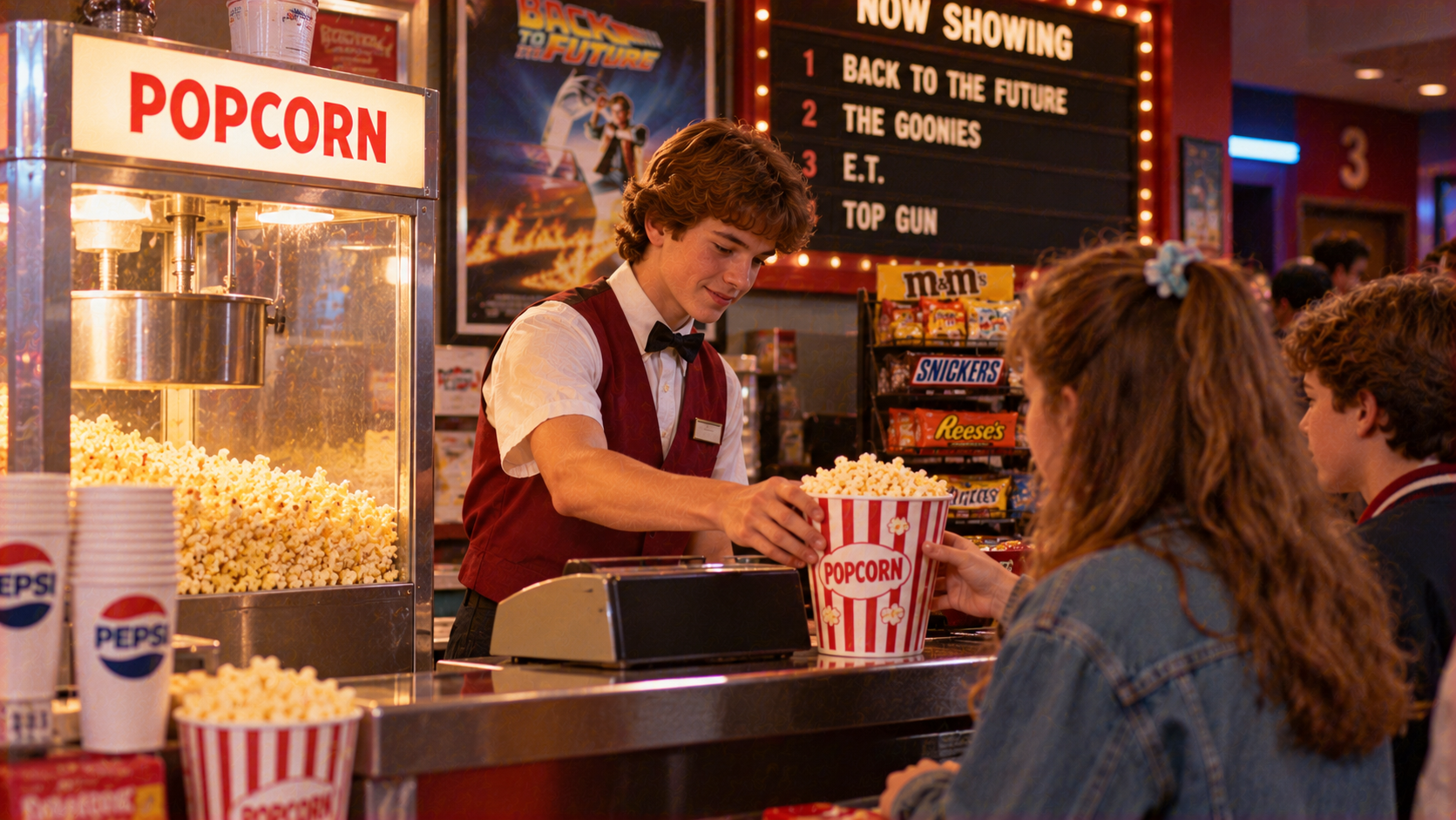
For movie-loving teenagers, getting hired at the neighborhood theater felt like a dream job. Ushers collected tickets, guided customers to their seats with flashlights, cleaned auditoriums between screenings, and sometimes worked behind the concession counter. The smell of popcorn and the excitement surrounding new releases made the atmosphere different from an ordinary retail job. One of the biggest perks was often the chance to watch movies for free or at a discount. Of course, sweeping up spilled popcorn after a packed Saturday night was considerably less glamorous.
Sign up for our newsletter
9. Delivering Groceries to Neighbors
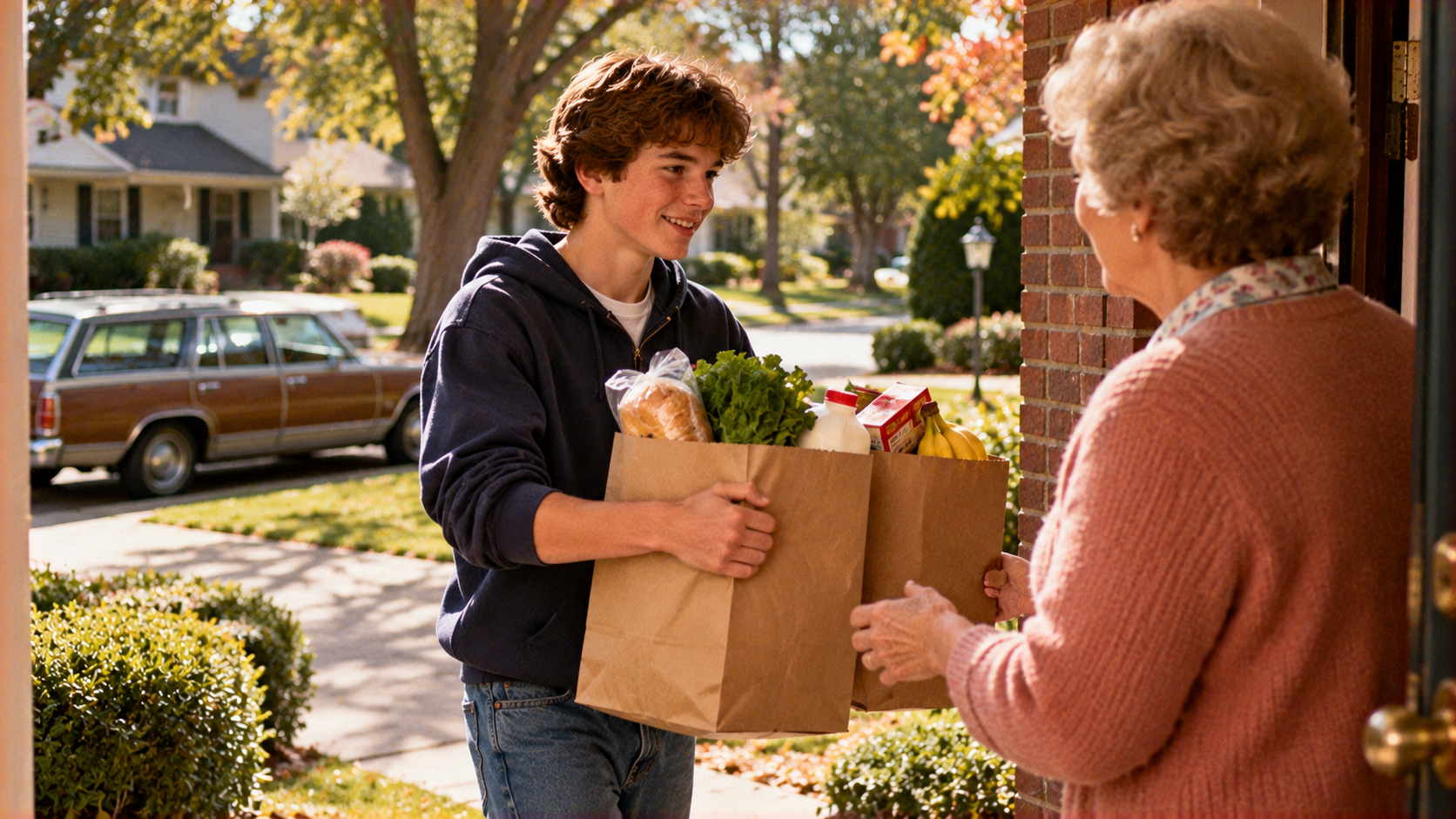
Before grocery delivery became something people arranged through an app, small neighborhood stores sometimes employed teenage boys and girls to bring purchases directly to customers’ homes. Deliveries might be made on foot, by bicycle, or with a small cart, depending on the distance. Elderly customers and families without cars especially appreciated the service. Teenagers learned which houses had steep front steps, which customers tipped generously, and which orders always seemed to include heavy bags of potatoes. It was a job built around familiar faces and local relationships.
10. Pumping Gas at Service Stations
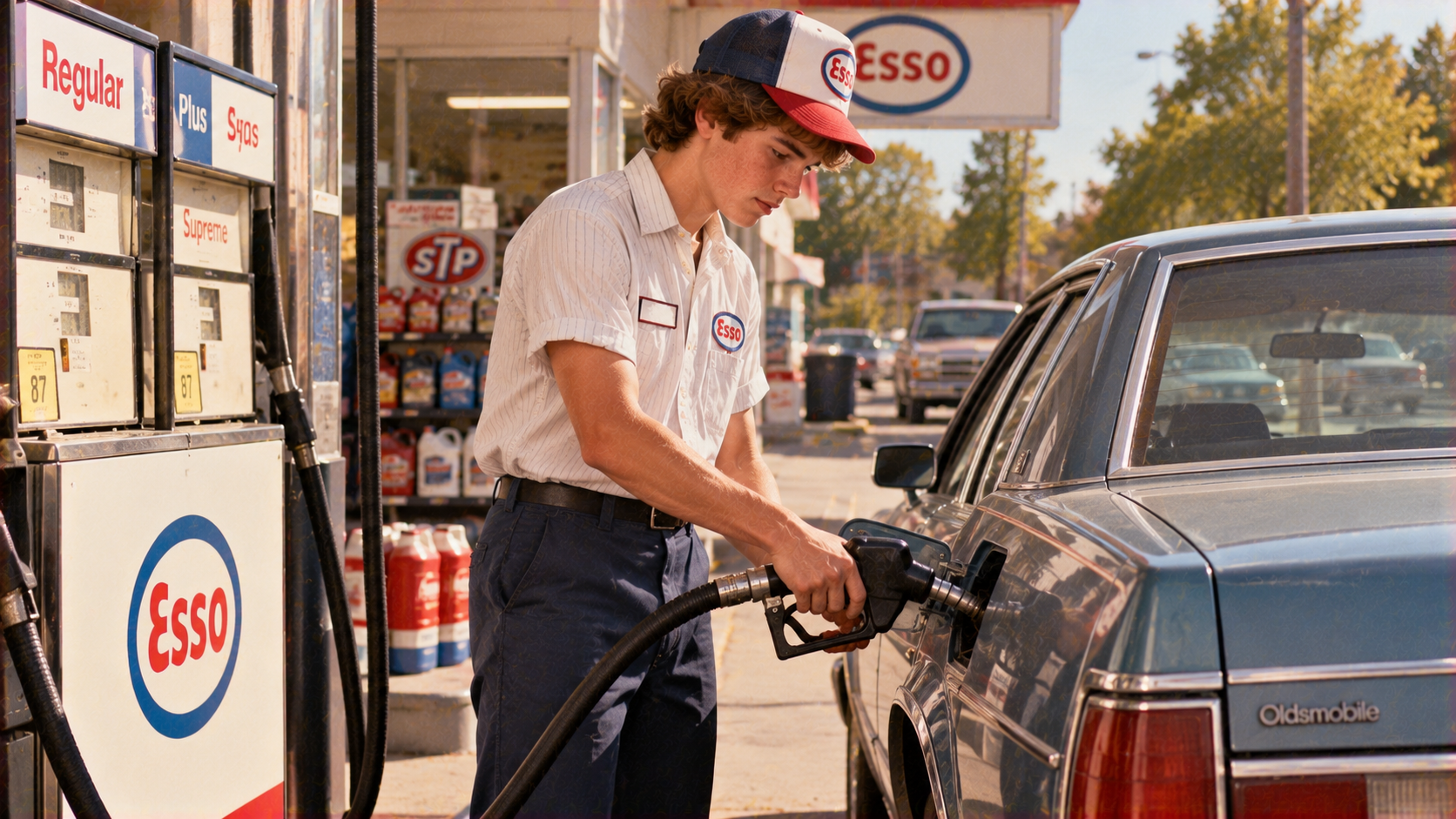
At full-service gas stations, teenage attendants could earn money doing much more than filling a tank. They cleaned windshields, checked tire pressure, and sometimes inspected oil levels while customers waited behind the wheel. During the 1950s and 1960s, service stations were busy neighborhood businesses where drivers expected personal attention. Teenagers interested in cars particularly enjoyed the chance to work around different models every day. The job required learning practical skills, dealing with customers, and staying on their feet through long shifts.
11. Caddying at Golf Courses

For teenagers living near a golf course, carrying clubs offered a way to earn money while spending hours outdoors. Caddies hauled heavy golf bags, searched for lost balls, and learned enough about the course to help players choose their next shot. Early mornings were common, especially on weekends when the course filled with golfers. A good caddie could earn tips on top of the usual fee, making the job particularly appealing to teenagers saving for something expensive. The downside was walking several miles in the summer heat while carrying someone else’s clubs.
12. Selling Homemade Lemonade and Baked Goods
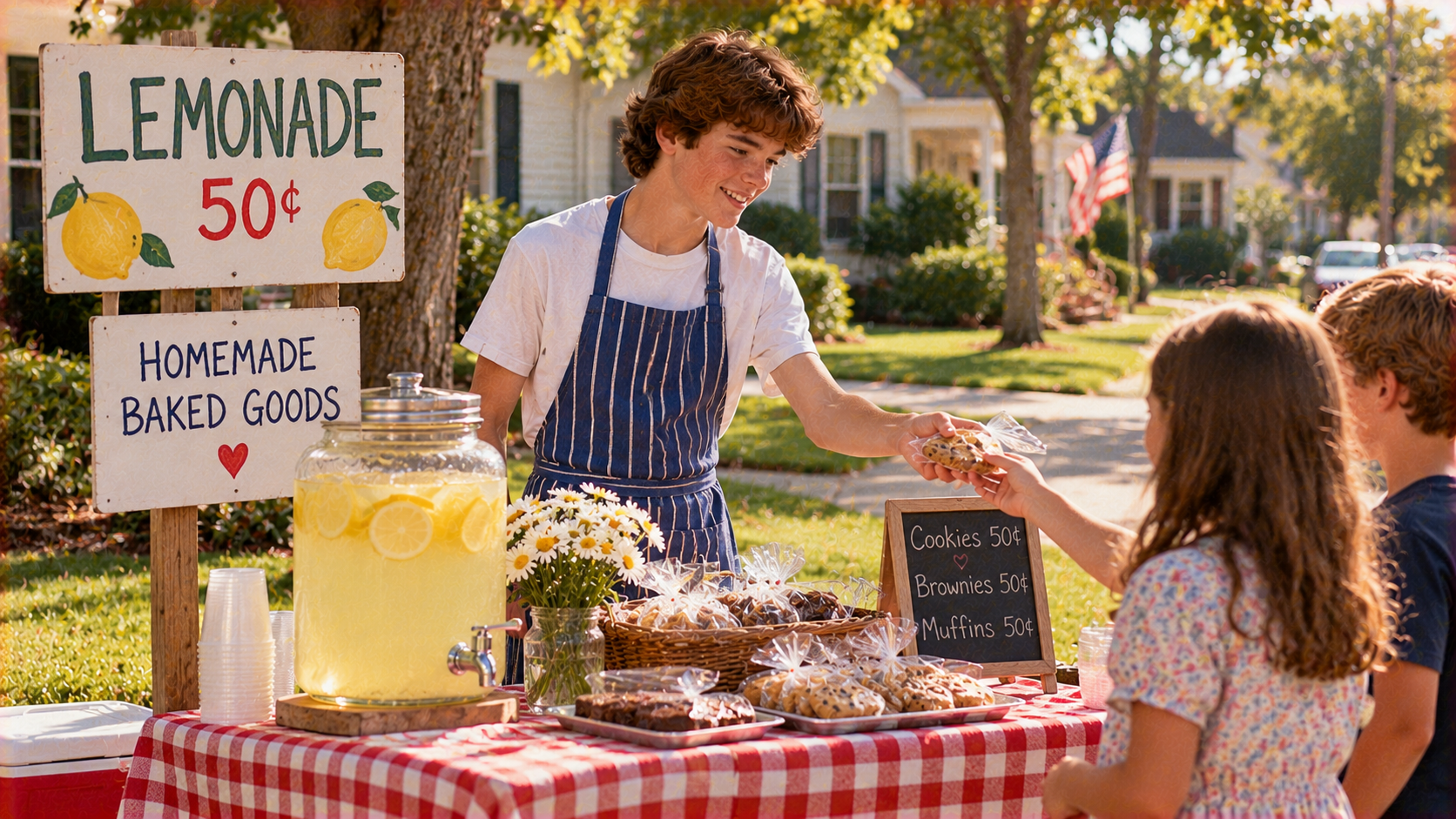
A folding table, a handwritten cardboard sign, and a pitcher of lemonade could become a teenager’s first business venture. Although younger children were especially known for lemonade stands, older kids sometimes expanded the idea by selling homemade cookies, brownies, or snacks during neighborhood events. They had to figure out how much to charge, make change, and convince passing neighbors to stop. Some discovered that setting up near a busy park or during a community yard sale made a big difference. The profits were modest, but the excitement of counting the money afterward was hard to beat.
13. Helping at Family-Owned Businesses
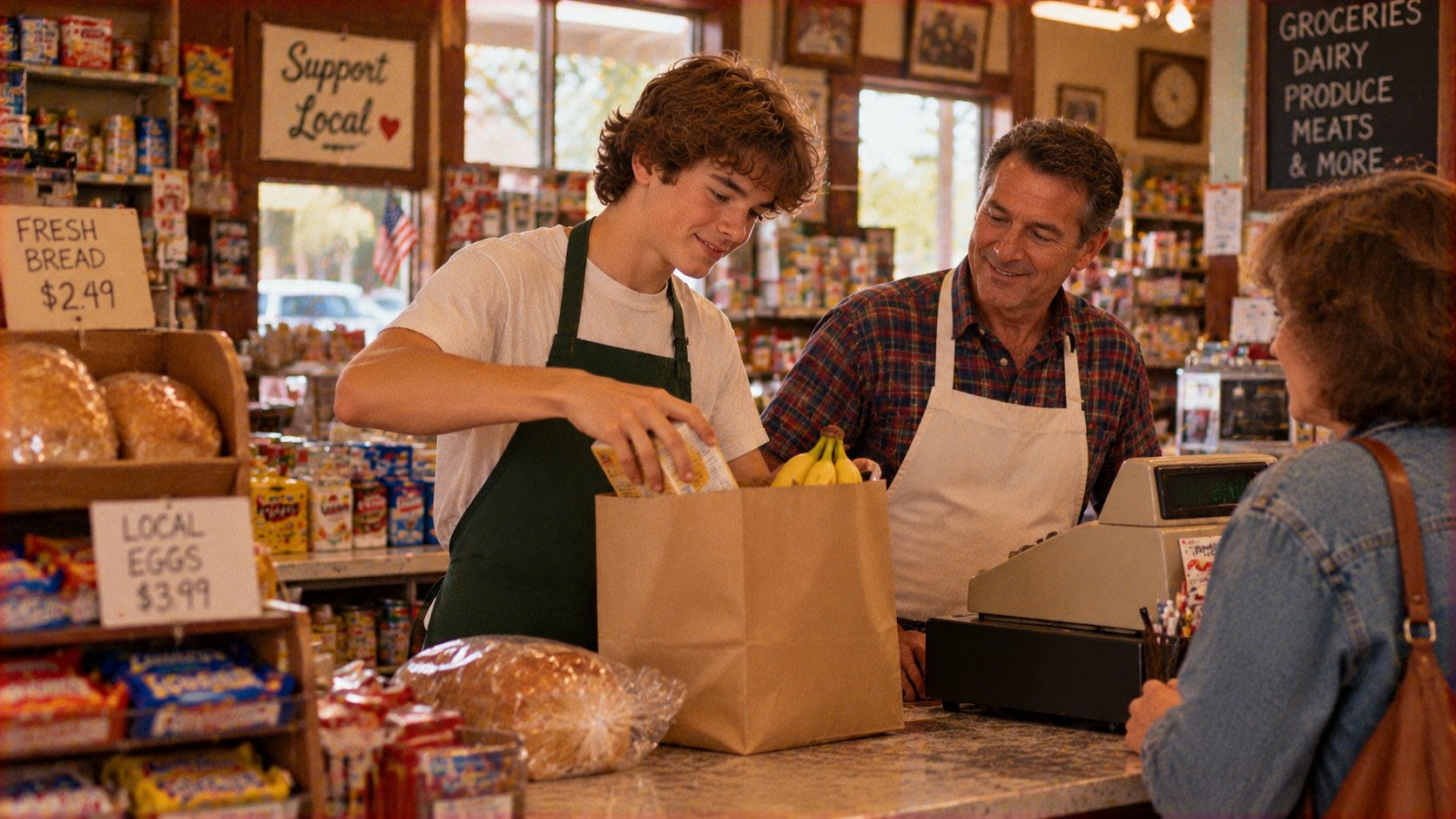
Many teenagers earned their first wages by helping parents, relatives, or family friends who owned small businesses. They stocked shelves at corner stores, cleaned tables in diners, organized merchandise, or swept the floors after closing. Some worked a few hours after school, while others spent entire Saturdays helping during busy periods. These arrangements weren’t always formal, and payment sometimes came as cash handed over at the end of the week. For teenagers, it was a chance to feel useful and learn how much work went into keeping a business running.
14. Painting Fences and Doing Odd Jobs
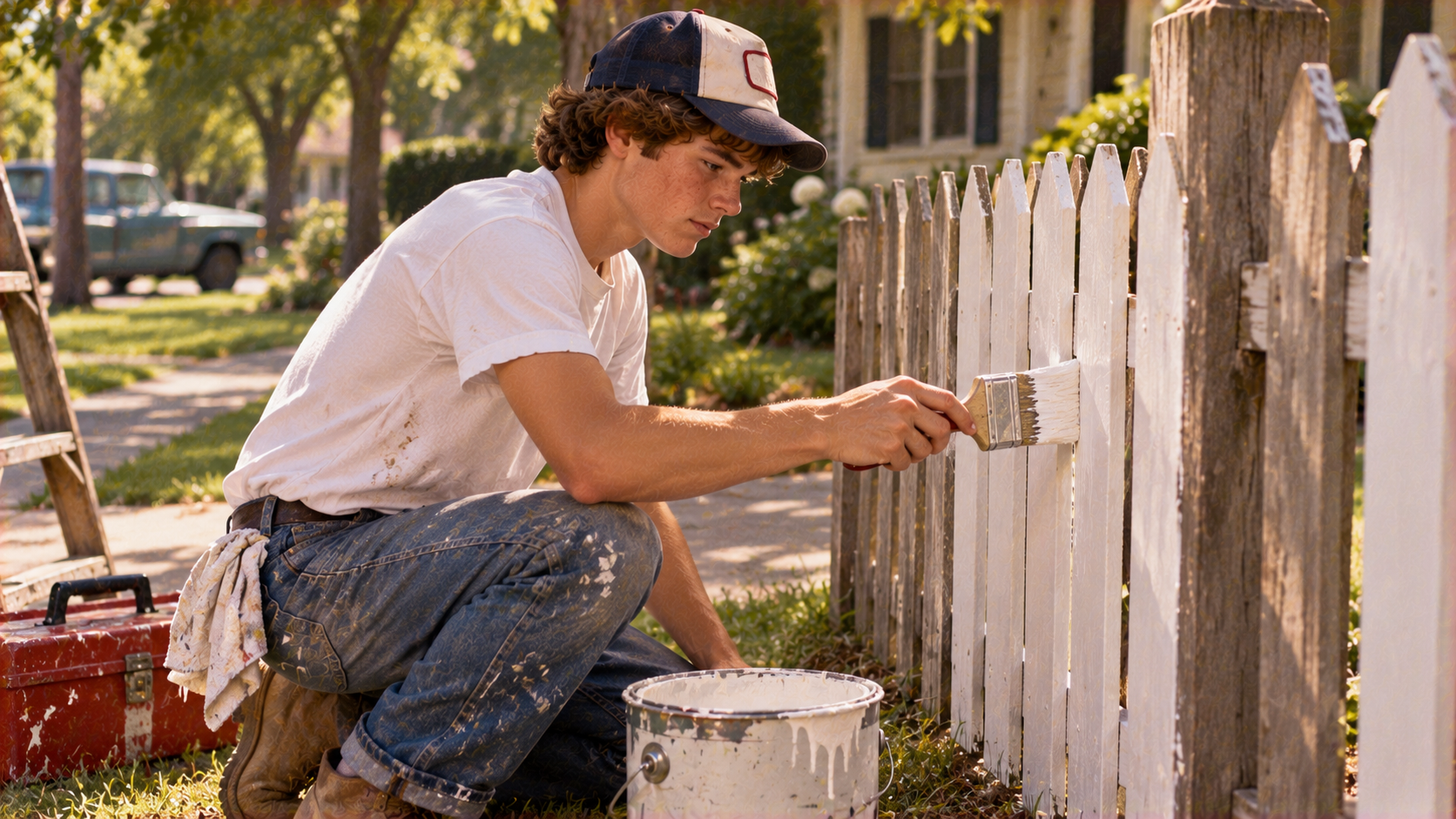
There was a time when a teenager looking for extra money could simply ask around the neighborhood if anyone needed something done. Painting a backyard fence, cleaning out a garage, washing windows, or moving boxes might turn into an afternoon’s work. Homeowners often had a long list of small projects they hadn’t gotten around to finishing. Teenagers willing to tackle the less appealing chores could find plenty of opportunities. The jobs changed from week to week, and sometimes the biggest challenge was negotiating a fair price before getting started.
15. Working at a Drive-In Restaurant
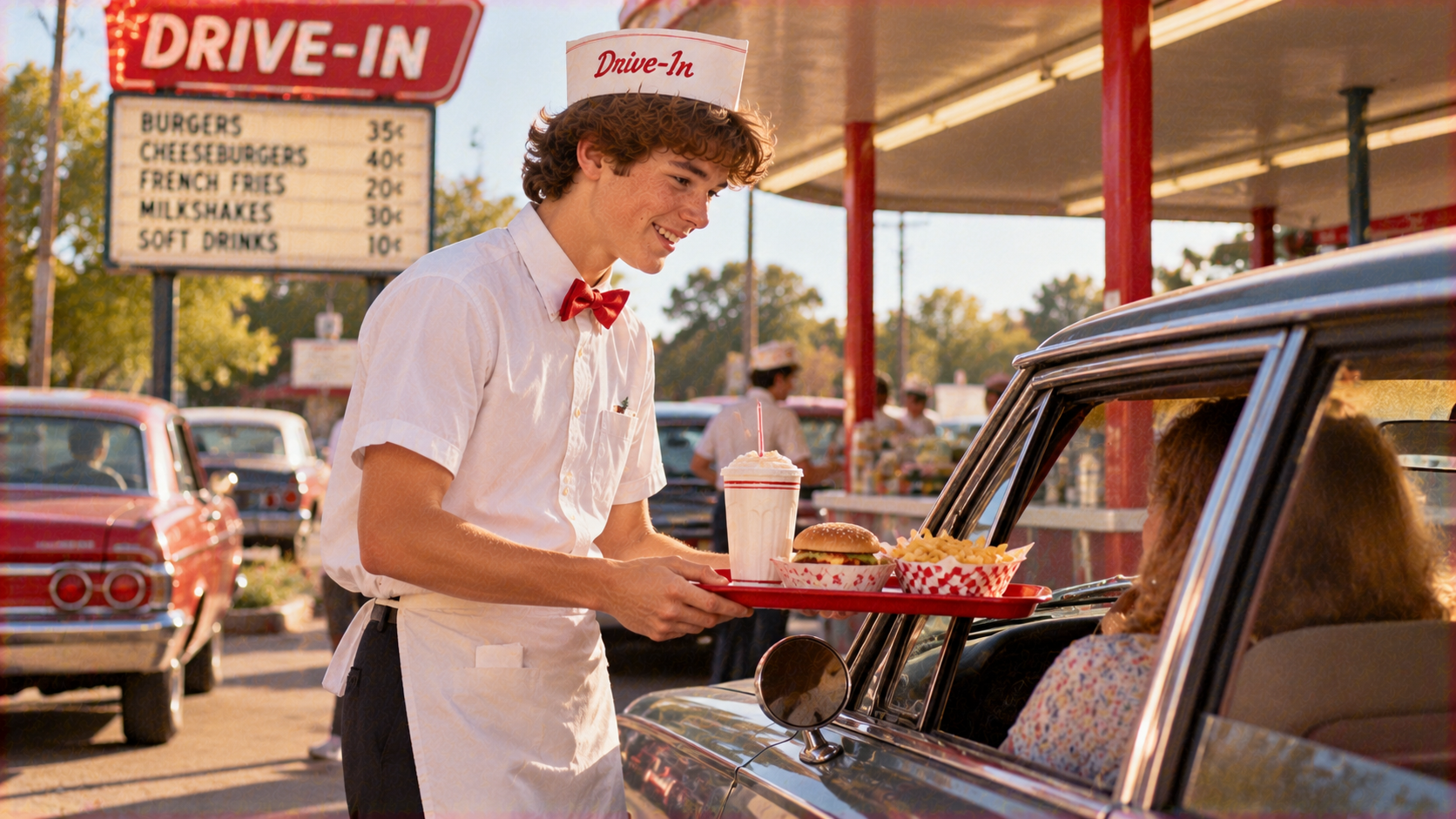
Drive-in restaurants were especially popular gathering places during the 1950s and 1960s, and many employed young workers to take orders, prepare food, and serve customers. Carhops became famous for carrying trays of burgers, fries, and milkshakes directly to parked cars, sometimes while wearing roller skates. For teenagers, the lively atmosphere and chance to work alongside friends made these jobs particularly attractive. The parking lot might be filled with teenagers showing off their cars while employees hurried between vehicles. It was hard work, but it came with a front-row seat to the local social scene.
16. Picking Fruit and Helping on Local Farms
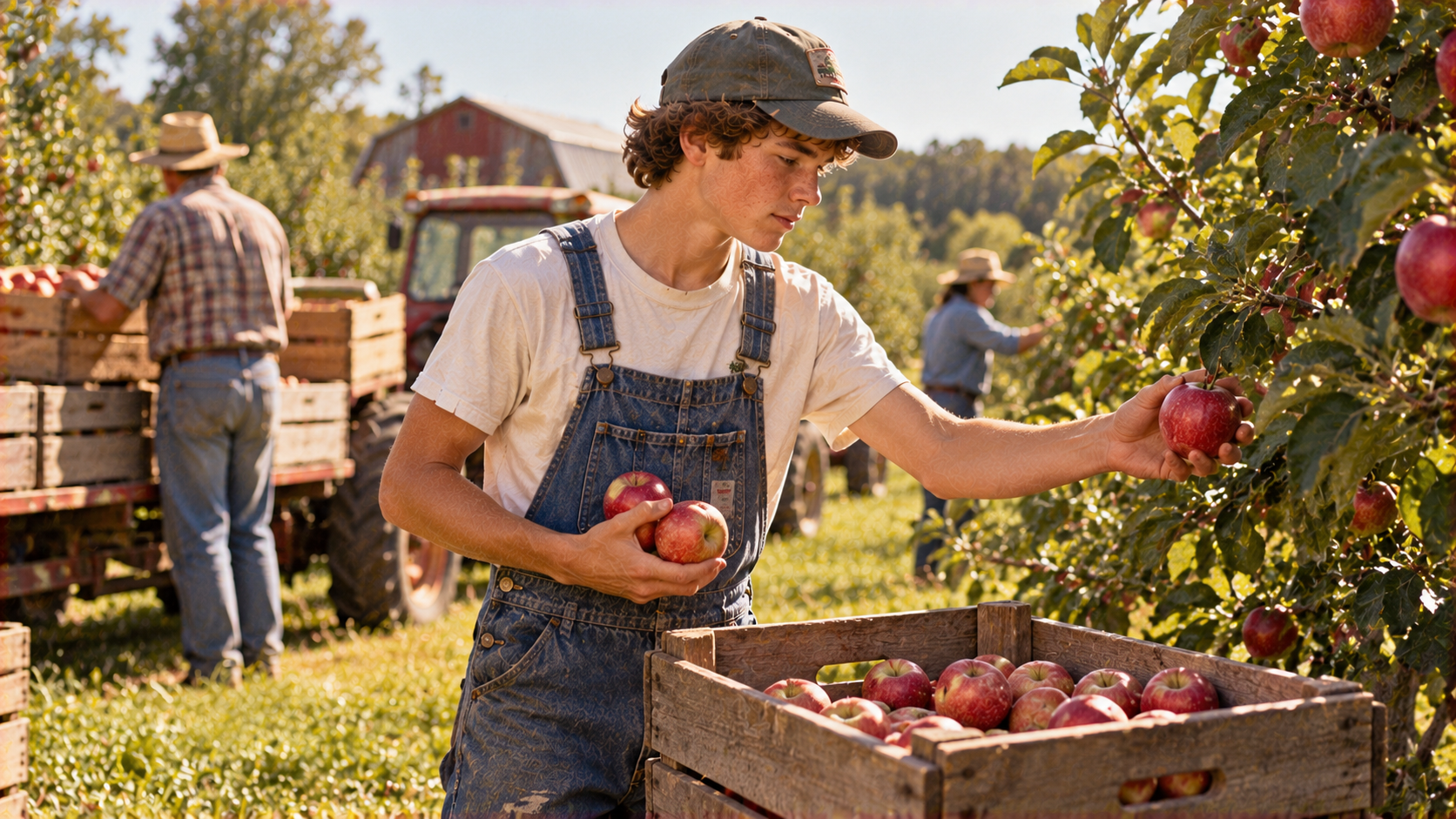
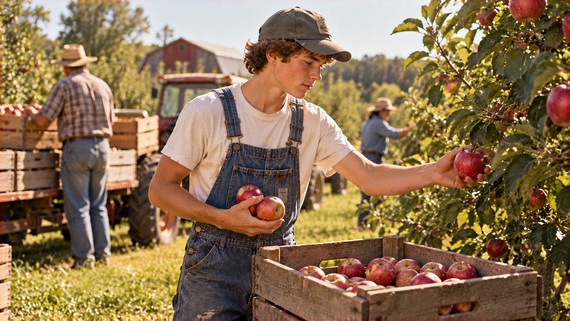
In rural communities, seasonal farm work gave many teenagers their first experience earning money outside the home. Depending on the region, they might pick strawberries, gather apples, harvest vegetables, or help with other tasks during busy growing seasons. The work often started early to avoid the hottest part of the day, and payment could depend on how much produce they collected. Some teenagers worked alongside siblings or school friends, turning long hours in the fields into a shared summer experience. It wasn’t easy money, but those earnings could help pay for school clothes, hobbies, or a long-awaited purchase.
More Related Notes
• 15 Ways Kids Used to Make Money 20 Years Ago Before Apps Did Everything
Remember when earning extra cash meant mowing lawns, washing cars, or setting up a lemonade stand? Revisit the neighborhood side jobs that gave kids their first taste of financial independence long before online platforms existed.
• 10 Boomer Side Hustles That Built the Middle Class
Explore the old-fashioned ways Americans earned extra money, from delivering newspapers and babysitting to selling products door to door, when a little determination could turn spare afternoons into spending money.
• 16 Money Lessons Hidden in Classic Sitcoms
Discover the timeless lessons about saving, working hard, and managing money that classic television families passed along, reflecting the financial values many teenagers learned through their first jobs.