Picture the perfect Thanksgiving table: a golden turkey in the center, green bean casserole next to the rolls, a football game murmuring from the living room, and a parade playing in the background. It feels like it has been that way forever, right? Not so fast.
A surprising number of the customs people swear are centuries old are younger than their grandparents. Many only took shape in the 1900s, and a few showed up well within living memory. Here are 15 Thanksgiving traditions that started much later than most people think.
1. The “First Thanksgiving” Story Took Shape in 1841
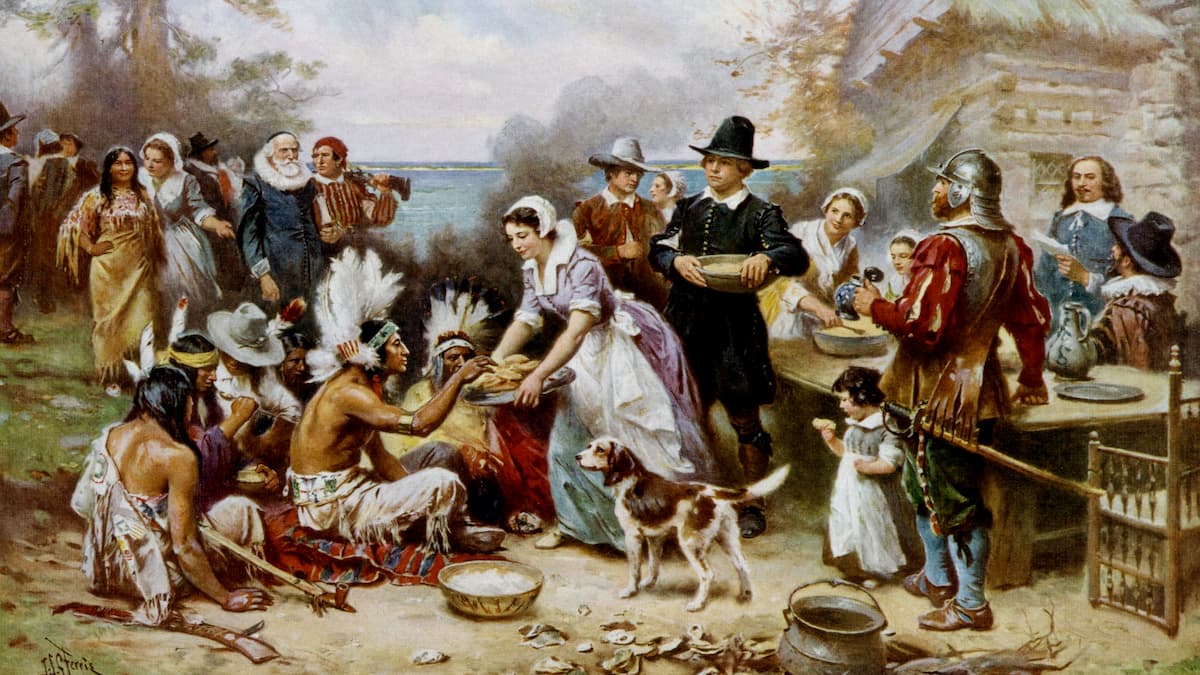
Picture the Pilgrims and the Wampanoag sharing a feast and calling it the first Thanksgiving, and the scene feels timeless. But the timeline from Plimoth Patuxet Museums shows the 1621 harvest feast was a three-day autumn event, and it wasn’t until 1841, when Alexander Young published Chronicles of the Pilgrim Fathers, that the story was tied to the New England tradition of giving thanks. In other words, the famous label took shape more than two centuries after the actual meal.
2. Lincoln Made It an Annual National Holiday in 1863
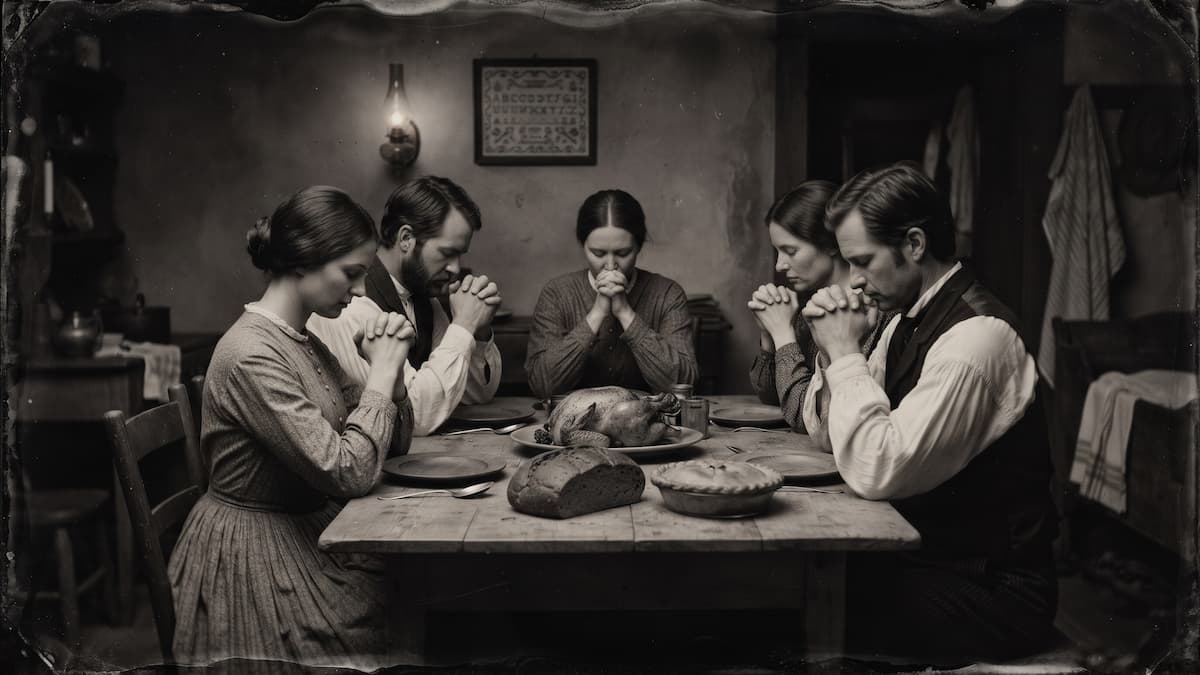
The idea of a yearly national holiday didn’t arrive until the middle of the Civil War. Earlier presidents had issued one-off proclamations, like George Washington in 1789 and James Madison in 1815, but not consistently, according to the National Park Service. Editor Sarah Josepha Hale, who had been pushing for a national day of gratitude since 1827, wrote directly to Abraham Lincoln on September 28, 1863. On October 3, Lincoln issued a proclamation drafted by Secretary of State William Seward, setting aside the last Thursday of November, and the yearly tradition was born.
3. Football Joined the Holiday in 1876
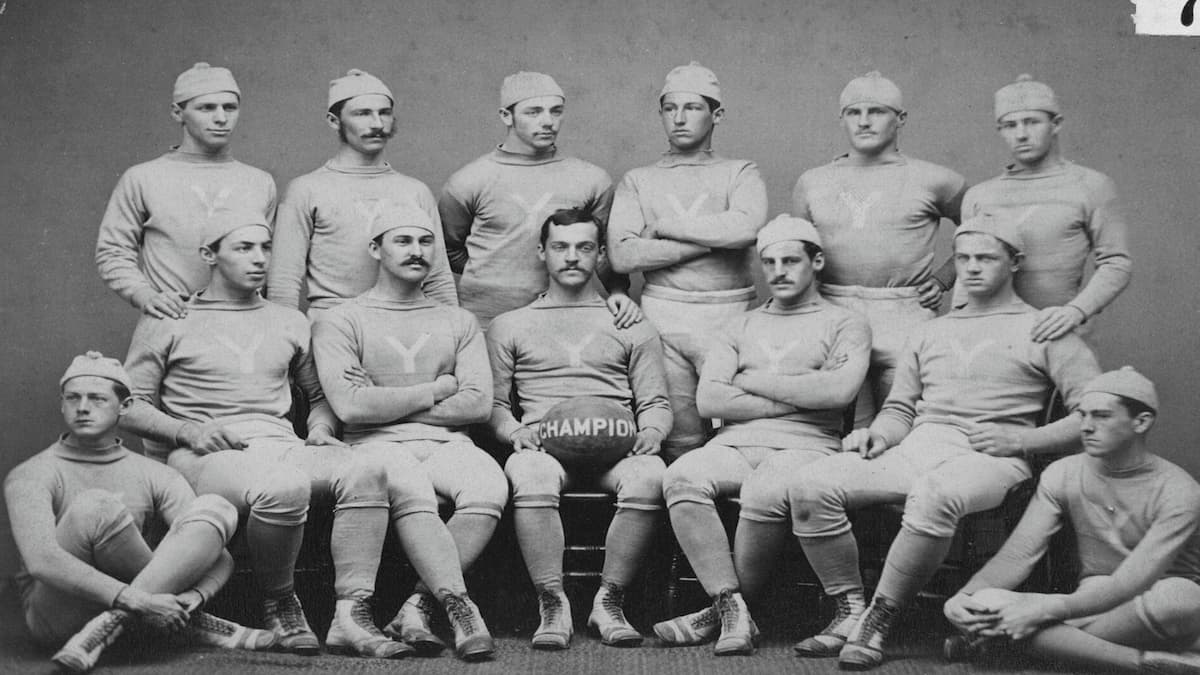
Football and turkey feel like a package deal, but the pairing came together gradually. History.com notes the tradition goes back to at least 1876, when Yale beat Princeton 2-0 in Hoboken, New Jersey. The NFL showed up in 1934, when Detroit Lions owner George A. Richards, a radio executive, persuaded Bears coach George Halas to play on the holiday and got NBC Radio to carry the game. Dallas joined in 1966, when the league added a second Thanksgiving game, and the Cowboys beat Cleveland 26-14.
4. The Turkey Trot Began With Six Runners in 1896
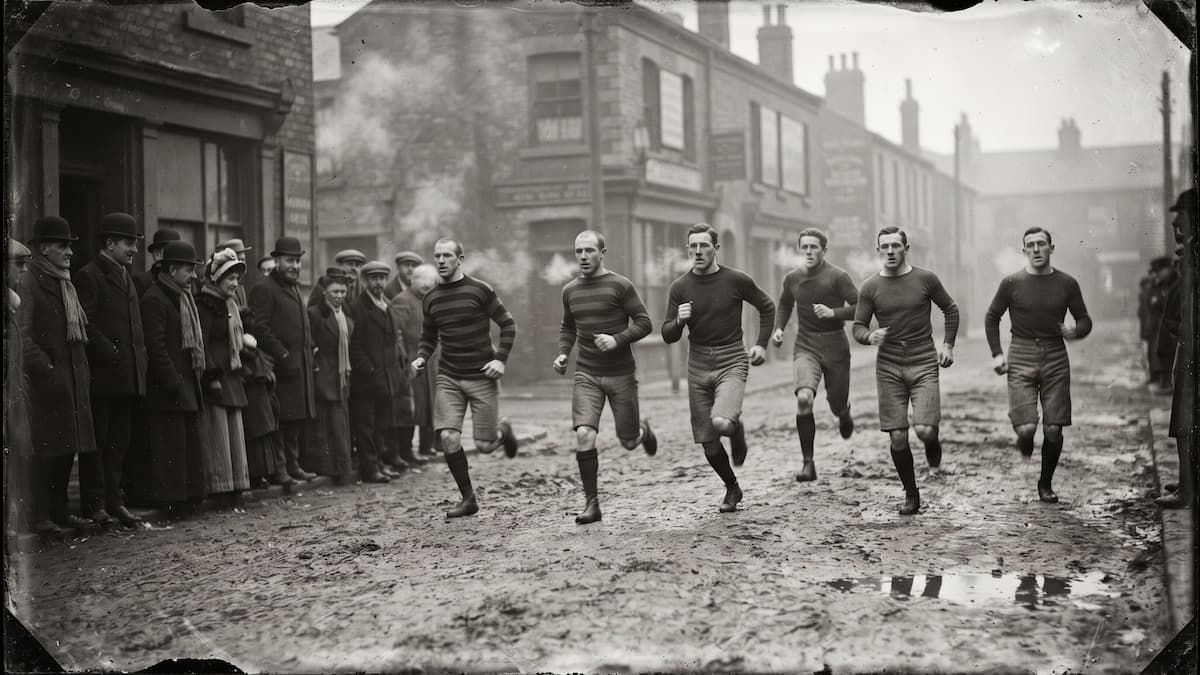
Plenty of families lace up their sneakers before dinner, but the Turkey Trot is older than most people realize. According to the YMCA Buffalo Niagara, the Buffalo Turkey Trot began in 1896, when six runners competed in a five-mile cross-country race. The YMCA calls it the oldest continuously run footrace in the world, and a record 6,003 runners registered for the 1995 centennial. Today, roughly 14,000 people take part, which is a lot of calories earned in advance.
5. Marshmallow-Topped Sweet Potatoes Arrived in 1917
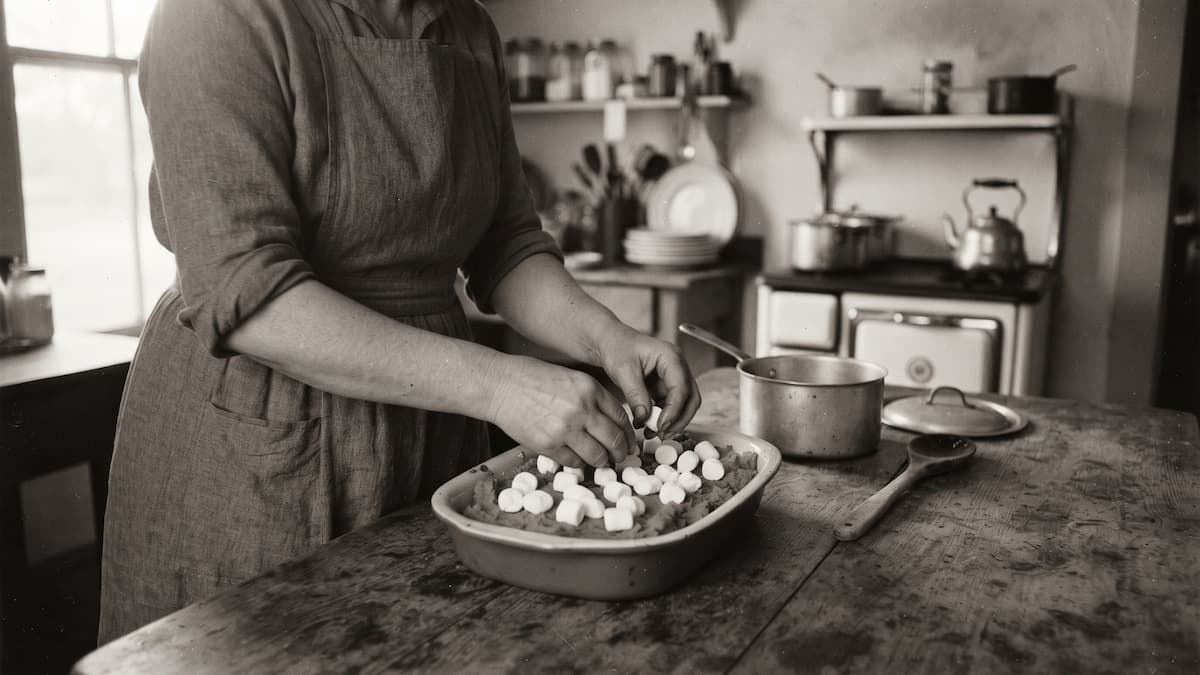
Marshmallow-topped sweet potatoes seem like they have been on the table since the beginning, but the first documented version appeared in a 1917 cookbook. Angelus Marshmallows commissioned Janet McKenzie Hill, founder of the Boston Cooking School Magazine, to develop marshmallow recipes, and Saveur describes the book as featuring the first documented appearance of mashed sweet potatoes baked with a marshmallow topping, as Smithsonian magazine notes. A corporate cookbook, it turns out, helped launch a Thanksgiving classic.
Trending on Wealth Gang

6. The Big Macy’s Parade Started as a Christmas Event in 1924
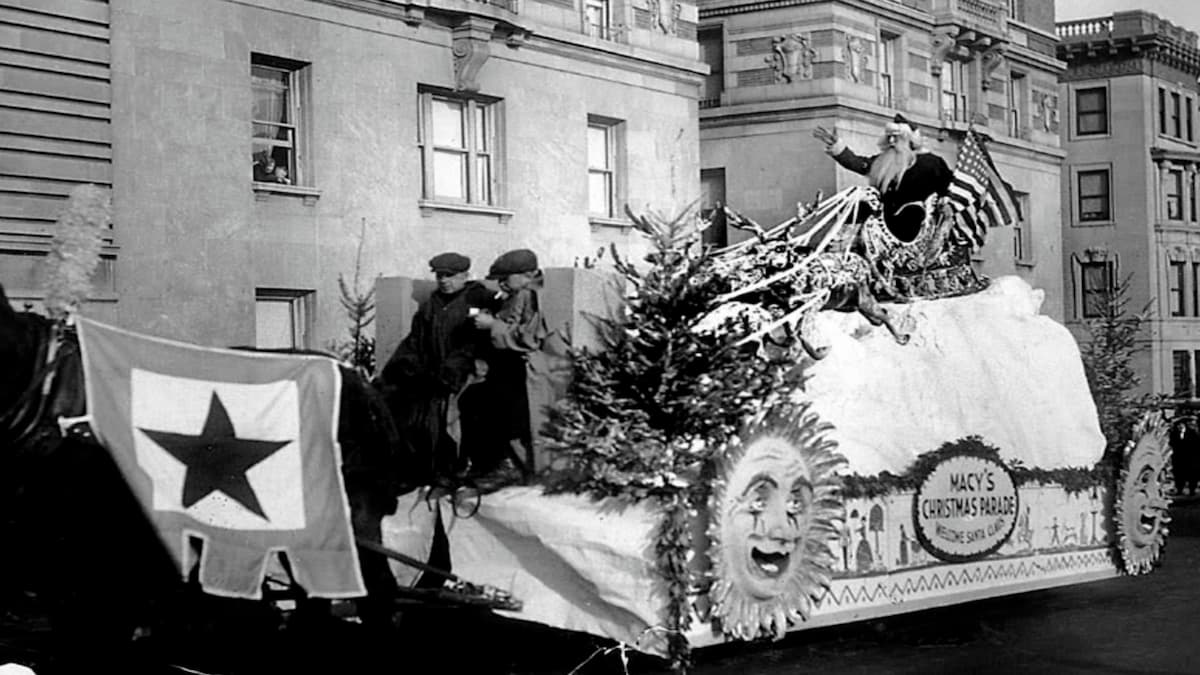
The famous Macy’s parade began in 1924, but it wasn’t meant for the holiday at all. It was billed as Macy’s Christmas Parade, designed to kick off the shopping season, and it left Harlem at 9 a.m. and wound about six miles to Herald Square, according to History.com. Macy’s employees dressed as clowns, cowboys, and knights marched with four bands, while bears, elephants, camels, and monkeys borrowed from the Central Park Zoo added circus energy. Santa rode in last, and about 10,000 people cheered as he arrived.
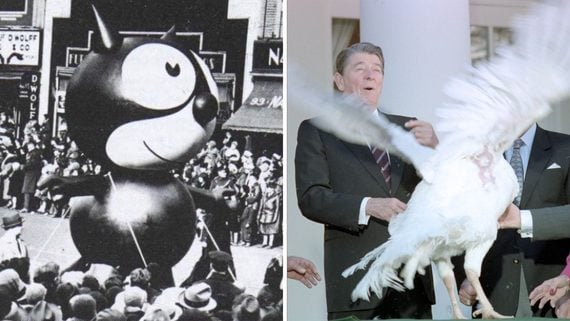
7. Giant Balloons Replaced Zoo Animals in 1927
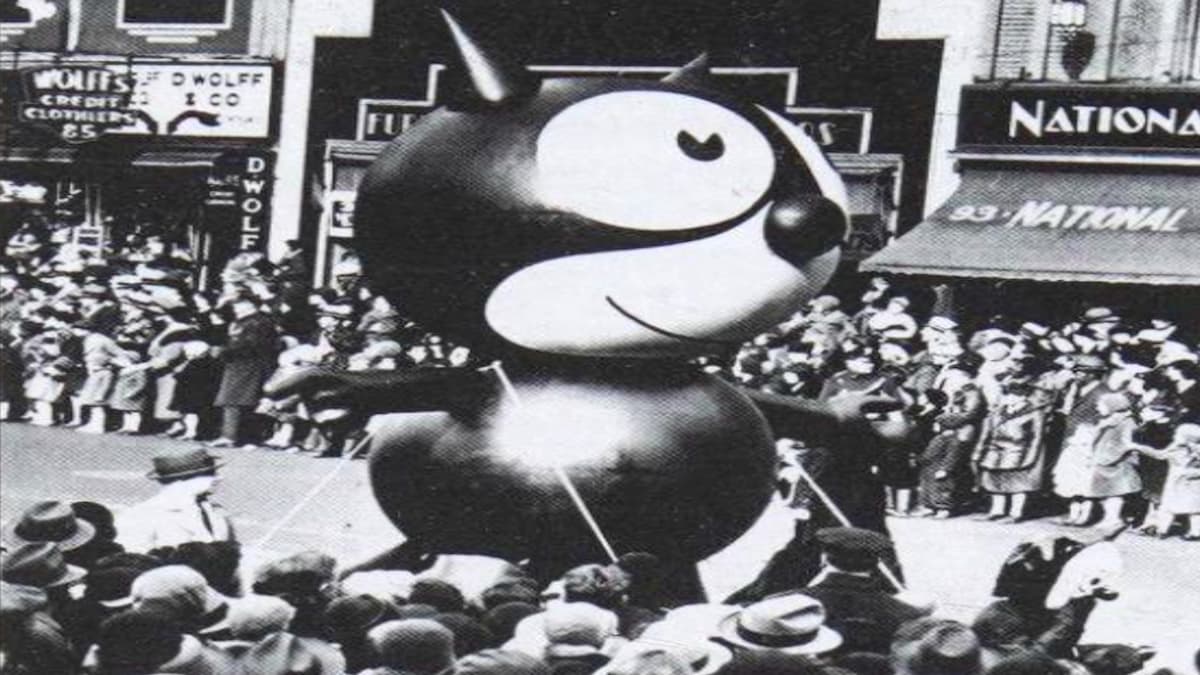
Those zoo animals didn’t last long, because their roars and growls frightened young spectators. In 1927, a helium-filled Felix the Cat balloon designed by Tony Sarg debuted and quickly became the parade’s signature attraction, according to History.com. Over time, the route shrank to about 2.5 miles while the lineup grew to include dozens of balloons, marching bands, and celebrities, proof that one scared toddler can change a Thanksgiving tradition forever.
8. The Date Wasn’t Locked In Until 1941
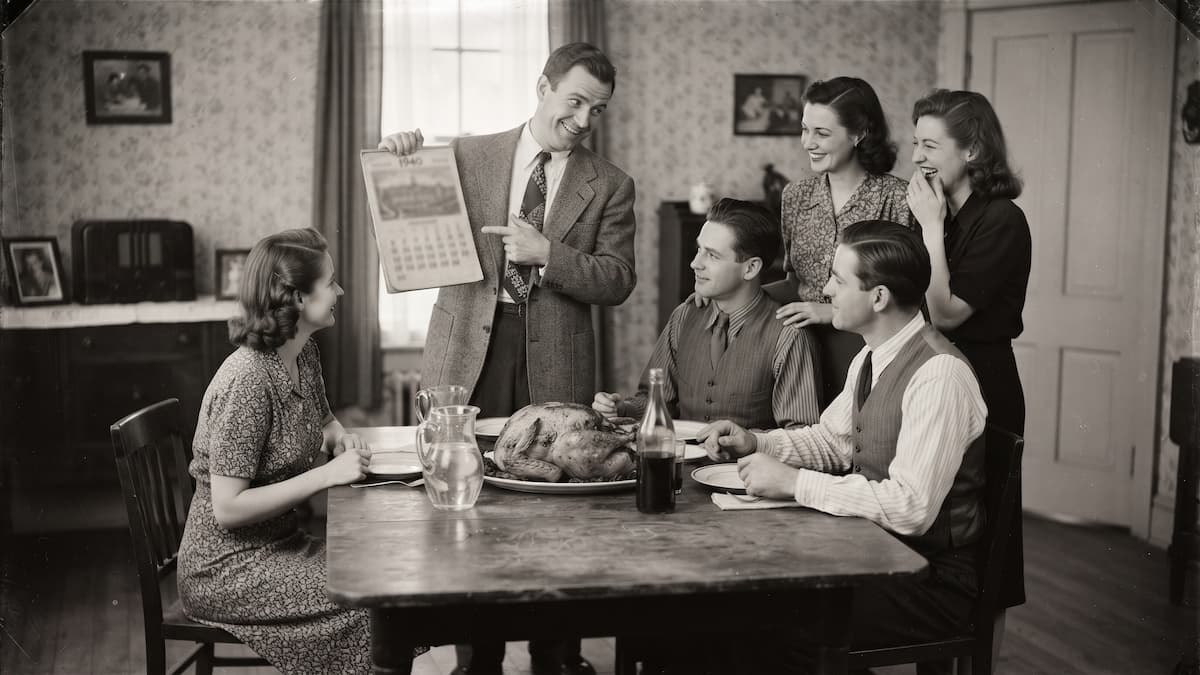
Even the date was up for debate. In 1939, Franklin D. Roosevelt moved the holiday up a week to give shoppers a longer Christmas season, and states split between following him and sticking with the last Thursday, a mess critics nicknamed Franksgiving. According to the National Archives, two dates were celebrated for two years. Congress finally settled it in 1941: the House approved a resolution on October 6, the Senate changed it to the fourth Thursday, and Roosevelt signed it on December 26, 1941.
Sign up for our newsletter
9. TV Dinners Were Born From Leftover Turkey in 1953
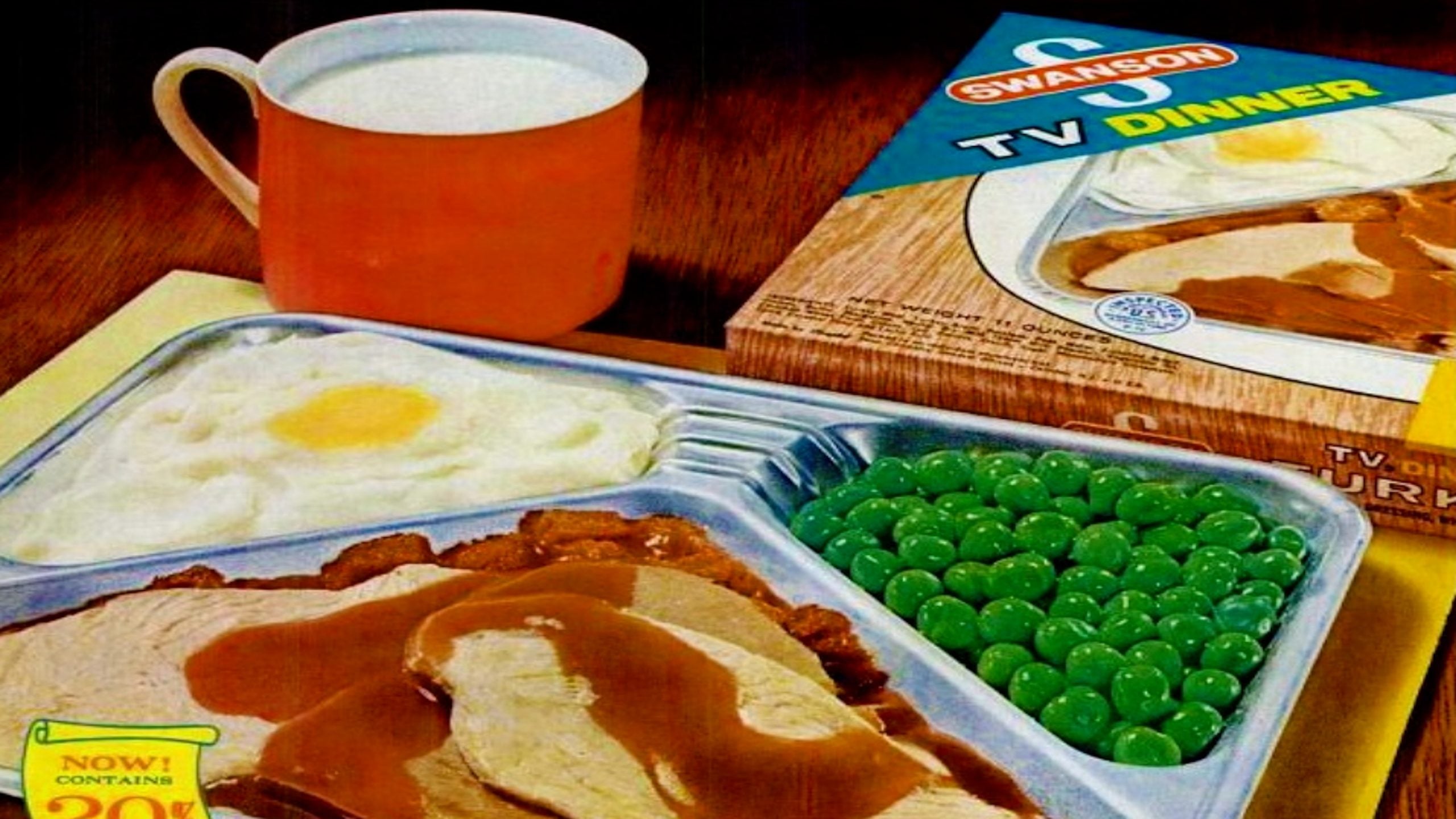
The TV dinner has a turkey-sized origin story. As Smithsonian magazine tells it, Swanson was stuck with 260 tons of frozen turkey after Thanksgiving, stored in ten cold railcars, and salesman Gerry Thomas is credited with packaging the bird with stuffing and sweet potatoes in an aluminum tray. The product was conceived in late 1953, and Swanson sold ten million trays in 1954. Fair warning: the tale is disputed, and some Swanson family members have challenged Thomas’s claim.
10. Green Bean Casserole Was Invented in 1955
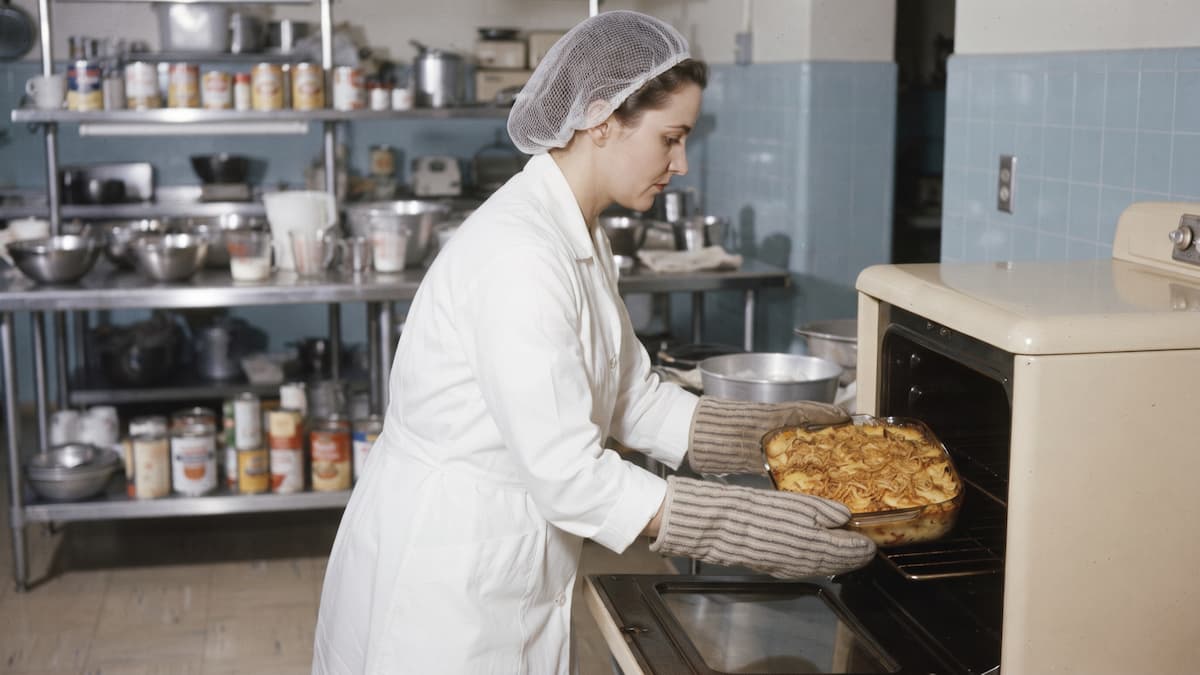
Green bean casserole feels like a recipe from the Mayflower, yet it was created in 1955 by Dorcas Reilly at Campbell’s headquarters in Camden, New Jersey, where it was first called Green Bean Bake. The team tested ingredients like Worcestershire sauce, celery salt, and ham along the way, and today’s version is a simple mix of green beans, cream of mushroom soup, soy sauce, pepper, milk, and crispy fried onions. Campbell’s says the dish appears on more than half of holiday tables nationally, so a test-kitchen invention from 1955 is now practically sacred.
11. Black Friday Didn’t Go National Until the 1980s
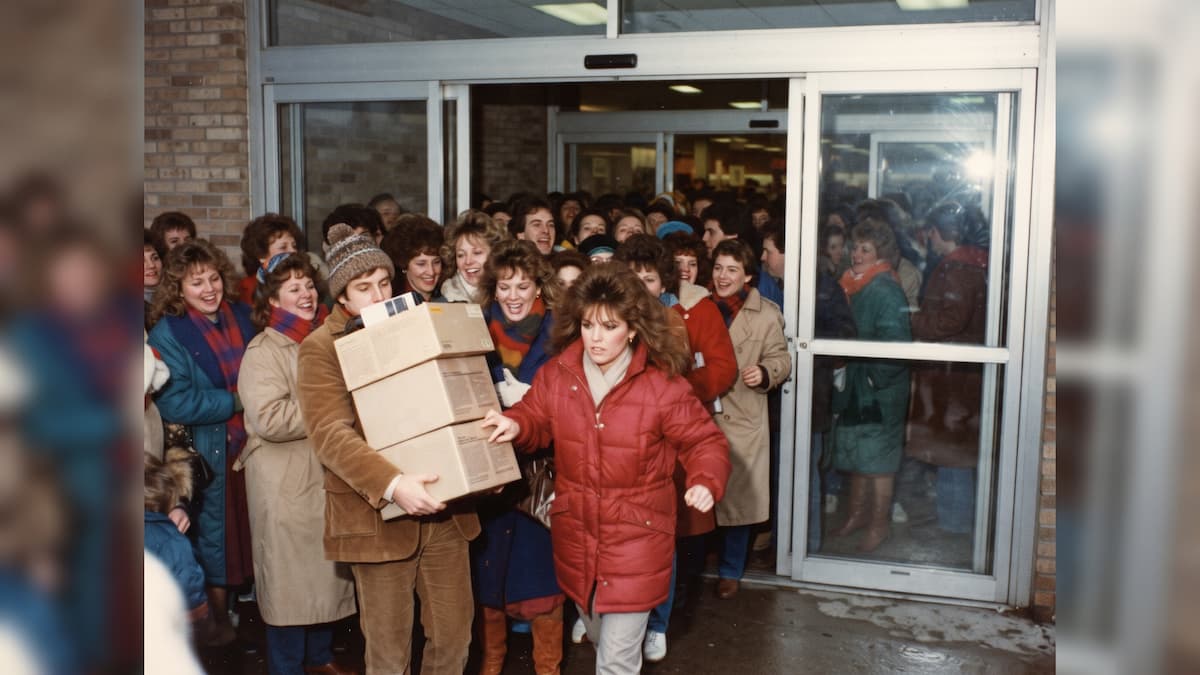
Black Friday has a far less festive past. The first recorded use of the phrase described the U.S. gold market crash of September 24, 1869. The shopping meaning started in Philadelphia, where police used it for the chaotic crowds and traffic around the post-holiday weekend, and by 1961 it had caught on locally, according to History.com. It still wasn’t in common use nationwide as late as 1985. Retailers then spun a sunnier story in the late 1980s, claiming the day pushed stores “into the black,” an explanation History.com calls inaccurate, and it became the unofficial start of the Thanksgiving shopping frenzy.
12. The Turkey Hotline Launched in 1981
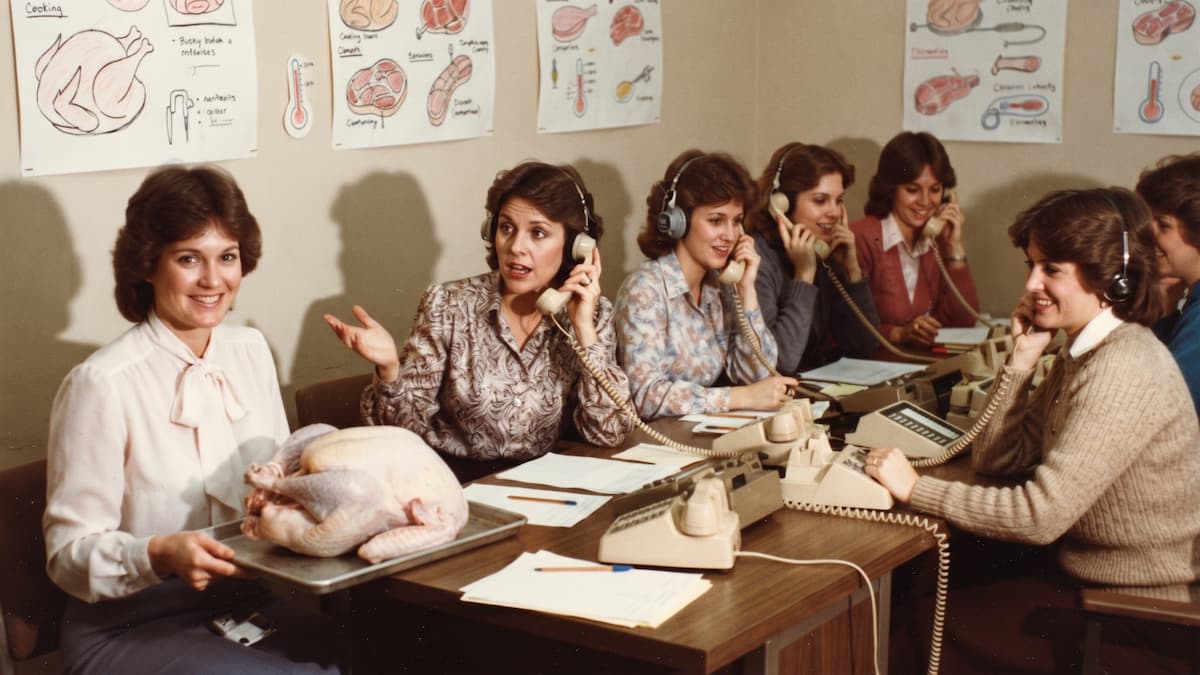
The turkey hotline is a surprisingly modern invention. Butterball’s Turkey Talk-Line began in 1981 with six operators, and in its first year, it answered more than 11,000 questions, according to Tedium. It has been a lifeline for nervous cooks ever since, which says a lot about how many people start the biggest meal of the year with a mild panic.
13. The Presidential Turkey Pardon Is Only From 1989
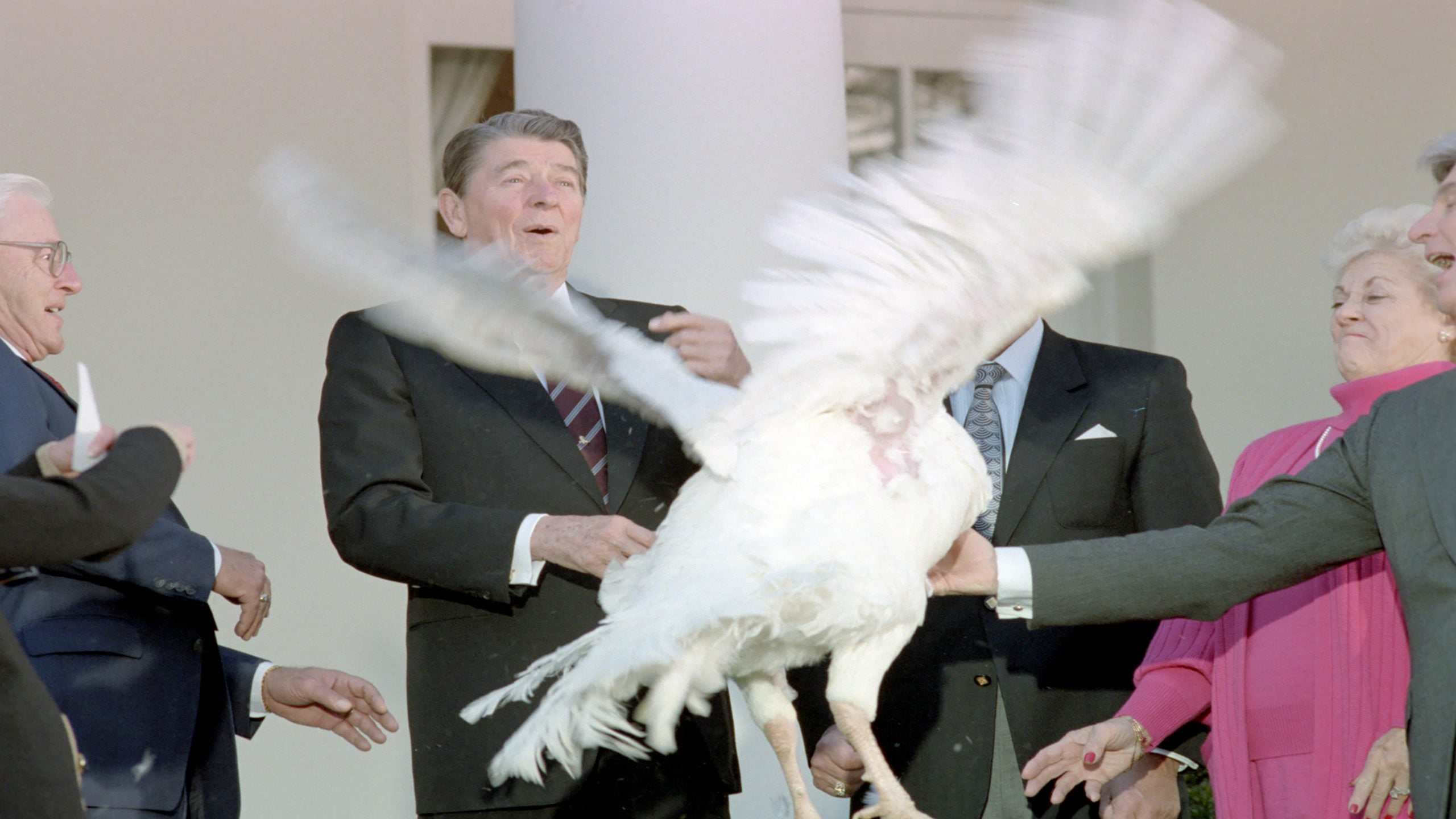
The presidential turkey pardon feels ancient, but it is only a few decades old. Turkeys had been sent to the White House for generations, beginning with Horace Vose during Ulysses S. Grant’s administration, and poultry groups delivered one to Harry Truman in 1946, though Truman Library records note he never pardoned the bird he received in 1947, according to History.com. Stories that Abraham Lincoln spared a turkey named Jack for his son Tad are told, but they are not verified. The first formal pardon came on November 17, 1989, when George H. W. Bush declared in the Rose Garden, “He’s granted a presidential pardon as of right now,” and a new Thanksgiving ritual was born.
14. The National Dog Show Became a Holiday Fixture in 2002
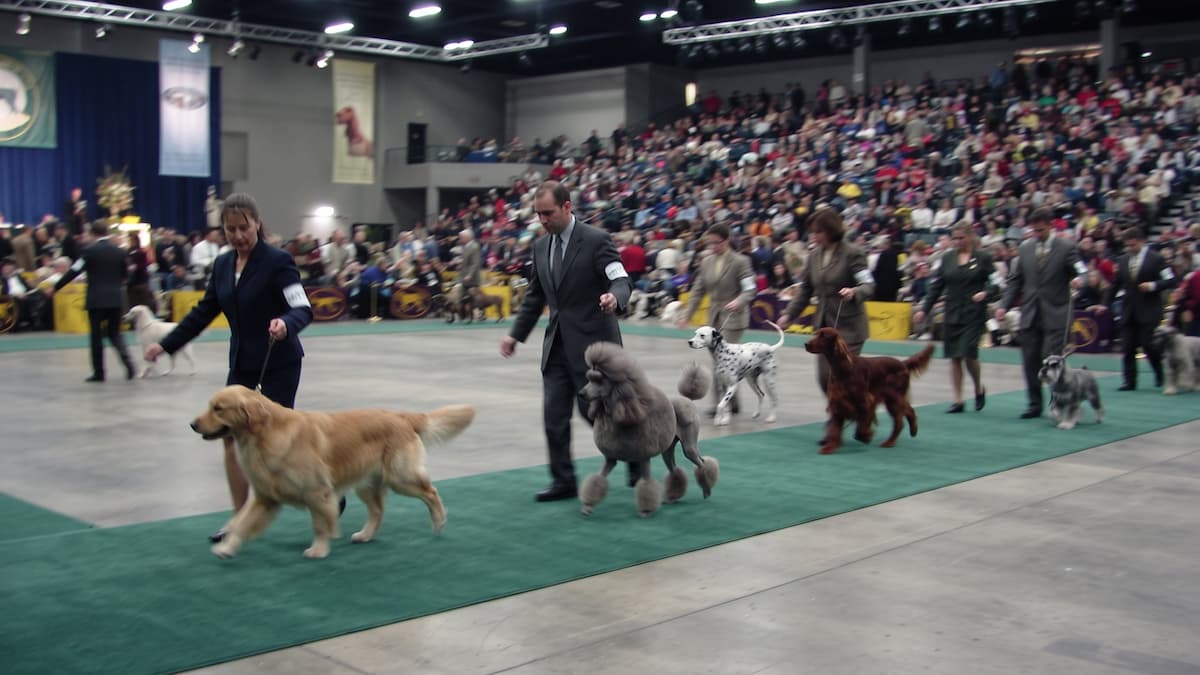
Somewhere between the parade and the pie, plenty of households tune in to a lineup of very fancy dogs. The National Dog Show first aired on NBC on the holiday itself in 2002, according to Philadelphia magazine, going “smack-dab up against” the NFL’s games. Since then, it has become a new tradition for people who prefer their competition with fur and wagging tails.
15. Friendsgiving Was Coined in 2007
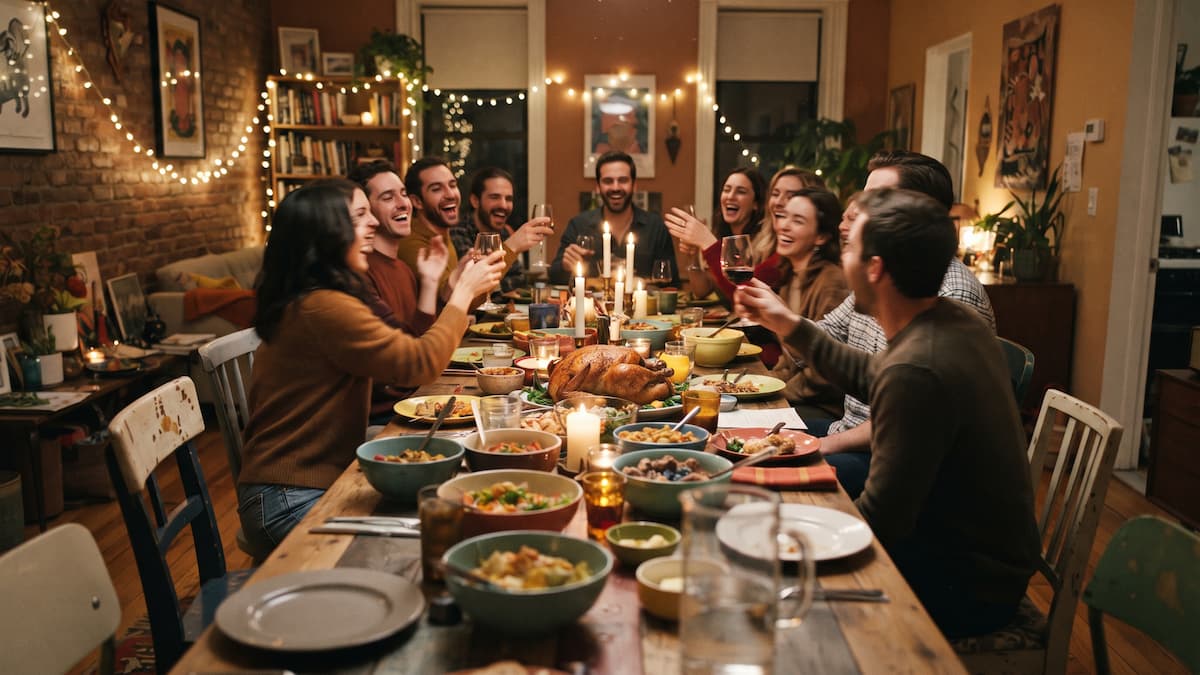
Friendsgiving may feel like it has been around forever, but the word is barely out of its teens. Merriam-Webster traces its first use to 2007, in Usenet posts and on Twitter, with edited prose picking it up in 2008 and 2009. It reached national prominence in 2011, when Bailey’s Irish Cream used it in an ad campaign, The Real Housewives of New Jersey featured it, and the dictionary officially added it in January 2020. Not bad for a mashup of friends and Thanksgiving.
From a marshmallow cookbook in 1917 to a dictionary entry in 2020, these traditions show that Thanksgiving is constantly evolving, and that even the most ancient-feeling customs can have a surprisingly recent start date. Which of these surprised you the most? Tell us in the comments!