During the war years, the holidays stood as a symbol of faith, even as they changed in meaningful ways. Scarcity, uncertainty, and the absence of loved ones forced many families to reshape their celebrations and find meaning in simple gestures.
Without lavish gifts or overflowing tables, holiday traditions became acts of togetherness, resilience, and quiet hope. These customs, preserved even in the hardest moments, reveal how the spirit of the season endured when so much else felt uncertain.
1. Waiting to Open Gifts Together

During those difficult years, many families waited until everyone could be together to open their gifts, even if it meant celebrating days or weeks later. Having every family member present mattered more than the exact date. The act of waiting strengthened the sense of togetherness. Opening the gifts became a deeply emotional moment rather than a material one.
2. Handmade Gifts

The lack of available goods and often limited money forced families to get creative. Knitted scarves, wooden toys, or handwritten letters replaced store-bought gifts. Each item required time, care, and intention. Their symbolic value mattered far more than their material worth.
3. Reusing Decorations Year After Year

Holiday decorations were carefully preserved to be used year after year and passed down from one generation to the next. Each piece carried its own history and memories. Nothing was considered disposable.
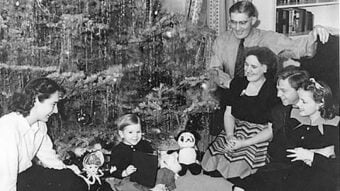
4. Small or Improvised Christmas Trees

Unable to obtain a traditional Christmas tree, many families improvised. Branches, houseplants, or small trees took on the symbolic role of a full-sized one.
5. Cooking with Rationed Ingredients

Holiday meals were strictly adjusted to the available rations. Families planned simple dishes with care to make sure there was enough for everyone. Sharing the table remained the heart of the celebration.
Trending on Wealth Gang

6. Sharing Food with Neighbors

It was common for neighbors to exchange food so that no one was left without a celebration. Community took the place of abundance, and helping one another became what mattered most.
7. Writing Letters to Loved Ones Abroad

The holidays were a key moment to write letters to those who were far away or serving on the front lines. The words were meant to offer comfort and hope. Many letters were read again and again, becoming a heartfelt way to express just how deeply someone was missed.
8. Moments of Silence and Reflection

Celebrations often included moments of silence to remember those who were absent and keep them present in spirit. Not everything was forced joy. There was room for sadness and remembrance. Honoring what had been lived became part of the ritual during those moments.
Sign up for our newsletter
9. Making Music at Home

Many times, there were no records or large radios available. People sang or played simple instruments, with everyone joining in. Music helped create warmth in the middle of uncertainty.
10. Repairing Instead of Replacing

Clothes and toys were carefully repaired and restored to look new for the holidays. Sewing, gluing, or making small adjustments was a common practice.
11. Simpler Holiday Celebrations

The focus was on being together. Simplicity set the tone of the celebration. It wasn’t about abundance, but about enjoying time with family and friends and appreciating that shared moment.
12. Decorating with Natural Elements

Nature provided what couldn’t be bought. Pinecones, branches, and dried leaves became decorations. Each piece was unique. Homes were dressed with simple, real materials, and imagination played a big role in creating something special.
13. Reading Stories Together

Reading stories or meaningful passages was a simple way to spend time together. It didn’t require money or planning, just presence and closeness. Sharing those moments through reading helped strengthen family bonds.
14. Expressing Gratitude for What They Had

Gratitude took the place of gifts, food, and excess. The true reason for celebrating became companionship and appreciating the small things that truly mattered.
15. Keeping Traditions as a Symbol of Hope

Continuing to celebrate, even in the simplest ways, became a form of resistance. Keeping traditions alive offered emotional stability. They represented hope for better times, turning tradition into a place of refuge.
More Holiday Stories to Explore
-
20 Holiday Traditions From the ’50s–’60s That Families Don’t Do Anymore – This piece explores how holiday celebrations evolved in the decades after World War II, showing nostalgic family traditions that faded over time. It complements your article by offering readers a broader look at changing family holiday rituals across history.
-
Discover What the World Looked Like in 1938 Through These 35 Nostalgic Photos – A visual journey through pre-war life, this photo collection provides historical context that helps illustrate the world families were living in just before global conflict. It’s a great way to connect readers to the era you’re writing about.
-
These 21 Powerful Photos Capture the Reality of World War I – Although focused on a different conflict, this gallery highlights the human impact of war and how communities coped. Linking here enriches your wartime theme and gives readers a powerful visual perspective on life during conflict.