
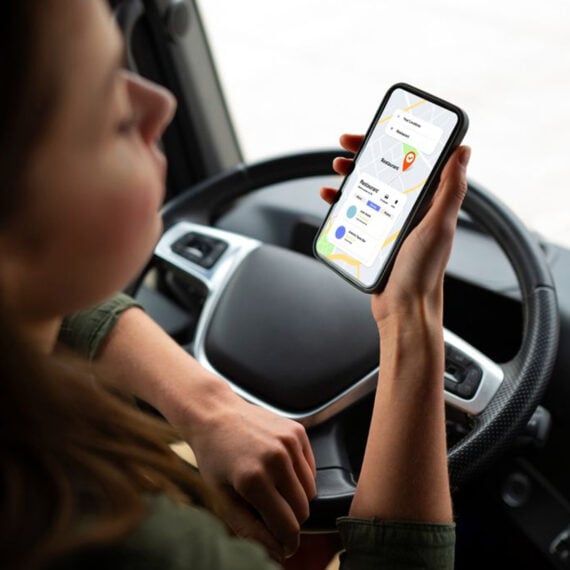
Some technologies take decades to become part of everyday life. Others arrive quietly and suddenly feel impossible to live without. In just a few years, certain inventions completely changed how people communicate, shop, travel, work, and relax. What once seemed futuristic quickly became routine, often faster than anyone predicted. These technologies did not just improve convenience. They reshaped habits, industries, and even human behavior on a global scale.
1. Smartphones
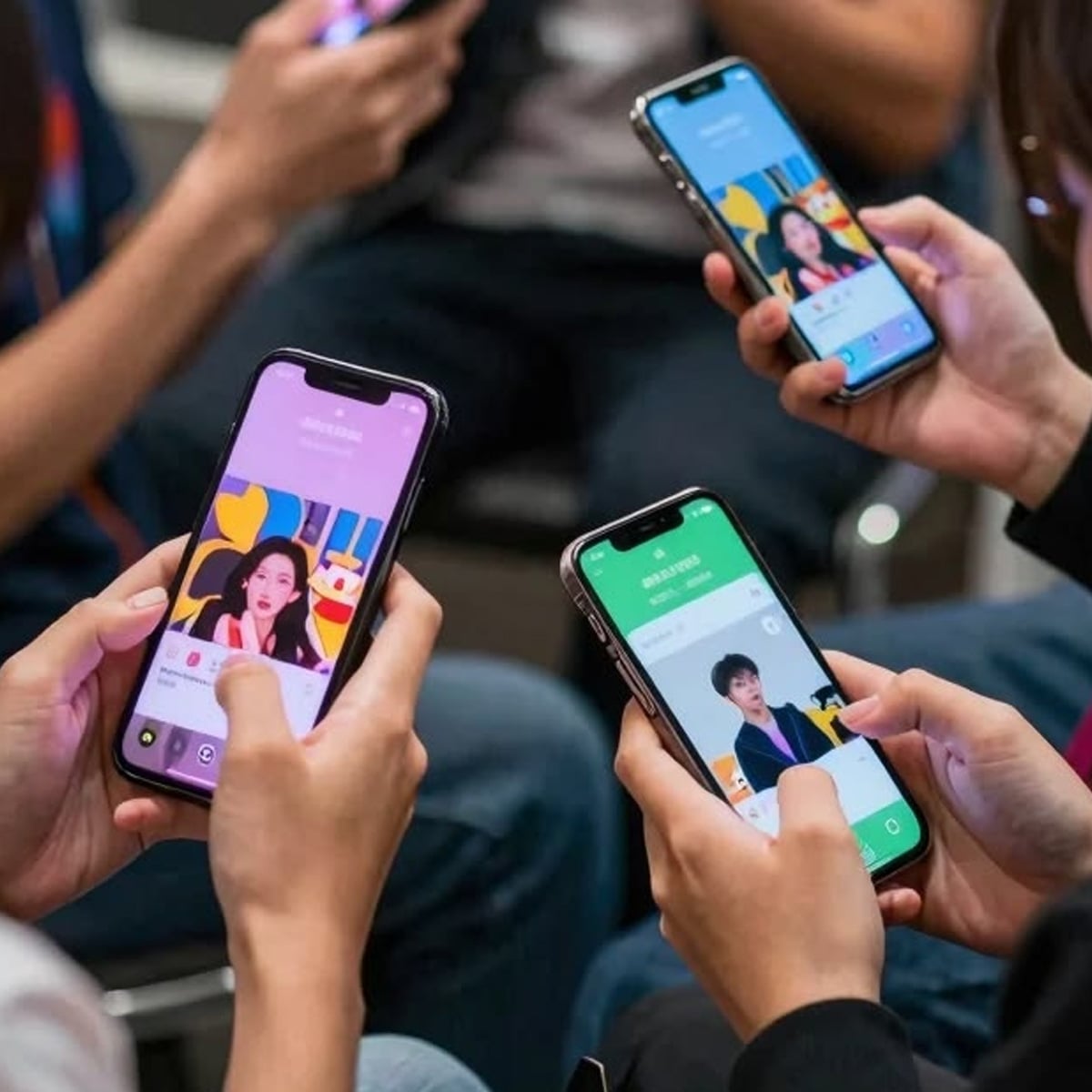
The smartphone transformed daily life faster than almost any modern invention. What started as a device for calls and texts became a camera, GPS, entertainment center, wallet, and office all in one. Within only a few years, people stopped carrying multiple devices because phones replaced nearly everything. Today, many everyday tasks, including ordering food, booking rides, banking, and socializing, happen directly from a pocket sized screen.
2. Online Shopping

Online shopping existed for years before it truly exploded, but once it became fast and reliable, consumer habits changed almost overnight. The ability to buy almost anything without leaving home reshaped malls, retail stores, and delivery services worldwide. Features like same day shipping and personalized recommendations made online shopping feel easier than traditional retail for millions of people.
3. Streaming Services

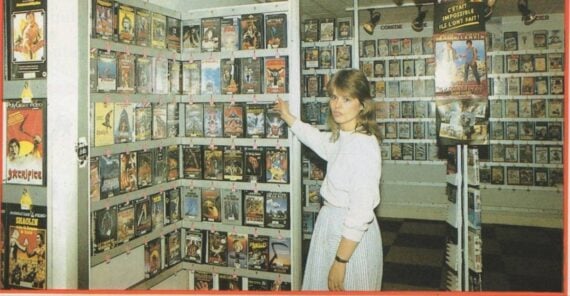
Streaming platforms changed entertainment at incredible speed. People went from renting DVDs and watching scheduled television to instantly accessing thousands of movies and shows on demand. Music streaming created the same shift in the music industry. Entire generations became accustomed to unlimited content libraries without owning physical media.
4. GPS Navigation Apps
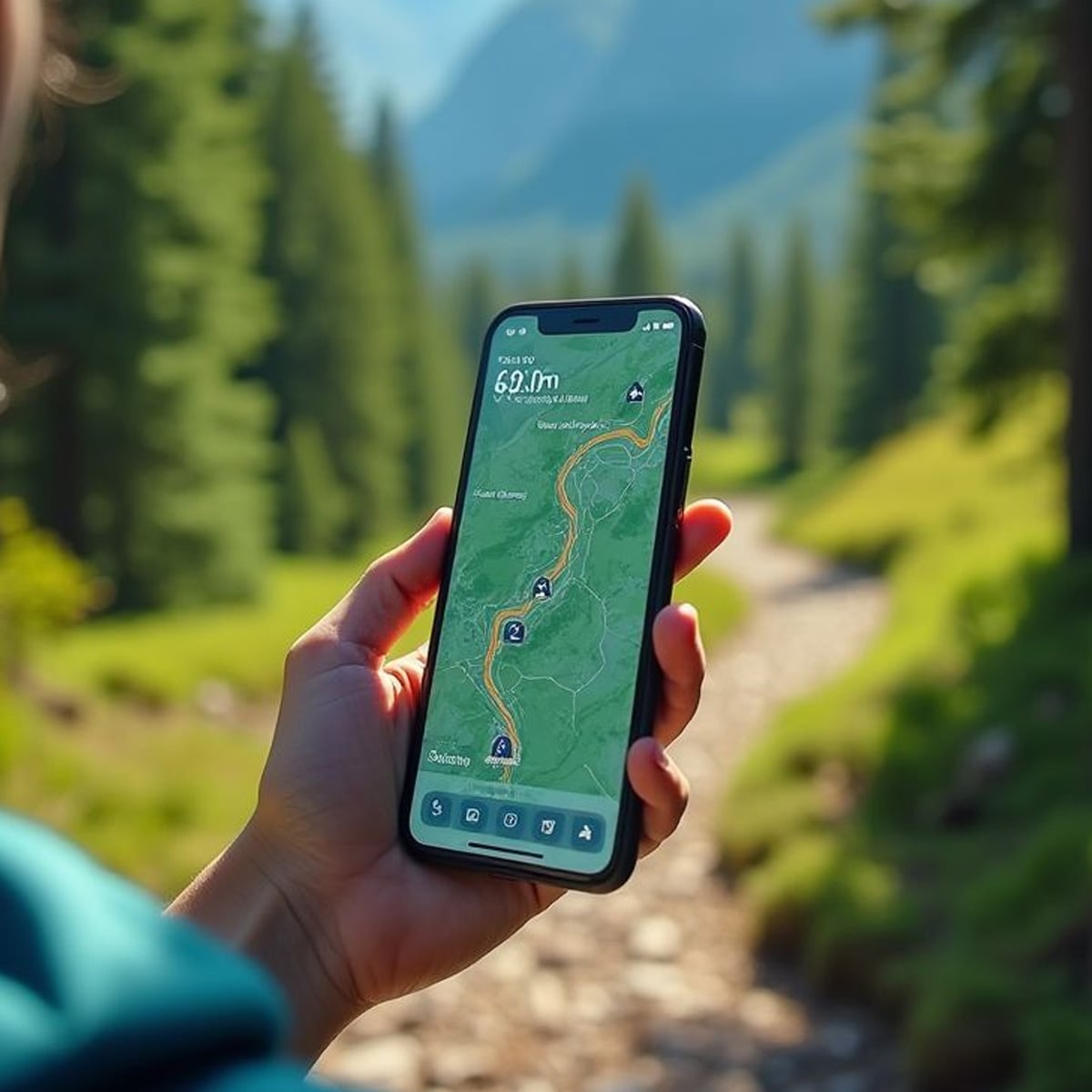
Paper maps disappeared surprisingly quickly once GPS apps became common. Real time navigation changed how people drive, travel, and even discover businesses nearby. Traffic updates, alternate routes, and location sharing made navigation easier and safer. Many younger drivers today have never needed to learn how to read traditional maps.
5. Contactless Payments

Paying with cash or even swiping a card already feels outdated in many places. Contactless payments through phones, watches, and tap enabled cards spread rapidly because they saved time and simplified purchases. The technology became even more common during the pandemic, when people looked for faster and cleaner payment methods.
Trending on Wealth Gang

6. Social Media Platforms
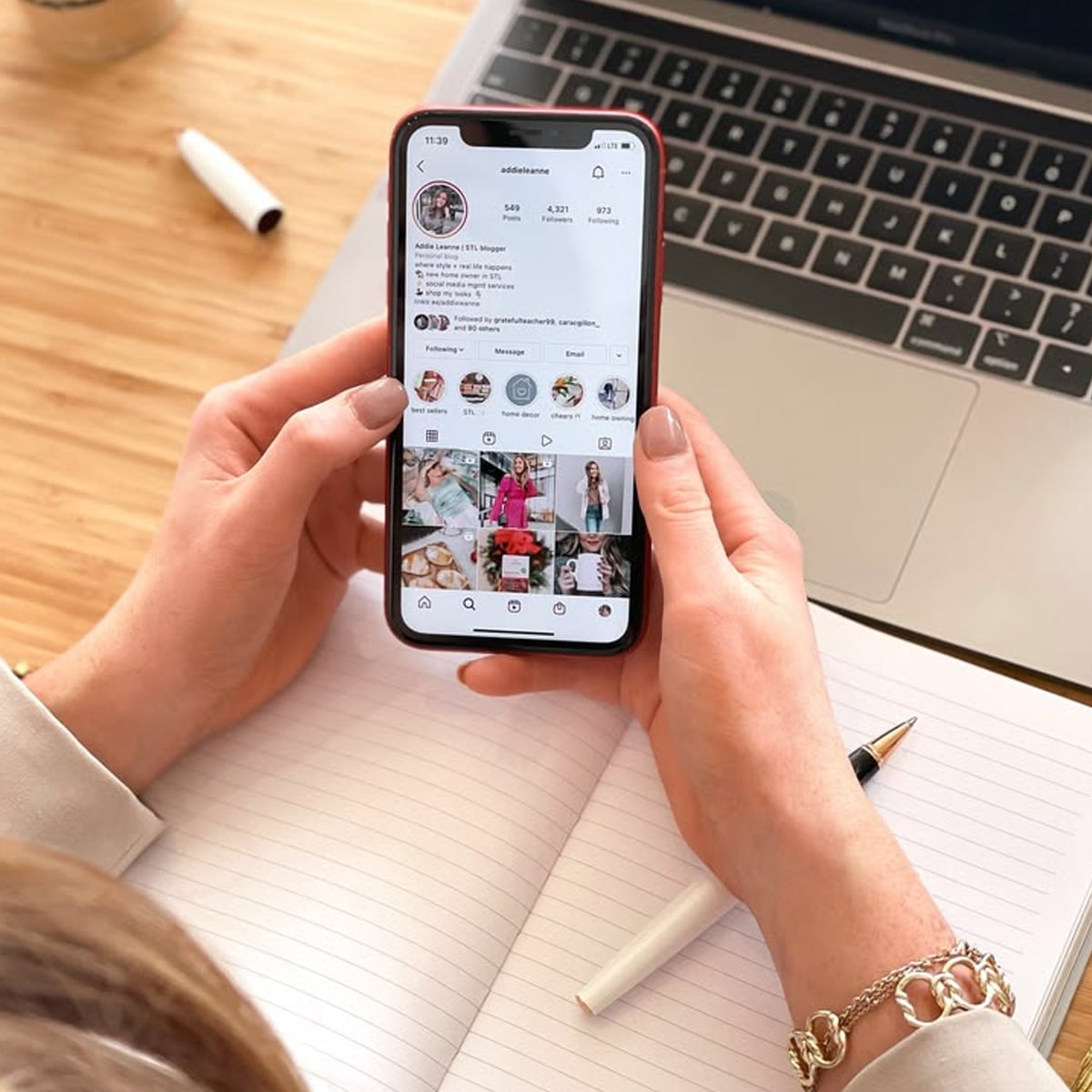
Social media changed communication faster than experts expected. Platforms originally designed for connecting with friends evolved into spaces for news, business, entertainment, shopping, and marketing. Influencer culture, viral trends, and instant global communication became normal within a surprisingly short time, changing how people interact online forever.
7. Ride Sharing Apps
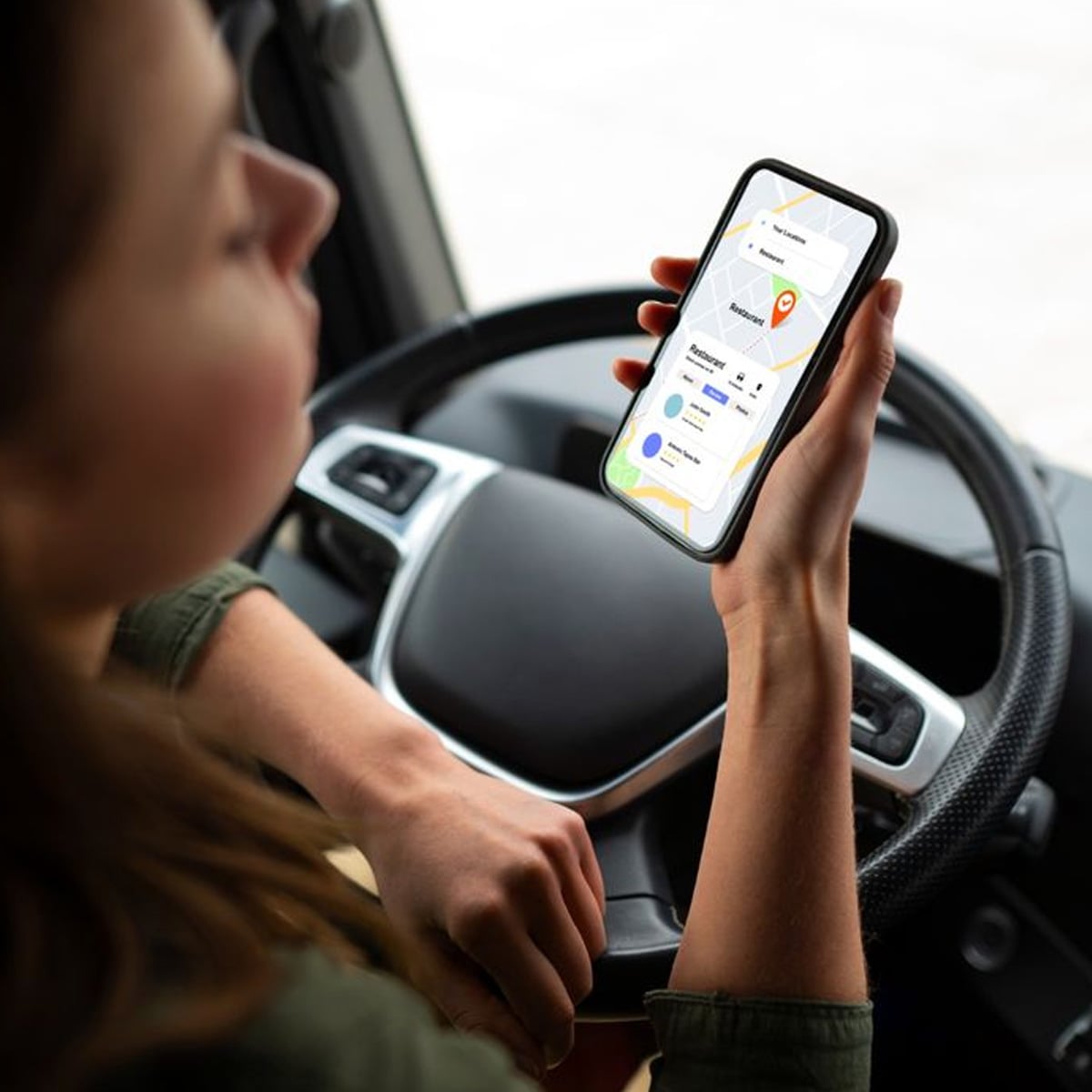
Ride sharing apps completely changed urban transportation. Instead of calling taxis or waiting on street corners, users could instantly request rides from their phones. The convenience, pricing transparency, and ease of payment helped these services spread quickly across cities worldwide and permanently altered transportation habits.
8. Smart Home Devices
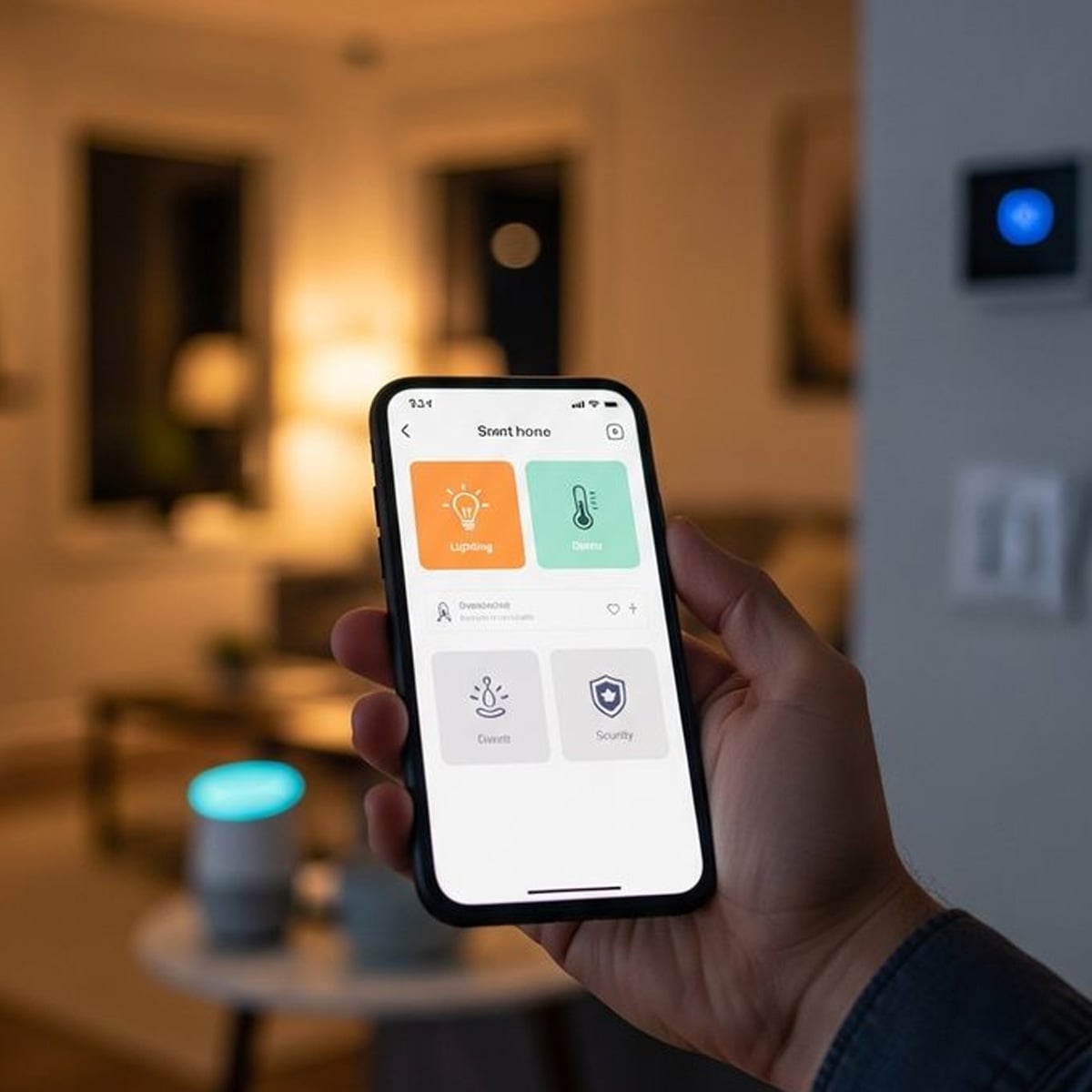
Voice assistants, smart lights, connected security cameras, and automated appliances entered homes much faster than many people expected. What once looked futuristic became affordable and easy to install. Today, millions of households use voice commands to play music, control temperatures, or manage daily routines without touching a switch.
Sign up for our newsletter
9. Video Calling

Video calls existed long before they became mainstream, but remote work and global communication accelerated adoption dramatically. Suddenly, meetings, classes, interviews, and family gatherings moved online. Many businesses realized that remote collaboration could work efficiently, permanently changing workplace culture and communication habits.
10. Artificial Intelligence Tools
AI tools became part of daily life at remarkable speed. From recommendation systems and image editing to chatbots and writing assistants, artificial intelligence now supports tasks people once handled manually. Businesses, students, designers, and content creators rapidly integrated AI into workflows, making it one of the fastest adopted technological shifts in recent memory.
More Related Notes
• 11 Ways Technology Is Simplifying (and Complicating) Your Life at the Same Time
A closer look at how modern innovations transformed communication, work, and daily routines in ways people never expected.
• 11 Things You Use Every Day but Don’t Know How They Work
This article explores the hidden systems behind everyday technology that became essential almost overnight.
• No One Saw It Coming, But These 10 Things Are Now Normal
A complementary read about trends and technologies that quickly became part of ordinary life without people fully realizing the shift.