The 1970s ran on patience. There was no way to speed things up, skip a step, or check your phone while you waited. If you wanted to talk to a friend, you dialed a number and hoped they were home. If you wanted to watch a show, you sat down at the exact time it aired, or you missed it completely. Life moved at the speed of whatever machine, mail carrier, or person was in front of you, and everyone just accepted that.
Looking back now, some of these daily habits seem almost impossible. Not hard exactly, just slow or dependent on things breaking down all the time. For anyone raised on instant everything, a normal 1970s day would feel like an obstacle course. Next are 15 routines that defined the decade and would leave most of Gen Z completely stumped.
1. Calling a Friend on a Rotary Phone
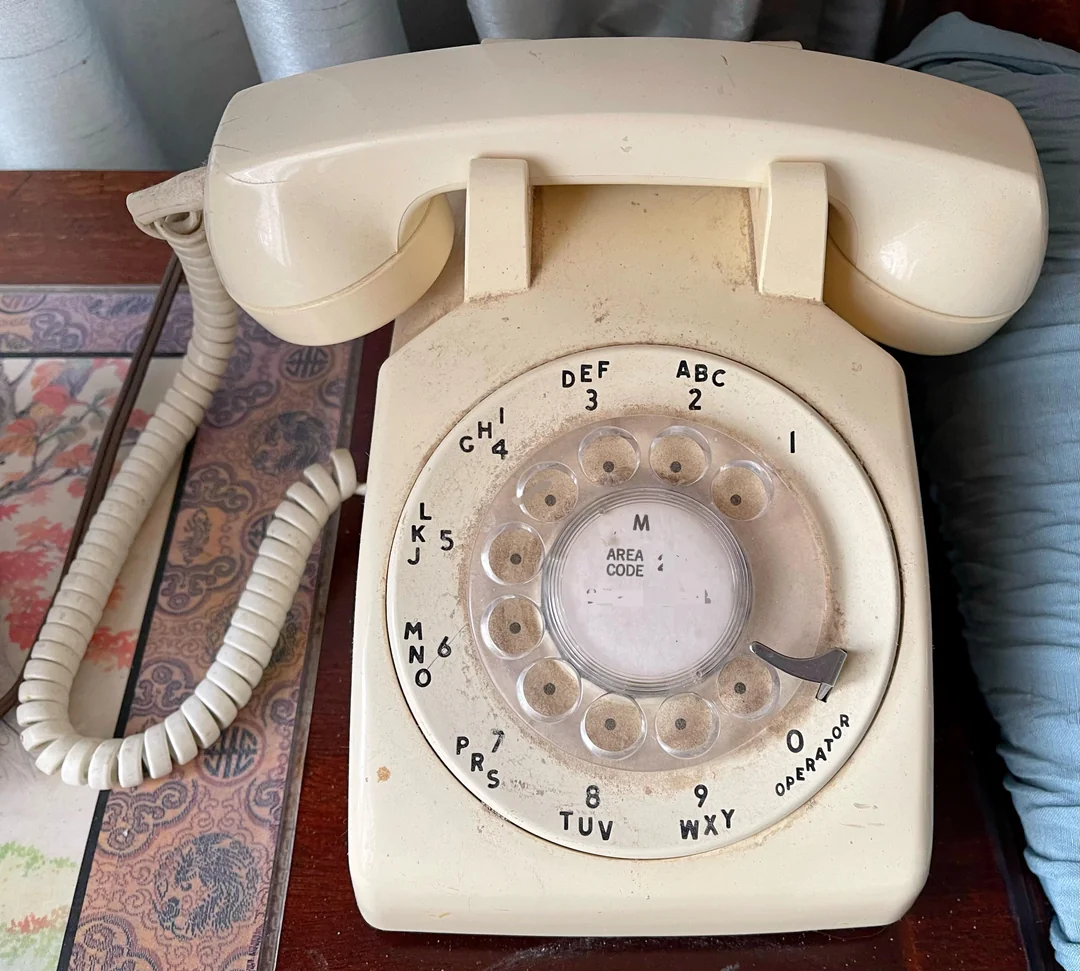
Dialing a rotary phone took real effort. Each number meant sticking a finger in a hole and dragging the dial all the way around before letting it spin back. A phone number with many high digits, like 9s or 0s, took longer to dial. If you messed up, there was no backspace. You started over.
2. Waiting for the Evening News
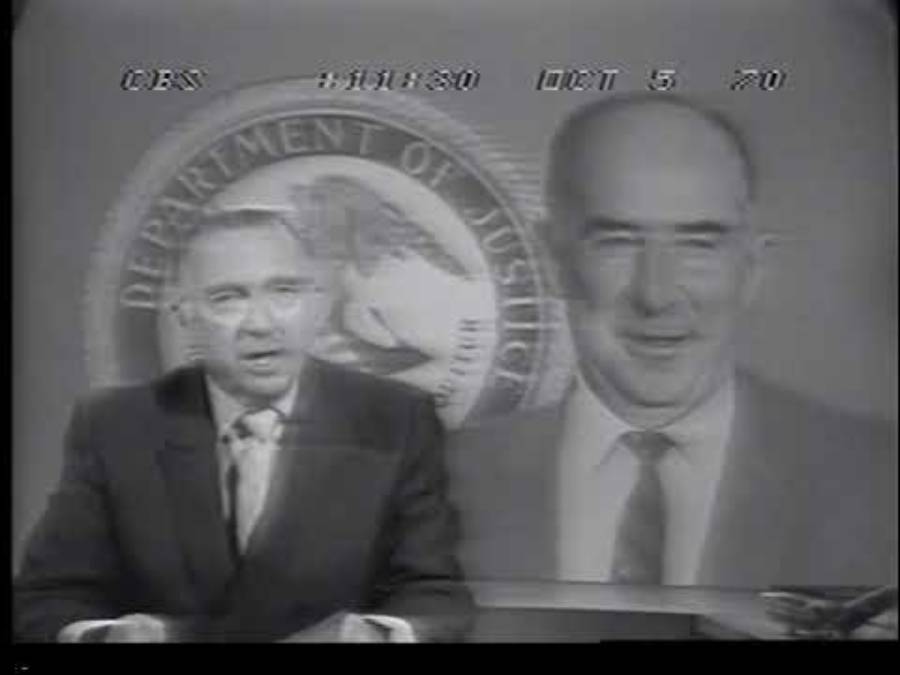
There was no scrolling for headlines whenever you felt like it. News came at set times, usually once in the morning and once at night. Families would gather around one television and watch the same anchor deliver the same stories at the same time, together, whether they cared or not.
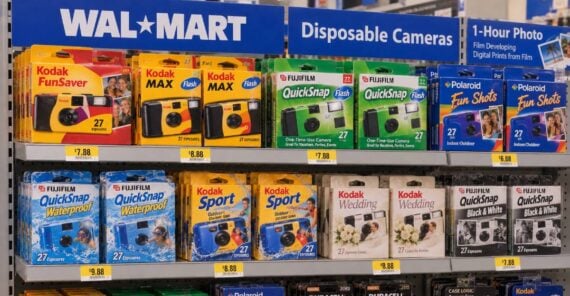
3. Developing Vacation Photos a Week Later
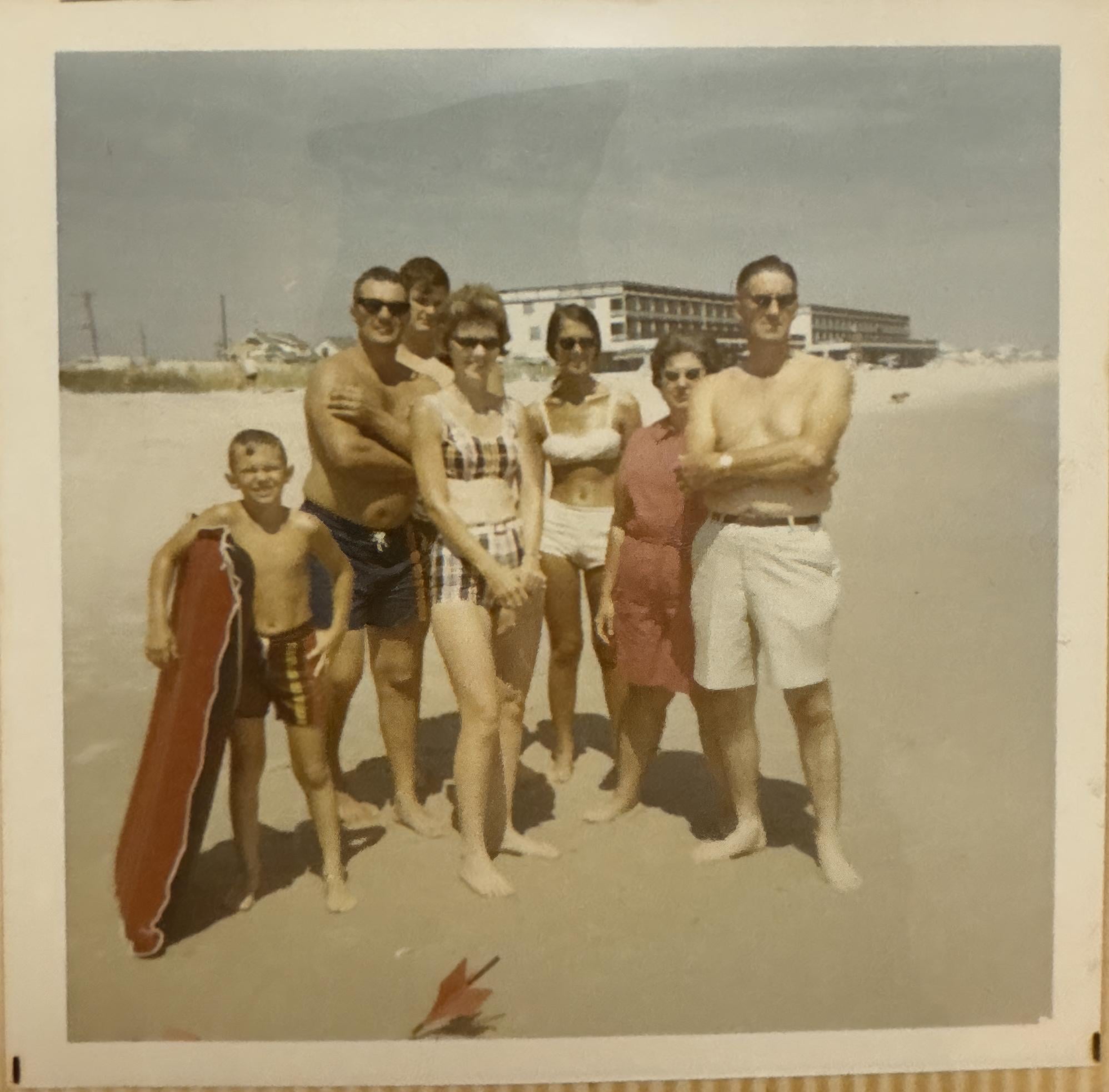
You took a photo, and then you waited. Film had to be dropped off at a drugstore or camera shop, and picking up the prints could take several days or even a full week. There was no way to check if a shot came out blurry or if someone blinked. You just crossed your fingers…
4. Looking Up Numbers in the Phone Book
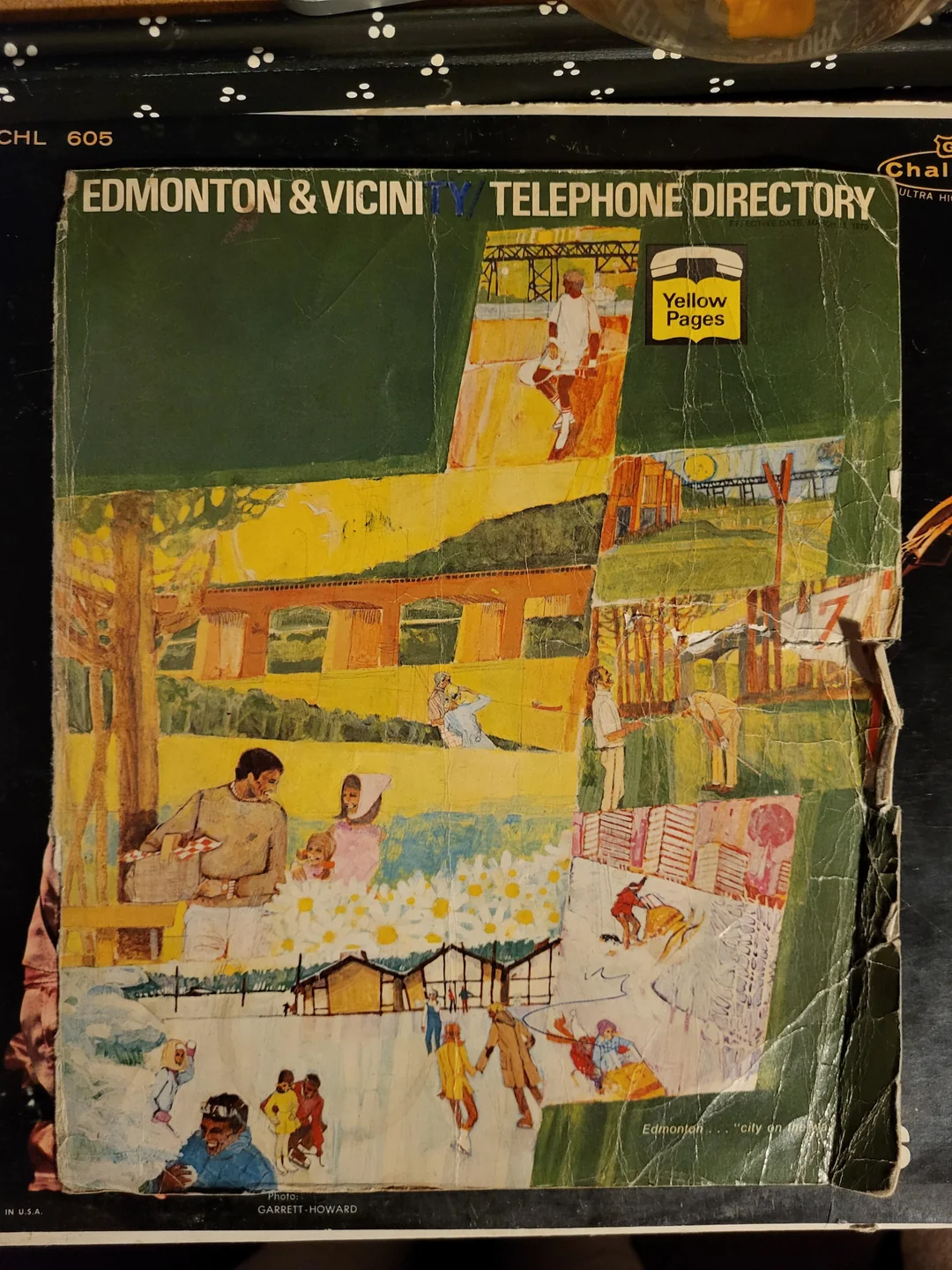
Every house kept a thick phone book, and finding a number meant flipping through pages by last name or business type. Losing the phone book was a real problem. There was no digital backup, just page after page of small print that everyone somehow knew how to navigate.
5. Recording Songs Off the Radio
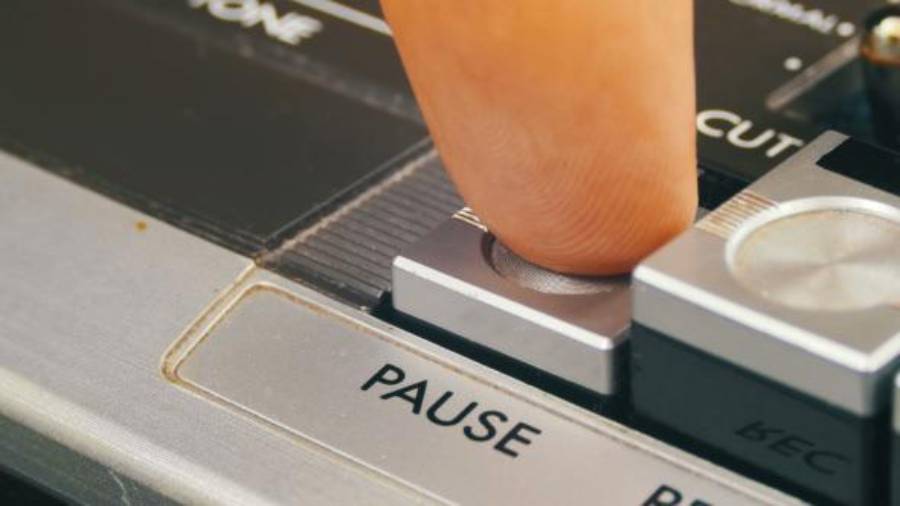
If you wanted a song for yourself, you sat by the radio with a cassette player, finger over record, waiting for your favorite tune to come on. The timing had to be perfect. Miss the intro and the recording started late.
Trending on Wealth Gang
6. Checking the TV Guide
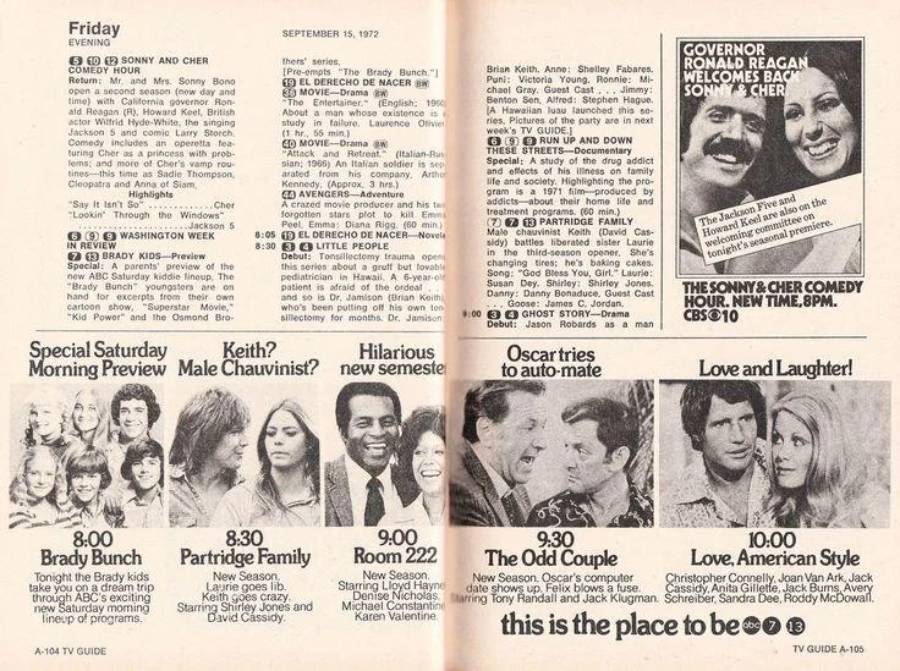
There was no pausing or streaming later. A printed TV Guide told you exactly what was airing and when, and your whole evening got planned around it. Missing the start of a show usually meant missing the show completely.
7. Mailing a Letter
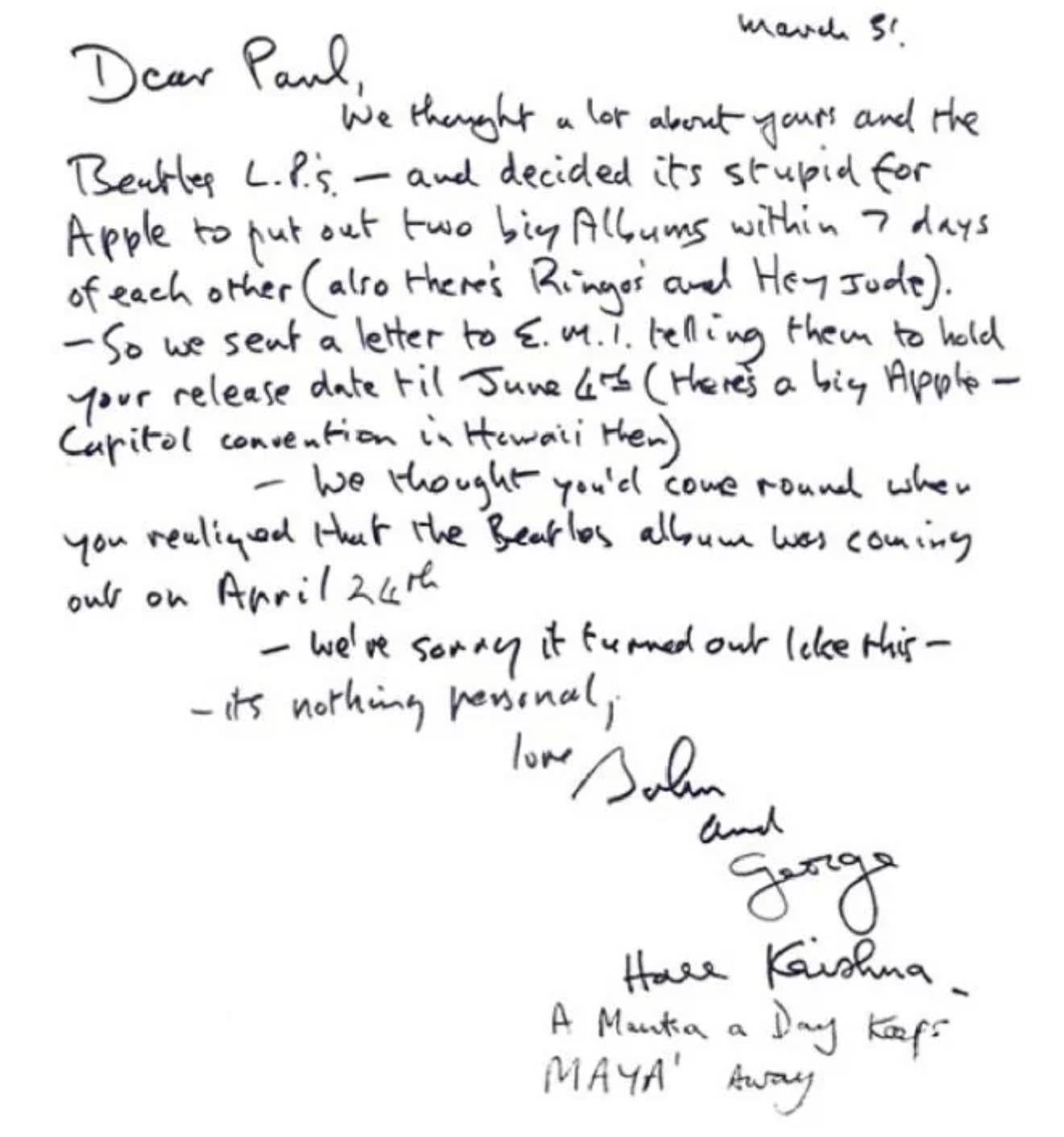
Staying in touch with someone far away meant writing a letter, mailing it, and then waiting days or weeks for a response. There was no instant confirmation that it arrived. You just trusted the process and checked the mailbox every day.
8. Getting Directions From a Paper Map
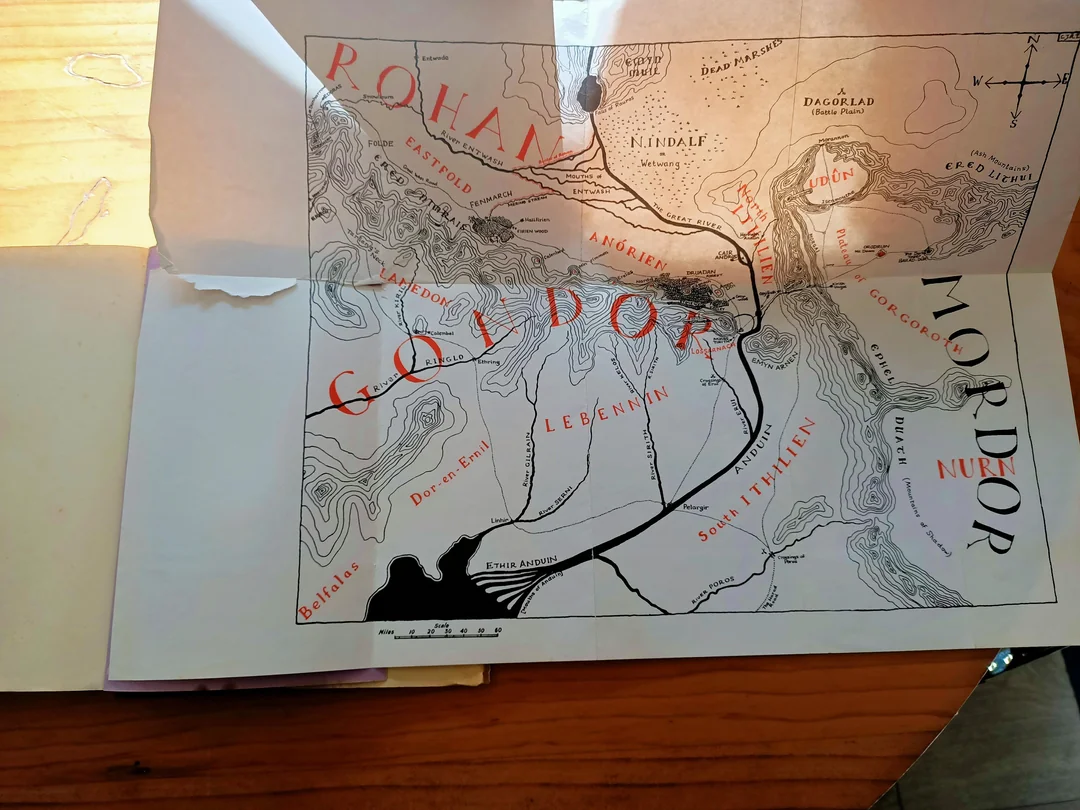
Road trips depended on giant folded paper maps that never folded back the same way twice. Someone in the passenger seat was the navigator, tracing routes with a finger and calling out turns.
Sign up for our newsletter
9. Waiting by the Phone for a Call
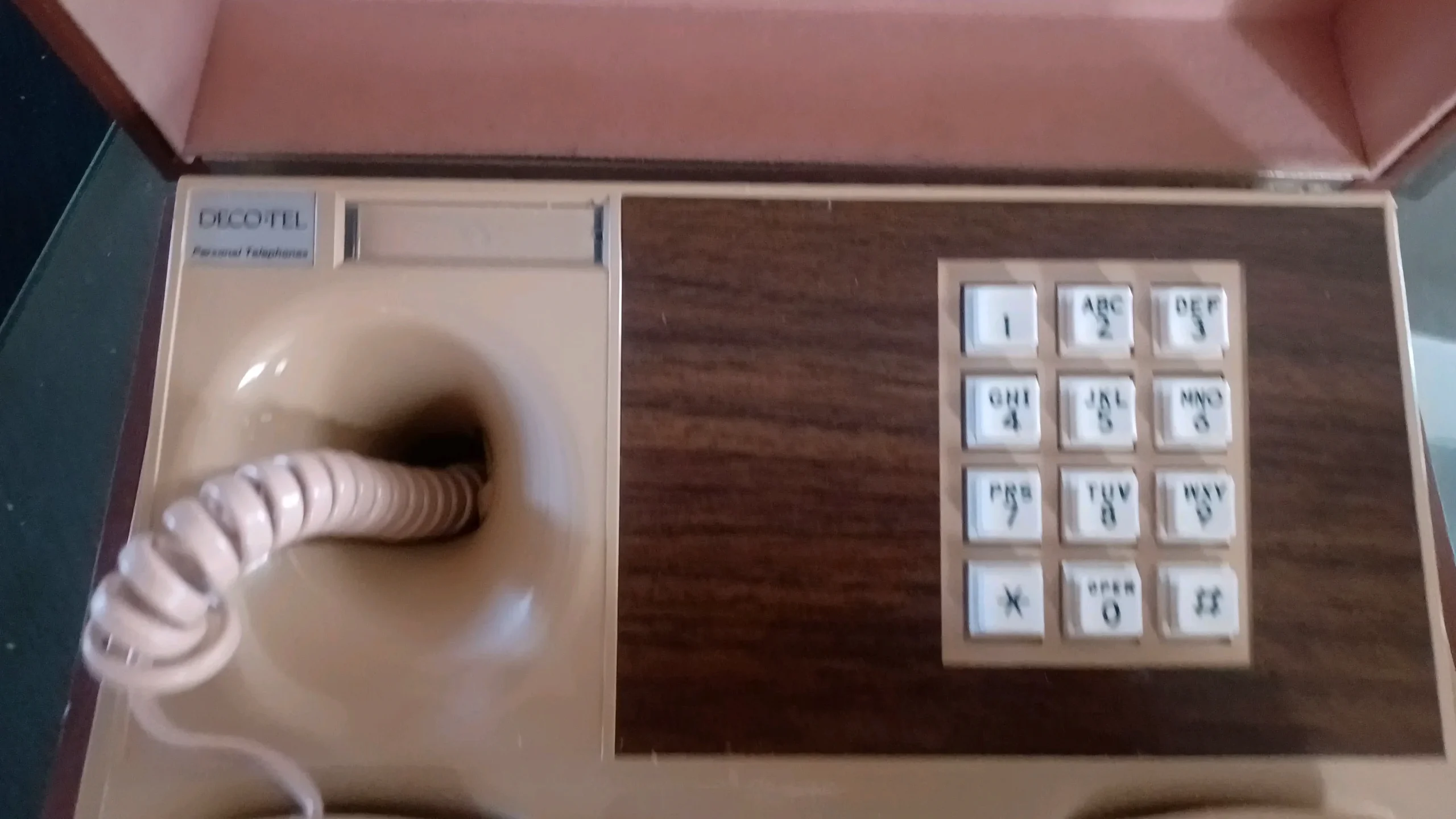
Since phones were tied to the wall, missing a call meant missing it completely. There was no voicemail on most home lines and no way to see who had tried to reach you. If you were expecting an important call, you stayed close to the phone and hoped it rang while you were still in the room.
10. Changing the TV Channel by Hand
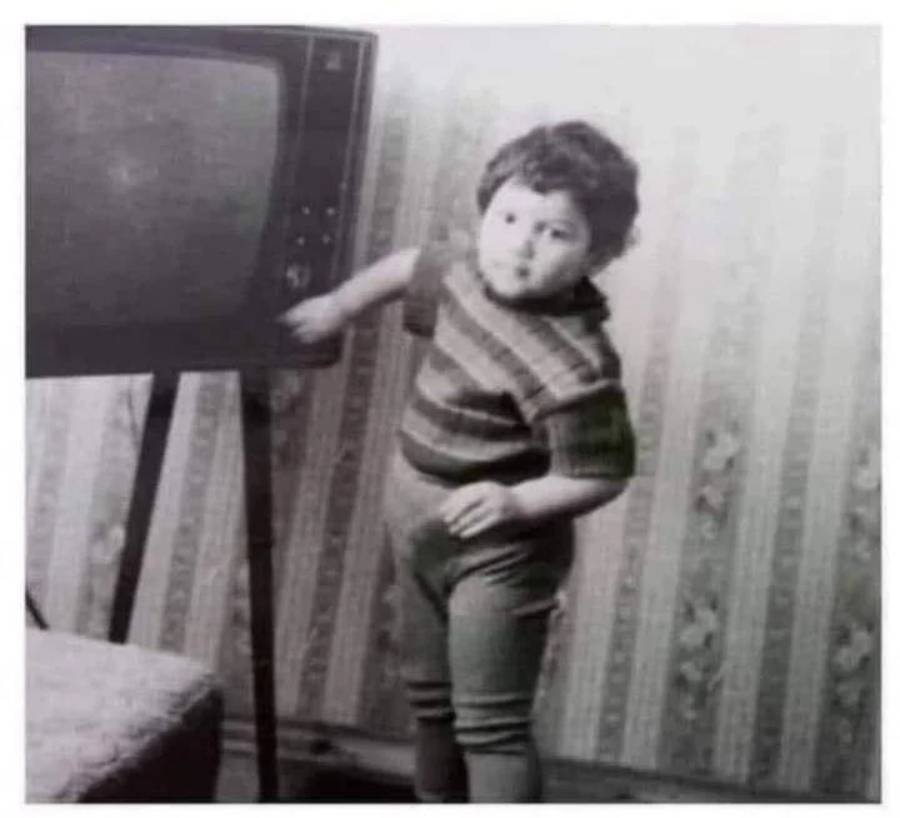
Remote controls were rare in most homes through much of the decade. Changing the channel meant physically getting up and turning a dial on the television set.
11. Balancing a Checkbook by Hand
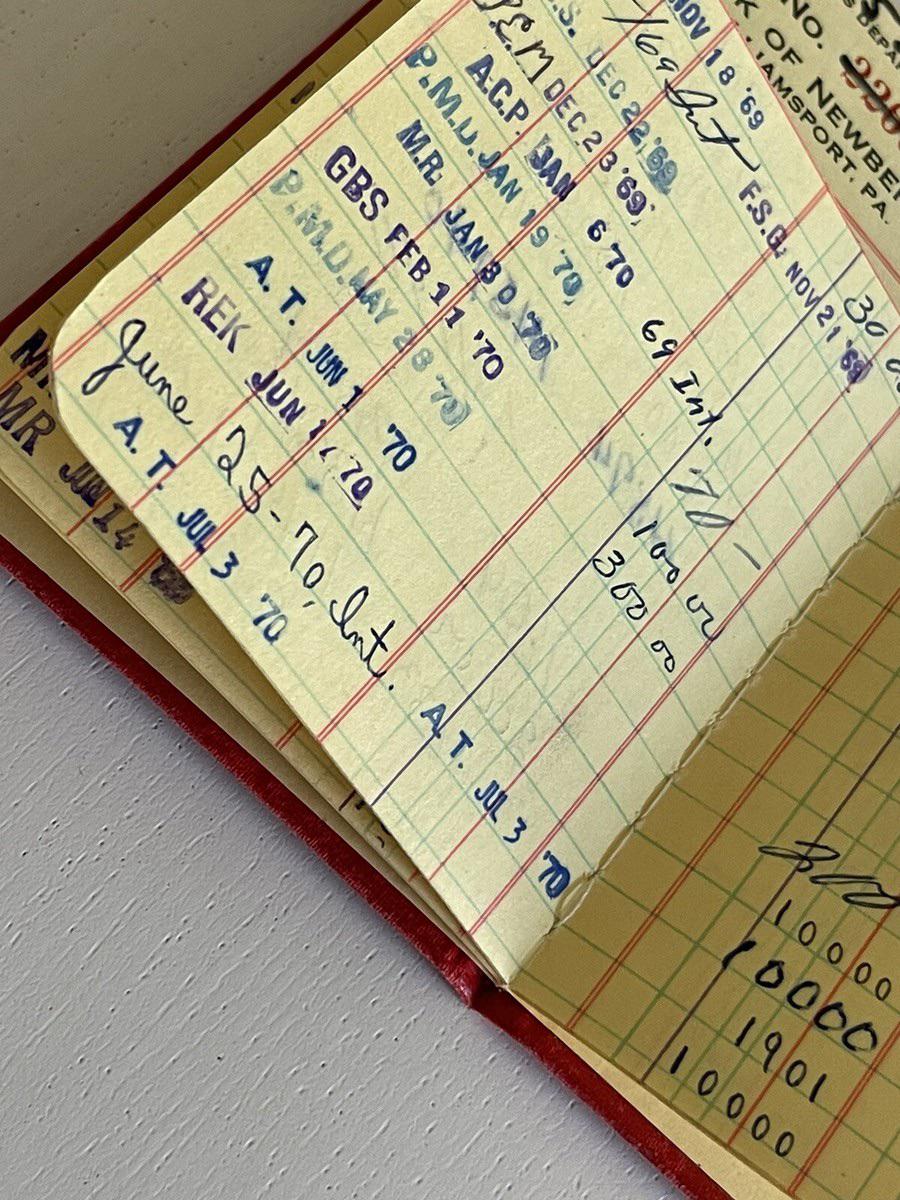
There were no banking apps to check a balance in seconds. People wrote down every check and every withdrawal by hand and did the math themselves to keep track of their money. A simple mistake in addition could mean an unpleasant surprise.
12. Ironing Clothes Before Work
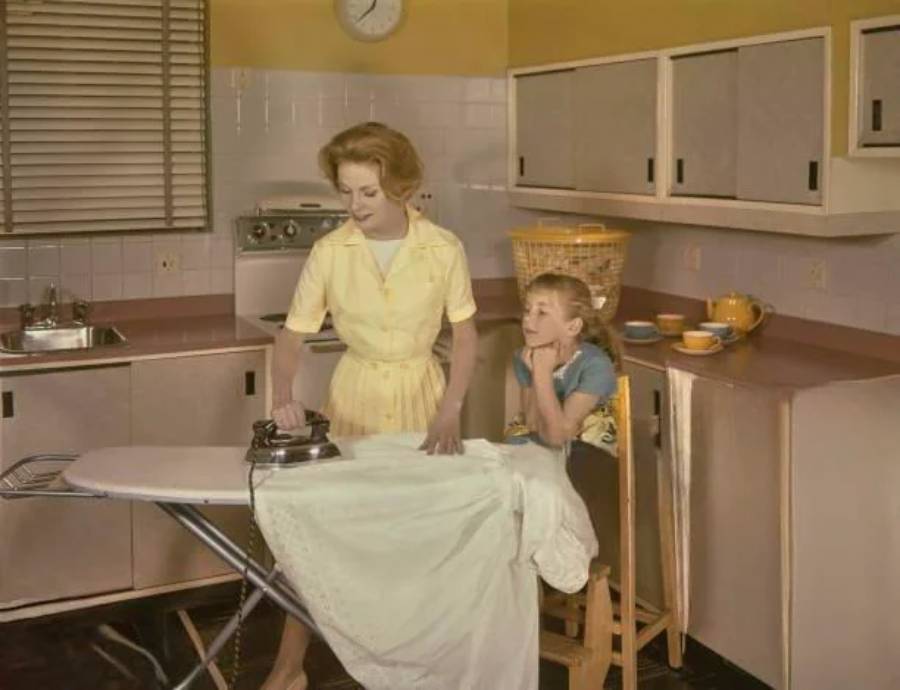
Wrinkle-free fabric wasn’t common yet, so ironing was a regular part of getting dressed. Shirts, pants, even bedsheets sometimes needed a pass with a hot iron before they looked presentable. It was one more task built into the morning routine that most people today skip.
13. Waiting in Line to Pay at the Gas Station
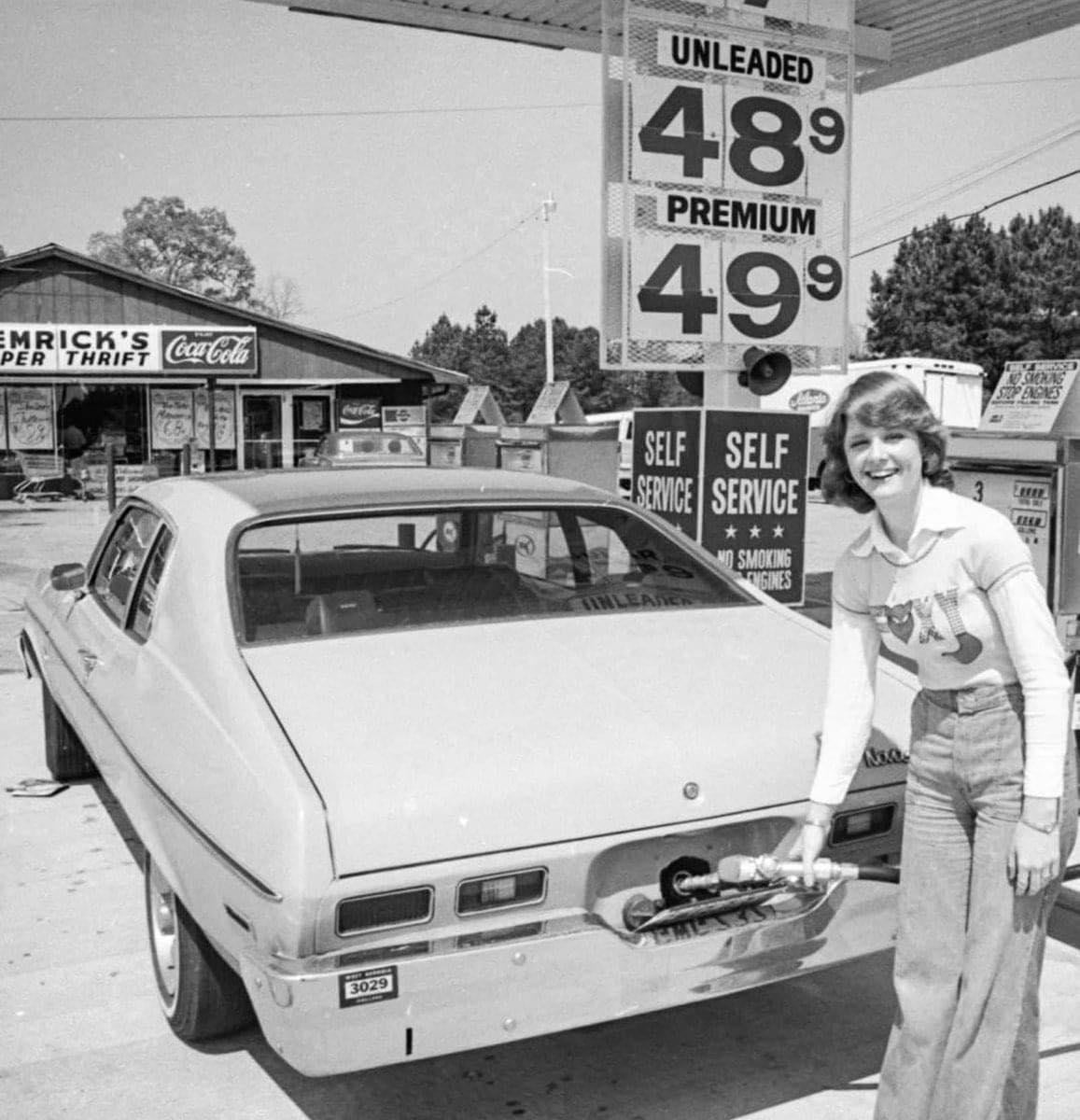
Paying for gas usually meant walking inside, sometimes waiting in a line, and handling cash or a paper check at the counter. There was no card reader built into the pump. Filling up the tank was a slower errand.
14. Typing on a Manual Typewriter
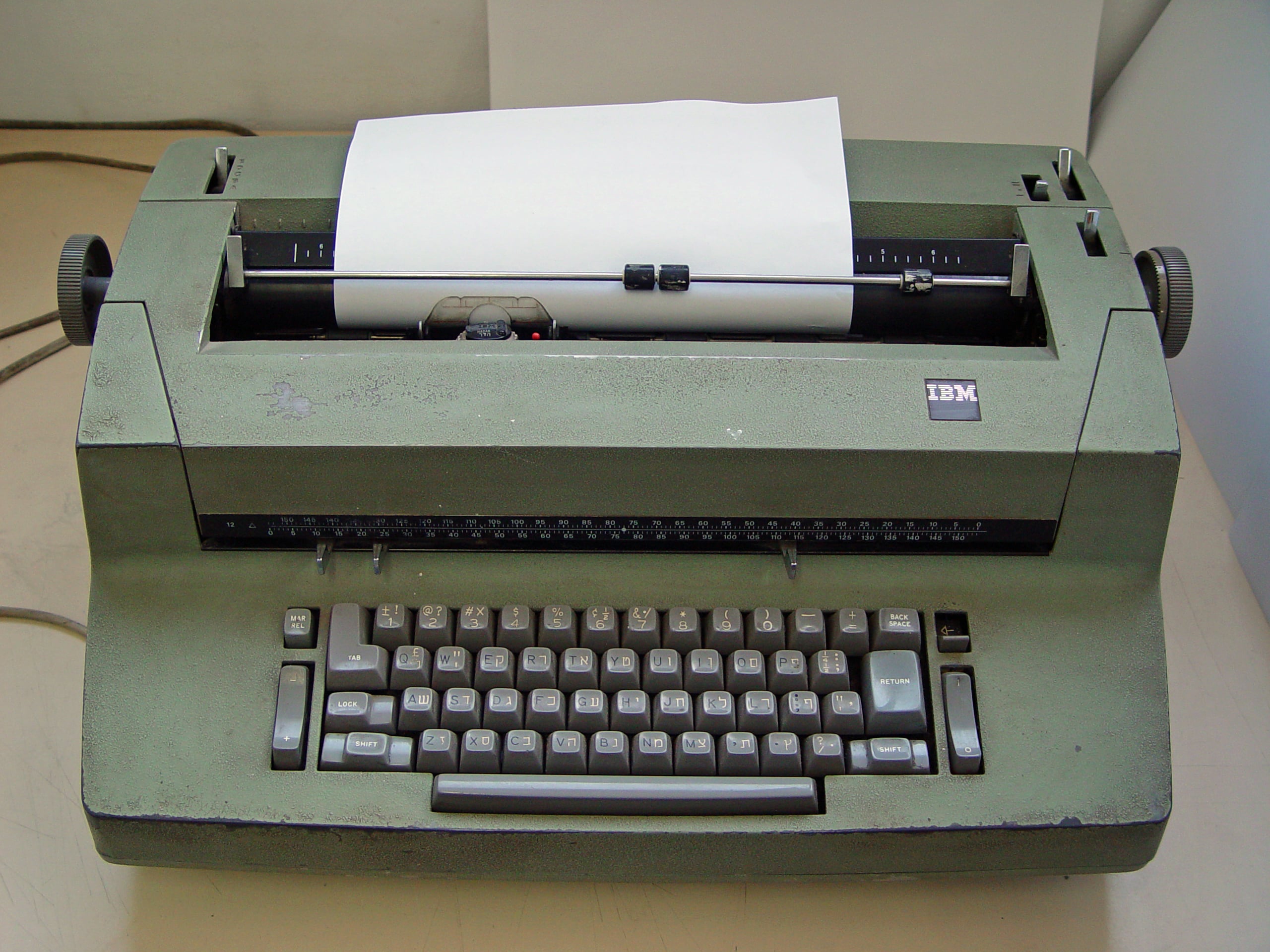
Before word processors, writing anything meant using a typewriter with no undo button. A single typo often meant starting the page over, or reaching for correction fluid and waiting for it to dry before continuing.
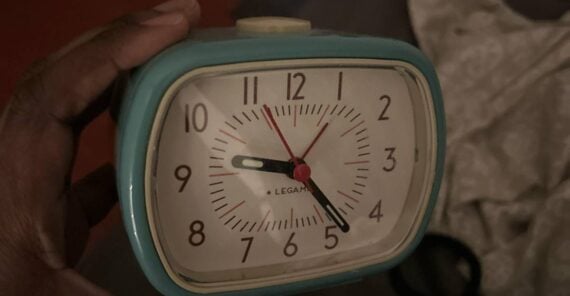
15. Setting an Alarm Clock by Hand
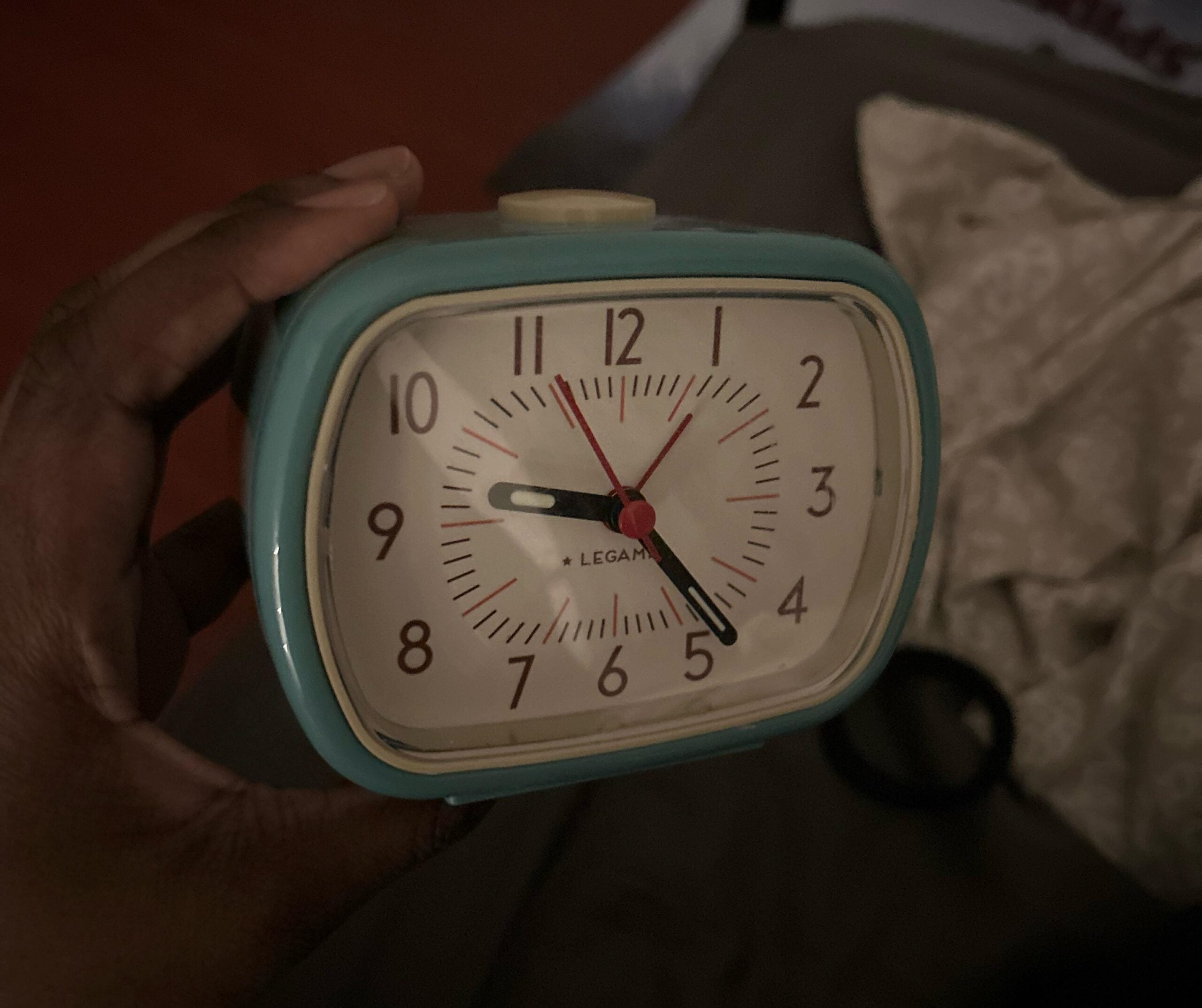
Every night ended with manually turning small dials or knobs to set the alarm clock for the next morning. There was no app, no smart assistant reminding you. If you forgot to set it, or set it wrong, you woke up late and dealt with the consequences yourself.
Looking for similar content?
Check out 18 Seventies Cars That Turned Into Collector Gold to see which rides from the decade are now worth a small fortune, take a look back at 12 Airline Habits That Were Normal in the 1970s for a wild reminder of what flying used to be like, and go through 18 Yearbook Images That Are Pure 1970s for some seriously groovy hair and fashion straight from the yearbook archives.