
The corporate world is changing faster than ever, and not all companies are able to keep up with the pace of the market. Business models that once seemed solid and highly successful now show deep cracks in the face of digitalization, shifting consumer habits, and rising costs. Some legacy brands survive more by inertia than by real strategy. Looking ahead to 2026, several well-known names are facing an uncertain future.
1. Bed Bath & Beyond

After multiple bankruptcies, widespread store closures, and unconvincing relaunches, the brand has lost nearly all the relevance it once held for decades. Online competition, changing shopping habits, and a diluted brand identity make its long-term survival highly unlikely.
2. WeWork
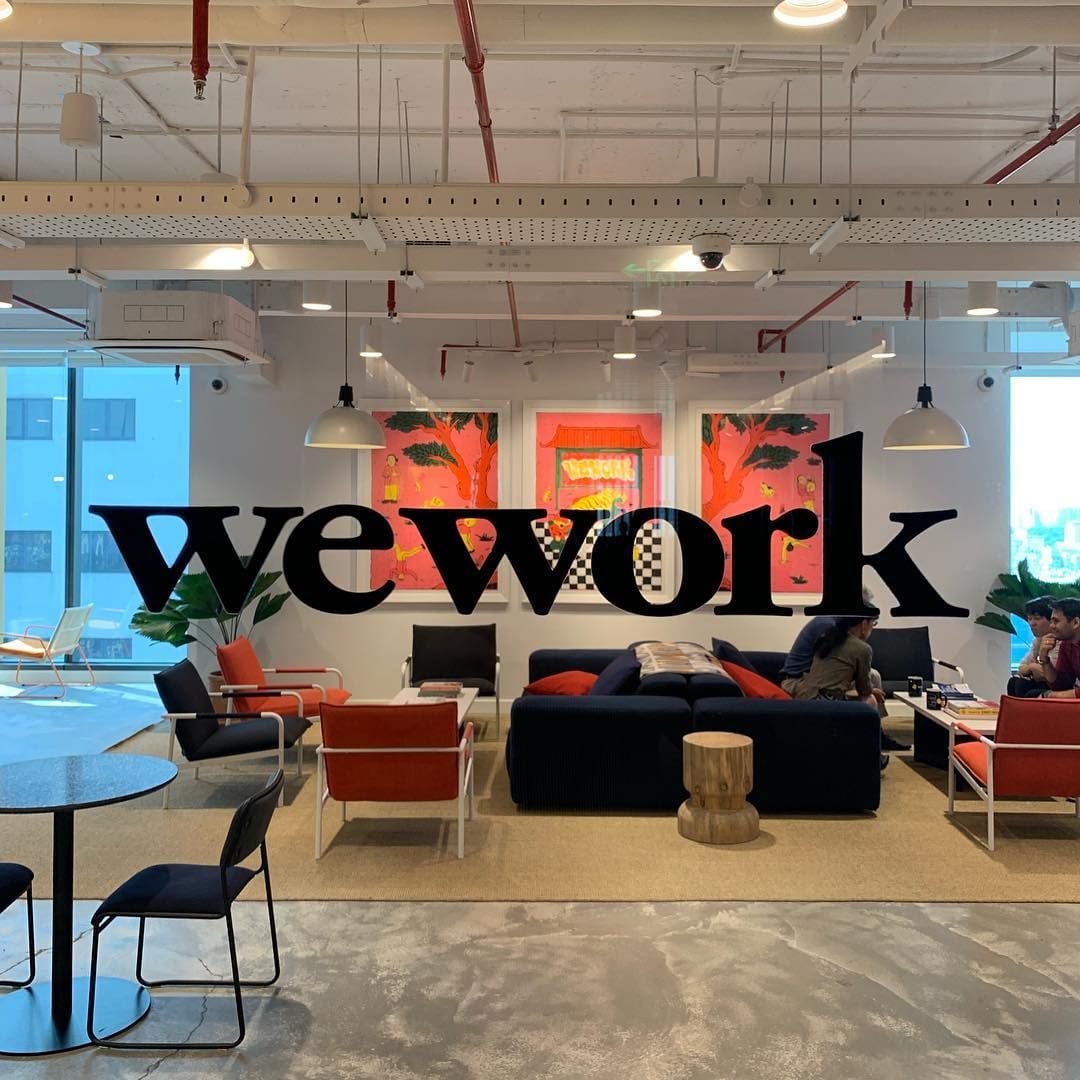
The large-scale coworking model has proven to be unsustainable. Extremely high levels of debt, rigid contracts, and office demand far lower than projected have left the company trapped in a structure that struggles to adapt to hybrid work, and what was profitable for many years is no longer reflected in its current reality.
3. GameStop
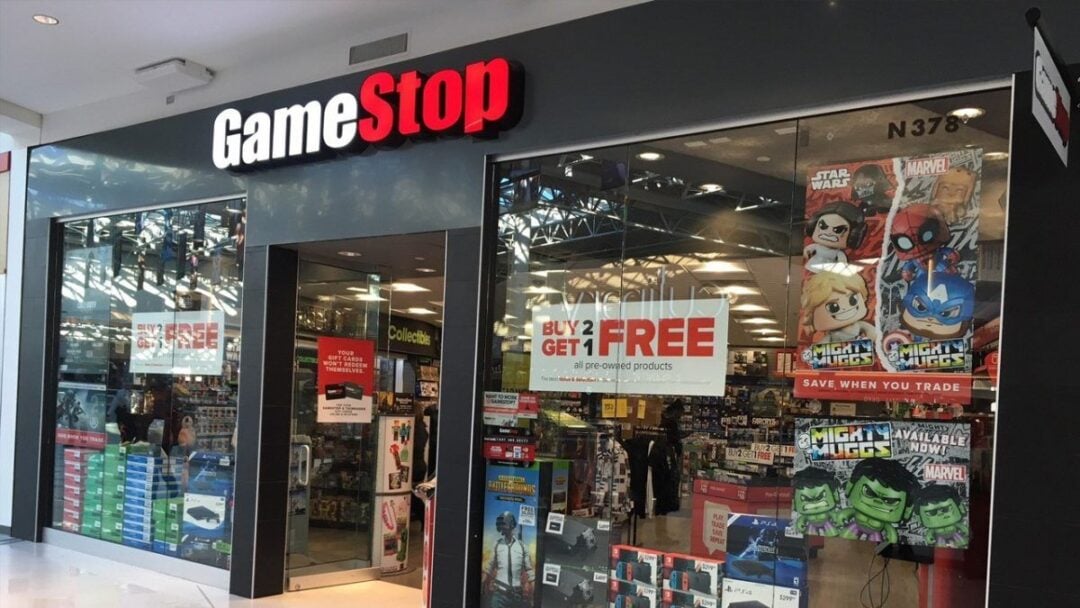
Although it achieved moments of financial fame, its core business remains fragile with little long-term future in sight. The full transition to digital downloads, subscriptions, and online gaming continues to reduce the need for physical stores dedicated to video games each year.
4. AMC Entertainment
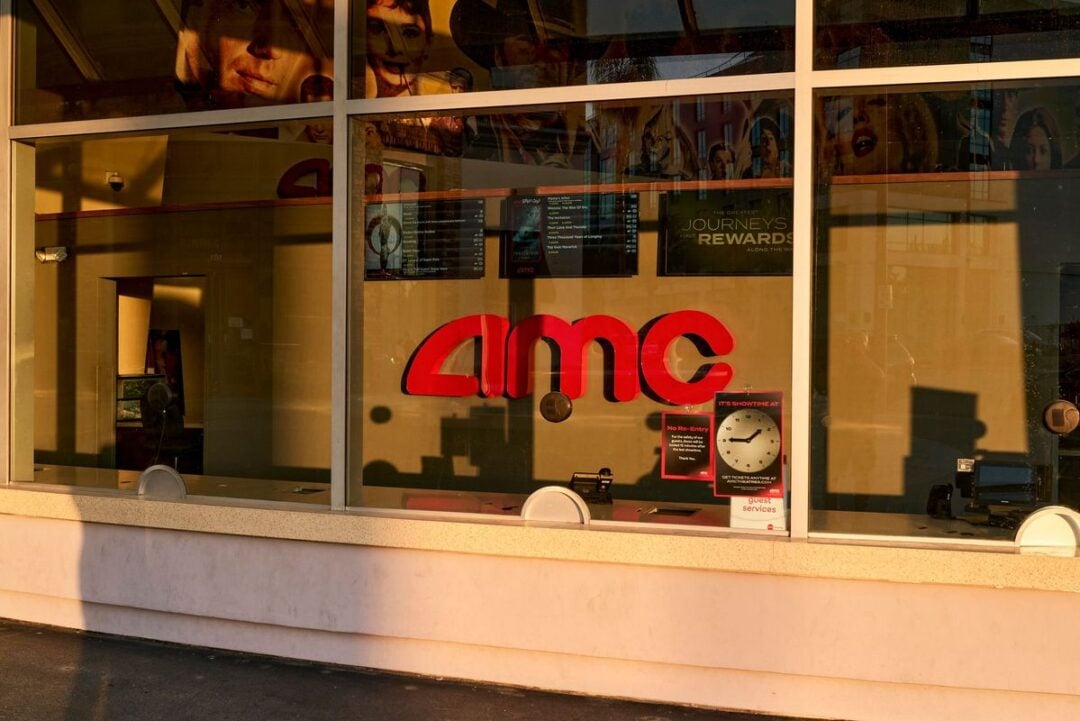
Movie theaters no longer hold the cultural position they once did. Caught between streaming platforms, high operating costs, and heavy debt, AMC now depends on exceptional blockbuster releases to survive, a scenario that is highly unreliable in the long term.
5. Peloton

The pandemic-era boom in at-home fitness artificially inflated demand. Today, the company faces excess inventory, shrinking margins, and a market saturated with more affordable alternatives, both digital and in-person.
Trending on Wealth Gang


6. Vice Media

It was an icon of young, disruptive journalism, but it never managed to build a solid monetization model nor achieve the same level of virality across other audience segments.
7. Party City

A business extremely dependent on physical stores and seasonal events. The rise of ecommerce and the decline in discretionary spending have hit the company hard.
8. Tupperware

Its direct sales model is anchored in a bygone era that has little place in 2026. Although the brand remains recognizable and people still know what it stands for, it has failed to connect with younger generations or compete with more modern and affordable options.
Sign up for our newsletter
9. Express

Caught between low-cost fast fashion and premium brands, Express has lost its identity. Store closures and declining sales reflect the difficulty of sustaining its positioning.
10. Red Lobster
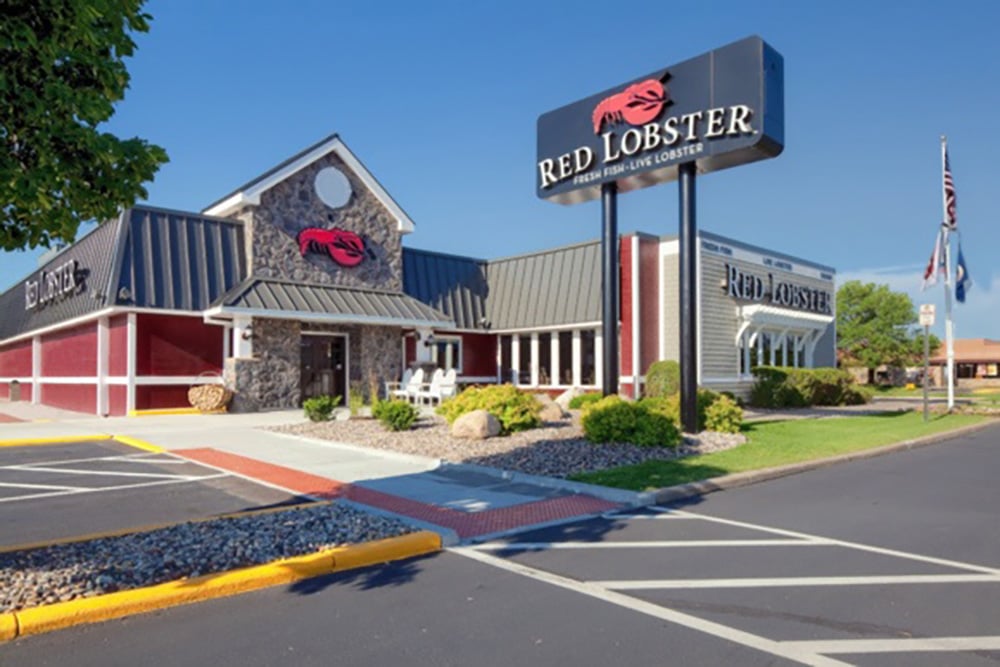
Rising costs, poor financial management, and shifting dining habits have pushed the chain into a critical situation.
More Related Notes
-
15 Major Brands That Completely Collapsed in the Last Decade
A look at well-known companies that once dominated their industries before missteps, competition, or market shifts led to their downfall. -
20 Businesses That Failed Because They Didn’t Adapt
This article breaks down how ignoring innovation and changing consumer behavior caused once-successful companies to disappear. -
25 Companies That Were Too Big to Fail… Until They Did
A reminder that size doesn’t guarantee survival, highlighting corporations that collapsed despite massive influence and resources.