

Throughout history, certain cultural passions have thrived only among the elite. These passions are not merely hobbies: they are symbols of status, exclusivity, and influence. They often require rare resources, or privileged networks, making them inaccessible to the broader public. From art forms preserved in private salons to rituals of taste cultivated in secret circles, these passions illuminate how culture can become both a playground and a power statement for society’s elite.
1. Collecting Rare Artworks

Owning original pieces by masters like Picasso or Basquiat is more than aesthetic appreciation, it is a financial and cultural power move. Elite collectors often shape museum exhibitions and influence art markets, turning private passion into public legacy. In doing so, these collections transcend private ownership, becoming instruments of cultural authority that shape how future generations will encounter and interpret art.
2. Private Opera

While opera is accessible to many, commissioning new works or funding entire productions is a privilege reserved for the wealthy. Elite patrons often dictate artistic direction, ensuring their names are inscribed into cultural history. In doing so, they transform opera into a living monument of their influence.
3. Exclusive Wine Cellars

Rare vintages, stored in climate-controlled private cellars, symbolize sophistication and wealth. These collections often include bottles unavailable to the public, shared only within elite tasting circles. Each sip becomes a ritual of heritage and exclusivity.
4. Equestrian Sports
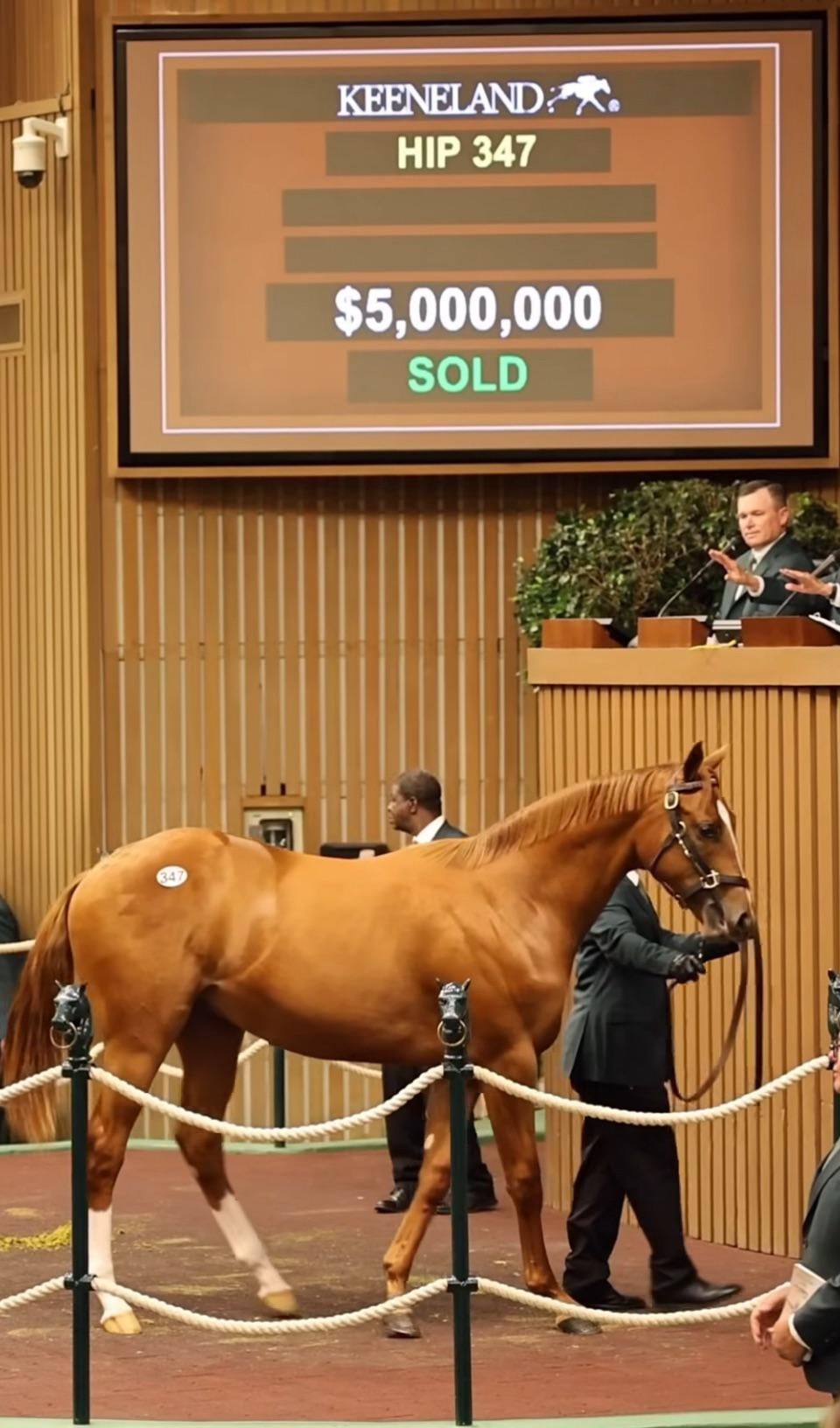
Horse breeding, polo, and jumping demand immense resources. Beyond sport, they serve as social rituals where elite families maintain tradition and prestige across generations. The stables themselves often stand as dynastic symbols of continuity and power.
5. Haute Couture Fashion

Custom-made garments from Parisian or Milanese houses are inaccessible to most. For the elite, couture is not just clothing, it is wearable art and a declaration of status. Every stitch is a coded message of privilege and individuality.
Trending on Wealth Gang


6. Private Libraries of Rare Manuscripts

Owning centuries-old manuscripts or first editions is a passion that merges intellectual prestige with exclusivity. These collections often remain hidden, accessible only to select scholars or guests. They embody the elite’s ability to curate knowledge itself.
7. Fine Jewelry Commissions

Beyond luxury brands, elites commission unique pieces from master jewelers. These creations are one-of-a-kind cultural artifacts, combining artistry with personal legacy. Such jewels often become presents, carrying stories across generations.
8. Exclusive Culinary Experiences

From private dinners with Michelin-starred chefs to rare ingredient tastings, elites transform food into cultural theater, inaccessible to ordinary diners. Dining becomes a performance where rarity and refinement take the stage.
Sign up for our newsletter
9. Patronage of Avant-Garde Architecture

Commissioning bold architectural projects: private museums, estates, or experimental homes allows elites to leave a cultural imprint that reshapes landscapes and inspires future generations. Their buildings stand as monuments to vision, wealth, and audacity.
10. Curating Private Music Performances

Hiring world-class musicians for intimate concerts is a passion only among the elite. These performances combine personal pleasure with keeping traditions alive. The music feels like a private talk between talent and wealth.
Pieces Too Good to Miss:
- The 12 Most Popular Cars Among the Rich and Famous: Luxury vehicles favored by celebrities, athletes, and moguls as ultimate status symbols.
- 12 Perfumes Loved by the World’s Affluent: An exploration of exclusive fragrances chosen by the wealthy to embody identity and prestige.
- 20 of the Most Expensive Homes Bought in 2025: Record‑breaking real estate purchases by billionaires across global luxury markets.