
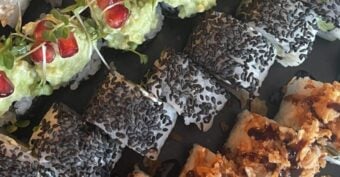
Food history is full of surprises. Many delicacies now associated with wealth and refinement were once dismissed as “poor man’s food” or even trash. Over time, shifting tastes, scarcity, and clever marketing transformed these humble ingredients into symbols of luxury. Here are 10 examples of foods that went from being shunned to celebrated.
1. Eel
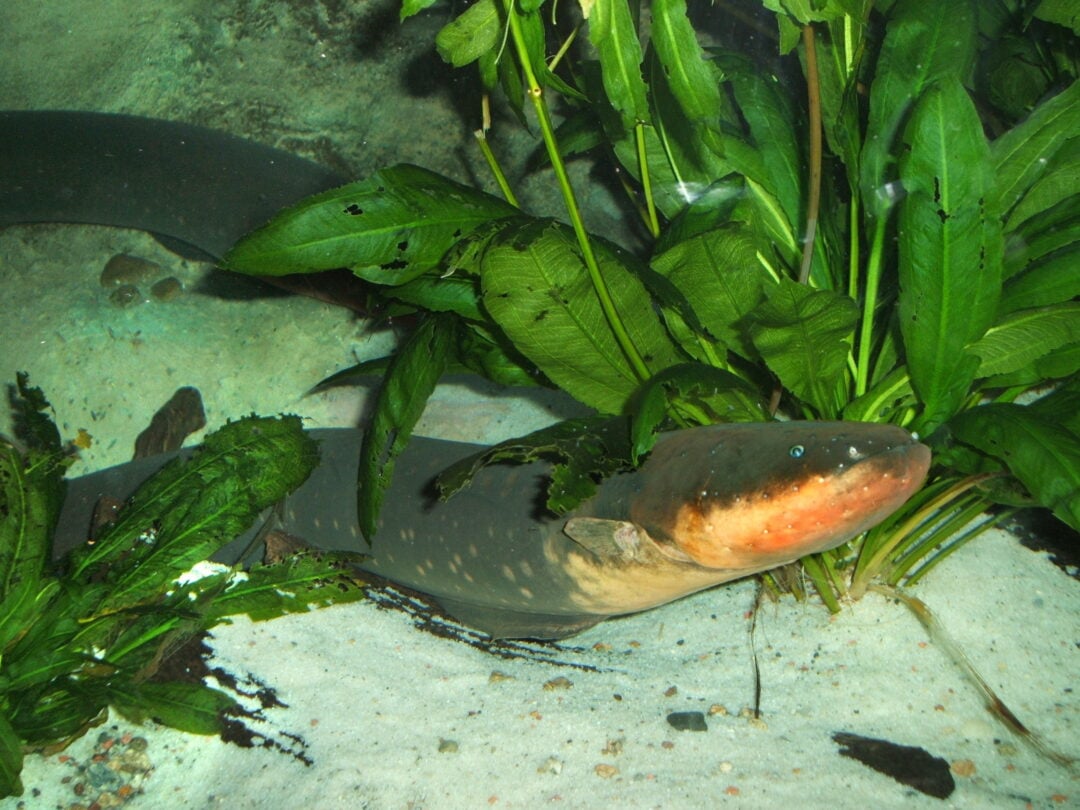
Eel was once considered an undesirable food, often eaten only by peasants or used as cheap sustenance in medieval Europe. In London, “jellied eels” were sold as street food to the working class. Today, eel is a prized delicacy in Japanese cuisine, celebrated for its rich flavor and often served at high prices in sushi restaurants.
2. Oysters
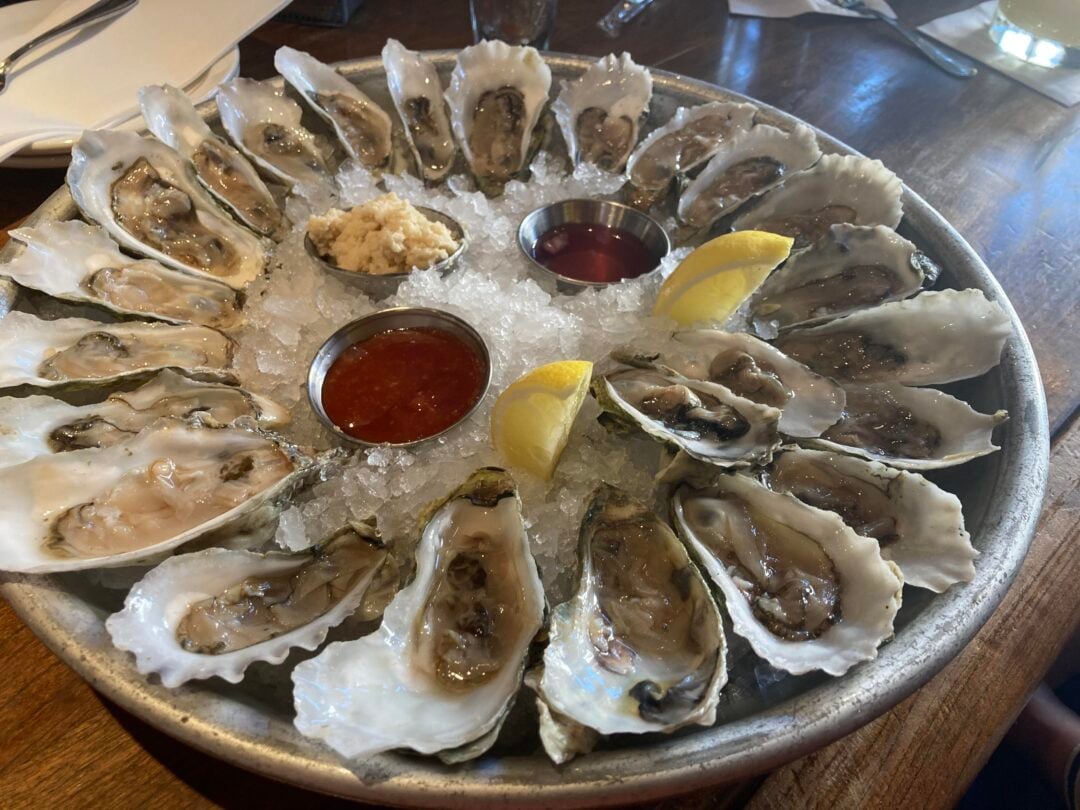
In the 18th and 19th centuries, oysters were cheap street food, sold by the bucket in coastal cities. Their abundance made them a staple for the working class. Overfishing and pollution reduced supplies, turning oysters into a rare luxury enjoyed at raw bars and fine dining establishments.
3. Caviar
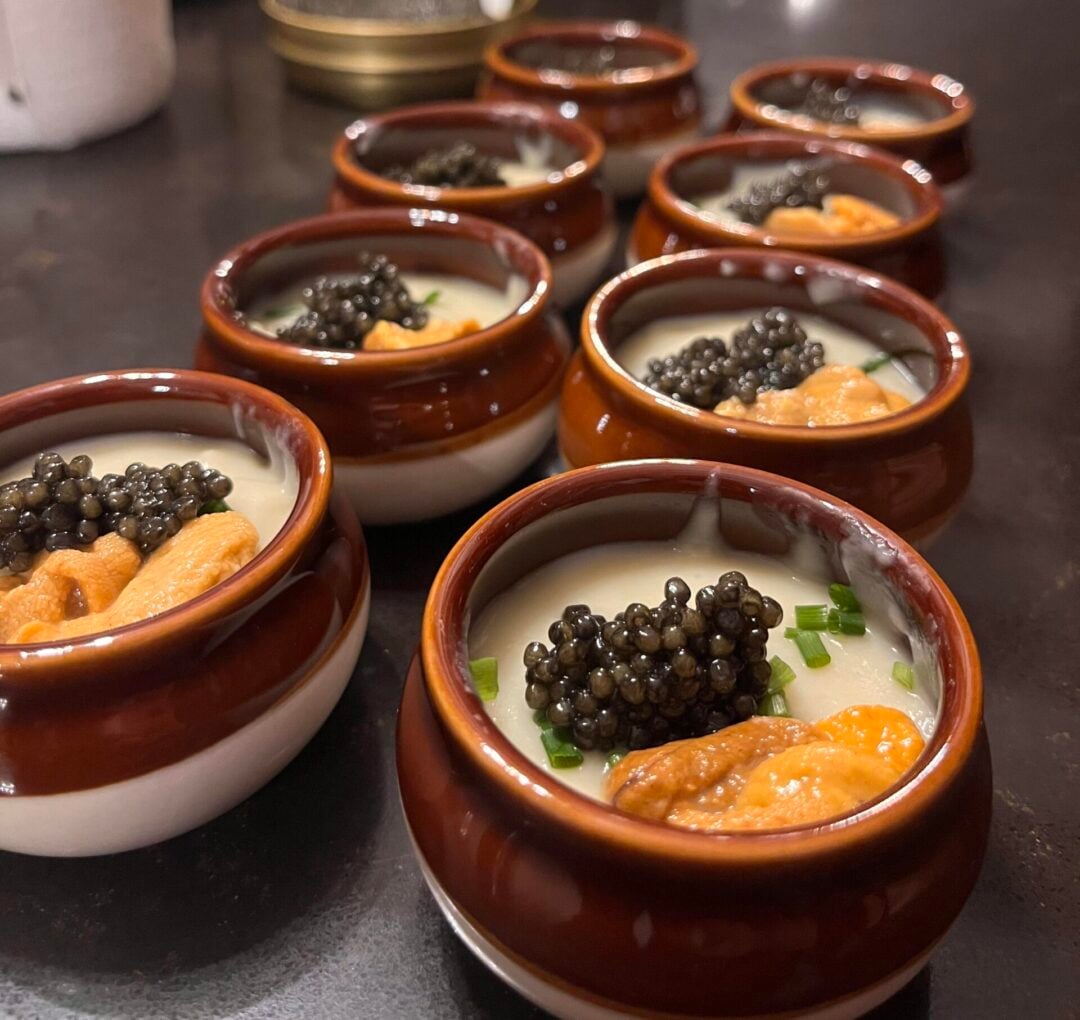
Fish roe was once a common food for peasants in Russia and Eastern Europe. Sturgeon eggs were plentiful and inexpensive. As sturgeon populations dwindled and demand grew, caviar became synonymous with opulence, served at elite gatherings and commanding huge prices.
4. Foie Gras
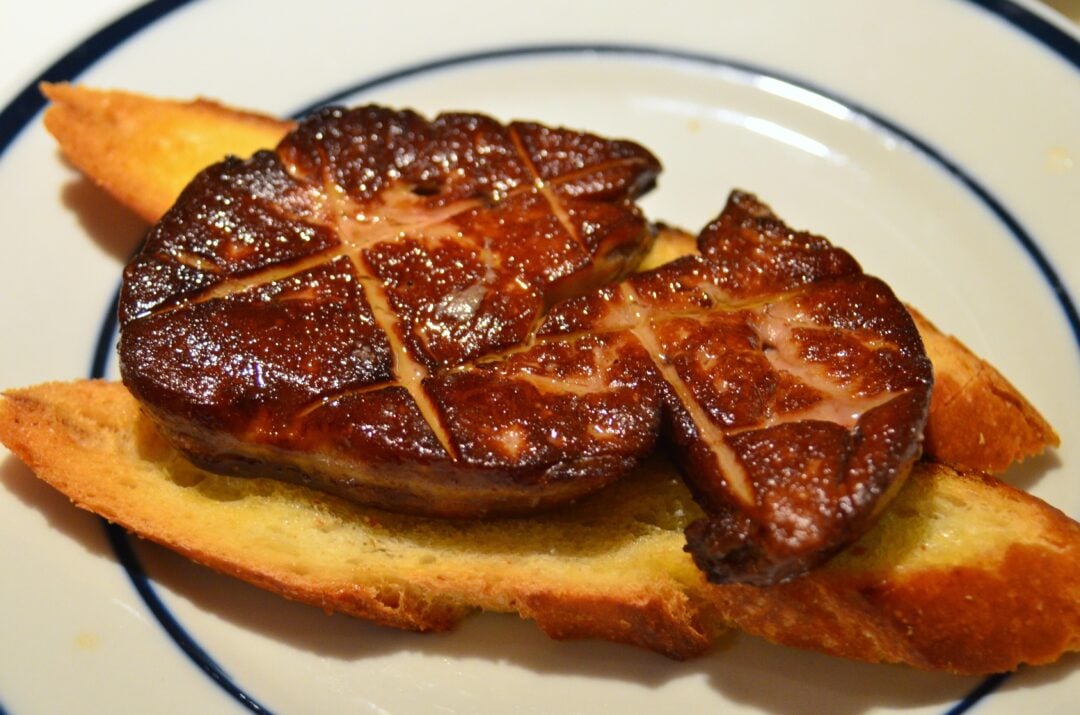
Goose and duck liver were once considered waste parts of the animal, eaten only by farmers. Over time, the practice of fattening birds created foie gras, now a controversial but luxurious delicacy in French cuisine, celebrated for its rich and buttery flavor.
5. Escargot
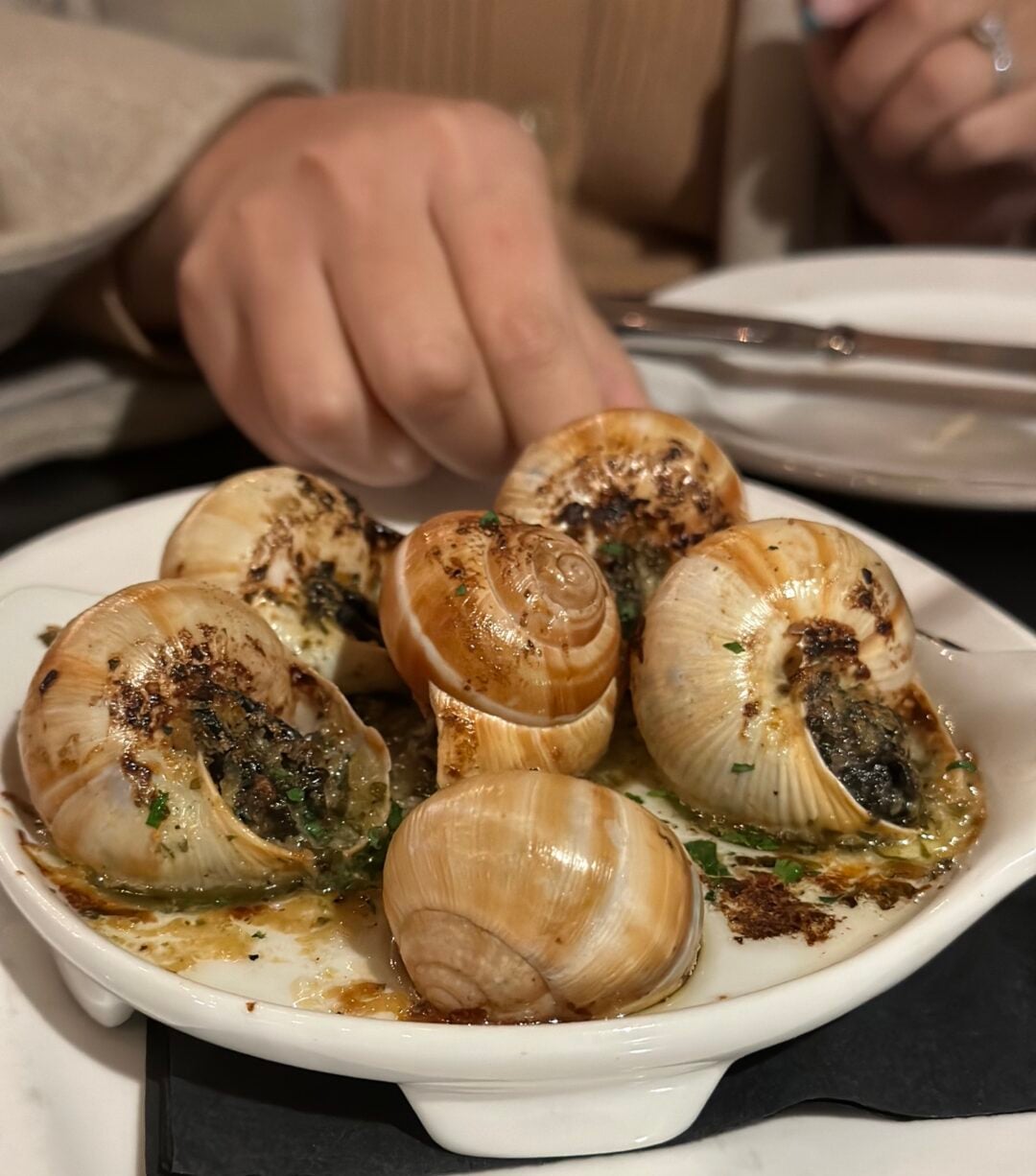
Snails were long regarded as pests or survival food in rural Europe. French chefs elevated them by preparing escargot with garlic butter and herbs, transforming the humble garden snail into a gourmet dish served in fancy restaurants.
Trending on Wealth Gang


6. Tripe
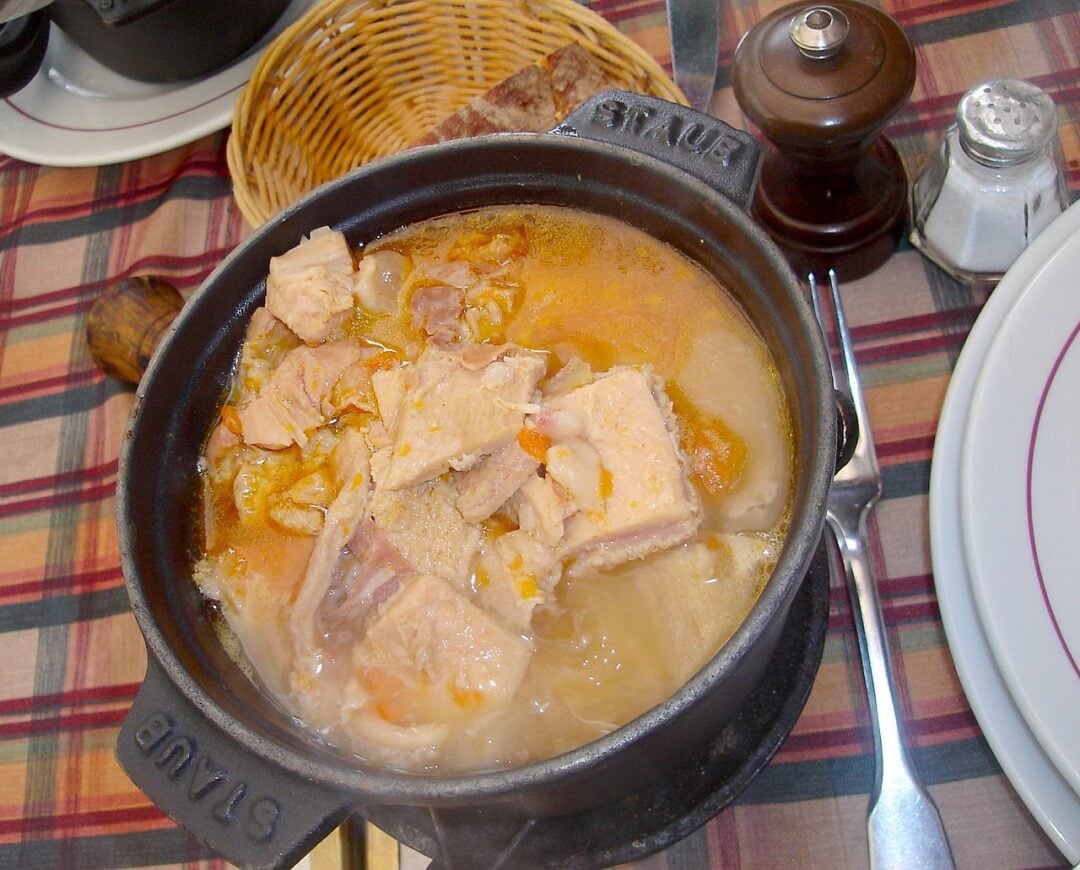
The stomach lining of cows and sheep was historically seen as undesirable offal, eaten only by the poor. Today, tripe features in traditional dishes worldwide, from Italian trippa alla romana to Mexican menudo, and is celebrated for its unique texture and flavor.
7. Sushi
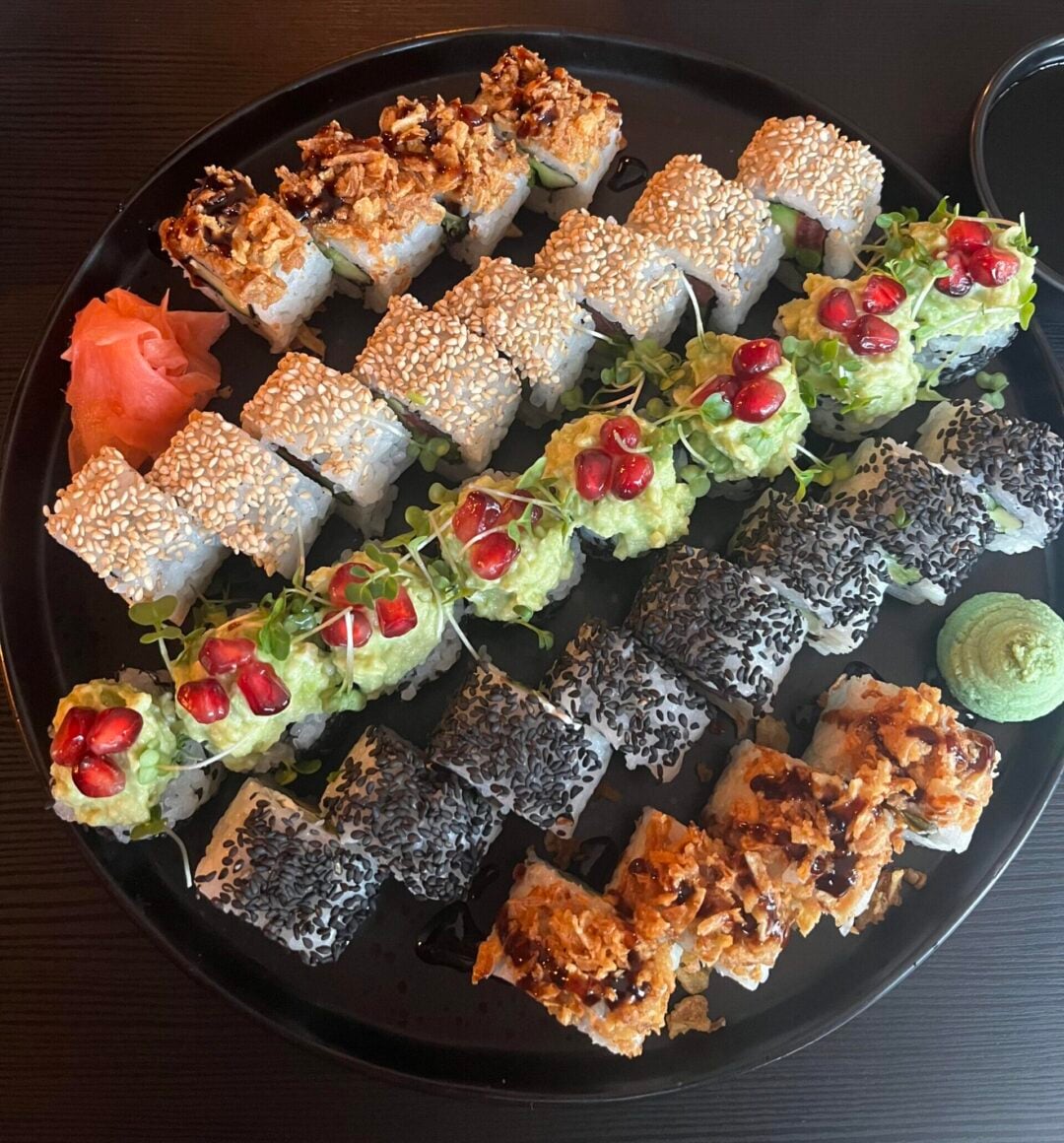
In Japan, sushi began as a way to preserve fish by fermenting it with rice. It was a cheap, everyday food for workers. Over time, sushi evolved into an art form, with premium cuts of fish and meticulous preparation, making it one of the most expensive dining experiences in the world.
8. Quinoa
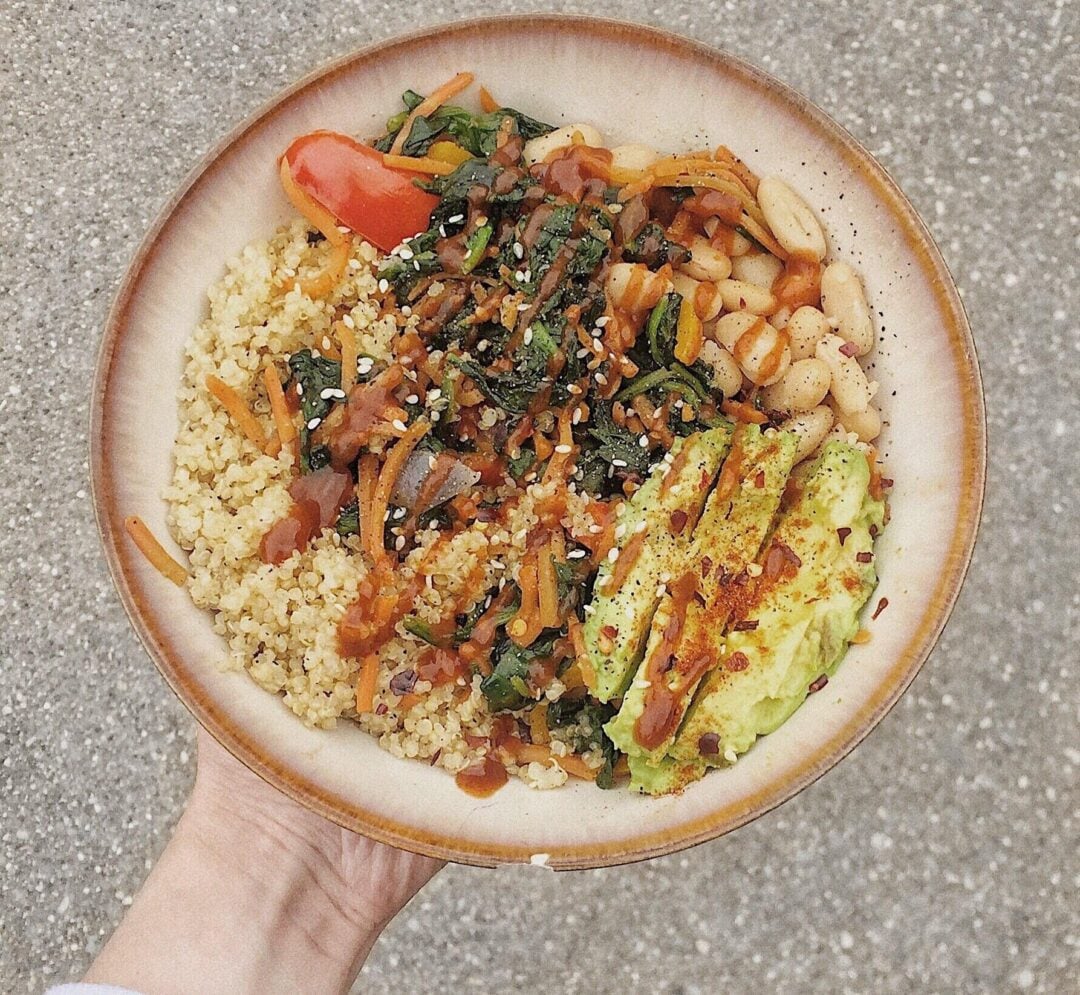
For centuries, quinoa was an essential crop for Andean peasants, dismissed by Spanish colonizers as “Indian food.” In recent decades, quinoa has been rebranded as a “superfood,” prized for its nutritional value and sold at premium prices.
Sign up for our newsletter
9. Mussels
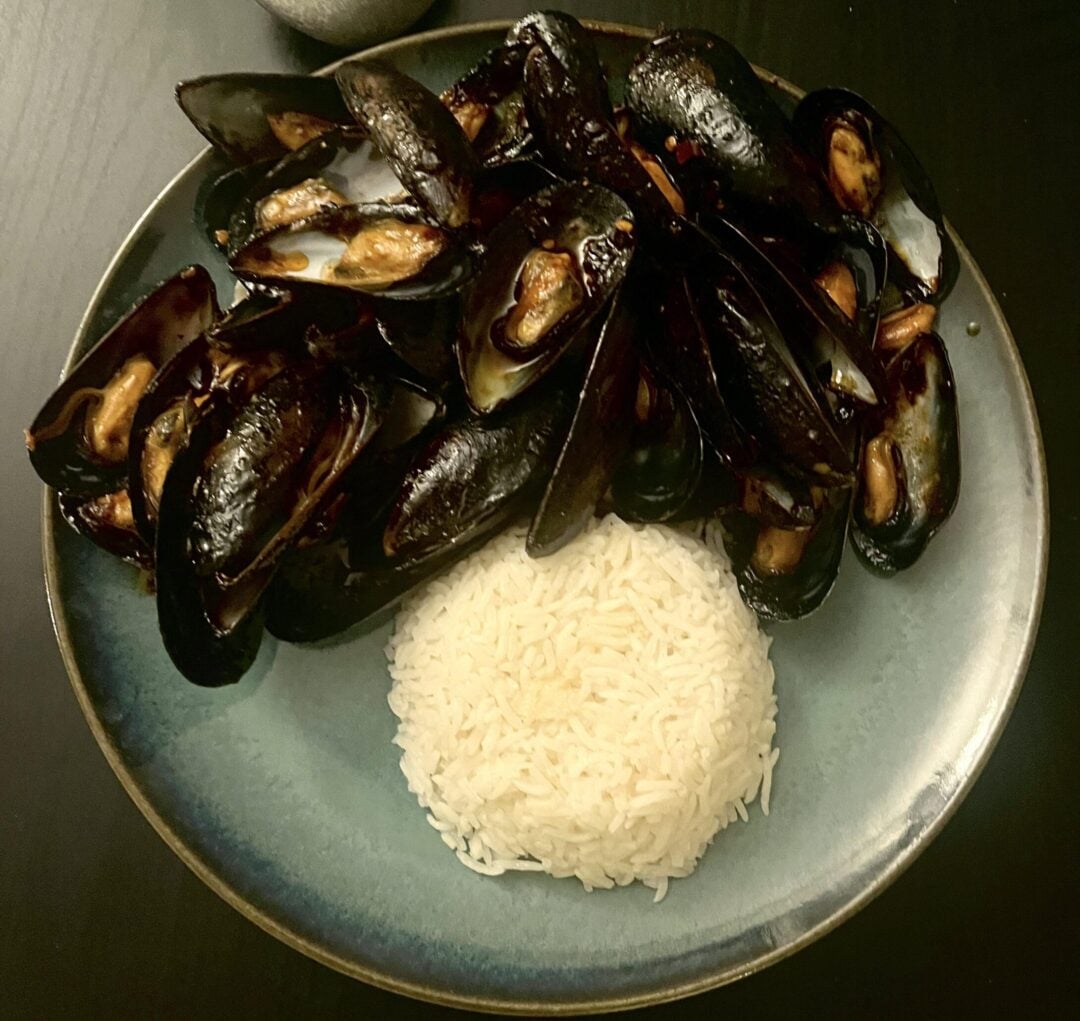
Mussels were once considered a poor man’s shellfish, harvested in bulk and eaten cheaply. Their strong flavor and abundance made them less desirable than clams or oysters. Today, mussels are featured in gourmet dishes like French moules marinières, celebrated for their delicate taste.
10. Potatoes
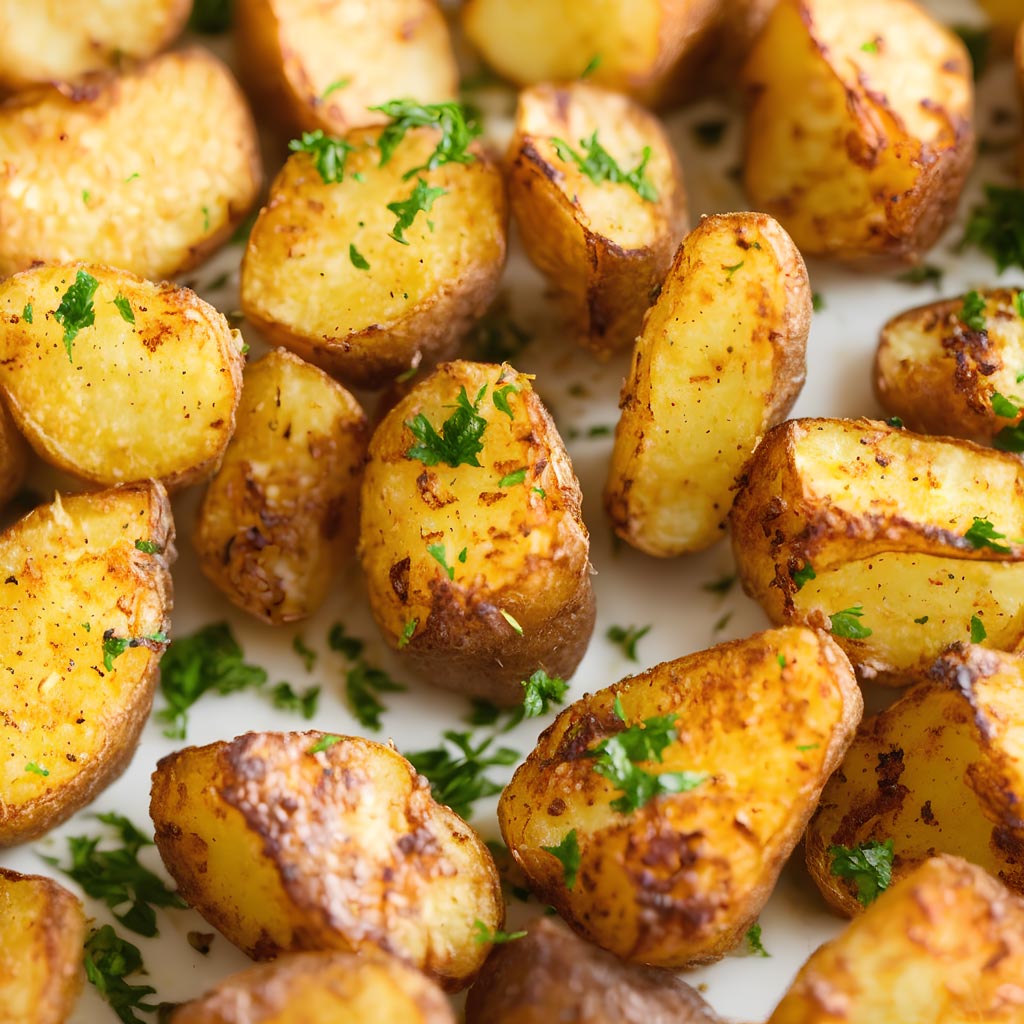
When first introduced to Europe, potatoes were considered fit only for animals or the poor. They were mistrusted and undervalued. Over time, potatoes became a leading crop that saved populations from famine, and now they form the basis of countless dishes, from French fries to gnocchi.
From eel and oysters to potatoes and quinoa, these culinary transformations highlight how food is about culture, status, and storytelling. What was once dismissed as humble or even undesirable has, through scarcity, innovation, and shifting social values, been reimagined as refined cuisine.