

Artificial intelligence is changing the way many industries work, but not every profession can be automated easily. Some jobs depend too heavily on trust, emotional understanding, physical presence, creativity, or human decision making. In many cases, technology is actually increasing the value of these professions instead of replacing them.
1. Therapists

AI can generate responses, but genuine emotional connection, trust, and human understanding are much harder to replicate. As stress, anxiety, and burnout continue increasing globally, mental health professionals are becoming more important than ever.
2. Electricians

Modern infrastructure depends heavily on electrical systems, and the demand keeps growing with smart homes, renewable energy, and new technologies. The physical and unpredictable nature of the job makes automation extremely difficult.
3. Nurses

Healthcare requires constant human judgment, communication, and care. Beyond medical knowledge, nurses handle emotional situations, emergencies, and physical support in ways machines cannot realistically replace.
4. Plumbers

While technology advances quickly, people still need someone physically present to solve real world problems. Plumbing work often involves unpredictable situations that require experience and adaptation.
5. Teachers

Information is easy to access online, but teaching involves motivation, communication, mentorship, and understanding how different people learn. Human connection remains central to education.
Trending on Wealth Gang


6. UX Designers
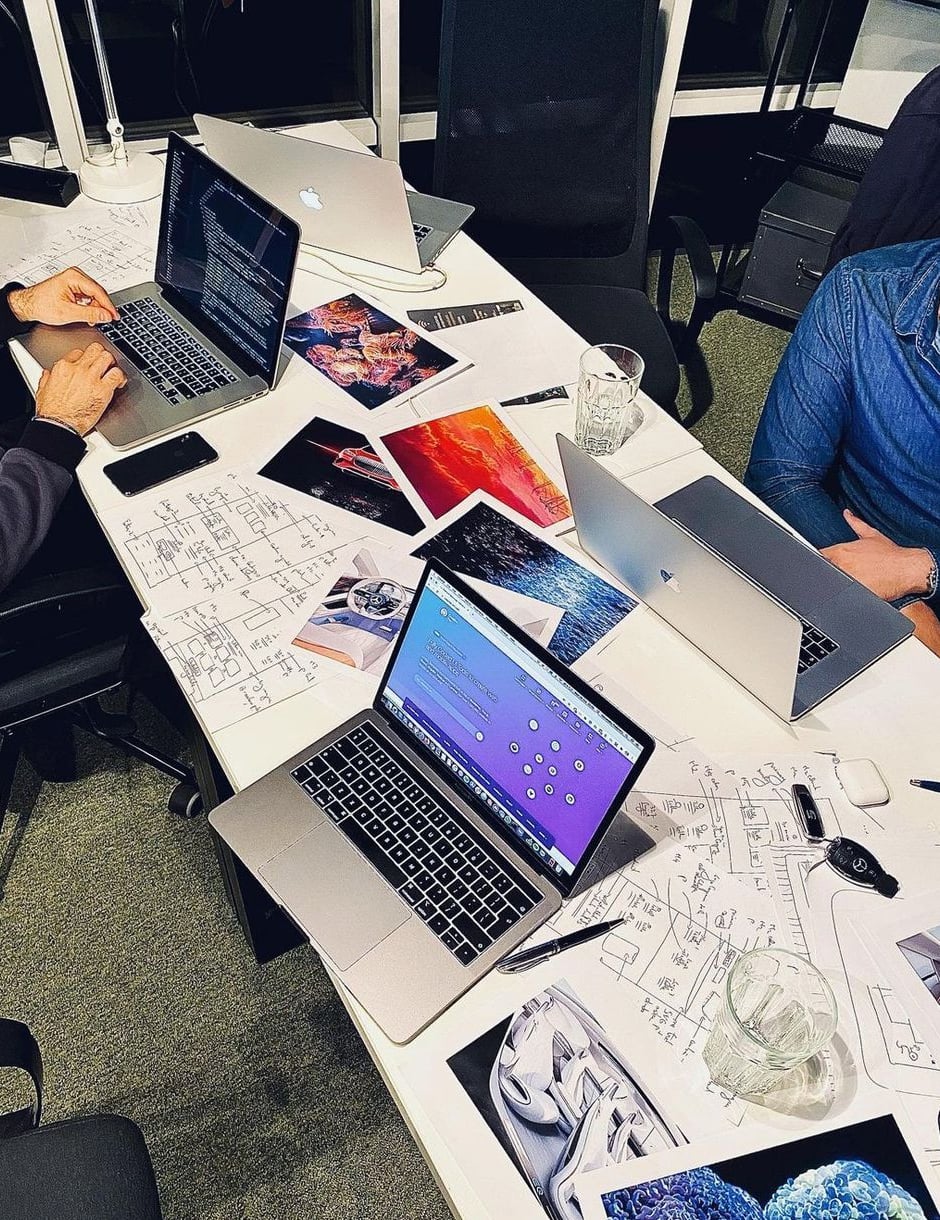
AI can generate layouts quickly, but understanding human behavior, emotions, and interaction patterns still requires strong creative and strategic thinking. As digital products continue growing, user experience becomes even more valuable.
7. Physical Therapists

Recovery often depends on observation, encouragement, adaptation, and physical interaction. Personalized treatment and human motivation are difficult to automate fully.
8. Chefs

Cooking professionally involves creativity, improvisation, taste, presentation, and cultural understanding. Even with automation in kitchens, people still value human driven experiences around food.
Sign up for our newsletter
9. Social Workers

Helping people through crisis situations requires empathy, trust, judgment, and communication in highly emotional contexts. Human relationships remain central to the profession.
10. Creative Directors

AI can produce content quickly, but defining vision, identity, emotional tone, and cultural relevance still depends heavily on human interpretation and taste. In a world flooded with generated content, original direction becomes even more valuable.