

Technology is evolving faster than ever, reshaping industries and redefining the way we work. As automation, artificial intelligence, and digital systems become more advanced, many traditional roles are starting to lose relevance. While some jobs will adapt, others may disappear entirely. Here are ten professions that are likely to fade away within the next decade and why.
1. Cashiers

Self-checkout systems and automated payment technologies are already replacing human cashiers in supermarkets and retail stores. As these systems become more efficient and widely adopted, the need for traditional cashiers will continue to decline.
2. Telemarketers

With the rise of AI-powered sales tools and stricter regulations on unsolicited calls, telemarketing is becoming less effective. Automated systems can now handle outreach more efficiently, making this role increasingly obsolete.
3. Travel Agents

Online booking platforms have made it easy for travelers to plan and book their own trips. Unless they specialize in luxury or complex itineraries, traditional travel agents are struggling to stay relevant.
4. Bank Tellers

Digital banking, mobile apps, and ATMs have drastically reduced the need for in-person banking services. Most everyday transactions can now be done online, limiting the role of bank tellers.
5. Data Entry Clerks

Automation and AI can process and input data much faster and more accurately than humans. This makes manual data entry jobs one of the most vulnerable to being replaced.
Trending on Wealth Gang


6. Print Newspaper Delivery Workers

As more people consume news online, print circulation continues to decline. This directly impacts delivery roles, which are becoming less necessary over time.
7. Toll Booth Operators
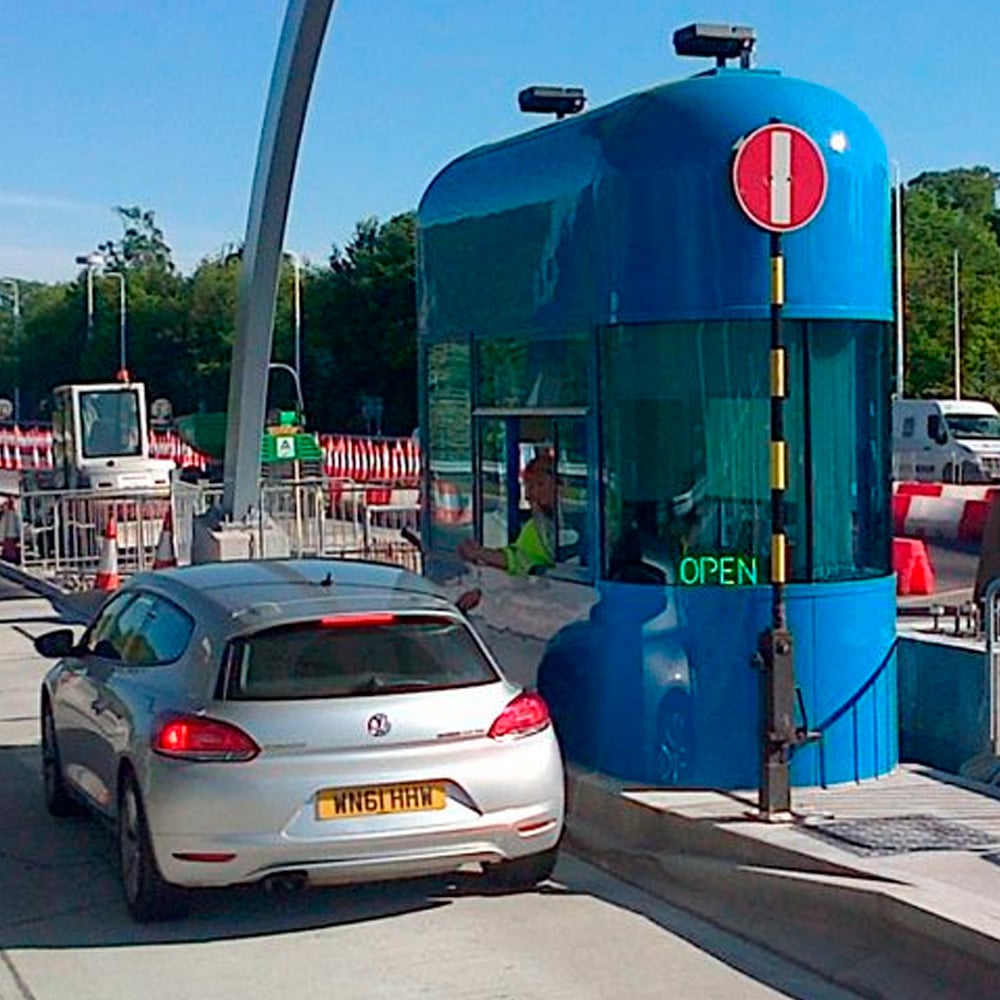
Electronic toll collection systems are replacing manual toll booths. Many highways are already fully automated, eliminating the need for human operators.
8. Retail Sales Associates (Basic Roles)

While retail won’t disappear, basic sales roles are being reduced due to e-commerce and self-service technologies. Stores are shifting toward fewer staff and more digital experiences.
Sign up for our newsletter
9. Warehouse Workers (Manual Tasks)

Automation and robotics are transforming warehouses. Companies are increasingly relying on machines to handle repetitive tasks, reducing the demand for manual labor.
10. Receptionists

Digital check-ins, virtual assistants, and automated scheduling systems are replacing many front-desk roles. Businesses are streamlining operations by minimizing the need for in-person reception.
More Related Notes
15 Professions That Are at Risk Due to AI
A closer look at jobs already being disrupted by automation, offering insight into why some roles may disappear entirely.
20 Jobs That Are Becoming Obsolete Faster Than Expected
This article explores careers declining due to technology and changing industries, reinforcing long-term employment shifts.
10 Technological Changes Already Transforming the Way We Work
A broader perspective on how innovation is reshaping the workplace and influencing the future of professions.