

Remote work has become a defining feature of modern professional life, yet myths and misconceptions still eclipse the way people perceive it. From outdated stereotypes about productivity to exaggerated fears of isolation, these myths often prevent workers and companies from fully embracing the benefits of flexible work. Let’s explore ten of the most persistent remote work myths and uncover the reality behind them.
1. Remote workers are less productive
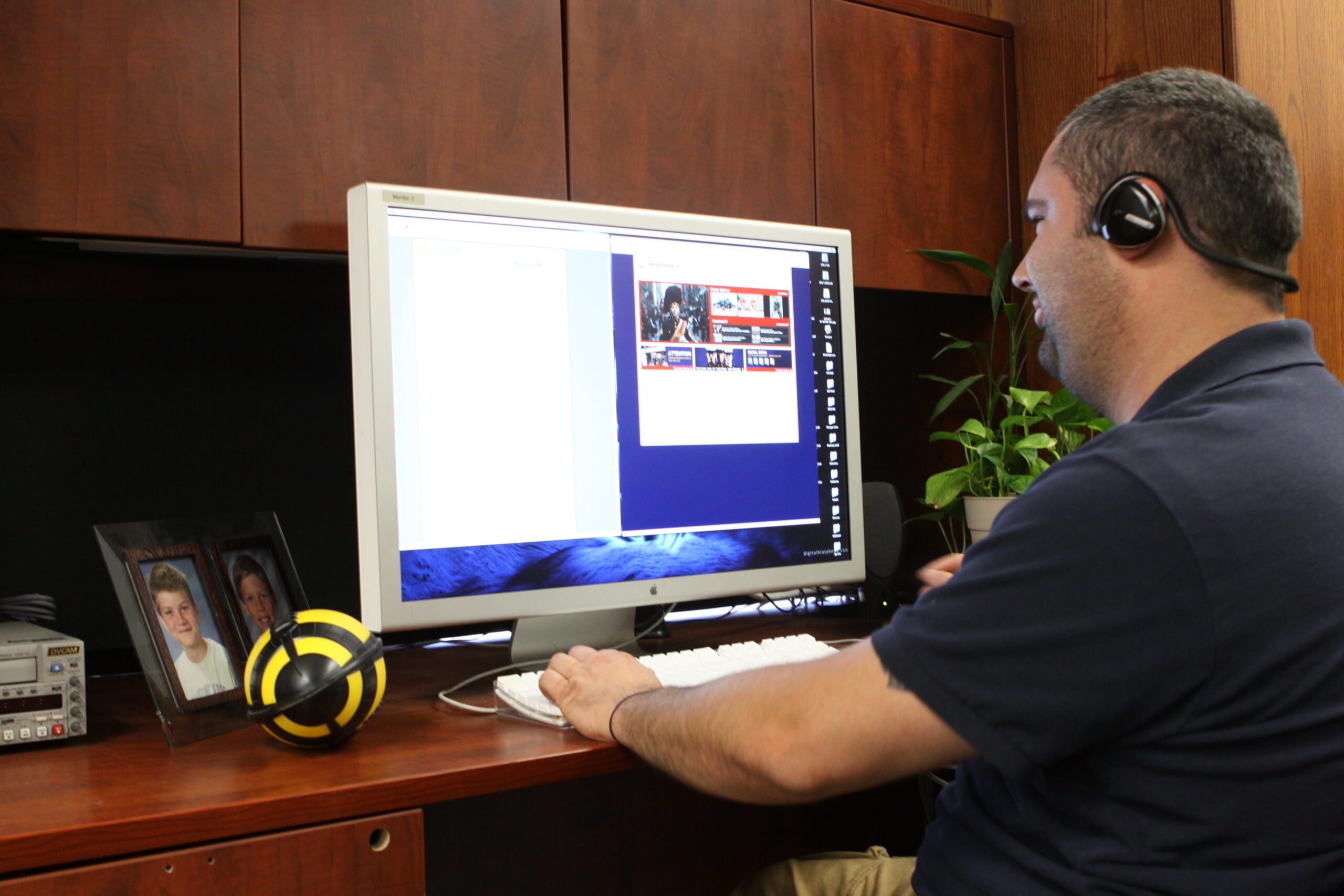
The truth is that many studies show remote employees often outperform their office peers. Without commuting stress and constant interruptions, workers can focus better and deliver more consistent results. Productivity depends on management and personal discipline, not the location.
2. Remote work means isolation
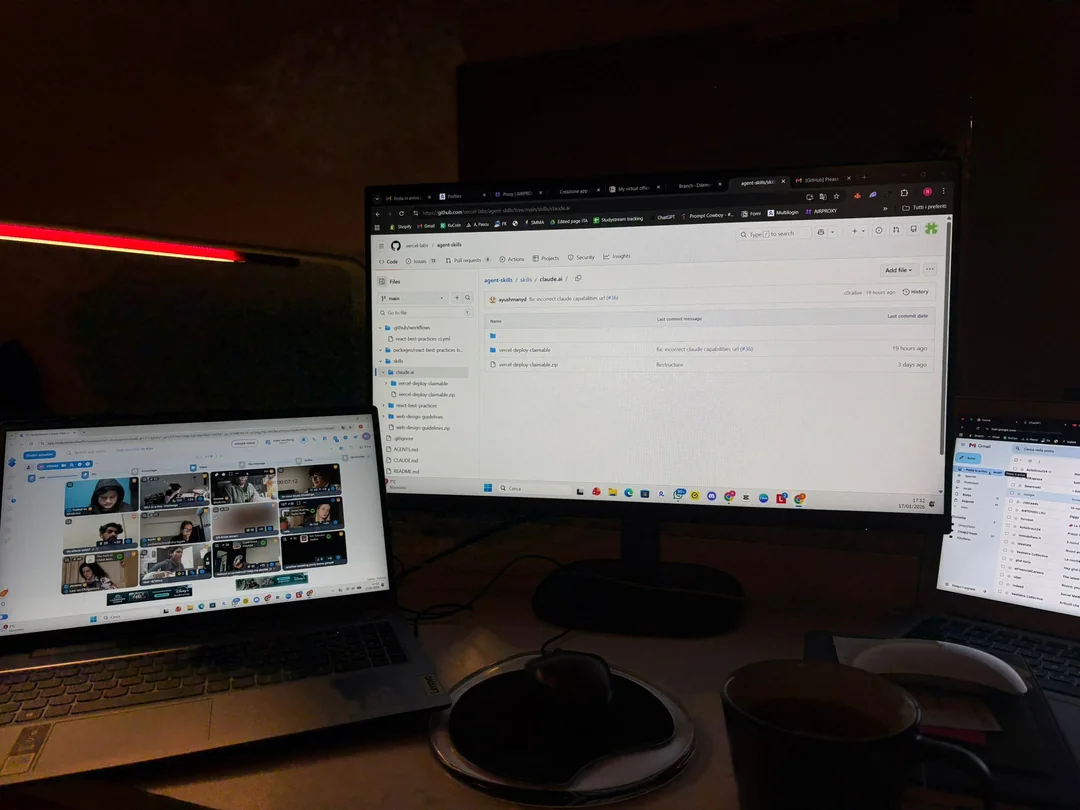
While working from home can feel lonely at times, intentional communication strategies like virtual coffee chats, team Zooms, and collaborative tools foster strong connections. Remote work does not eliminate social interaction.
3. You need a big office

A dedicated workspace helps, but it doesn’t have to be elaborate. Even a small desk corner can create the mental boundary needed for focus. Comfort and ergonomics matter more than square footage.
4. Remote work is only for tech jobs

Although technology companies pioneered remote work, industries from education to healthcare now embrace flexible models. Writers, consultants, therapists, and even fitness trainers have adapted their services to online platforms.
5. Managers cannot supervise remotely

Effective leadership isn’t about hovering over employees, it is about setting clear goals and trusting teams to deliver. Digital dashboards, project management tools, and regular check-ins make remote supervision not only possible but often more efficient.
Trending on Wealth Gang


6. Remote workers are always available

Flexibility doesn’t mean 24/7 access. Healthy boundaries are essential, and successful remote workers establish clear working hours. Respecting these limits prevents burnout and ensures long-term sustainability.
7. Remote work kills career growth

Opportunities for advancement are not tied to physical presence. Remote employees can still showcase leadership, contribute to projects, and build visibility through proactive communication. Career growth depends on performance.
8. Remote work is less secure

With proper VPNs, encrypted communication, and secure cloud platforms, remote work can be just as safe as office setups. The real risk lies in poor digital hygiene, not the remote model itself.
Sign up for our newsletter
9. Remote workers can’t collaborate effectively

Collaboration thrives when teams use the right tools. Platforms like Slack, Teams, and Zoom enable real-time brainstorming, while shared documents and cloud storage keep projects moving seamlessly. Remote collaboration is different, not deficient.
10. Remote work is temporary

What began as a necessity has evolved into a permanent shift in workplace culture. Hybrid and remote-first models are here to stay, reshaping how companies attract talent.
More related notes:
15 Ways To Improve Remote Work Life offers practical strategies to boost productivity and well-being while working from home, Best Countries To Work Remotely in 2022 highlights the top destinations for digital nomads with strong infraestructure and lifestyle perks, and 18 Remote Jobs You Can Land Right Now provides a curated list of flexible career opportunities across industries. Together, these articles are excellent for anyone seeking to thrive in remote work.