

Some of the world’s most recognizable brands came dangerously close to becoming irrelevant. Changing consumer habits, new technologies, economic downturns, and fierce competition have forced even industry giants to rethink everything from their products to their identities.
Rather than disappear, these companies made bold decisions that transformed their businesses. Whether through innovation, rebranding, or entirely new strategies, these 15 brands proved that adapting to change can be the key to long-term survival.
1. Apple

In the mid-1990s, Apple was struggling with declining sales, confusing product lines, and mounting financial losses. The return of Steve Jobs in 1997 marked a dramatic turnaround, with a renewed focus on simplicity, design, and innovation. Products like the iMac, iPod, iPhone, and later the App Store transformed Apple into one of the world’s most valuable companies.
2. LEGO

By the early 2000s, LEGO was losing money after expanding into too many unrelated businesses. The company returned its attention to its iconic brick sets, improved licensing partnerships with franchises like Star Wars, and embraced digital gaming. The strategy restored profitability and made LEGO more popular than ever.
3. Netflix

Netflix began as a DVD-by-mail rental service, but recognized early that streaming would replace physical media. The company invested heavily in online technology and later in original programming, fundamentally changing how people watch television and movies. That willingness to evolve helped Netflix dominate the streaming industry.
4. Nintendo

After facing declining sales in the GameCube era, Nintendo shifted away from competing solely on graphics and processing power. Instead, it introduced the motion-controlled Wii, followed years later by the hybrid Nintendo Switch. Both products appealed to broader audiences and revitalized the company’s fortunes.
5. Burberry

Once viewed as an outdated fashion brand, Burberry reinvented itself by embracing luxury positioning, modern marketing, and digital innovation. Celebrity endorsements, updated designs, and a stronger online presence helped transform the British label into one of the world’s leading luxury fashion houses.
Trending on Wealth Gang

6. Domino’s Pizza
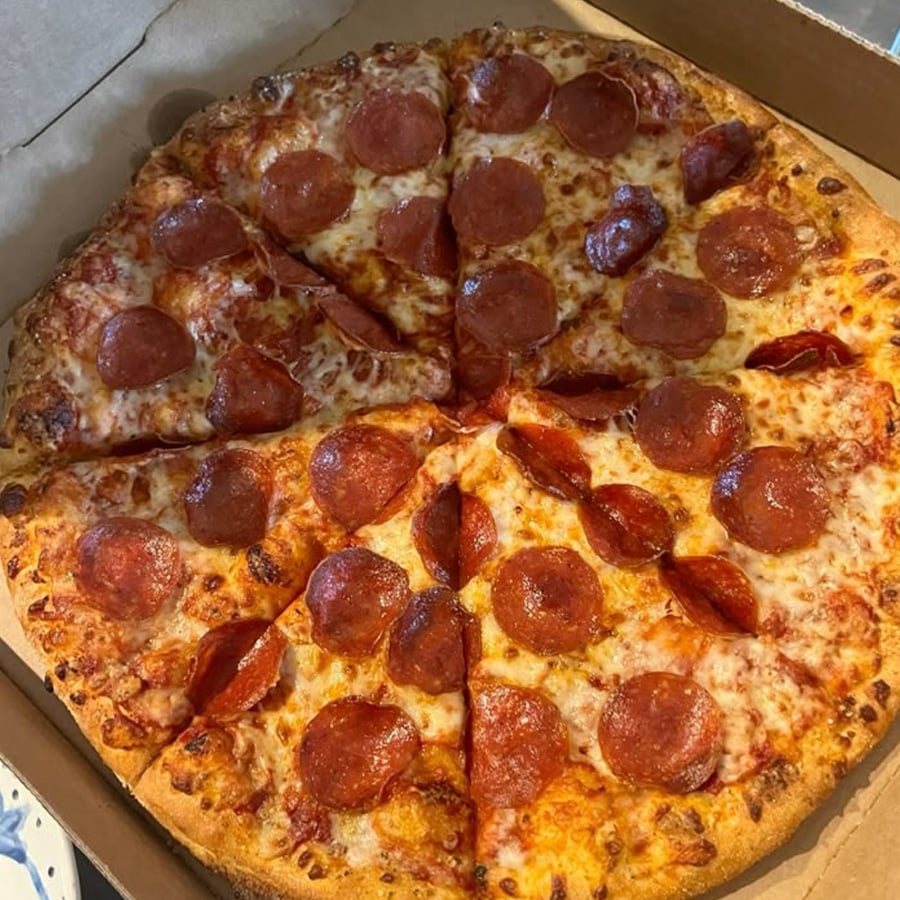
For years, Domino’s faced criticism over the quality of its pizza. Rather than ignore the complaints, the company publicly acknowledged them, completely redesigned its recipes, and launched a transparent marketing campaign. The honesty resonated with customers and fueled years of impressive growth.
7. Marvel

Nerd Daoha / Pinterest.com
Marvel emerged from bankruptcy by focusing on what it owned best: its characters. Instead of simply licensing superheroes to other studios, the company built the interconnected Marvel Cinematic Universe. The strategy generated billions in box office revenue and dramatically increased the brand’s value.
8. Old Spice

Once associated primarily with older generations, Old Spice successfully repositioned itself for younger consumers. Humorous advertising campaigns, viral marketing, and updated product lines made the brand culturally relevant again and significantly boosted sales.
Sign up for our newsletter
9. Best Buy
As online retailers threatened traditional electronics stores, Best Buy adapted by improving customer service, matching competitors’ prices, and creating partnerships with major technology companies. The retailer also expanded in-store experiences that encouraged shoppers to visit physical locations.
10. IBM
IBM transformed itself multiple times throughout its history. Originally known for hardware, the company shifted toward enterprise software, consulting, cloud computing, and artificial intelligence. These strategic changes allowed IBM to remain a major player despite dramatic changes in the technology industry.
11. Crocs

Crocs experienced declining popularity after its initial boom but found renewed success through collaborations with celebrities, designers, and luxury brands. Limited-edition releases and a willingness to embrace its unique image helped the company reconnect with younger consumers.
12. Adobe

Adobe made one of the software industry’s boldest moves by replacing one-time software purchases with Creative Cloud subscriptions. Although controversial at first, the recurring subscription model created stable revenue while giving customers continuous updates and cloud-based services.
13. Dunkin

The company simplified its identity by dropping “Donuts” from its name to emphasize beverages and convenience. Expanded coffee offerings, mobile ordering, and digital loyalty programs helped Dunkin’ compete more effectively in today’s fast-paced coffee market.
14. Fiat

Fiat refreshed its global image by focusing on compact, stylish vehicles that appealed to urban drivers. Partnerships, international expansion, and the relaunch of iconic models like the Fiat 500 helped breathe new life into the historic Italian automaker.
15. Airbnb

When global travel nearly stopped during the pandemic, Airbnb quickly shifted its messaging toward local stays, long-term rentals, and remote work accommodations. The company adapted to changing travel habits and emerged as one of the strongest players in the hospitality industry.
More Related Notes
• 18 Companies That Quietly Became Marketing Giants.
Discover how smart branding, strategic pivots, and innovative marketing helped companies grow into globally recognized industry leaders.
• 18 Classic American Brands That Quietly Became Collectors’ Favorites.
Explore iconic brands that adapted over the decades, maintaining their legacy while becoming even more valuable to collectors and loyal fans.
• 15 Forgotten American Businesses That Made Ordinary Families Rich.
Learn the stories of once-thriving businesses that shaped local economies and see how adapting to changing markets has always been key to long-term success.