
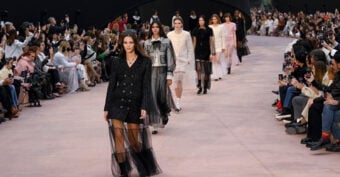
Luxury fashion is no longer just about exclusivity and heritage. Today, the industry is evolving to keep pace with cultural shifts, new technologies, and changing consumer values. From the way collections are presented to how brands connect with their audiences, luxury is redefining what it means to be desirable. These changes are shaping a new era where innovation, authenticity, and experience matter as much as craftsmanship and tradition.
1. Sustainability as a Core Value

Luxury brands are moving beyond greenwashing and making sustainability part of their long-term strategy. From ethically sourced materials to transparent supply chains, environmental responsibility is becoming essential to maintaining prestige and trust with modern consumers.
2. Digital-First Runways and Virtual Shows

Fashion weeks are no longer limited to physical front rows. Digital presentations, livestreamed runway shows, and immersive virtual experiences allow luxury houses to reach a global audience while experimenting with new creative formats.
3. Limited Drops Instead of Seasonal Collections

Rather than relying solely on traditional seasonal calendars, luxury brands are releasing smaller, highly curated drops. This strategy creates urgency, reduces overproduction, and aligns better with how consumers actually shop today.
4. Collaborations with Artists and Creators

Unexpected partnerships with artists, designers, musicians, and even brands outside fashion are reshaping luxury’s image. These collaborations bring cultural relevance, fresh perspectives, and a sense of collectibility that resonates with younger audiences.
5. Technology-Integrated Fashion

From smart fabrics to AI-assisted design and augmented reality fittings, technology is becoming part of the luxury experience. These innovations enhance functionality while reinforcing the idea that luxury can be forward-thinking, not just traditional.
Trending on Wealth Gang

6. Personalization and Custom Luxury

Luxury is shifting from mass aspiration to individual expression. Brands are offering customization options, made-to-order pieces, and personalized services that make each purchase feel unique and deeply personal.
7. Resale and Circular Fashion Models

Once considered taboo, resale is now embraced by luxury brands as a way to extend product life cycles. By supporting secondhand markets and circular initiatives, luxury houses are redefining value beyond the first purchase.
8. A New Focus on Experience Over Ownership

Luxury is increasingly about how something makes you feel rather than what you own. Exclusive events, private client experiences, and immersive brand moments are becoming just as important as the products themselves.
Sign up for our newsletter
9. Inclusivity and Modern Representation

Luxury fashion is expanding its definition of beauty and identity. More inclusive casting, diverse creative voices, and authentic representation are helping brands connect with a broader, more global audience.
10. Storytelling Through Content and Community

Today’s luxury brands act like media platforms, using storytelling to build emotional connections. Through social content, behind-the-scenes access, and community-driven narratives, luxury is becoming more relatable without losing its mystique.