Foods that changed their recipes prove that even familiar favorites aren’t necessarily permanent. Companies reformulate products for all kinds of reasons, from lowering production costs and meeting new nutrition standards to removing artificial ingredients or responding to changing consumer tastes.
Sometimes customers barely notice. Other times, a seemingly small ingredient swap changes the flavor or texture enough to inspire years of complaints. These 15 foods all underwent notable recipe changes, and longtime fans definitely noticed.
1. Coca-Cola
aditi’s scrap / Pinterest.com
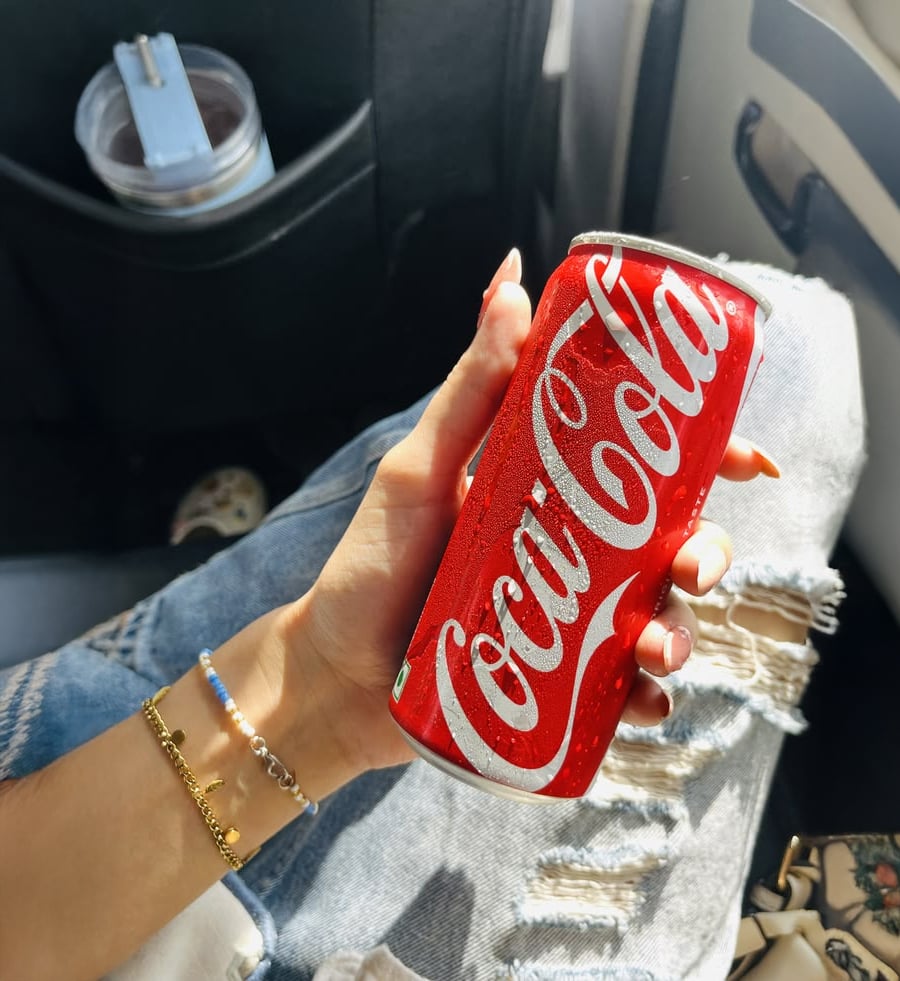
What changed: In 1985, Coca-Cola replaced its traditional formula in the United States with a sweeter recipe known as New Coke.
The backlash became legendary. Customers demanded the familiar flavor back, and Coca-Cola Classic returned just months later. New Coke eventually disappeared, turning the reformulation into one of the most famous product reversals ever.
2. Cadbury Creme Eggs
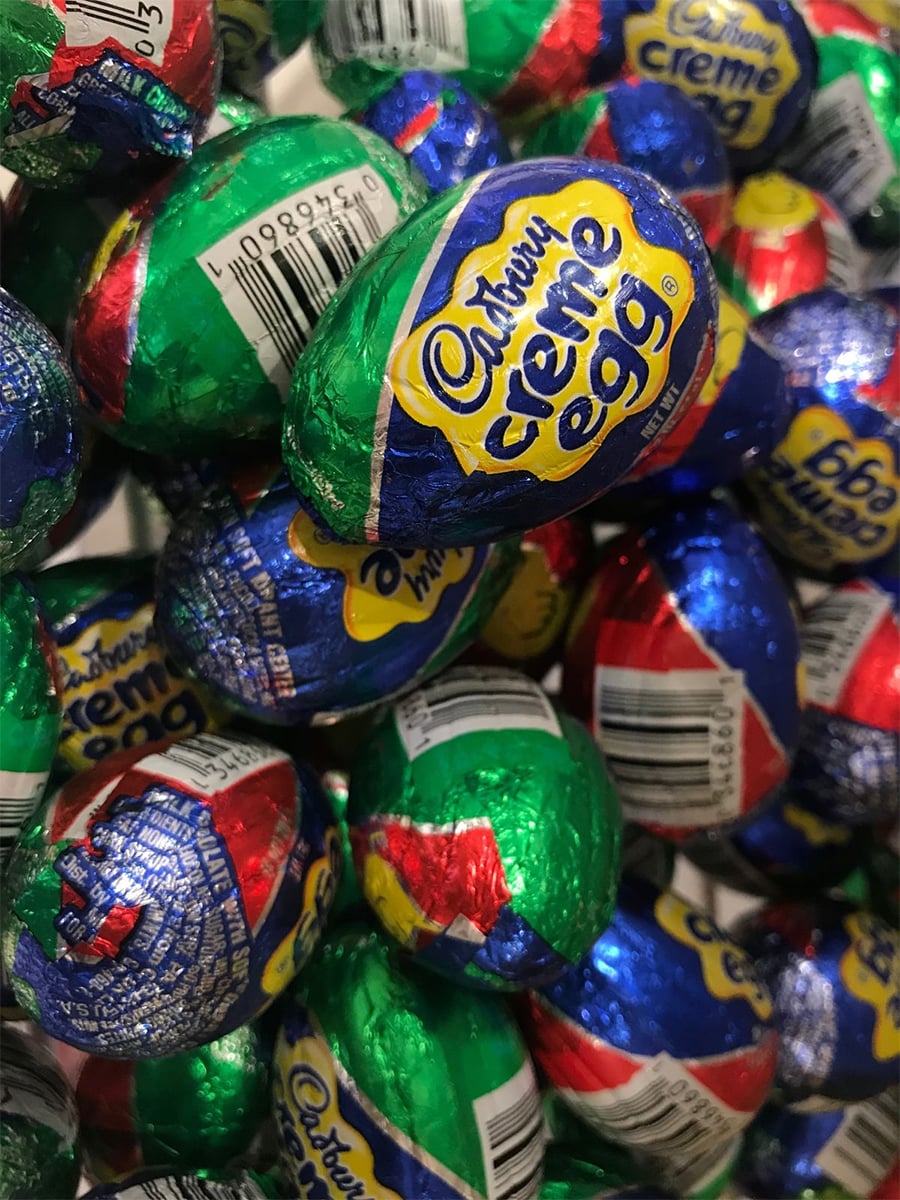
What changed: In the U.K., Cadbury replaced the Dairy Milk chocolate previously used for the shell with a different standard milk chocolate formulation.
The change sparked complaints from fans who felt the chocolate tasted noticeably different, even though the famous fondant center remained.
3. Butterfinger
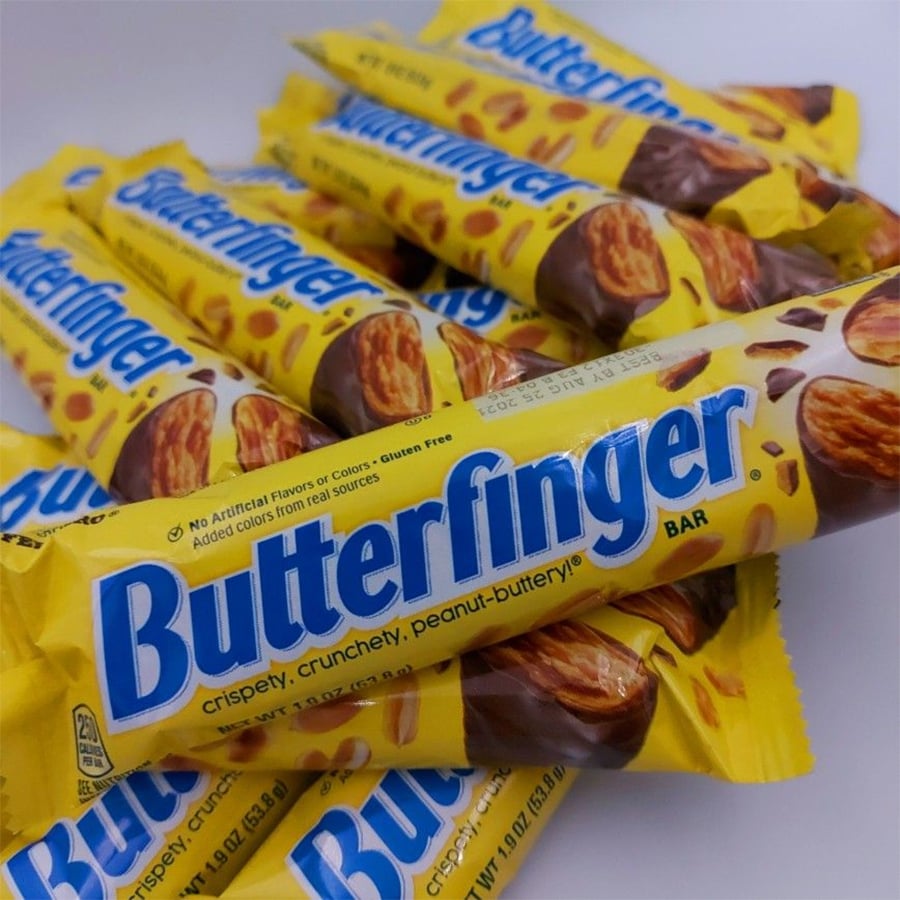
What changed: After Ferrero acquired the brand, Butterfinger received a new recipe in 2019 featuring different peanuts, more cocoa and milk in the coating, and the removal of some ingredients.
The company promoted it as an improvement, but some longtime Butterfinger fans missed the flavor and texture of the older version.
4. Kraft Macaroni & Cheese
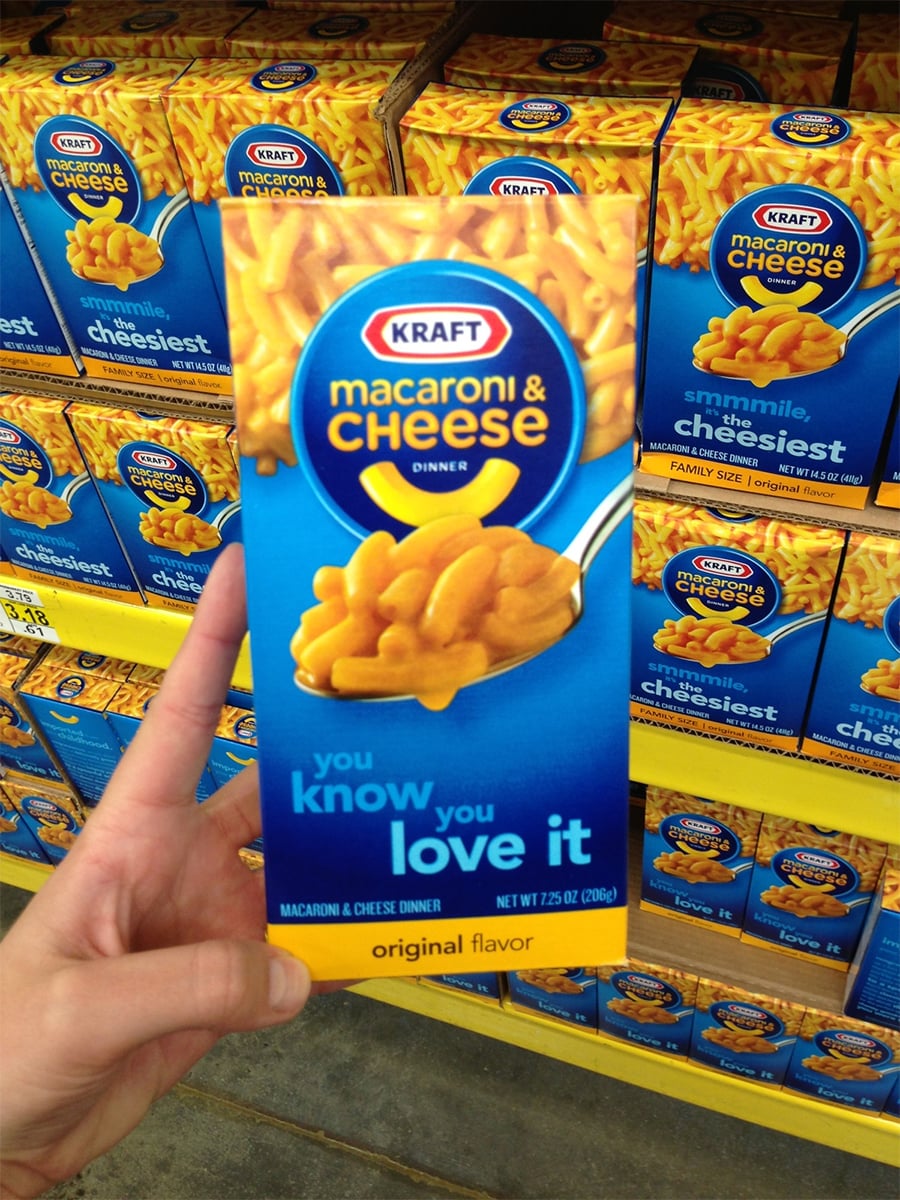
What changed: Kraft removed artificial preservatives and synthetic colors from its classic U.S. macaroni and cheese recipe, replacing the coloring with ingredients including paprika, turmeric, and annatto.
Interestingly, Kraft initially made the switch without prominently announcing it, then revealed months later that consumers had already been eating the reformulated version.
5. Nutella
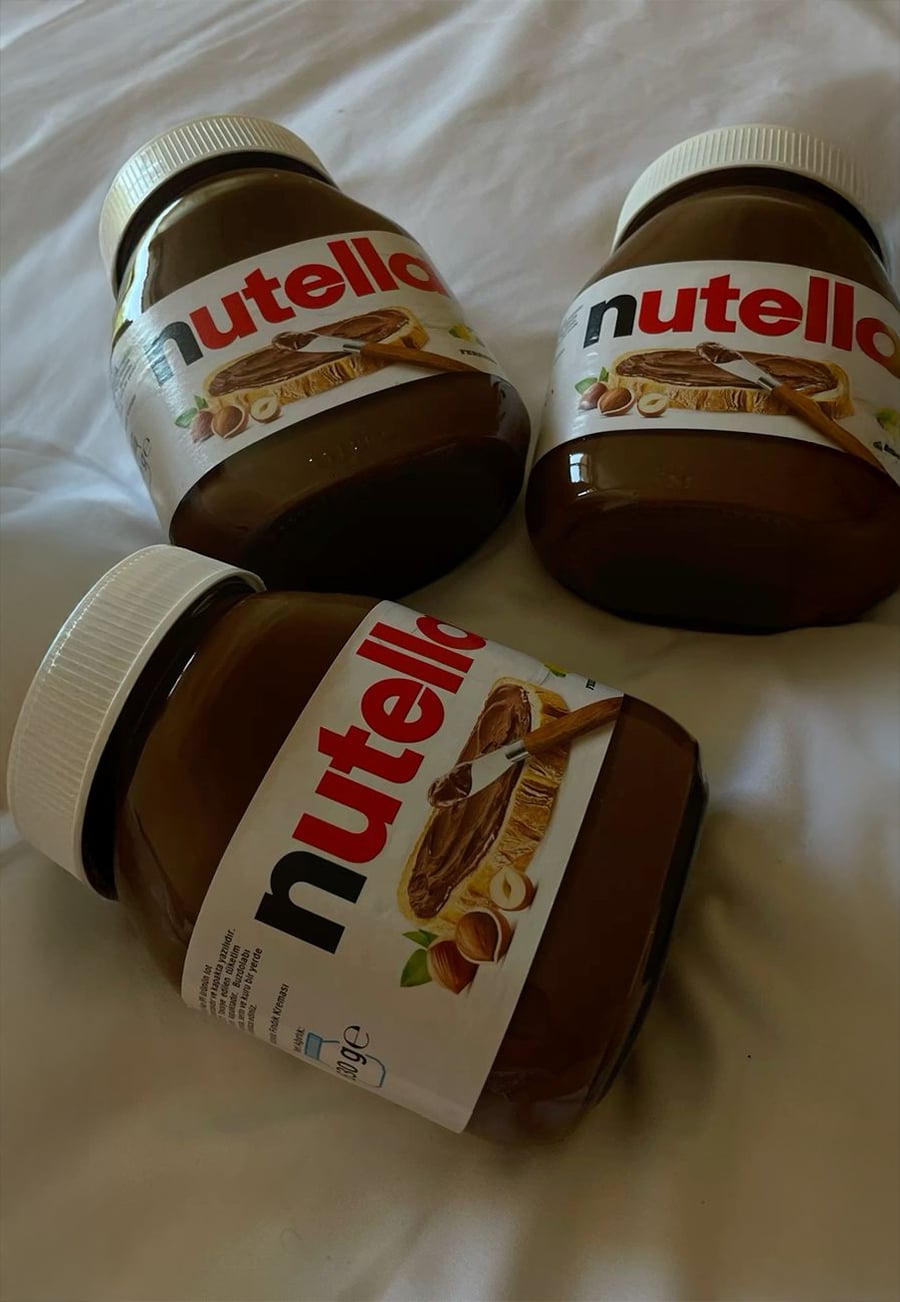
What changed: Ferrero adjusted Nutella’s European recipe in 2017, increasing the amounts of skimmed milk powder and sugar while reducing the cocoa content slightly.
The seemingly modest adjustment caused a surprisingly passionate reaction from fans of the spread.
Trending on Wealth Gang


6. Irn-Bru
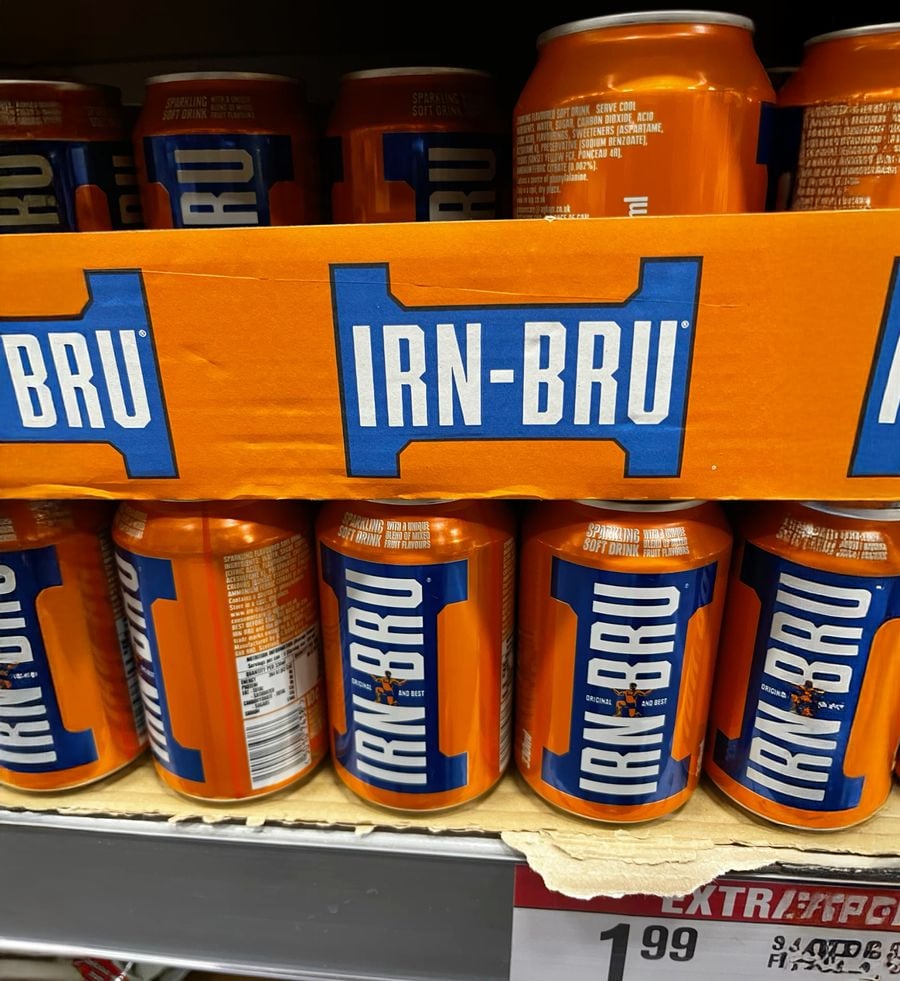
What changed: The Scottish soft drink dramatically reduced its sugar content in 2018, replacing much of it with low-calorie sweeteners.
The reformulation was designed partly in response to the U.K.‘s sugar tax, but devoted fans complained that one of Scotland’s most recognizable drinks no longer tasted the same.
7. SunnyD
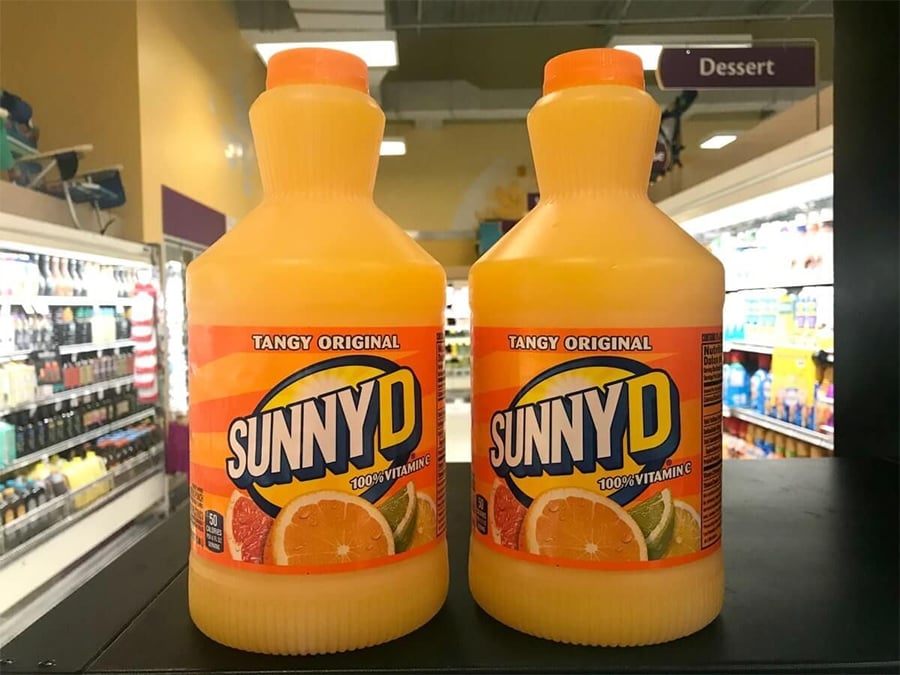
What changed: SunnyD has been reformulated multiple times, including reductions in sugar and calories and changes to sweeteners and other ingredients.
The modern drink is nutritionally different from the intensely sweet orange beverage many children remember from the 1990s.
8. Campbell’s Chicken Soup
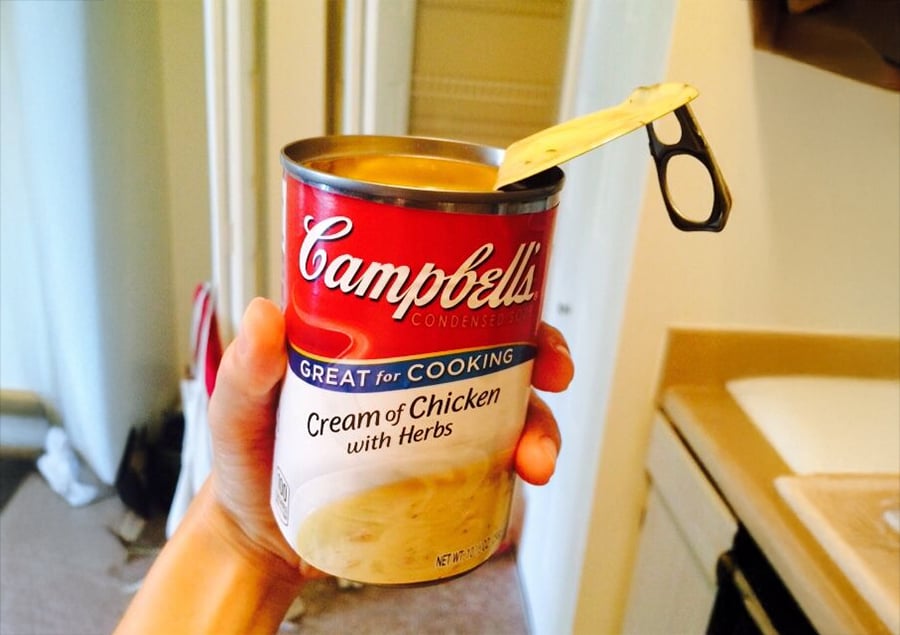
What changed: Campbell experimented with reducing sodium and modifying ingredients in several of its classic soups as consumer preferences shifted toward simpler ingredient lists.
Some changes were later reconsidered when shoppers made it clear that healthier wasn’t necessarily better if the familiar flavor disappeared.
Sign up for our newsletter
9. Twinkies
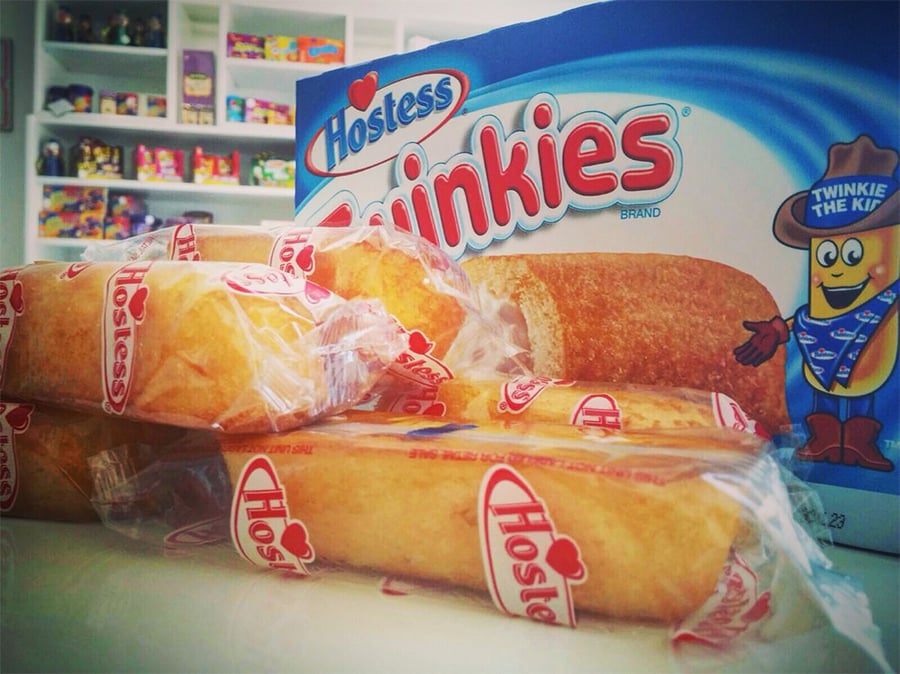
Kokko Sweets / Pinterest.com
What changed: When Twinkies returned after Hostess’ 2013 bankruptcy, the revived cakes came with changes that helped extend their shelf life considerably.
The new manufacturing and formulation approach allowed Twinkies to remain fresh much longer than earlier versions.
10. Domino’s Pizza
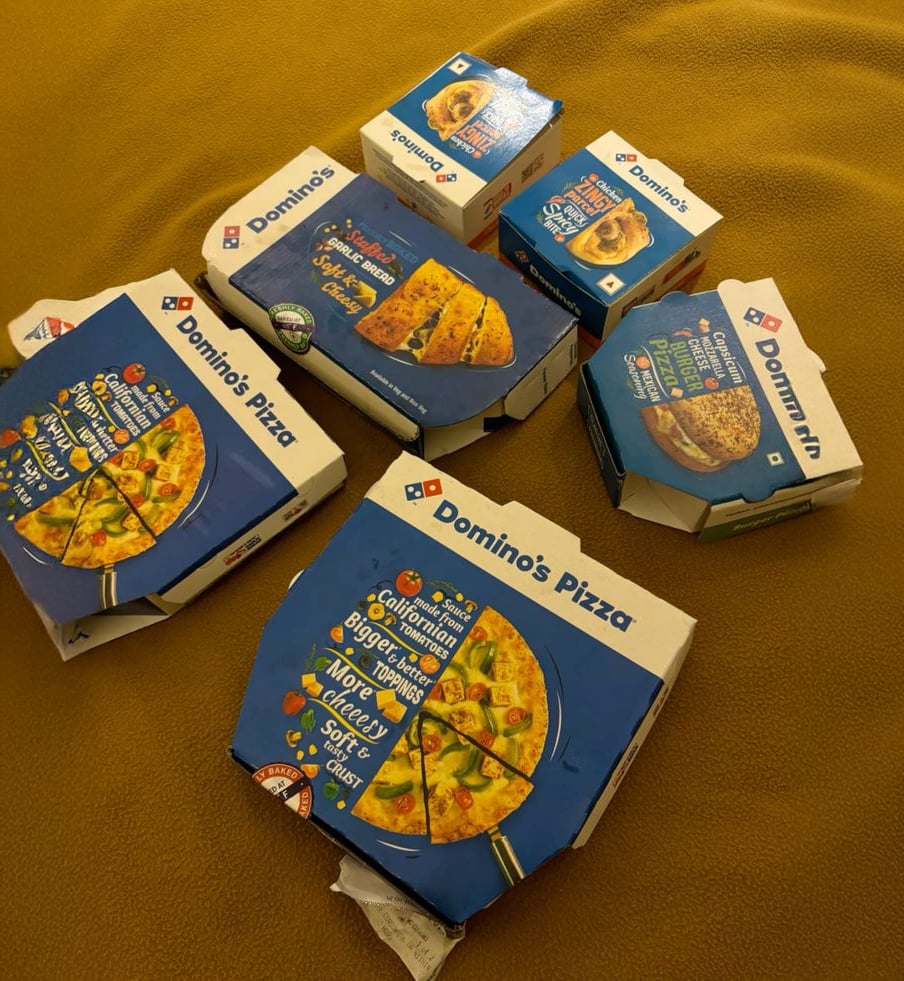
What changed: In 2009, Domino’s publicly admitted customers weren’t happy with its pizza and completely overhauled the recipe, changing the crust, sauce, and cheese.
The crust gained a garlic-seasoned flavor, the sauce became sweeter and spicier, and the cheese blend was upgraded. Unlike many controversial reformulations, this one helped transform the company’s reputation.
11. Trix Cereal
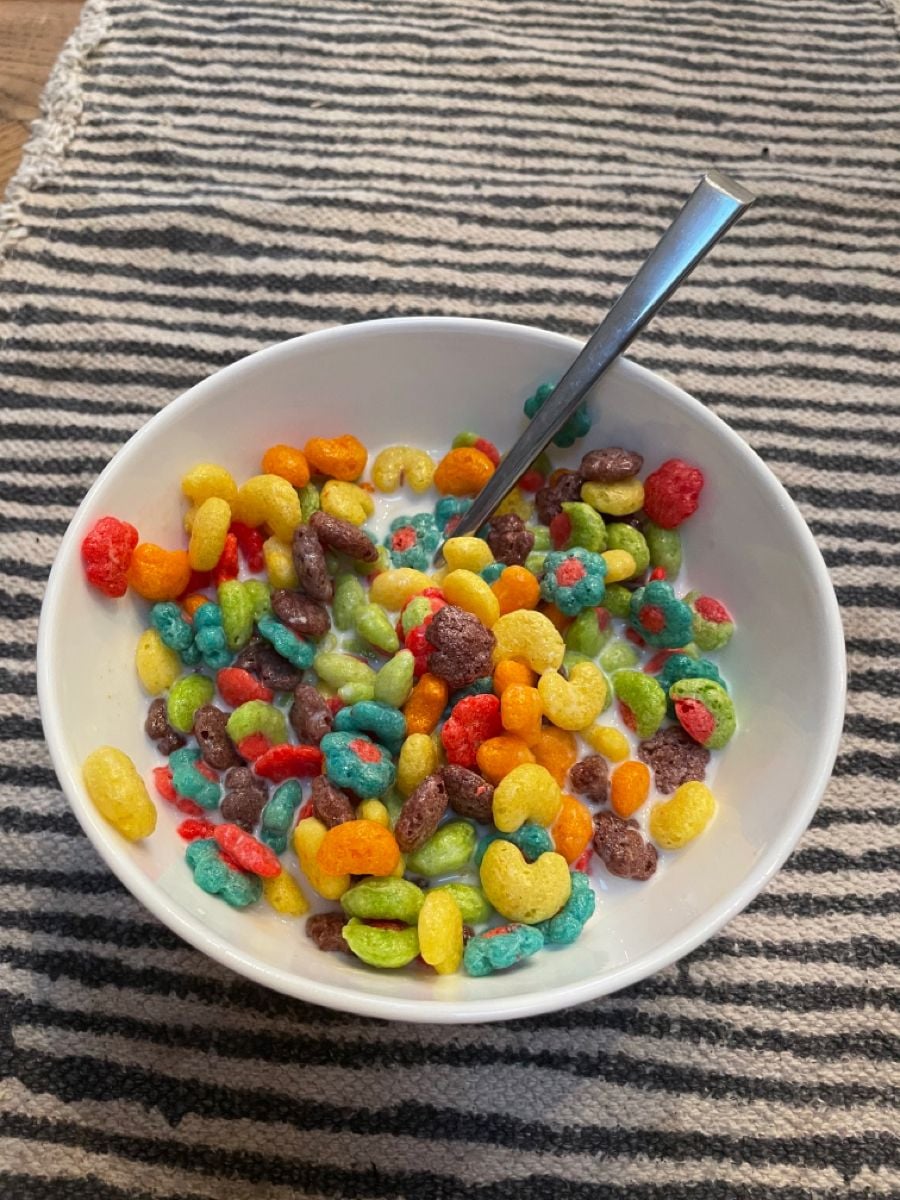
What changed: General Mills removed artificial colors and flavors from Trix in 2016, using ingredients such as fruit and vegetable juices to create the cereal’s colors.
Fans complained that the new Trix looked and tasted different. General Mills eventually brought back the artificial-color version as “Classic Trix.”
12. Honey Smacks
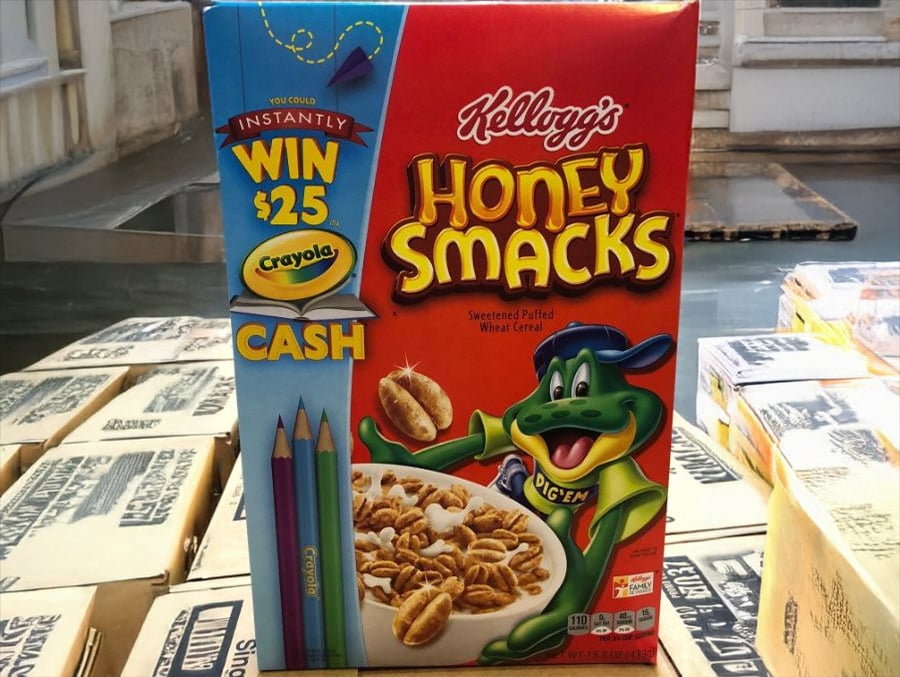
What changed: Kellogg’s has adjusted the cereal’s formula over the decades, including changes to its sugar content and ingredient composition.
Today’s cereal isn’t identical to the extremely sugary product earlier generations knew under names including Sugar Smacks.
13. Subway Bread
Apriadijonli / Pinterest.com
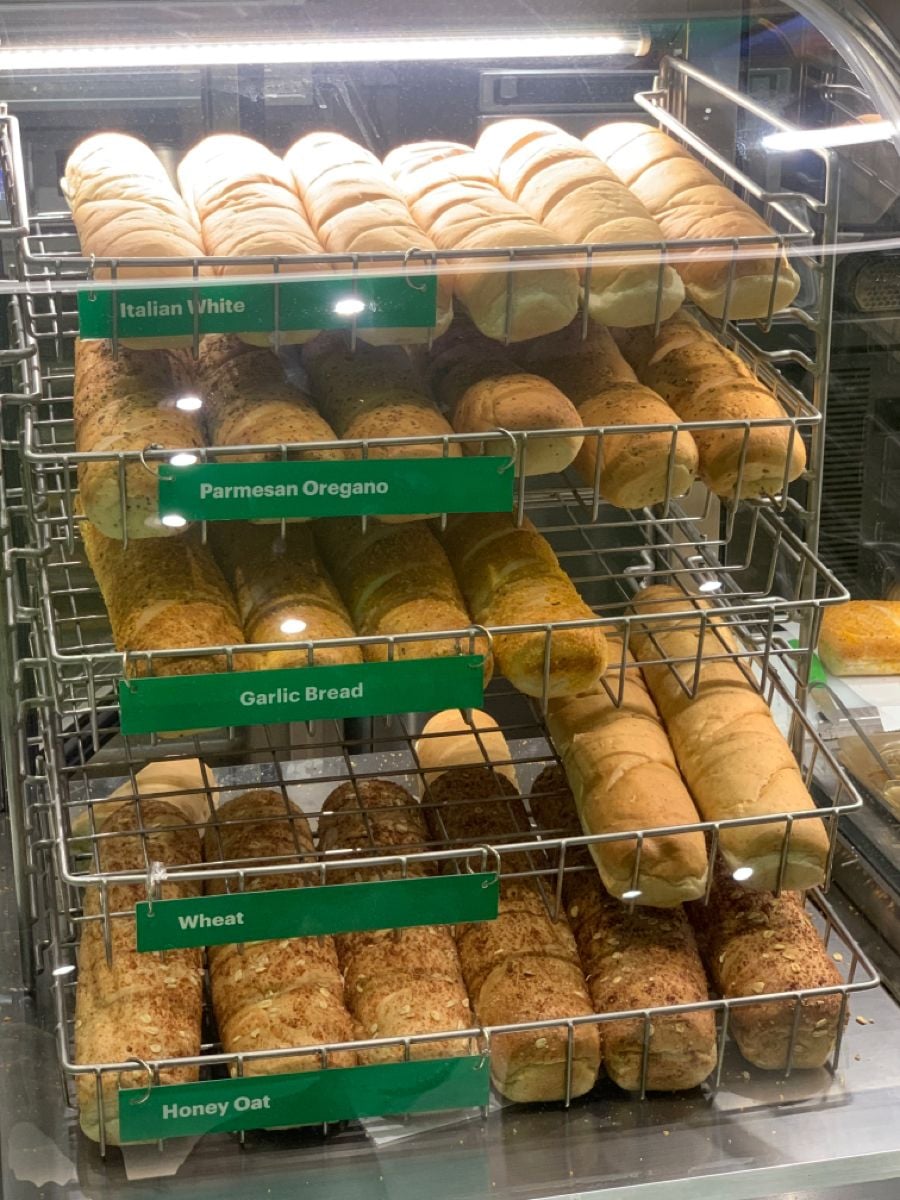
What changed: Subway has repeatedly reformulated its bread, including removing azodicarbonamide from U.S. recipes after widespread consumer attention and later updating bread recipes as part of broader menu changes.
Because bread is the foundation of nearly every Subway sandwich, even ingredient-level changes attracted considerable attention.
14. Smarties in the U.K.
Cheryl Tessier / Pinterest.com
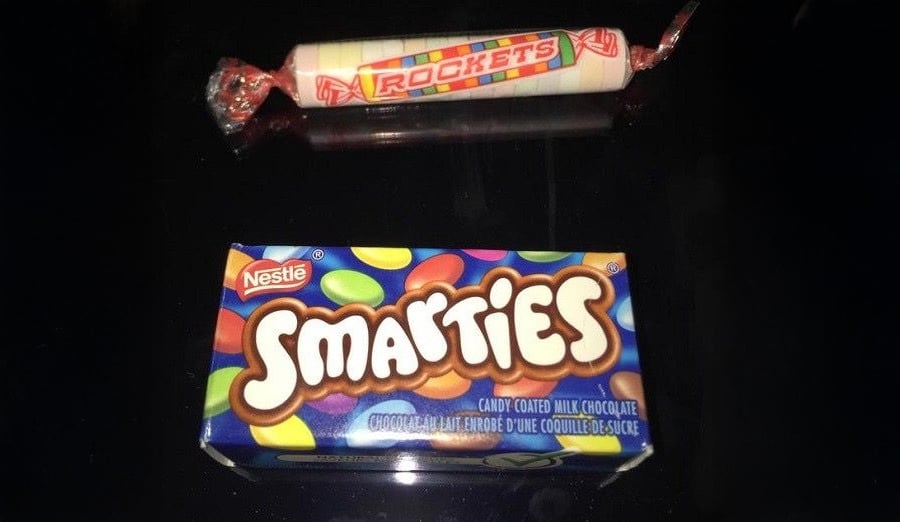
What changed: Nestlé removed artificial colors from Smarties in the 2000s and replaced them with colors derived from natural sources.
One unexpected casualty was the blue Smartie, which temporarily disappeared because the company couldn’t initially find a suitable natural blue coloring.
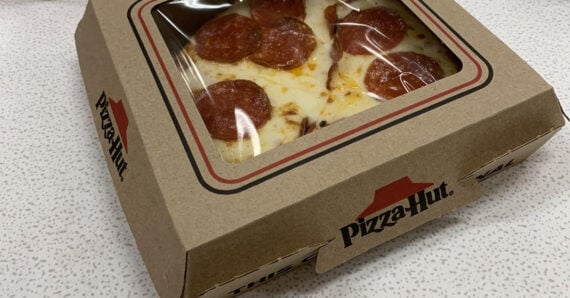
15. Pizza Hut Pan Pizza
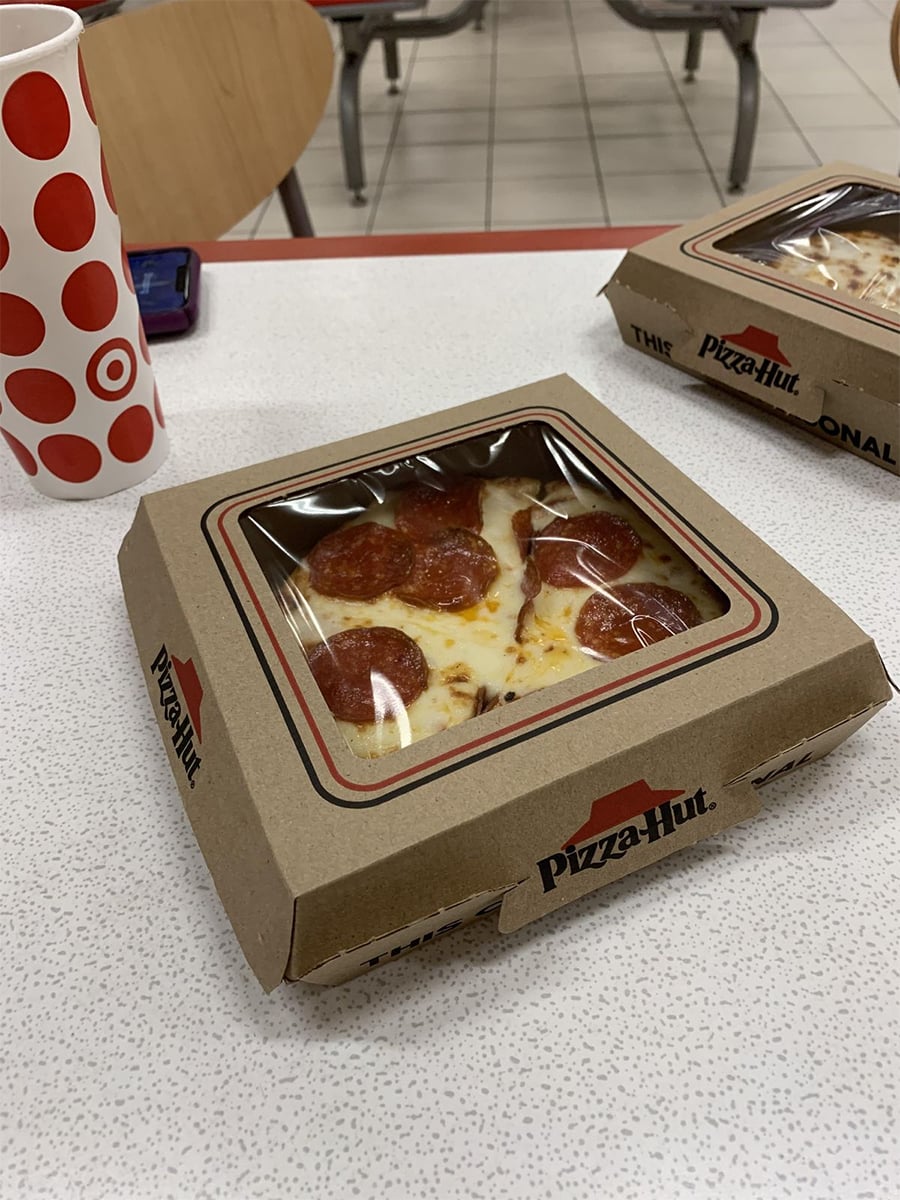
What changed: Pizza Hut reformulated its Original Pan Pizza in 2019 after decades with essentially the same core recipe, changing the cheese blend, sauce, and pan-baking process.
The company spent years developing the update, but for customers who had grown up with the original, the familiar pizza was no longer quite the same.
More Related Notes
• 10 Foods That Disappeared for Years and Suddenly Came Back
A fascinating look at beloved foods that faded from popularity before returning to menus and capturing attention once again.
• 15 Current Trends That Are Redefining the Way People Live
This article explores how cultural influences, travel, and social media continue shaping what people eat and discover around the world.
• No One Saw It Coming, But These 10 Things Are Now Normal
A complementary read about trends that crossed borders and became mainstream, much like many of today’s most popular trends.