

When people think of emotional support animals, a dog quietly resting its head on someone’s lap during a hard day probably comes to mind first. But the world of emotional support animals is a lot wider. All kinds of animals have stepped up to help people manage anxiety, depression, and the everyday weight of being human. What they all share isn’t a specific size, species, or skill set: it is the simple, steady comfort of showing up.
Unlike service animals, which are trained to perform specific tasks, emotional support animals do their job just by being present. Their value comes from companionship, routine, and the calming effect of touch or closeness, and for many people, that’s exactly the kind of support that makes daily life feel more manageable. Here’s a look at 15 animals that have found their way into hearts, homes, and doctors’ notes as trusted sources of comfort.
1. Dogs

Dogs are the most popular emotional support animals, known for their loyalty, affection, and ability to sense human emotions. Their playful nature and eagerness to please make them ideal companions for reducing stress, anxiety, and loneliness. From small lap dogs to large breeds, their adaptability ensures they can fit into nearly any lifestyle.
2. Cats

Cats provide a calming presence with their affectionate cuddles. They are often chosen by people who appreciate a quieter, more independent companion. Cats can be incredibly intuitive, curling up beside their owners during moments of sadness and offering comfort without demanding constant attention.
3. Birds
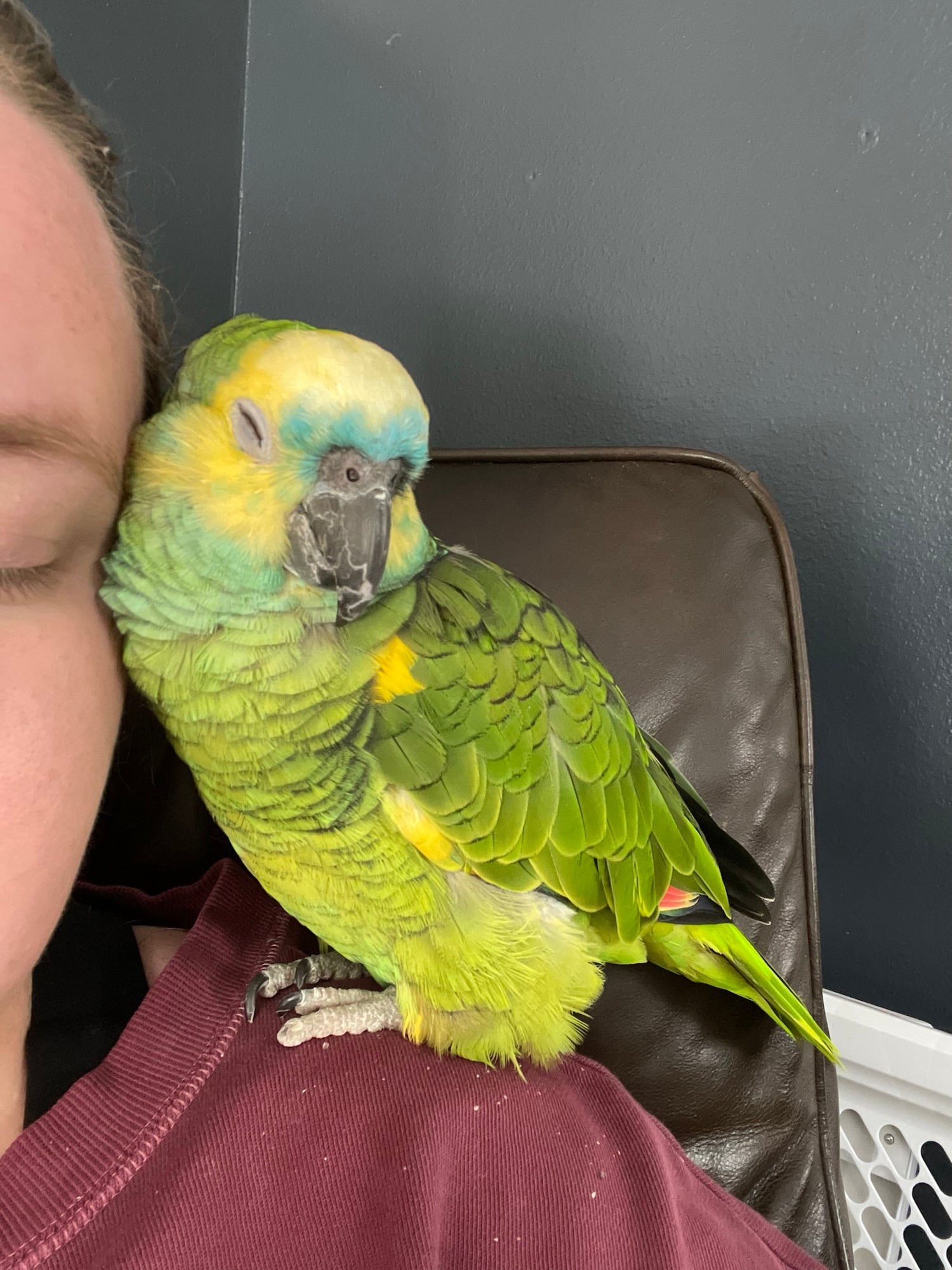
Birds are intelligent and social creatures that thrive on interaction. Their cheerful ability to mimic sounds can bring joy and laughter into a household. Birds also require routine care, which can help owners establish structure and responsibility in their daily lives.
4. Rabbits
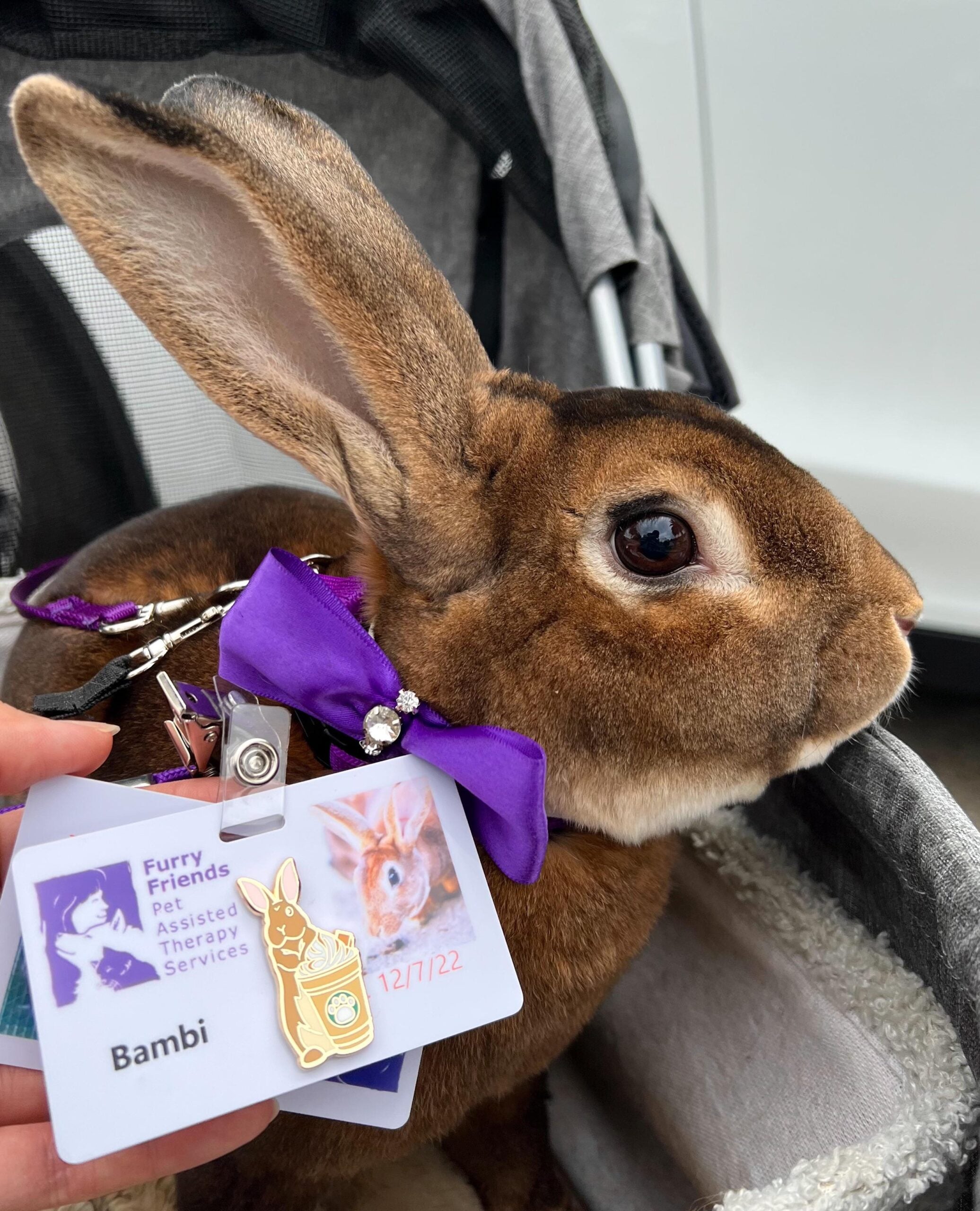
Rabbits are gentle, quiet animals that bond closely with their caregivers. Their soft fur and calm demeanor make them great companions, especially for individuals who prefer low-energy pets. Rabbits thrive in peaceful environments and can provide comfort through their affection.
5. Hamsters

Hamsters are small, low-maintenance pets that can still provide emotional support. Watching them burrow, run on wheels, or explore their habitat can be surprisingly therapeutic. Their tiny size makes them ideal for people living in small spaces.
Trending on Wealth Gang


6. Guinea Pigs
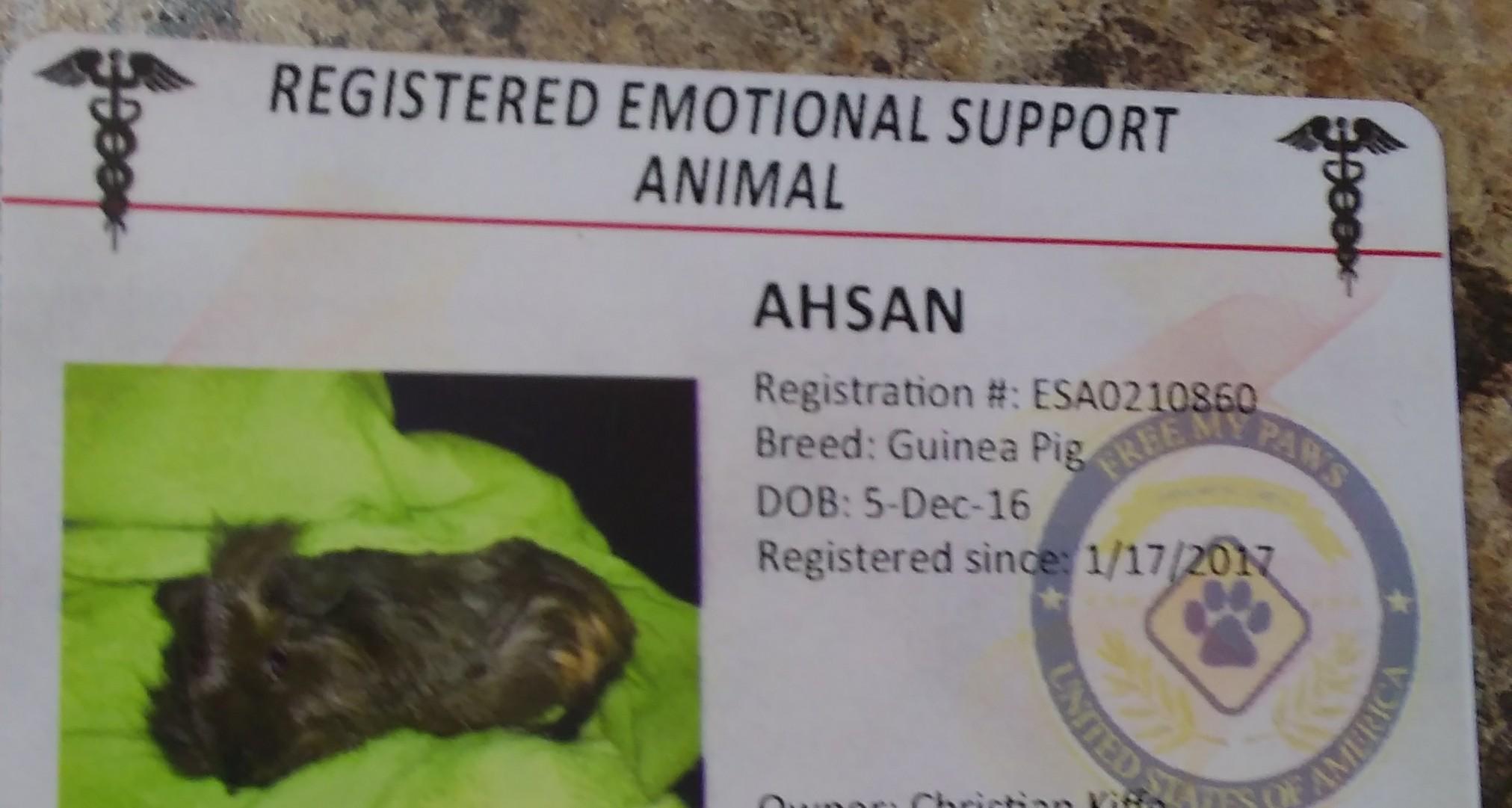
Guinea pigs are social animals that are very good at companionship and interaction. They often squeak with excitement when their owners approach, creating a sense of joy and connection. Their gentle nature and need for daily engagement make them excellent emotional support animals for children and adults alike.
7. Fish
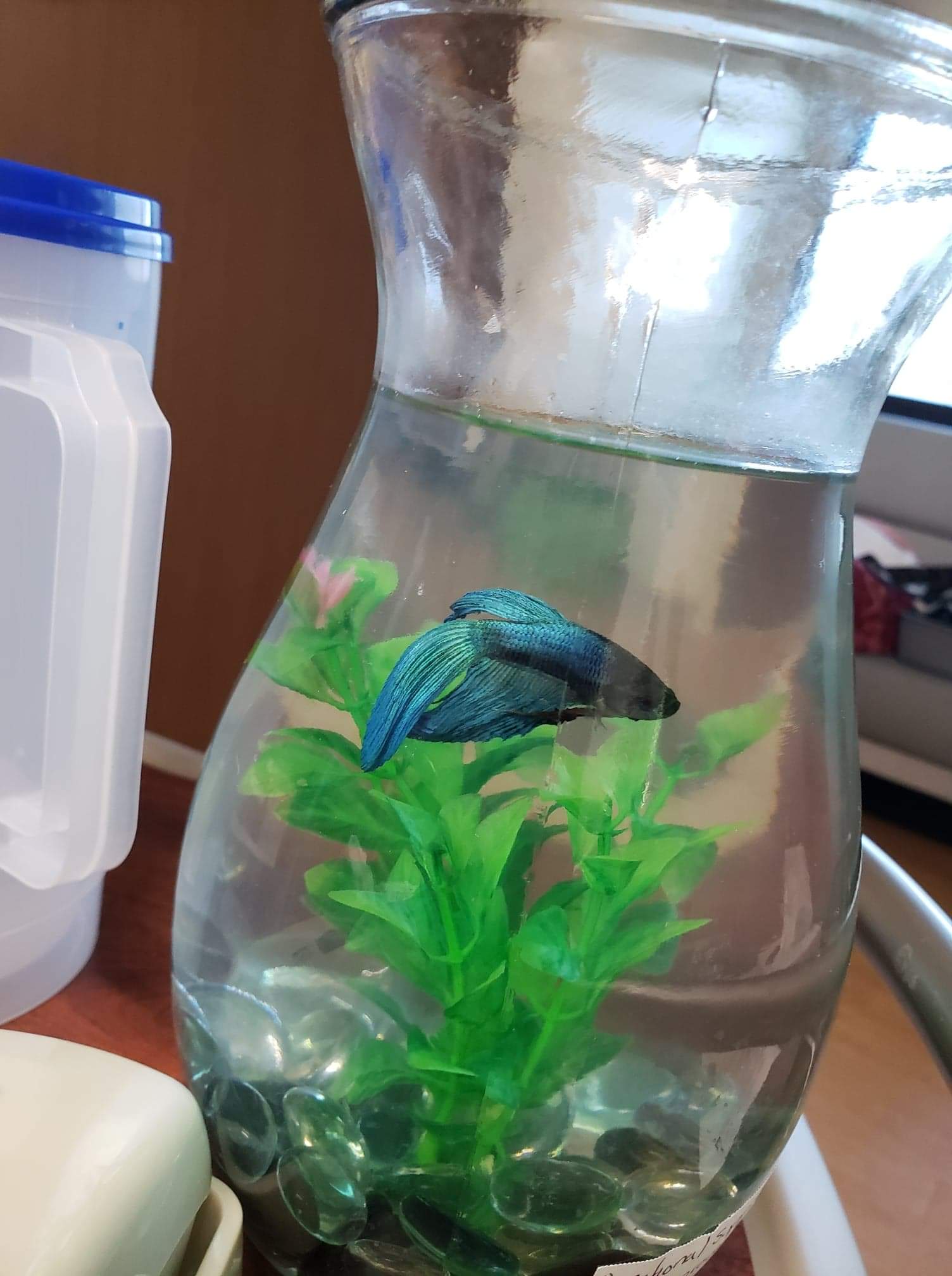
Fish may not be cuddly, but their presence can be incredibly calming. Watching fish swim in an aquarium has been shown to reduce stress and lower blood pressure. Maintaining an aquarium also provides a sense of routine and responsibility, which can be grounding for individuals seeking stability.
8. Turtles

Turtles embody patience and tranquility. Their slow movements can remind owners to slow down and breathe. While they require specific care, turtles can be rewarding companions for those who appreciate a meditative presence in their lives.
Sign up for our newsletter
9. Lizards
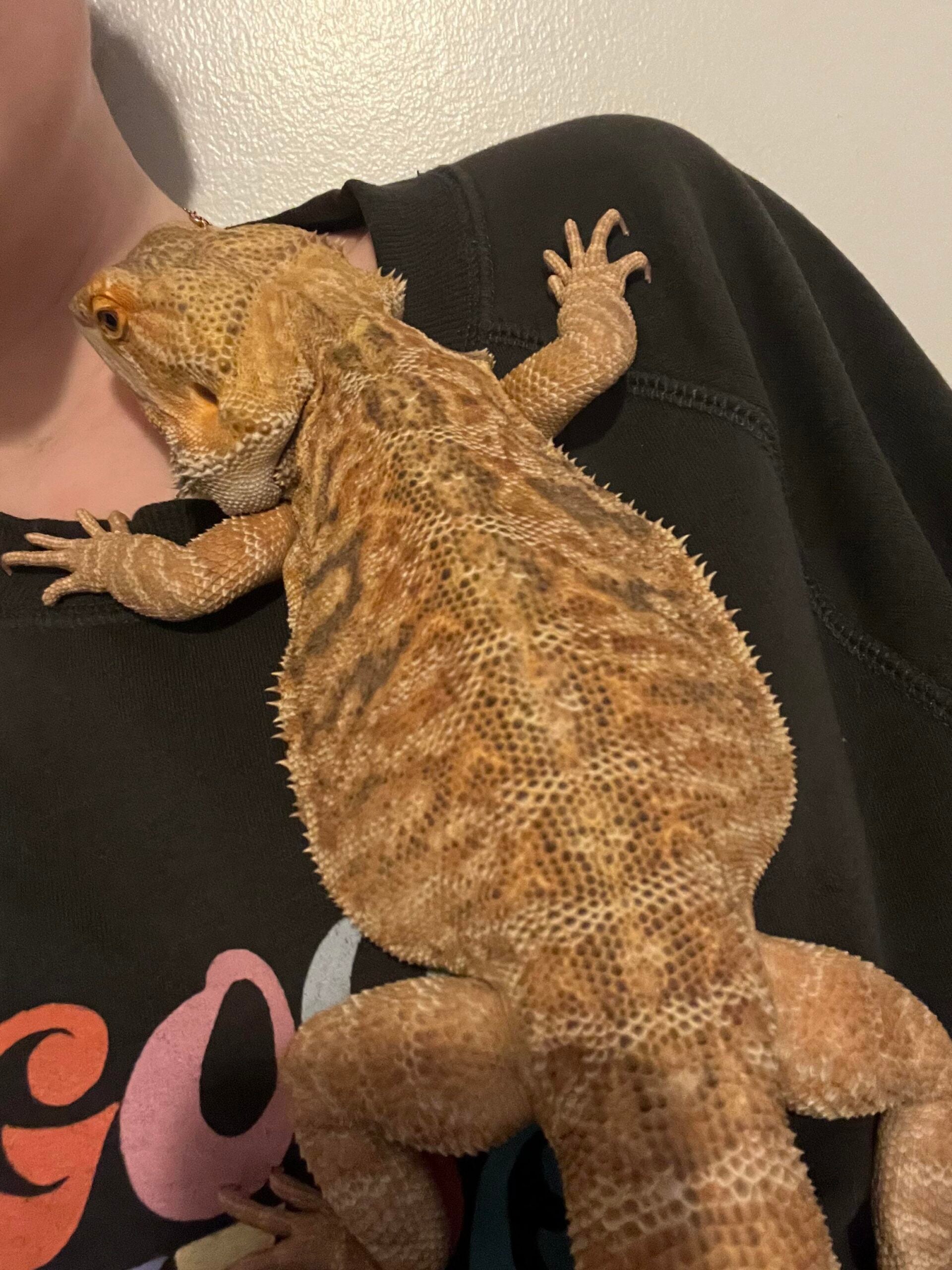
Lizards, such as bearded dragons or geckos, are increasingly popular as ESAs. Their unique appearance can be fascinating and comforting. Lizards often enjoy relaxing in warmth, and their steady routines can provide a sense of stability for their owners.
10. Horses

Though less common due to space and cost, horses are powerful emotional support animals. Equine therapy has shown remarkable benefits for individuals coping with trauma, anxiety, or depression. Horses form deep bonds with humans, offering both companionship and a sense of empowerment through riding and care.
11. Miniature Pigs
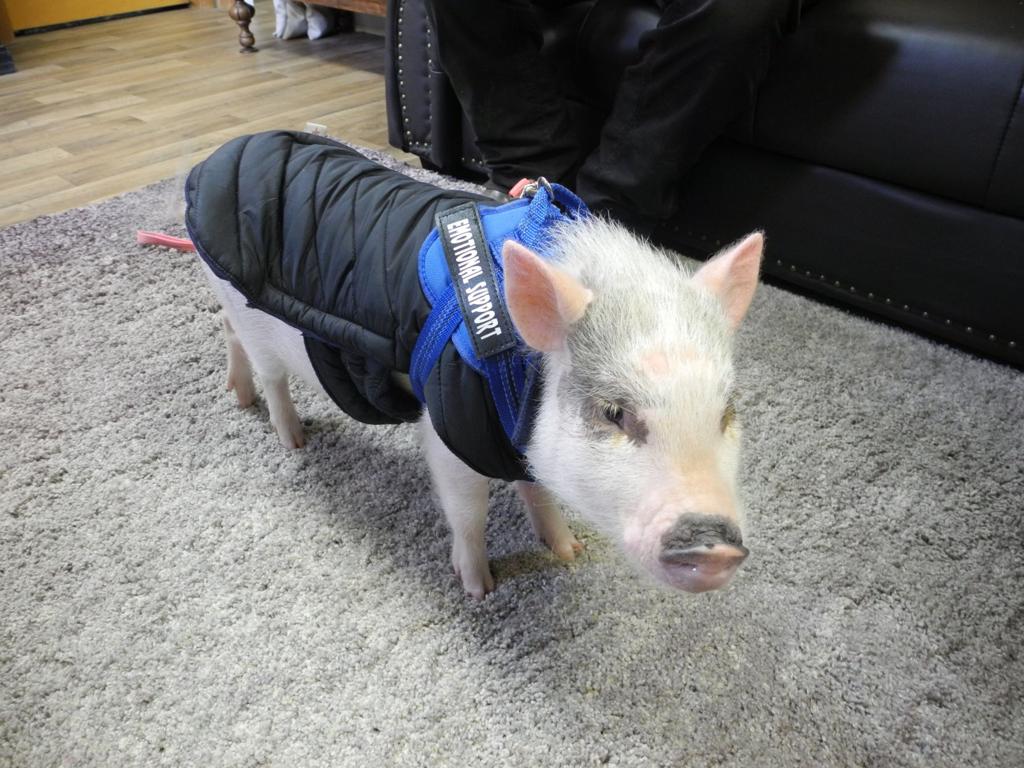
Mini pigs are intelligent, affectionate, and surprisingly clean animals. They can be trained much like dogs and often enjoy cuddling with their owners. Their playful personalities and strong emotional bonds make them unique but effective companions for emotional support.
12. Cows
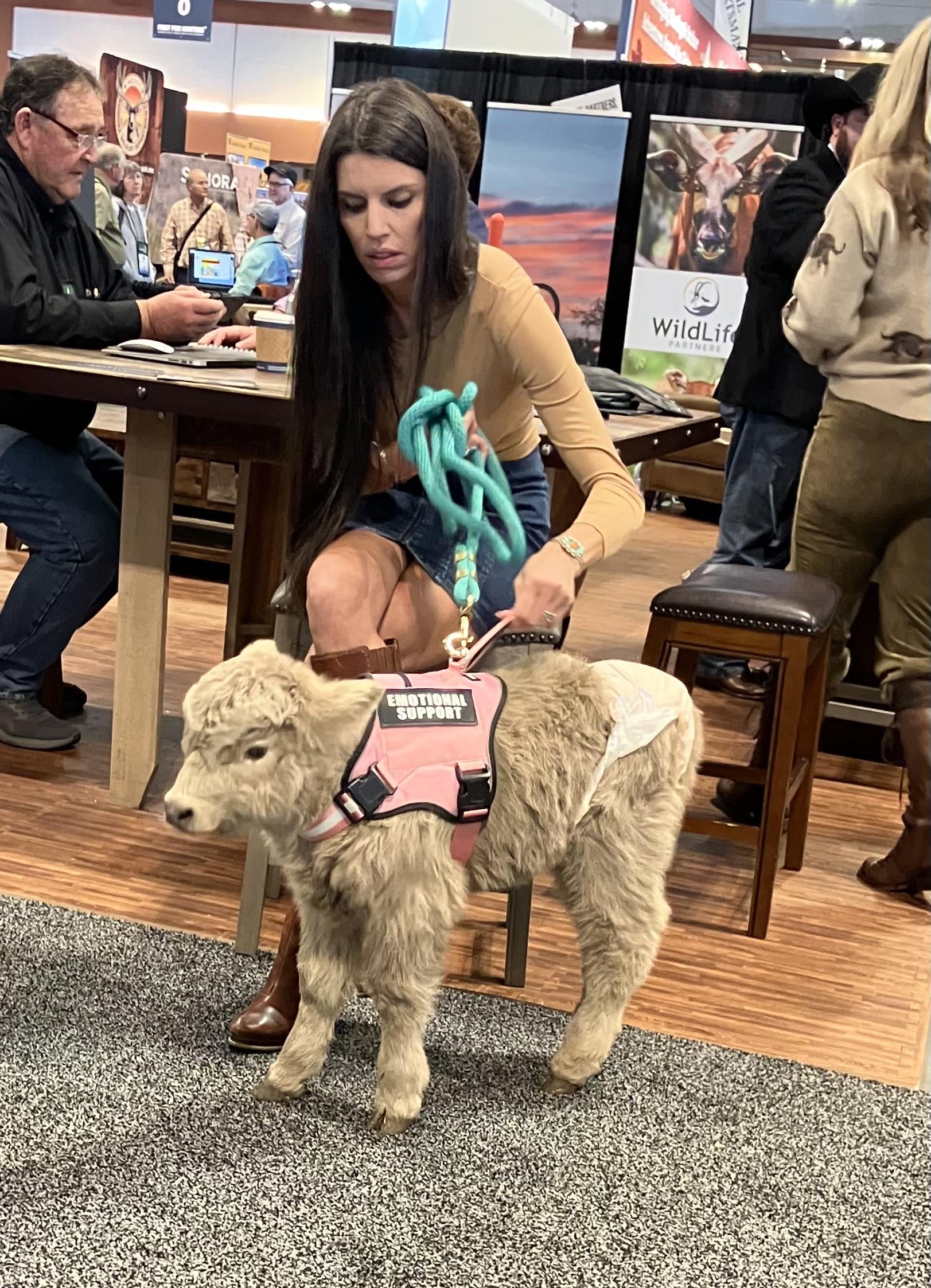
Cows may not be the first animals that come to mind for emotional support, but their gentle nature and calm presence make them surprisingly effective companions. Their large, warm bodies and slow movements create a soothing environment. In therapeutic farm settings, simply brushing or sitting near a cow can reduce stress and encourage mindfulness, making them a unique but powerful choice for emotional support.
13. Ferrets
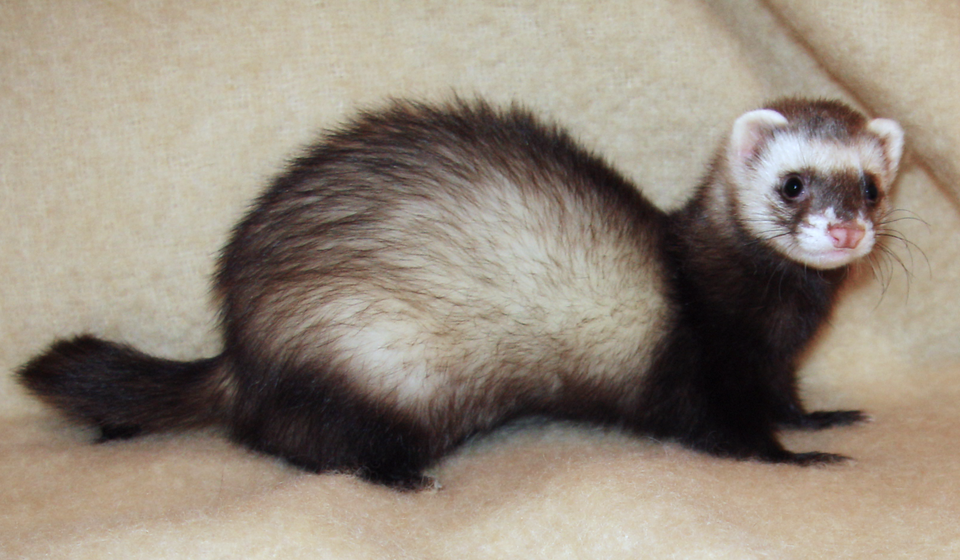
Ferrets are curious, playful, and social animals that can form strong bonds with their owners. Their energetic personalities can be a welcome distraction during stressful days, while many also enjoy curling up with their favorite person when it is time to relax. For people who enjoy an interactive companion in a small size, ferrets can provide both affection and plenty of entertainment.
14. Goats
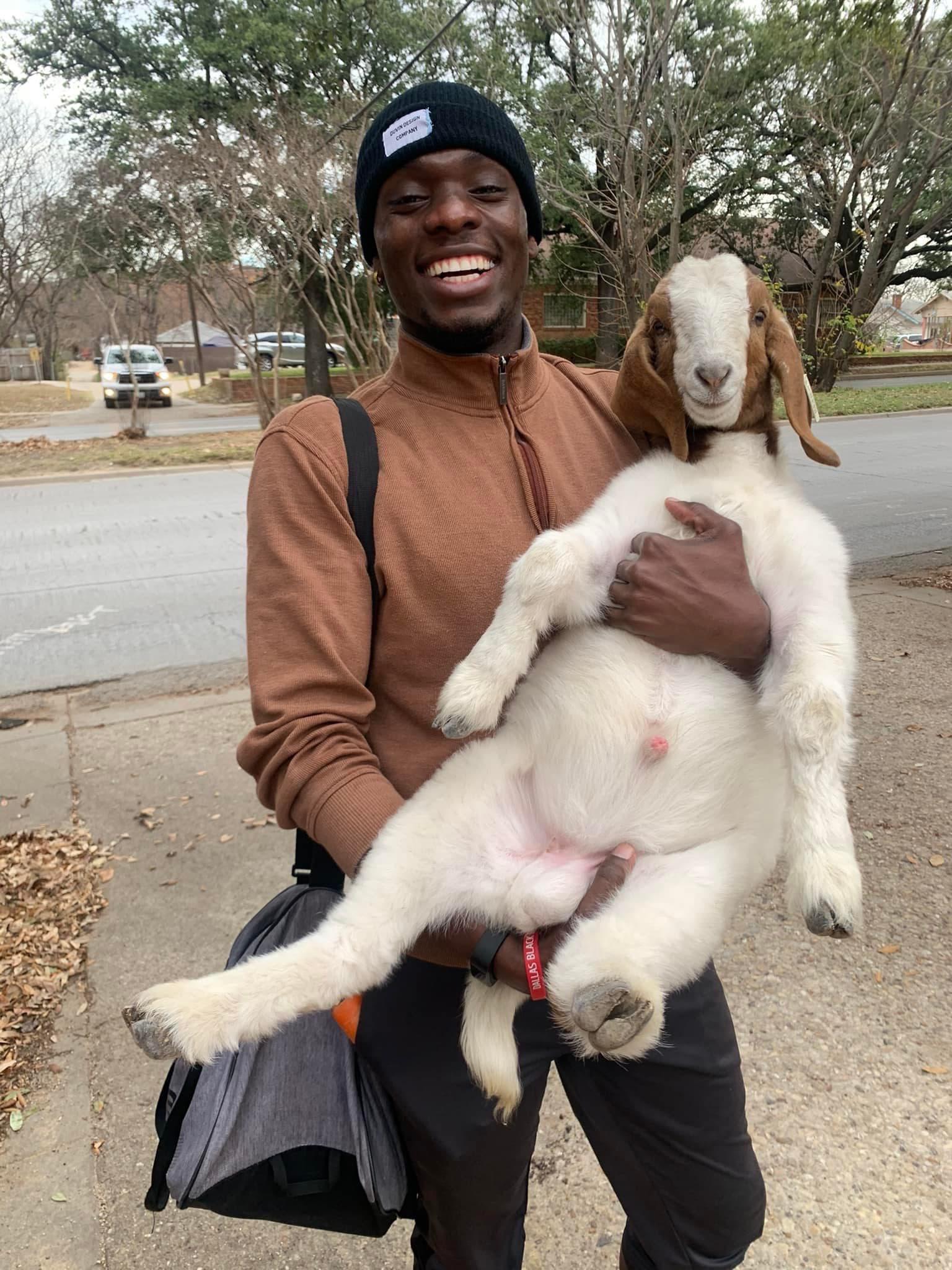
Goats are friendly, intelligent animals with personalities much bigger than people might expect. They can recognize familiar people, seek out attention, and form close relationships with their caregivers. Spending time feeding or simply sitting with a goat can provide an opportunity to slow down and focus on the moment.
15. Chickens
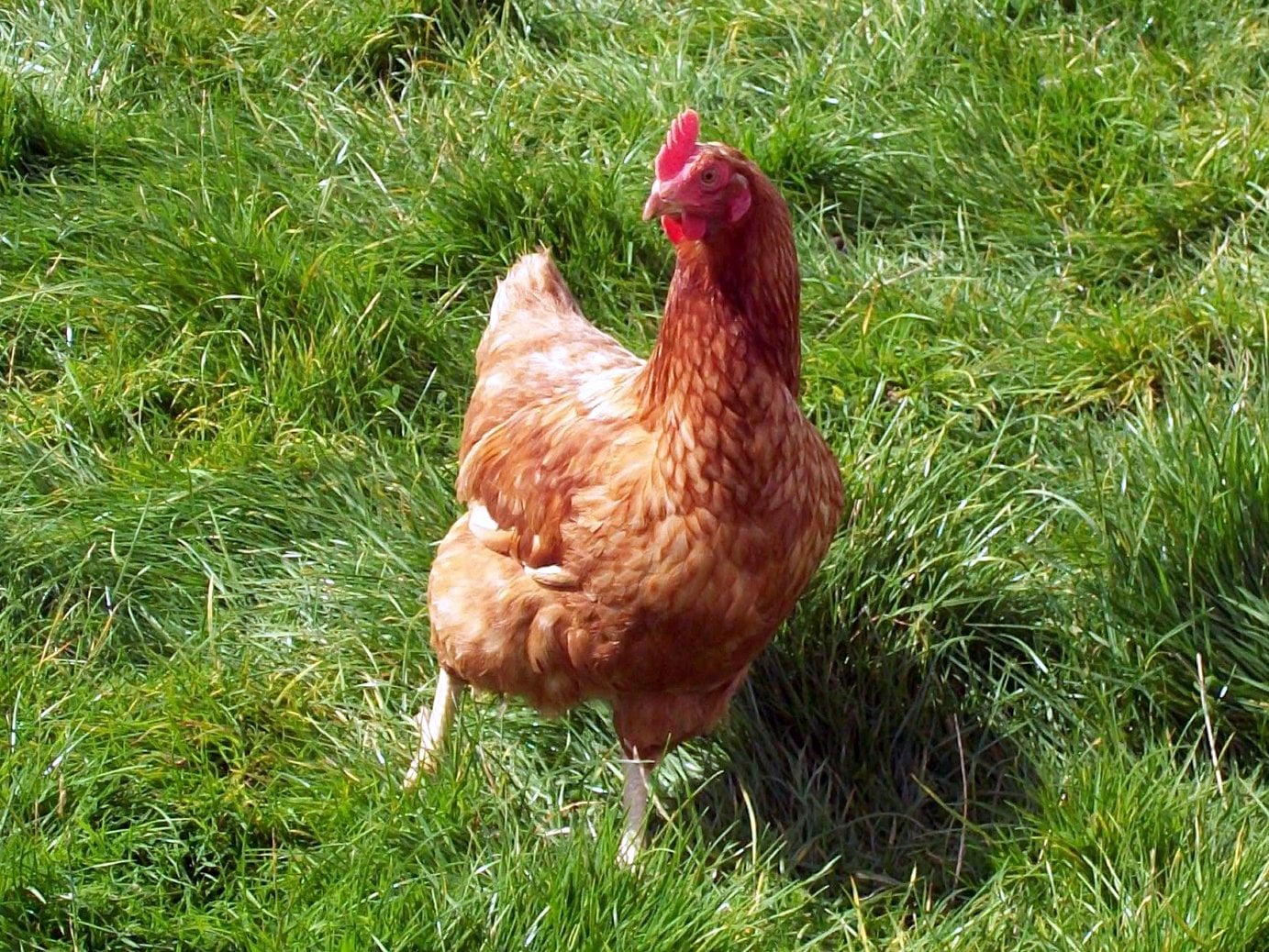
Chickens might seem like an unusual choice, but many are affectionate and social. Some become comfortable being held, follow their owners around, and develop distinct personalities that make caring for them especially rewarding. Their gentle clucking and predictable daily routines can create a peaceful atmosphere.
Want more? Keep Reading:
- The World’s 15 Priciest Pets: A showcase of animals whose staggering price tags turn them into living luxury symbols, from million-dollar racehorses to rare parrots.
- 15 Exotic Animals That the Wealthy Love to Have as Pets: Lavish companions, from Savannah cats to cheetahs, that embody status, rarity, and extravagance in the lives of the millionaires.
- 9 Timeless Animal Photos from the Past: A gallery of vintage snapshots capturing bonds and encounters between humans and animals across decades.