Every generation thinks its technology and trends are practical, modern, and here to stay. Yet history has a way of turning everyday products into fascinating relics that make future generations laugh. Just as we look back at giant cell phones, DVD rewinders, and bulky GPS devices with amusement, many products we use today may seem equally outdated in a couple of decades. Here are 11 current products that could look surprisingly ridiculous by the year 2046.
1. Smartphone Camera Bumps
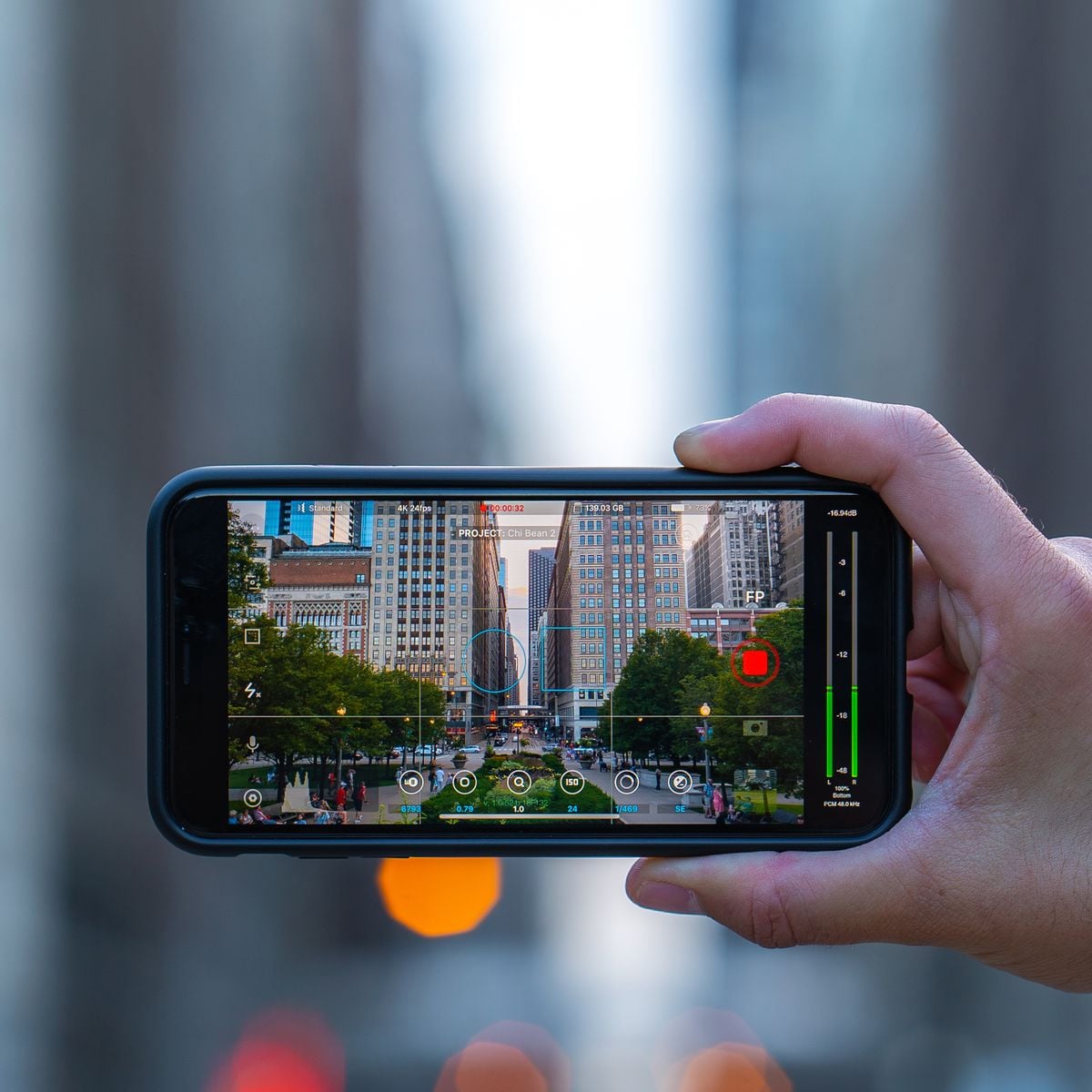
Modern smartphones keep adding larger and larger camera modules to improve photo quality. Some devices already have camera bumps so large they wobble when placed on a table. Future technology may allow powerful cameras to sit completely flush inside devices, making today’s oversized camera clusters look awkward and excessive.
2. Smart Home Devices Everywhere
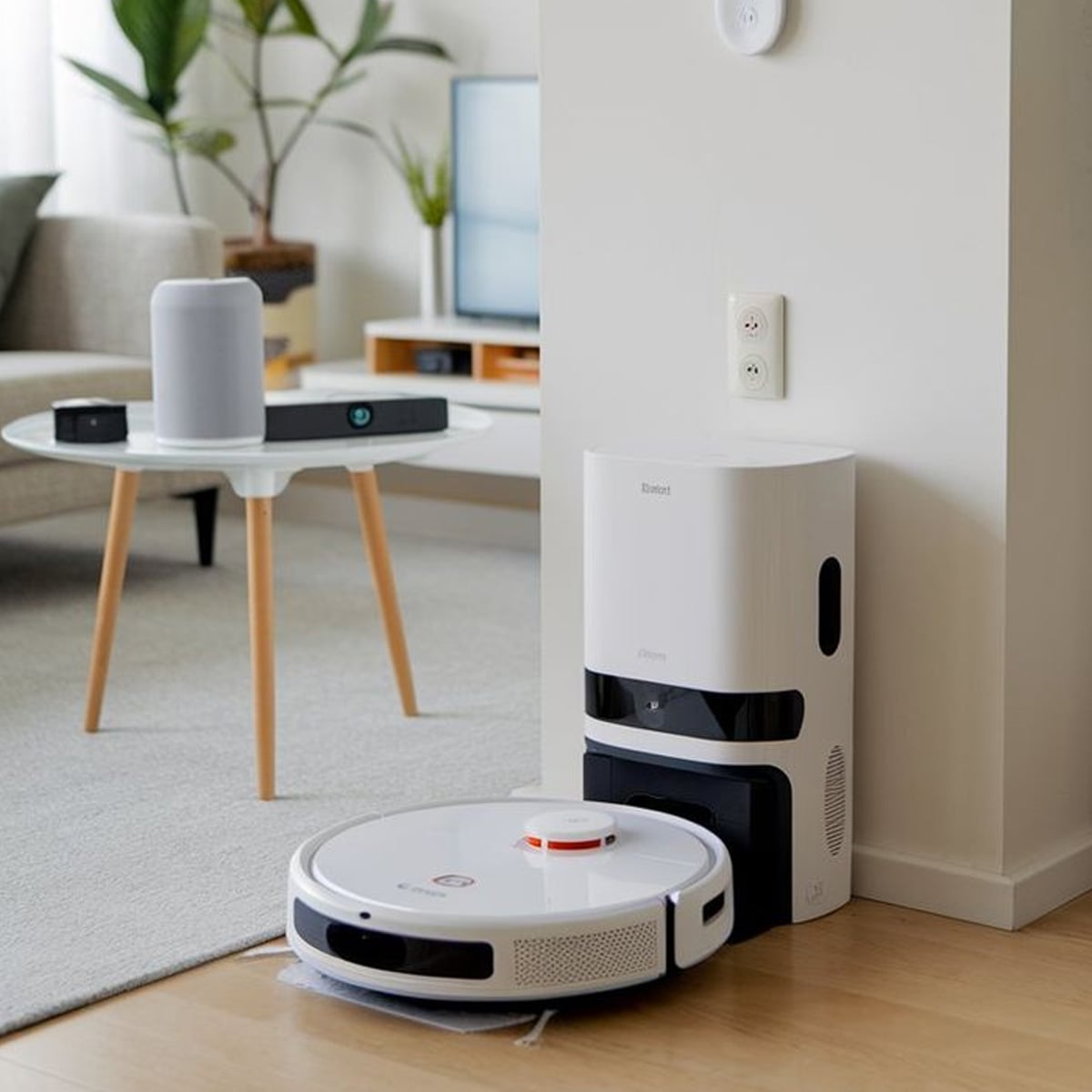
Many homes now contain separate smart speakers, smart displays, smart thermostats, smart plugs, and smart lights. In the future, these functions may become seamlessly integrated into walls, furniture, or building materials, making today’s collection of scattered gadgets seem cluttered and inefficient.
3. Wireless Earbuds That Are Easy to Lose
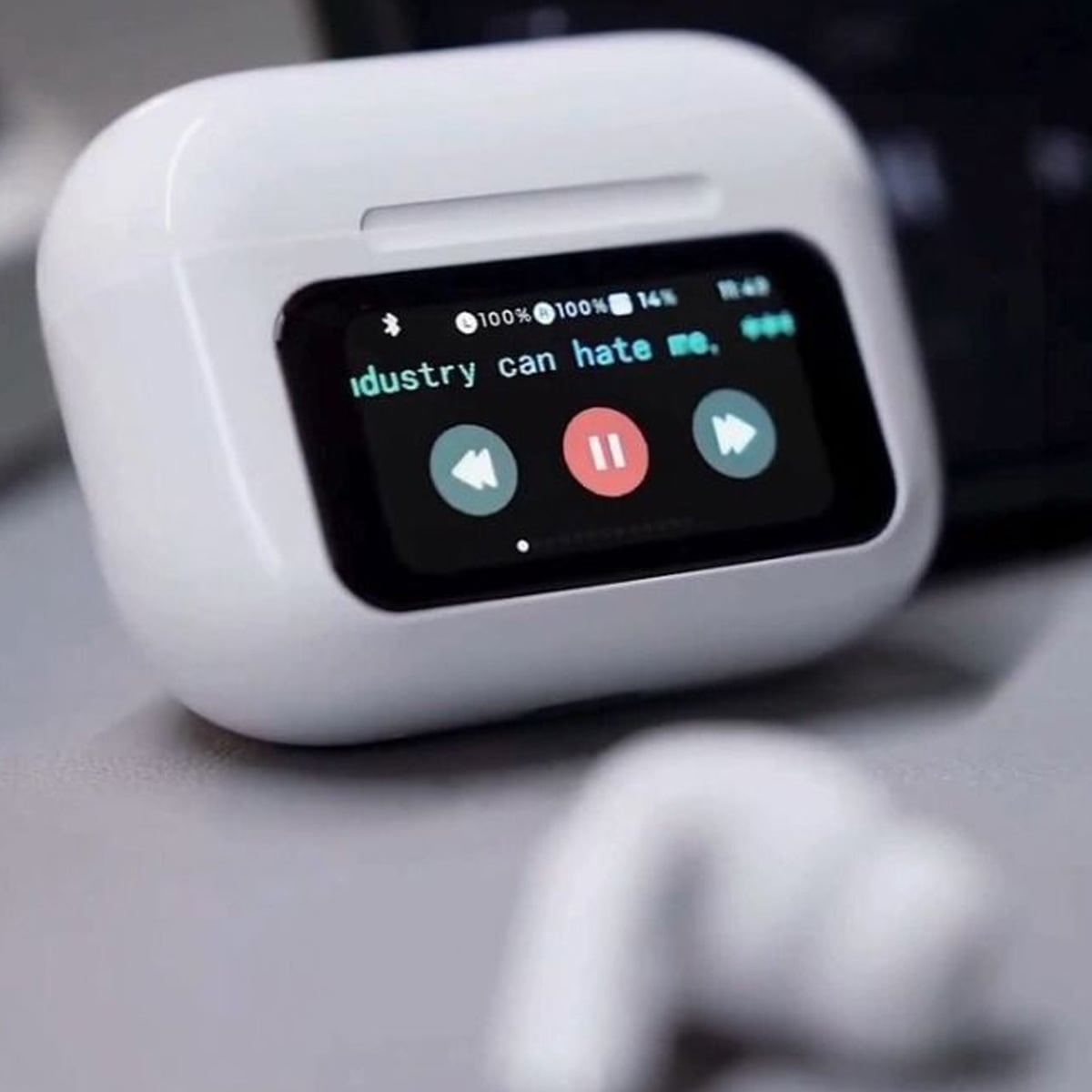
Tiny wireless earbuds are convenient, but they are also famously easy to misplace. Future audio technology may rely on invisible wearable systems, implanted devices, or advanced bone-conduction solutions. Looking back, carrying tiny pieces of plastic in charging cases could seem surprisingly inconvenient.
4. Password Managers

Password managers solve a major modern problem, but the idea of maintaining dozens or hundreds of passwords may eventually disappear. Advanced biometric systems, passkeys, and secure identity technologies could make passwords feel as outdated as fax machines.
5. Massive Gaming Consoles
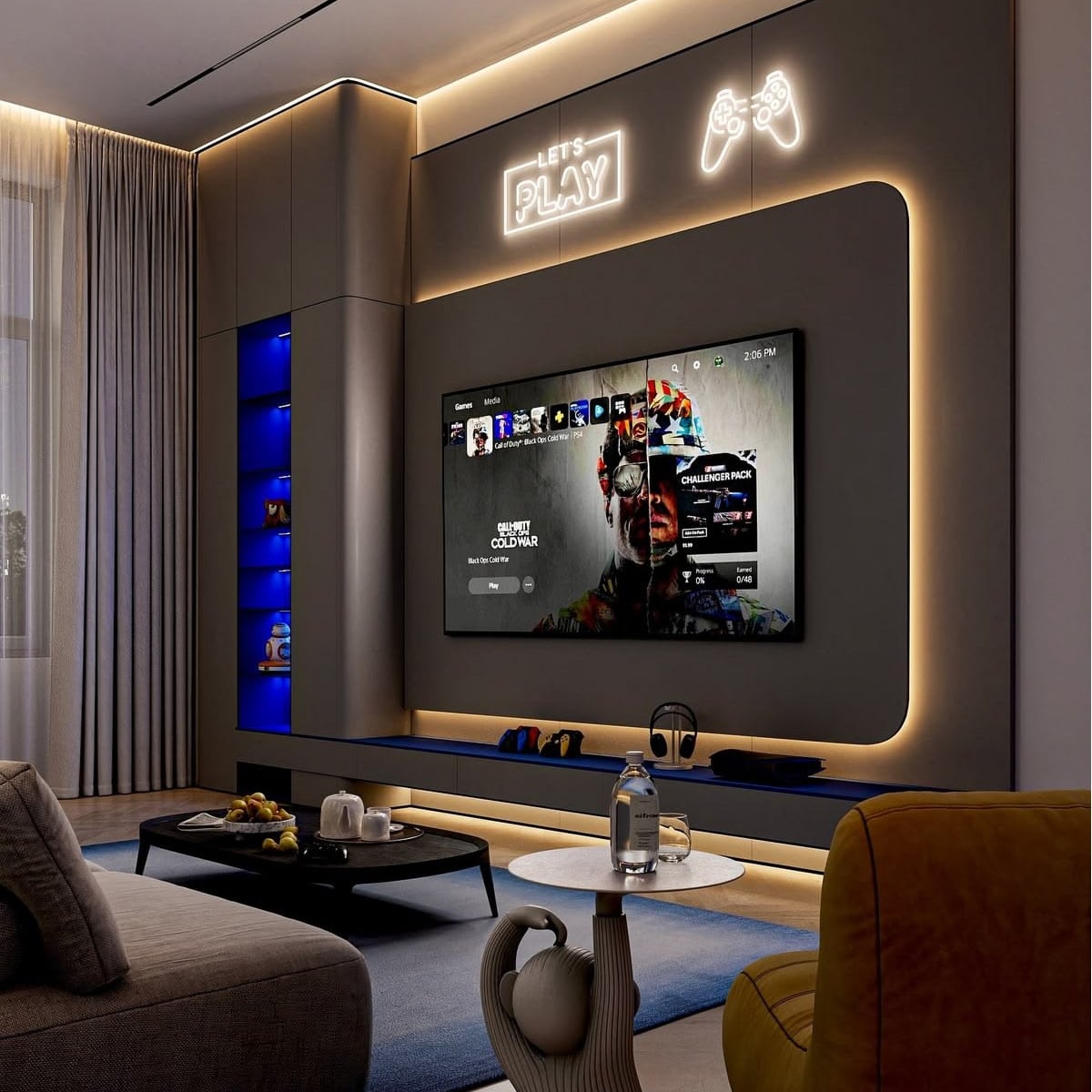
Modern gaming consoles deliver incredible performance, but many are physically large and require dedicated space. As cloud gaming and streaming technology improve, future players may find it amusing that people once needed bulky boxes under their televisions to play video games.
Trending on Wealth Gang


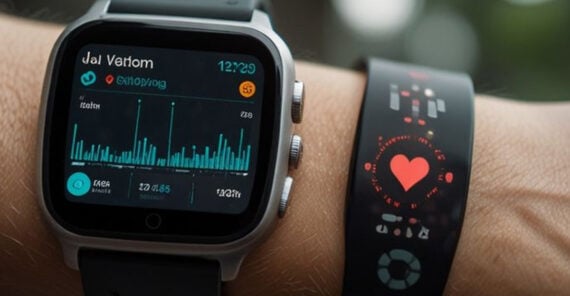
6. Fitness Trackers on Your Wrist
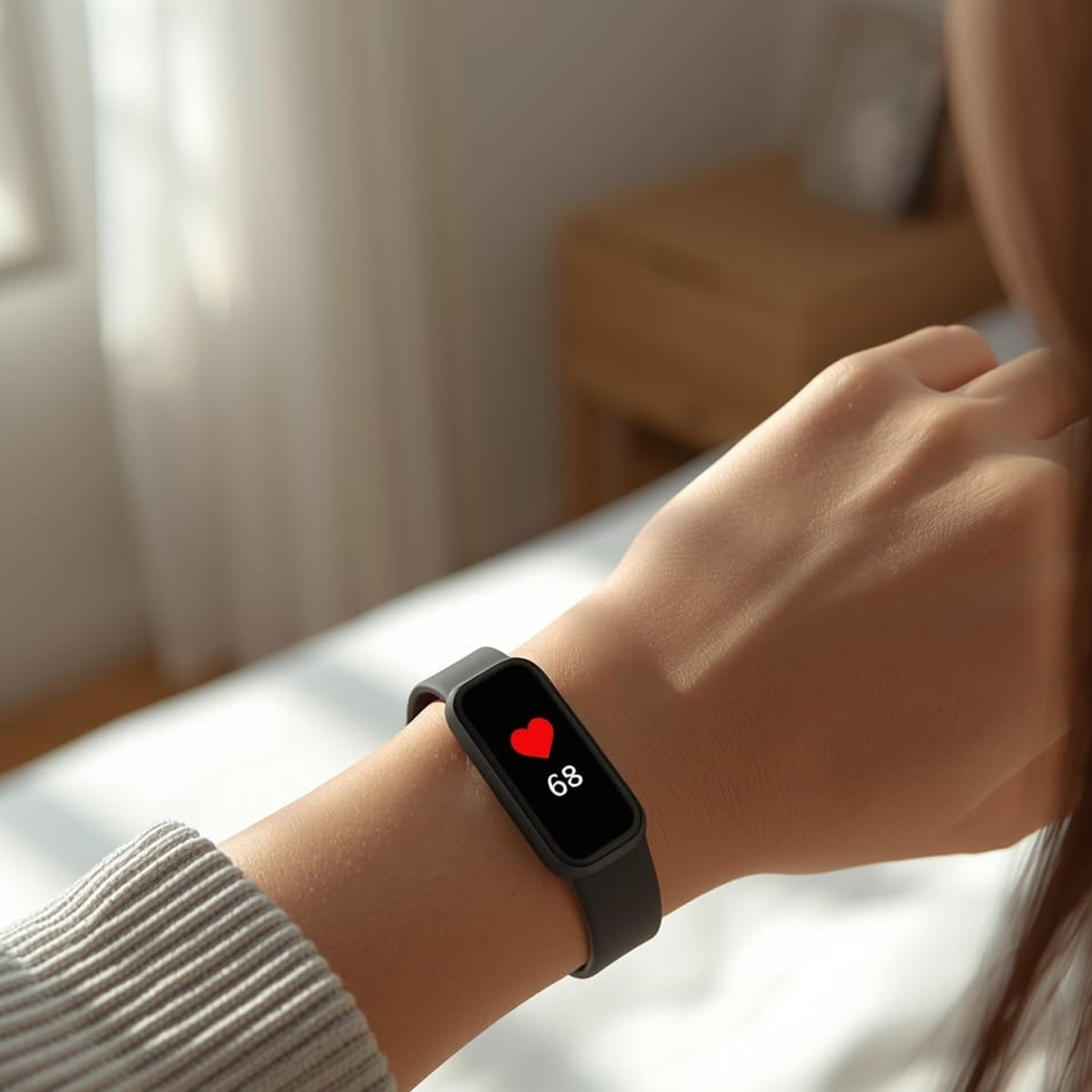
Wrist-based fitness trackers have become common tools for monitoring health and activity. In the future, health monitoring could be built into clothing, jewelry, contact lenses, or even non-invasive sensors integrated into everyday environments, making dedicated fitness bands seem primitive.
7. Dedicated Car Keys
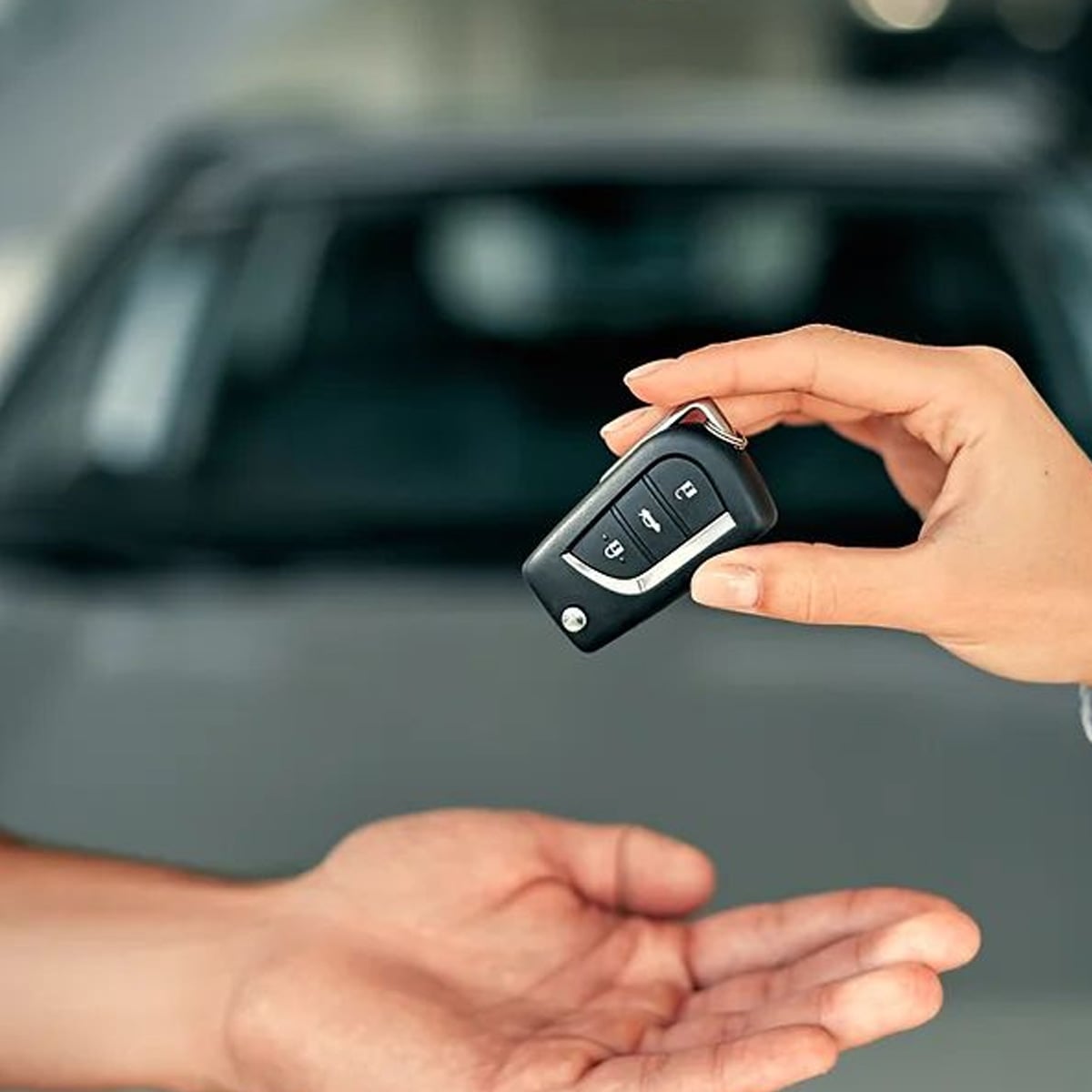
Many new vehicles already allow drivers to unlock and start cars using smartphones. Twenty years from now, physical key fobs may seem unnecessary as biometric recognition and personalized vehicle access systems become standard.
8. Portable Power Banks
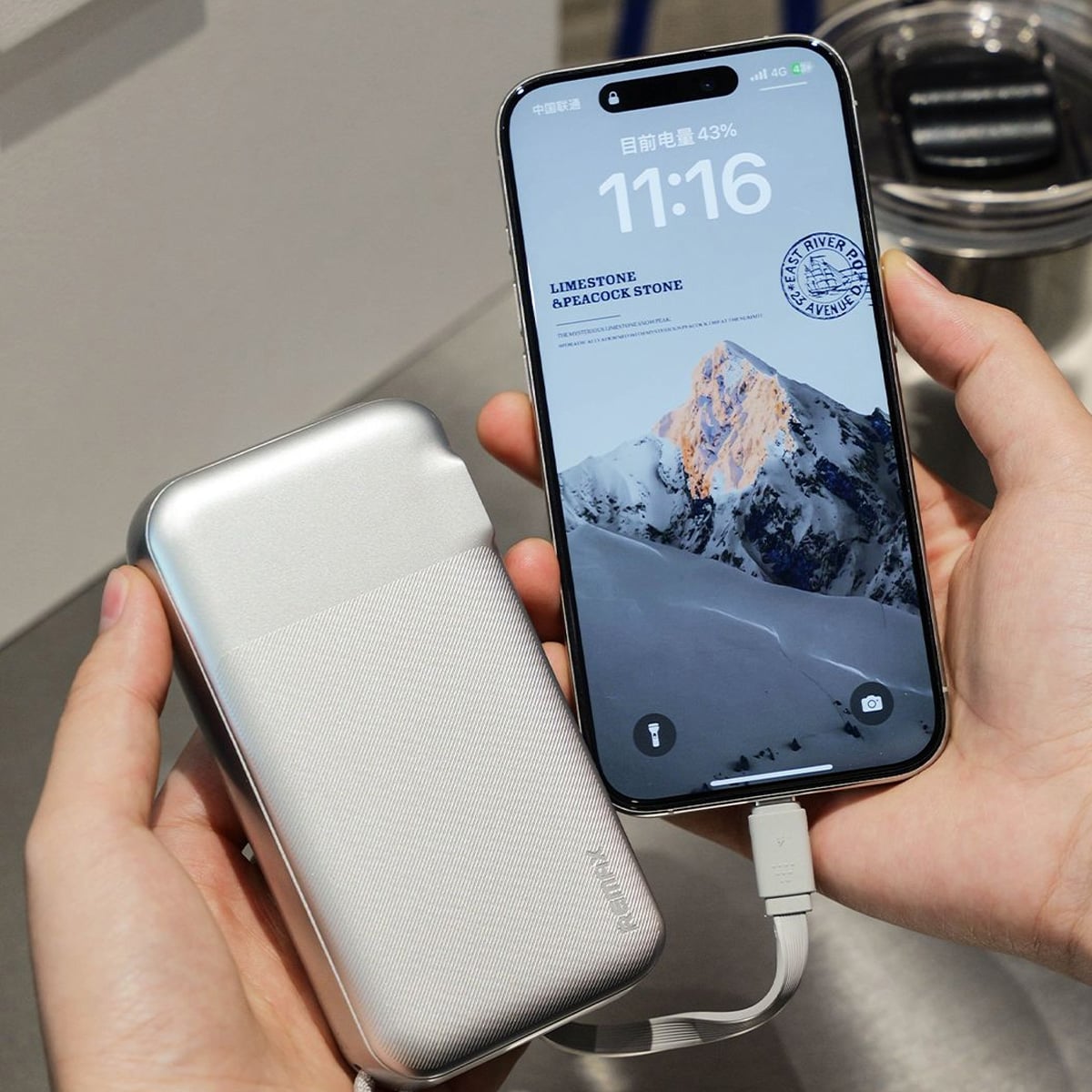
People increasingly carry power banks because modern devices consume so much energy. Future battery technology may offer dramatically longer life or ultra-fast charging. Carrying an extra battery pack everywhere could eventually look like carrying spare fuel for your phone.
Sign up for our newsletter
9. Ring Lights
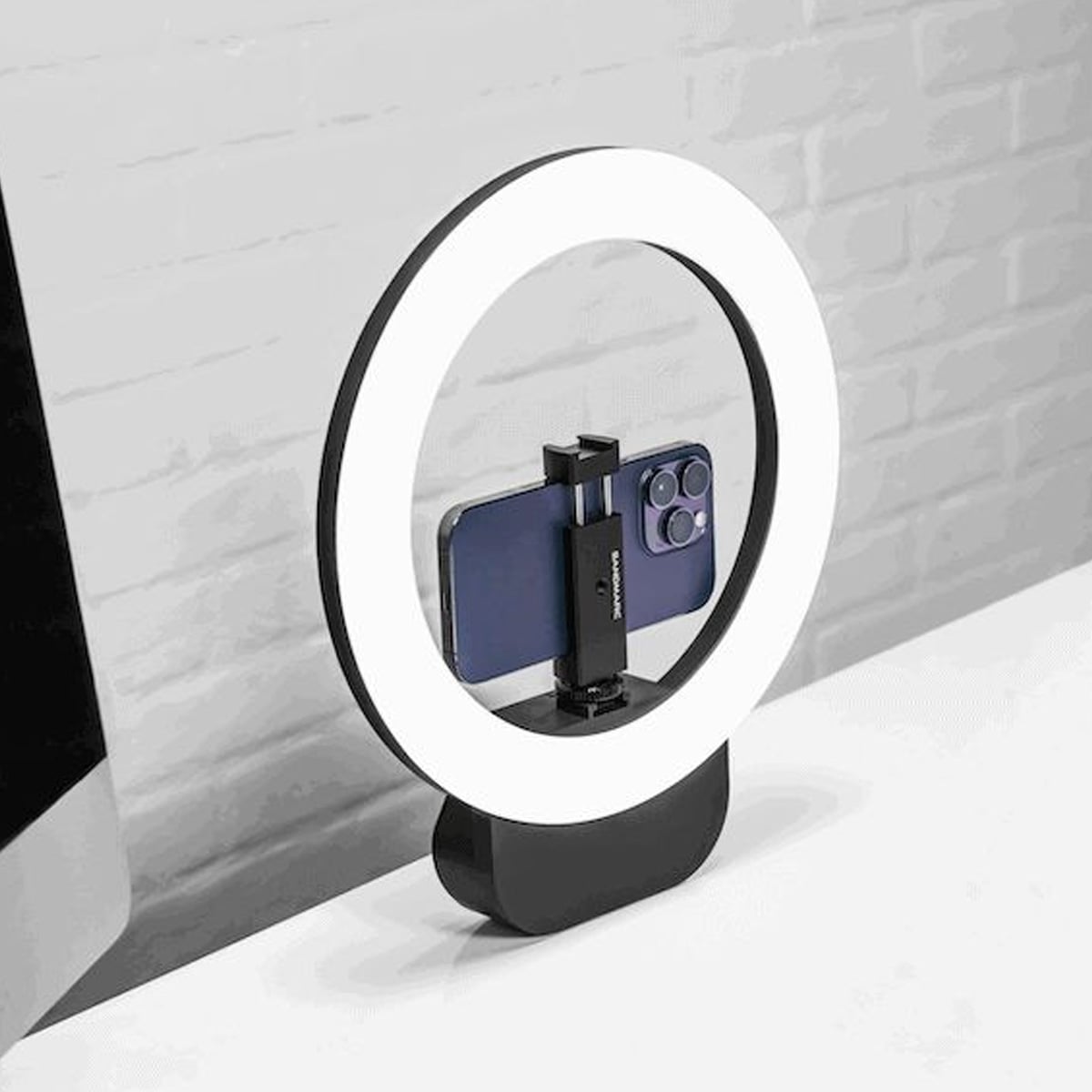
Ring lights became a defining accessory of the social media era. Future imaging technology may automatically optimize lighting through advanced cameras, displays, or ambient systems. The sight of people carrying glowing circles around to take photos could become a symbol of the 2020s.
10. Single-Purpose Streaming Devices
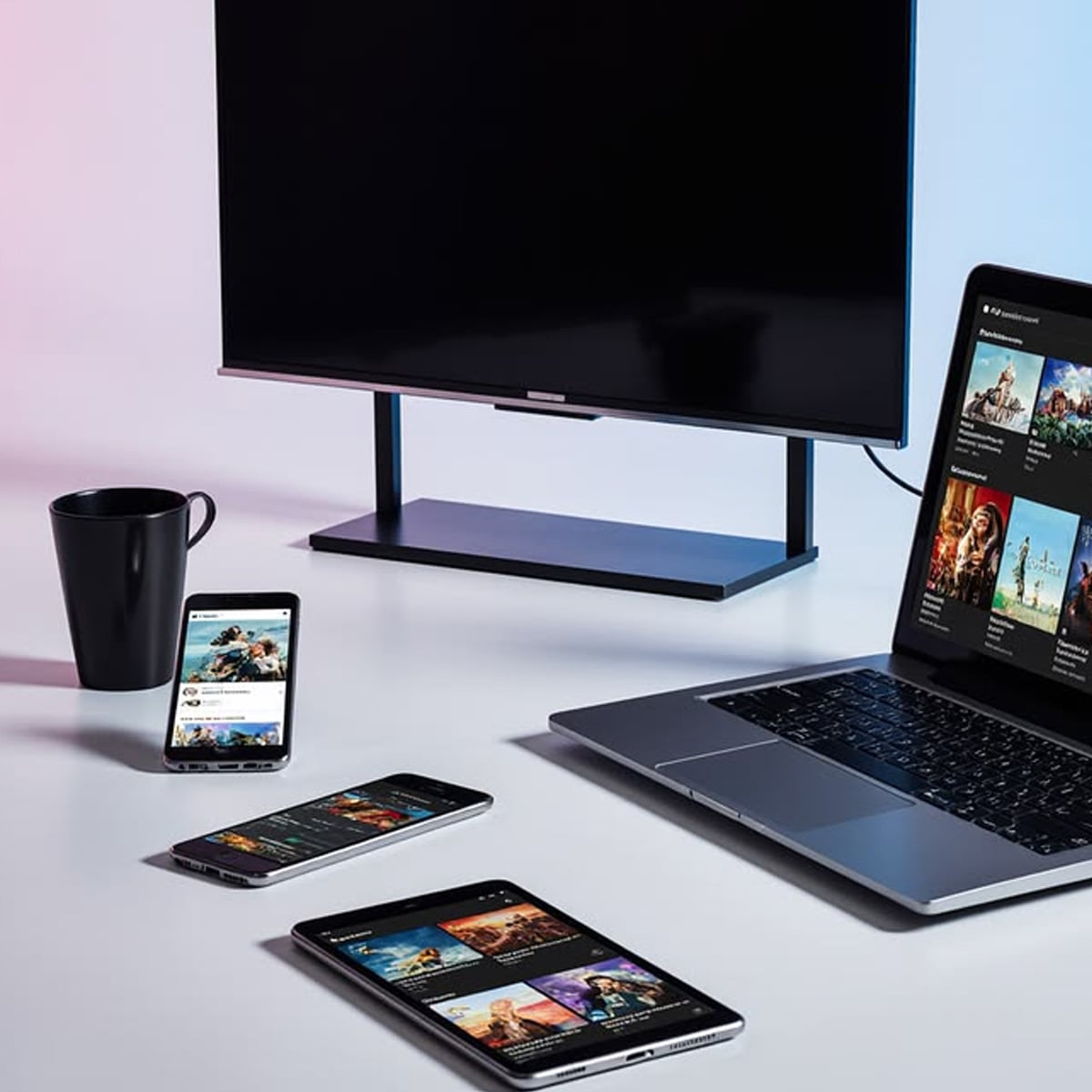
Streaming sticks and dedicated streaming boxes currently help people access entertainment services. As smart displays and integrated operating systems become more advanced, future consumers may wonder why separate hardware was ever necessary.
11. QR Code Menus
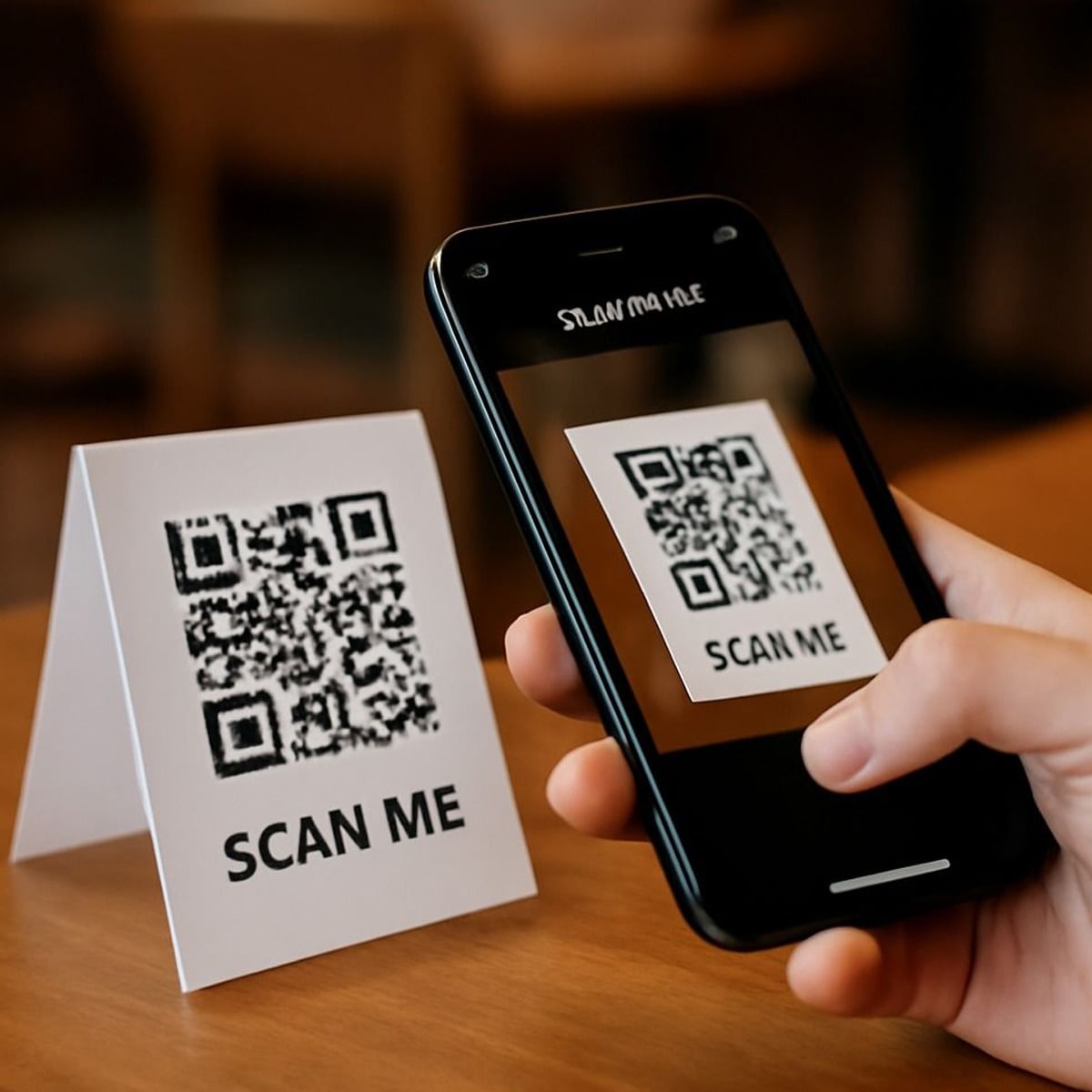
QR code menus exploded in popularity during the early 2020s. While convenient, they often require customers to scan codes, load websites, and navigate digital interfaces. Future dining experiences may use augmented reality or interactive surfaces, making QR menus feel like a temporary technological shortcut.
More Related Notes
• 12 Trends That Looked Ridiculous and Are Completely Normal Today
A fascinating look at how public perception changes over time and why ideas once considered strange often become widely accepted.
• No One Saw It Coming, But These 10 Things Are Now Normal
This article explores products, habits, and cultural shifts that quietly became part of everyday life despite early skepticism.
• 10 Technologies That Changed Everyday Life Faster Than Expected
A complementary read about innovations that transformed daily routines so quickly that many people now take them for granted.