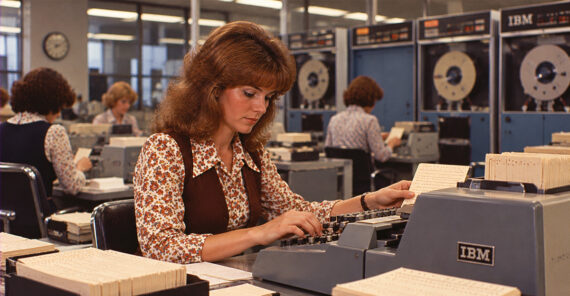

Every generation has trends that seem absurd when they first appear. People laugh, criticize, and predict they’ll disappear within months. Yet some of the most mocked ideas eventually become part of everyday life. From technology habits to fashion choices, these trends went from being considered strange or unnecessary to becoming completely normal. Here are 12 trends that were once ridiculed but are now widely accepted.
1. Taking Photos of Your Food
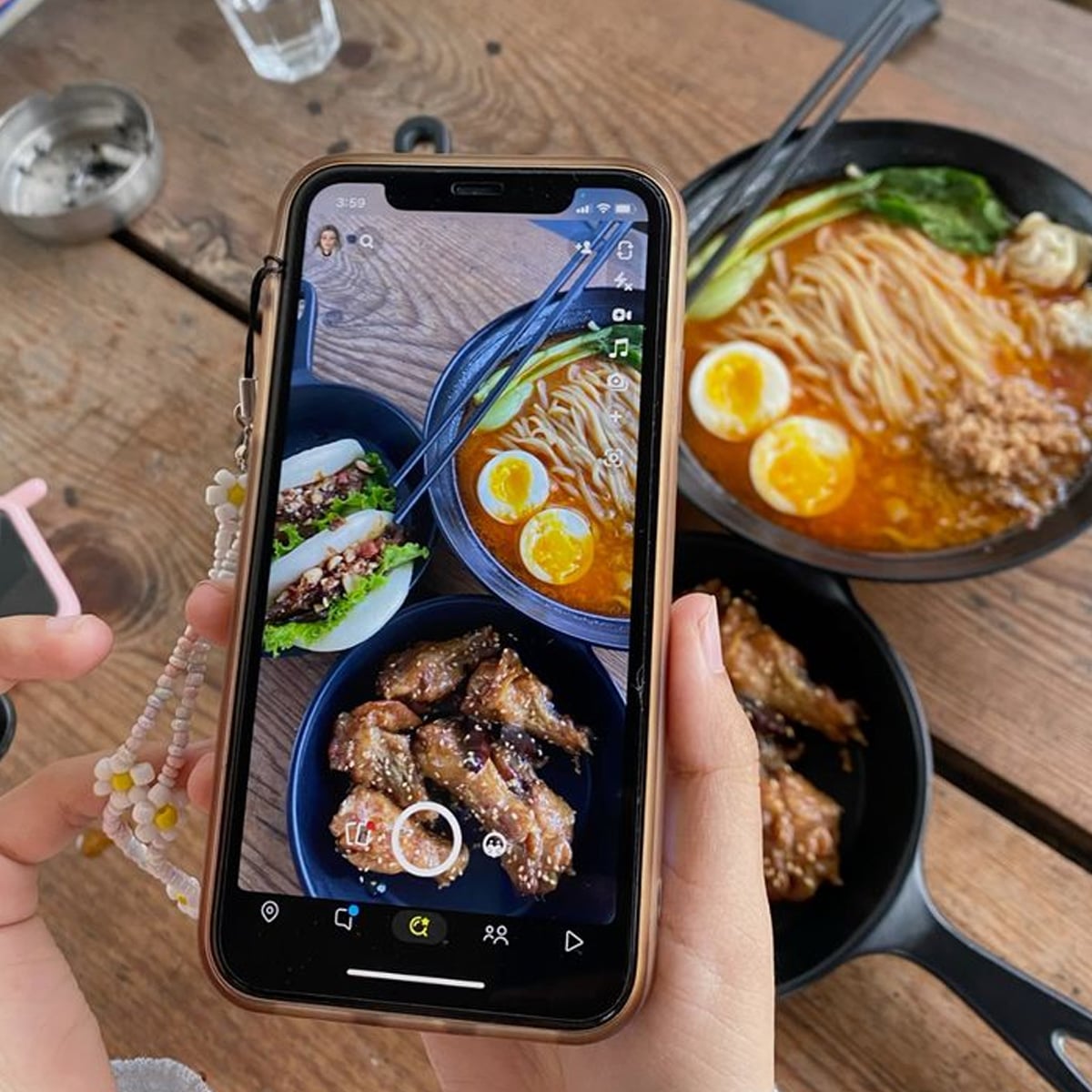
Not long ago, snapping pictures of meals before eating was considered embarrassing and self-absorbed. Early social media users were mocked for documenting every coffee, burger, and dessert. Today, food photography is common, and restaurants often design dishes specifically to look good in photos. For many people, sharing a meal online feels as natural as eating it.
2. Working Remotely
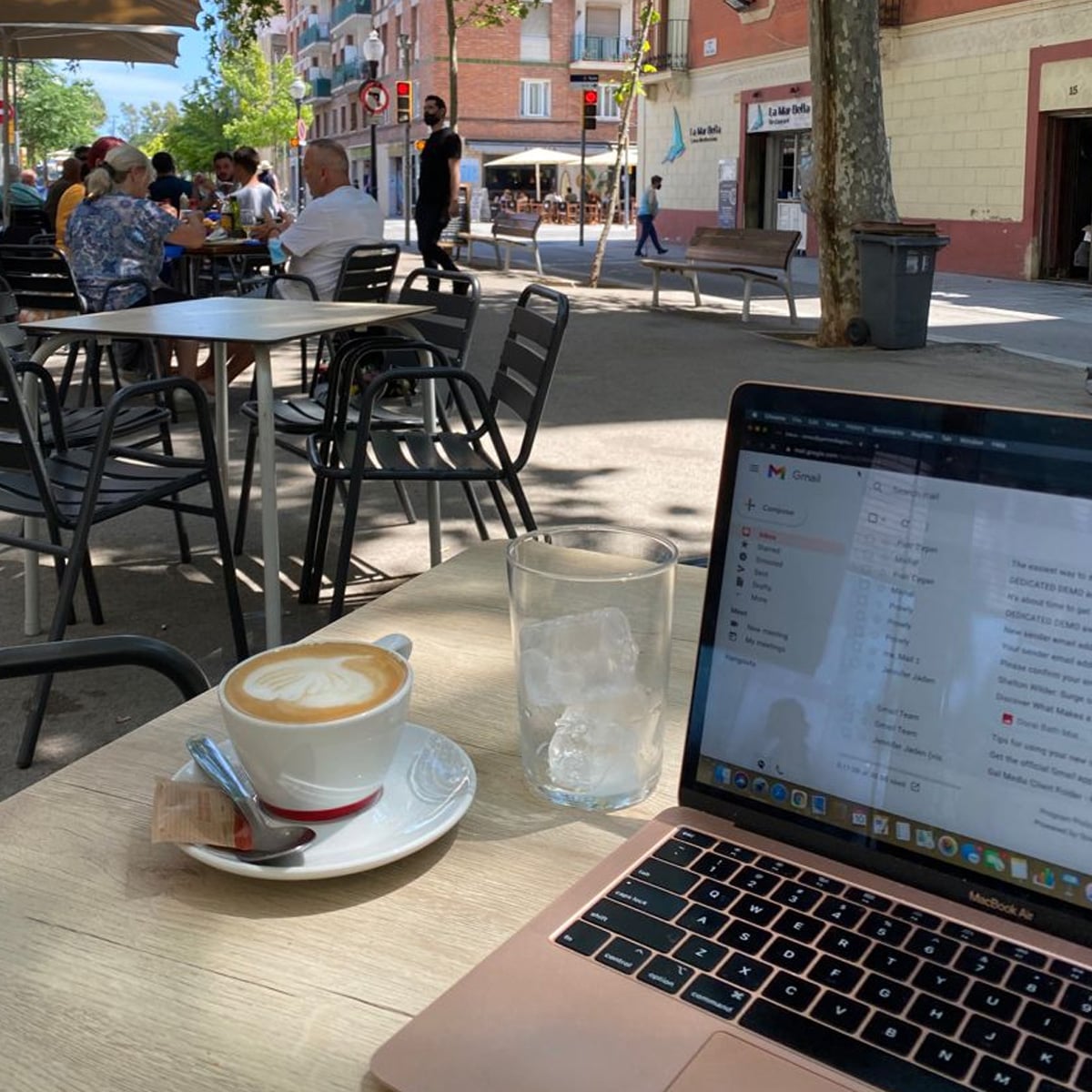
For years, many employers believed productivity required employees to be physically present in an office. People who worked from home were often viewed as less committed or less productive. Now remote work has become a standard option across countless industries, and many professionals actively seek jobs that offer flexibility.
3. Watching People Play Video Games
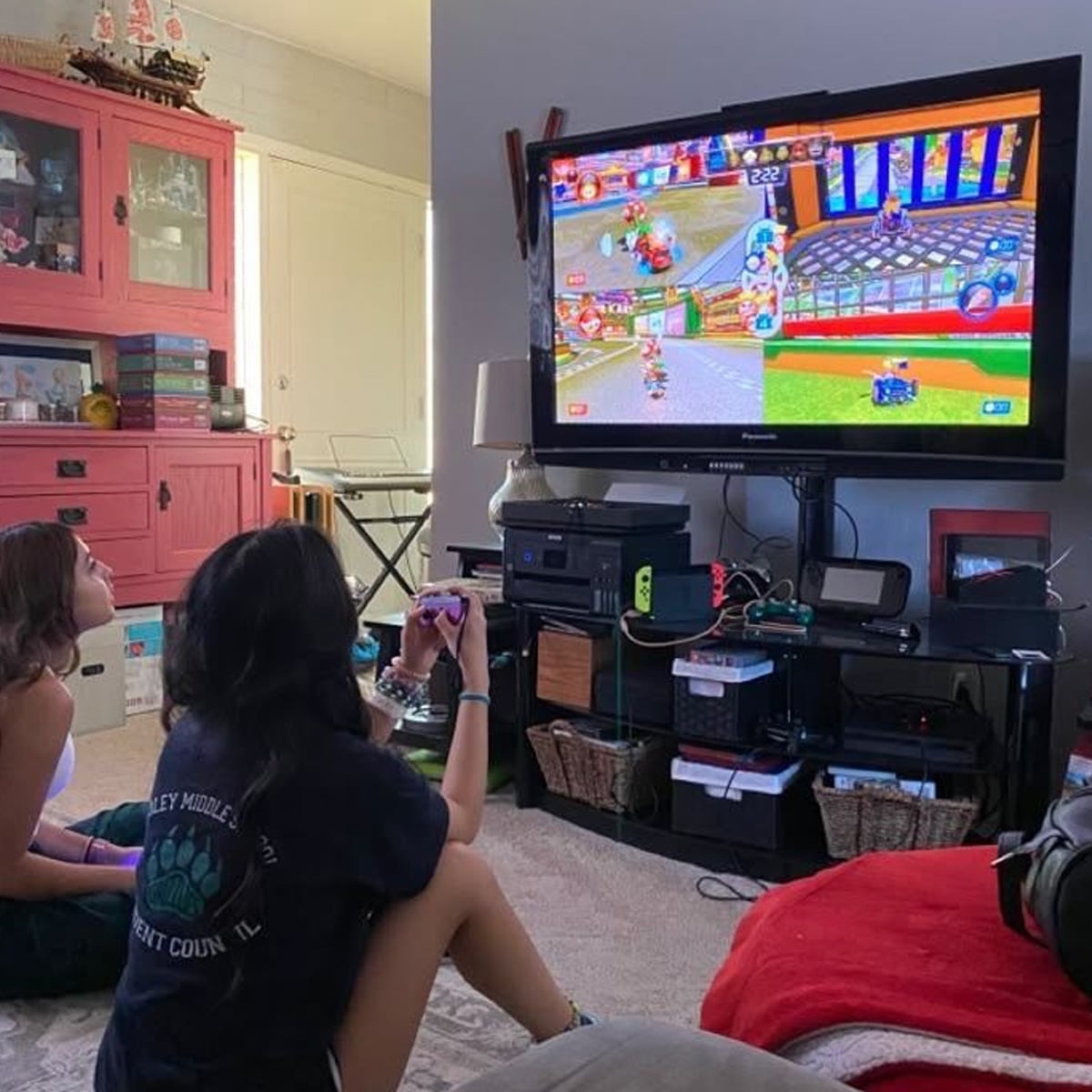
The idea of spending hours watching someone else play video games once sounded bizarre. Critics wondered why anyone wouldn’t simply play the game themselves. Today, livestreaming platforms attract millions of viewers, and gaming personalities have become major celebrities with audiences larger than many traditional TV shows.
4. Wireless Earbuds
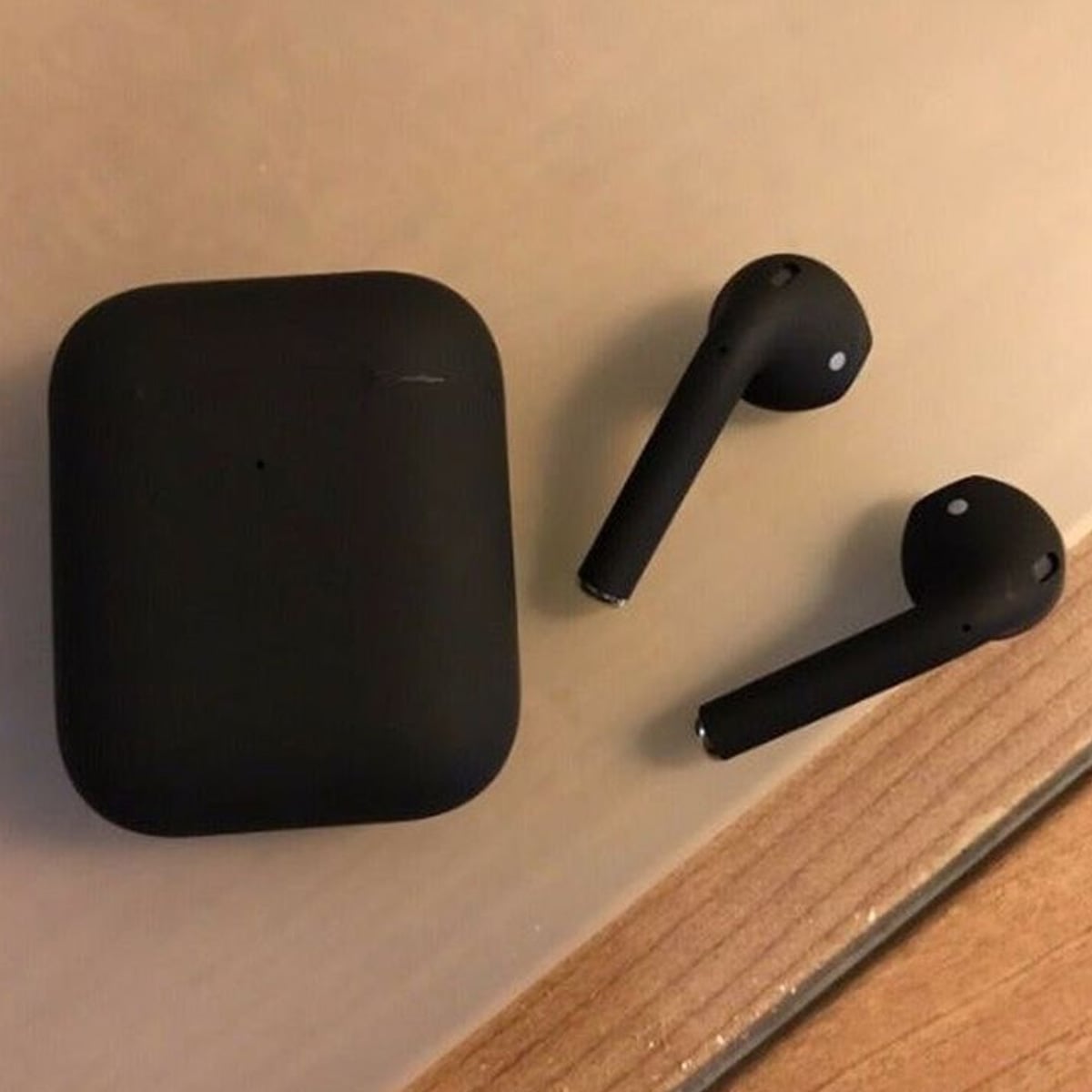
When wireless earbuds first appeared, people joked that users looked like they were talking to themselves. Many also predicted they would be easy to lose and impractical. Now wireless earbuds are everywhere, and seeing someone wearing them barely attracts a second glance.
5. Online Dating
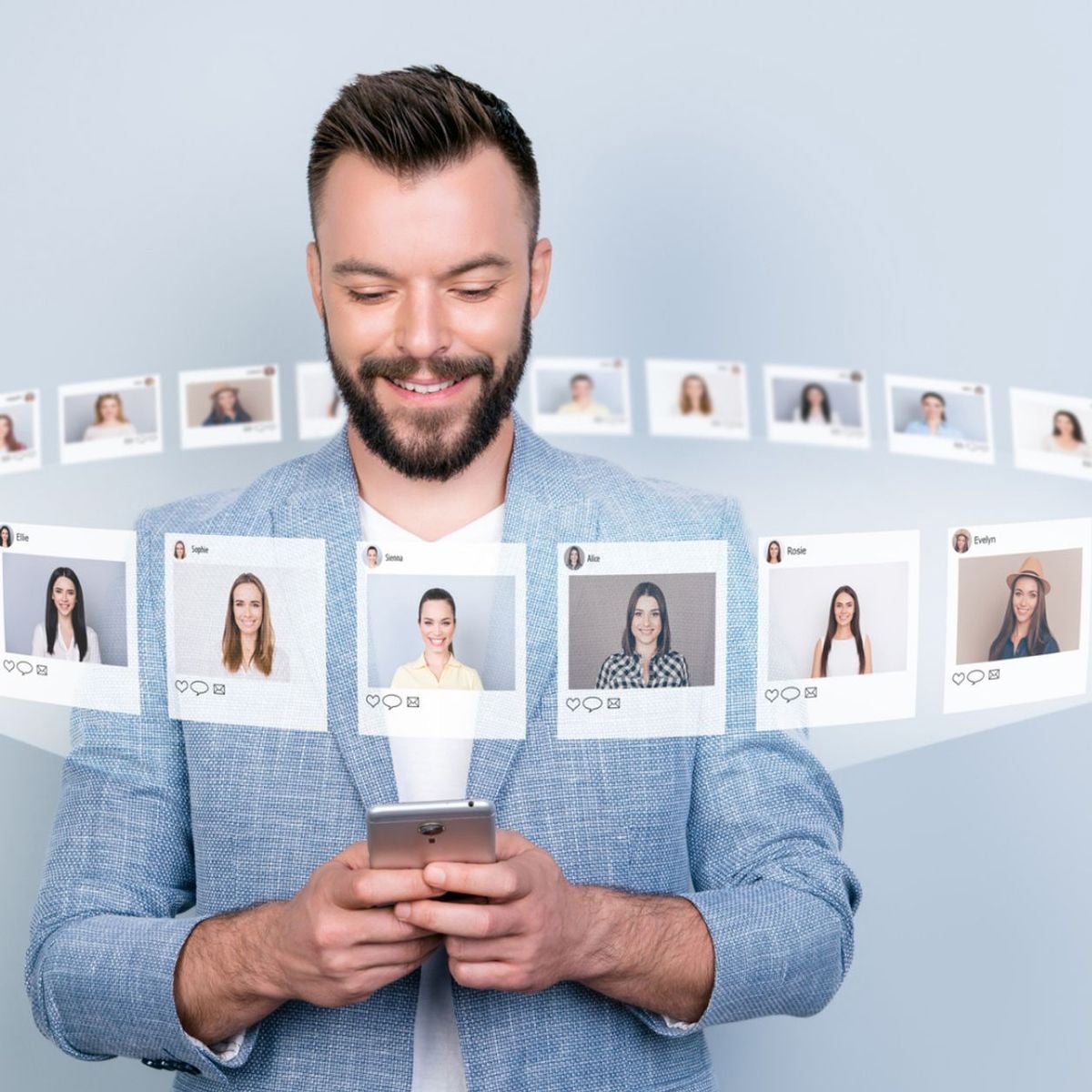
Meeting romantic partners online used to carry a social stigma. Many people were hesitant to admit they had met through a dating website. Today, dating apps are one of the most common ways couples meet, and online introductions are often viewed as completely ordinary.
Trending on Wealth Gang


6. Subscription Services for Everything
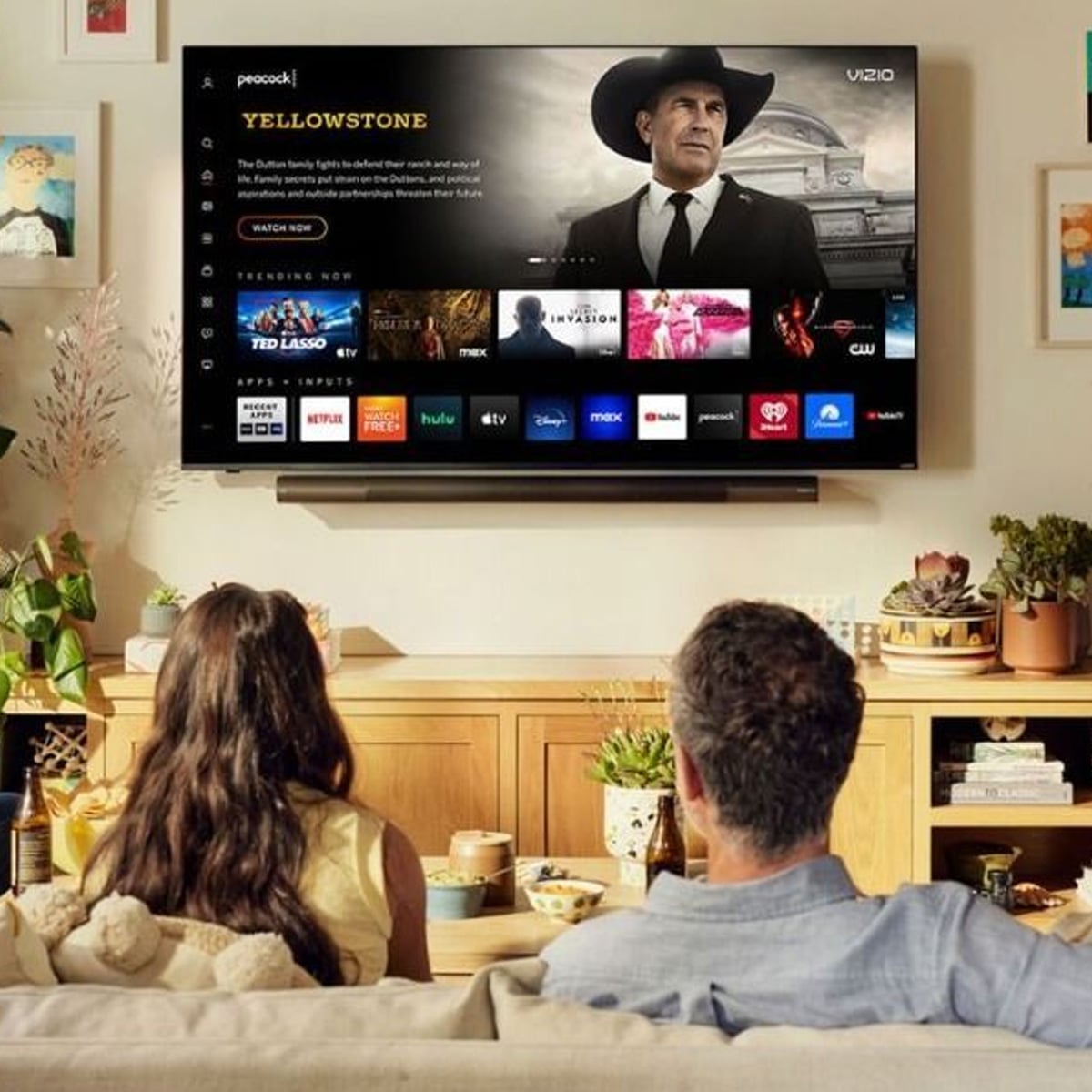
Consumers once questioned why anyone would pay monthly fees for products or services they could purchase outright. Streaming platforms, software subscriptions, meal kits, and subscription boxes initially faced skepticism. Now subscription-based services are deeply woven into everyday life.
7. Wearing Sneakers with Formal Outfits
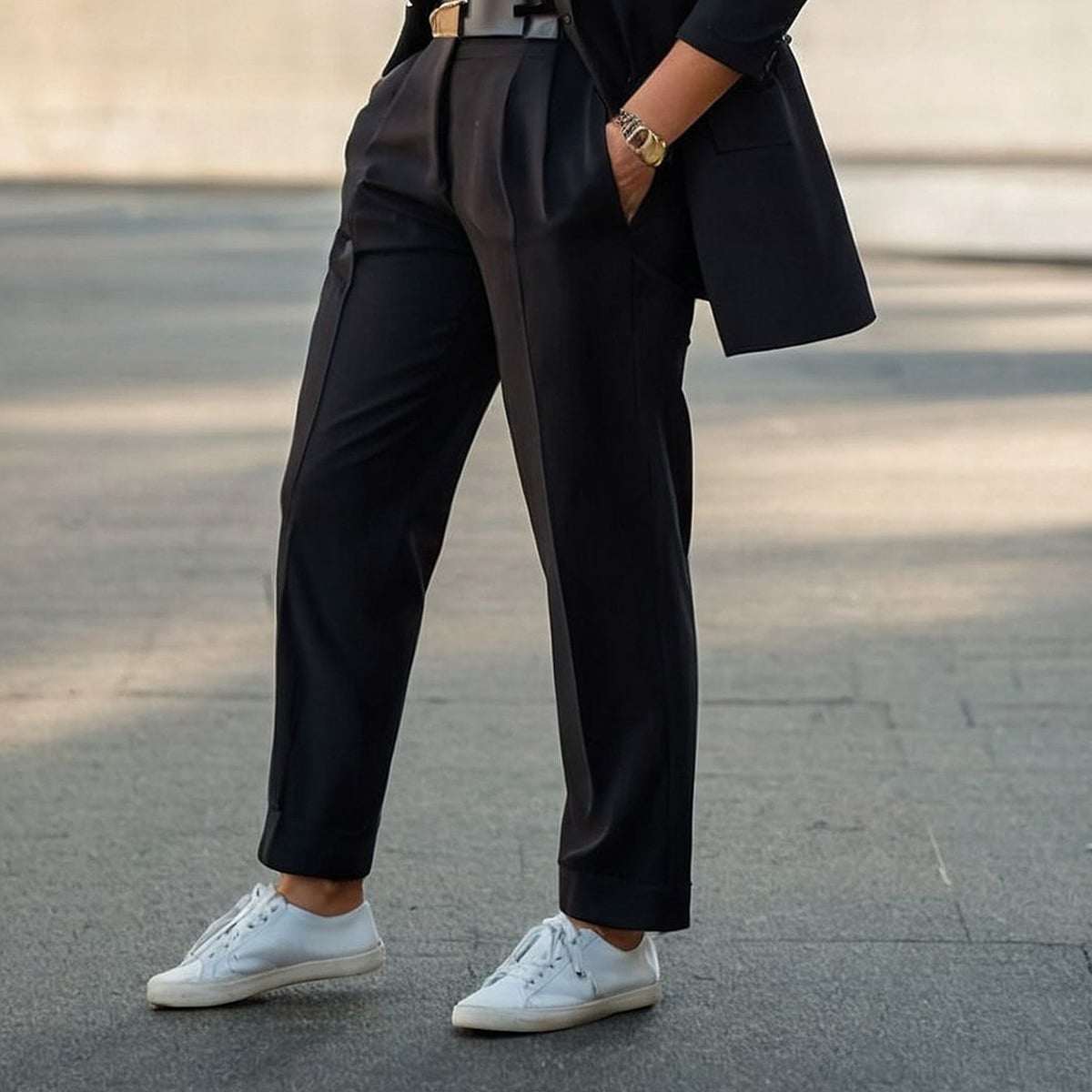
Fashion traditionalists once considered sneakers inappropriate outside casual settings. Pairing them with suits or dresses was often seen as a style mistake. Today, luxury brands, celebrities, and professionals regularly combine formal clothing with high-end sneakers.
8. Talking to Digital Assistants
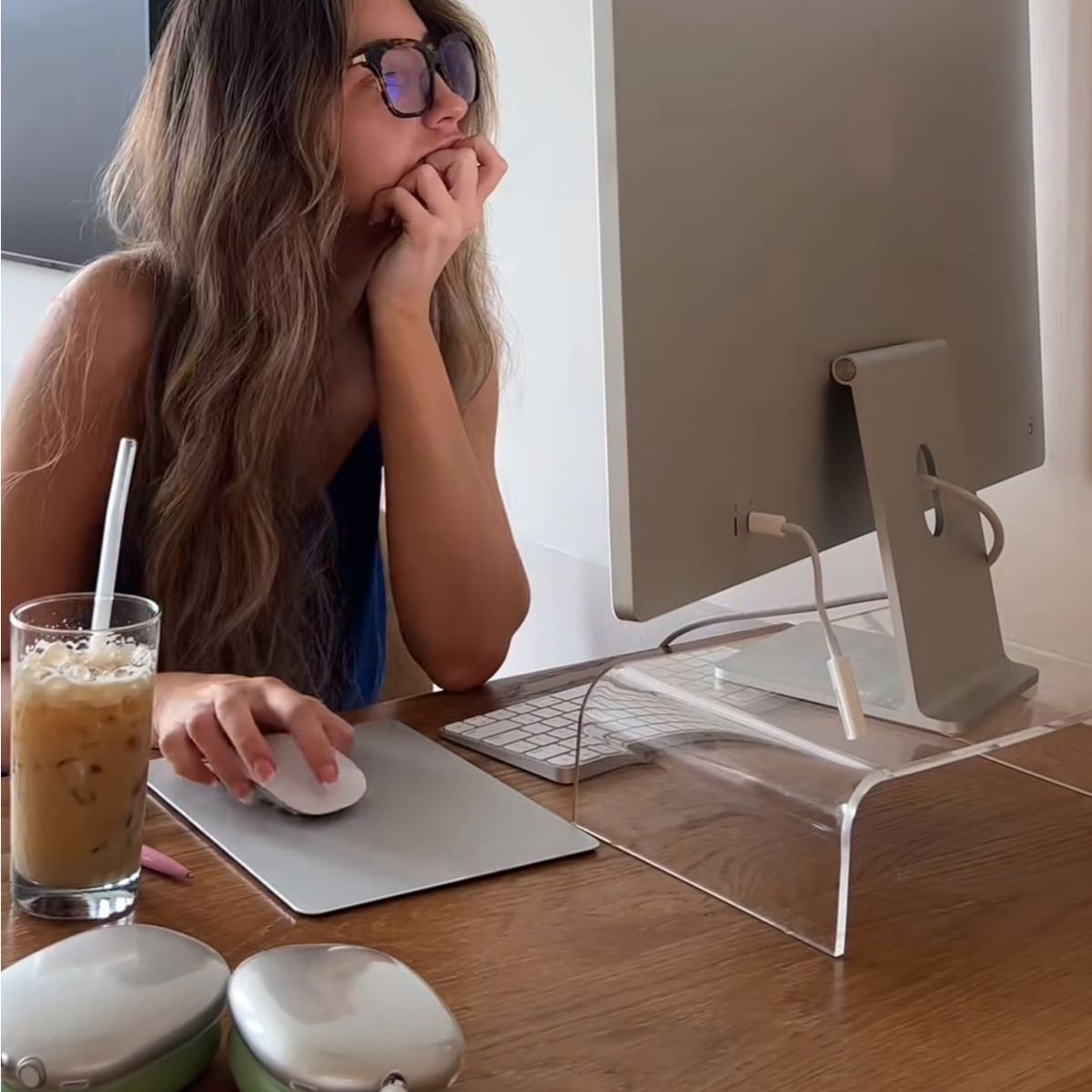
Speaking commands to a phone or smart speaker seemed awkward when voice assistants first appeared. People felt uncomfortable talking to technology in public. Today, asking devices for directions, weather updates, or reminders has become routine for millions of users.
Sign up for our newsletter
9. Influencers as a Career
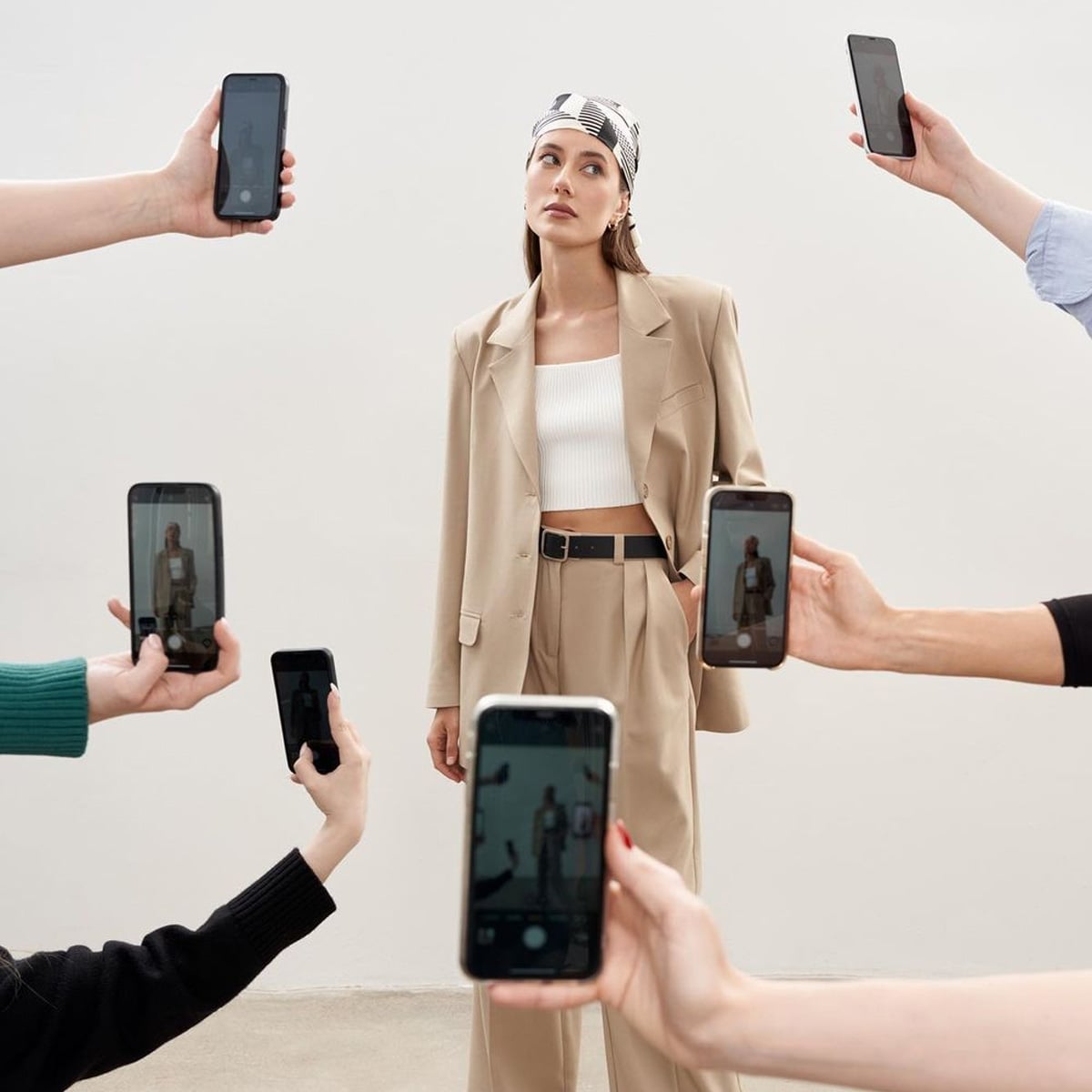
The idea of making a living by posting videos, photos, or lifestyle content online was once widely mocked. Many viewed it as a temporary fad with no real future. Now content creation is a massive industry, with influencers working alongside major brands and earning substantial incomes.
10. Cashless Payments
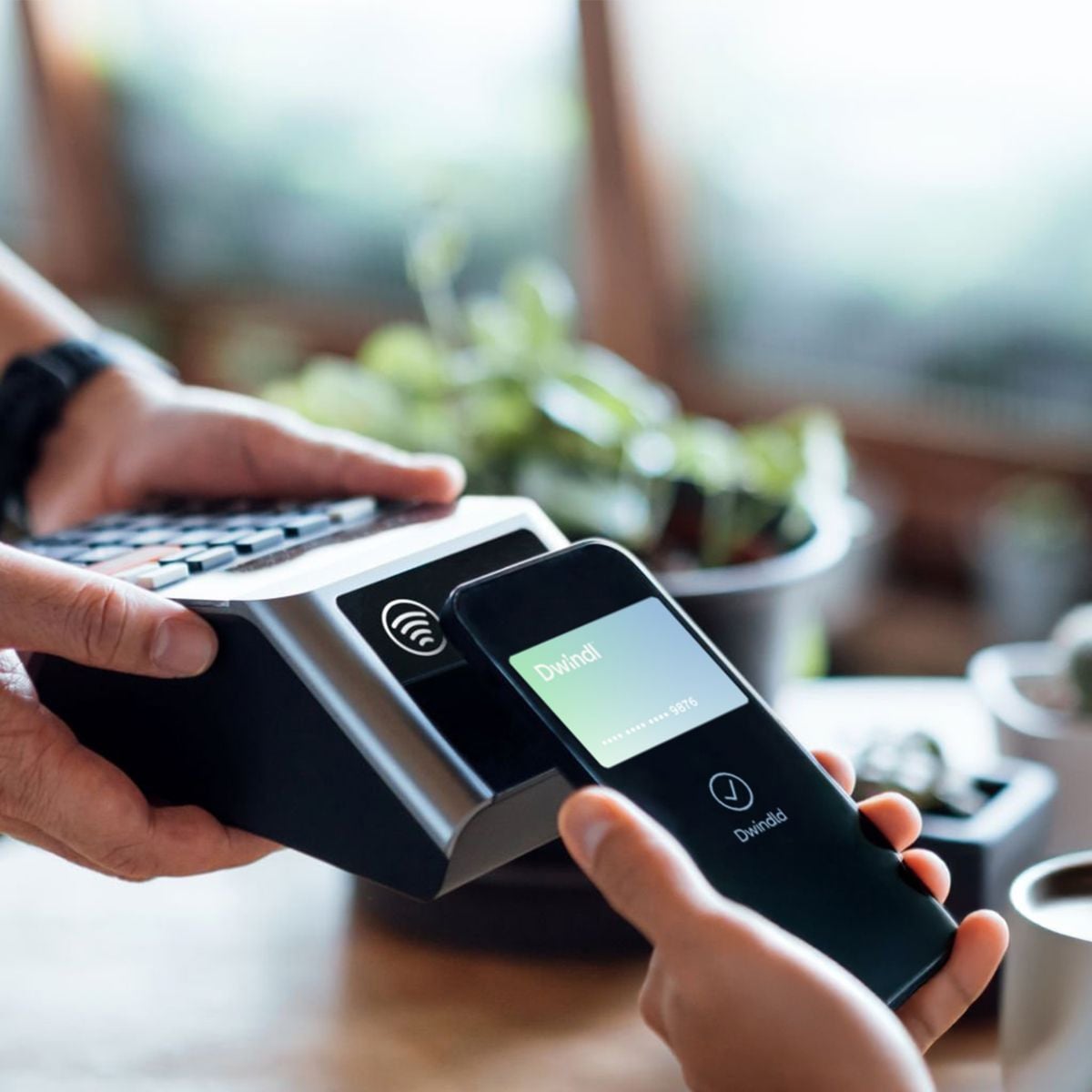
Many people were skeptical about paying with phones, smartwatches, or contactless cards. Concerns about security and reliability were common. Today, cashless transactions are standard in many places, and some consumers rarely carry physical cash at all.
11. Streaming Instead of Owning Media
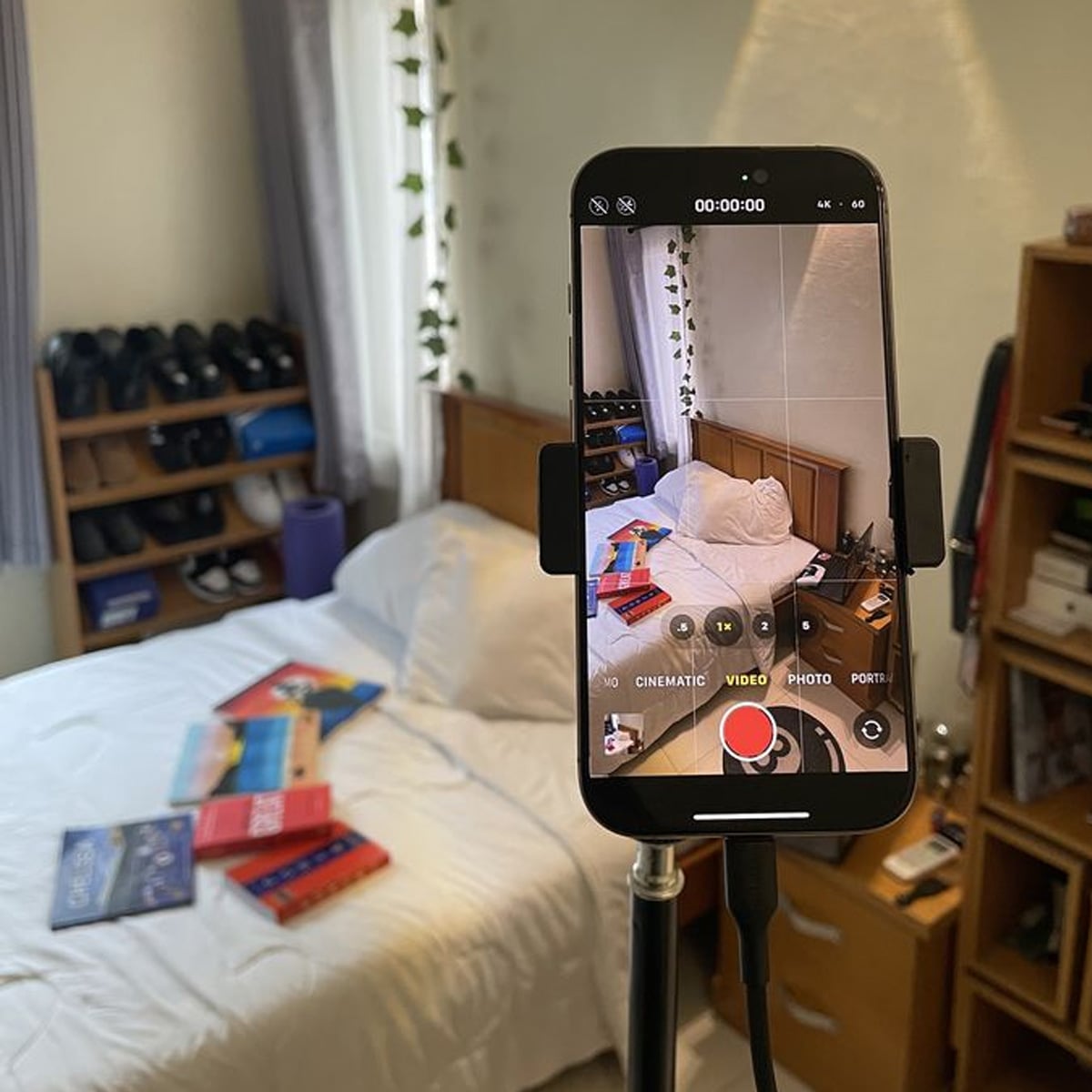
For decades, people built collections of CDs, DVDs, and physical books. The idea of paying for access instead of ownership seemed risky. Yet streaming services transformed entertainment, and many households now consume most of their music, movies, and television digitally.
12. Fitness Tracking Devices
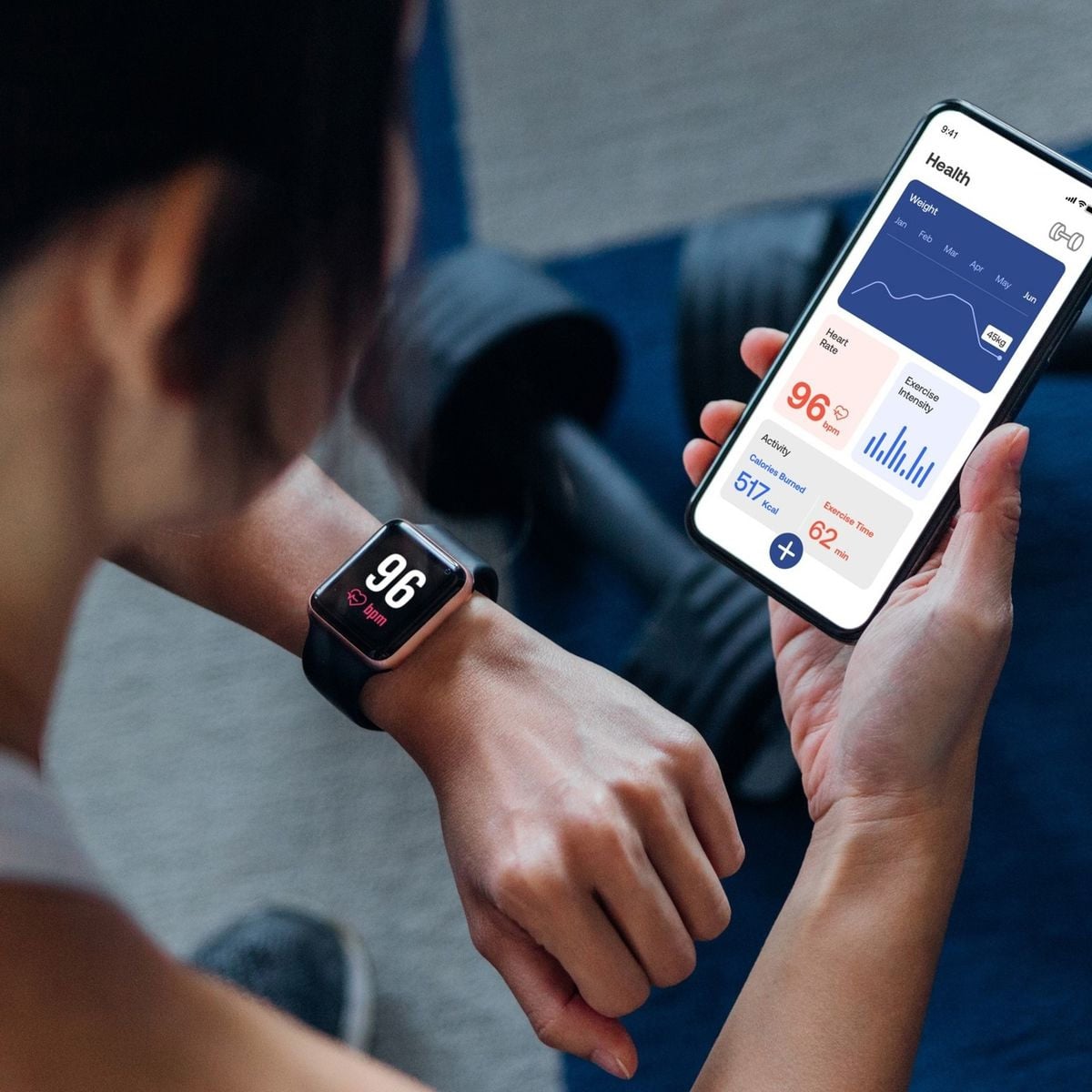
Early fitness trackers were often dismissed as gadgets for technology enthusiasts. Critics questioned whether anyone really needed to count steps or monitor sleep. Today, wearable technology is mainstream, helping millions track health metrics and fitness goals every day.
More Related Notes
• No One Saw It Coming, But These 10 Things Are Now Normal
A fascinating look at behaviors, products, and cultural shifts that seemed unusual at first but eventually became part of everyday life.
• 15 Current Trends That Are Redefining the Way People Live
This article explores the social and technological changes influencing modern lifestyles and shaping the future of daily habits.
• 12 Things People Started Doing Without Really Knowing Why
A complementary read about popular behaviors and routines that spread widely despite most people never questioning their origins.