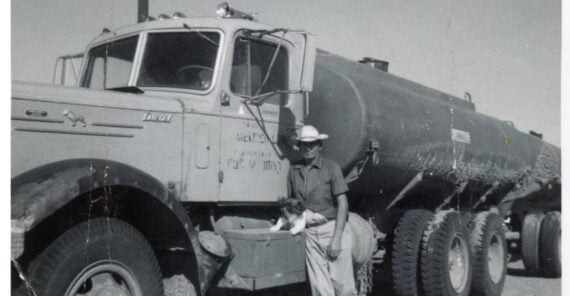

By 2030, artificial intelligence will reshape the global work world in profound ways. Far from simply automating repetitive tasks, AI will expand human capabilities, create new opportunities, and redefine traditional roles. Some jobs will evolve dramatically, while others may disappear. The following list highlights 11 professions that AI is set to transform by 2030, each with a short explanation.
1. Healthcare Professionals

AI will revolutionize diagnostics and drug discovery. Doctors and nurses will rely on AI-powered tools to detect diseases earlier, personalize treatments, and manage patient data more efficiently. Rather than replacing medical staff, AI will act as a powerful assistant, reducing human error and improving patient outcomes.
2. Teachers and Educators

AI-driven personalized learning platforms will tailor lessons to individual students’ needs. Teachers will shift from lecturing to mentoring, guiding students through adaptive curricula. This transformation will free educators to focus on creativity, critical thinking, and emotional support.
3. Lawyers

AI will handle document review, case research, and contract analysis. Lawyers will spend less time on routine tasks and more on strategy and negotiation. Legal AI assistants will democratize access to justice by lowering costs.
4. Financial Analysts

AI algorithms will dominate forecasting, fraud detection, and investment strategies. Analysts will transition into roles that interpret AI insights, manage ethical risks, and design innovative financial products. Human judgment will remain critical in balancing risk and reward.
5. Customer Service Agents

Chatbots and virtual assistants will handle most routine tasks, but human agents will focus on complex, emotionally sensitive cases. The role will evolve into “customer experience specialists,” combining empathy with AI-driven efficiency.
Trending on Wealth Gang


6. Software Developers

AI-assisted coding tools will automate debugging, testing, and even code generation. Developers will spend more time solving problems, system design, and ethical considerations. The job will shift from writing code to orchestrating AI-driven systems.
7. Transportation Workers
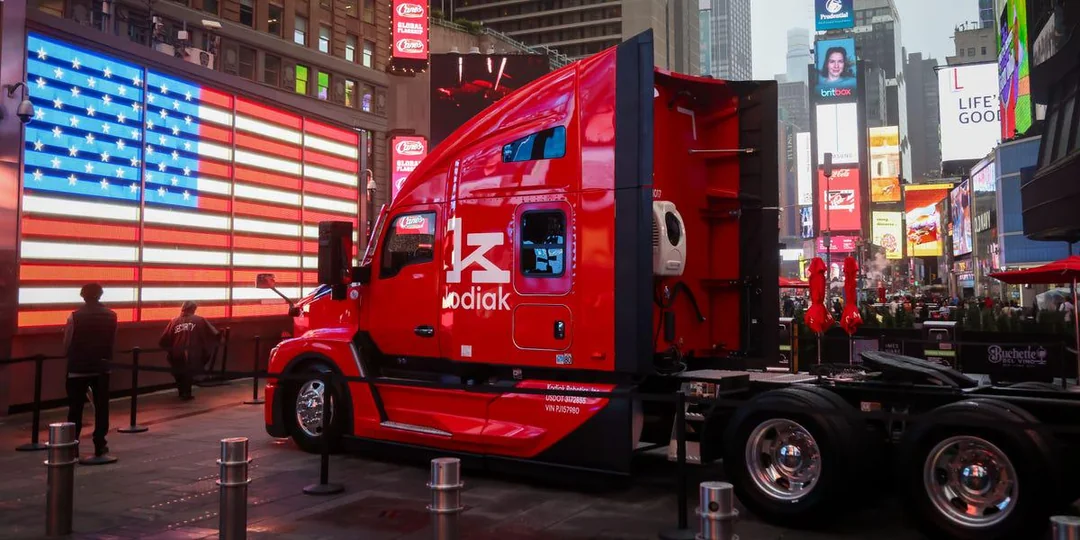
Self-driving vehicles and AI logistics systems will reshape delivery and public transit. Drivers may transition into fleet supervisors or safety monitors, ensuring AI systems operate responsibly. Logistics coordinators will rely heavily on predictive AI to optimize routes.
8. Retail Workers

AI will manage inventory, predict consumer trends, and personalize shopping experiences. Retail staff will focus on customer engagement, brand storytelling, and managing AI-driven systems. The human touch will remain vital in luxury and experiential retail.
Sign up for our newsletter
9. Manufacturing Workers
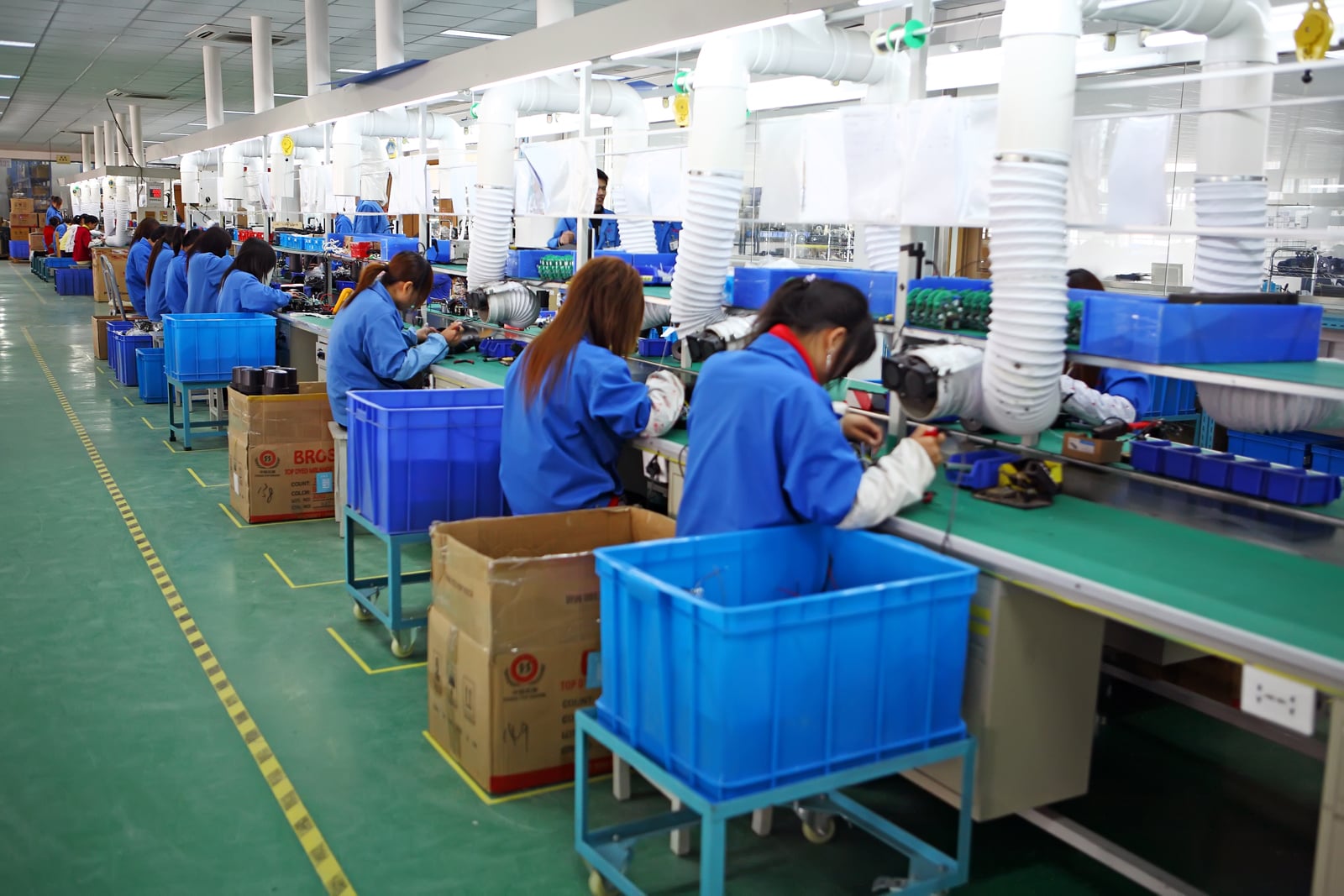
Factories will be dominated by AI-powered robotics, capable of precision assembly and predictive maintenance. Human workers will oversee operations and innovate production processes. The emphasis will shift from manual labor to technical oversight.
10. Journalists

AI will generate drafts, analyze trends, and even produce real-time news updates. Writers will focus on creativity and investigative reporting that AI cannot replicate. Journalism will become more collaborative between human insight and machine speed.
11. Artists and Designers

AI tools will assist in creating visuals, music, and fashion designs. Artists will use AI as a co-creator, blending human imagination with machine precision. The role of the designer will evolve into curating and guiding AI creativity rather than producing every detail manually.