Most people think they make purchasing decisions completely on their own, but brands carefully design experiences to influence behavior constantly. Colors, music, pricing, layouts, wording, and even product placement are often planned strategically to make people spend more without noticing it immediately.
1. They Make “Limited Time” Offers Feel Urgent
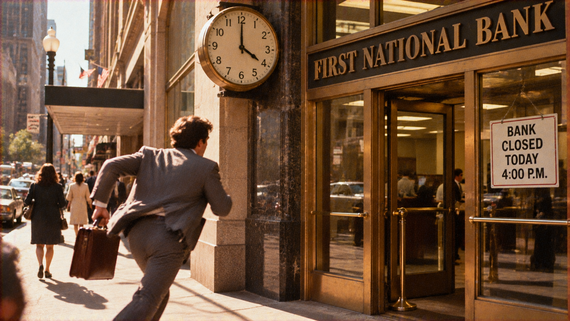
Countdowns, low stock warnings, and phrases like “only a few left” create pressure to decide quickly. Even when people don’t fully believe it, urgency still affects decision making.
2. Stores Place Essentials at the Back on Purpose
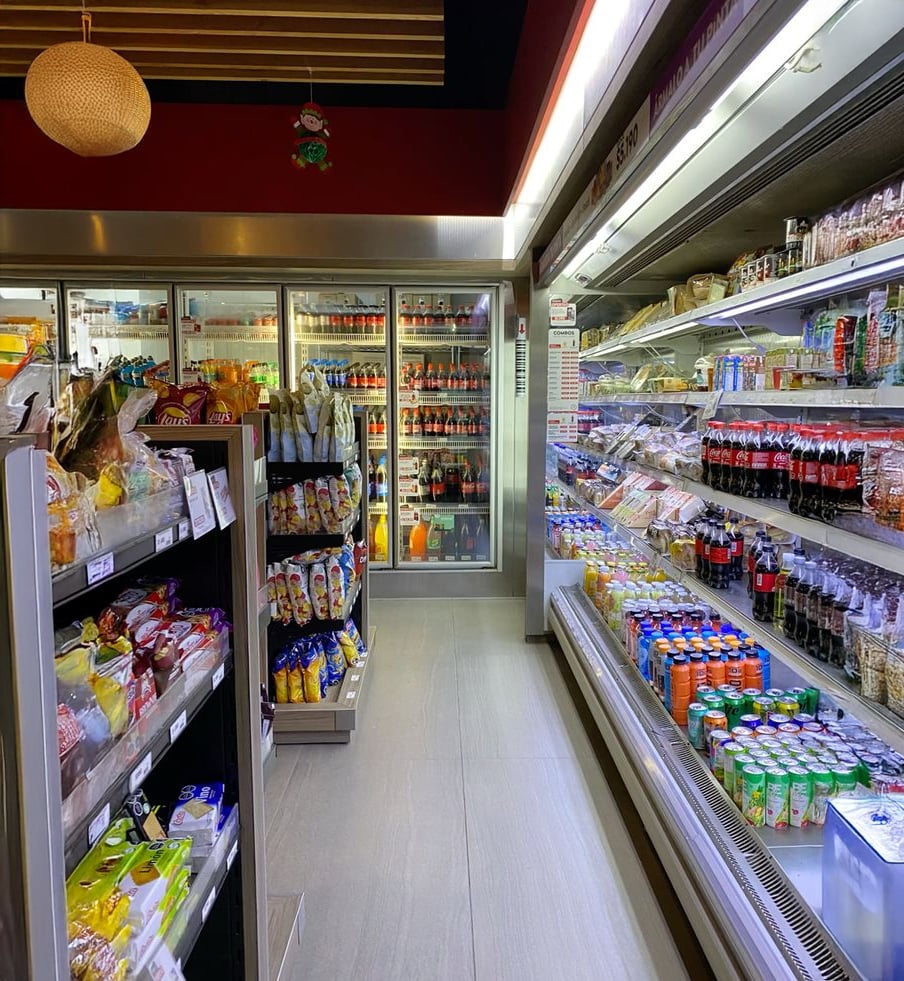
Supermarkets and large stores often place basic necessities far from the entrance. People end up walking past dozens of extra products before reaching what they originally came for.
3. Menus Quietly Highlight Expensive Options
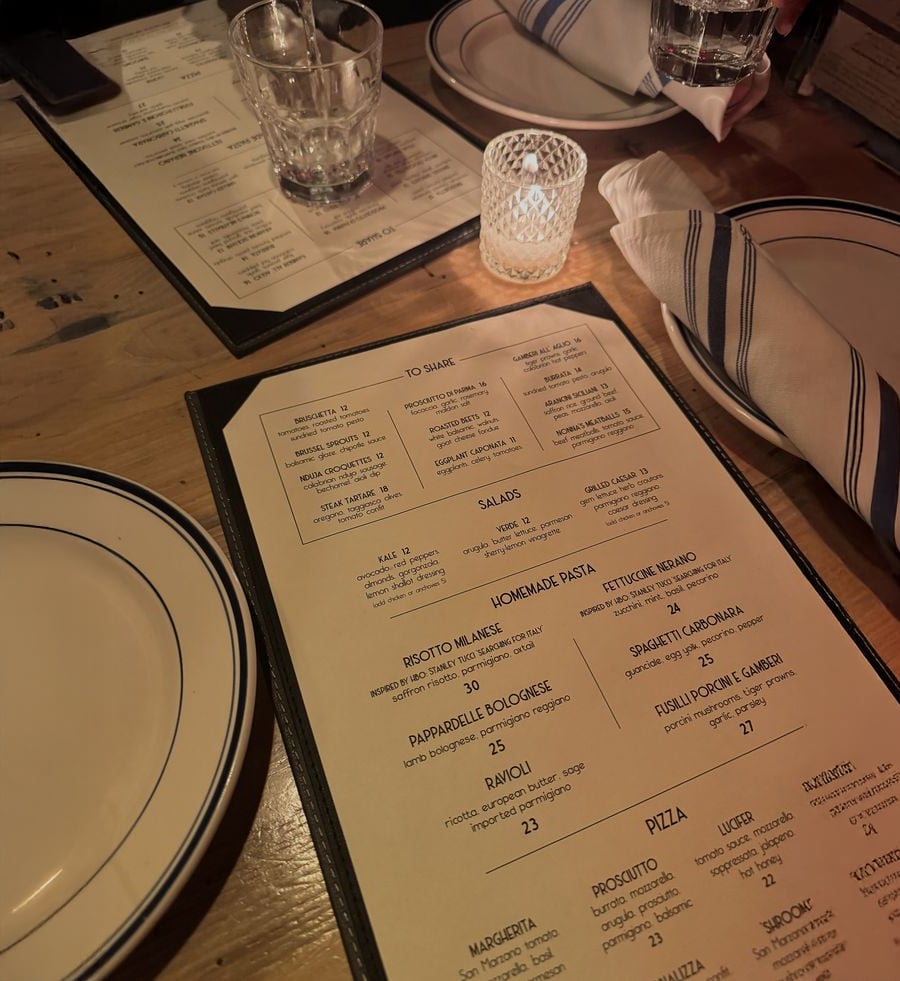
Restaurants use design tricks like larger fonts, boxes, photos, or strategic placement to draw attention toward higher profit dishes first.
4. Brands Use Colors to Influence Emotion
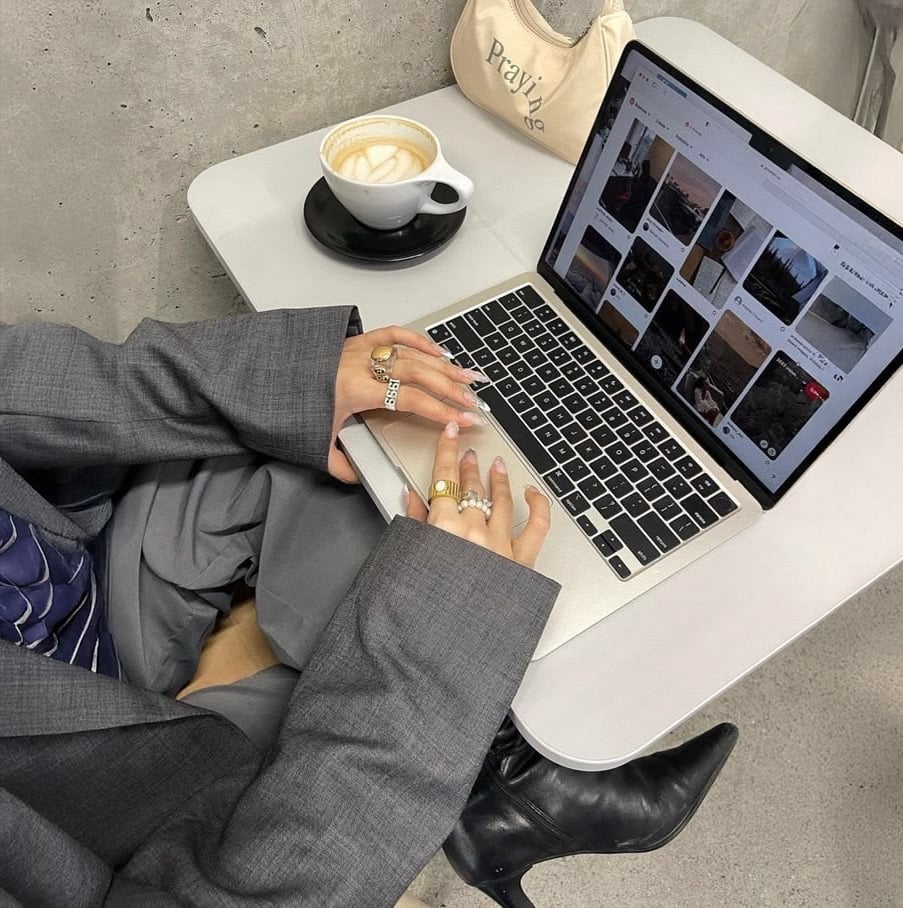
Different colors are associated with urgency, trust, luxury, appetite, or calmness. Many visual branding decisions are based on psychological reactions people barely notice consciously.
5. They Create “Better Value” Comparisons
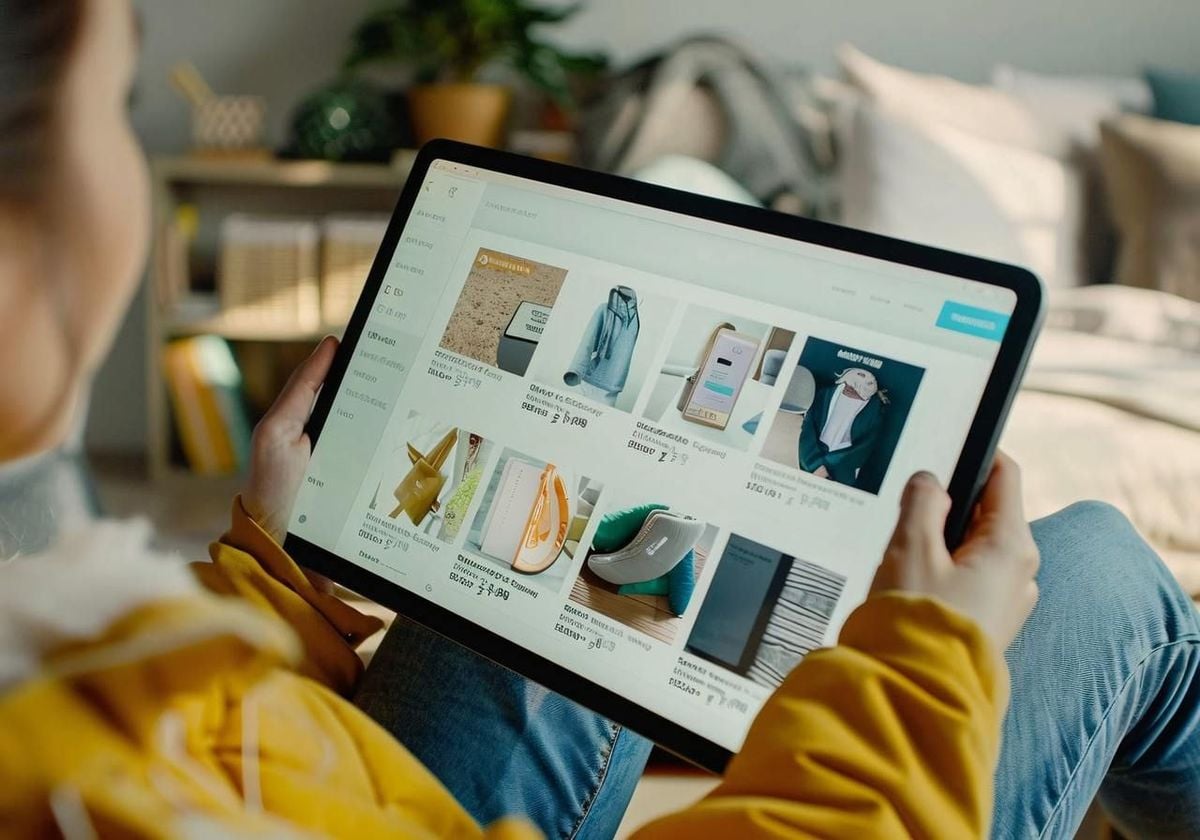
Sometimes the goal isn’t selling the cheapest or most expensive option, but making one specific option feel like the smartest deal through comparison.
Trending on Wealth Gang


6. Social Proof Makes Products Feel Safer to Buy
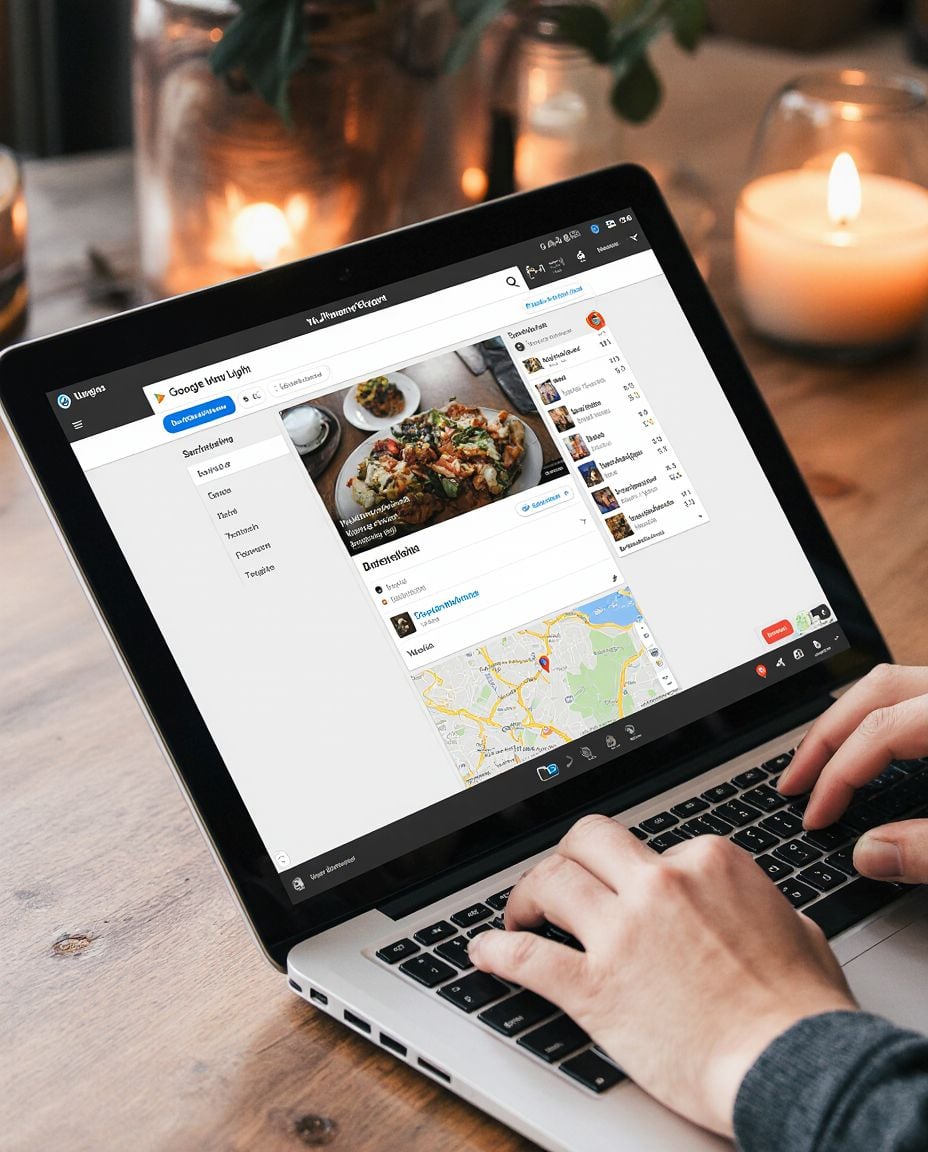
Reviews, ratings, testimonials, and “best seller” labels reduce hesitation because people naturally trust what others already approved.
7. Music Changes How Long People Stay in Stores
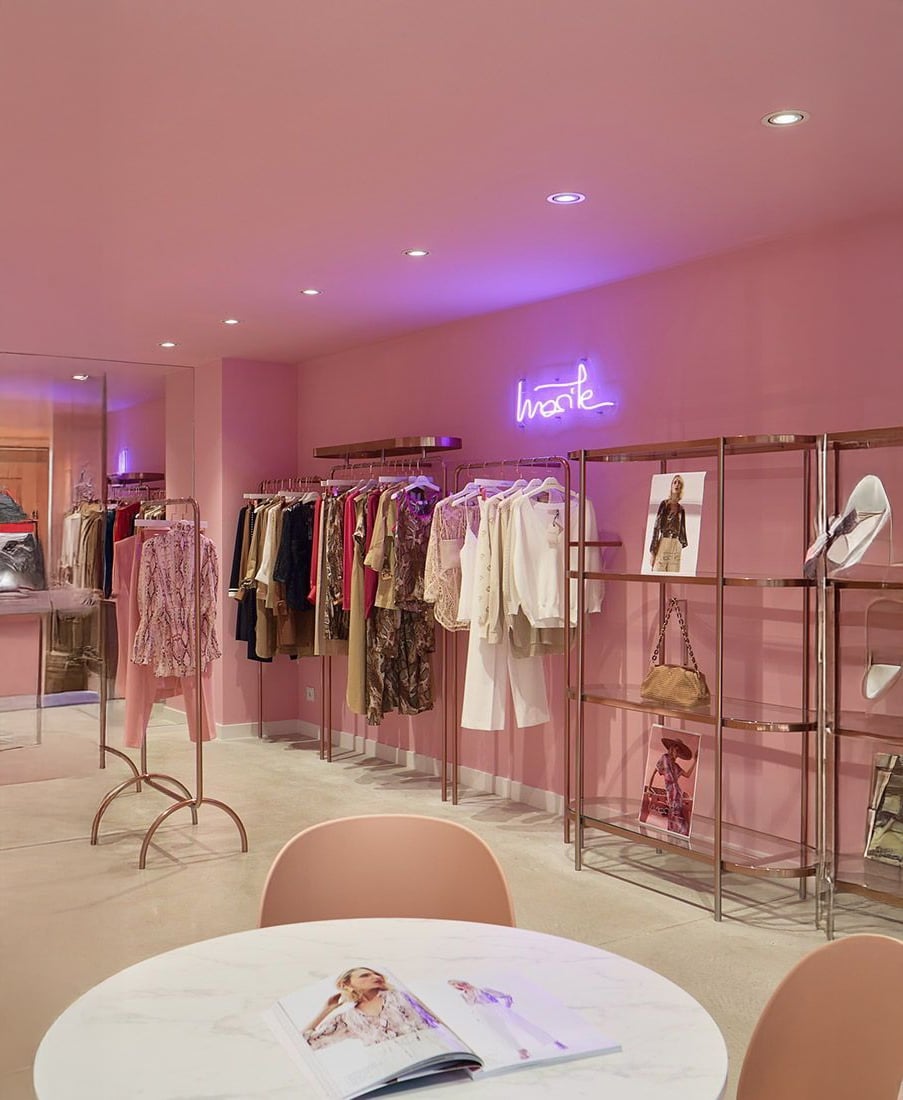
Slower music often encourages people to move more slowly and spend more time browsing. The atmosphere itself affects purchasing behavior more than most people realize.
8. Influencers Make Advertising Feel Personal
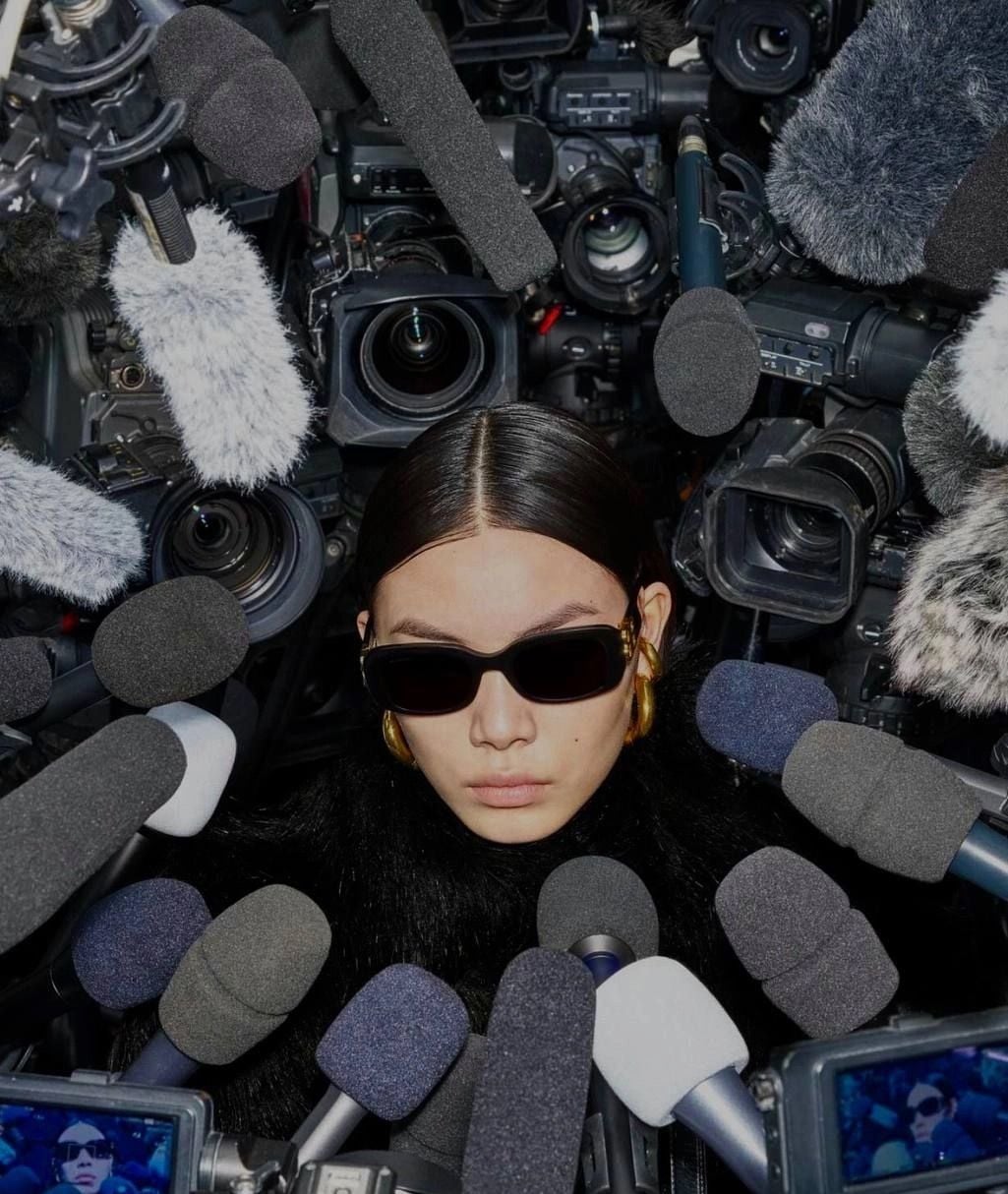
People often respond differently when products appear naturally inside someone’s lifestyle instead of traditional ads. Influencer marketing works because it feels less like selling.
Sign up for our newsletter
9. “Free Shipping” Changes Spending Decisions Immediately
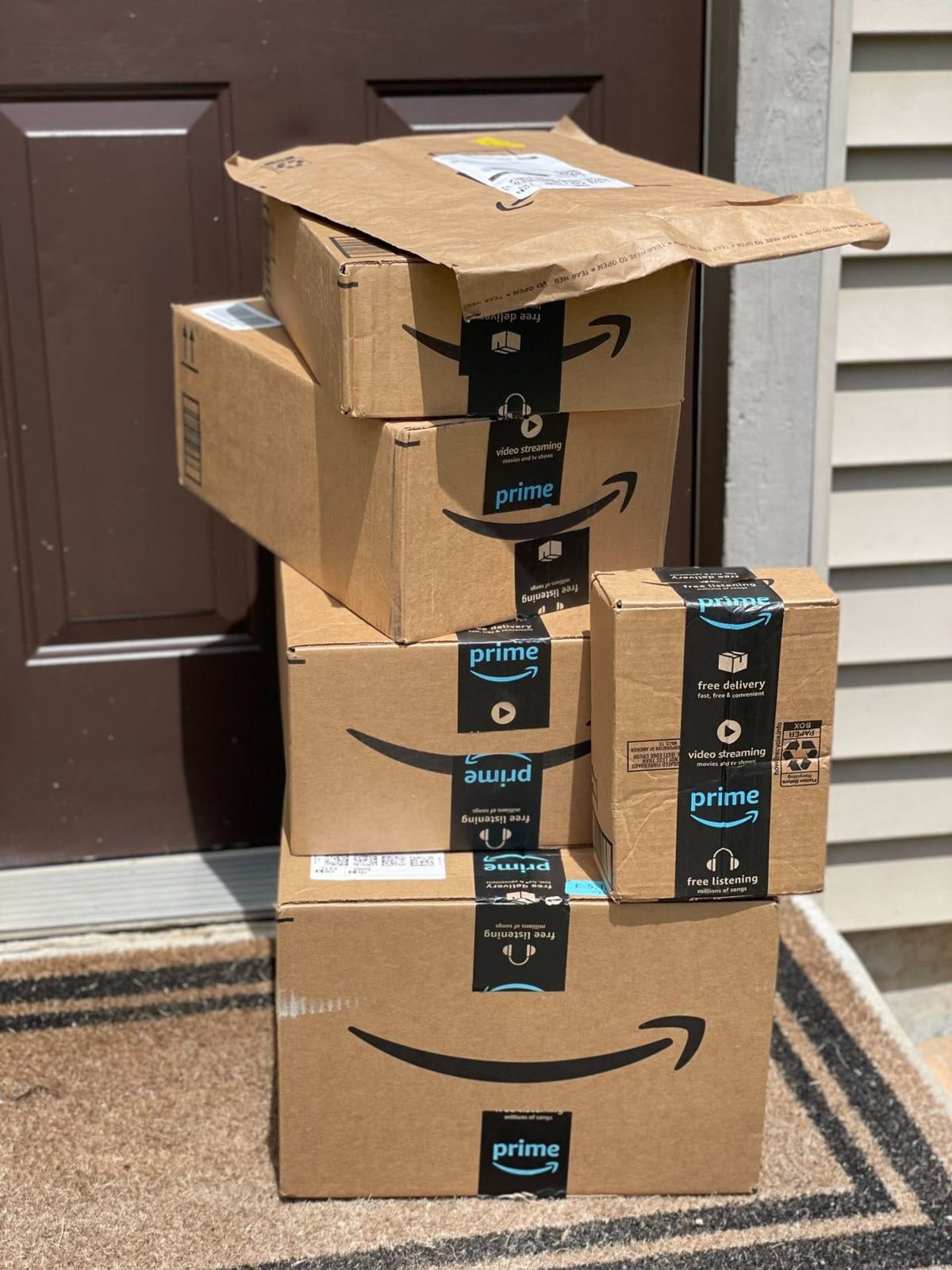
Many people will spend more money overall simply to avoid paying for shipping. Brands understand that “free” often feels emotionally stronger than discounts.
10. Product Placement Happens Everywhere
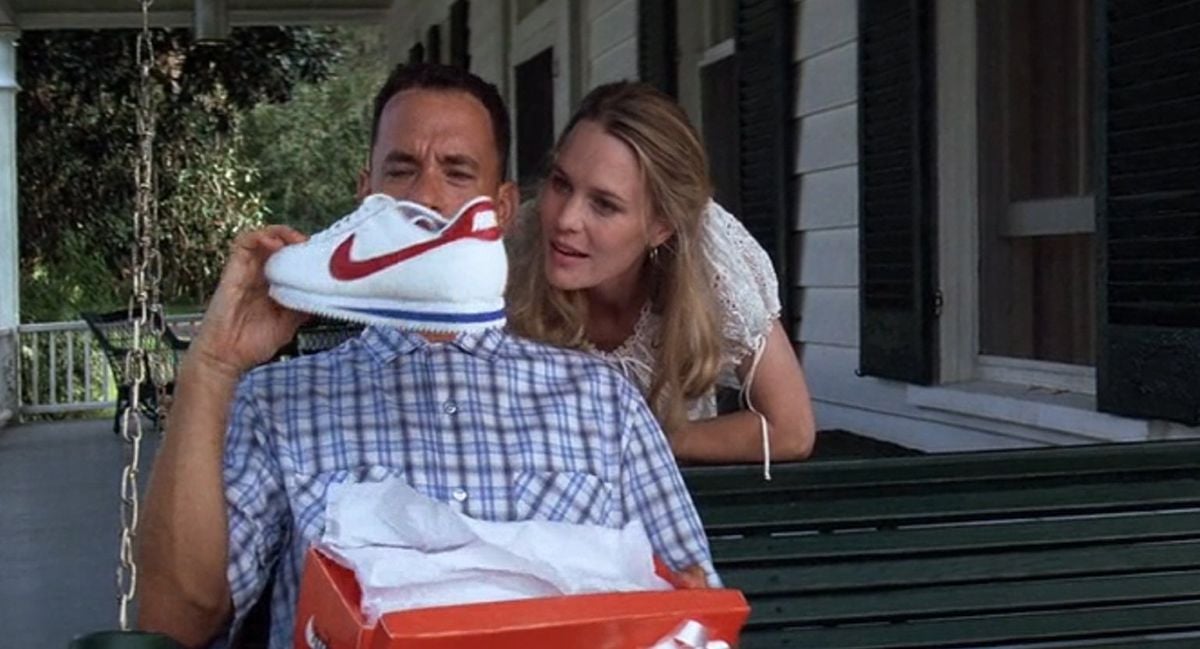
Movies, TV shows, YouTube videos, and social media constantly place products inside entertainment naturally. People often remember brands without realizing they were being advertised to.
11. Simplicity Makes People Buy Faster
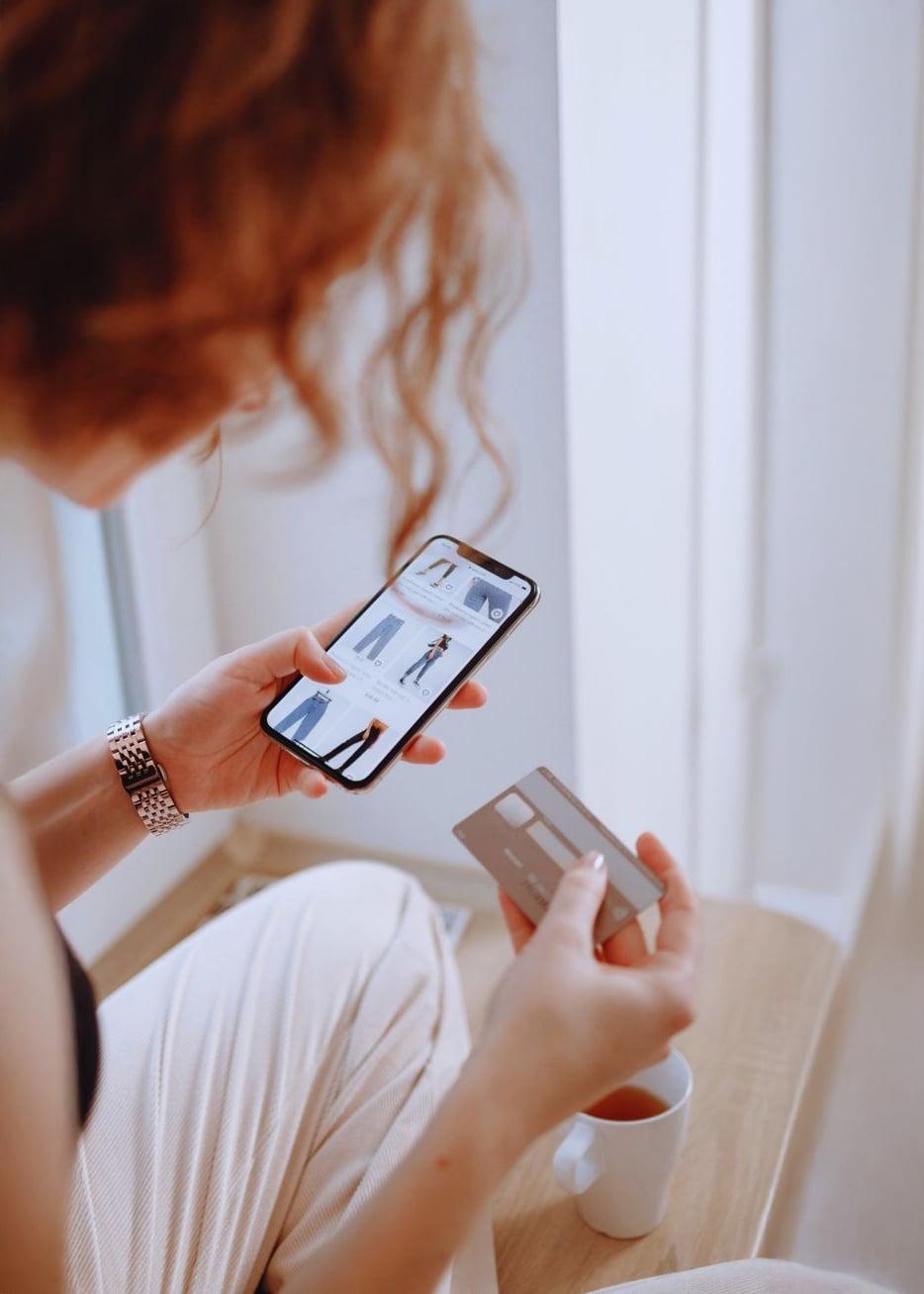
The easier something feels to understand or purchase, the more likely people are to buy impulsively. Clean layouts and minimal friction increase conversions constantly.
Most Marketing Works Better When People Don’t Notice It Immediately
- 12 Unusual Marketing Tips That Can Actually Grow Your Business
Some strategies work precisely because they feel unexpected or different from traditional advertising. These ideas focus on attention, psychology, and human behavior. - 11 Things Marketing Made Seem Essential
Advertising constantly changes the way people perceive products and necessities. These examples show how brands can turn ordinary items into things people suddenly feel they need. - 12 Brands That Master Nostalgia Marketing
Many companies successfully use memories, aesthetics, and emotional connection to make products feel more familiar and desirable. Nostalgia became one of the most effective tools in modern branding.