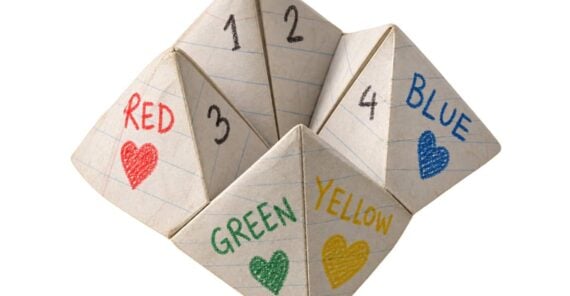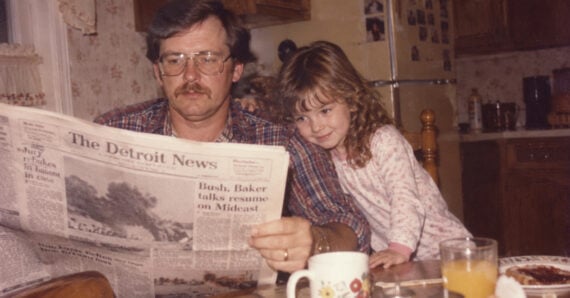
Nostalgia isn’t just a warm feeling, it is a powerful marketing tool that taps into memory, emotion, and identity. The most successful brands know how to transport audiences back to simpler times, whether through retro packaging, iconic jingles, or reimagined classics that spark instant recognition. In this list, we will explore 12 brands that have mastered the art of nostalgia marketing, demonstrating that the past can be an effective way to connect with today’s consumers.
1. Nintendo
Nintendo thrives on nostalgia by re-releasing classic consoles such as the NES and SNES, in mini versions. Fans relive their adventures while introducing them to younger generations. This strategy turns gaming history into a shared cultural experience across decades.
2. Lego
Lego taps into nostalgia by blending modern sets with retro themes, from vintage cityscapes to Star Wars collections. Adults rediscover the creativity of their childhood while sharing it with their kids. Nostalgia becomes a bridge between past play and present bonding.
3. Hasbro

Hasbro revives childhood memories through reissues of board games like Monopoly, Clue, and Operation. Retro packaging and limited editions remind adults of family game nights. Nostalgia transforms simple play into a cultural tradition passed down through generations.
4. Disney

Disney constantly reimagines its classics through live-action remakes, anniversaries, and theme park revivals. Familiar characters like Simba or Ariel spark emotional memories across generations. Nostalgia ensures Disney remains timeless, connecting parents and children through shared stories.
5. Converse
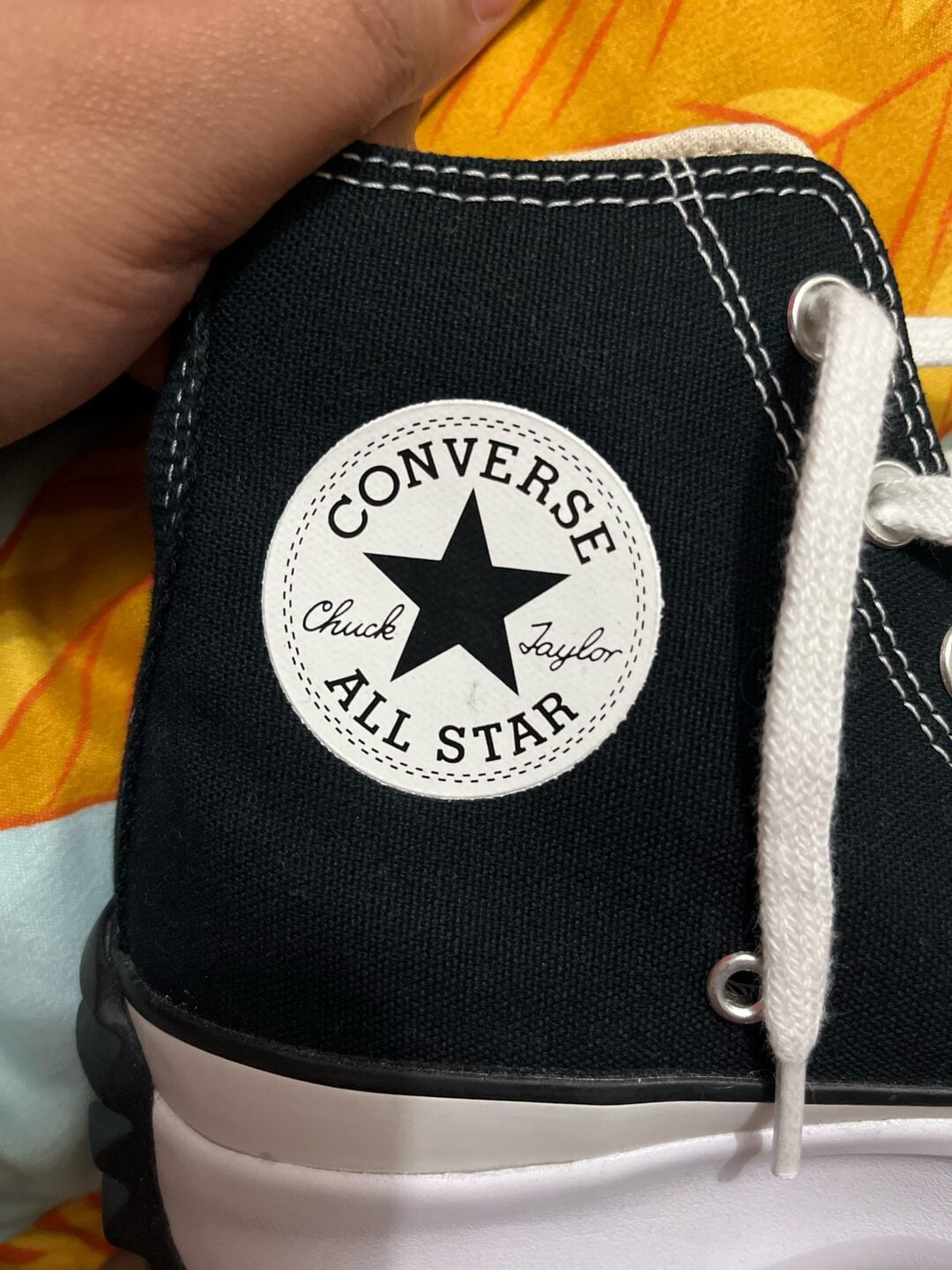
Converse sneakers have remained nearly unchanged since their 20th-century prime. Their retro design appeals to both vintage lovers and modern trendsetters. Nostalgia keeps them timeless, proving that some styles never fade.
Trending on Wealth Gang
6. Pepsi
Pepsi’s “Throwback” campaigns revive old logos and sugar formulas, reconnecting fans with the taste of their youth. Retro packaging and flavors remind consumers of simpler times. Nostalgia makes the brand feel authentic and enduring.
7. McDonald’s
McDonald’s taps into childhood memories by reviving Happy Meal toys and retro packaging. Adults relive the excitement of opening a toy while sharing it with their kids. Nostalgia turns fast food into a cultural memory lane.
8. Nike

Nike reissues classic sneakers like Air Jordans and Cortez, sparking memories of sports history and street culture. Fans experience the thrill of iconic games again while embracing timeless style. Nostalgia fuels hype, loyalty, and resale value in sneaker culture.
Sign up for our newsletter
9. Mattel

Barbie celebrates its legacy with anniversary editions and vintage doll reissues. Adults recall childhood play while introducing the brand to new generations. Nostalgia reinforces Barbie’s cultural impact and keeps her relevant across eras.
10. Apple

Apple nods to its past with retro designs, rainbow logos, and product anniversaries. Fans feel connected to the brand’s pioneering spirit and innovation roots. Nostalgia strengthens loyalty by honoring where the brand came from.
11. MTV

MTV revives 80s and 90s shows, logos, and music specials to reconnect with its original audience. Viewers relive formative pop culture moments that shaped their youth. Nostalgia keeps MTV relevant in a streaming era where retro content thrives.
12. Spotify

Spotify taps into nostalgia with its “Throwback” playlists and revives retro aesthetics in campaigns. From 90s pop hits to 2000s indie anthems, the platform lets listeners relive formative music eras. Nostalgia becomes a powerful driver of engagement, blending memory with modern streaming.
In conclusion, nostalgia marketing proves that the past is never truly gone, it is a living asset that reinforces loyalty. By reviving iconic products, designs, and cultural touchstones, companies like Nintendo, Lego, Disney, and McDonald’s remind audiences of cherished moments while reintroducing them in fresh, relevant ways.