

The Great Depression forced millions to rethink how they lived, spent, and saved. Out of necessity, families developed practical habits that stretched every dollar and built resilience in uncertain times. A century later, those same strategies remain surprisingly important. Whether you are navigating inflation, planning for the future, or simply trying to live smarter, these Depression-era money habits prove that saving and creativity never go out of style. Here are 12 timeless Depression‑era money habits that still matter today
1. Cooking at Home
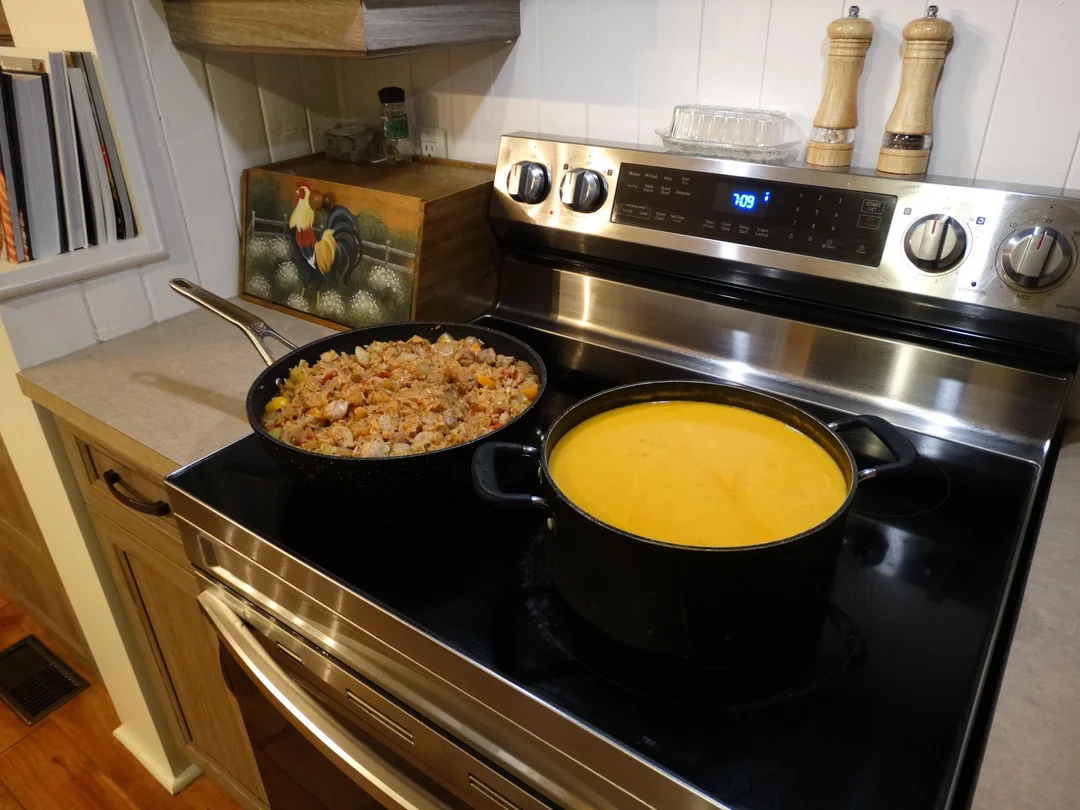
Families during the Depression could not afford restaurants, so home-cooked meals became the norm. Today, preparing meals at home not only saves money but also promotes healthier eating and stronger family connections. A simple meal at home costs far less than eating out.
2. Growing Your Own Food
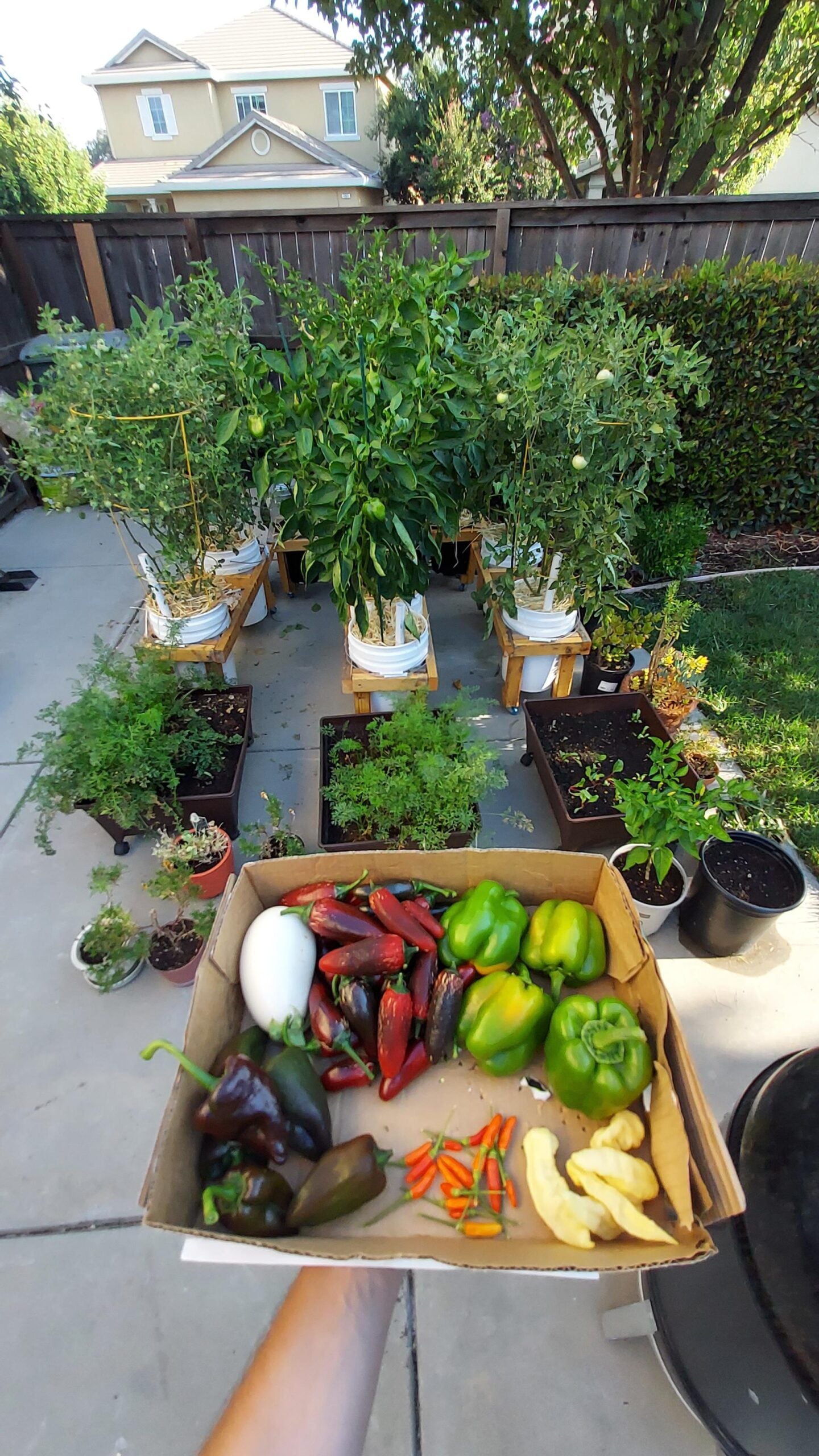
Victory gardens and backyard plots were lifesavers in the 1930s. Planting herbs, vegetables, or even small fruit trees can cut grocery bills and provide fresh, sustainable food. Even a small garden can feed a family.
3. Repairing Instead of Replacing
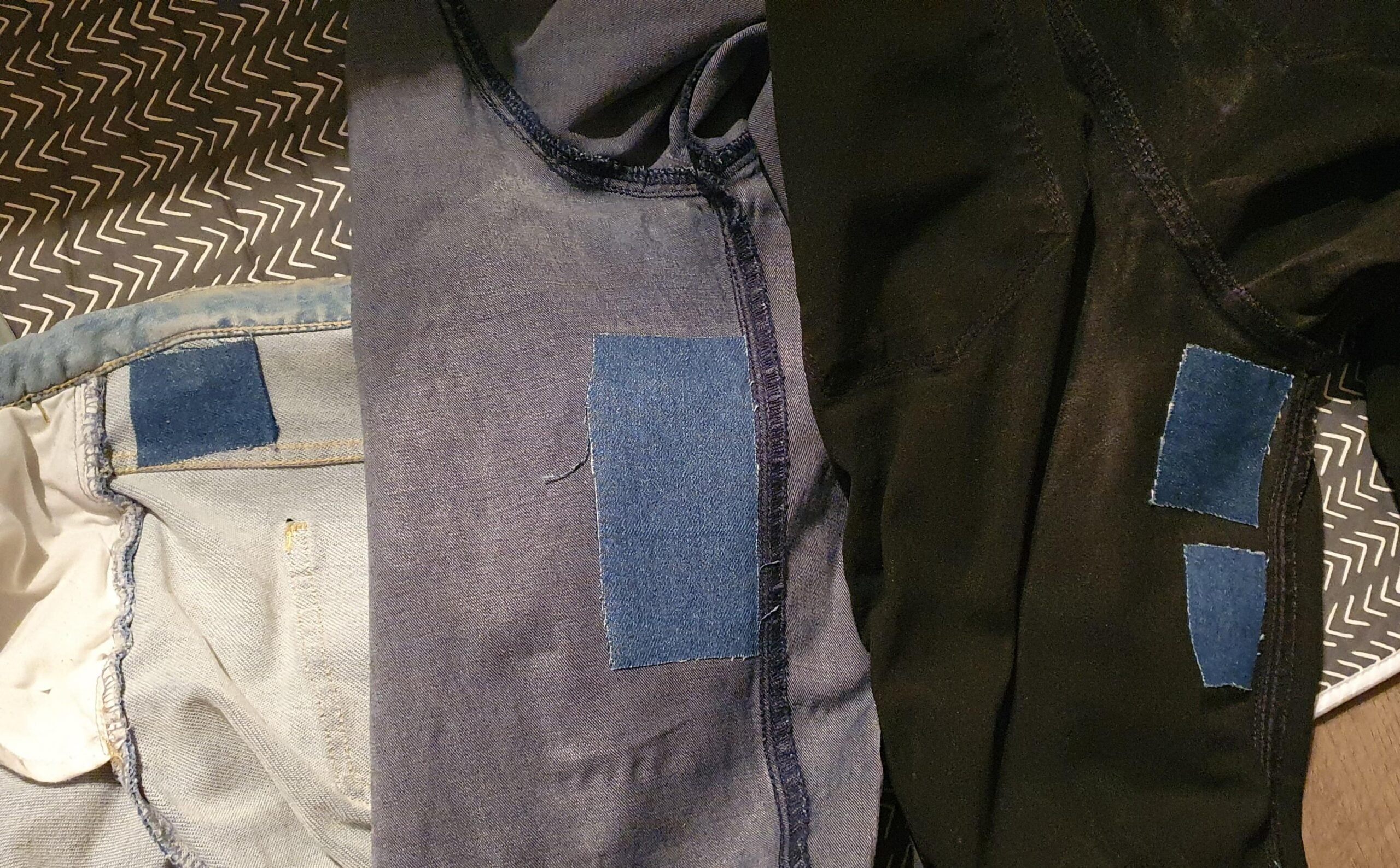
Shoes were resoled, clothes patched, and appliances fixed. Learning basic repair skills or using local services can extend the life of items and reduce waste. Fixing something at home is cheaper than buying something new. Repair culture also fosters self-reliance, turning maintenance into a mindful practice that values durability over disposability.
4. Buying in Bulk
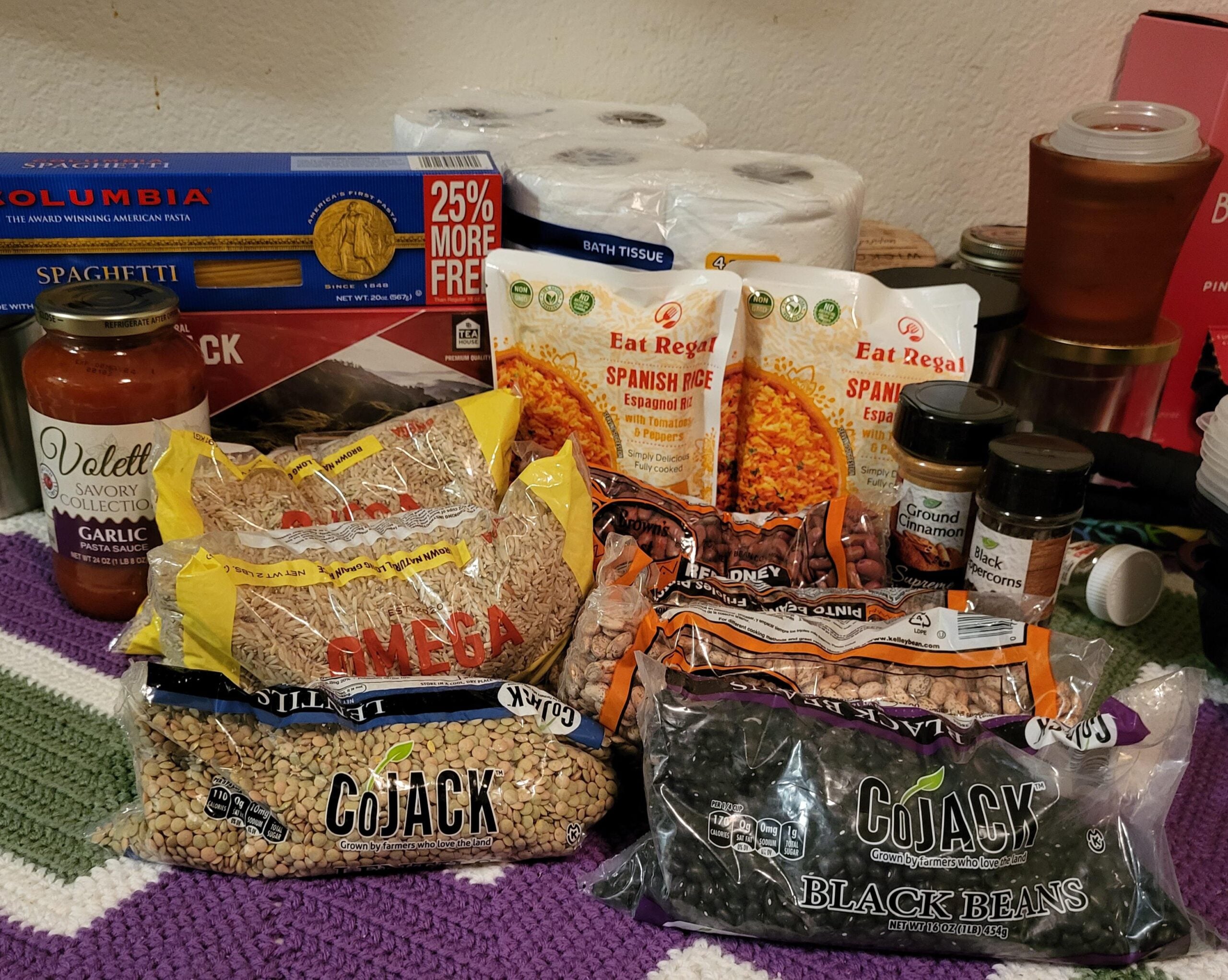
Families stocked up on staples like flour, beans, and rice to save money. Buying non-perishables in bulk today still reduces costs and ensures you are prepared for shortages. Big packages usually mean lower prices.
5. Avoiding Debt

Credit was scarce during the Depression, so people avoided borrowing. Living within your means and paying off debt quickly remains one of the strongest financial strategies. Owing less makes life less stressful.
Trending on Wealth Gang


6. Reusing

Glass jars became storage containers, and old clothes were turned into quilts. Repurposing items reduces expenses and sparks creativity in everyday life. One item can serve many new uses.
7. Bartering and Trading

Neighbours exchanged goods and services when cash was scarce. Trading skills or items today, like babysitting, can save money and build community. A fair trade helps both sides.
8. Living Simply

Families cut luxuries and focused on essentials. Minimalism today helps reduce clutter, stress, and unnecessary spending. Less stuff often means more peace. Choosing simplicity creates space for what truly matters: relationships, health, and experiences.
Sign up for our newsletter
9. Saving Spare Change
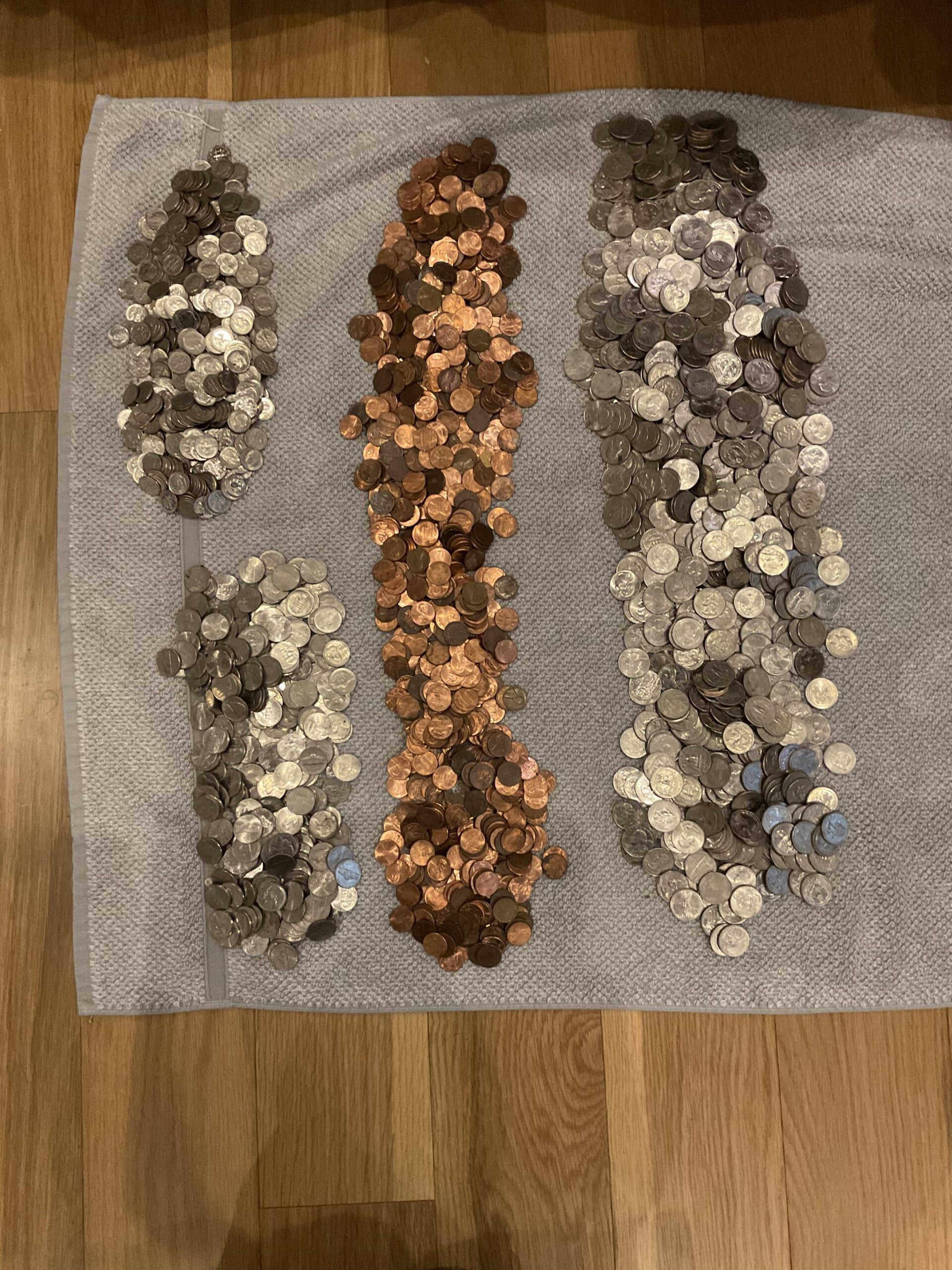
Every coin mattered in the 1930s. Setting aside small amounts regularly can grow into meaningful savings over time. Small coins add up to big savings. Consistent habits turn spare change into lasting security.
10. Making Do With Less
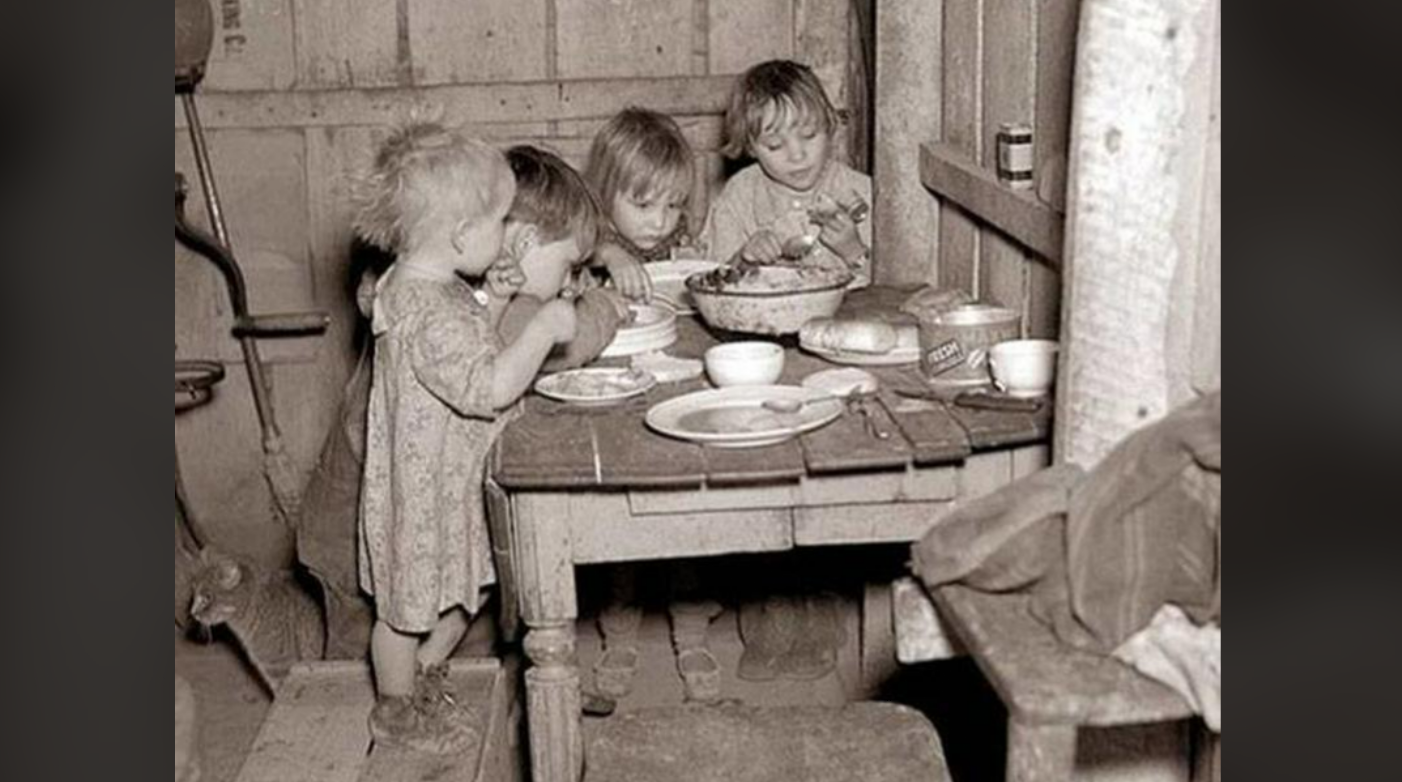
Children shared toys, and families stretched clothing. Practising restraint and prioritising needs over wants builds financial discipline. Sharing teaches value and patience. These small acts of generosity plant seeds of resilience that grow into lifelong habits of gratitude and resourcefulness.
11. Community Support
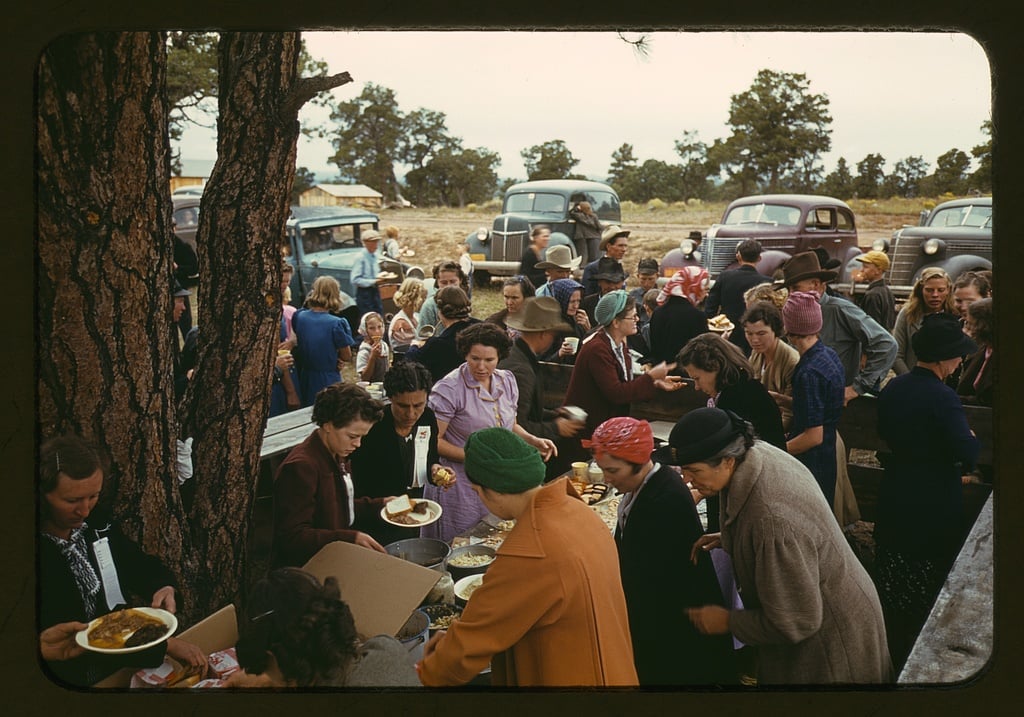
Neighbours leaned on each other for childcare, food, and emotional support. Building strong networks today can provide both financial and personal resilience. Helping others makes everyone stronger. When communities thrive together, individuals discover a deeper sense of belonging.
12. DIY Skills
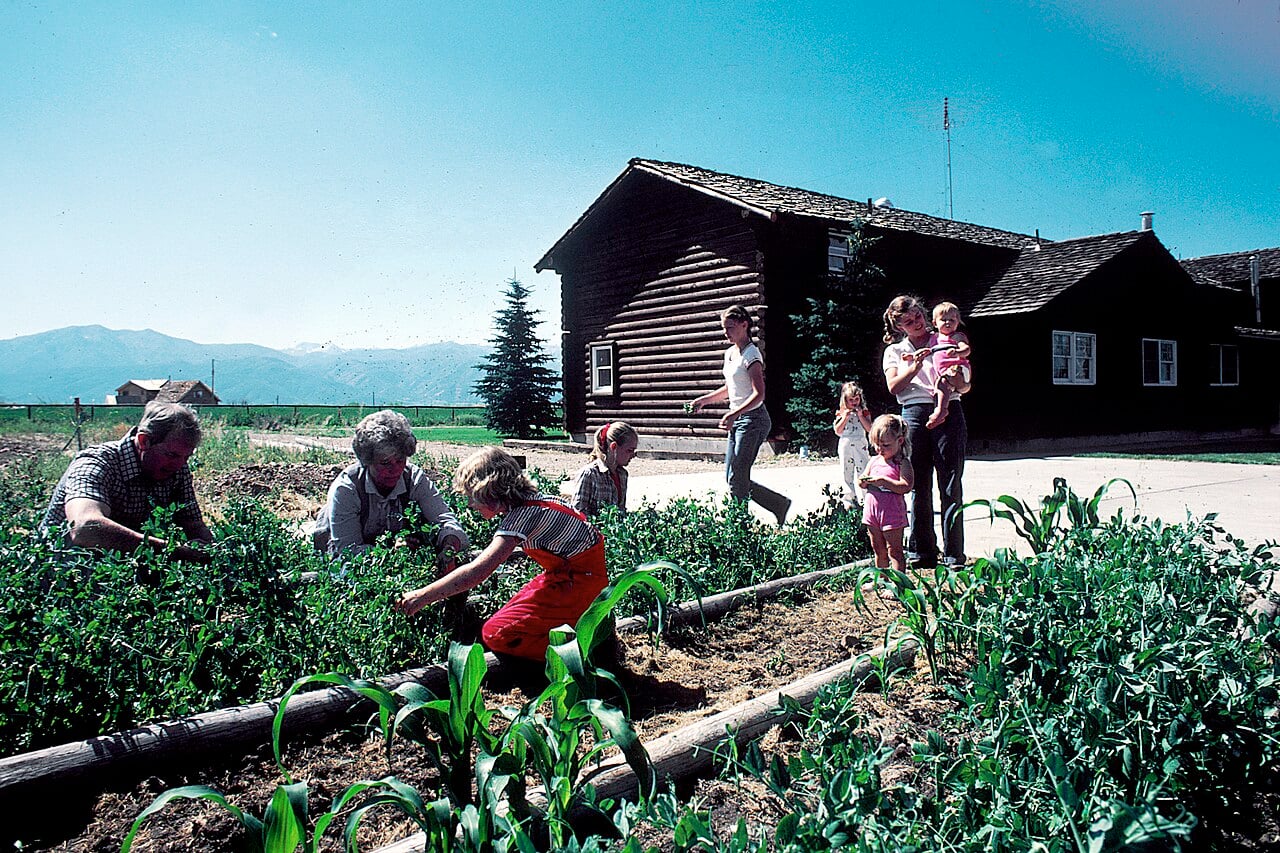
From sewing to carpentry, Depression-era families relied on self-sufficiency. Learning DIY skills today saves money and produces independence. Doing it yourself keeps costs low. Simple skills build resilience for uncertain times.
The lessons of the Great Depression remind us that resilience is built not in moments of abundance, but in challenging times of scarcity. Cooking at home, repairing instead of replacing, and relying on community are more than survival tactics . By embracing simplicity and discipline, we can navigate modern challenges with the same resourcefulness that families did through the 1930s. These habits prove that financial wisdom is not about chasing wealth, but about making the most of what we have and finding strength in shared values.