We’ve all done it. You drop a famous line into conversation, feeling pretty smart, and someone points out that the quote isn’t right. Maybe the wording got smoothed out over the years. Maybe Hollywood changed it for the movie version. Maybe it was never said at all, and just got attached to a famous name because that made it sound better. Either way, these little mix-ups have a way of sticking around for decades.
The truth is, most of these misquotes are so common that the wrong version has practically replaced the real one in our culture. Next are 20 quotes you’ve probably heard a hundred times, along with what was actually said.
1. “Play It Again, Sam”- Casablanca
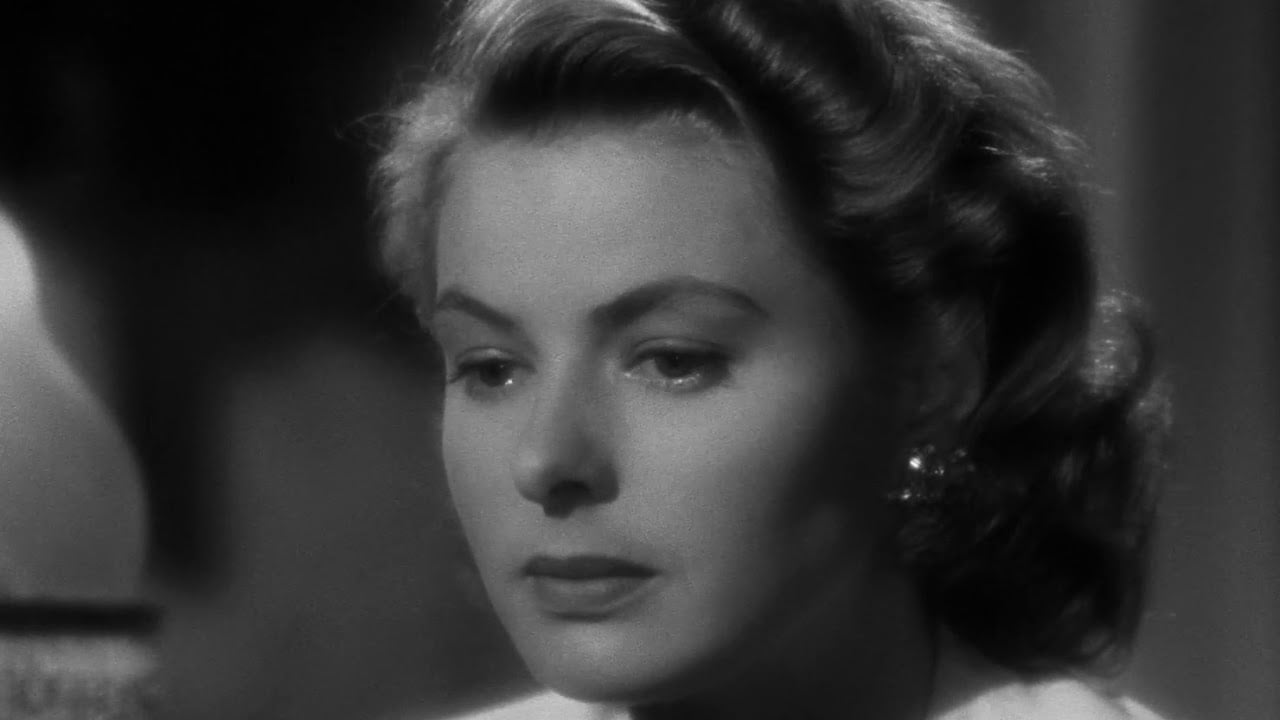
This line never actually appears in the movie. What Ilsa really says is “Play it, Sam. Play ‘As Time Goes By.’” Later, Rick says something close but still different. The shorter version became so iconic that it eventually took on a life of its own.
2. “Elementary, My Dear Watson”- Sherlock Holmes
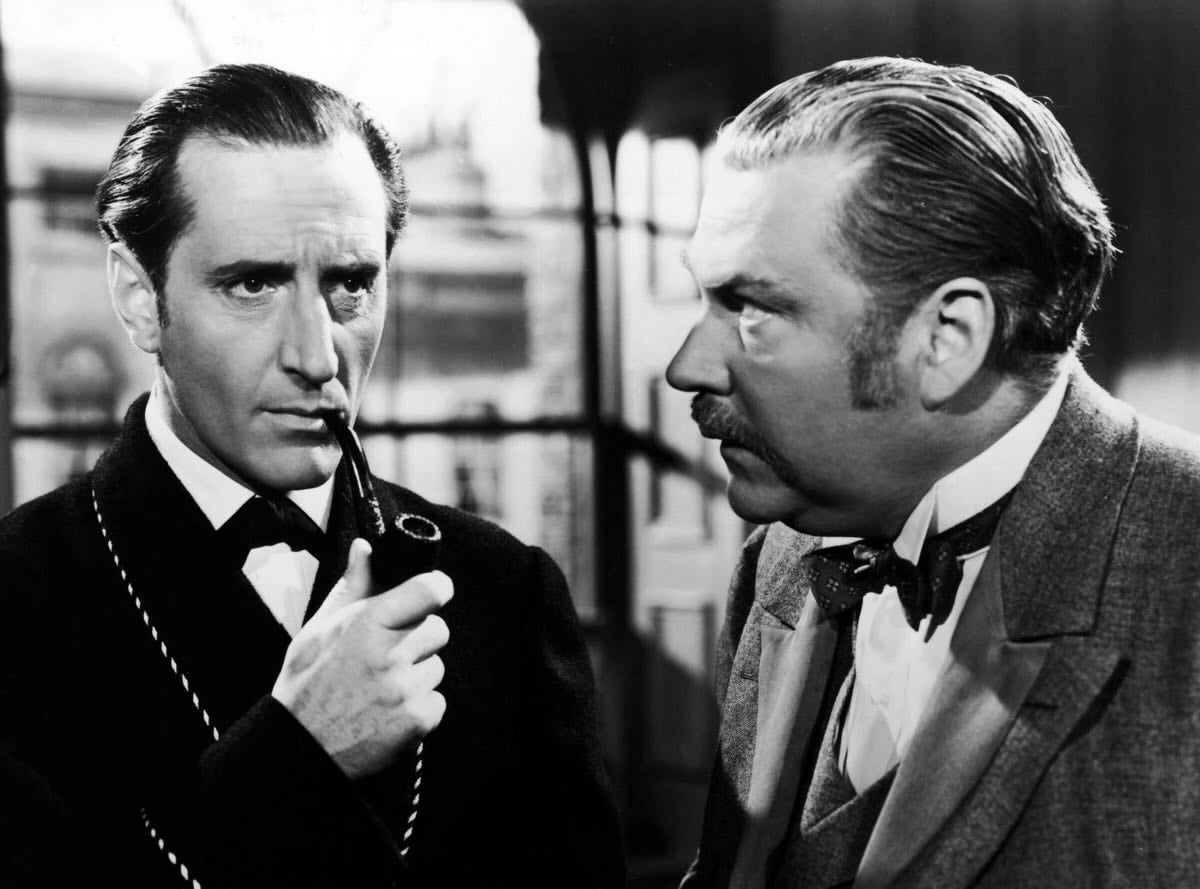
Sir Arthur Conan Doyle never wrote this exact line in any of his Sherlock Holmes stories. Holmes does say “Elementary” on occasion, and he does address Watson directly, but the two were never combined into this famous phrase in the original books. It came from later stage and film adaptations.
3. “Let Them Eat Cake”- Marie Antoinette
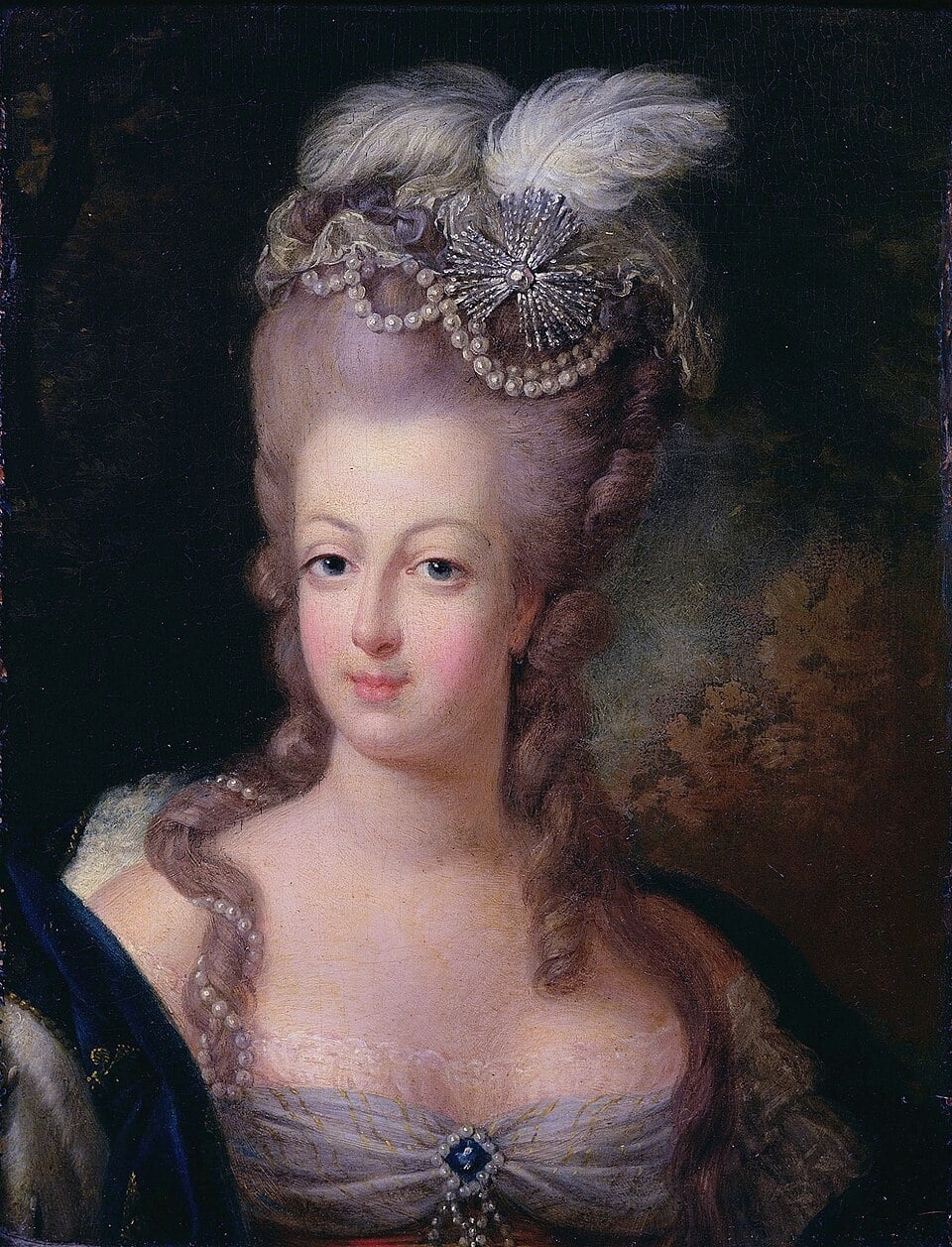
This one is often used as proof of how out of touch Marie Antoinette was, but there’s no record of her ever saying it. The phrase actually appeared in the writings of philosopher Jean-Jacques Rousseau, and he was talking about a princess who was never named, years before Marie Antoinette became queen.
4. “Luke, I Am Your Father”- Darth Vader
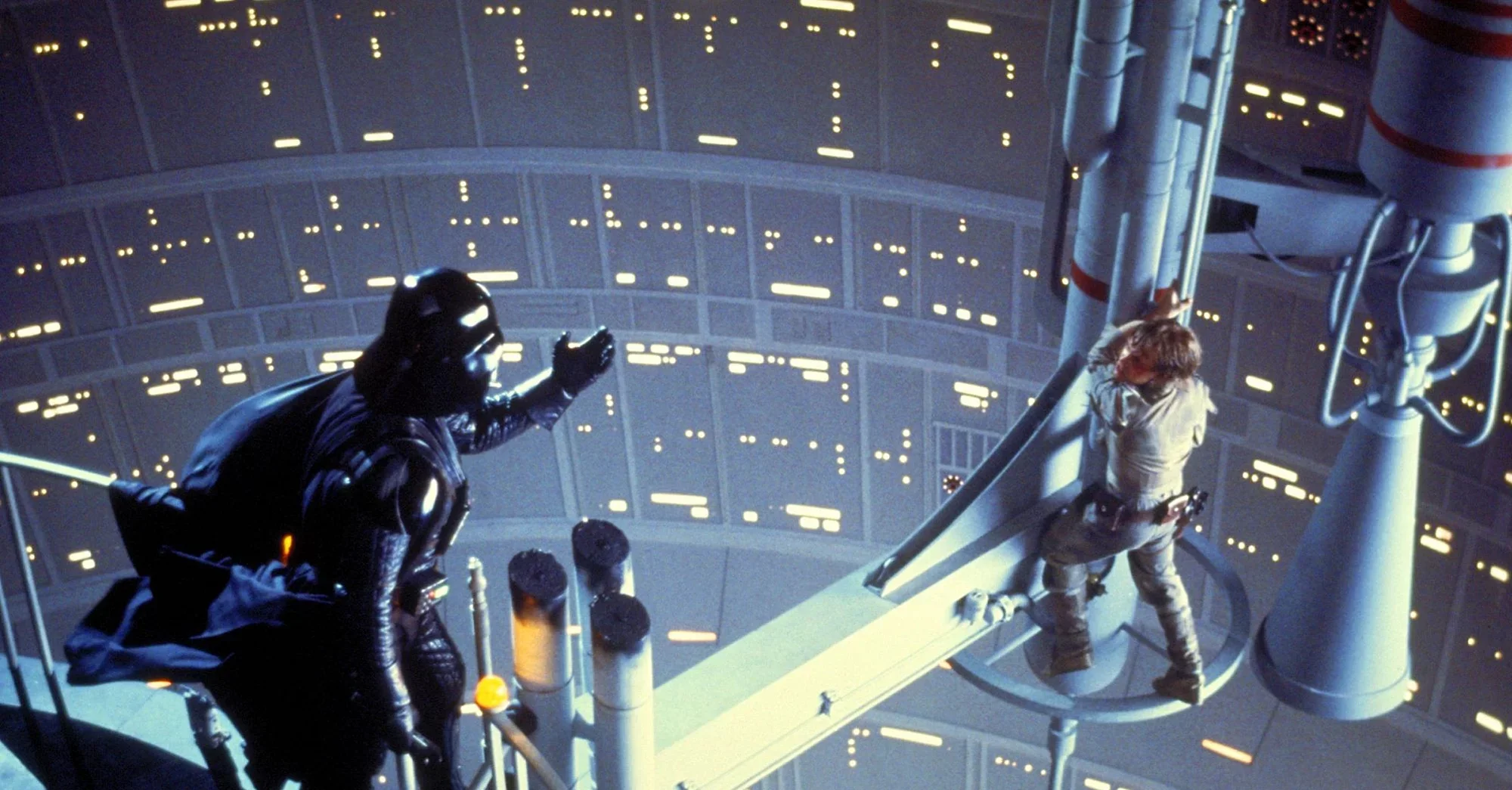
One of the most famous lines in movie history isn’t actually the real line. What Darth Vader really says is “No, I am your father,” responding directly to something Luke had just said. Dropping the No changes the rhythm just enough that most people don’t remember it correctly.
5. “Beam Me Up, Scotty”- Star Trek
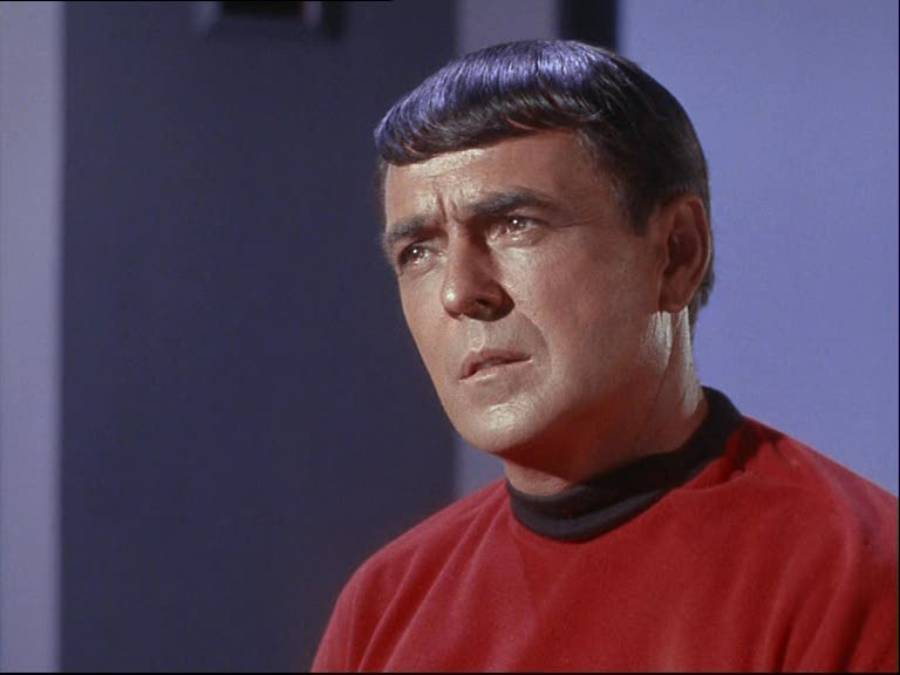
Captain Kirk never says this exact phrase in the original Star Trek series. He says variations like “Beam us up, Mr. Scott” or “Scotty, beam me up,” but the tidy version everyone quotes was never actually spoken.
Trending on Wealth Gang
6. “Money Is The Root Of All Evil”- The Bible

The real verse, from 1 Timothy 6:10, says “the love of money is the root of all evil.” That one word changes the meaning quite a bit. The original is about greed and attachment to wealth, not about money itself being evil.
7. “Power Corrupts, Absolute Power Corrupts Absolutely”- Lord Acton
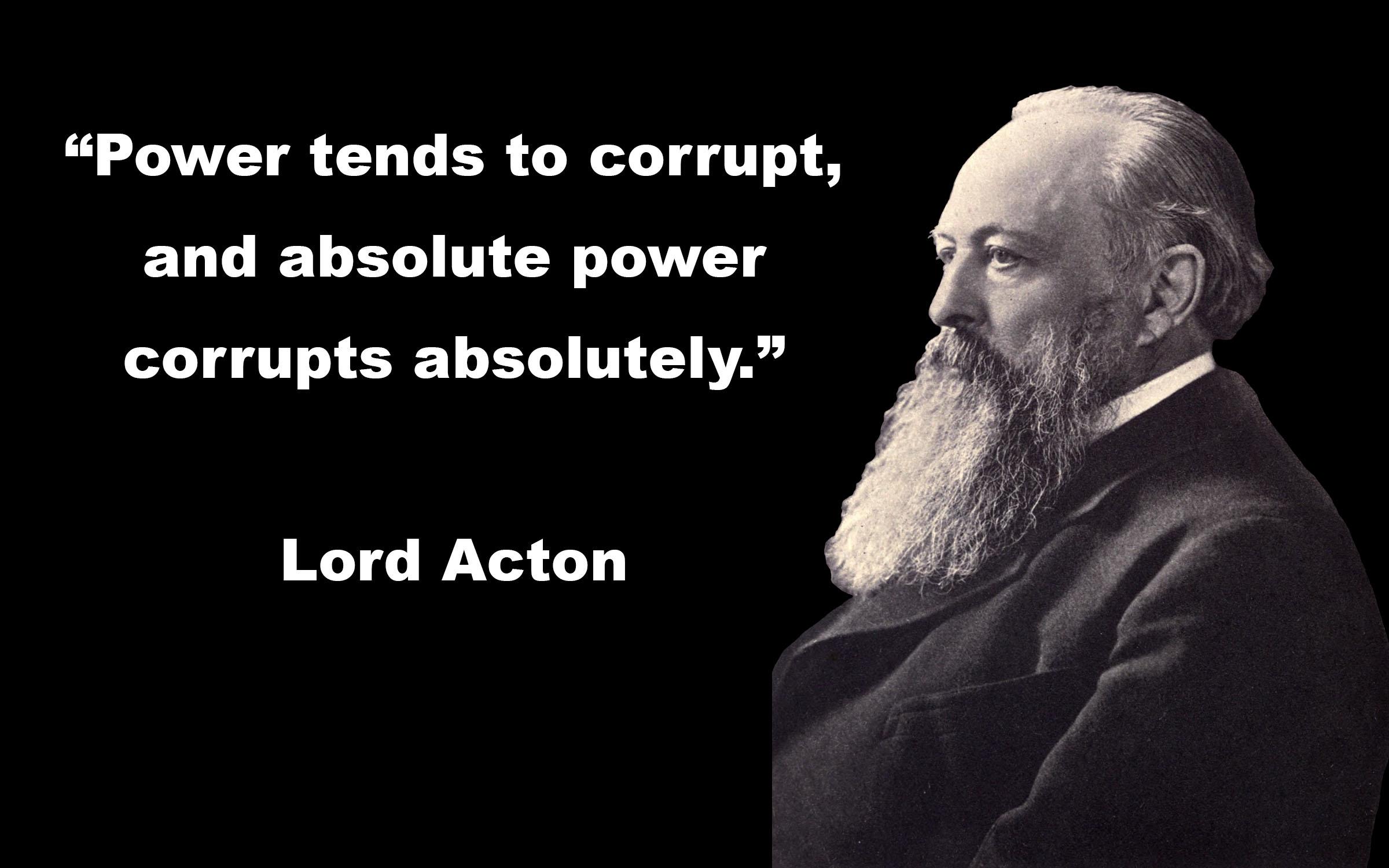
This one is close, but it is actually trimmed down. The full quote reads “Power tends to corrupt, and absolute power corrupts absolutely.” The word tends gets dropped almost every time, which makes the statement sound far more certain than Lord Acton intended.
8. “Methinks The Lady Doth Protest Too Much”- Hamlet
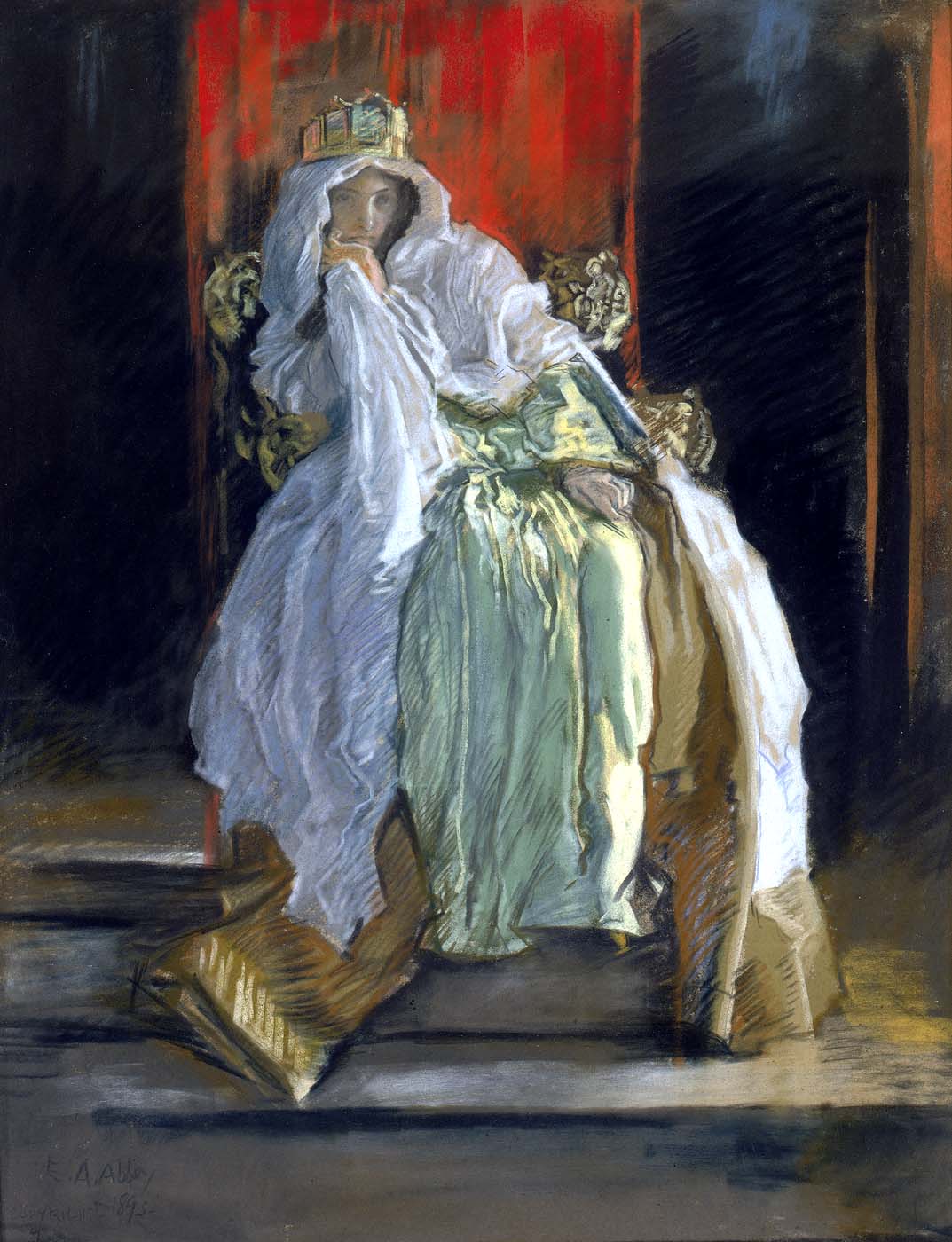
Shakespeare wrote this line in a different order. The original is “The lady doth protest too much, methinks.” Somewhere along the way, people moved “methinks” to the front, and that version stuck.
Sign up for our newsletter
9. “Well-Behaved Women Rarely Make History”- Credited to Marilyn Monroe
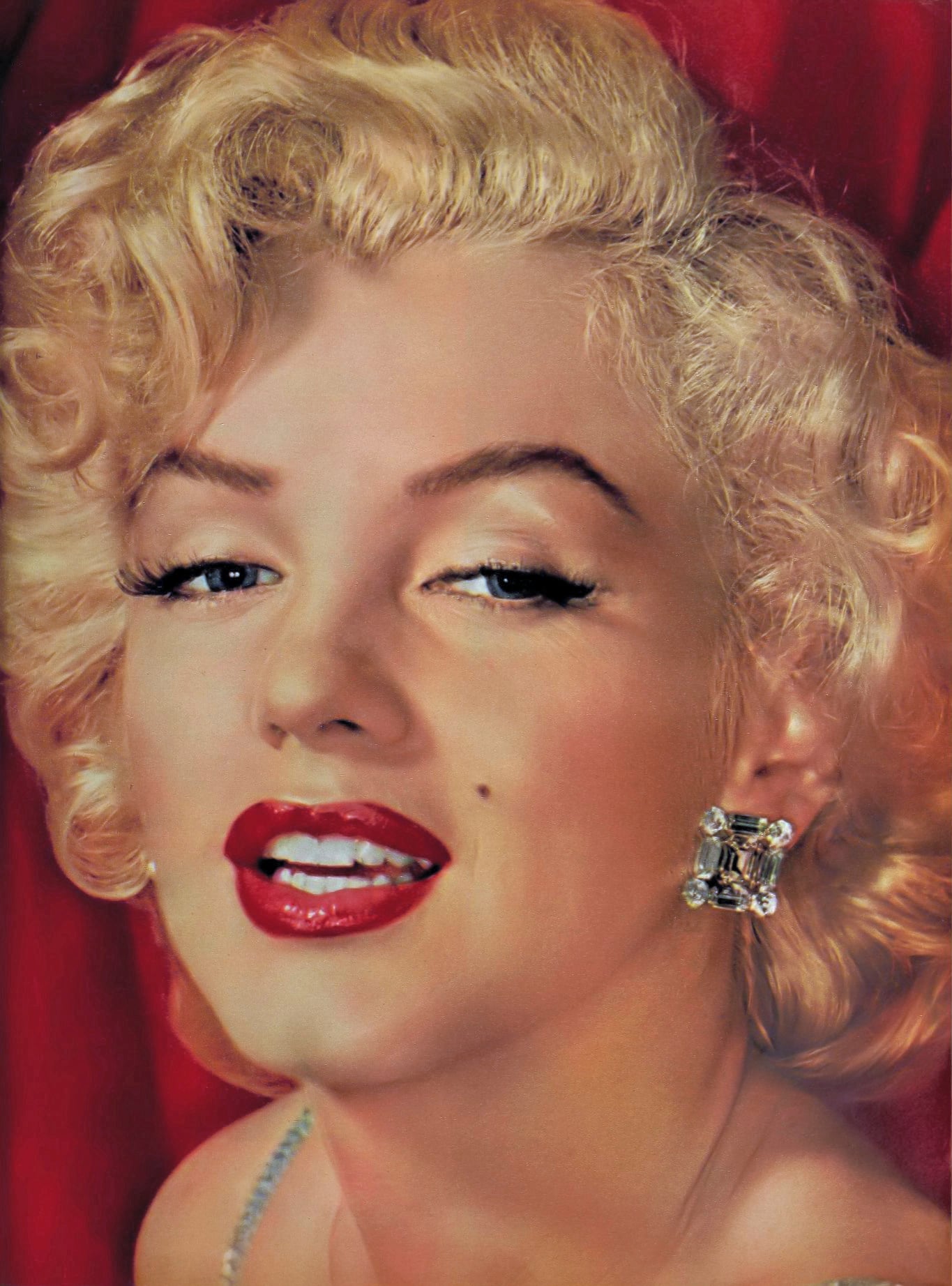
This quote gets attached to Marilyn Monroe all the time, but it actually comes from historian Laurel Thatcher Ulrich. Her original line used the word seldom instead of rarely, and she wrote it in a scholarly article, not as a bold personal statement.
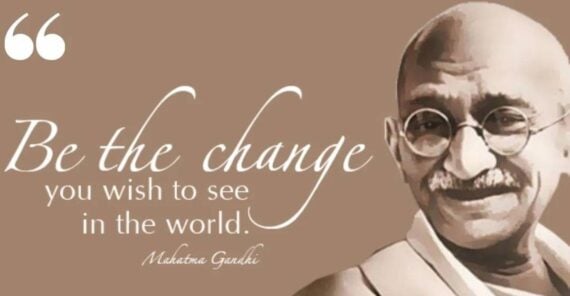
10. “Be The Change You Wish To See In The World”- Mahatma Gandhi
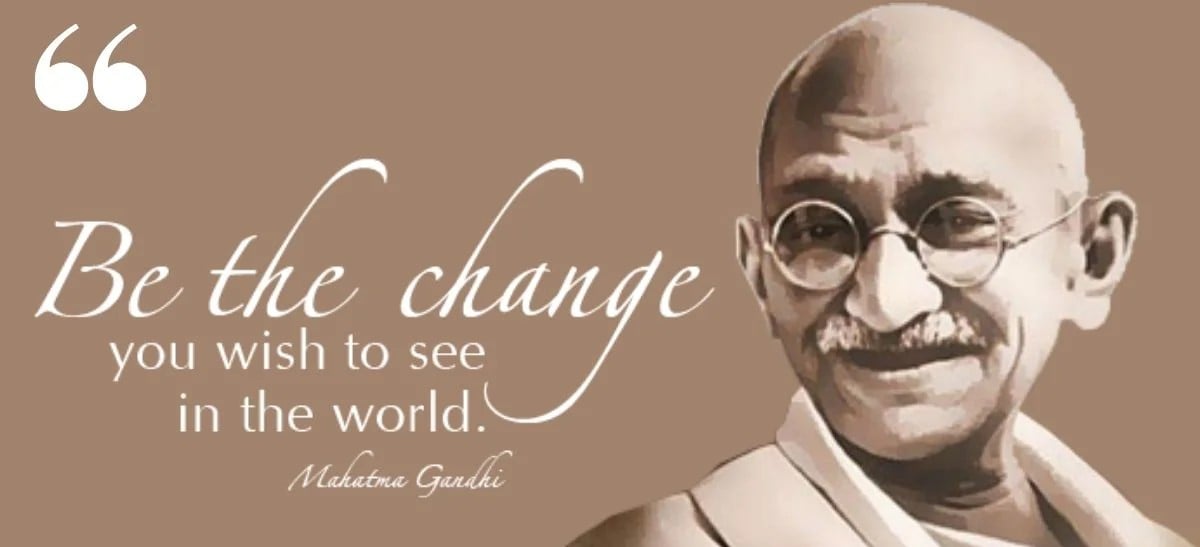
This tidy, quotable version doesn’t actually match anything Gandhi wrote or said. It’s more of a modern summary of his broader philosophy about personal responsibility and social change.
11. “I Disapprove Of What You Say, But I Will Defend To The Death Your Right To Say It”- Voltaire
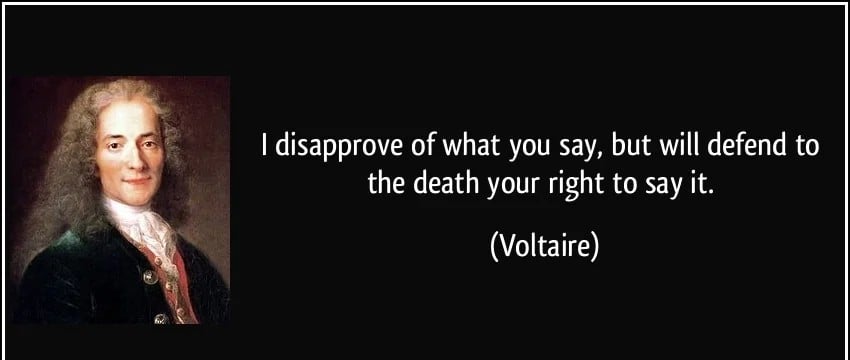
Voltaire gets credit for this famous defense of free speech, but he never wrote it. The line actually comes from Evelyn Beatrice Hall, a biographer who used it to summarize Voltaire’s beliefs in a book she wrote about him.
12. “The Ends Justify The Means”- Machiavelli
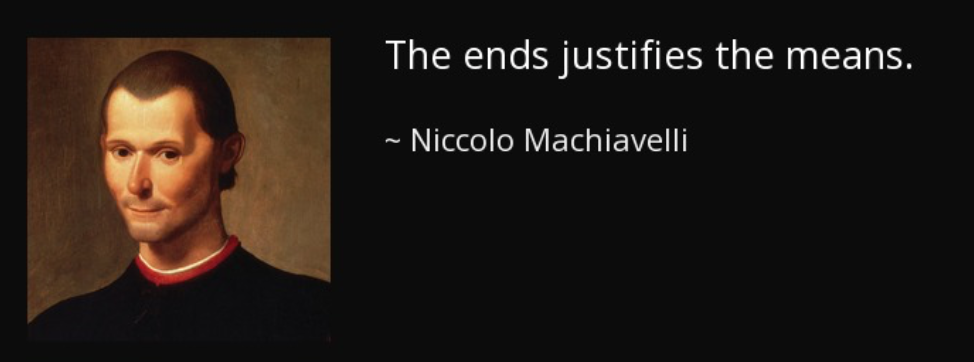
This phrase is used constantly to sum up Machiavelli’s philosophy, but it’s not what he wrote. His actual point was closer to “one must consider the final result,” a more measured statement than the version people usually repeat.
13. “Nice Guys Finish Last”- Leo Durocher
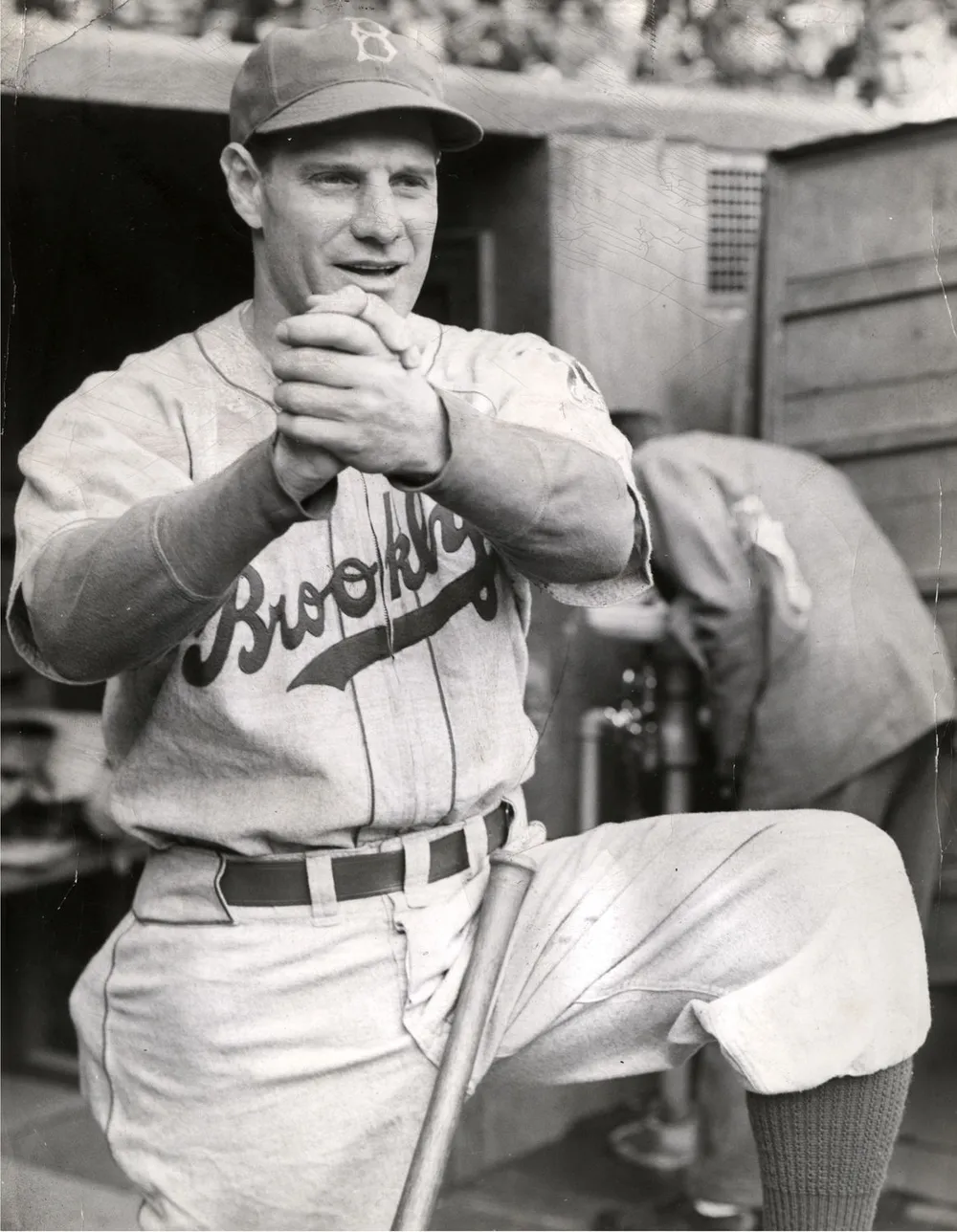
Baseball manager Leo Durocher is often credited with this exact line, but what he really said was longer and more specific, describing a rival team as nice guys who were currently sitting in last place. Over time, it got trimmed into the phrase we know today.
14. “Houston, We Have A Problem”- Apollo 13
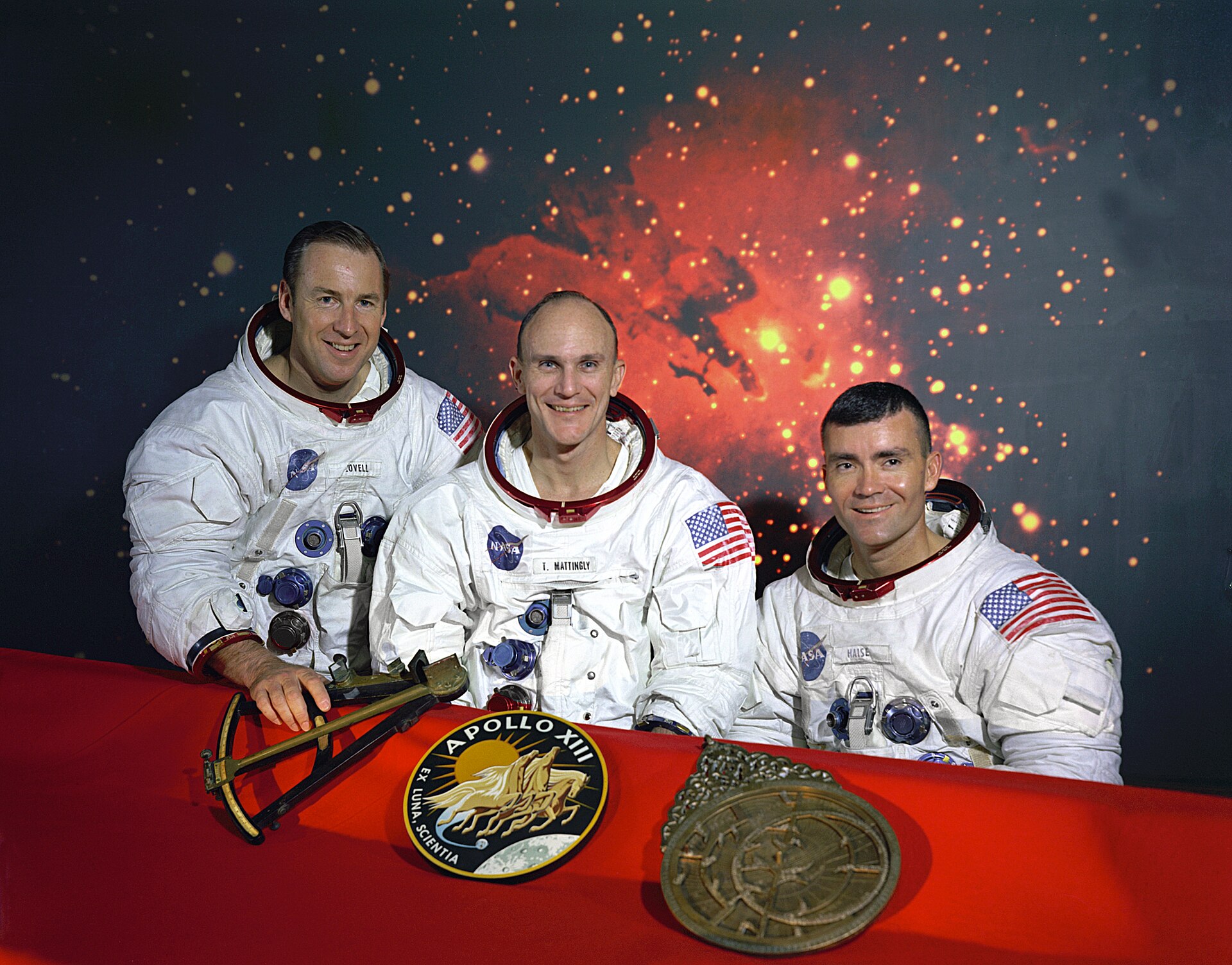
Thanks to the movie, most people believe this is exactly what astronaut Jack Swigert said. The real transmission was “Houston, we’ve had a problem.” Past tense, not present tense, which is a small but meaningful difference.
15. “Blood, Sweat, And Tears”- Winston Churchill
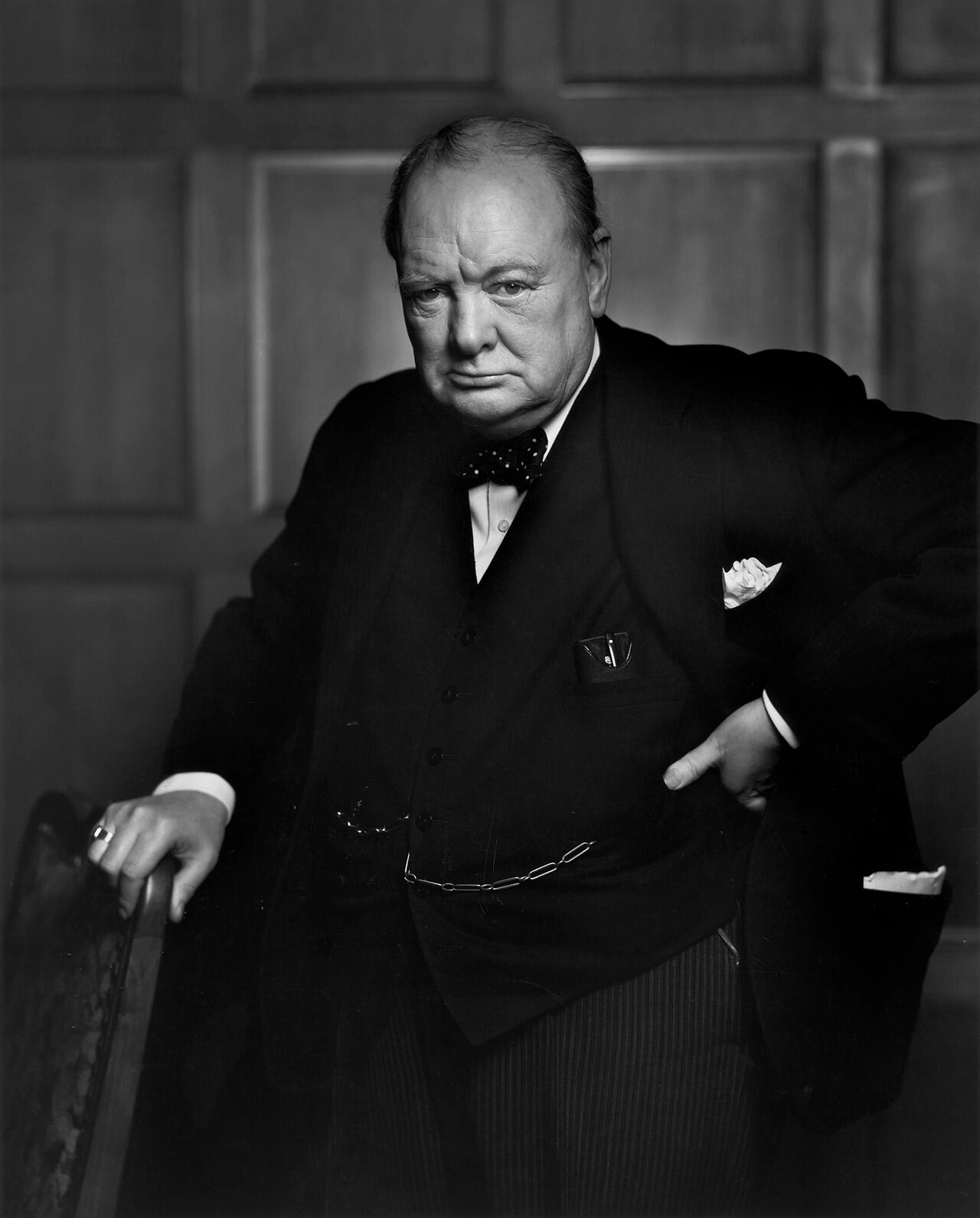
Churchill’s real line from his famous 1940 speech was “I have nothing to offer but blood, toil, tears, and sweat.” Four things, not three, and in a different order. Somewhere along the way, “toil” got dropped and the phrase got shortened for easier quoting.
16. “Mirror, Mirror On The Wall”- Snow White
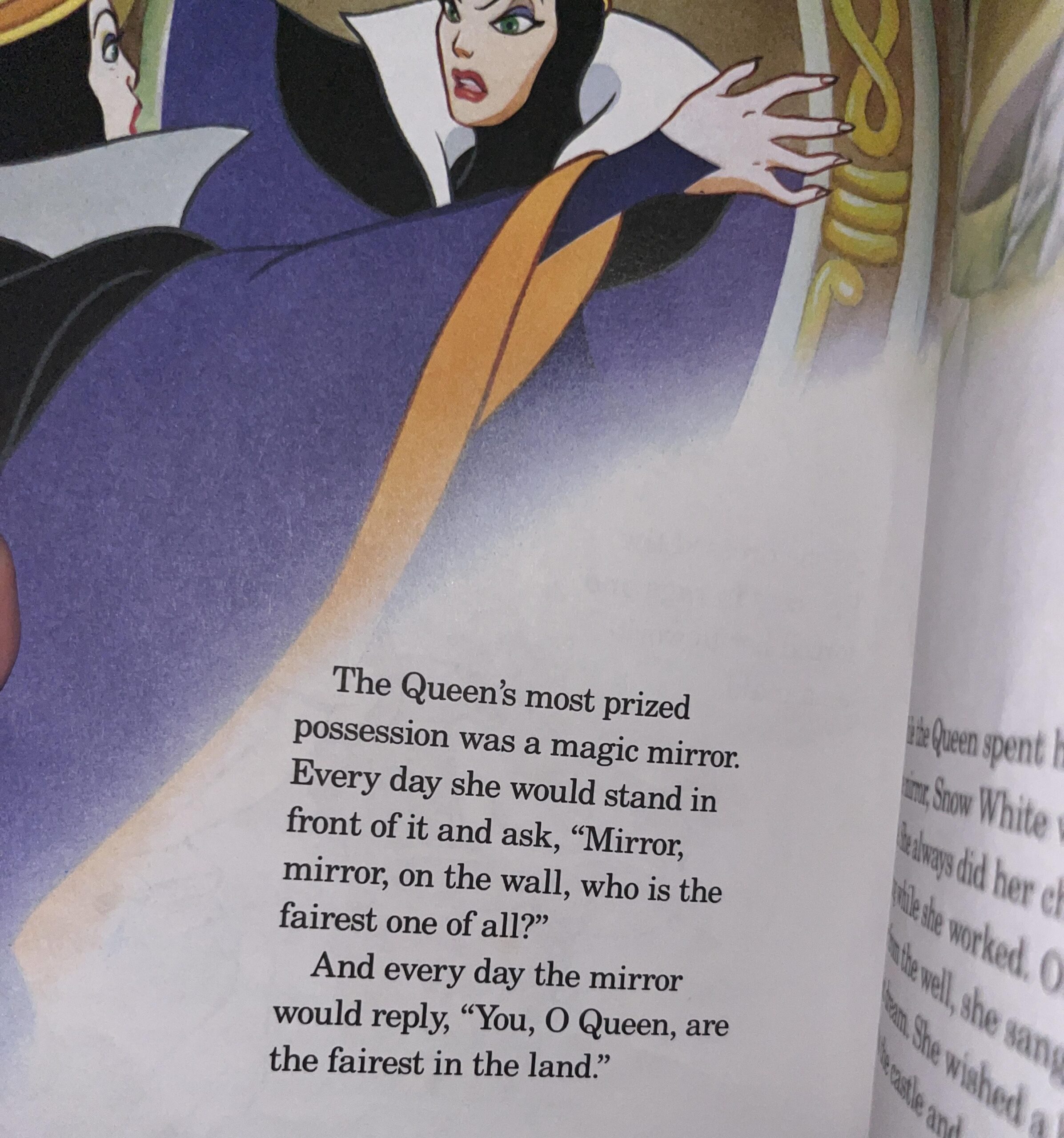
In the original Brothers Grimm fairy tale, the line is “Magic mirror on the wall.” Disney’s 1937 film is often blamed for popularizing the “mirror, mirror” version, which has a nicer rhythm and ended up replacing the original in most people’s memory.
17. “Alas, Poor Yorick! I Knew Him Well”- Hamlet
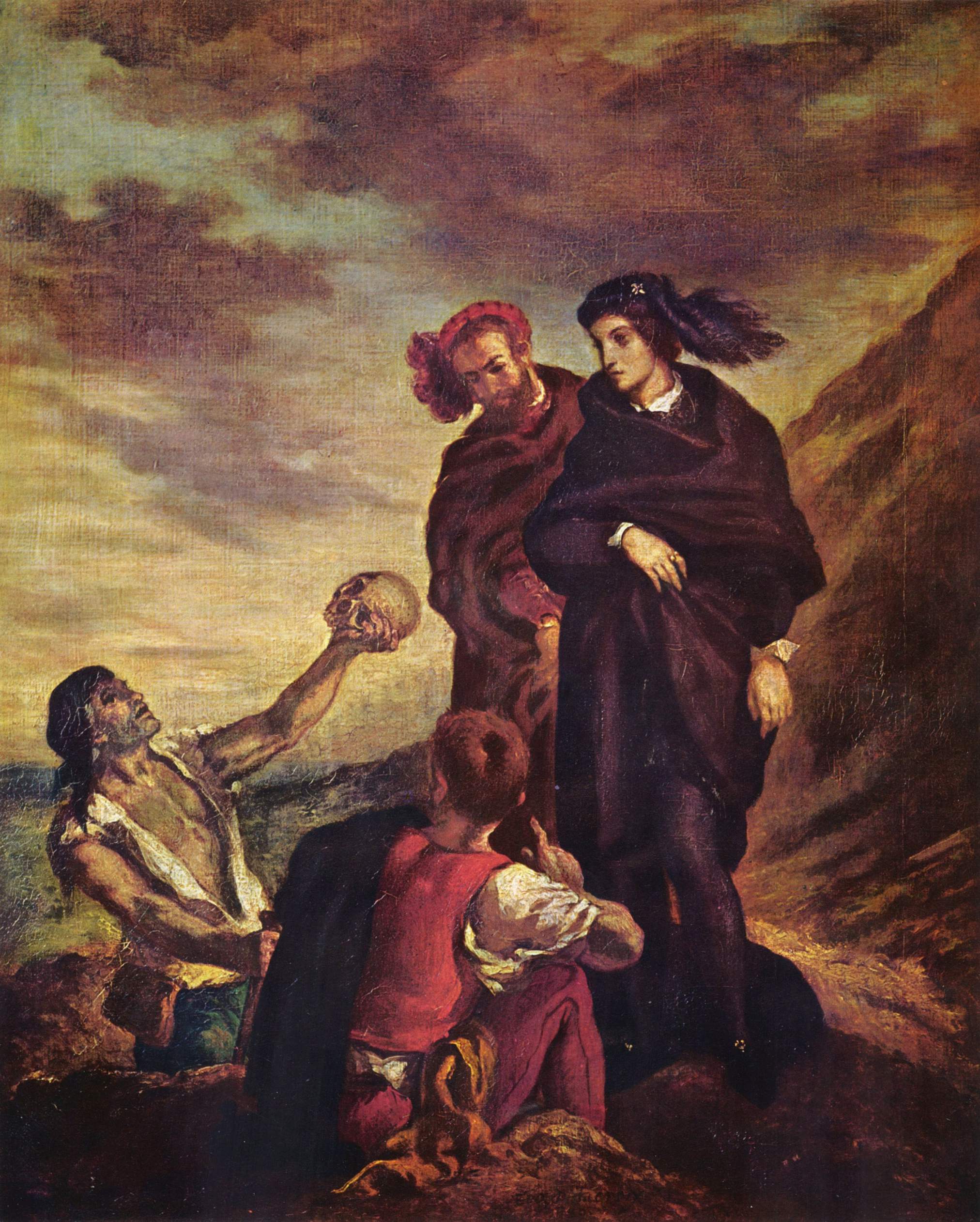
This is one of the most misquoted lines in all of Shakespeare. The real quote continues: “I knew him, Horatio, a fellow of infinite jest, of most excellent fancy.” I knew him well is a much shorter version that somehow became the one everybody remembers.
18. “A Journey Of A Thousand Miles Begins With A Single Step”- Lao Tzu
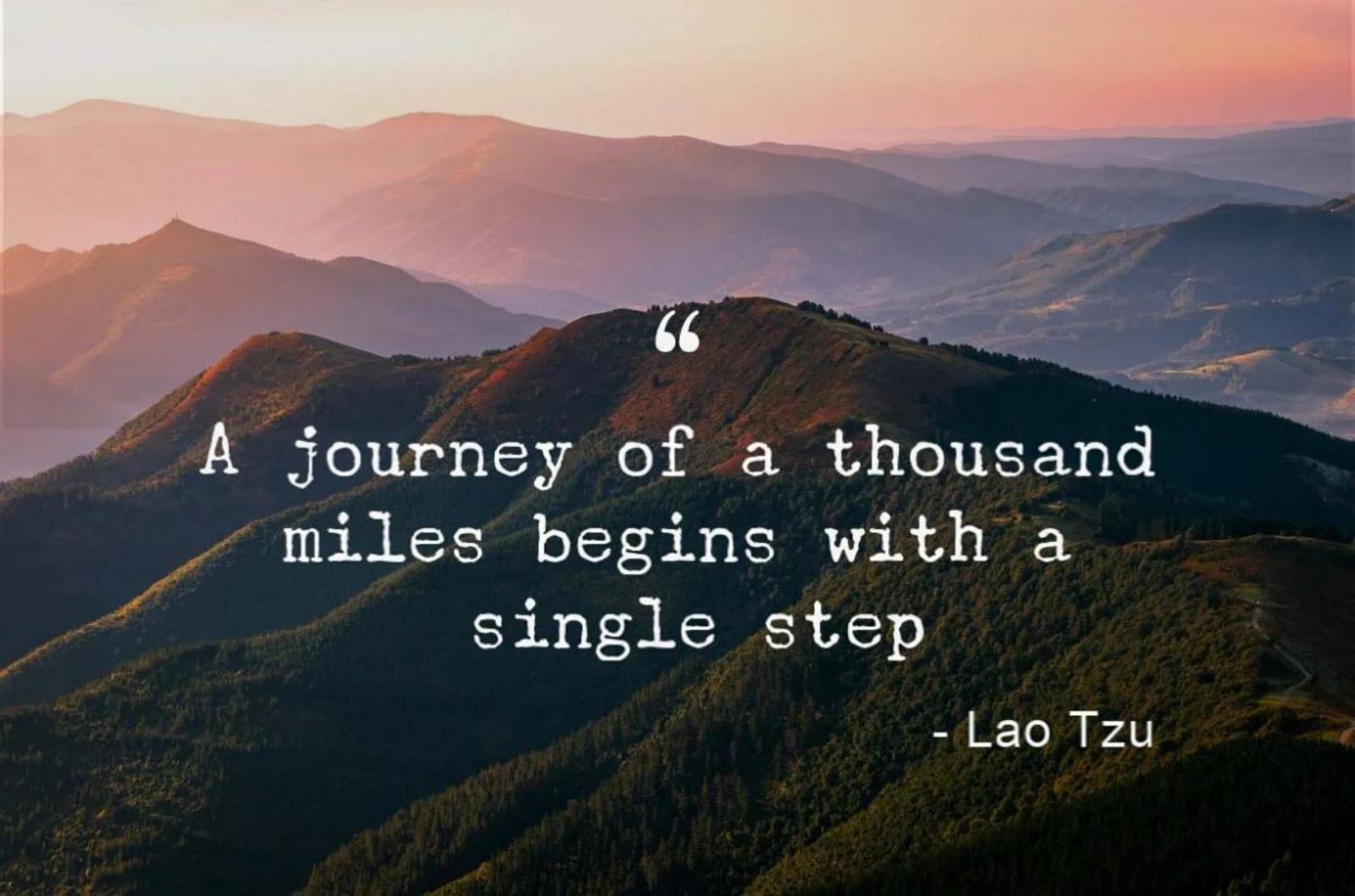
This one is close to the spirit of the original, but translations vary quite a bit. Some scholars point to versions that measure the journey differently, since the phrase comes from ancient Chinese text and has passed through many translators over the centuries.
19. “Survival Of The Fittest”- Charles Darwin
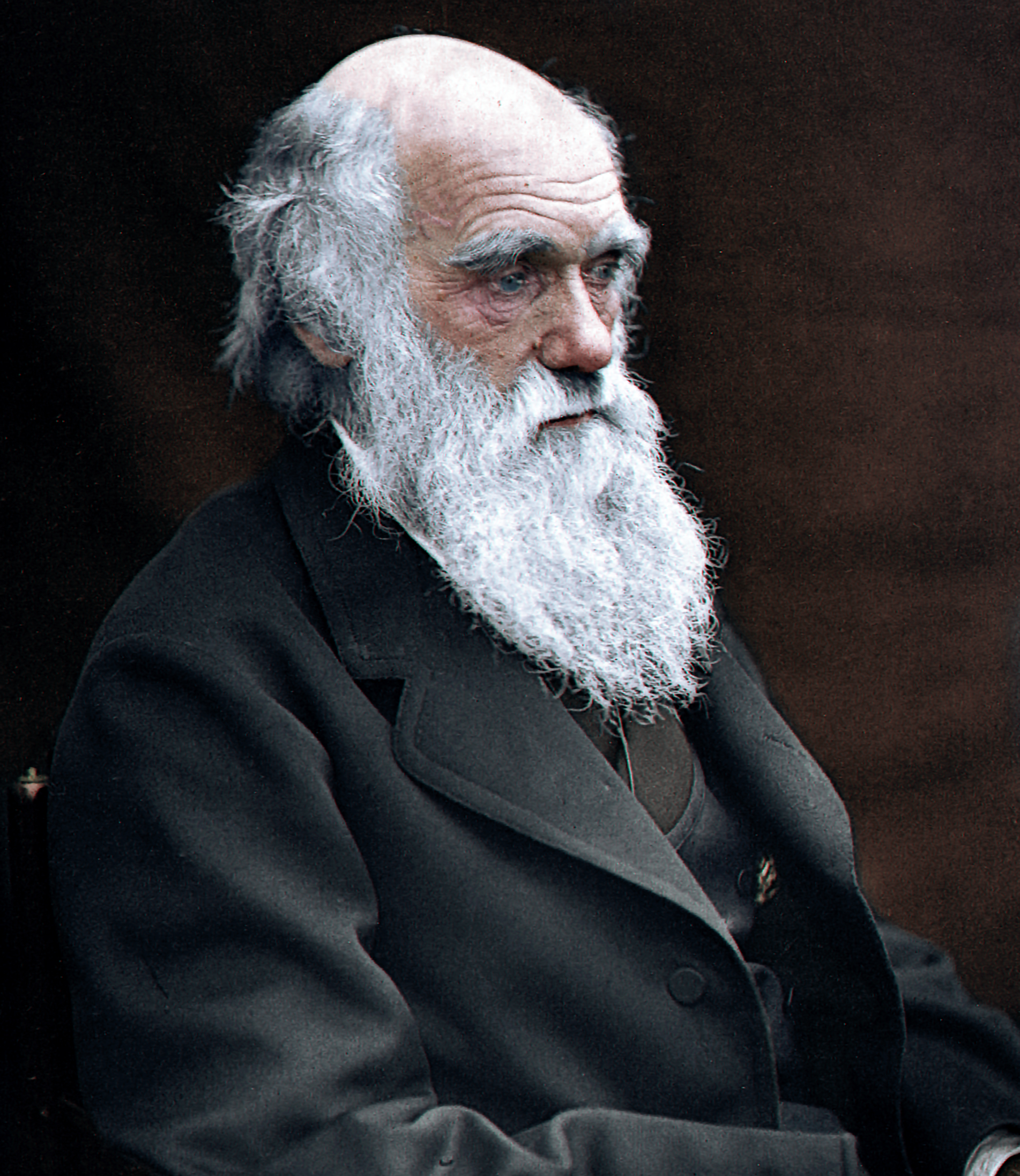
Darwin is closely associated with this phrase, but he didn’t coin it. It was philosopher Herbert Spencer who first used the term, after reading Darwin’s work. Darwin later adopted the phrase in later editions of his writing.
20. “First They Ignore You, Then They Laugh At You, Then They Fight You, Then You Win”- Credited to Mahatma Gandhi
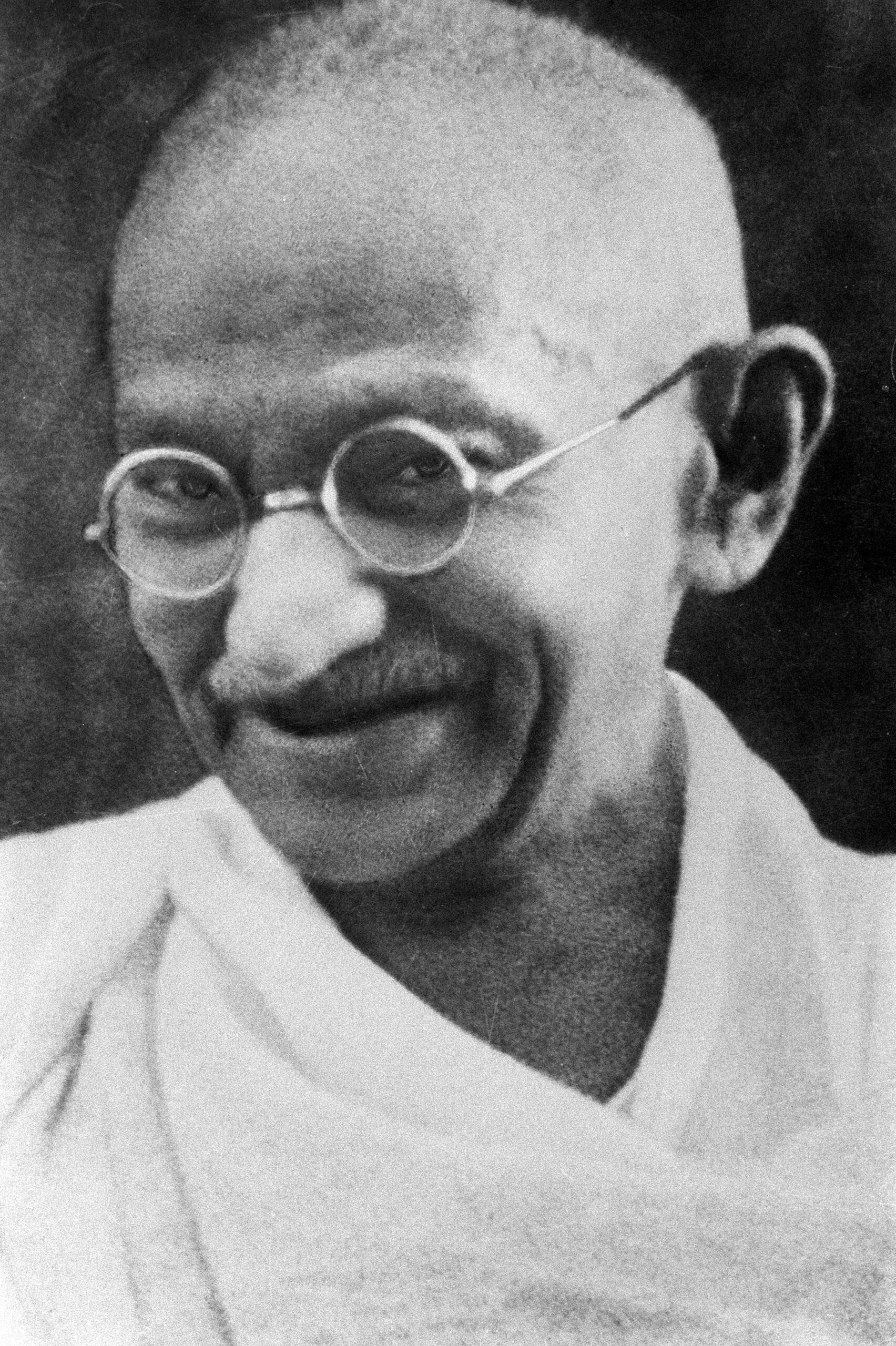
This motivational line gets attributed to Gandhi constantly, but there’s no evidence he ever said it. It’s widely believed to be a modern paraphrase of a much older labor speech, and the original wording was noticeably different, referring to being ridiculed and attacked rather than laughed at and fought.
Interested in more similar content?
For more words of wisdom that stand the test of time, check out these 11 Walt Disney quotes that prove imagination and courage never go out of style. Movie buffs will also want to revisit the 14 greatest movie quotes of all time, from Casablanca to The Terminator. And for a dose of real-world motivation, don’t miss 10 quotes from Oprah Winfrey on chasing purpose and building lasting success.