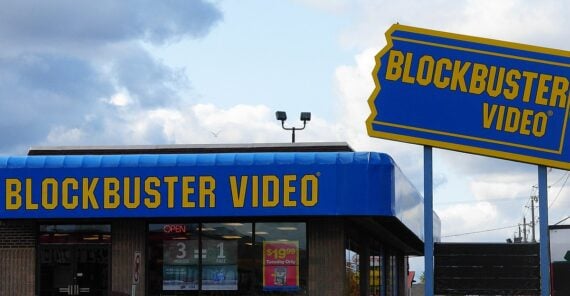
The 1990s feel like they happened five minutes ago and also a full lifetime ago. Maybe it’s because so much of what defined the decade has been replaced by things so different that looking back almost feels like visiting another planet. If you lived through it, the details come rushing back the second someone mentions a Blockbuster membership card, for instance.
What’s wild is how much changed in just ten years, and how normal it all felt at the time. Nobody thought twice about programming a VCR or memorizing a friend’s number. Looking back now, though, those everyday habits seem almost impossibly quaint. Here are 14 facts about the 1990s that’ll have you doing the math on just how long ago that really was.
1. The World Wide Web Was Basically Brand New
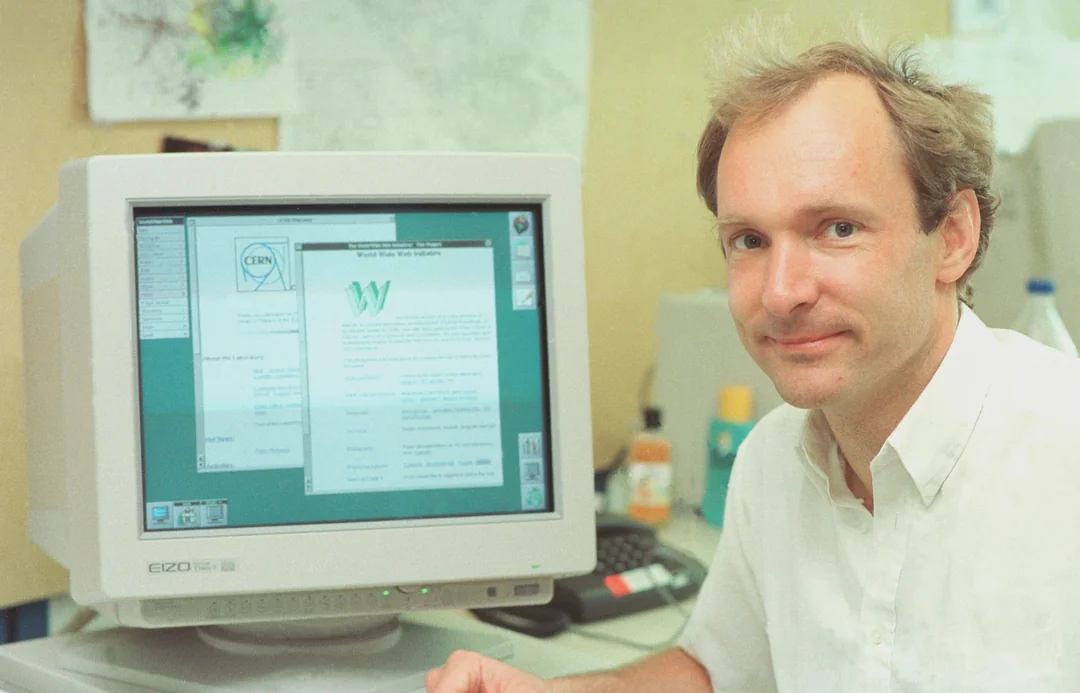
The web, as most people experienced it, didn’t really take off until the early ’90s, and for much of the decade, “going online” meant listening to a screechy dial-up modem handshake before you could do anything. Entire households would share one phone line and internet connection, meaning someone picking up the phone could knock you offline.
2. Blockbuster Was Everywhere
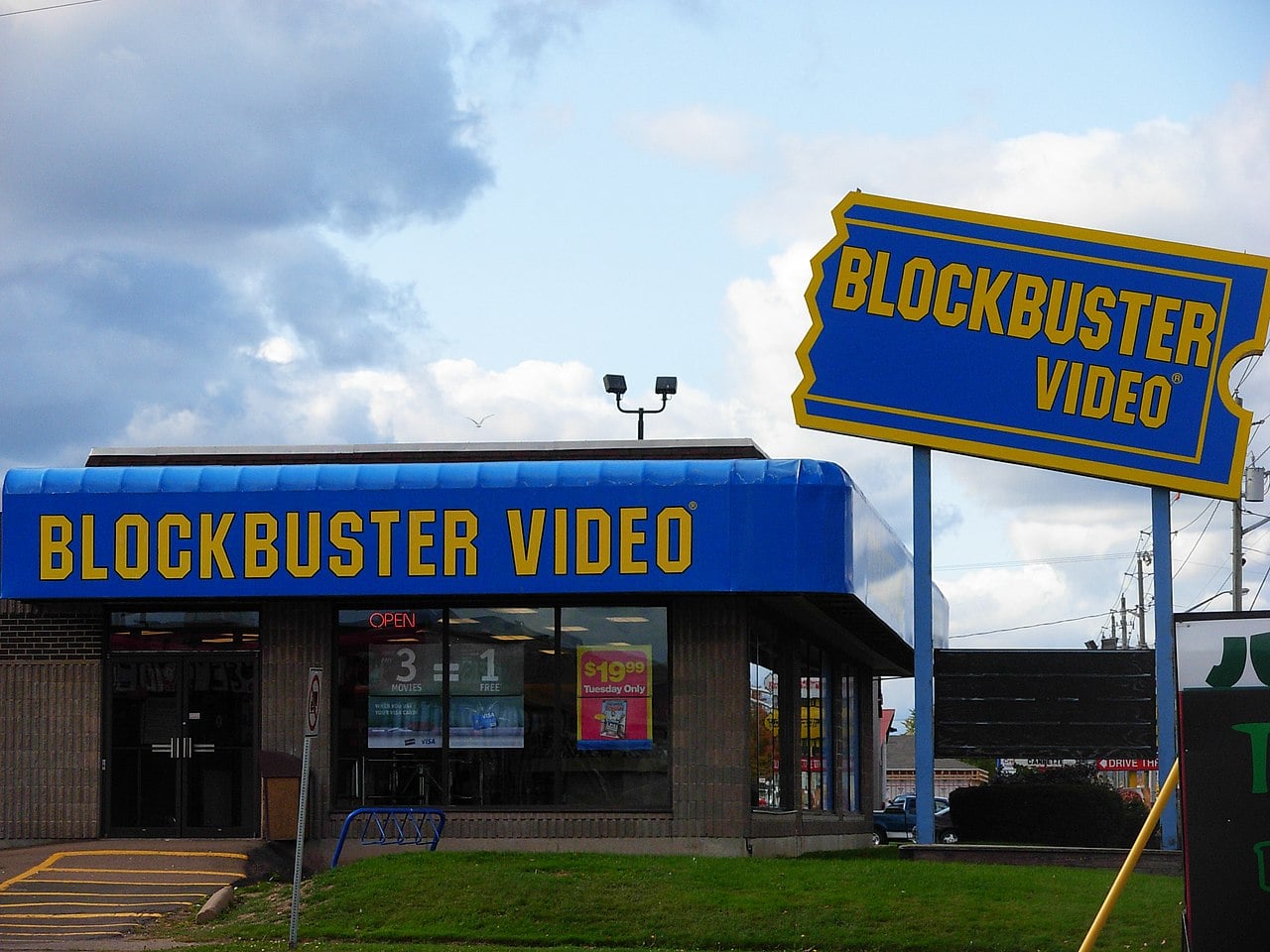
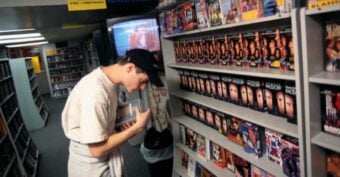
At its peak, Blockbuster had thousands of stores across the country, and Friday night wasn’t complete without a trip down the New Releases aisle. Renting a movie meant actually leaving the house and hoping the copy you wanted wasn’t already checked out.
3. Pagers Were the Original Text Message
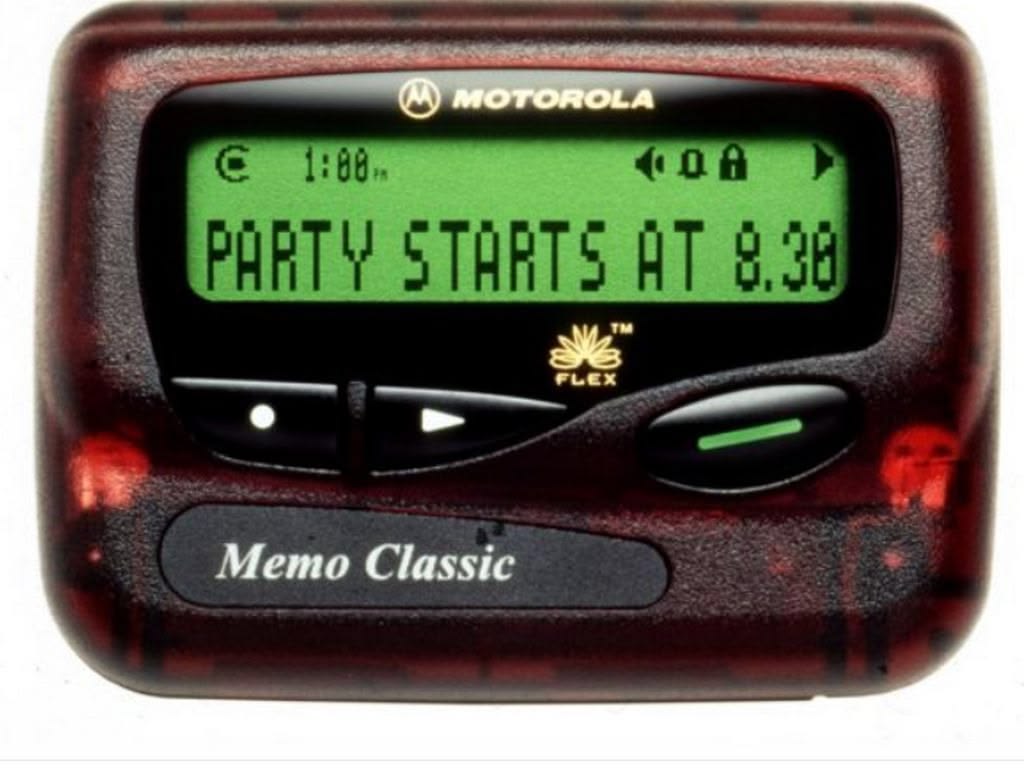
Before everyone had a cell phone, plenty of people carried pagers. Getting “beeped” meant finding the nearest payphone to call someone back, and kids got creative spelling out numeric codes like 143 for “I love you.”
4. Cassette Tapes Were Still King
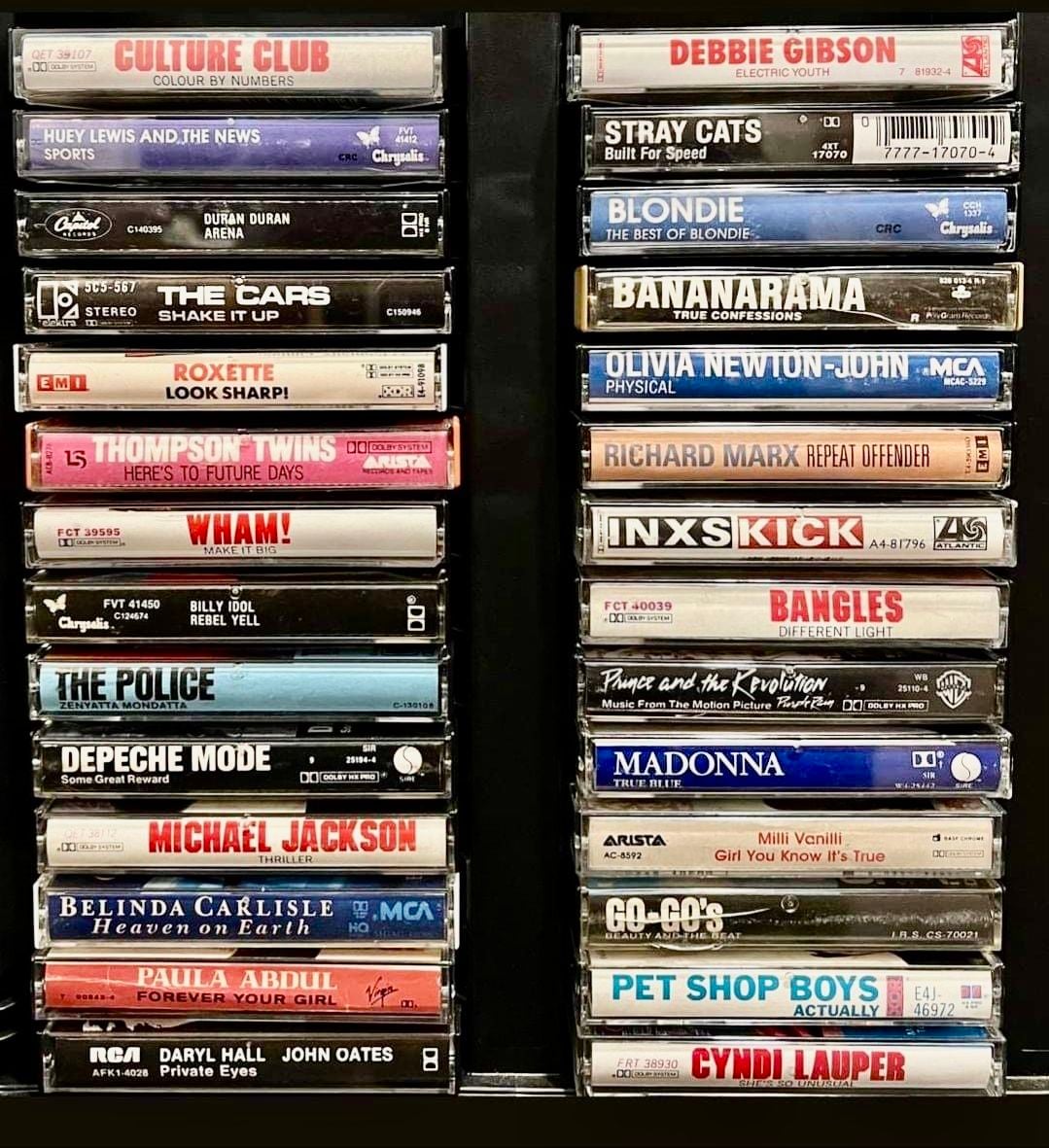
CDs were on the rise, but plenty of people were still making mixtapes well into the decade, carefully timing themselves to hit record the second their favorite song came on the radio. Boomboxes and Walkmans ruled, and rewinding a tape with a pencil was a skill everyone knew.
5. TV Had to Be Watched Live
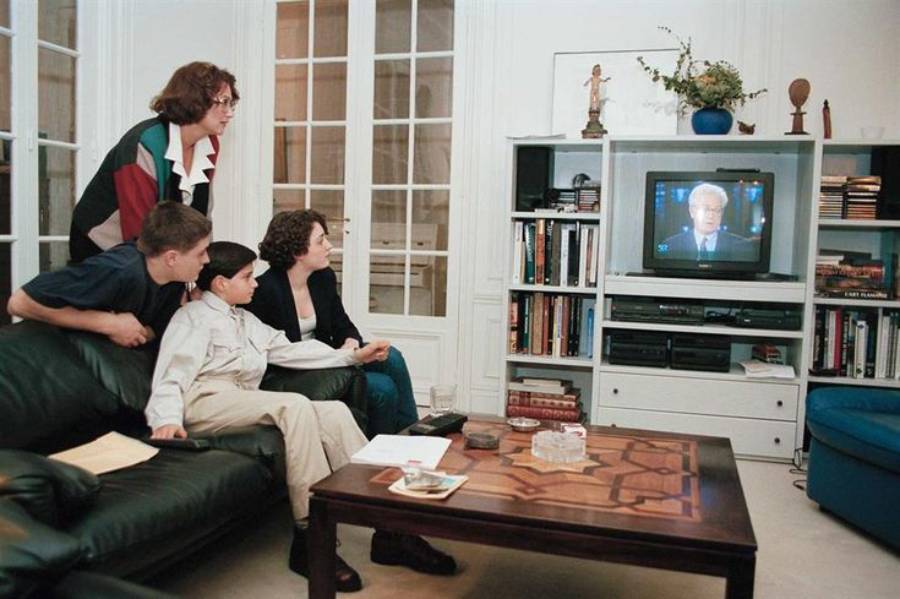
There was no streaming, no DVR, and no pausing live TV. If you wanted to catch your favorite show, you had to be in front of the television when it aired, or you’d have to wait for reruns. This is part of why “must-see TV” nights like NBC’s Thursday lineup became such a big cultural event.
Trending on Wealth Gang
6. Phone Numbers Actually Had to Be Memorized
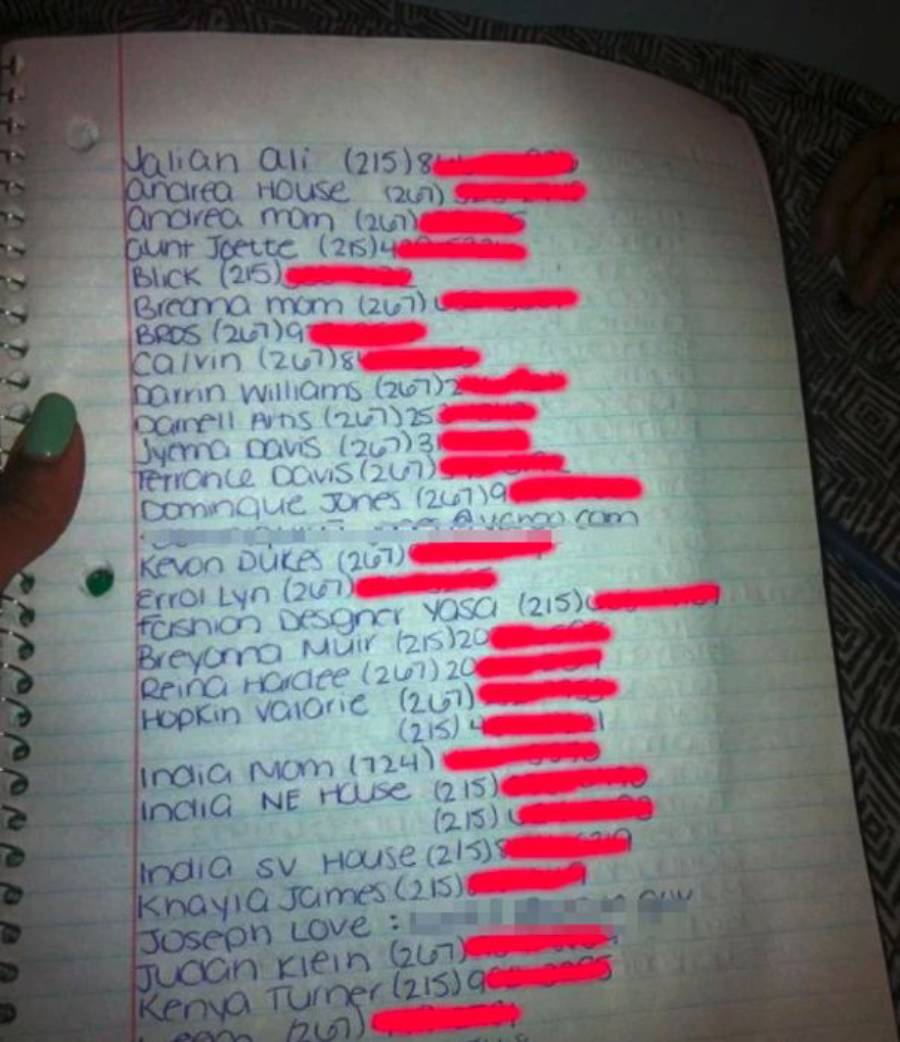
With no smartphones to store contacts, people just knew phone numbers by heart. Losing a paper address book was a genuine crisis, since there was no backup copy.
7. The Original Nintendo Game Boy Ran on AA Batteries
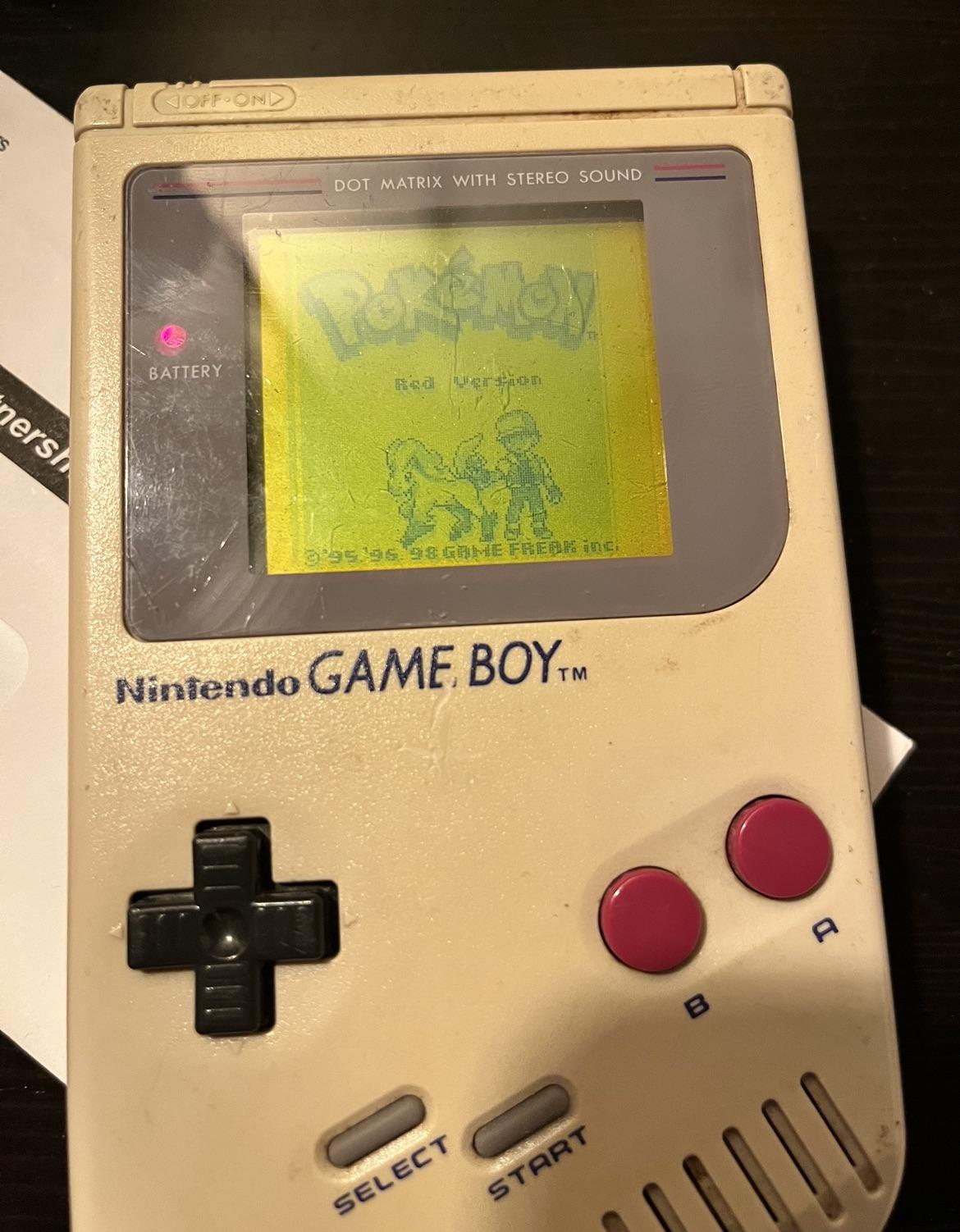
Handheld gaming meant carrying a backpack of AA batteries, since the original Game Boy could chew through a set in just a few hours. There was no rechargeable battery, no screen backlight, and definitely no wifi.
8. Gas Was Under $1.20 a Gallon
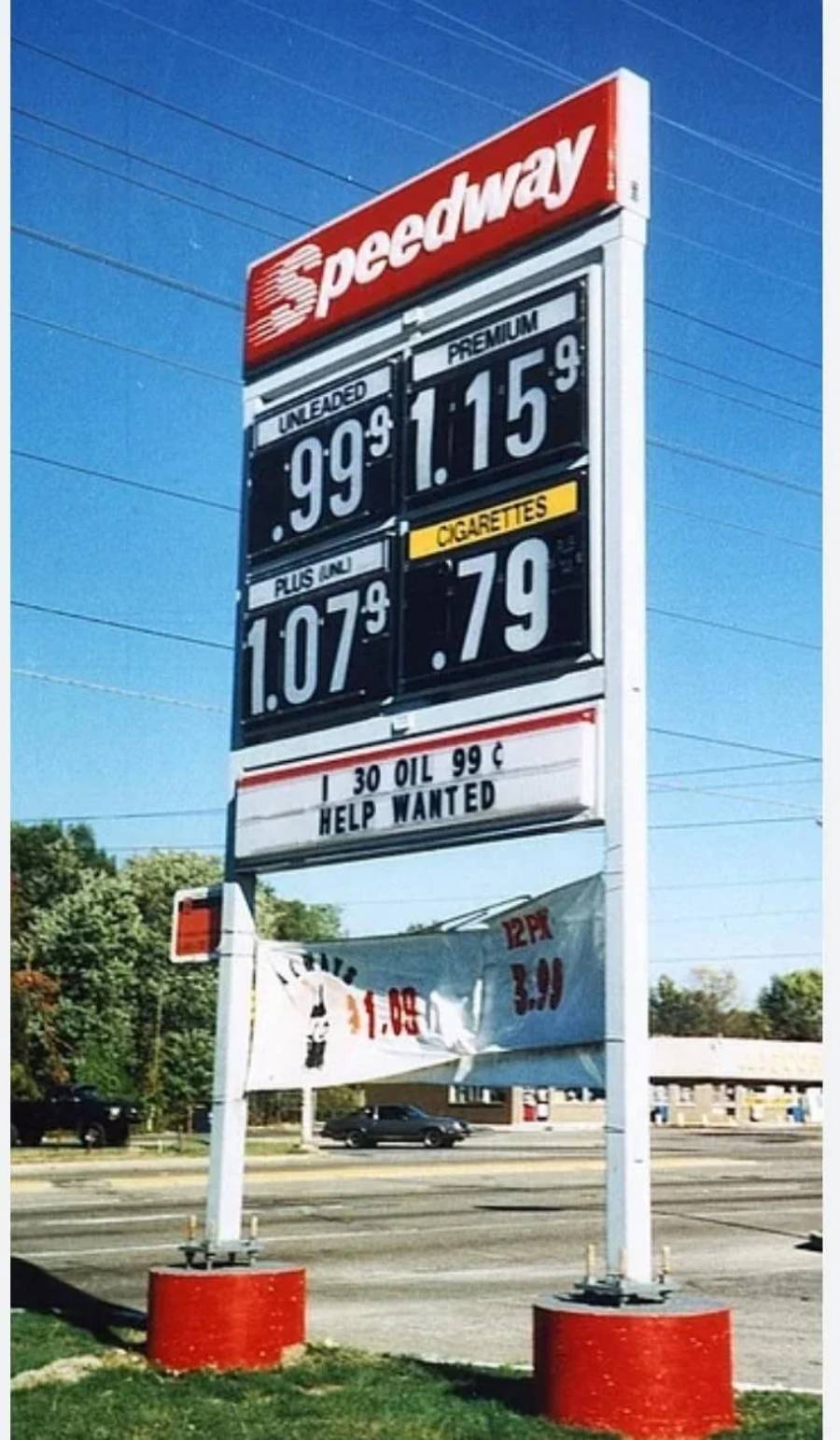
For most of the decade, the average price of gas in the U.S. hovered around a dollar or above. It’s a jaw-dropping number by today’s standards, and it made road trips a much more spontaneous decision.
Sign up for our newsletter
9. The Macarena Was Everywhere
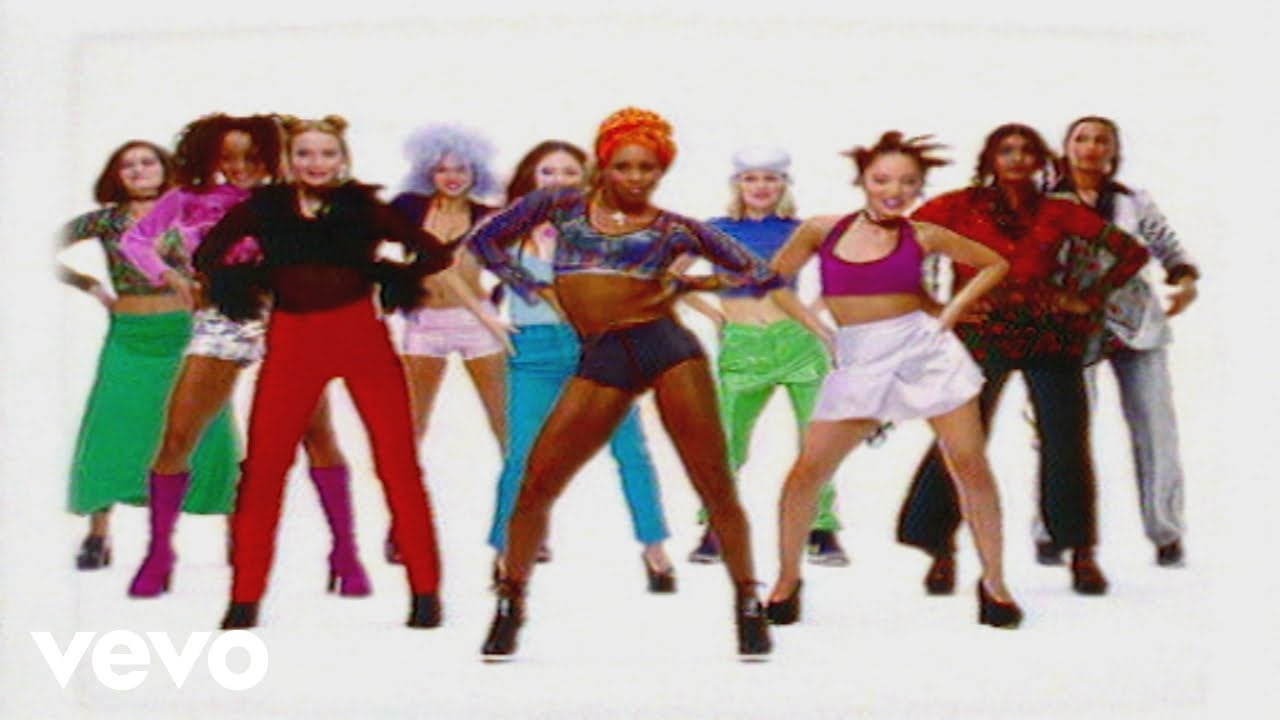
For a solid stretch of the decade, it was almost impossible to go to a wedding or school dance without hearing “The Macarena.” The dance became such a phenomenon that it topped the Billboard charts and got performed at the 1996 Democratic National Convention.
10. Encyclopedias Were a Household Investment
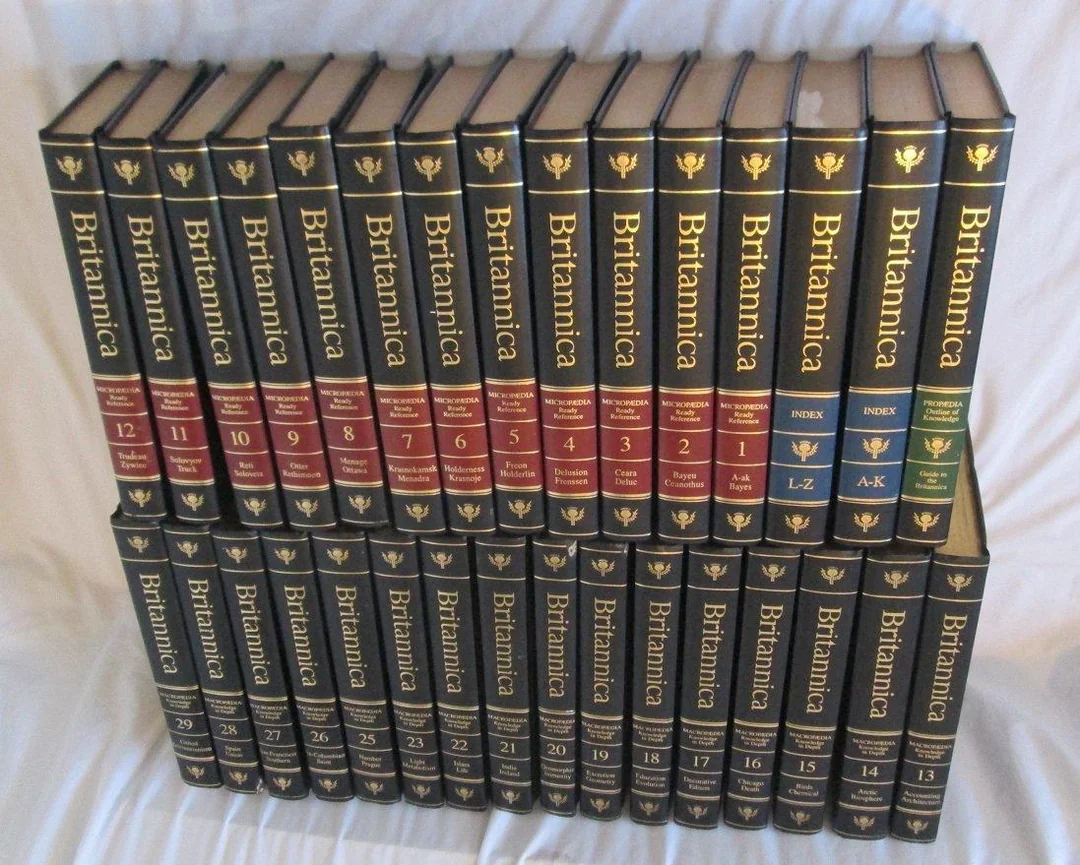
Before Wikipedia, families actually bought full encyclopedia sets, sometimes on a payment plan, to help kids with homework and school reports. A complete set could take up an entire shelf, and updating it meant buying a whole new edition.
11. Beepers & Slap Bracelets Were Serious Status Symbols
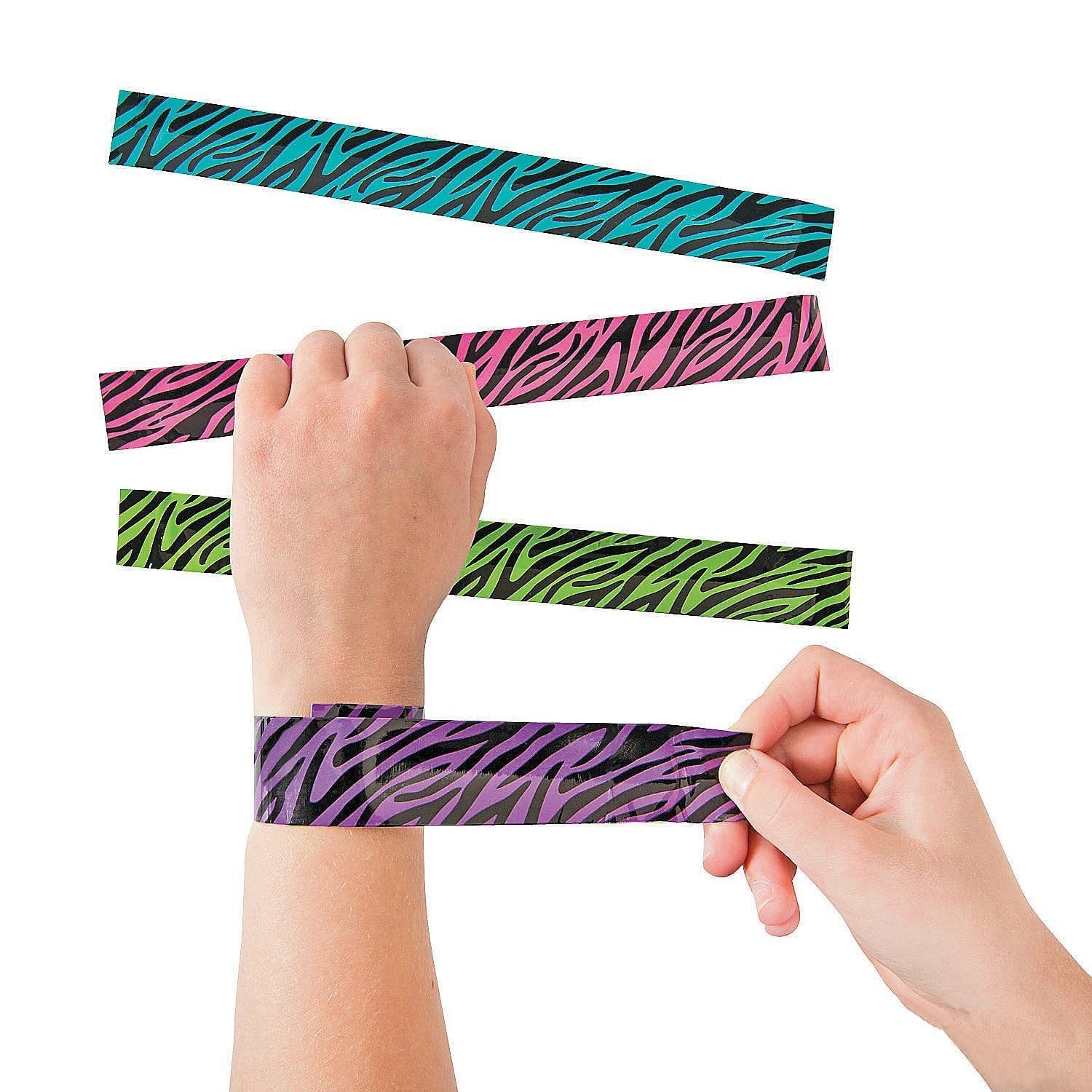
Trends moved fast, and owning the right accessory could make or break a kid’s social standing. Many schools eventually banned them because they were too distracting in class.
12. Long Distance Calls Cost Extra
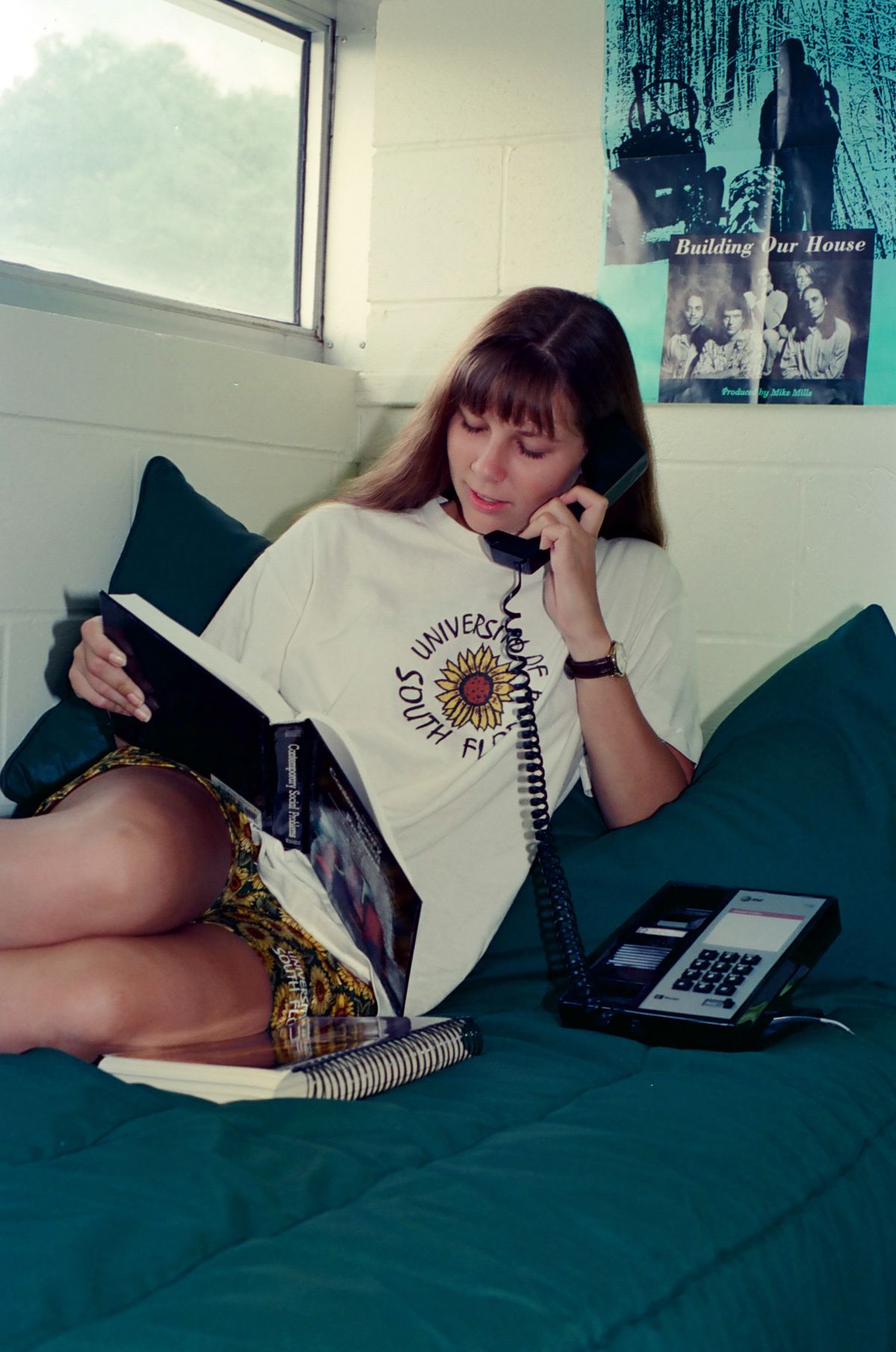
Calling a friend or relative who lived outside your local area code wasn’t free; it usually came with an added charge on the phone bill. Families would sometimes wait until after 9 p.m. or on weekends when rates dropped to make those calls, turning a simple chat into a scheduled event.
13. Y2K Fears Were Very Real
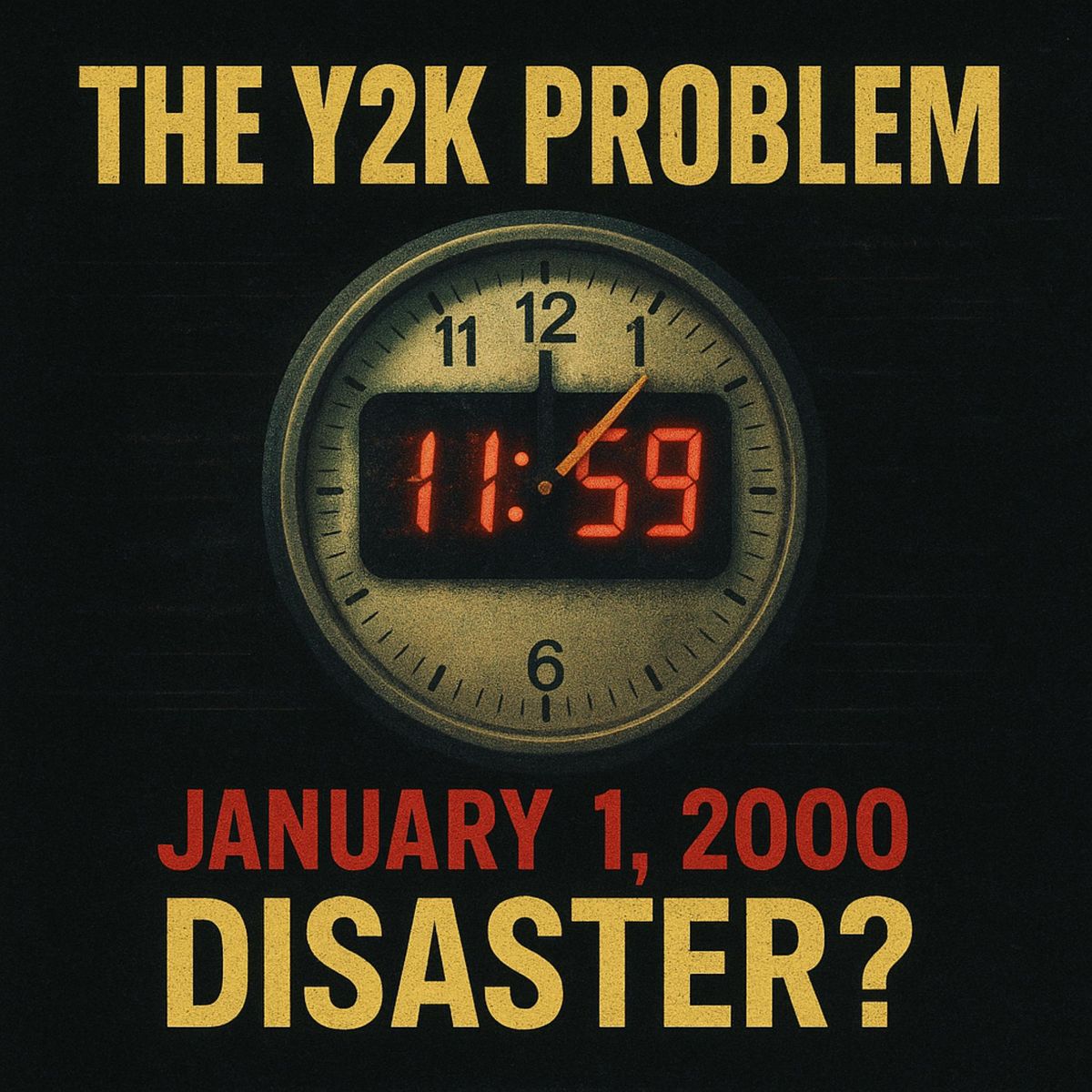
A genuine wave of anxiety spread about what would happen when computers rolled over from 1999 to 2000. Some people stocked up on canned food and cash, worried that banks, power grids, and airplanes might all fail at midnight. When the clock struck twelve, and nothing happened, it became one of the most talked-about events in modern history.
14. The Original iMac Was Not Launched Until 1998
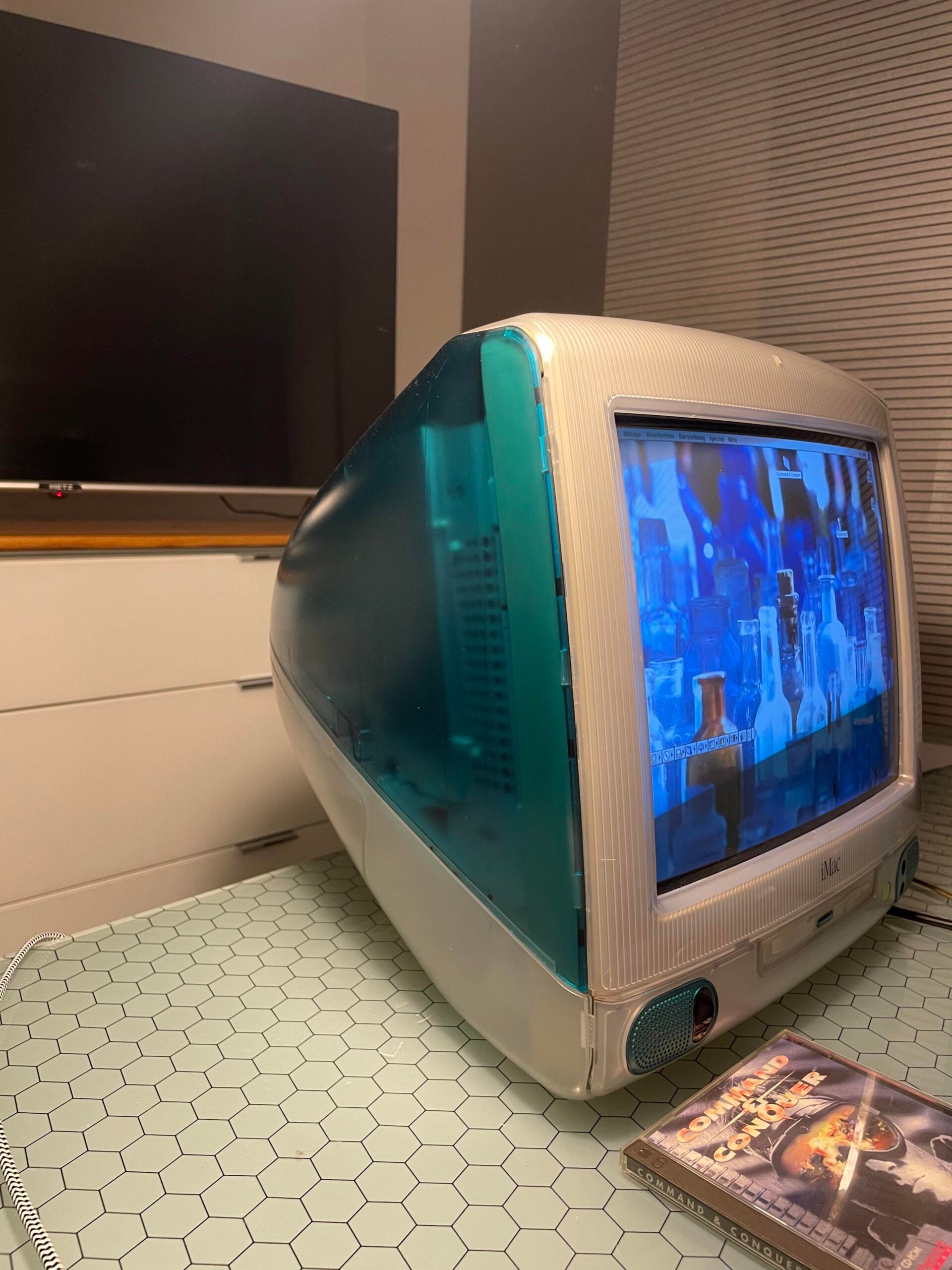
Apple’s colorful, all-in-one iMac didn’t hit shelves until near the very end of the decade, and it was considered revolutionary. Before that, most home computers were bulky beige boxes that took up half a desk.
Interested in more 90´s content?
Check out 16 Purchases That Felt Affordable in the 1990s but Seem Like Luxuries Today for a look at just how far a paycheck used to stretch. Then see which famous faces from the decade turned their fame into real fortune in 13 TV Stars From the 1990s Who Quietly Built Lasting Wealth. And for a trip back to cereal bowls and cartoons, revisit 12 TV Shows That Defined Saturday Mornings in the 1990s