Ten years ago, grocery shopping meant a paper list, a cart, and a walk down every aisle. Today it looks completely different. Phones, apps, and delivery services have changed almost every part of the process, from how we plan meals to how we pay at checkout.
Some of these changes infiltrated slowly. Others happened almost overnight, especially once curbside pickup and delivery became normal parts of daily life. Take a look at 12 ways the grocery store experience has shifted over the past decade.
1. Online Ordering
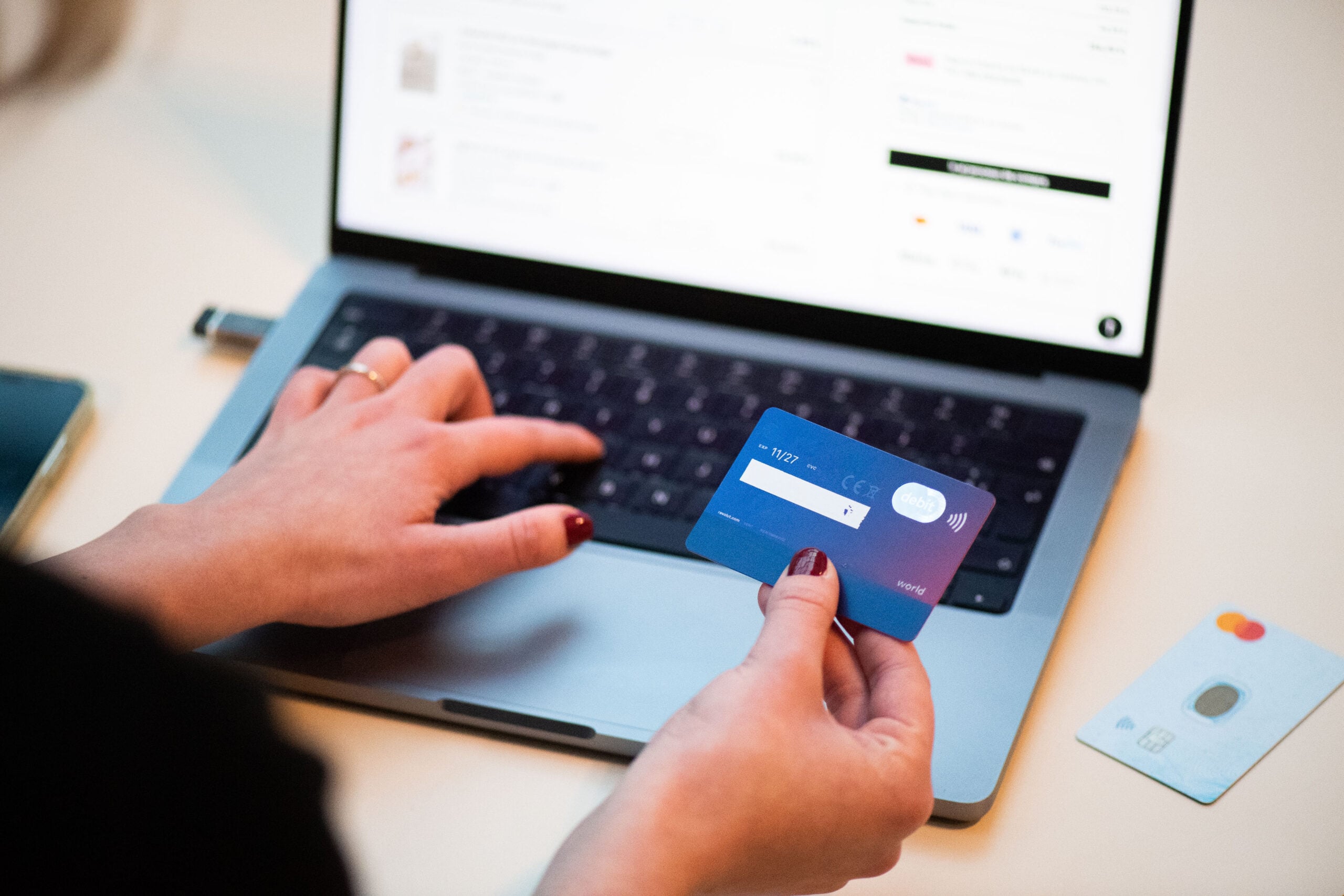
Ten years ago, ordering groceries online felt new and a little unusual. Now it’s just part of the routine for millions of shoppers. Most big chains offer a website or app where you can build a full cart without walking into the store.
2. Curbside Pickup Took Off
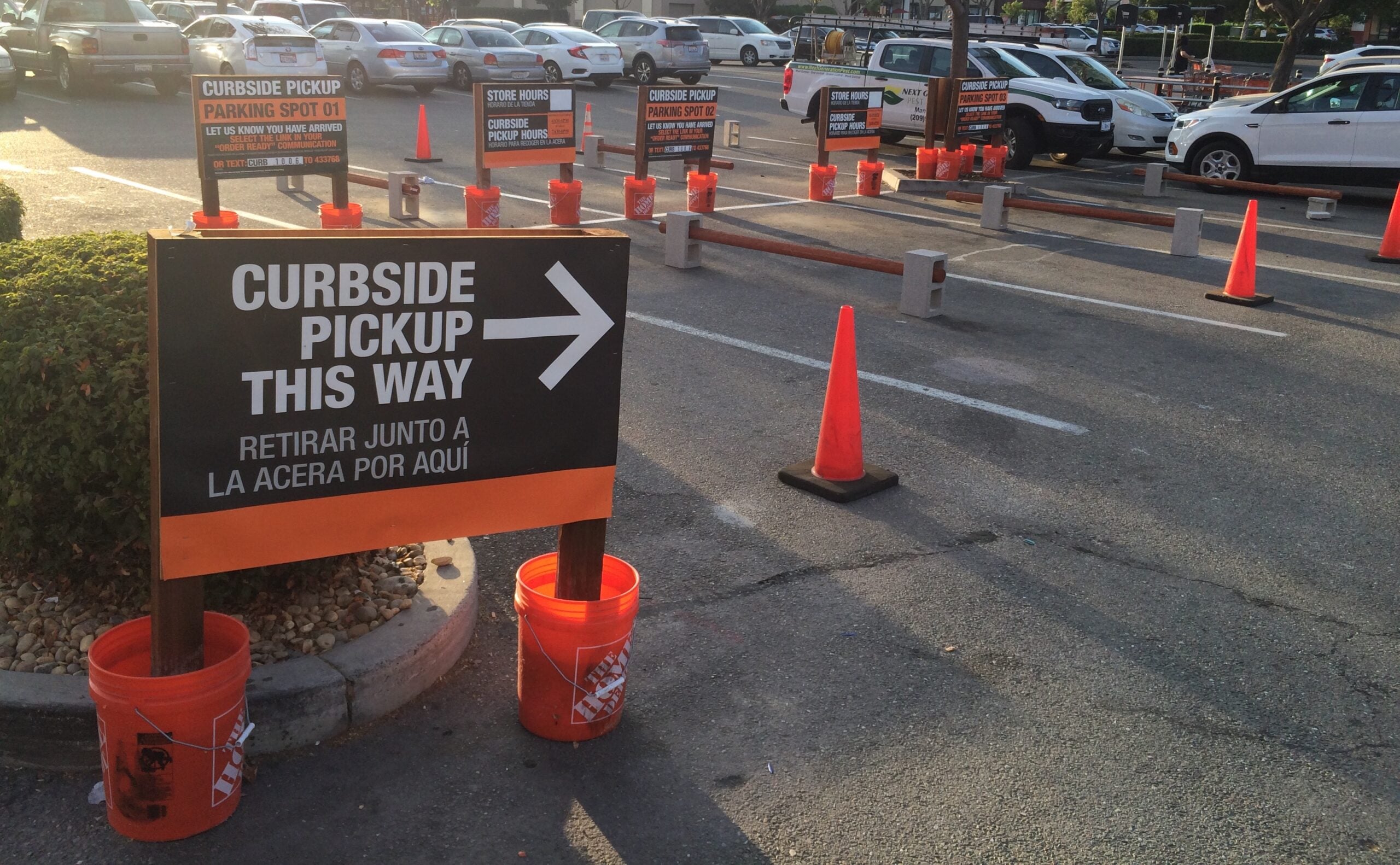
Curbside pickup barely existed a decade ago. Now it is one of the most popular ways to shop. You order online, drive to the store, and an employee loads your bags into the trunk.
3. Delivery Apps
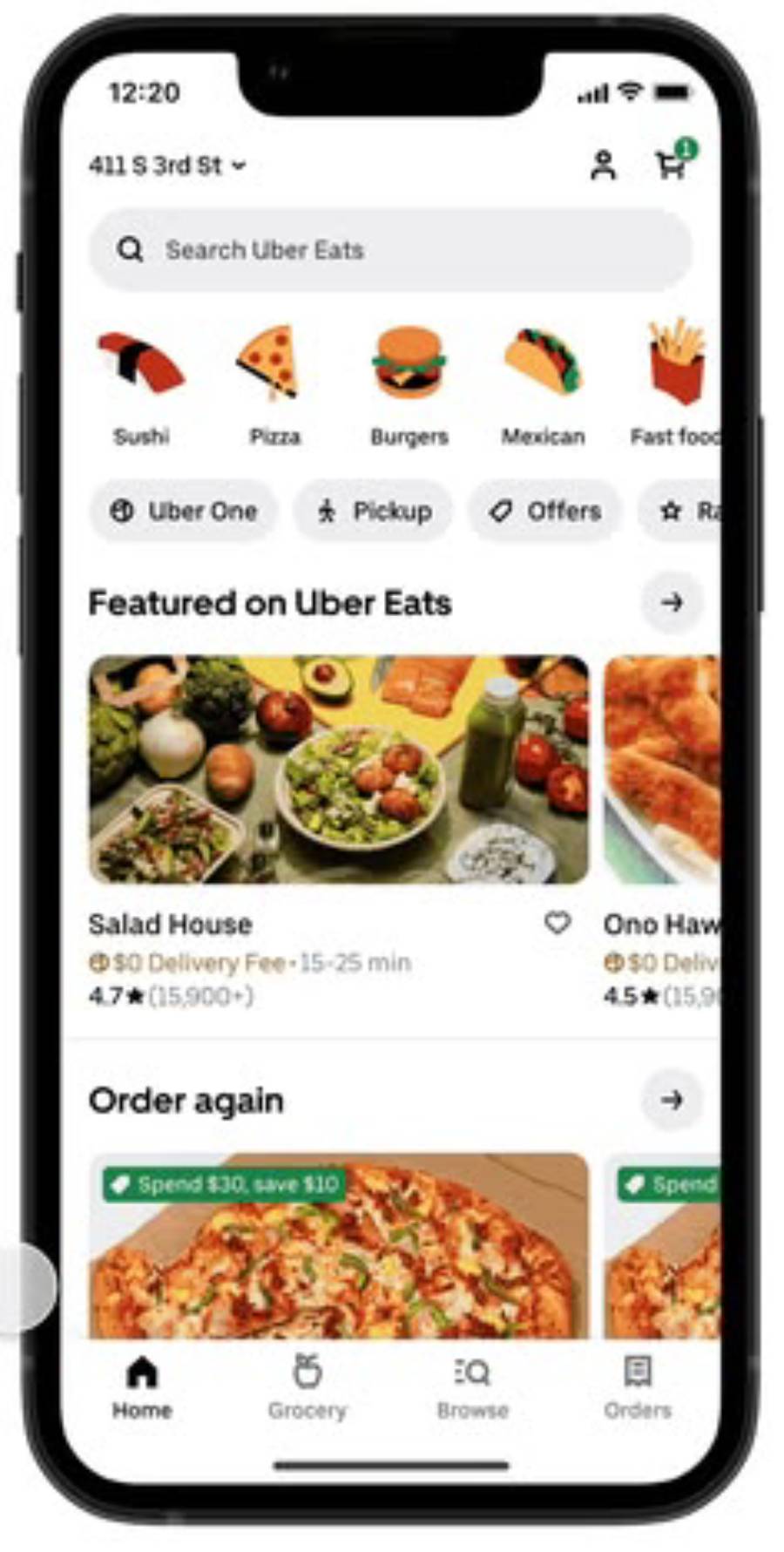
Services like Instacart brought grocery delivery to almost every zip code. What used to be a luxury for busy families is now something anyone can use with a few taps on their phone.
4. Self-Checkout
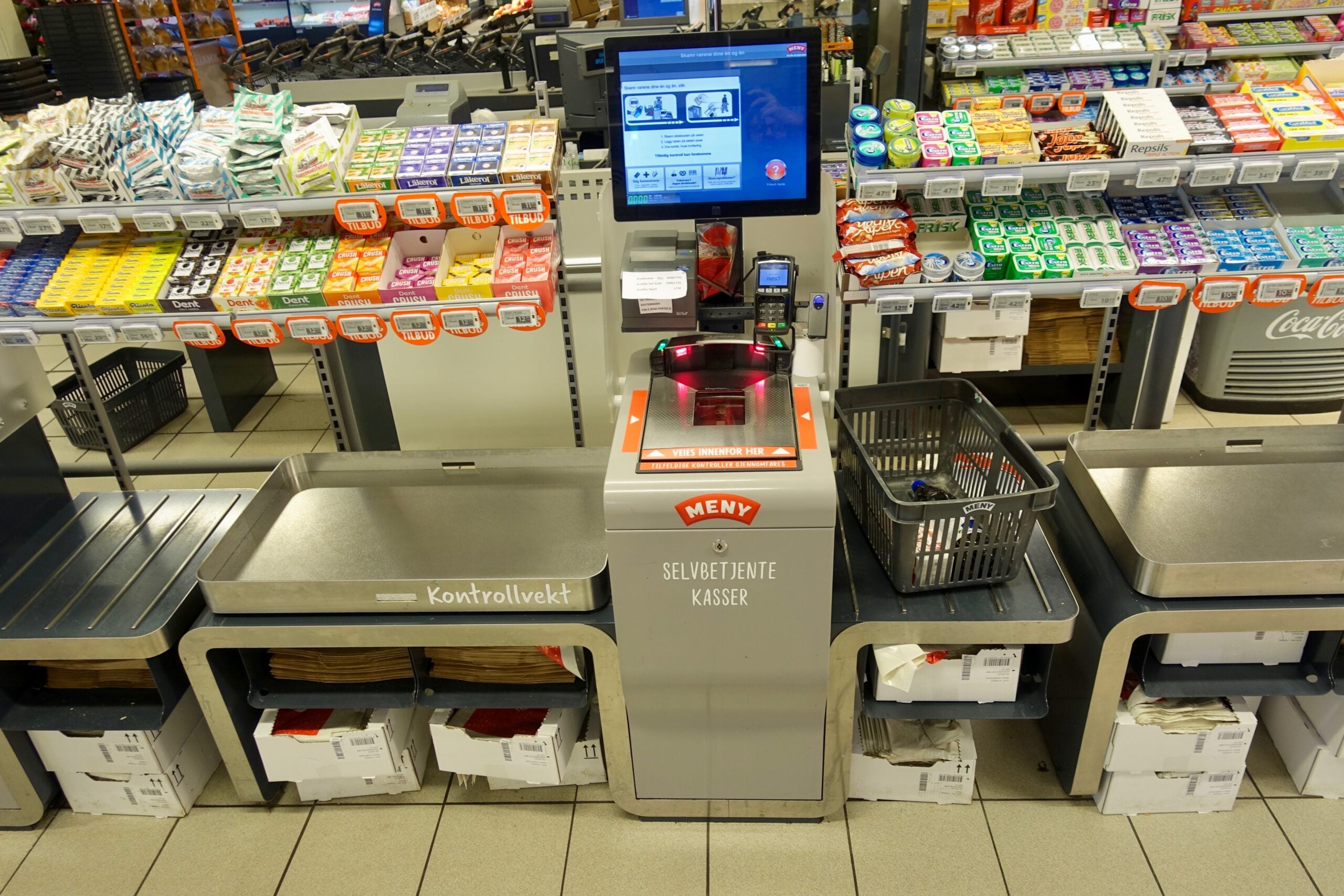
Self-checkout lanes used to be the exception. Now they are often the majority of registers up front. Shoppers scan and bag their own items.
5. Digital Coupons Replaced Paper Ones
couponing/via reddit.com
Clipping coupons from the Sunday paper is a thing of the past. Store apps now load digital coupons straight to your loyalty account, and discounts apply automatically.
Trending on Wealth Gang


6. Loyalty Apps
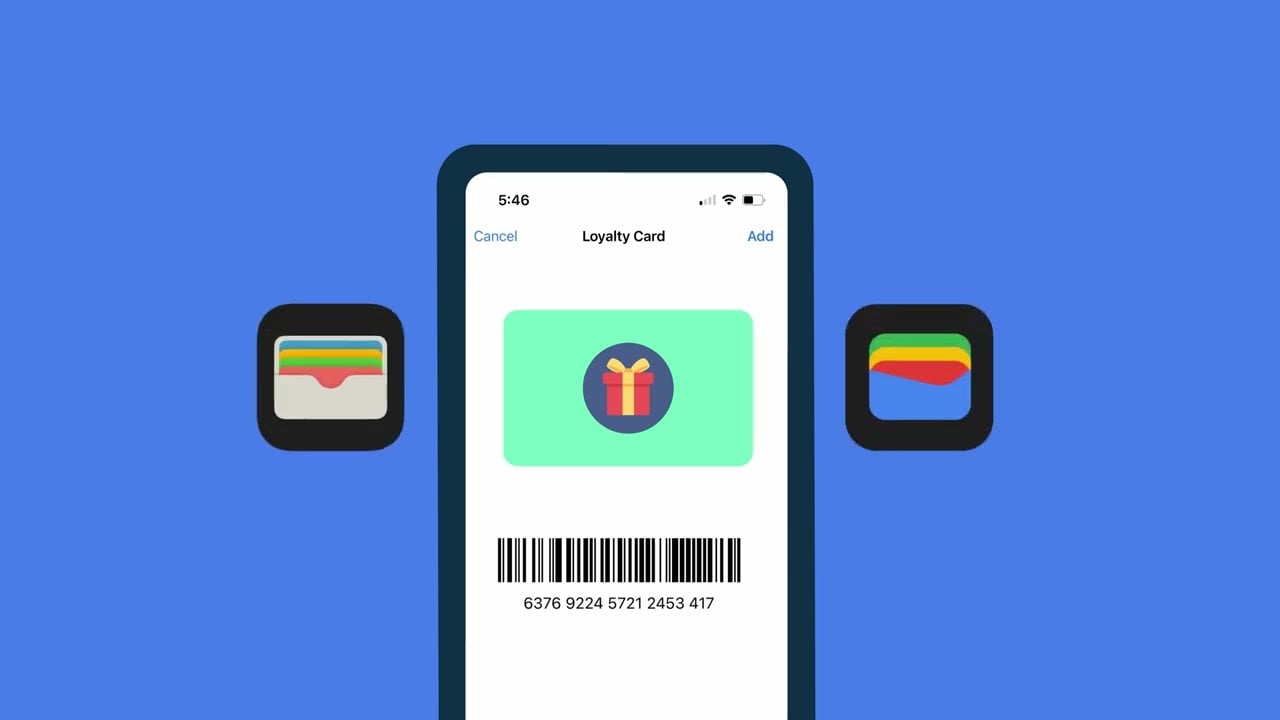
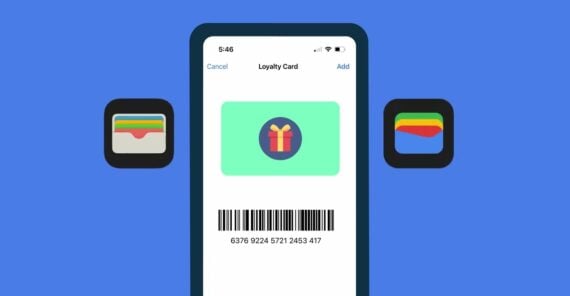
Plastic loyalty key tags have mostly disappeared. Stores now track purchases, points, and personalized deals through an app, which also gives them a lot more data on shopping habits.
7. Meal Kits
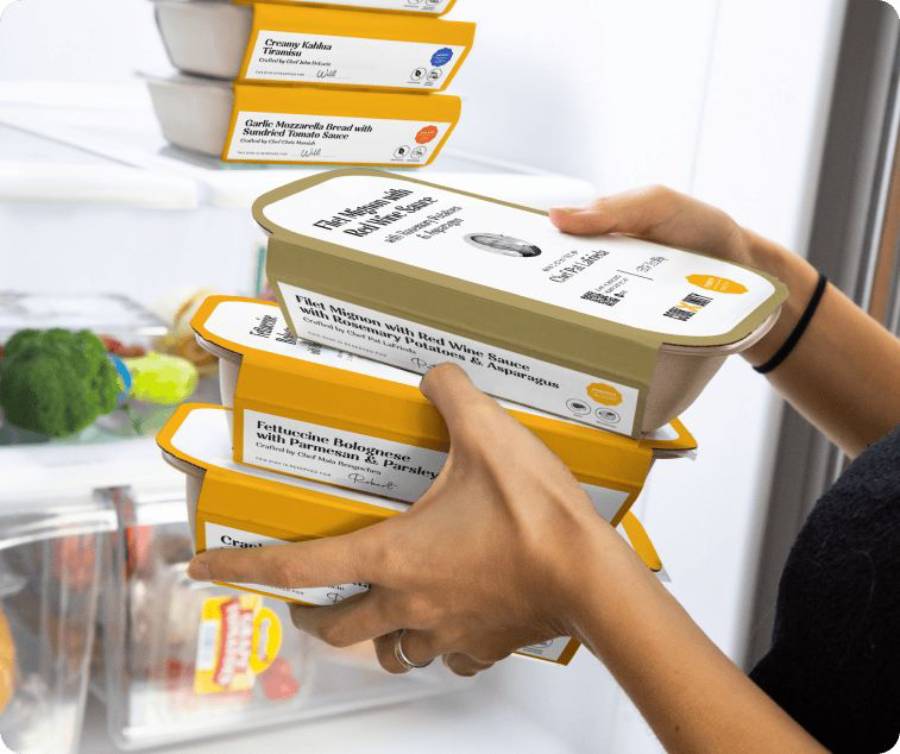
Meal kit services introduced a new way to shop: pre-portioned ingredients delivered with a recipe card.
8. Prices Are Easier to Compare
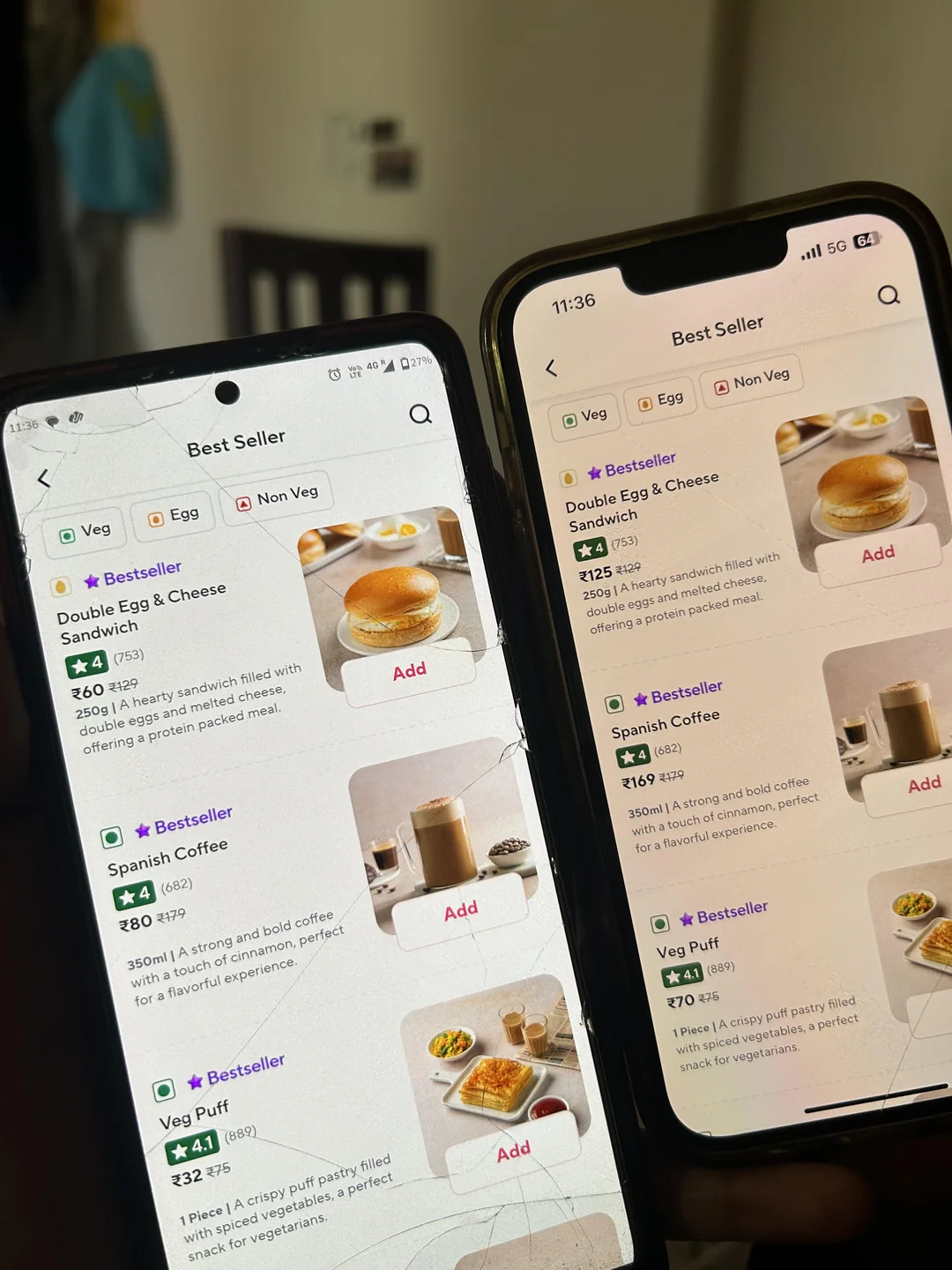
A decade ago, comparing prices meant driving to different stores. Now shoppers check prices across multiple retailers from their phones.
Sign up for our newsletter
9. Store Layouts Shifted Toward Prepared Foods

Grocery stores have expanded their prepared food and hot bar sections significantly. Many stores now function almost like a restaurant and a market combined.
10. Contactless Payment
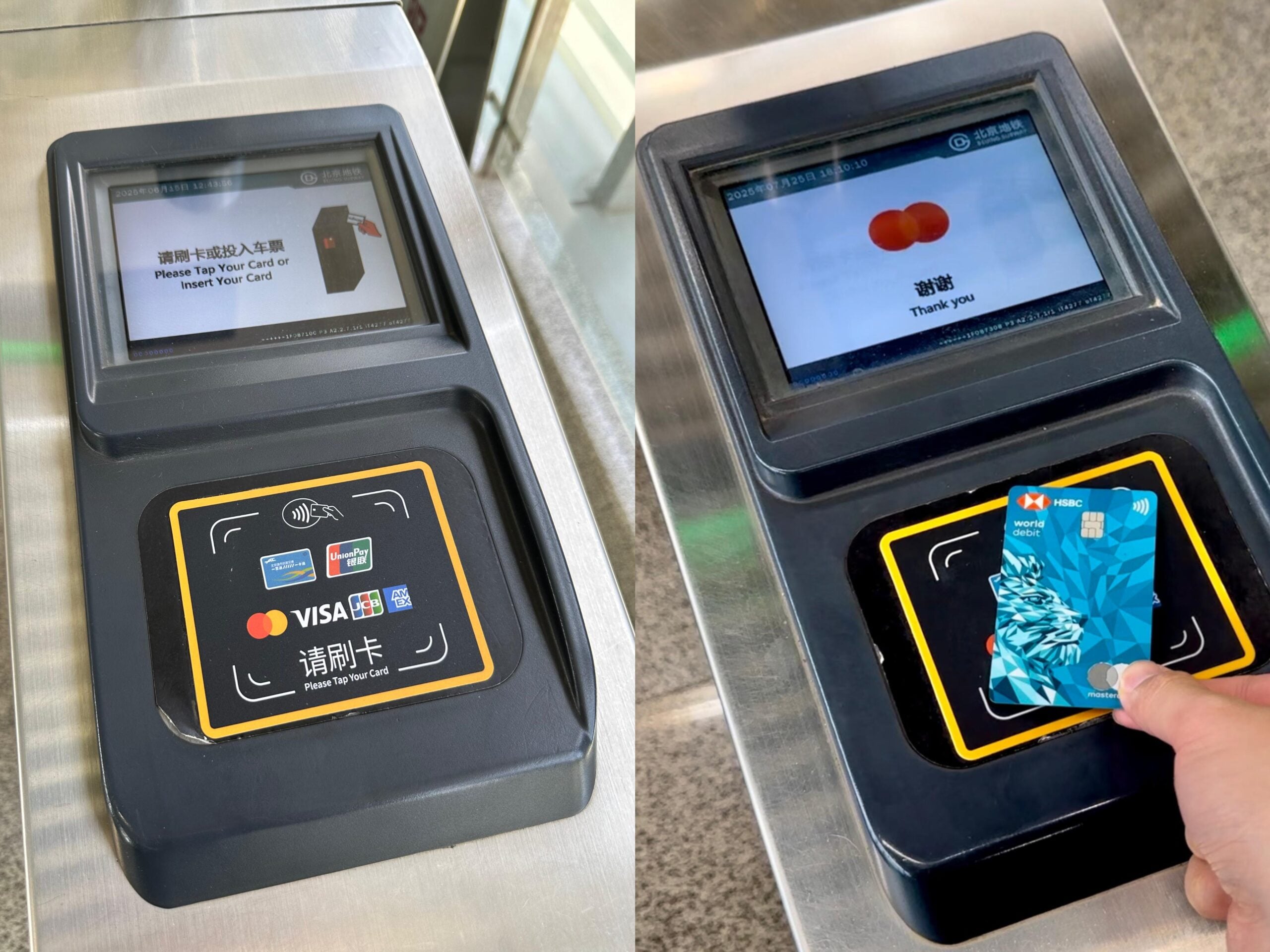
Tapping a phone or card to pay has replaced a lot of cash and even chip transactions. Contactless payment sped up checkout lines.
11. Supply Chain Issues Made Shoppers More Flexible
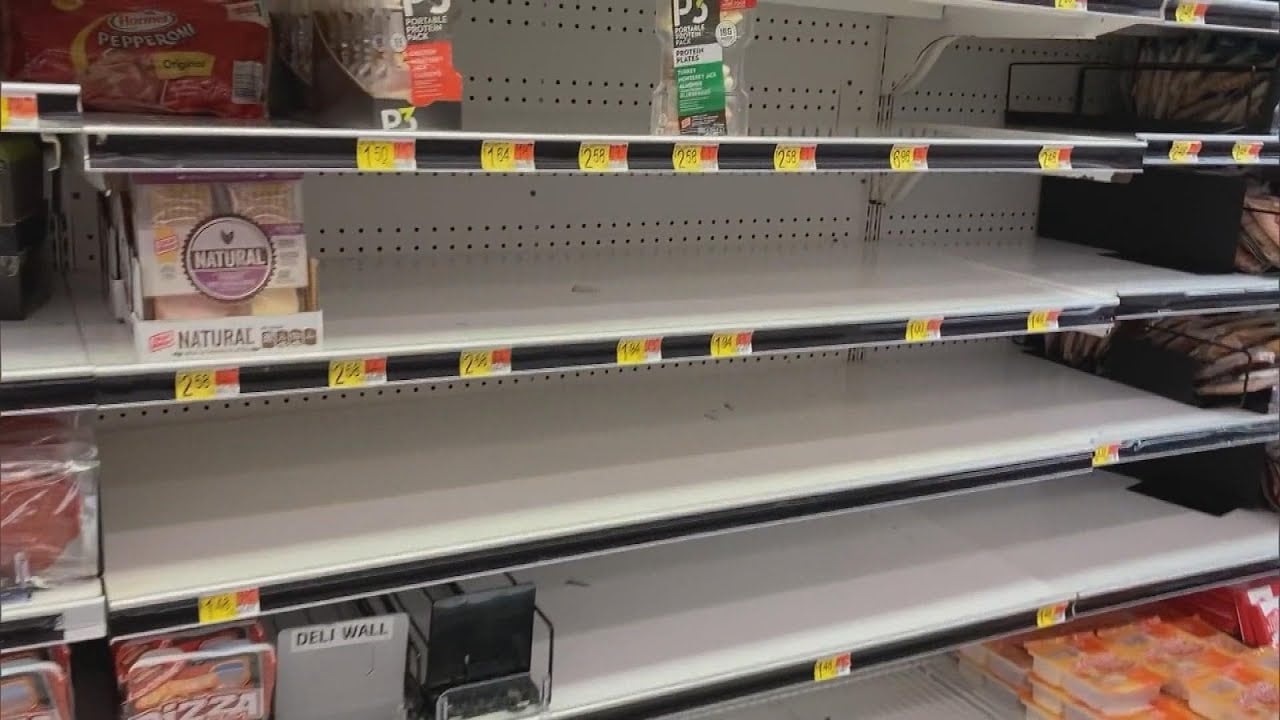
Shortages in recent years taught shoppers to expect empty shelves now and then. Brand loyalty has loosened as a result.
12. Sustainability
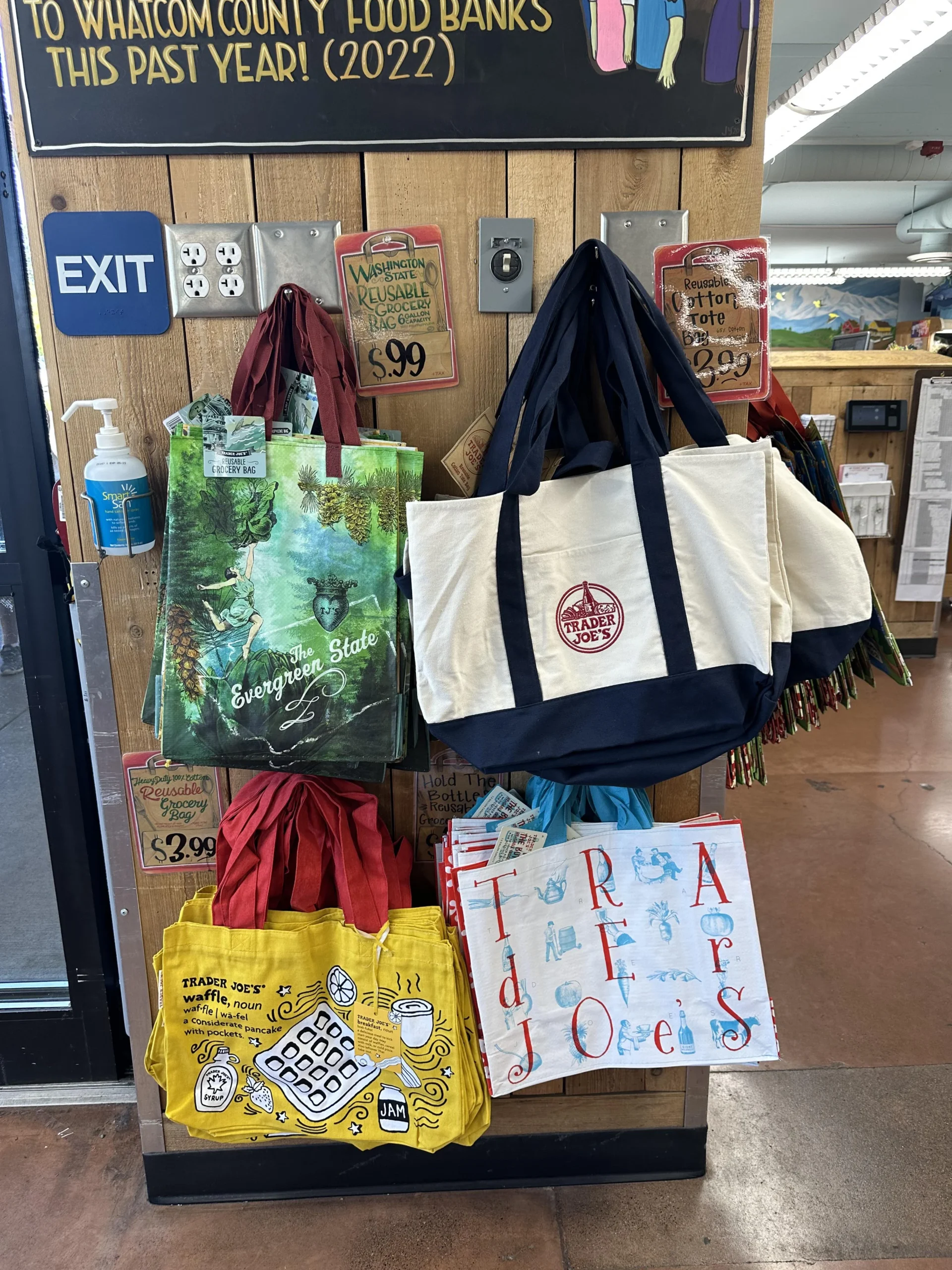
Reusable bags and less plastic packaging have become bigger factors in how people shop.
Keep reading:
Check out 24 Rare Photos of Neighborhood Grocery Stores Through the Years for a nostalgic look at the corner stores that came before big chains. If you’re curious how prices have shifted, 14 Grocery Staples That Cost Much More Than They Did in 2000 breaks down which everyday foods have gotten the most expensive. And if you’ve got old cans or boxes in your pantry, 10 Rare Grocery Items You Can Sell for Profit shows which discontinued products collectors are willing to pay money for.