The 1980s are remembered for fashion, cassette tapes, and the rise of shopping malls. When we look back at that decade, one of the biggest surprises is how cheap life used to be. Even though workers earned lower wages than they do today, their paychecks went a lot further. From groceries to entertainment, regular expenses felt more manageable for the average family.
The biggest differences appear when we look at major life goals like buying a home or going to college. During the 1980s, interest rates for home loans were very high, but the actual price of a house was closer to what a normal person earned. A university degree did not require a lifetime of student debt. These comparisons show how much the cost of the modern dream has changed over the last 40 years.
1. Buying a House
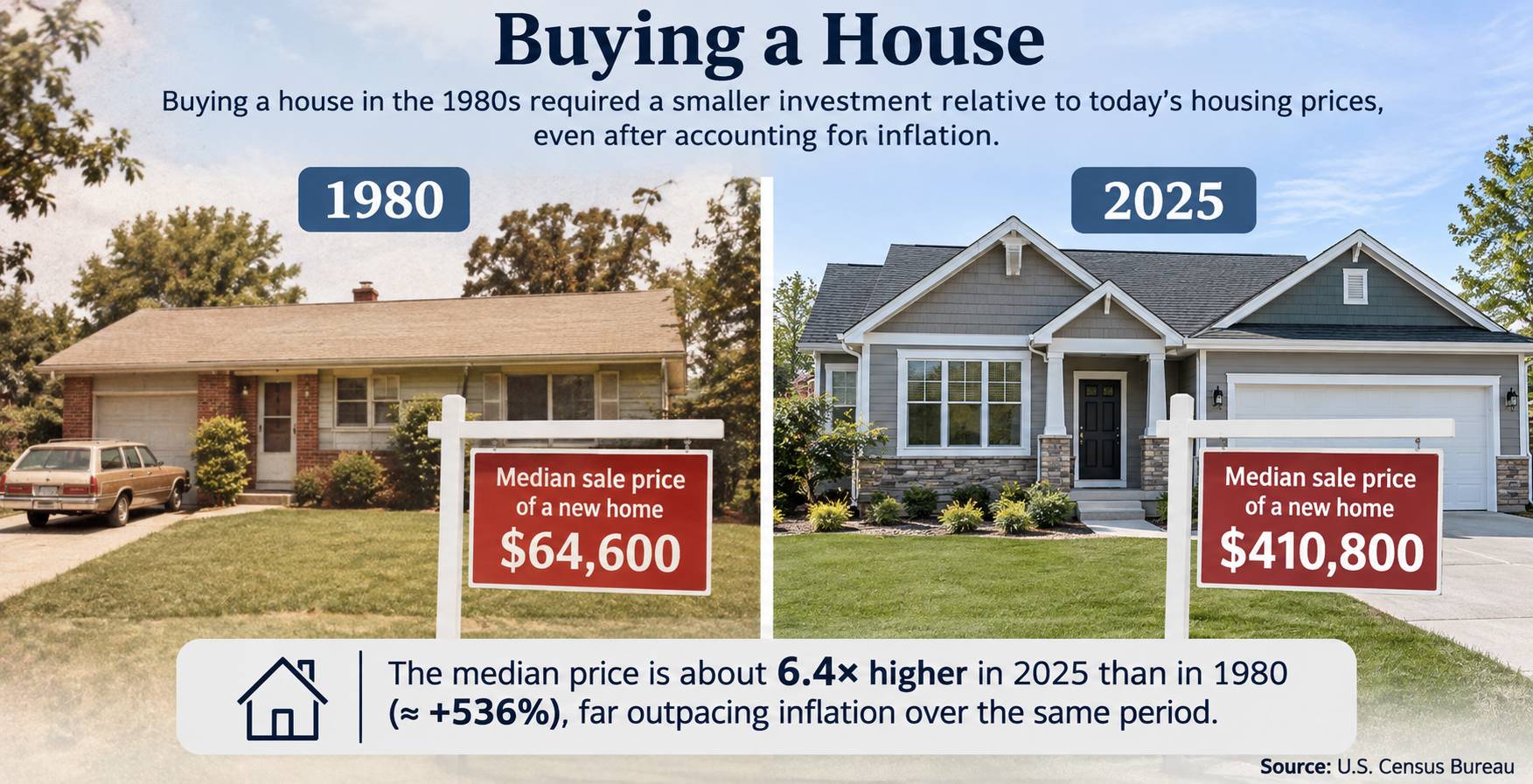
Buying a house in the 1980s required a smaller investment relative to today’s housing prices, even after accounting for inflation. According to Census Bureau data, the median sale price of a new American home was $64,600 in 1980, compared with approximately $410,800 in 2025.
2. Renting an Apartment
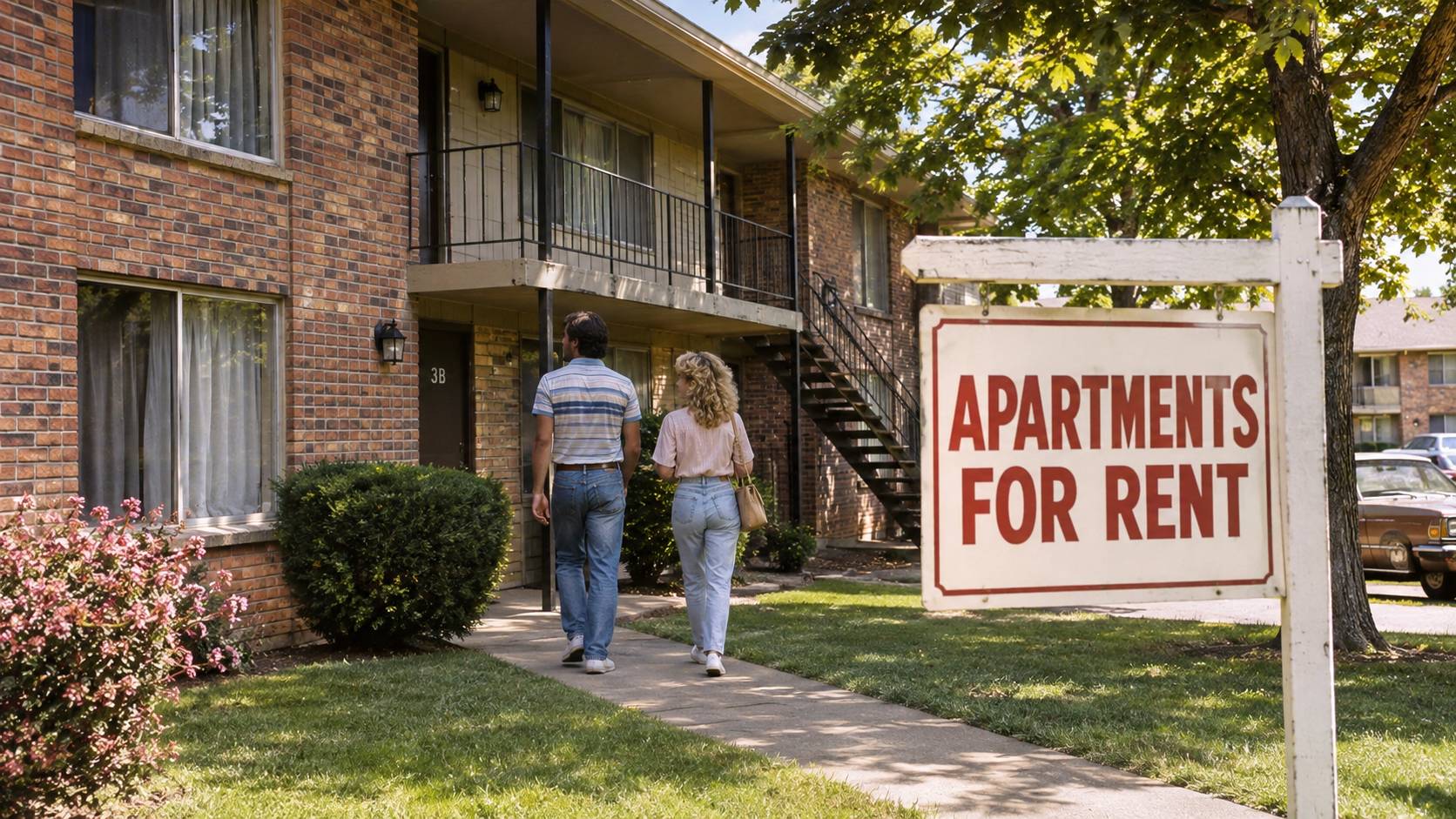
Renting an apartment in the 1980s cost less in inflation-adjusted terms than renting a comparable apartment today. Bureau of Labor Statistics data show that the Consumer Price Index for primary-residence rent has increased since the decade, outpacing general inflation over the longer period.
3. Public University Tuition
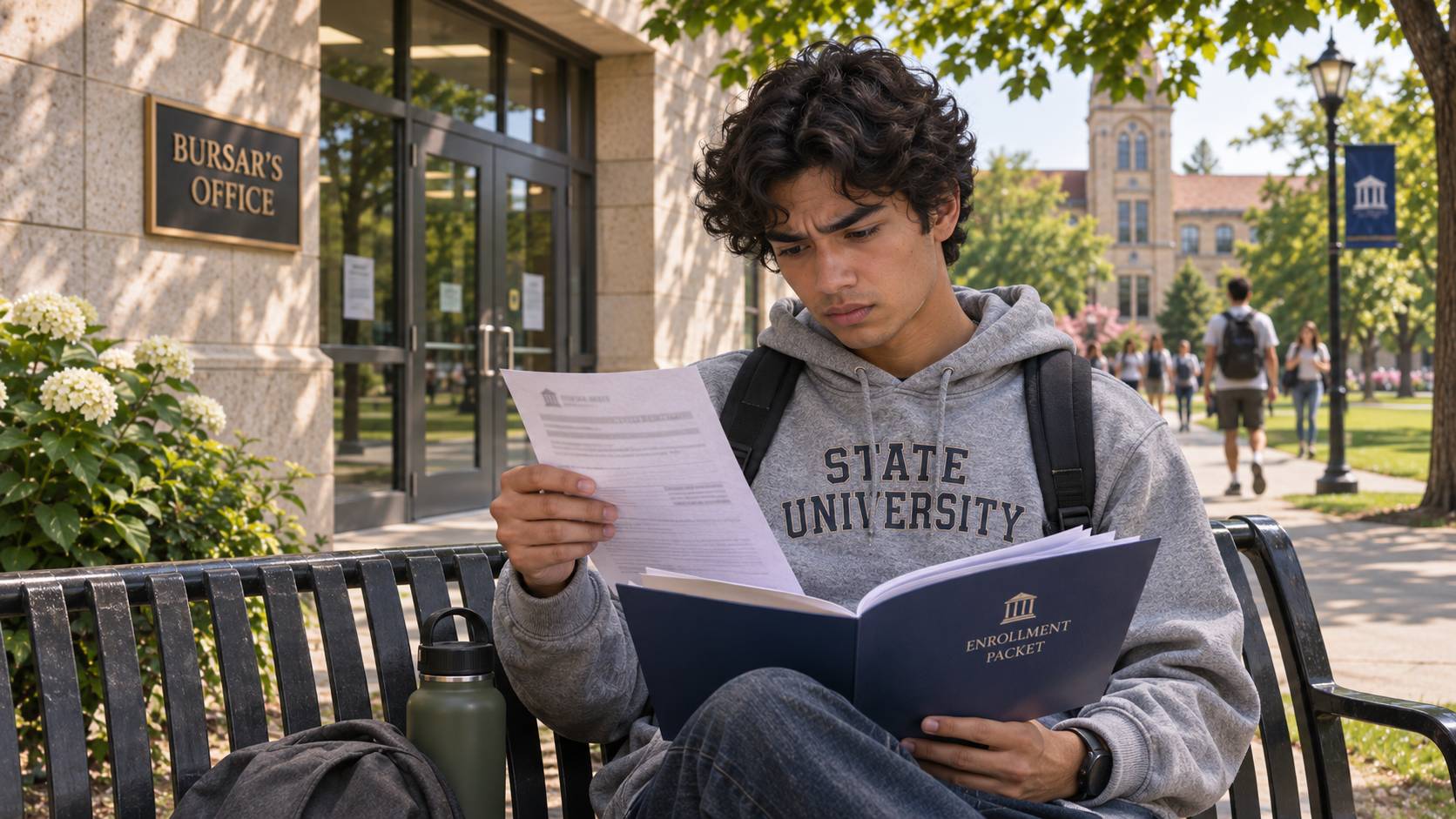
Attending a public four-year university was less expensive in the 1980s when measured by tuition and fees. For the 2025–2026 academic year, average tuition and fees reached $11,950.
4. Private College Tuition
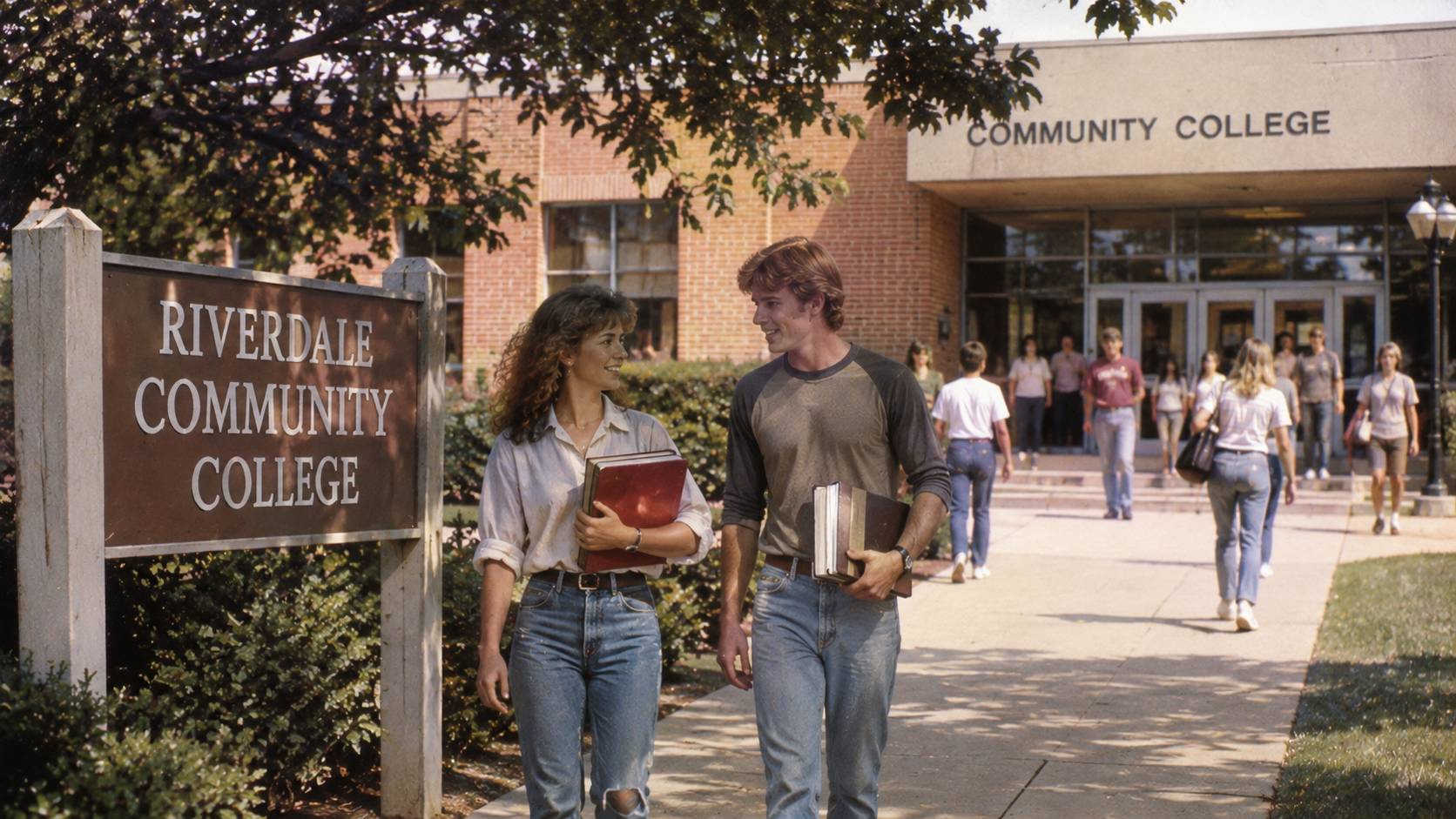
Private nonprofit colleges were expensive even in the 1980s, but their advertised prices were lower after inflation than today’s published charges. College Board historical research shows inflation-adjusted tuition and fees at private four-year institutions increased significantly between 1980–1981 and 2010–2011.
5. Community College Tuition
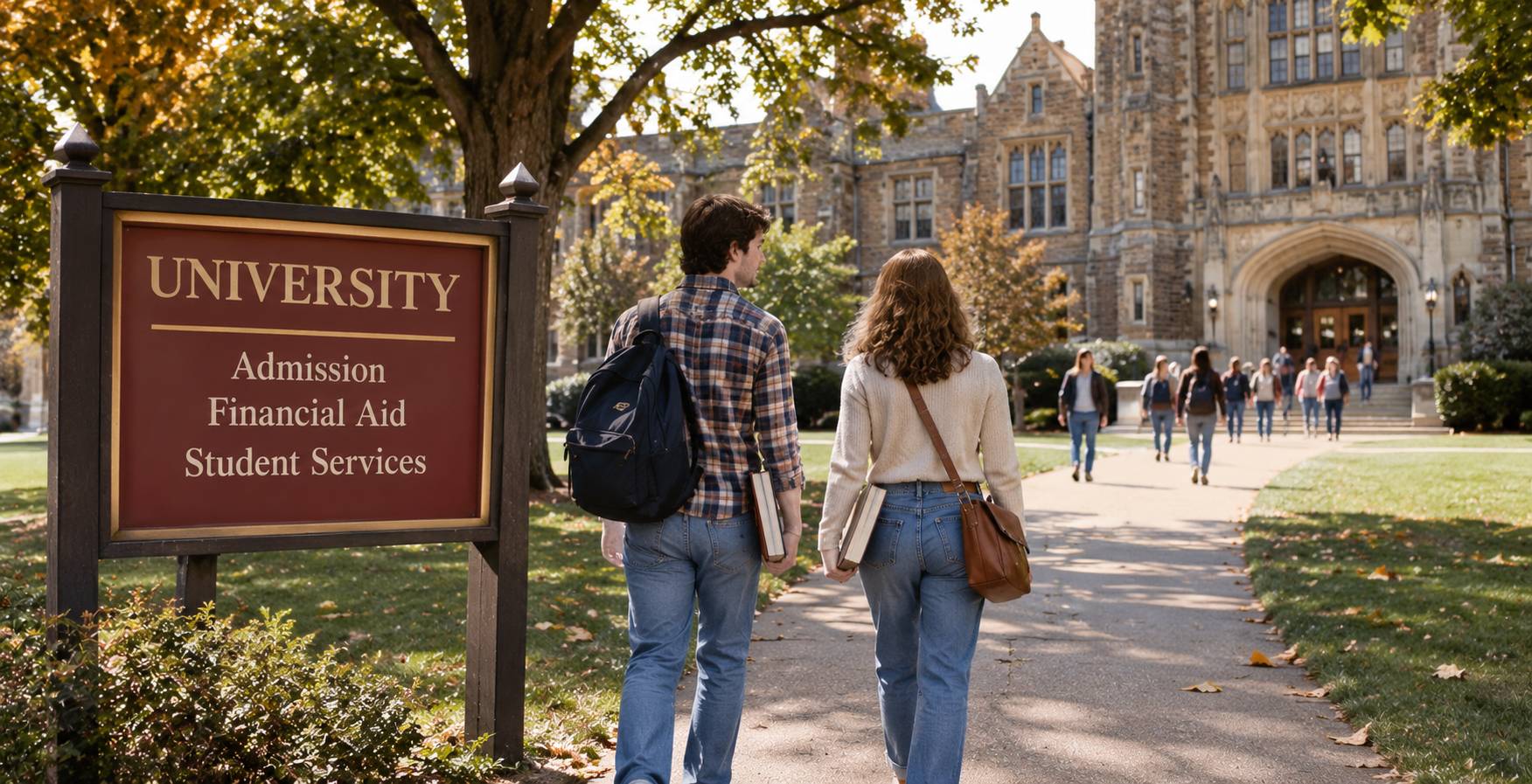
Community colleges offered an affordable route to higher education during the 1980s, with published tuition and fees lower than today’s prices. Although public two-year tuition has declined in real terms during parts of the past decade, the longer historical comparison still shows how much costs increased after the 1980s.
Trending on Wealth Gang


6. Hospital Care

Hospital services have experienced some of the most substantial price increases in American healthcare since the 1980s. Modern hospitals offer procedures, diagnostic technologies, and treatments unavailable forty years ago.
7. Doctor’s Office Visits
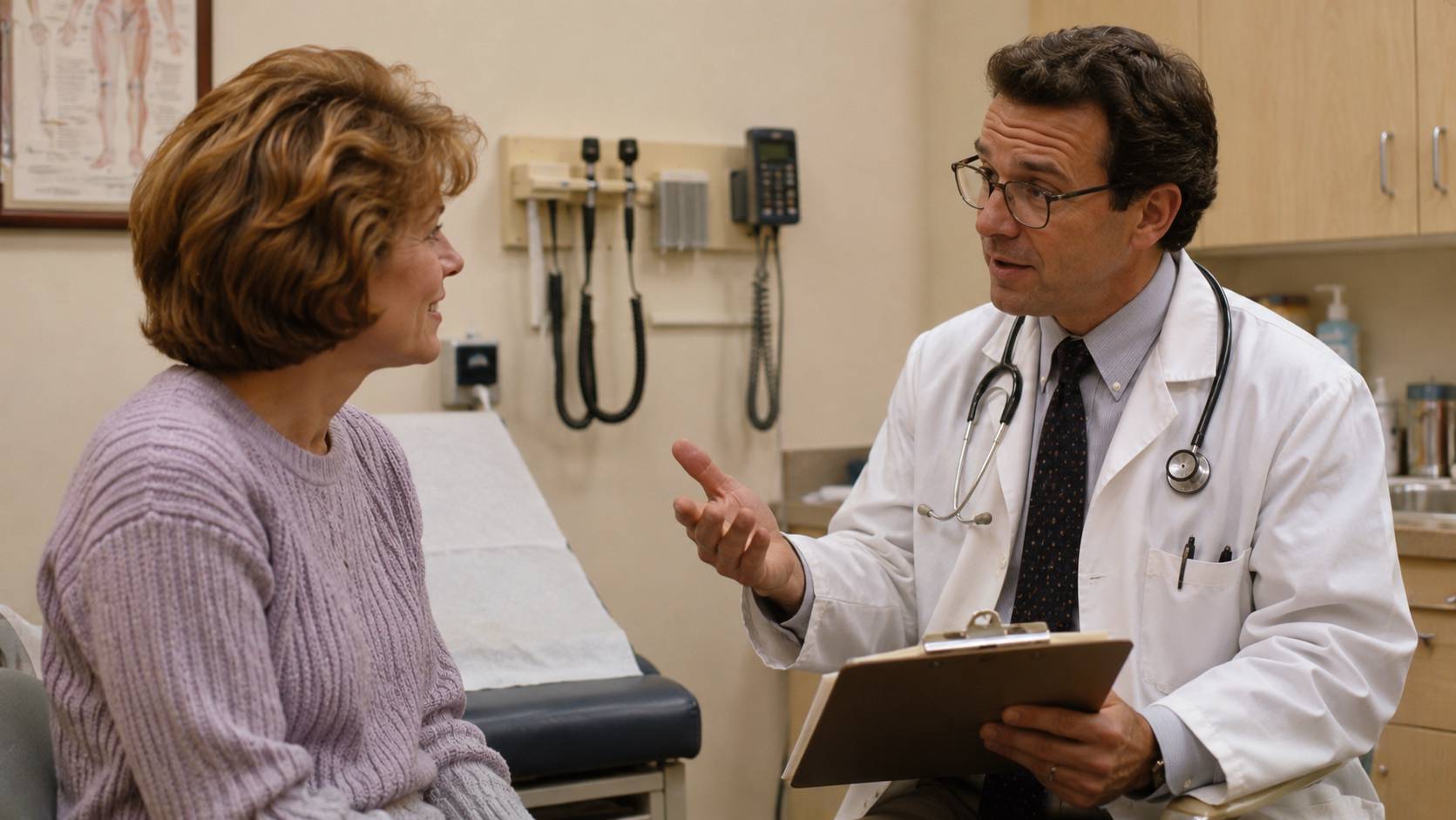
The price of visiting a physician has risen since the 1980s, reflecting increases in professional healthcare costs. Medical visits today involve more advanced testing and treatment options, but professional service prices have become a larger expense. Patients’ actual bills still depend on insurance coverage, copayments, and the services provided.
8. Dental Care
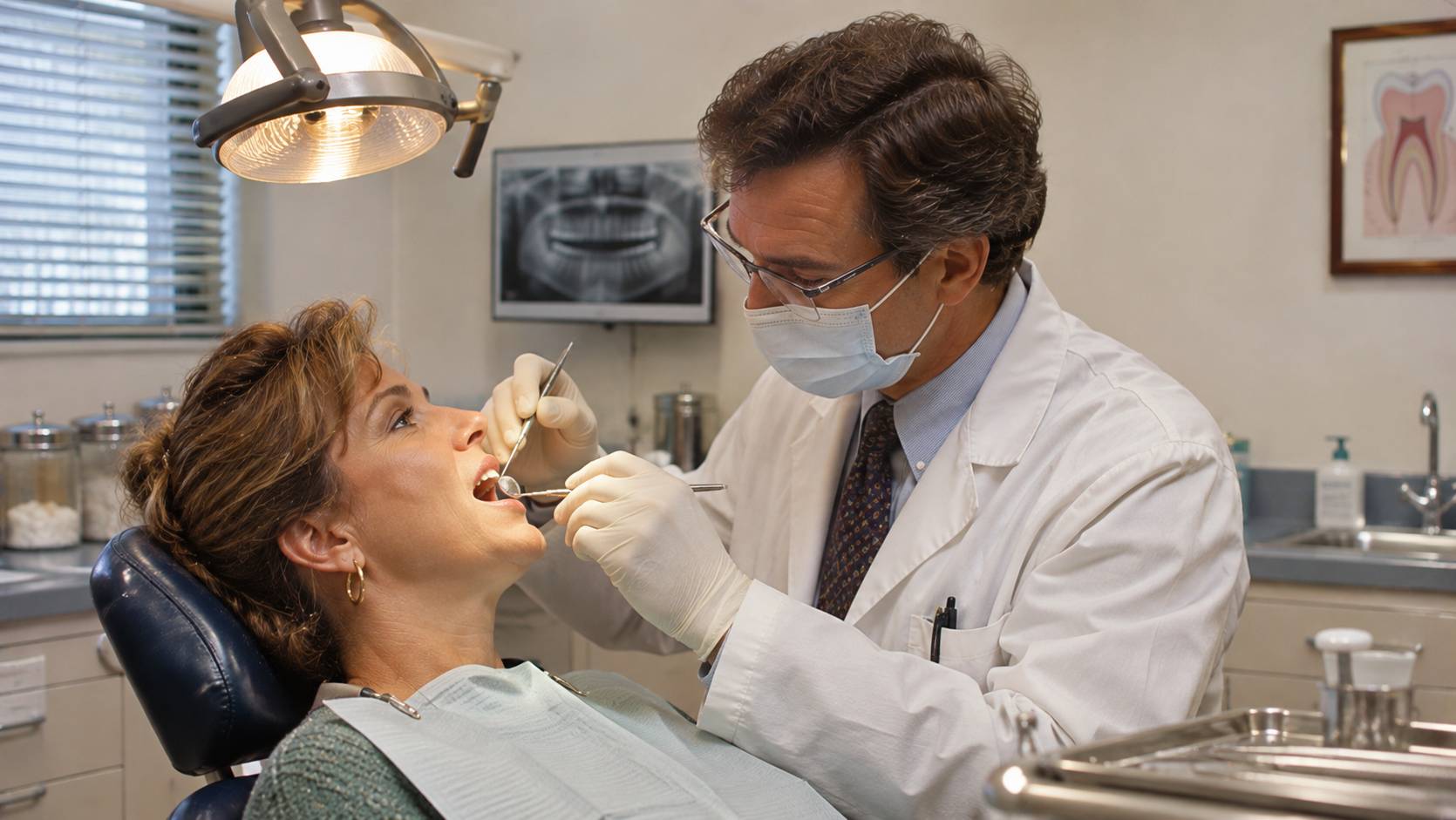
Routine dental care was significantly less expensive in the 1980s when compared with today’s prices. Bureau of Economic Analysis figures show that the dental services price index increased from 16.847 in 1980 to 130.309 in 2025.
Sign up for our newsletter
9. Nursing Home Care
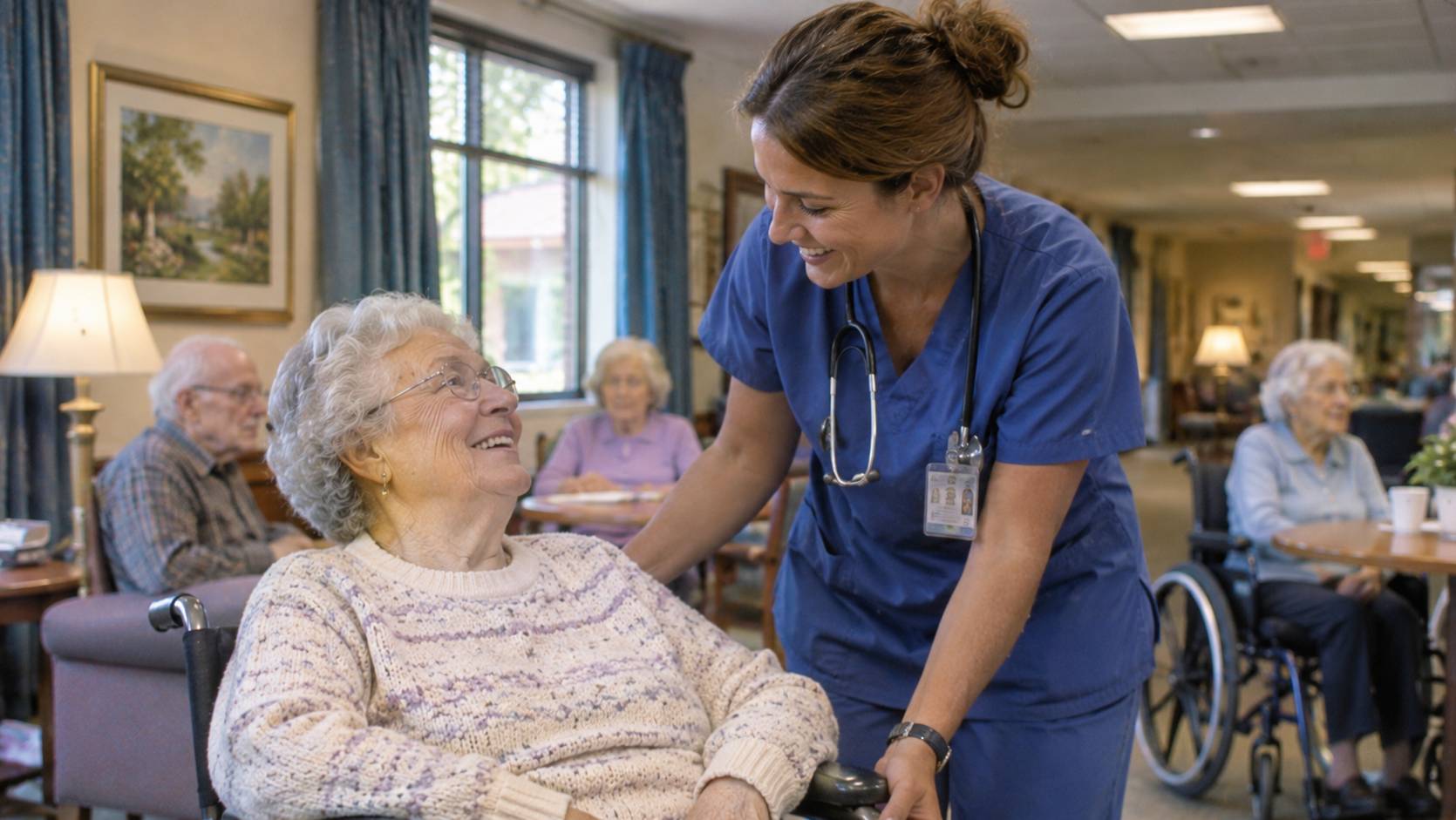
Long-term nursing home care has become a substantial expense for American families, especially when someone needs ongoing assistance or medical supervision. Government price data show that nursing home and adult day service costs have risen over time.
10. Child Care

Paying for formal child care has become one of the largest recurring expenses for many working parents. Earlier generations also relied on relatives, neighbors, and informal arrangements.
11. College Textbooks
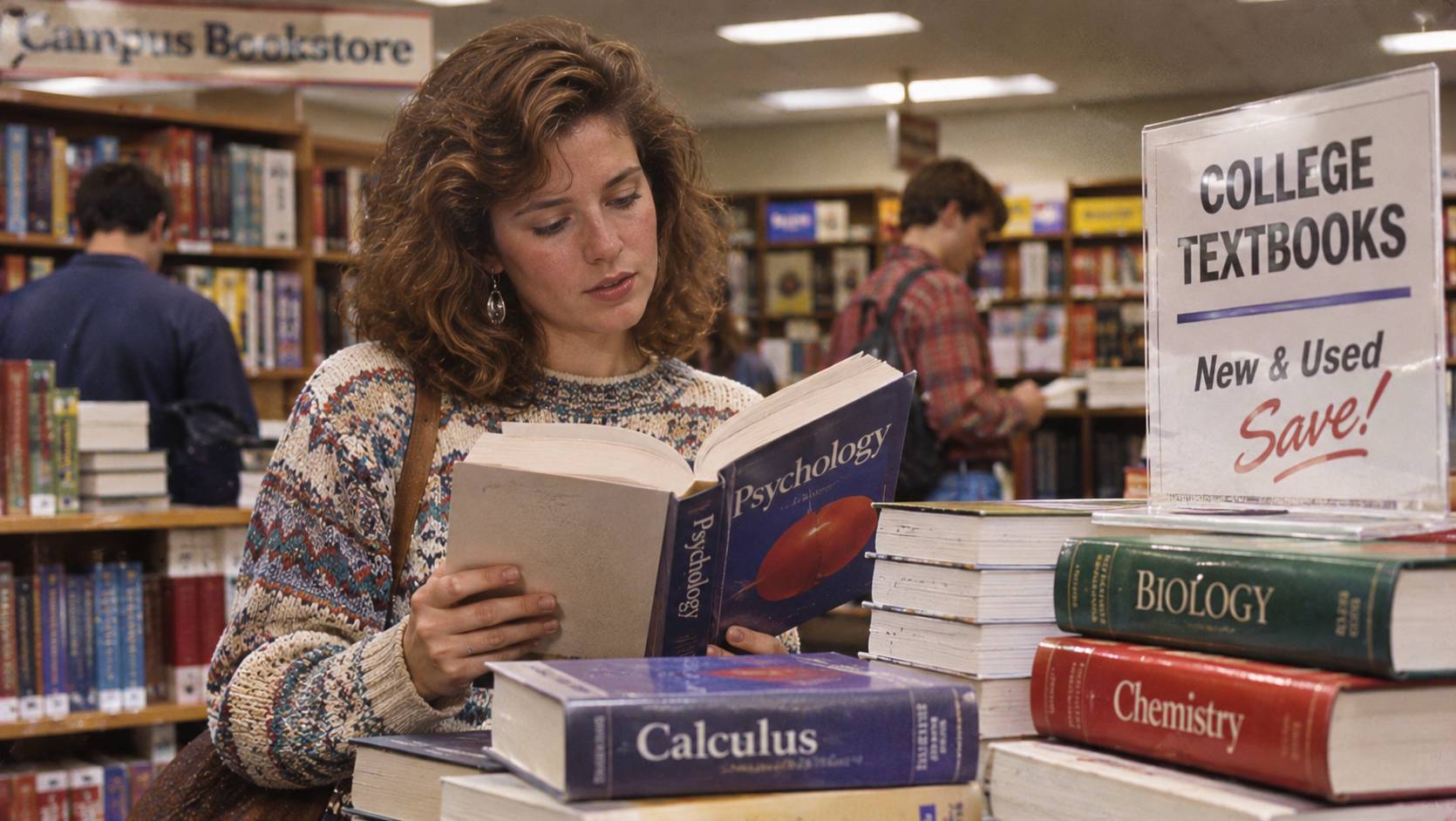
College textbooks became more expensive during the decades following the 1980s, even beyond general consumer inflation during important parts of that period. Printed textbooks could be expensive, but frequent new editions and the growing price of educational materials increased expenses for students.
12. Going to the Movies
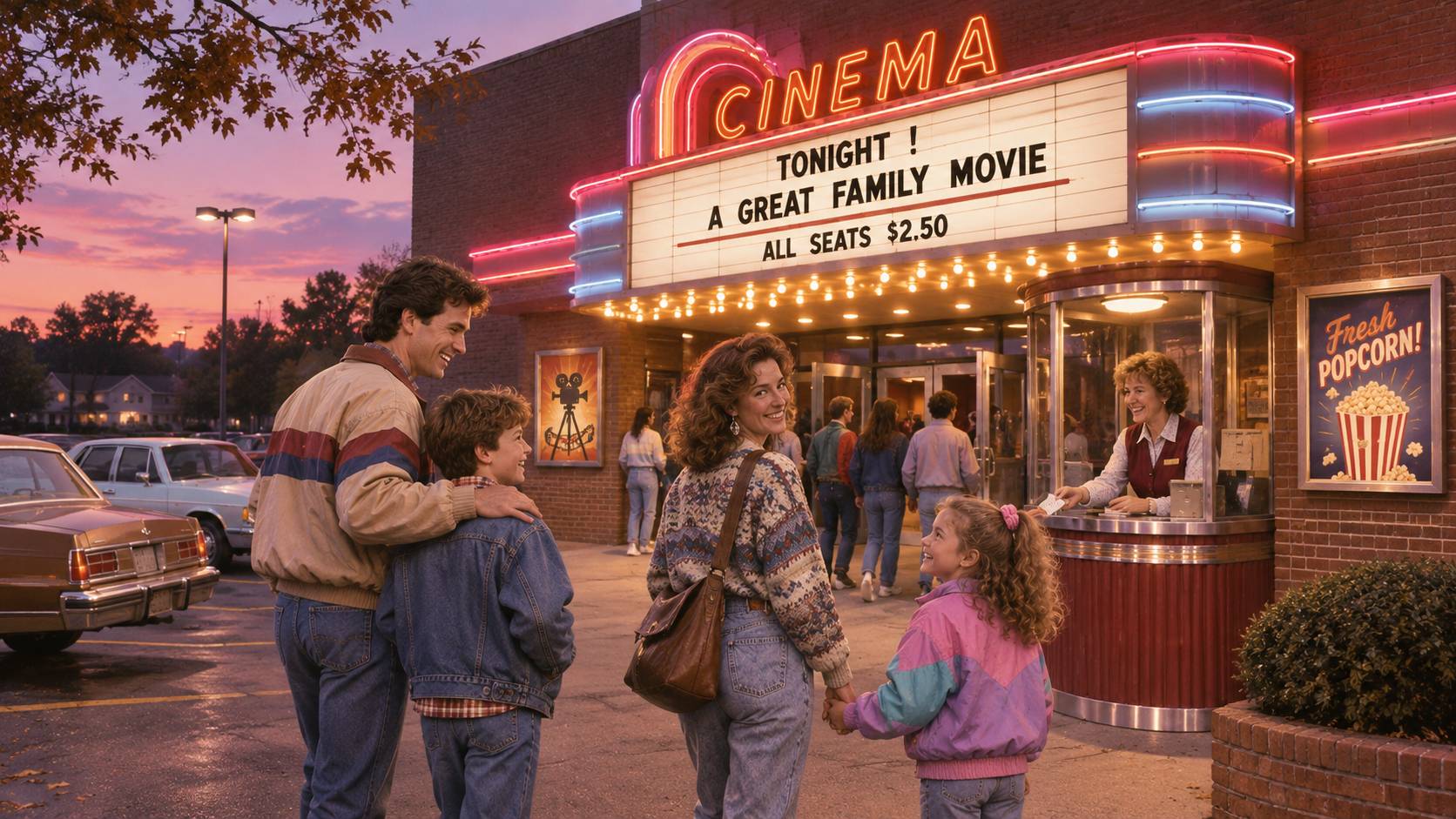
A trip to the movie theater was a familiar and low-cost entertainment option for many families during the 1980s. Ticket prices have increased since then, with Bureau of Labor Statistics research showing that admission prices for movies, theaters, and concerts rose 105% between 2000 and 2025, compared with 87% overall inflation.
13. Sport Events
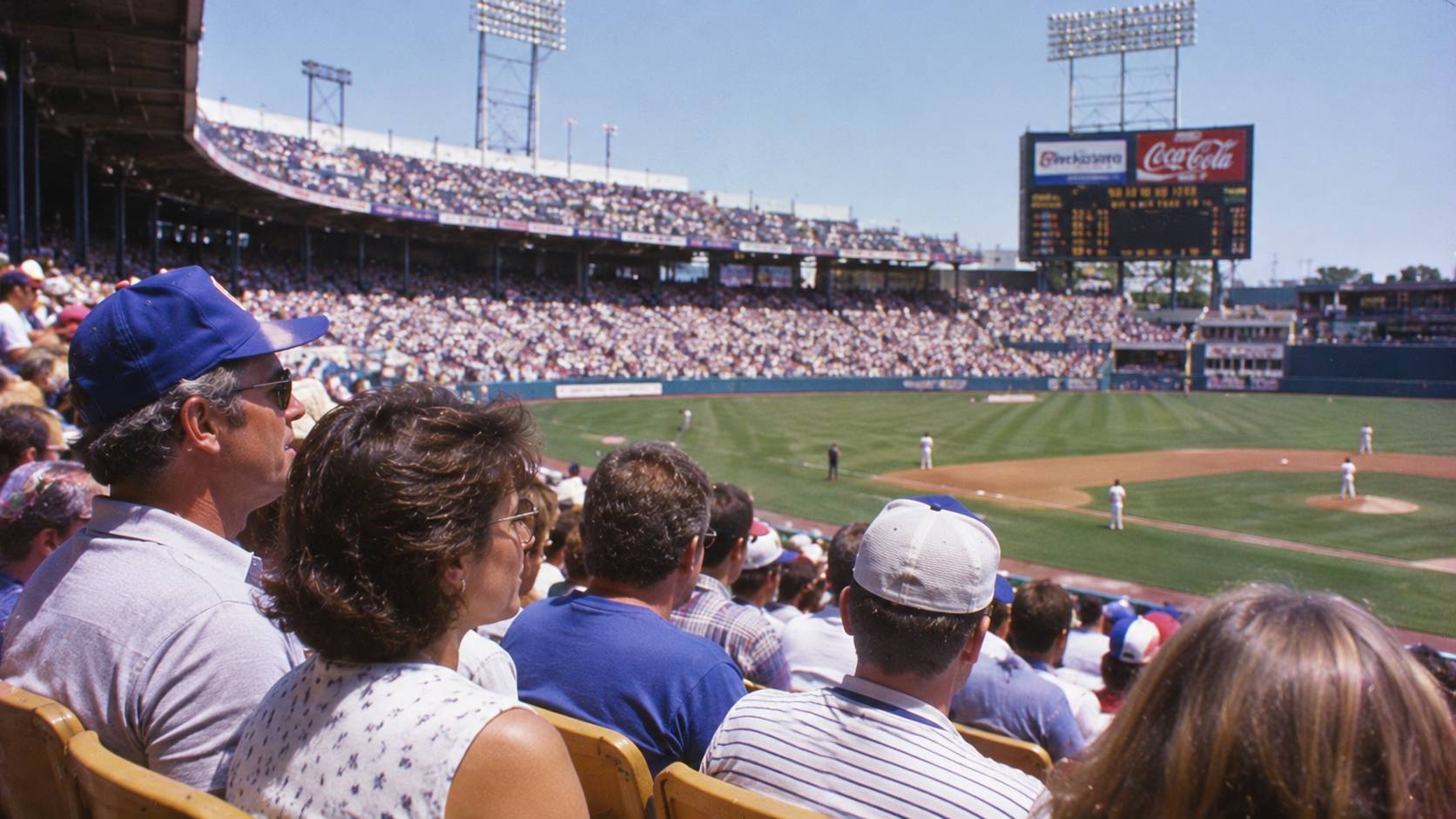
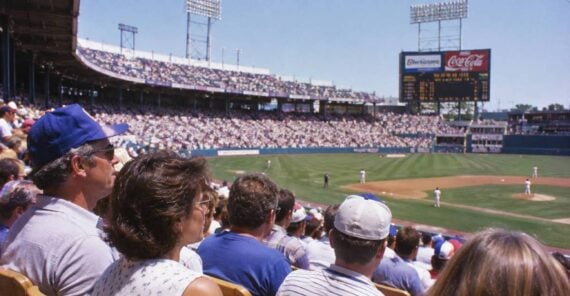
Attending a professional sporting event has become more expensive, particularly for fans seeking tickets to popular teams and major games. The Bureau of Labor Statistics reports that admission prices for sporting events rose 123.1% between 2000 and 2025, compared with an 87% increase in general consumer prices.
14. Funeral & Burial Services
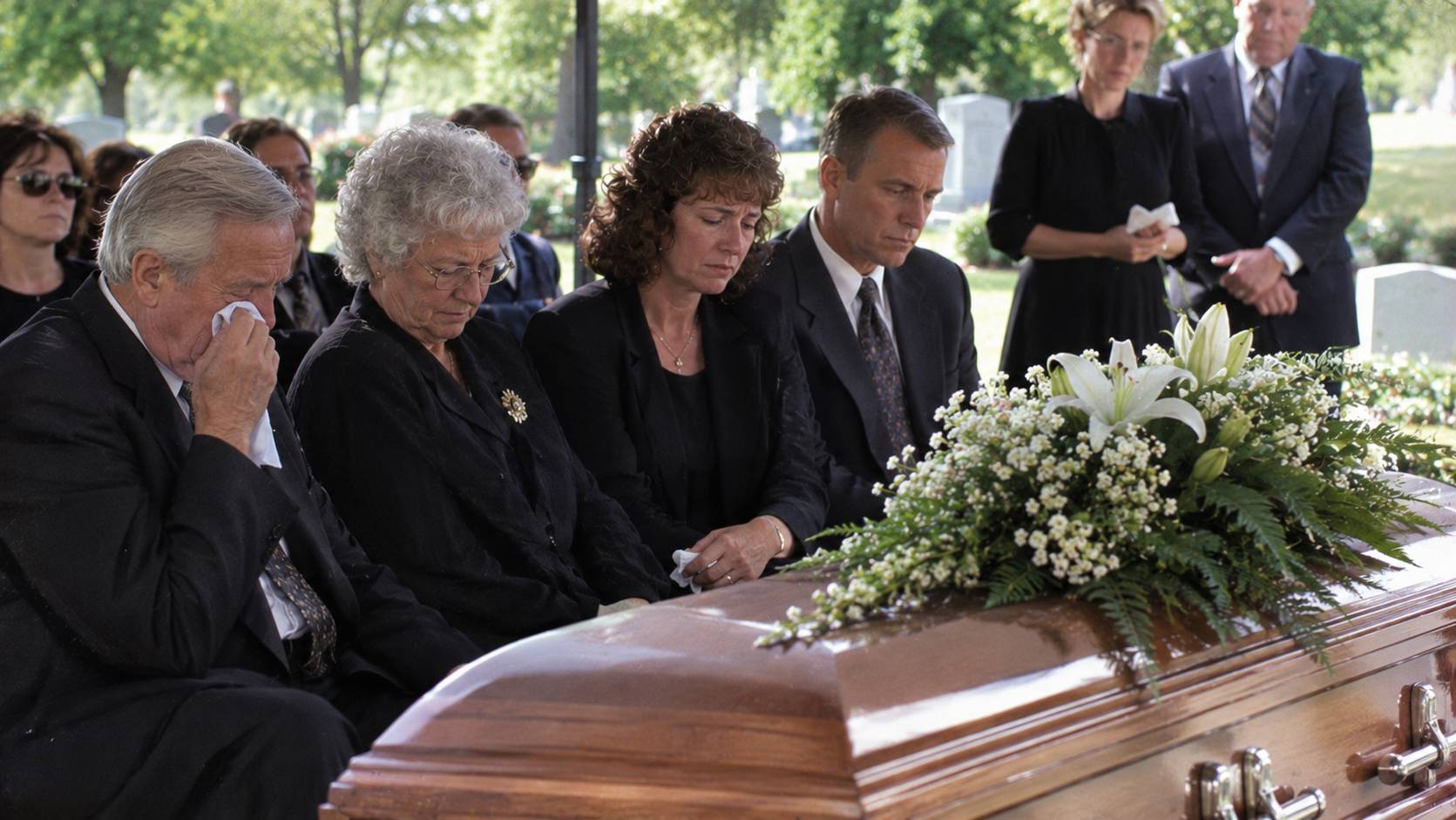
Funeral arrangements were less expensive in inflation-adjusted terms during earlier decades, although costs varied widely depending on the services families selected. The Bureau of Economic Analysis maintains a funeral and burial services price index extending back to 1959, allowing comparisons with the 1980s. Direct cremation and simplified arrangements can offer lower-cost alternatives to traditional services.
15. Elementary & High School Tuition
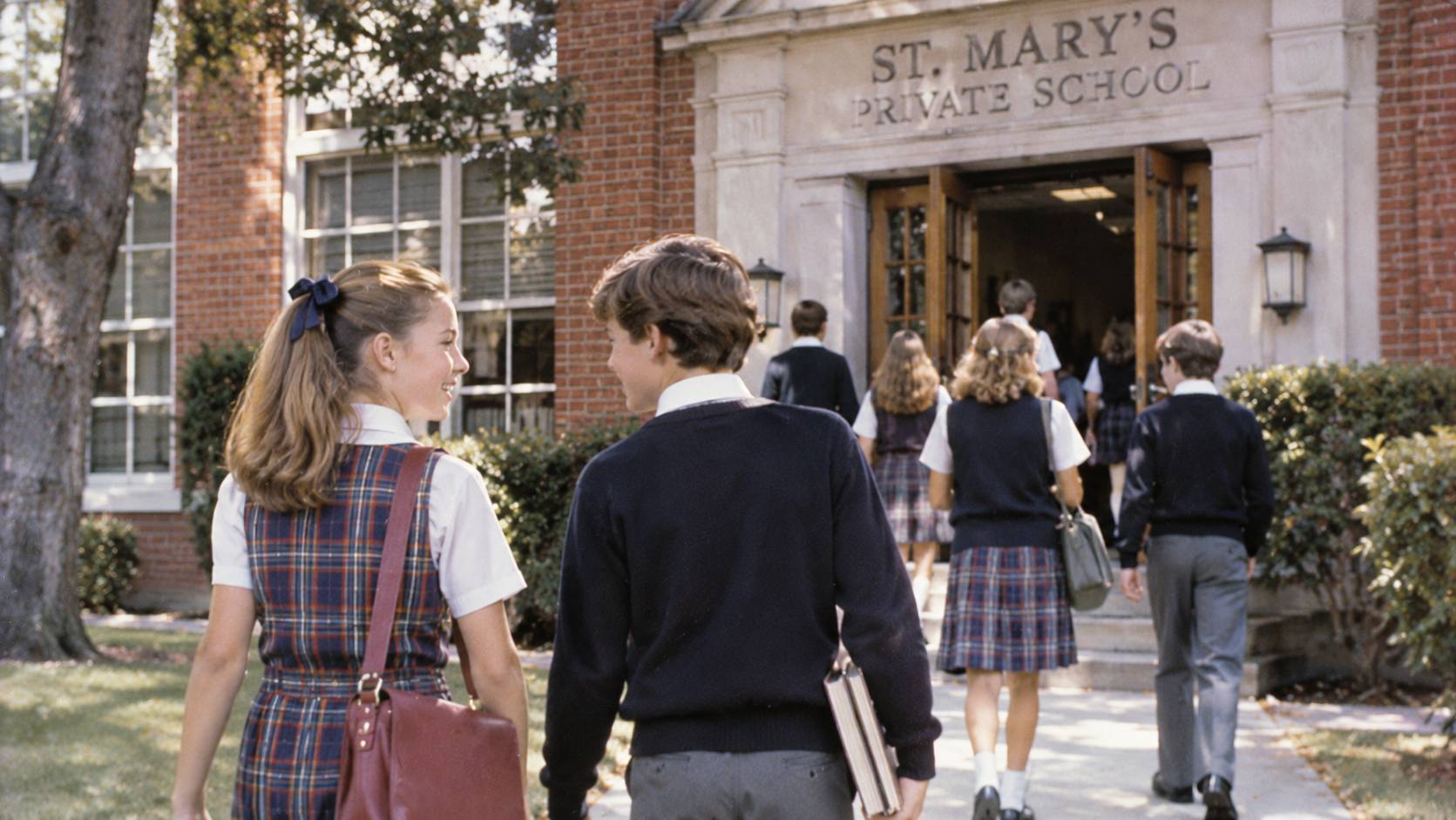
Families choosing private education in the 1980s faced lower tuition charges than those associated with many private schools today. The Bureau of Labor Statistics tracks elementary and high school tuition through a dedicated price index, separating it from college expenses.
16. Veterinary Care
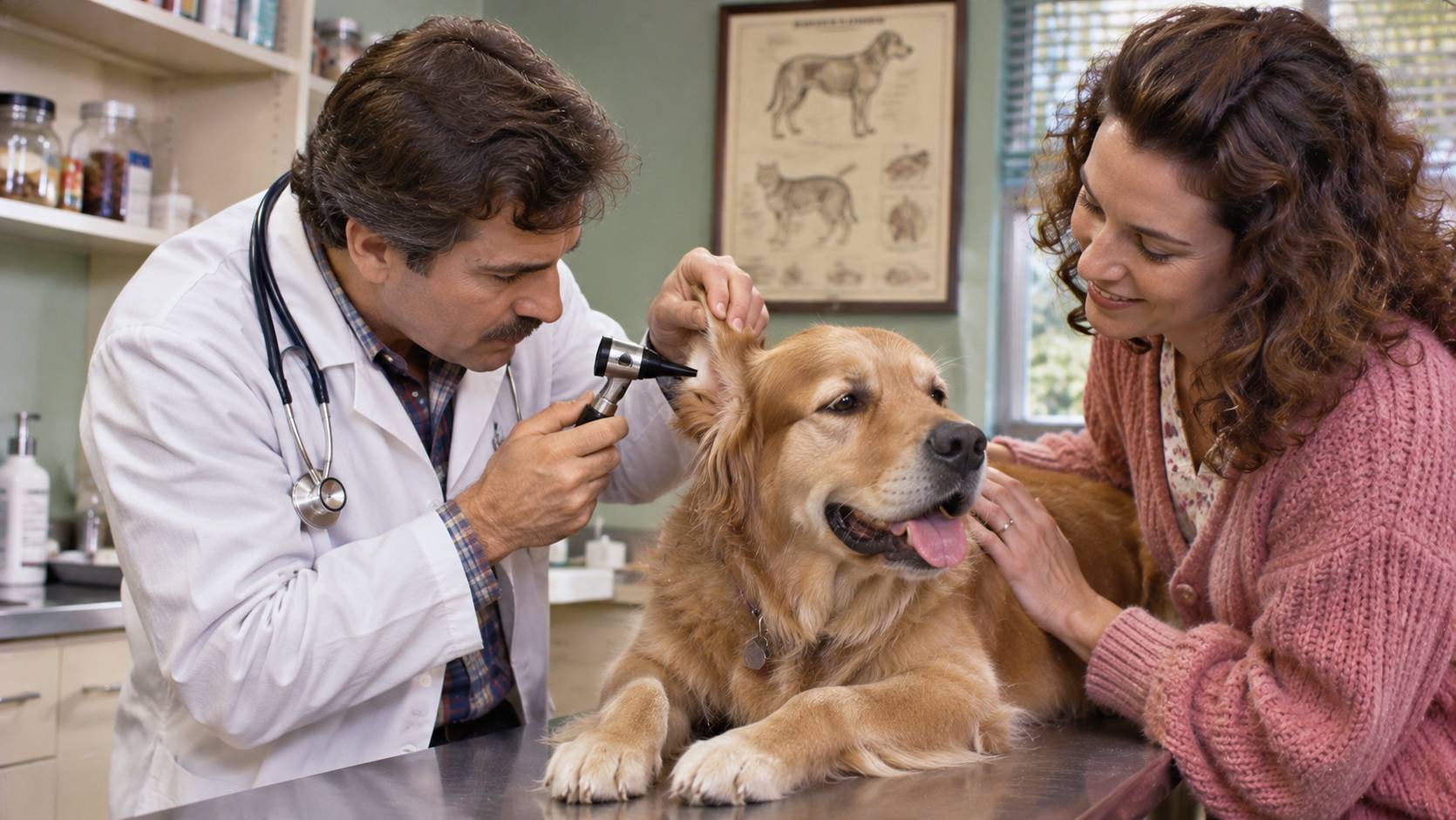
Veterinary care has changed substantially since the 1980s. Today’s pet owners may have access to advanced imaging, specialist consultations, and treatments that were far less common forty years ago.