Throughout history, certain works of art have done far more than decorate walls or fill galleries they have reshaped how we see the world. These pieces challenged conventions, introduced radical techniques, reflected cultural revolutions, and influenced generations of artists who followed. From the Renaissance to modern conceptual art, these masterpieces didn’t just mirror their time they transformed it.
Mona Lisa – Leonardo da Vinci

bernard / Pinterest.com
Painted in the early 16th century, the Mona Lisa redefined portraiture through its psychological depth and masterful use of sfumato. Leonardo’s subtle blending technique created a lifelike softness that had never been seen before. The enigmatic expression continues to fascinate audiences, turning the painting into a global cultural icon.
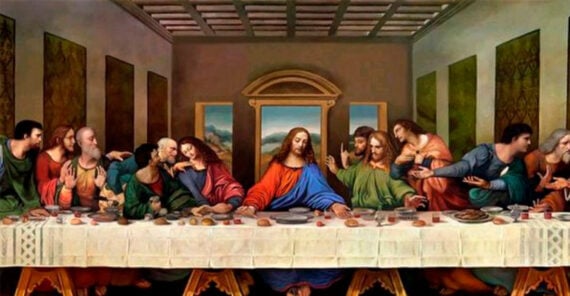
The Last Supper – Leonardo da Vinci

This monumental fresco revolutionized narrative composition. Leonardo captured a single dramatic moment with dynamic emotion and perspective, transforming religious storytelling into a deeply human scene. Its structure influenced centuries of religious art.
The Creation of Adam – Michelangelo

Detail of the Sistine Chapel ceiling, this image became one of the most recognizable depictions of divine creation. Michelangelo’s anatomical precision and dramatic gesture bridged classical ideals and Renaissance spirituality in a single, powerful image.
The Night Watch – Rembrandt

Rembrandt broke away from static group portrait traditions by infusing movement, light, and drama into a civic militia scene. His use of chiaroscuro intensified realism and emotional impact, changing how group portraits were approached.
The Third of May 1808 – Francisco Goya
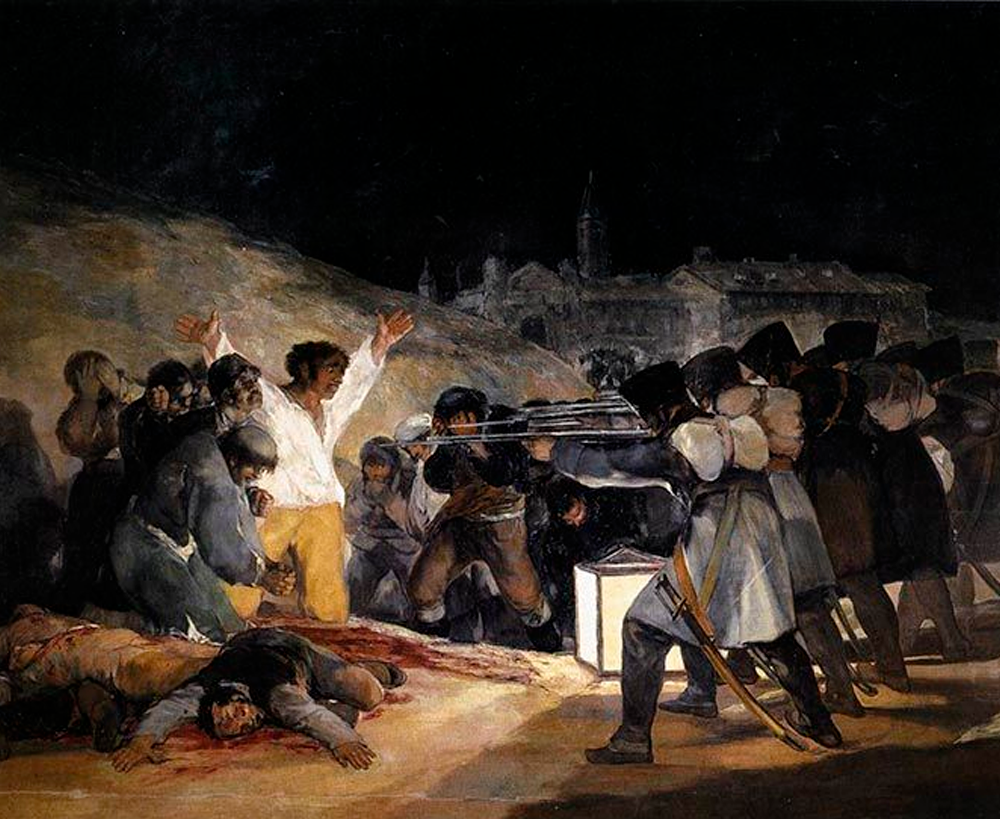
Goya’s raw portrayal of war execution abandoned heroic glorification and confronted viewers with the horror of violence. It paved the way for modern political art and influenced later artists who used painting as social commentary.
Trending on Wealth Gang


Impression, Sunrise – Claude Monet

This painting gave Impressionism its name and shattered academic conventions. Monet prioritized light and atmosphere over precise detail, encouraging artists to capture fleeting moments rather than polished realism.
The Starry Night – Vincent van Gogh

Van Gogh’s swirling skies and expressive brushwork redefined emotional expression in painting. Though unrecognized in his lifetime, this work later became foundational for modern expressionism.
Les Demoiselles d’Avignon – Pablo Picasso

Picasso’s fragmented figures and radical distortion marked the birth of Cubism. The painting dismantled traditional perspective and introduced a completely new way of representing space and form.
Sign up for our newsletter
The Persistence of Memory – Salvador Dalí
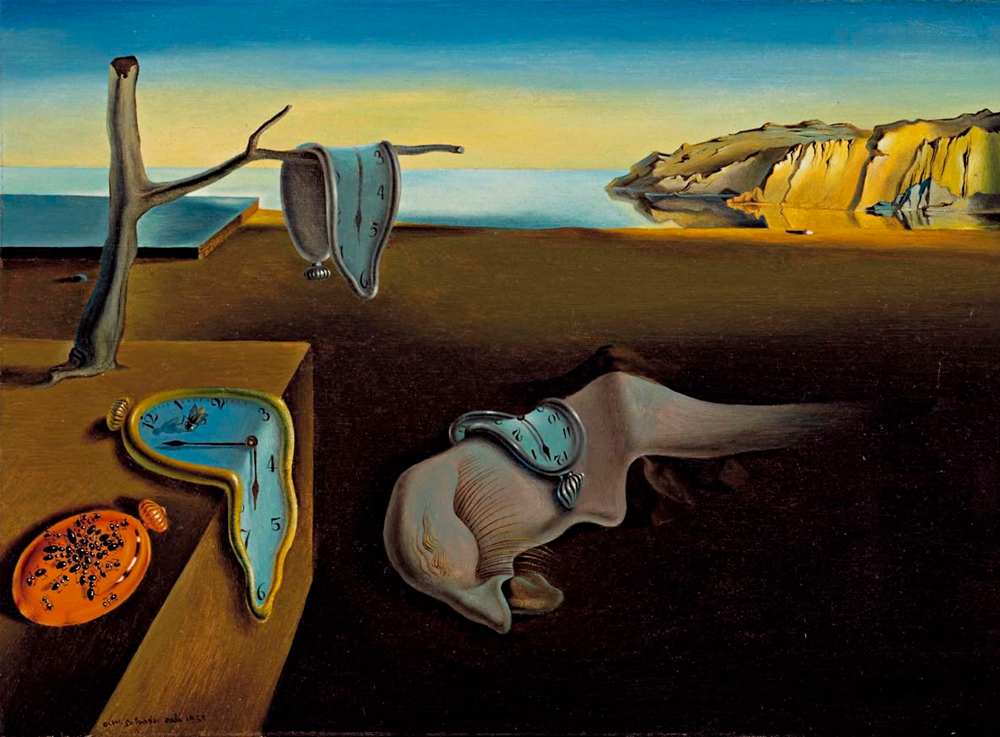
Dalí’s melting clocks became a symbol of Surrealism. The dreamlike landscape challenged rational perception and invited viewers to explore subconscious reality through visual symbolism.
Guernica – Pablo Picasso
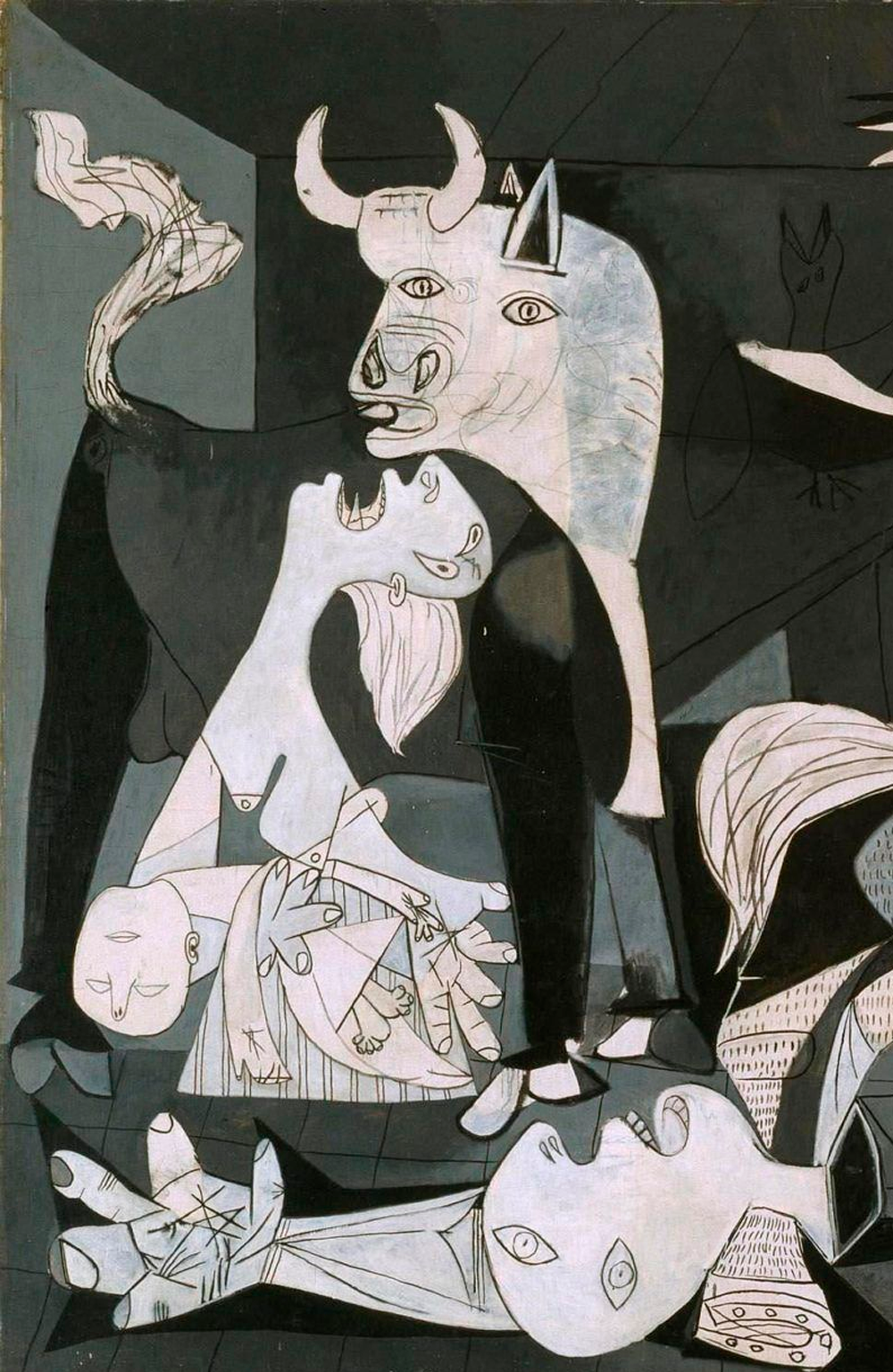
Created in response to the bombing of a Spanish town, Guernica stands as one of the most powerful anti-war statements in art history. Its monochromatic palette and distorted forms intensified the emotional devastation it depicts.
Campbell’s Soup Cans – Andy Warhol

Warhol blurred the line between commercial imagery and fine art. By elevating everyday consumer products to gallery status, he redefined what could be considered art and launched the Pop movement.
The Fountain – Marcel Duchamp

A simple urinal signed “R. Mutt,” The Fountain radically questioned the definition of art. Duchamp’s readymade concept shifted the focus from craftsmanship to idea, forever altering contemporary artistic practice.
More Related Notes
- 10 Museum Exhibits in 2026 That Might Inspire You
Explore this piece about museum exhibits in 2026 that might inspire you, highlighting immersive art, culture, design, and creative experiences. - 11 Museums Around the World Every Art Lover Should Visit
Explore about museums around the world that art lovers should visit, from iconic collections to unforgettable cultural landmarks. - 11 Artists Who Completely Changed Their Style and Pulled It Off
Explore this piece about artists who took creative risks and came back stronger, proving reinvention can lead to an even bigger impact.