Not long ago, many of today’s most common technologies sounded unrealistic or far away. Some were things people only saw in movies, while others felt unnecessary or impossible to scale. What’s surprising is not just that these technologies exist now, but how quickly they became part of normal life.
1. Conversations With Artificial Intelligence Became Normal

The idea of casually talking to a machine and receiving detailed, human sounding responses once felt futuristic. Now millions of people use AI tools daily for work, school, creativity, and problem solving.
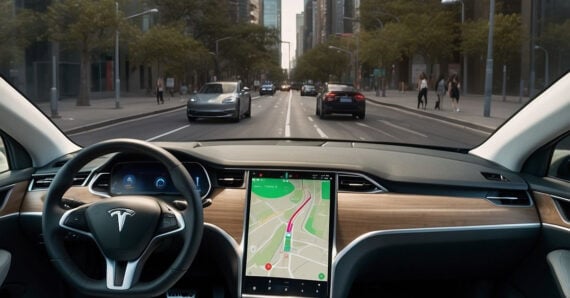
2. Vehicles Learned to Navigate Without Human Control
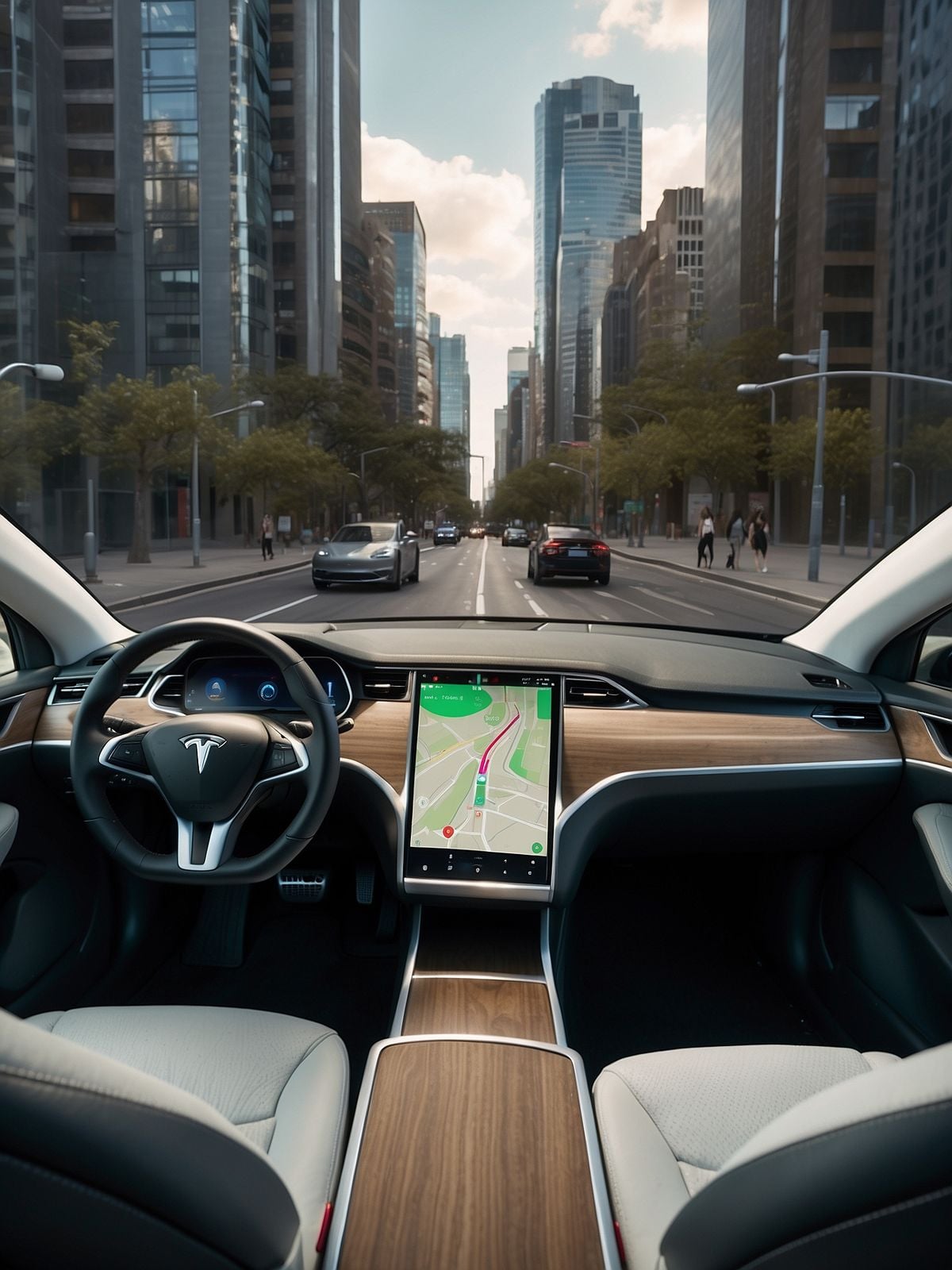
Fifteen years ago, autonomous driving belonged mostly to science fiction movies. Today, vehicles can already park, navigate traffic, and drive with minimal human input in certain situations.
3. Phones Started Recognizing Human Faces Instantly
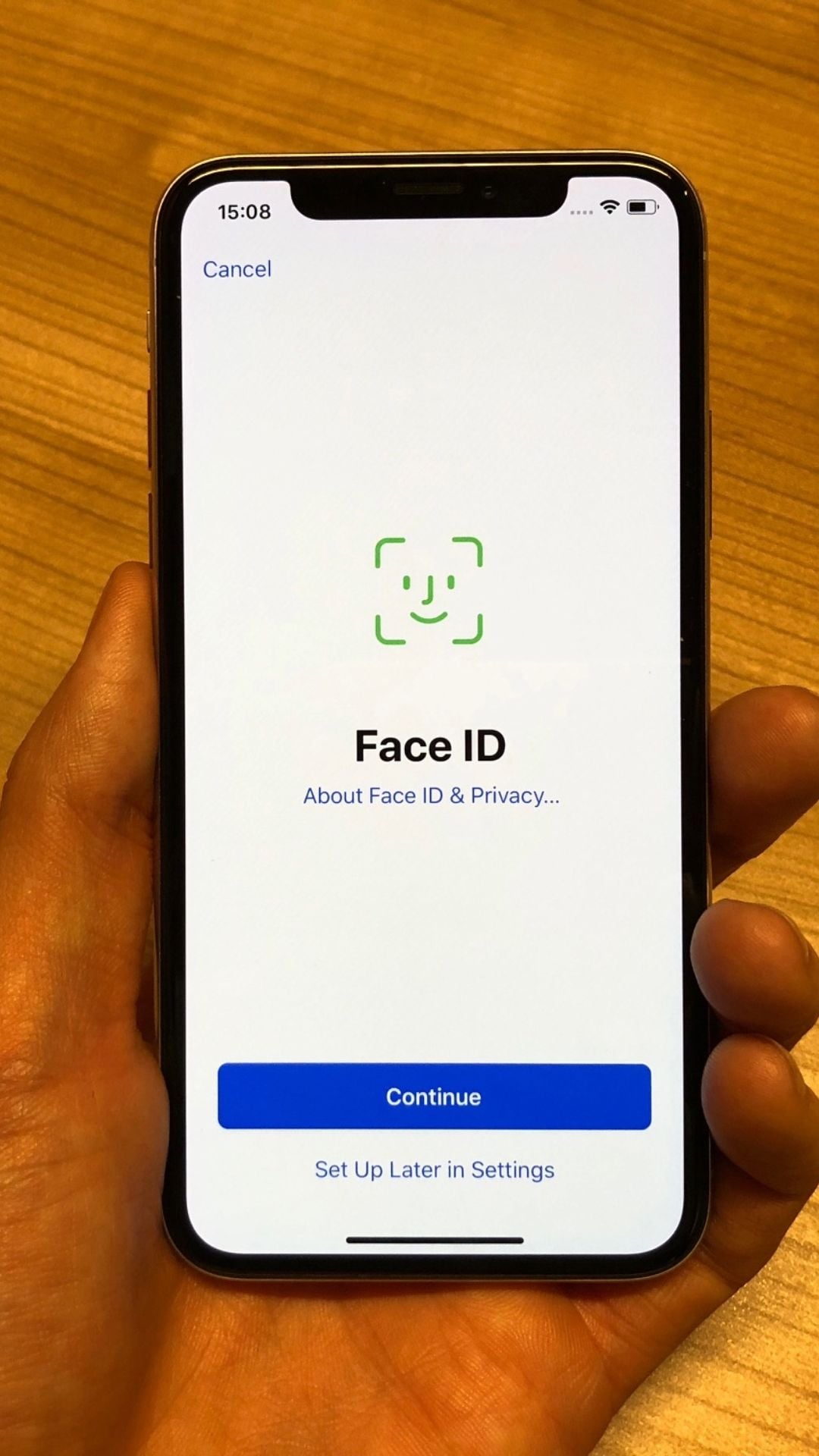
Using facial recognition to access phones, airports, or secure spaces once sounded invasive and highly advanced. Now it happens constantly in everyday life without much thought.
4. Houses Began Responding to Voice Commands
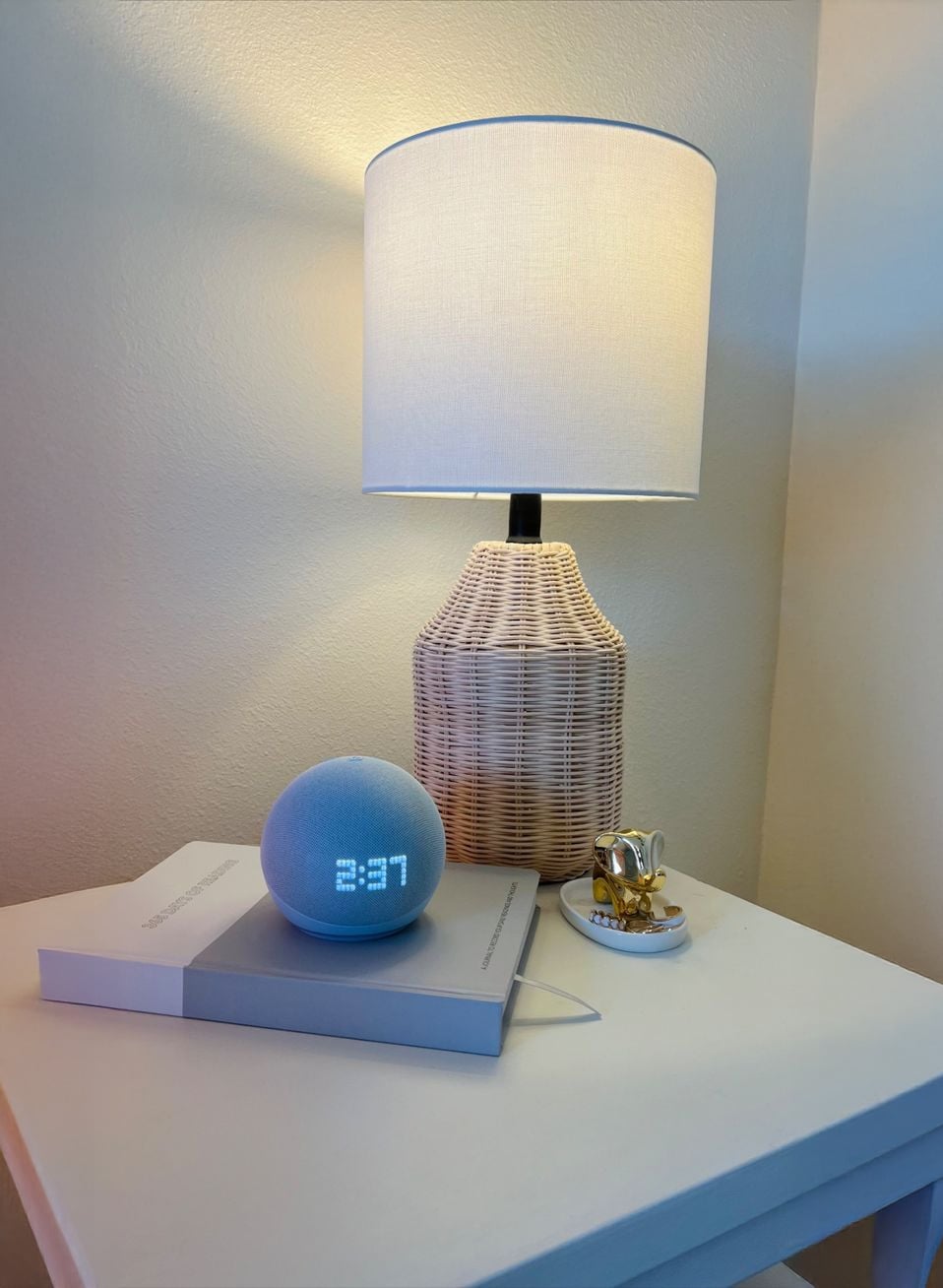
Adjusting lights, temperature, music, and appliances through voice commands once felt unrealistic outside movies. Today, smart homes became normal in many households.
5. Tiny Audio Devices Replaced Traditional Headphones

The idea that small wireless earbuds could replace larger headphones while maintaining quality seemed unlikely at first. Now they became one of the most common tech accessories worldwide.
Trending on Wealth Gang

6. Seeing Someone Through a Screen Became Everyday Life

Video calling existed before, but it still felt unreliable and uncommon. Today, remote meetings, online classes, and virtual conversations became part of normal routines globally.
7. Digital Worlds Became Accessible From Home

Putting on a headset and entering a completely digital environment once seemed limited to futuristic entertainment. VR technology is now used for gaming, education, training, and even therapy.
8. Machines Started Creating Physical Objects From Files
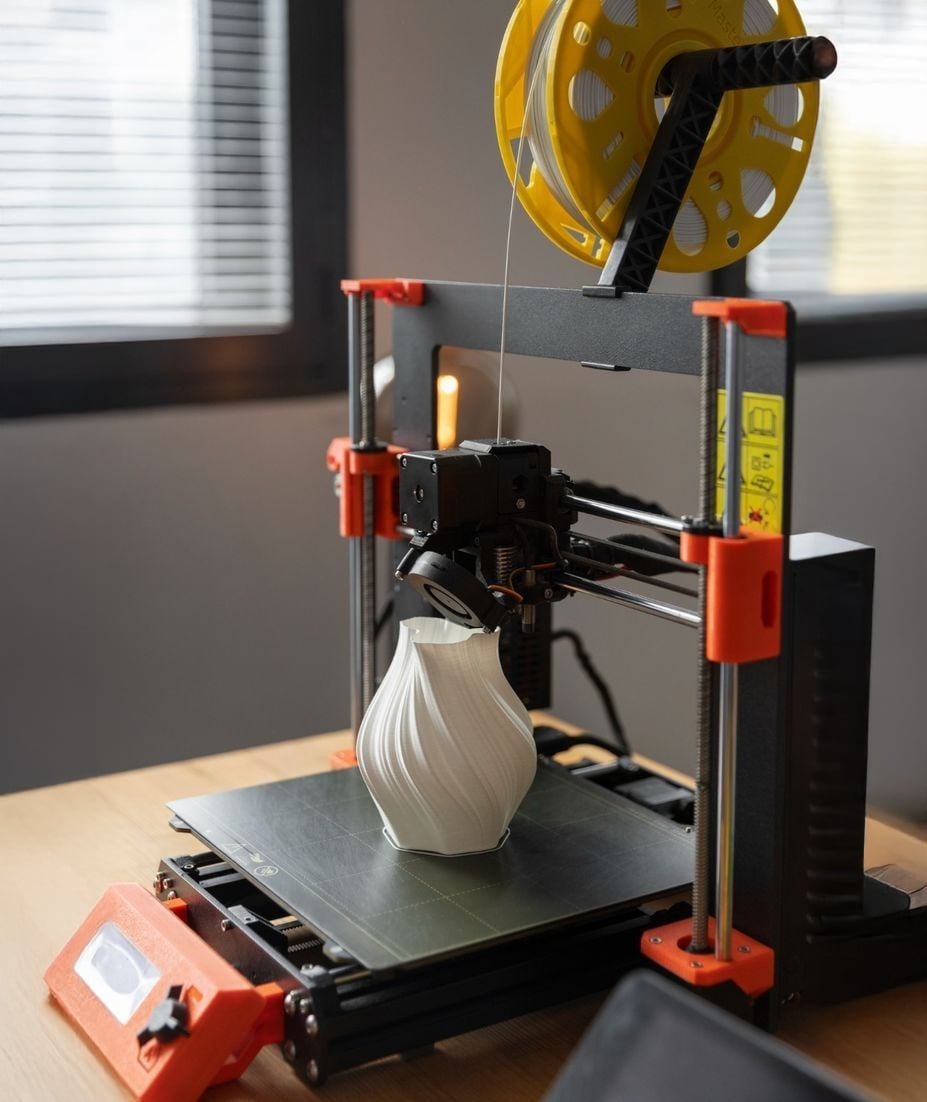
The idea of creating real objects layer by layer from a digital file sounded unbelievable to many people. Now 3D printers are used for everything from prototypes to medical tools.
Sign up for our newsletter
9. Wearable Devices Turned Health Tracking Into a Habit
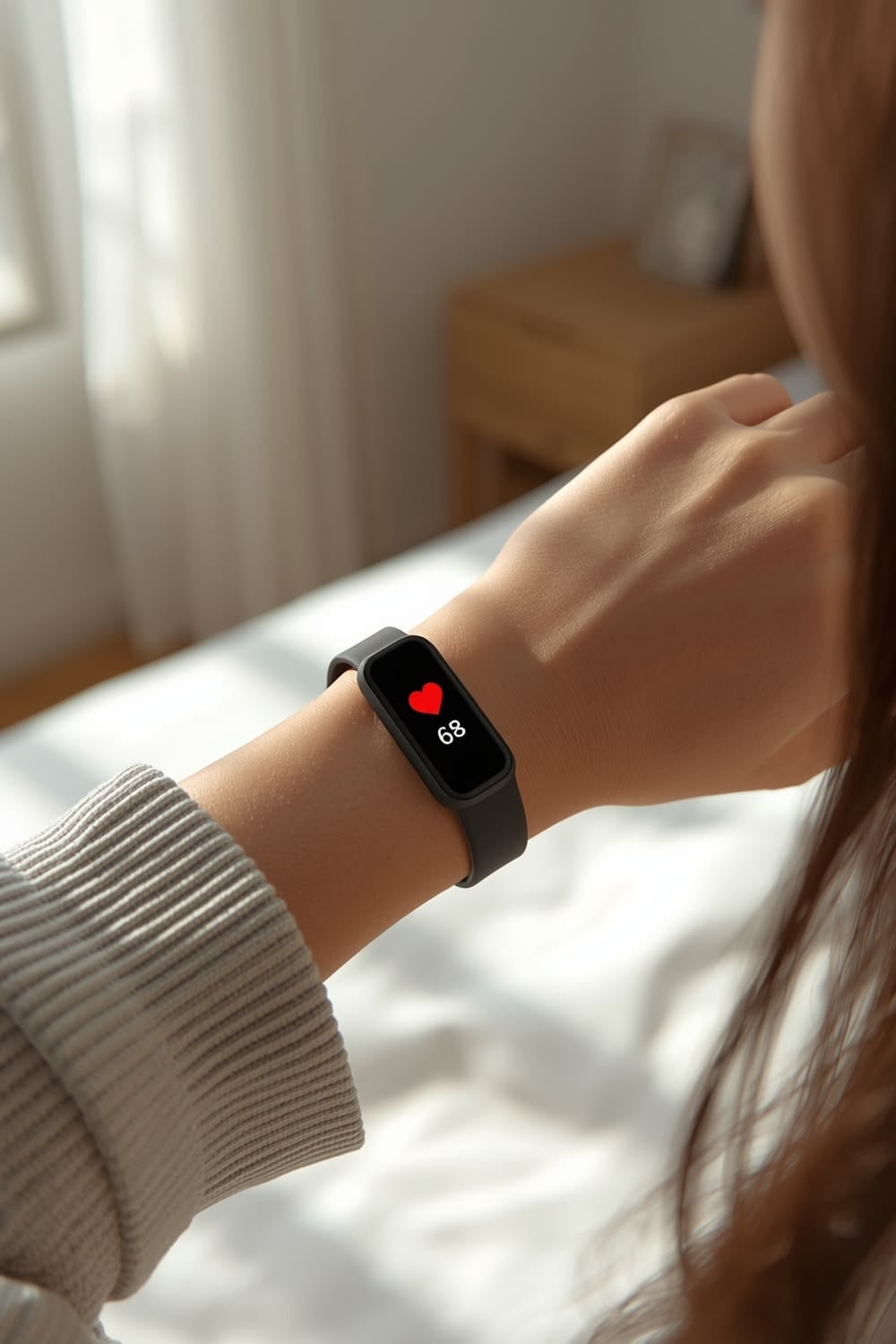
A watch monitoring heart rate, sleep, oxygen levels, and physical activity continuously once felt futuristic. Today wearable health tracking became incredibly common.
10. Aerial Filming Became Available to Almost Everyone
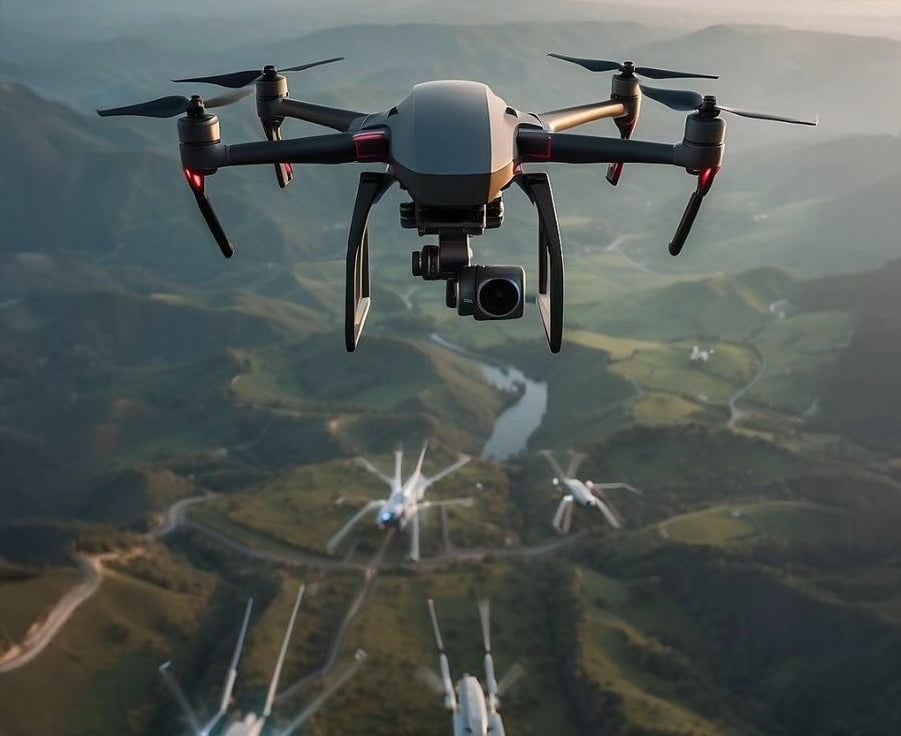
Aerial footage used to require helicopters or expensive professional equipment. Now compact drones allow ordinary people to capture cinematic footage from the sky.
The Future Arrived Faster Than Most People Expected
- 10 Professions That Become More Valuable Every Day and AI Can’t Replace
As technology advances, some careers are becoming even more important because they rely on human judgment, creativity, and emotional connection. - 10 Startups That Could Make It Big in 2026
Some emerging companies are gaining attention because they focus on industries changing rapidly through technology and shifting consumer habits. - 10 Professions That Will No Longer Exist in 10 Years
Automation and artificial intelligence are transforming the job market quickly. These professions may disappear or change dramatically sooner than people expect.