
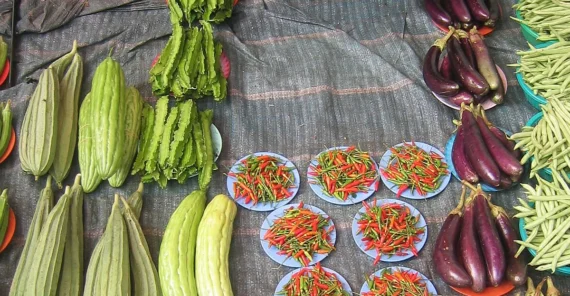
Before supermarkets and Apps, families thrived on resourcefulness. Life demanded practical skills that kept homes running, saved money, and built resilience. These were not hobbies, they were survival tools passed down through generations. Today, many of these abilities have faded, replaced by convenience. Yet reviewing them reminds us of the value of self-sufficiency, creativity, and connection.
1. Cooking from scratch

Families once made meals entirely from raw ingredients: baking bread, simmering stews, and preserving food. Cooking wasn’t just nourishment, it was a daily ritual that taught patience and thrift without relying on packaged shortcuts. Each dish carried the flavor of tradition and the pride of self‑sufficiency.
2. Sewing and mending
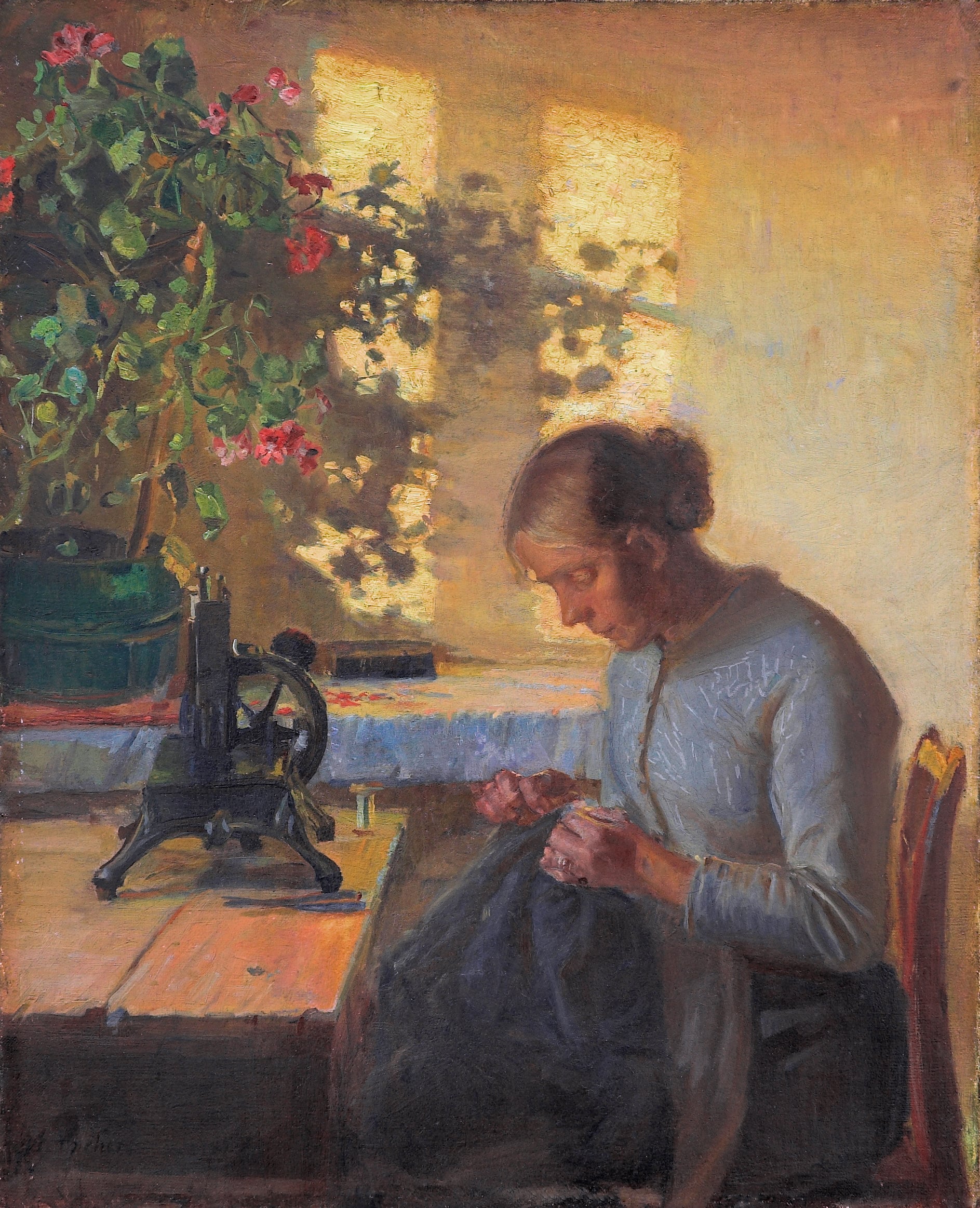
Clothes were patched and buttons replaced instead of tossed. Sewing kept wardrobes alive longer, saving money and reducing waste, while also fostering creativity through handmade garments.
3. Gardening for food
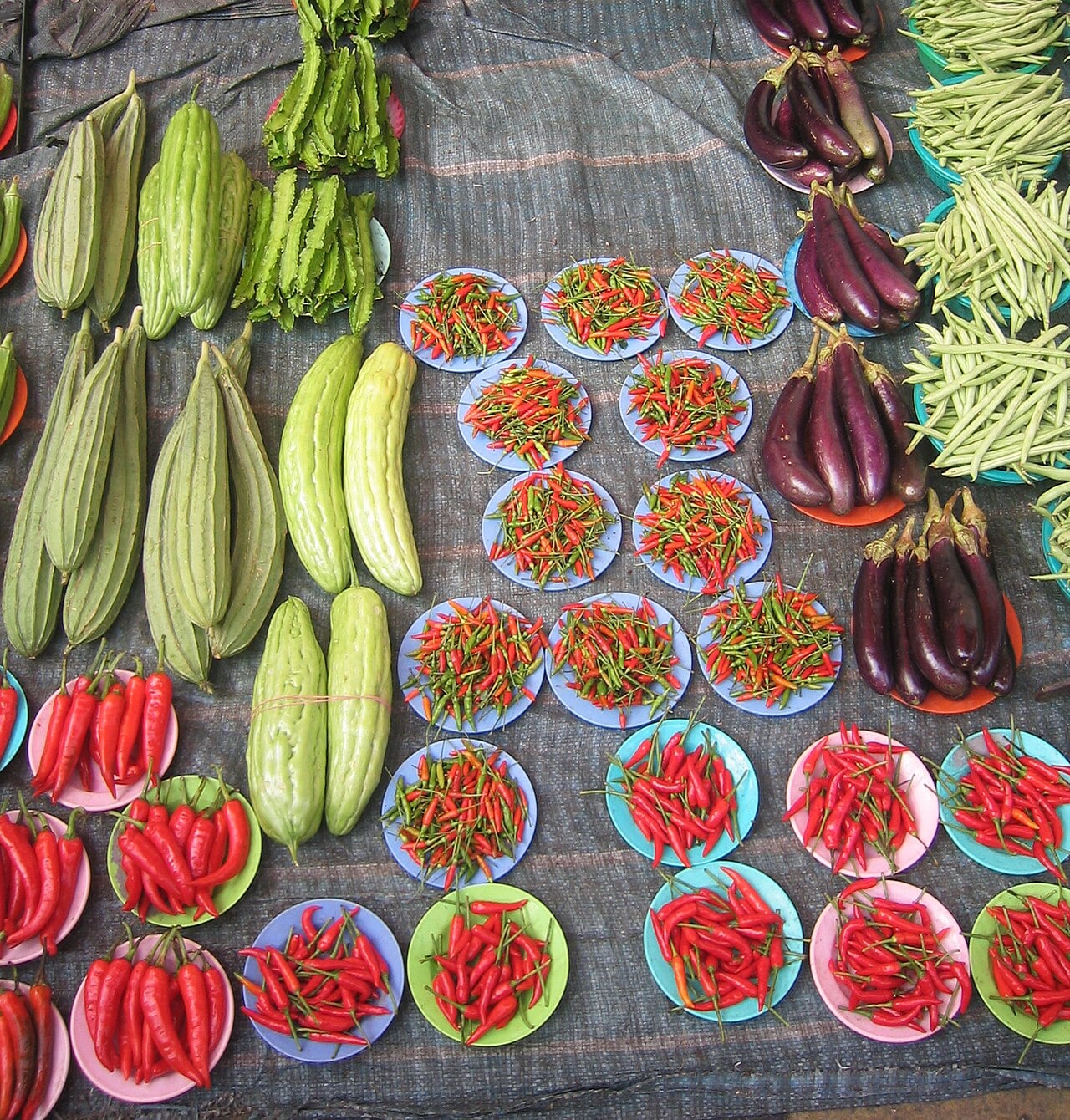
Backyards and small plots produced vegetables, herbs, and fruits. Families grew what they ate, ensuring fresh produce and teaching children the value of hard work. Harvest days became celebrations of abundance, with baskets full of color and pride.
4. Canning and preserving
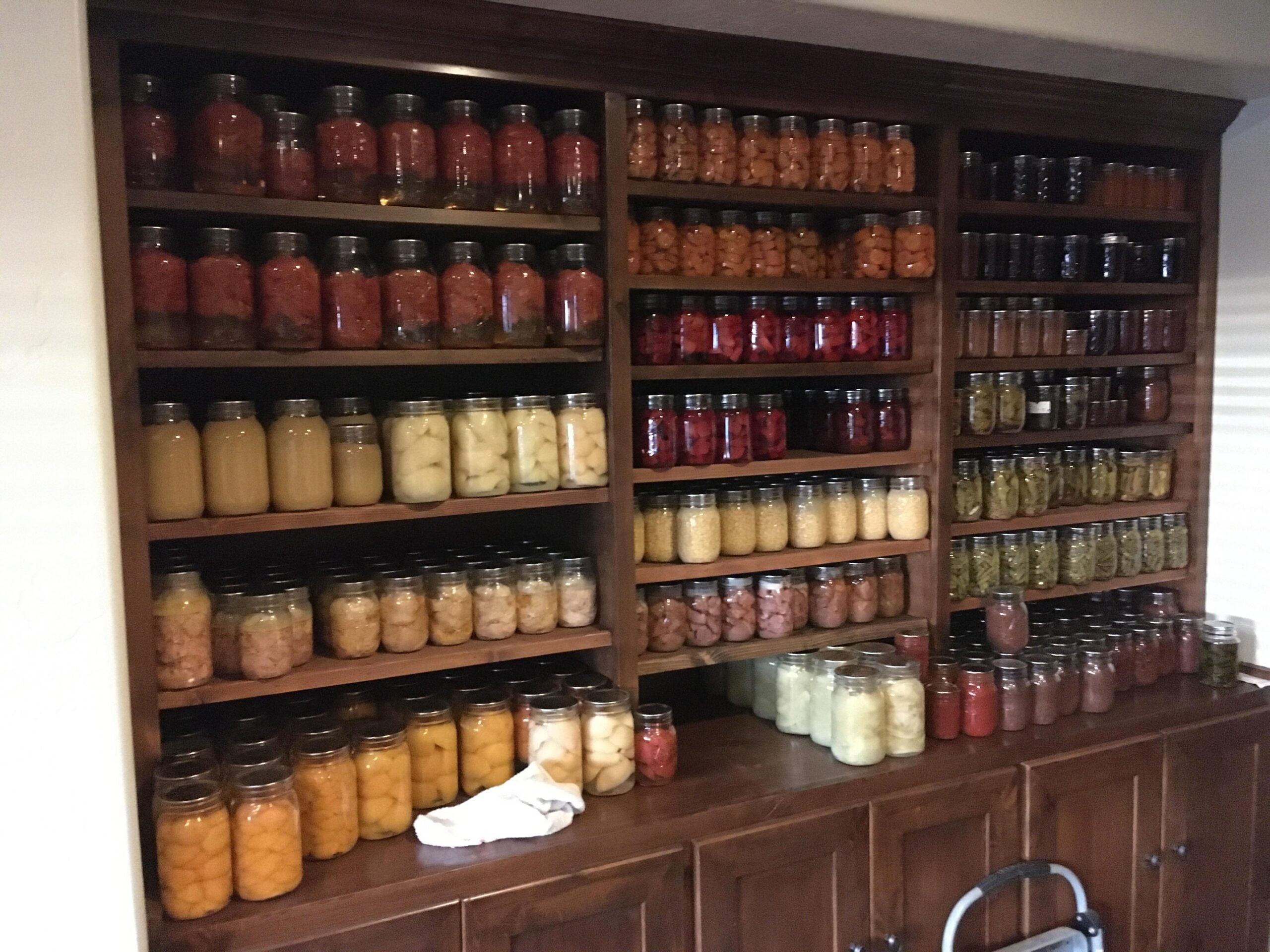
Seasonal harvests were stored in jars of jams, pickles, and sauces. This skill meant food security through the winter months and reduced reliance on stores.
5. Carpentry basics

From fixing a chair to building shelves, carpentry was a necessity. Families did not call a handyman for small jobs, they had the tools and knowledge to repair and create. Woodworking skills were passed down through generations, ensuring homes were maintained with pride and resourcefulness.
Trending on Wealth Gang


6. Home repairs

Squeaky doors, or broken tiles were fixed at home. Knowing how to maintain a home keeps costs low and builds pride in ownership.
7. Knitting and crocheting

Sweaters, scarves, and blankets were handmade, often passed down as heirlooms. These crafts provided warmth, personalization, and a sense of accomplishment. Knitting and weaving also unite communities, with shared traditions turning fabric into stories of resilience.
8. Animal care

Families raised chickens, goats, or cows for eggs, milk, and meat. Caring for animals taught responsibility and ensured food supply.
Sign up for our newsletter
9. First aid knowledge

Before urgent care clinics, families relied on basic medical know-how with home remedies and first aid kits. Generational wisdom kept households resilient, as remedies and first-aid practices were passed down like essential survival skills.
10. Budgeting

Every penny mattered. Families tracked expenses, reused items, and prioritized essentials, building financial discipline that modern convenience often erodes.
11. Storytelling and oral tradition
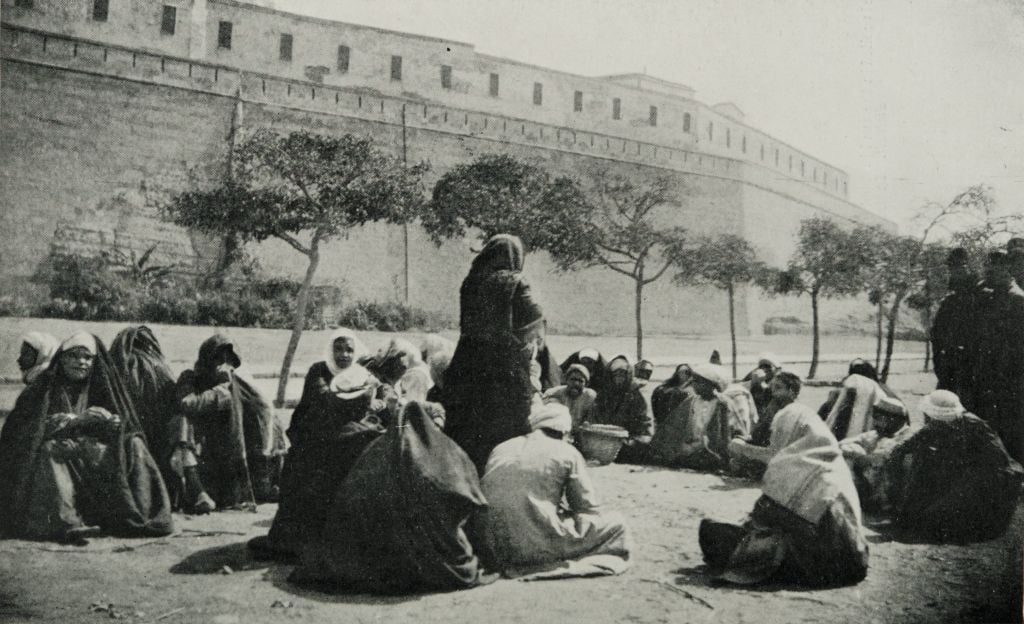
Entertainment was not streaming, it was family stories, songs, and shared experiences. Oral traditions bonded generations and preserved culture.
12. Laundry by hand
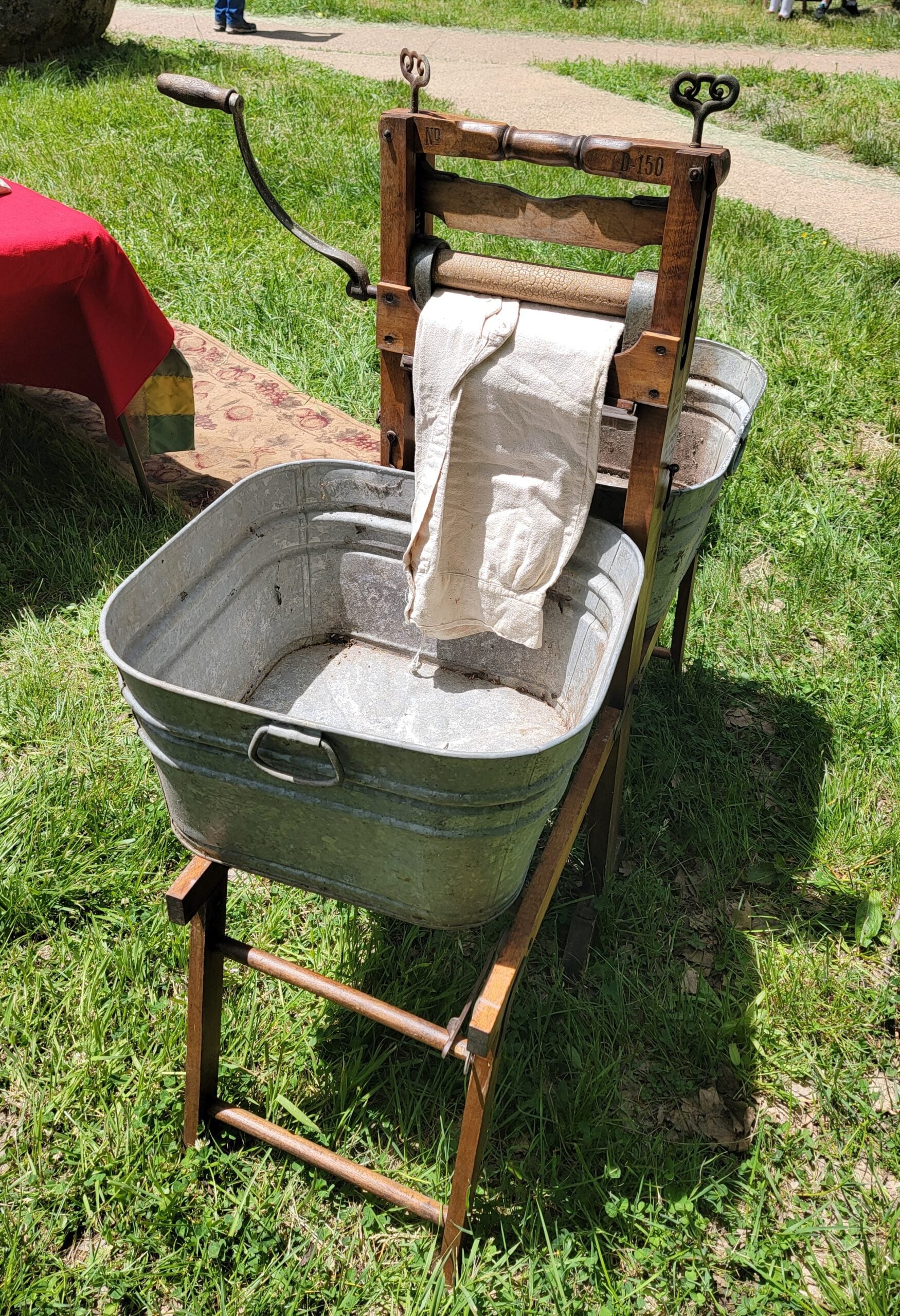
Before machines, clothes were scrubbed and dried outdoors. It was intense but taught care for belongings and appreciation for durability. Laundry rituals also built family bonds, as shared effort turned chores into lessons of patience and pride.
13. Making household cleaners

Families mixed vinegar, baking soda, and soap flakes into effective cleaning solutions. These homemade products kept homes spotless without expensive chemicals, teaching resourcefulness and reducing reliance on store‑bought goods. Simple ingredients became powerful tools for everyday.