Many everyday products that achieved massive success began with difficult starts or poor sales. Some sold poorly, some were made for the wrong job, and some were almost thrown away. Through persistence and finding new applications, their creators turned initial failures into triumphs.
They changed the idea and found a new use. Let´s discover 14 products that initially had a difficult start.
1. Post-it Notes
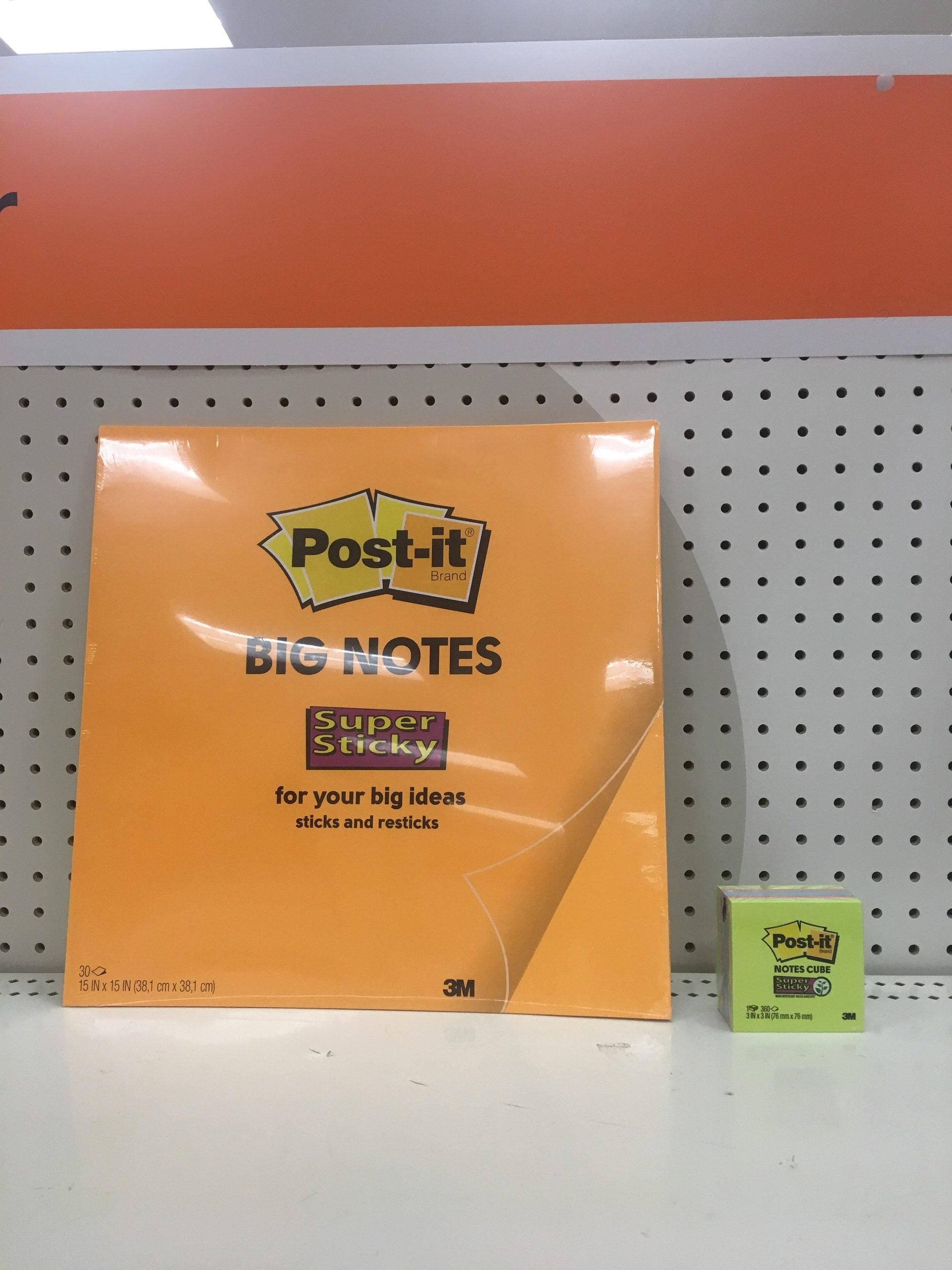
In 1968, a scientist invented a glue, but it was too weak to hold items together. Years later, a coworker used it to keep bookmarks in his hymn book. Once professionals used the notes, they realized the utility and demanded more.
2. Play-Doh
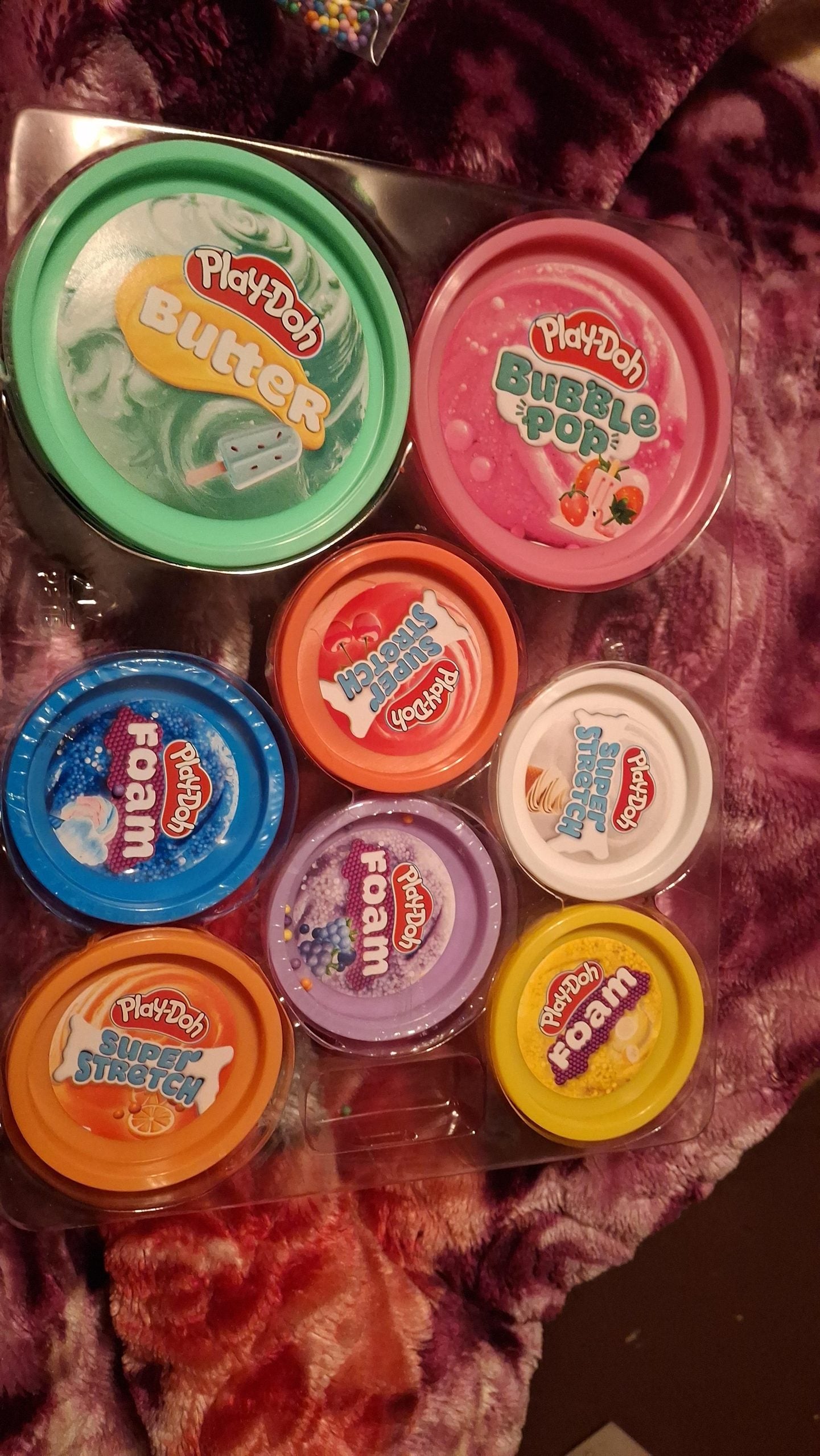
It began as a putty to clean coal soot off wallpaper. When homes switched to other heating, sales fell, and it shifted into a toy.
3. Coca Cola
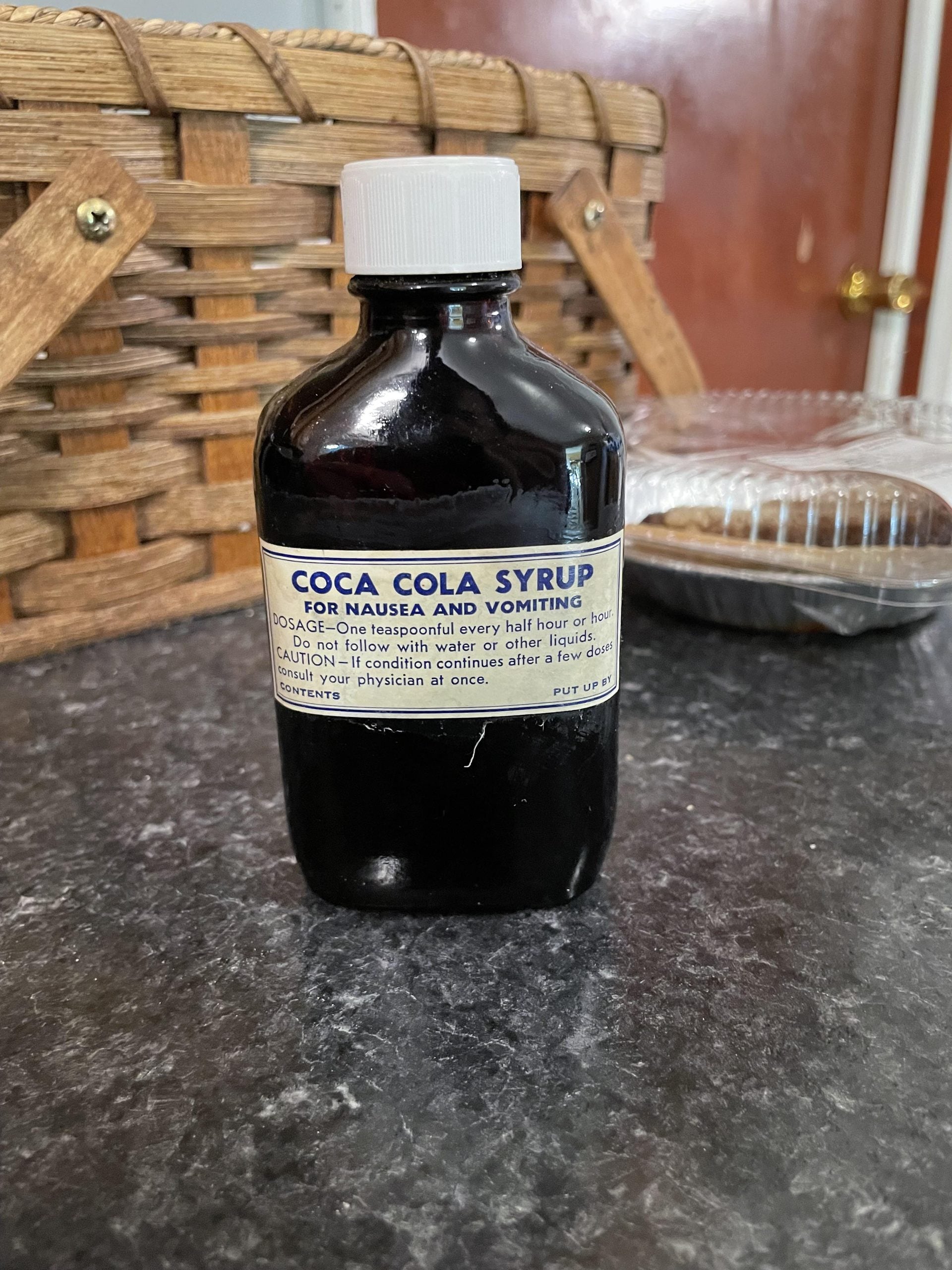
It was first sold in 1886 as a headache tonic. It sold very few glasses, and it took a change in how it was sold to make it a soft drink people loved.
4. Bubble Wrap
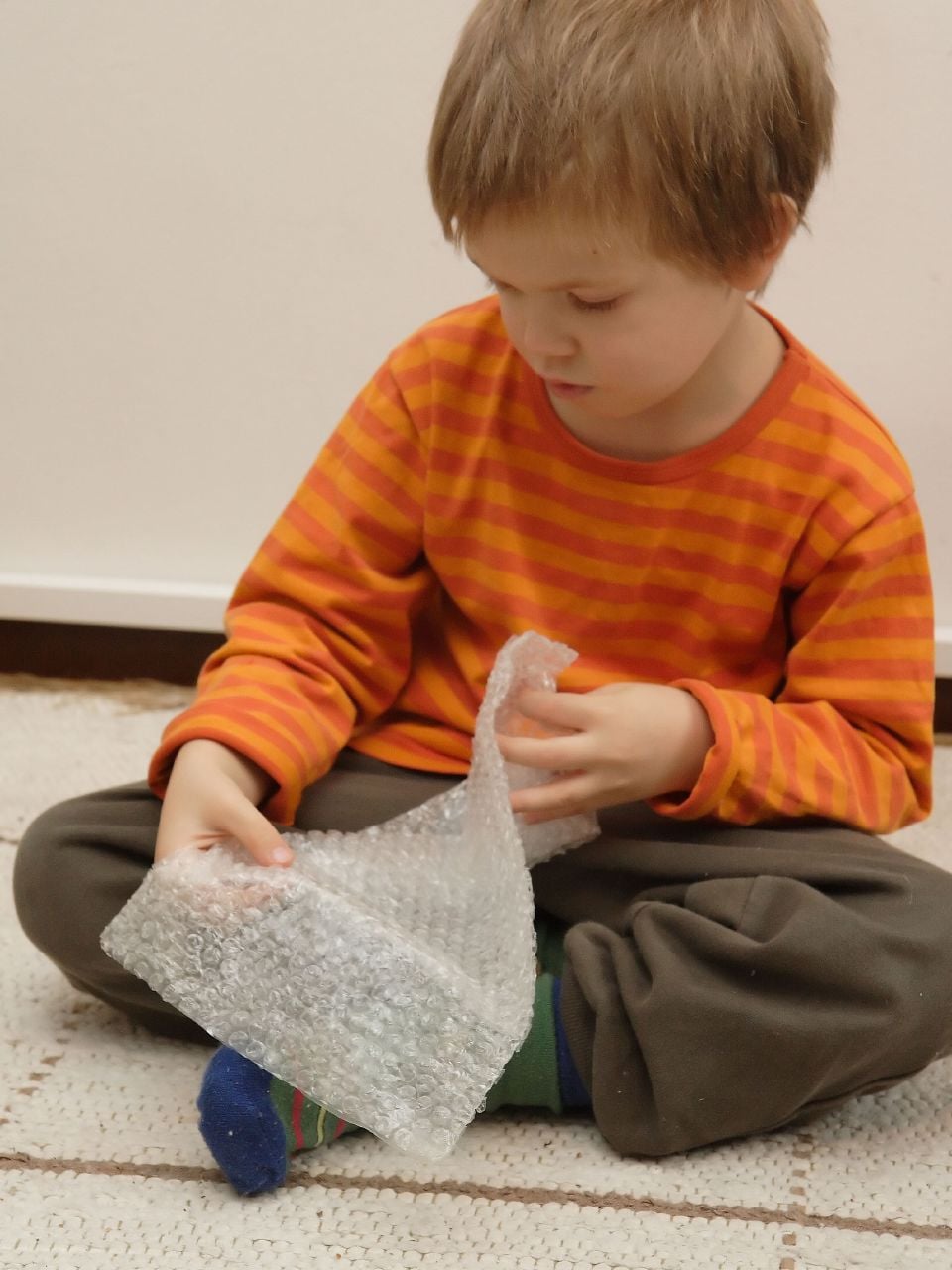
Bubble wrap was originally invented in 1957 as a textured plastic wallpaper, but it failed because consumers did not want squishy, plastic-bubble walls. It only took off when IBM began using it to protect computers during shipping.
5. Viagra
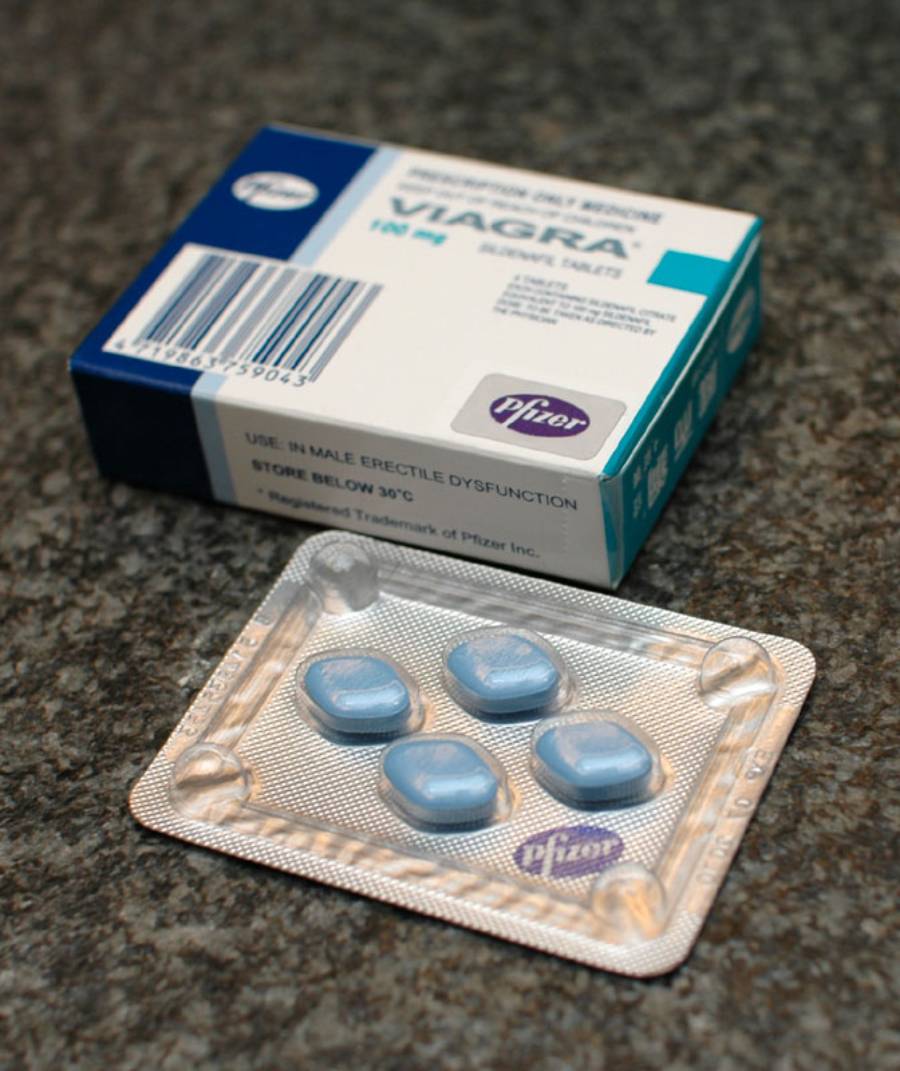
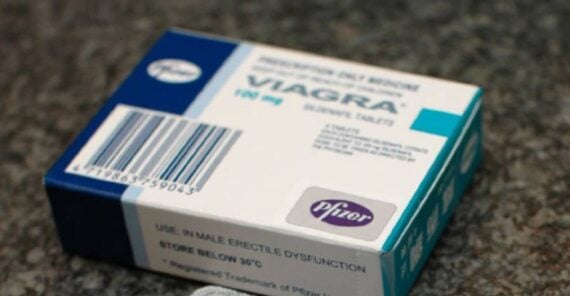
In the late 1980, scientists at Pfizer synthesized a compound to create an everyday pharmaceutical solution for cardiovascular issues. The drug “failed” its purpose because it did not relax the blood vessels around the heart. Then the people in the trial reported a strange side effect, and the drug found its real use.
Trending on Wealth Gang


6. Kleenex
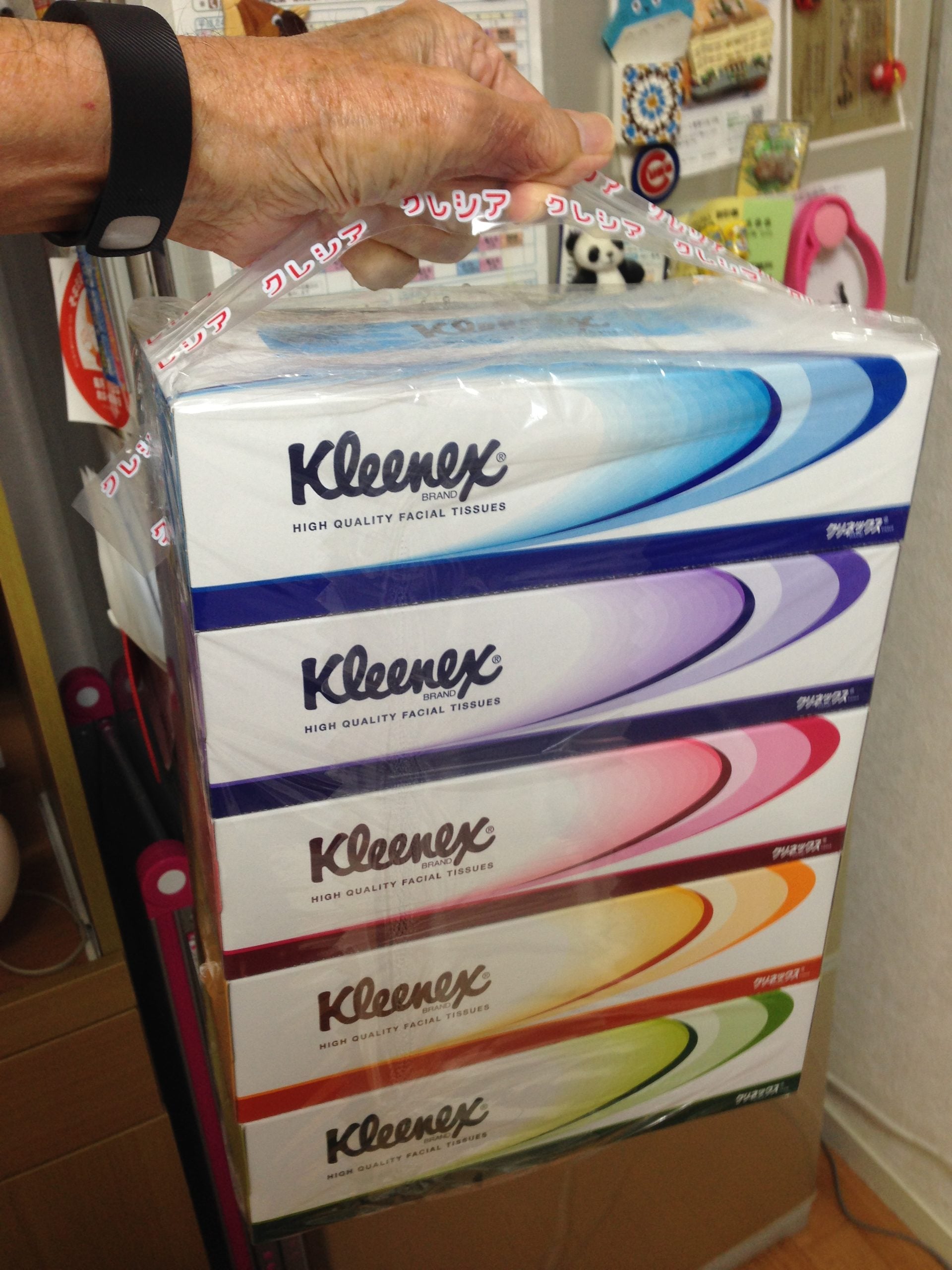
When Kimberly-Clark launched Kleenex in 1924, it was positioned as a luxury makeup and cold cream remover tissue for women. Customers kept using it to blow their noses instead, so the company changed its ads to match.
7. WD-40
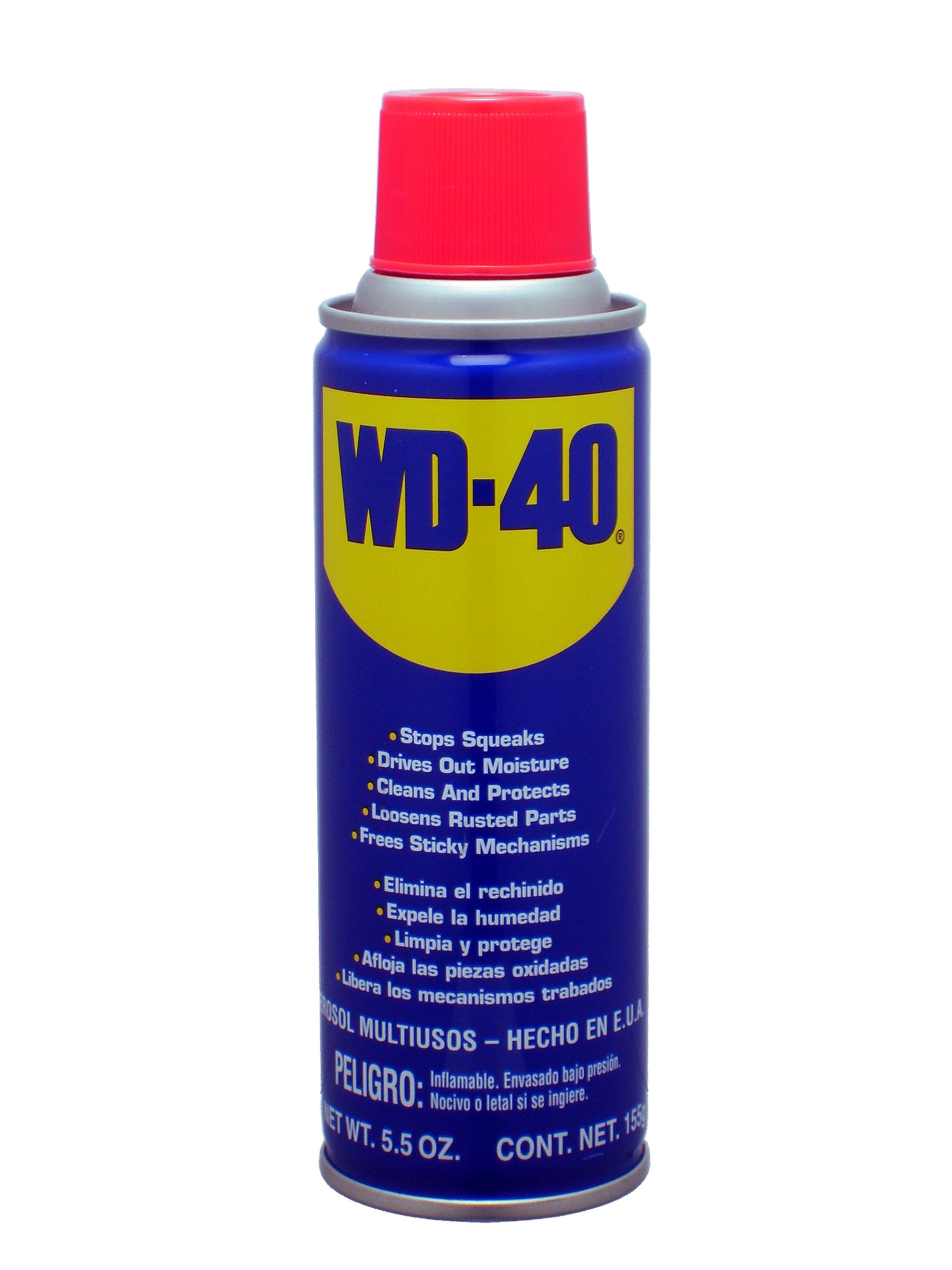
The name means “Water Displacement, 40th try,” because the first 39 chemical mixtures did not work. It was made to stop rust on rockets, and people soon found it useful around the house.
8. Velcro
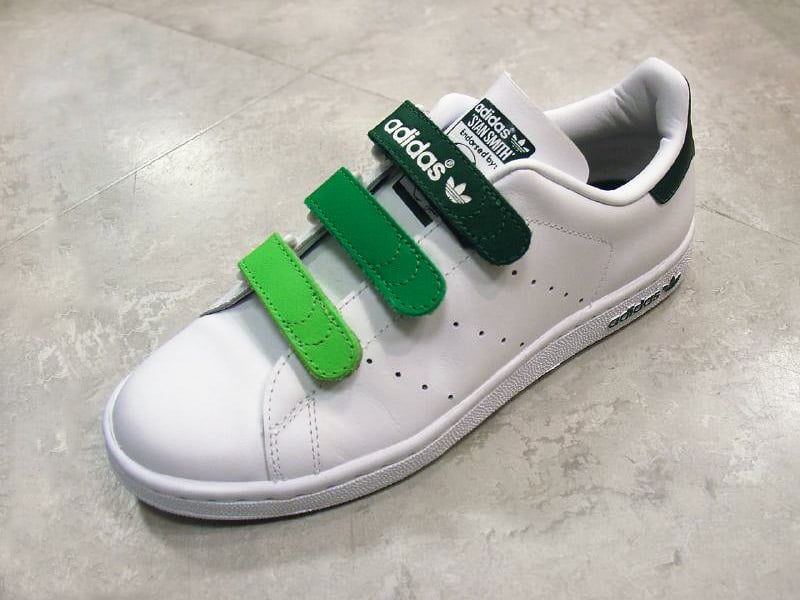
Invented by Swiss engineer George de Mestral in 1941 after noticing burrs sticking to his dog’s fur, fashion people laughed at it. It only got respect after NASA used it to keep things in place in space.
Sign up for our newsletter
9. Tupperware
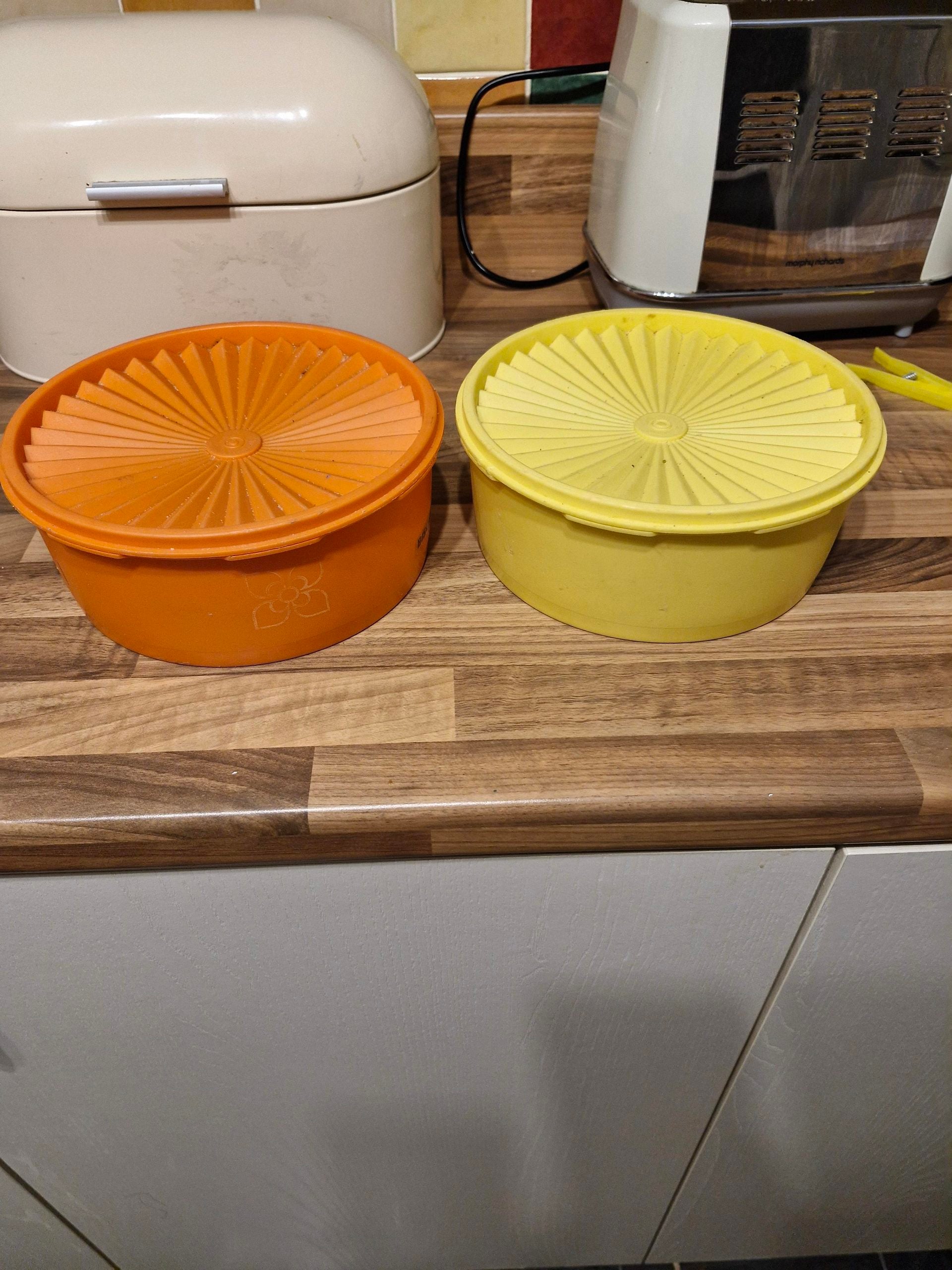
Tupperware initially failed as an everyday product because consumers did not understand how to use its seal, causing it to sit untouched on traditional retail store shelves. Sales grew when the company started selling it through home parties, where someone could show how it worked.
10. Instagram

It began as Burbn, a check-in app that tried to do many things at once, and few people used it. The founders cut down 90% of its functions to focus on just photo sharing.
11. Lego
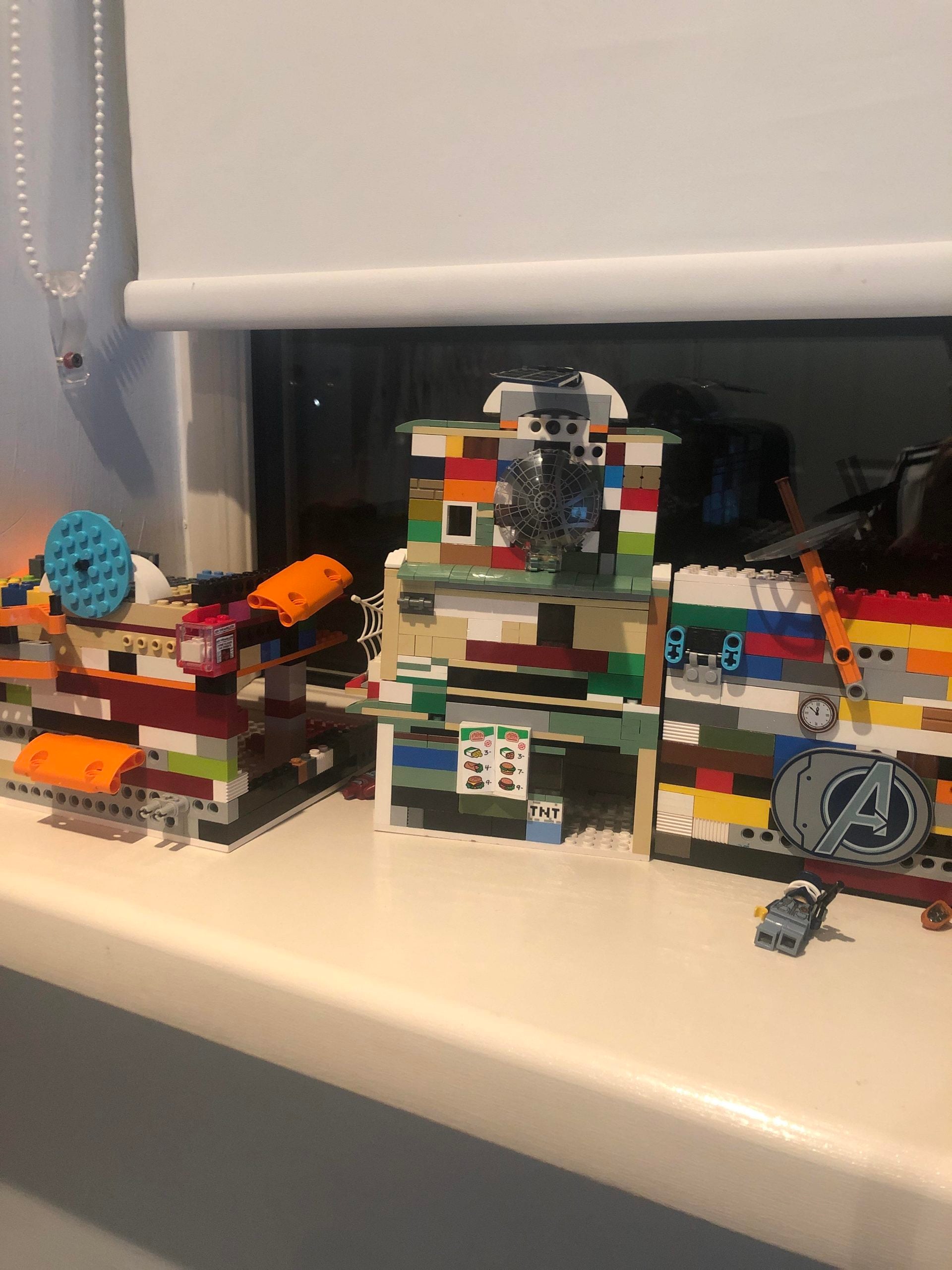
The company started with wooden toys and later moved to plastic bricks. The first bricks did not hold together well, and the design only worked when the studs and tubes were added. It nearly collapsed into bankruptcy in 2003 due to an aggressive overexpansion that abandoned its core product: the brick, before orchestrating one of the greatest turnarounds in corporate history later.
12. Dyson Vacuum
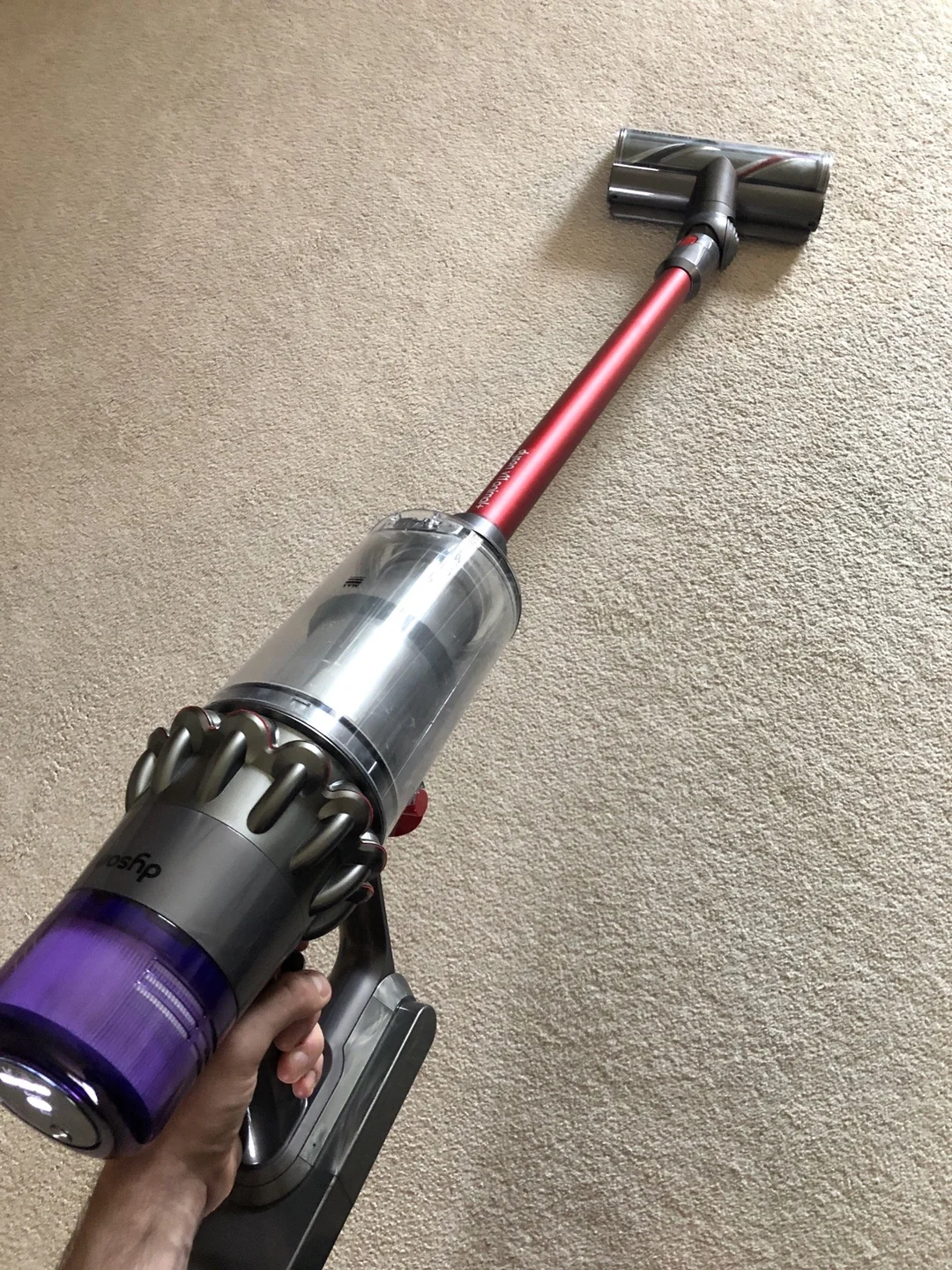
James Dyson built 5,127 prototypes over five years before he had a vacuum that worked. Many companies turned him down, but the final product became a best seller.
13. Slack

It was born inside a video game company whose game, Glitch, failed and shut down. The team’s internal chat became Slack as we know it.
14. Nintendo

Before Nintendo became a multi-billion-dollar company, it spent its first 80 years failing. It started in 1889 making playing cards, and later tried taxis and instant rice, which did not work out. Toys and video games finally gave it its big break.
You might also like:
• 15 Vintage Toys That Quietly Became Valuable Collectibles: Discover toys that became sought-after collectibles, with rare editions and well-preserved examples now commanding impressive prices.
• 16 Childhood Collections That Accidentally Became Investments: Explore childhood collections that turned nostalgic hobbies into valuable investments.
• 16 Old Board Games That Can Be Worth Serious Money: Take a look at classic games that once filled family rooms and toy boxes but can now be worth serious money to collectors.