
The year 2026 has delivered some remarkable surprises in science. Researchers have uncovered evidence of mysterious planets, unusual animal abilities, and hidden chapters of history. Some discoveries could change how scientists understand our universe, while others may influence medicine and technology.
From moving volatile cosmic matter down a highway to discovering hidden worlds on the edge of our solar system, here are 15 fascinating discoveries announced in 2026 that show just how much we are learning about the world around us.
1. Scientists Discovered a Giant 10-Sided Pattern on Saturn
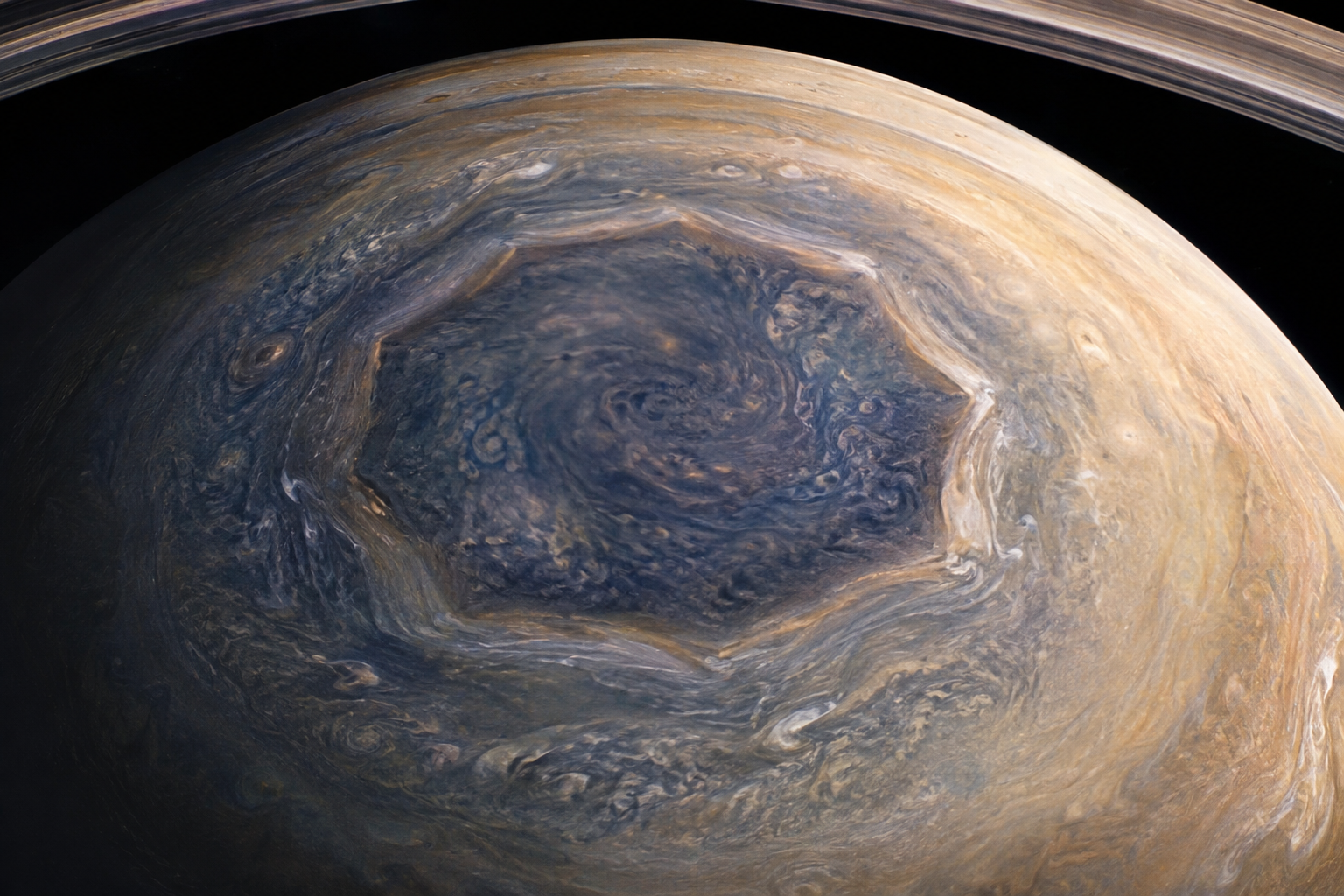
Saturn is famous for the mysterious hexagon surrounding its north pole, but astronomers announced another geometric surprise in September 2026. Observations confirmed a massive, evolving 10-sided atmospheric wave circling the planet’s south pole. Researchers traced evidence of the formation back to 2023 and believe it may be a recent development.
2. Astronomers Found the Youngest Planet Ever Observed
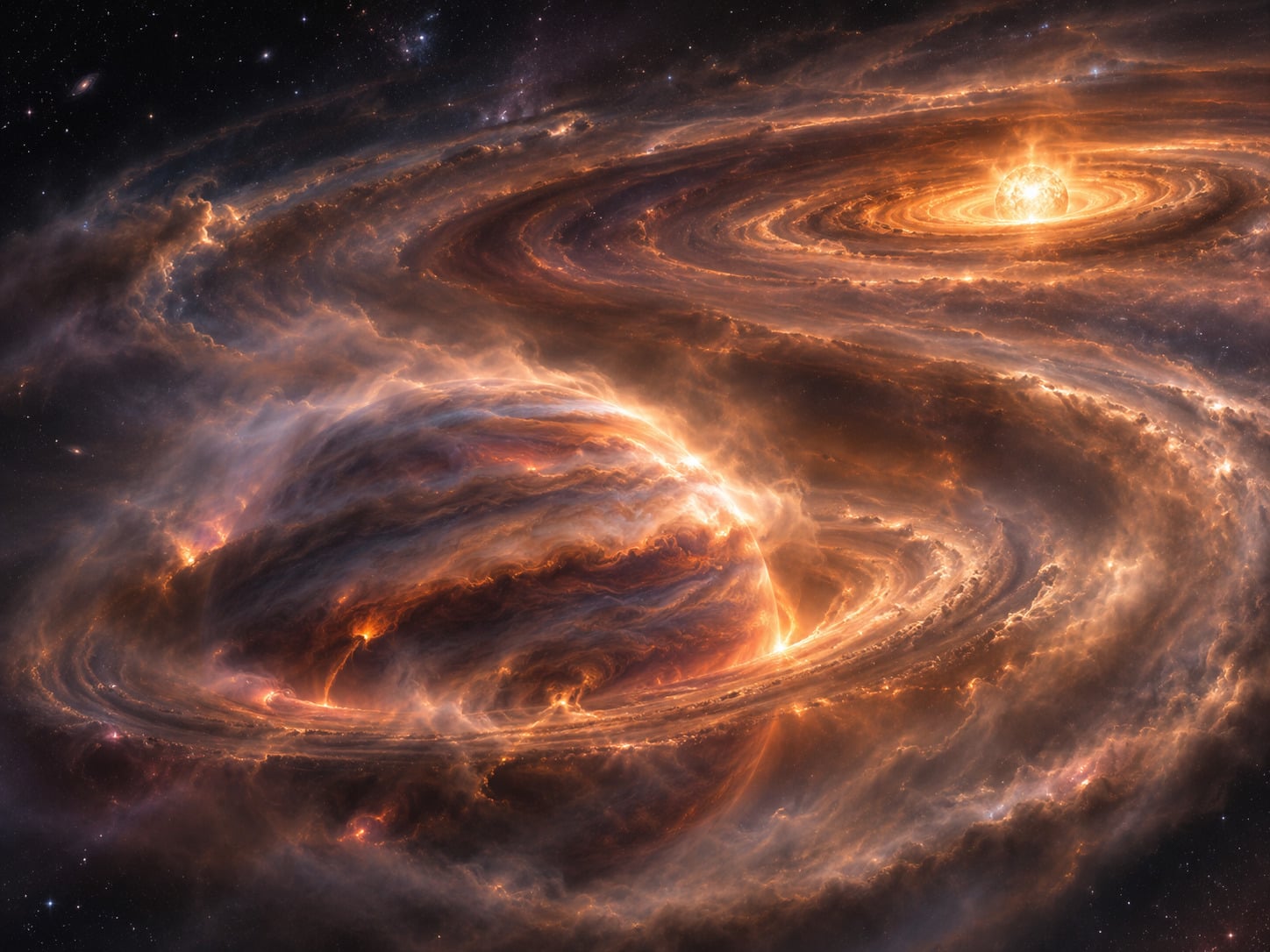
In September 2026, astronomers confirmed a planet called Elias 2-24 b that is less than one million years old. The planet is still surrounded by the gas and dust left over from its formation.
3. A New Crater Was Found on the Moon
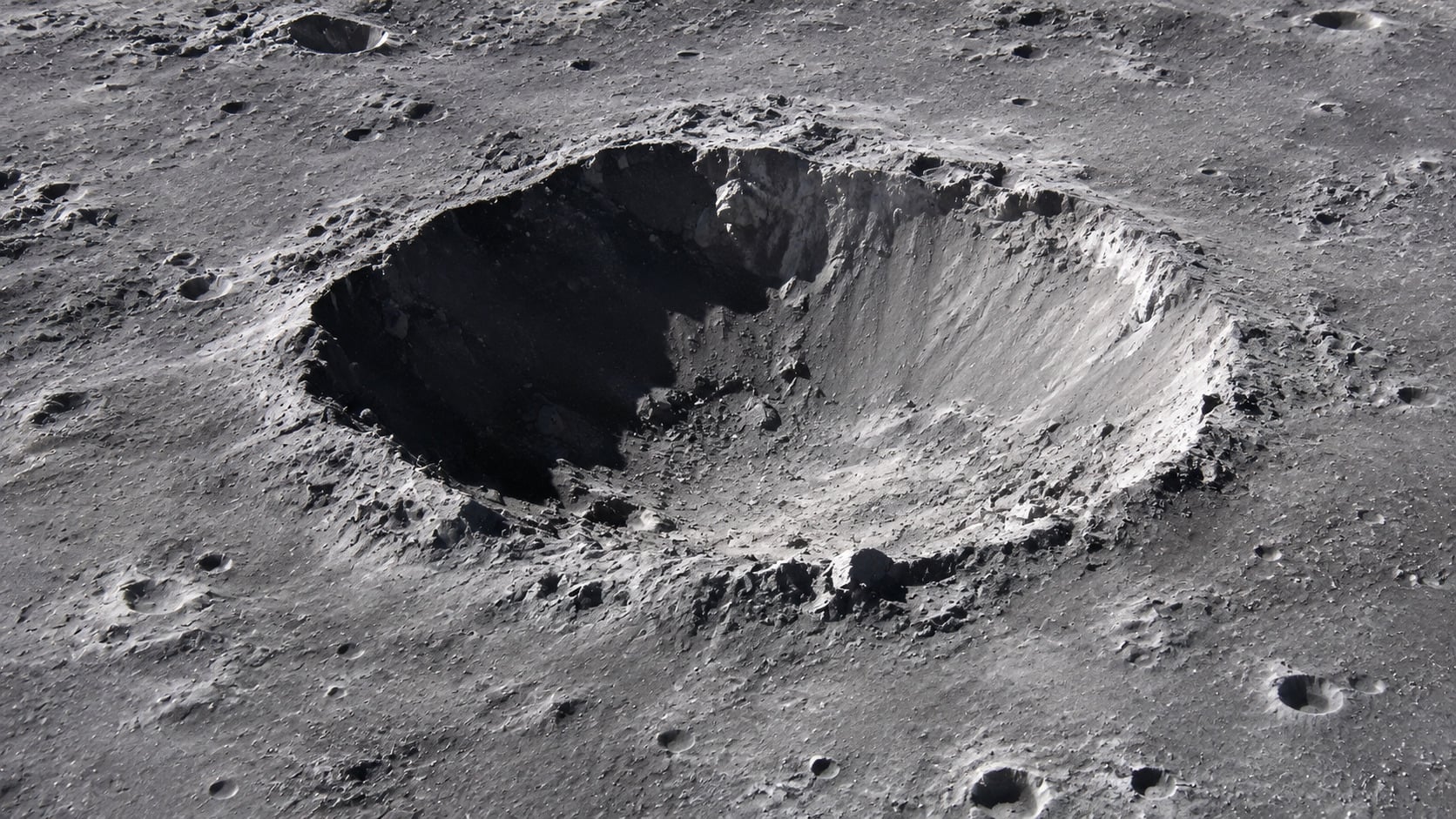
Scientists announced in September 2026 that they had identified an enormous crater that formed on the Moon in May 2024. Measuring approximately 728 feet across and 141 feet deep, the crater was created when a large space rock slammed into the lunar surface. The finding provides valuable information about how frequently large impacts occur on the Moon.
4. Scientists Found Evidence That Planets Form Around Dead Stars
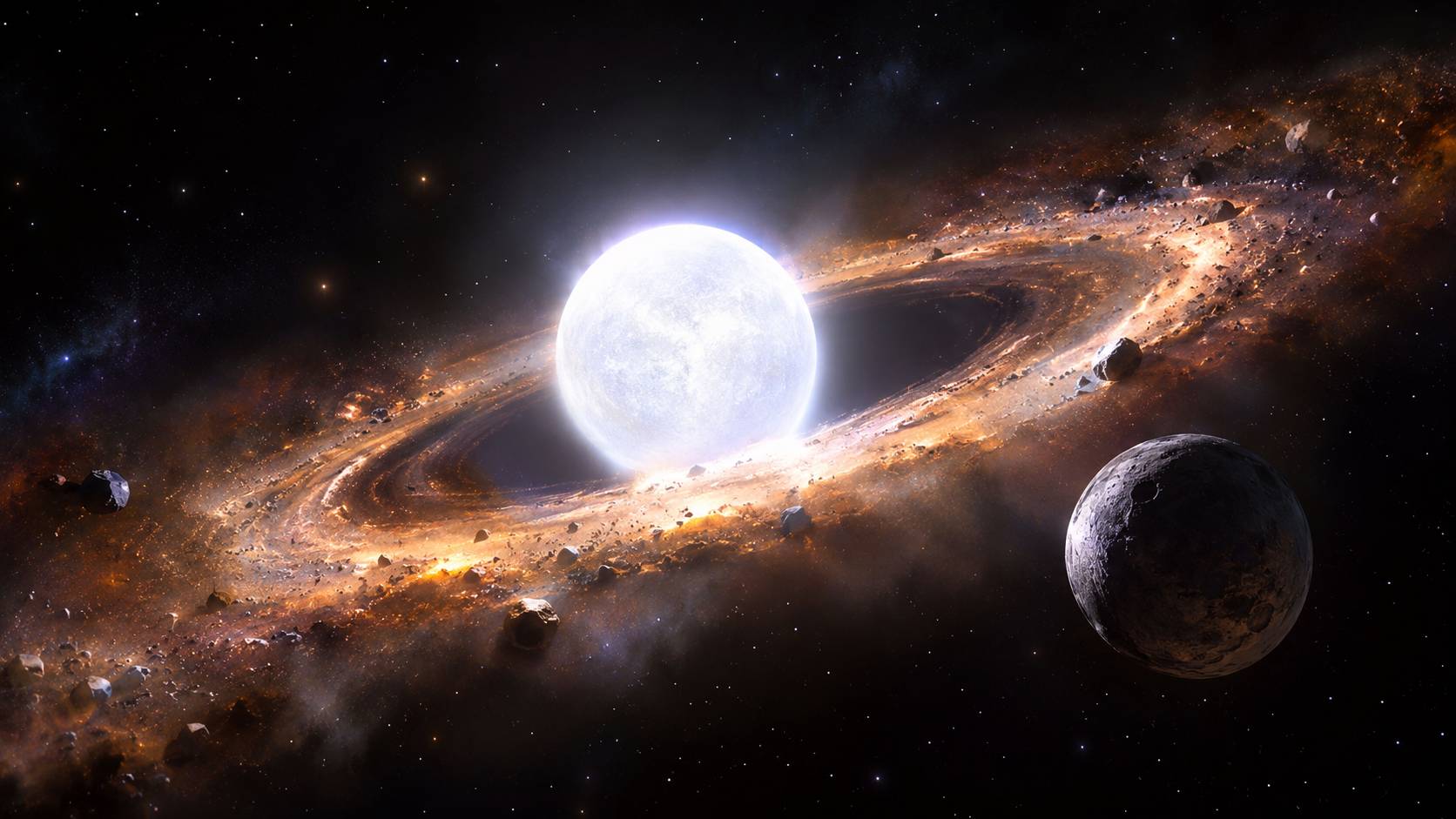
Astronomers announced an unusual discovery in October 2026 involving a white dwarf, the remains of a star that has exhausted its fuel. Chemical signatures, including high amounts of niobium, suggest the star may host a planet formed from material released during its death.
5. A Galaxy Was Found That Appears to Be Dark Matter
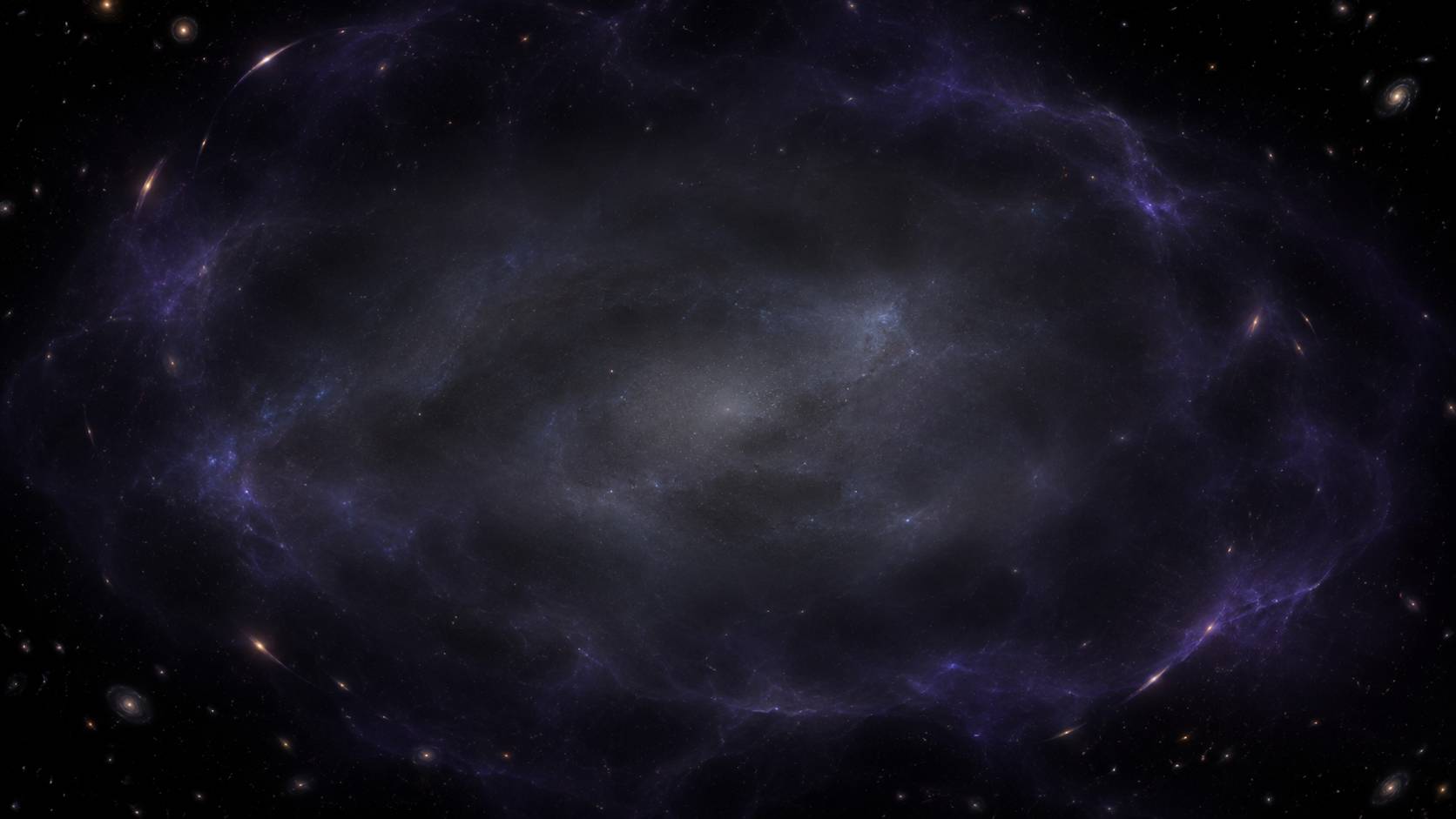
In February 2026, astronomers reported an extraordinarily faint galaxy known as Candidate Dark Galaxy-2. Despite its galactic size, the object contains remarkably few visible stars and appears to be dominated by dark matter.
Trending on Wealth Gang


6. Hubble Captured a Comet Breaking Into Pieces
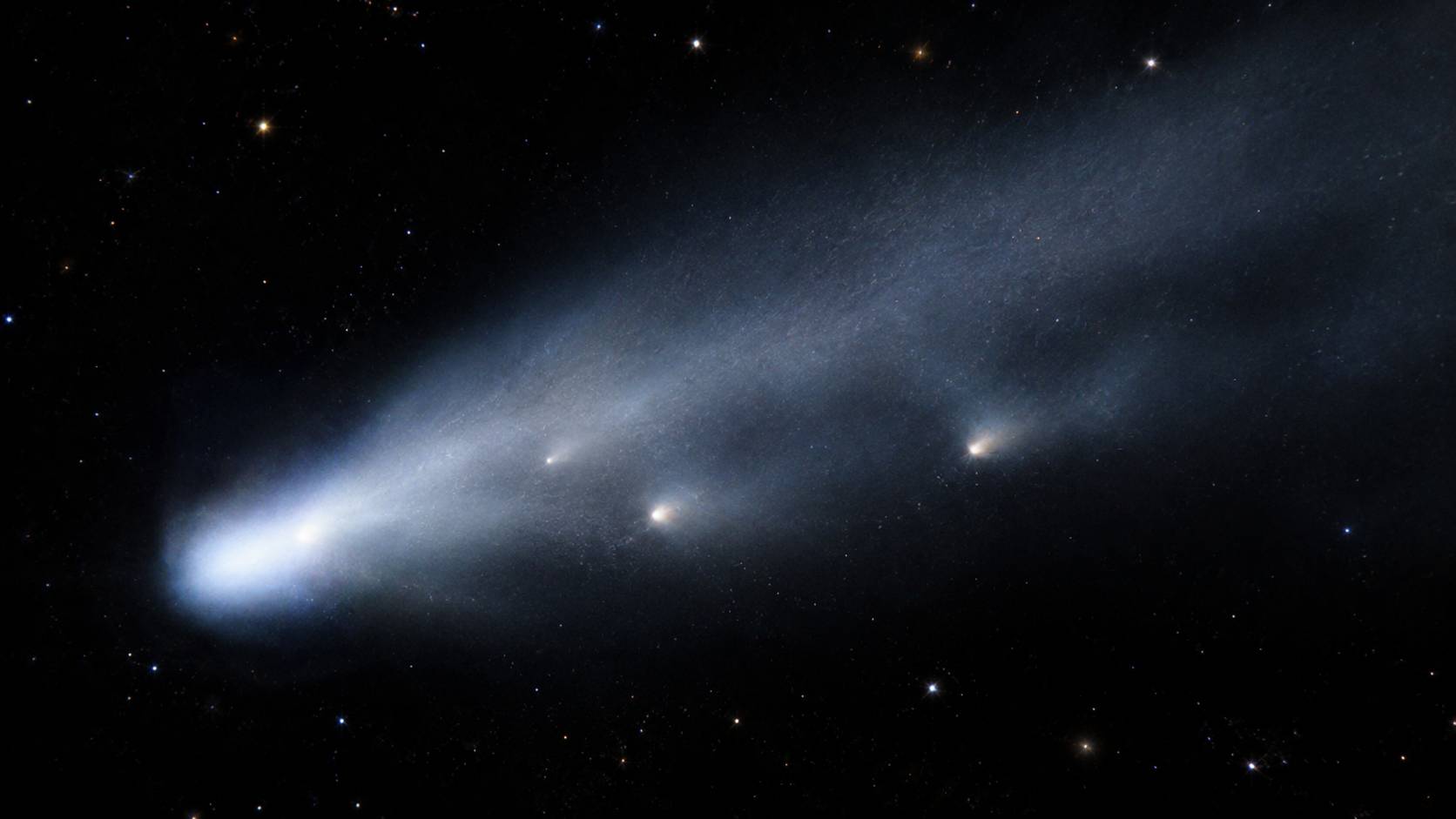
Astronomers announced a discovery in March 2026 after analyzing Hubble observations taken in November 2025. Comet C/2025 K1 (ATLAS) had recently passed its closest approach to the Sun when its nucleus fragmented into at least four pieces.
7. Mars Has an Atmospheric Effect Scientists Had Never Observed
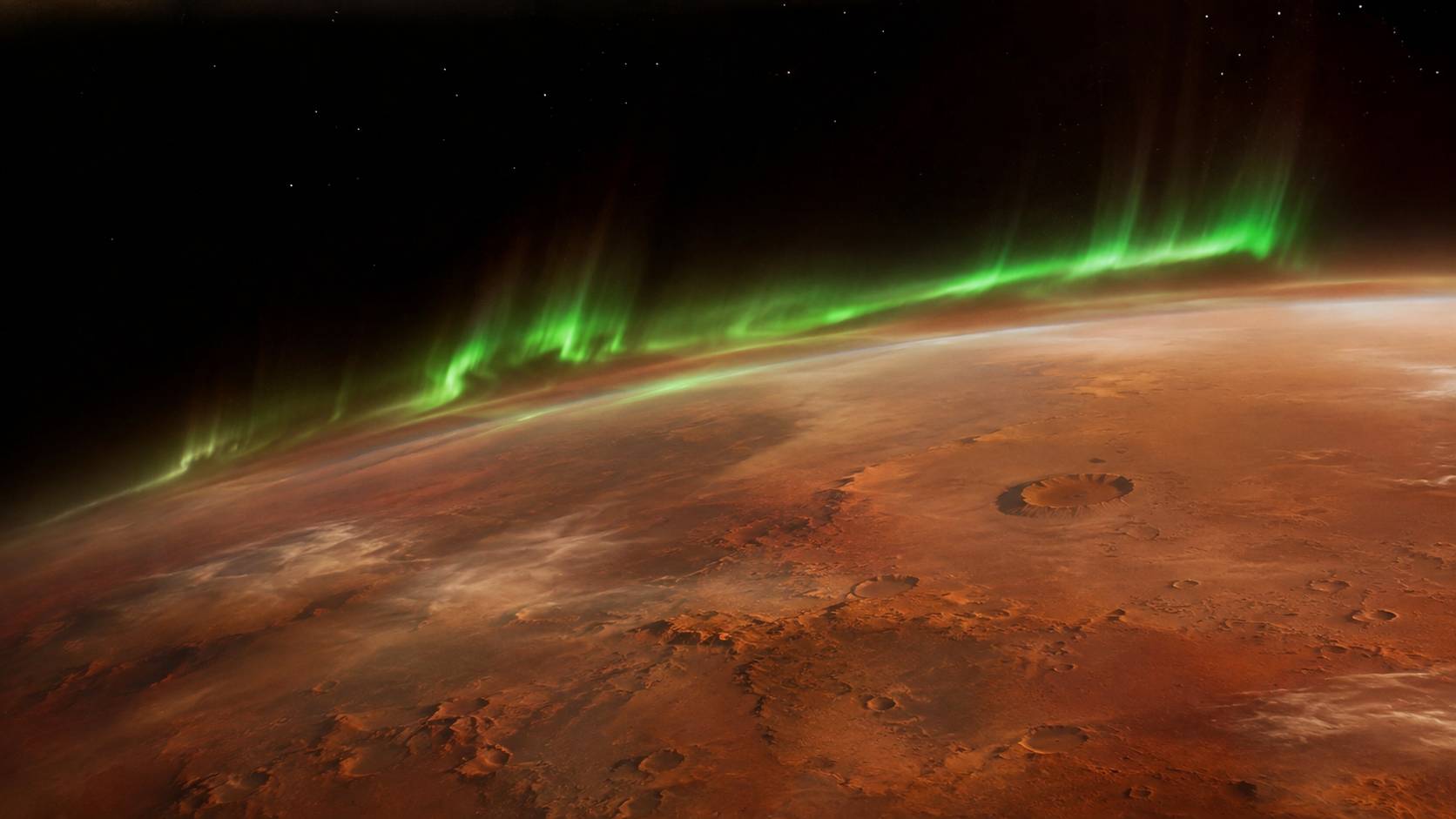
In May 2026, NASA announced the observations of a previously unrecognized atmospheric effect on Mars. Known as the Zwan-Wolf effect, the phenomenon involves charged particles being squeezed along magnetic structures.
8. Scientists Solved a Five-Million-Year Mystery About the Colorado River

In April 2026, researchers announced evidence that the river once emptied into an ancient lake east of the Grand Canyon before developing its modern route. By analyzing minerals preserved in sandstone, scientists reconstructed part of the river’s missing history.
Sign up for our newsletter
9. Scientists Identified “Zombie” Immune Cells That Contribute to Liver Disease
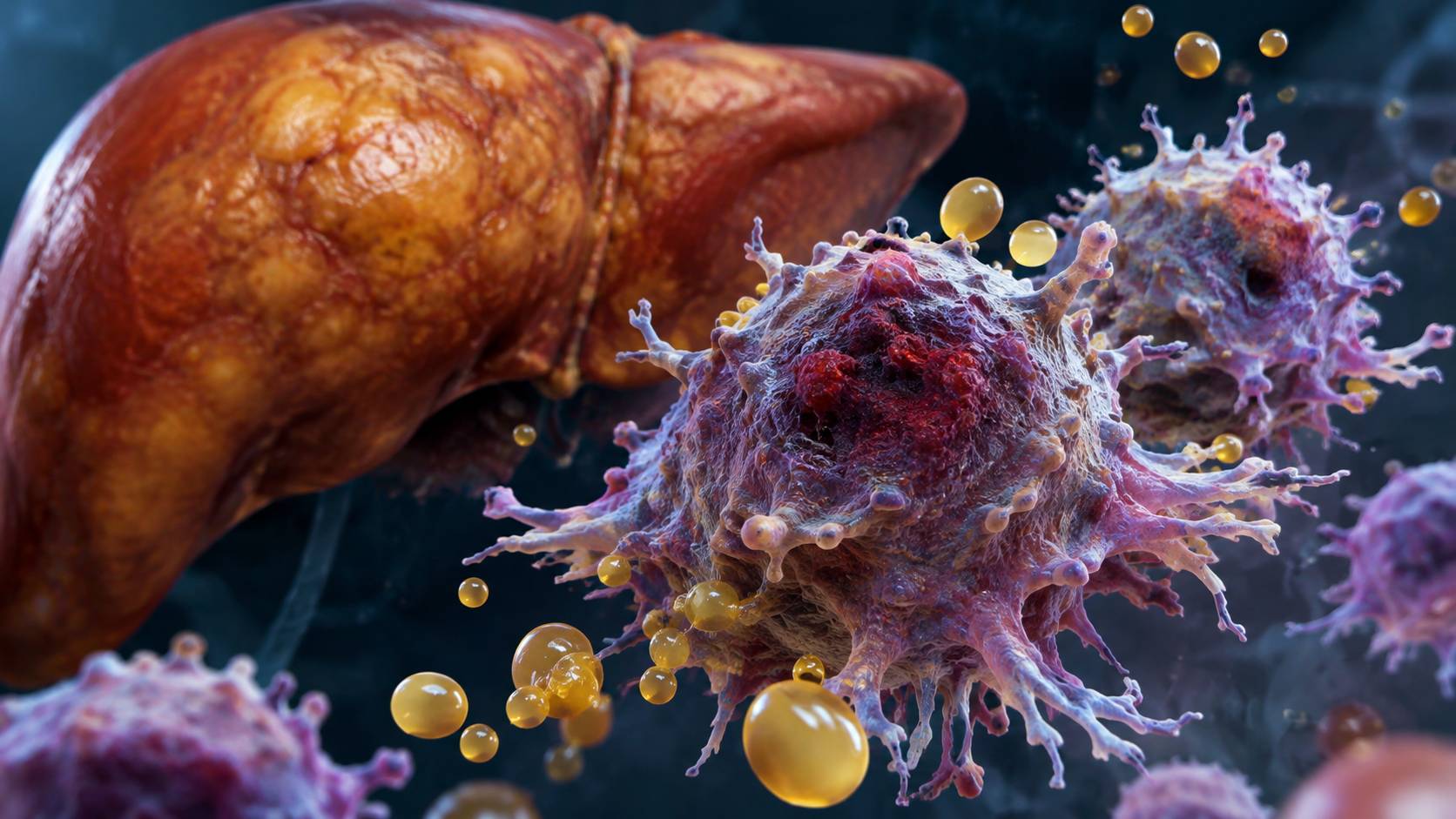
Researchers at UCLA announced in April 2026 that certain dysfunctional immune cells may play an important role in fatty liver disease and chronic inflammation. Scientists found that excess cholesterol could trigger this cellular condition.
10. Tiny Water Bears Can Survive Extreme Heat by Drying Themselves Out
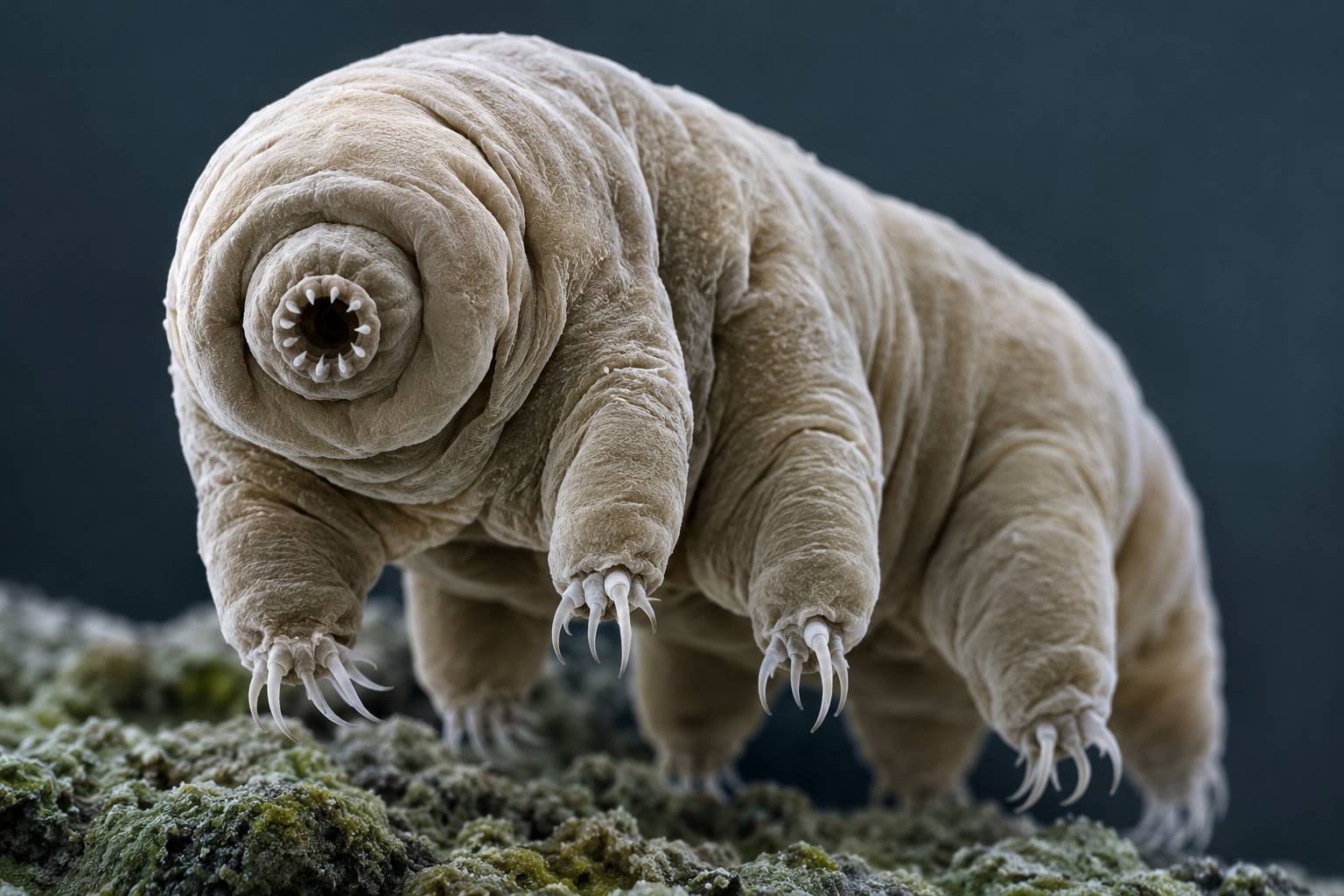
Tardigrades, microscopic animals often called water bears, are famous for surviving extreme environments. In May 2026, researchers reported that certain tardigrades could tolerate temperatures reaching 85 degrees Celsius, or 185 degrees Fahrenheit, if they were allowed to dry out beforehand.
11. 80% of the World’s Rivers Are Losing Oxygen

A study from May 2026 revealed a trend involving the oxygen available to aquatic life in rivers. Researchers analyzed information from more than 20,000 rivers and found evidence that 80% were experiencing declining dissolved oxygen levels associated with rising temperatures.
12. Ancient Chinese Surgeons May Have Used Pain-Relieving Medicines

Archaeologists studying surgical instruments from a 15th-century Chinese tomb uncovered chemical evidence suggesting that doctors used plant-based substances to reduce pain. Traces of aconitine, a toxic compound found in certain plants, were discovered on medical tools.
13. Ancient Stone Jars in Laos Were Used to Hold Human Remains

In May 2026, researchers reported evidence from a newly excavated jar suggesting that at least some of these mysterious containers were used in burial practices. The studied jar contained evidence of human remains and was used between approximately A.D. 890 and 1160.
14. Antarctic Ice Contains Clues About Earth’s Journey Through Space

In May 2026, researchers reported that ancient Antarctic ice preserved evidence of the solar system’s movement through a cloud of interstellar material. Scientists identified a rare radioactive isotope associated with material originating beyond our solar system.
15. Scientists Created a Tiny Robot That Moves Using Light

Researchers unveiled an unusual robot in 2026 that can roll across surfaces without traditional motors or batteries. Scientists demonstrated that light could control its movement across different surfaces, and the robot was even capable of carrying seeds.