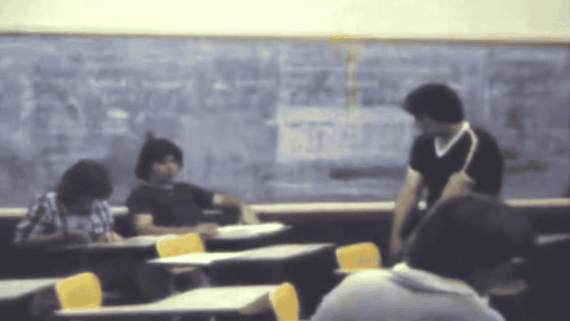
Stepping into an American public school back in the 1980s meant entering a vastly different world compared to today. Long before high-speed internet, digital assignments, and constant connectivity reshaped classroom culture, daily school life relied on physical paper, heavy textbooks, and straightforward analog routines.
Over the last four decades, major cultural shifts, dramatic technological upgrades, and changing safety standards completely transformed the educational experience. From how teachers deliver daily lessons to how students socialize during lunch period, almost every aspect of the school environment looks entirely different today.
Here are 14 distinct ways public schools have changed since the 1980s.
1. Blackboards Replaced by Interactive Smart Boards
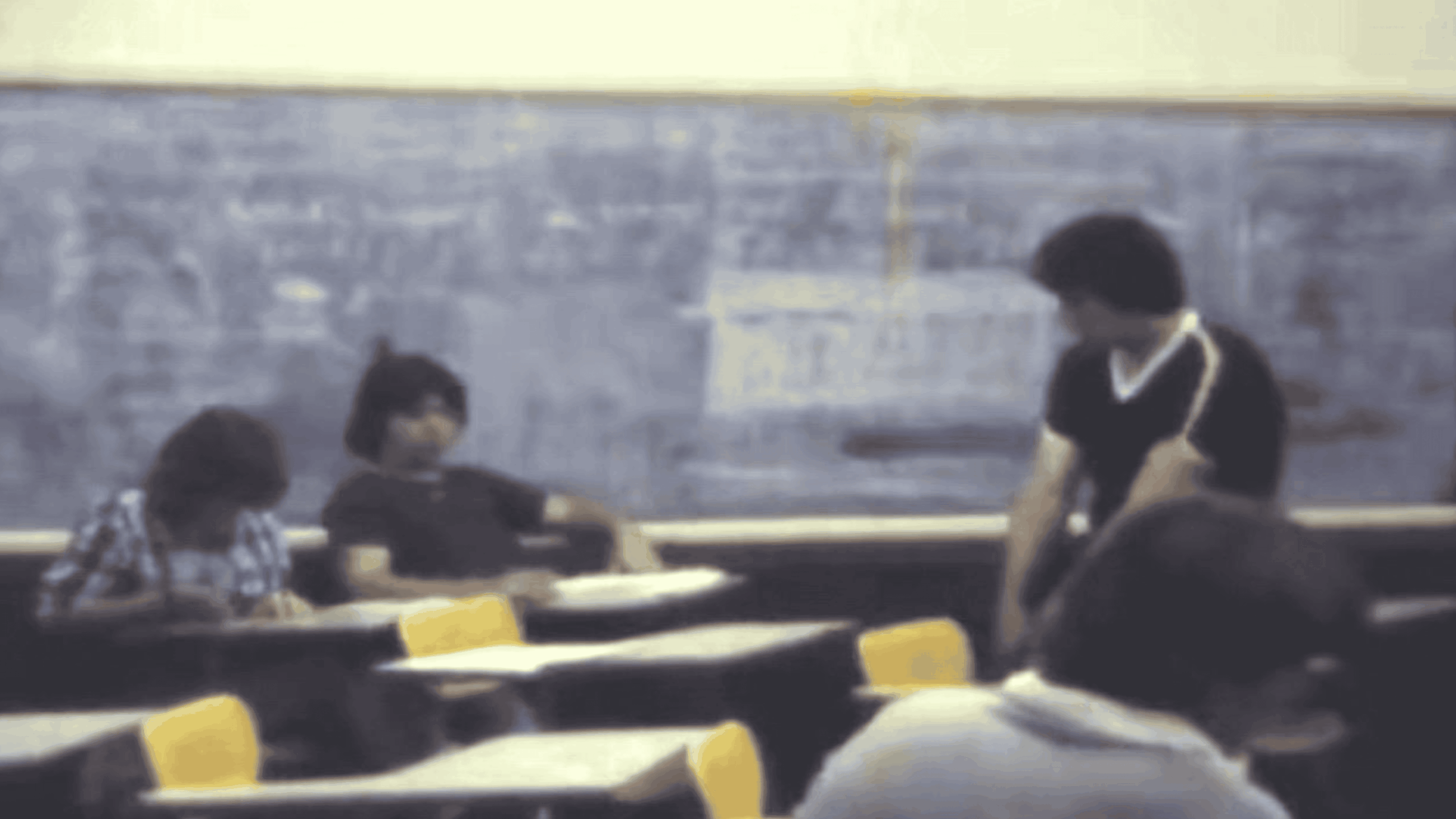
Scrawling daily lessons in dusty white chalk across massive green or black slates was a permanent fixture of every classroom. Cleaning erasers after class and dealing with constant chalk dust vanished as digital interactive displays and whiteboards took over daily instruction.
2. Card Catalogs Giving Way to Digital Library Databases
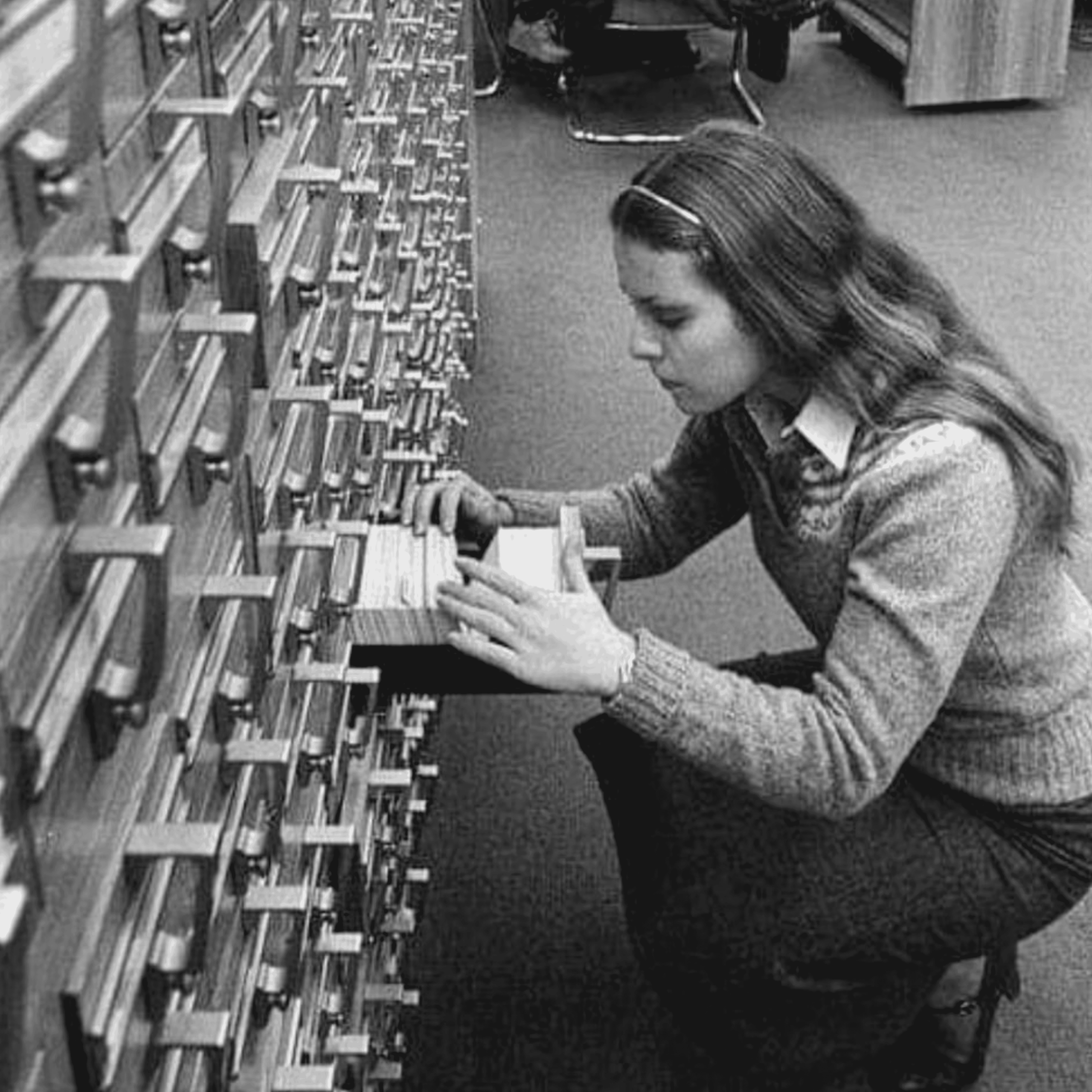
Searching for research materials meant pulling open heavy wooden drawers filled with alphabetized index cards. Modern students locate resource materials in seconds through online library databases rather than flipping through worn paper cards in wooden cabinets.
3. Heavy Print Encyclopedias Replaced by Online Research

Lined up along library walls, multi-volume encyclopedia sets served as the definitive source for history, science, and geography reports. Accessing up-to-date facts now happens instantly through digital search engines instead of hauling heavy books to a study hall desk.
4. Typewriters and Early PCs Evolving into Laptops for Every Student
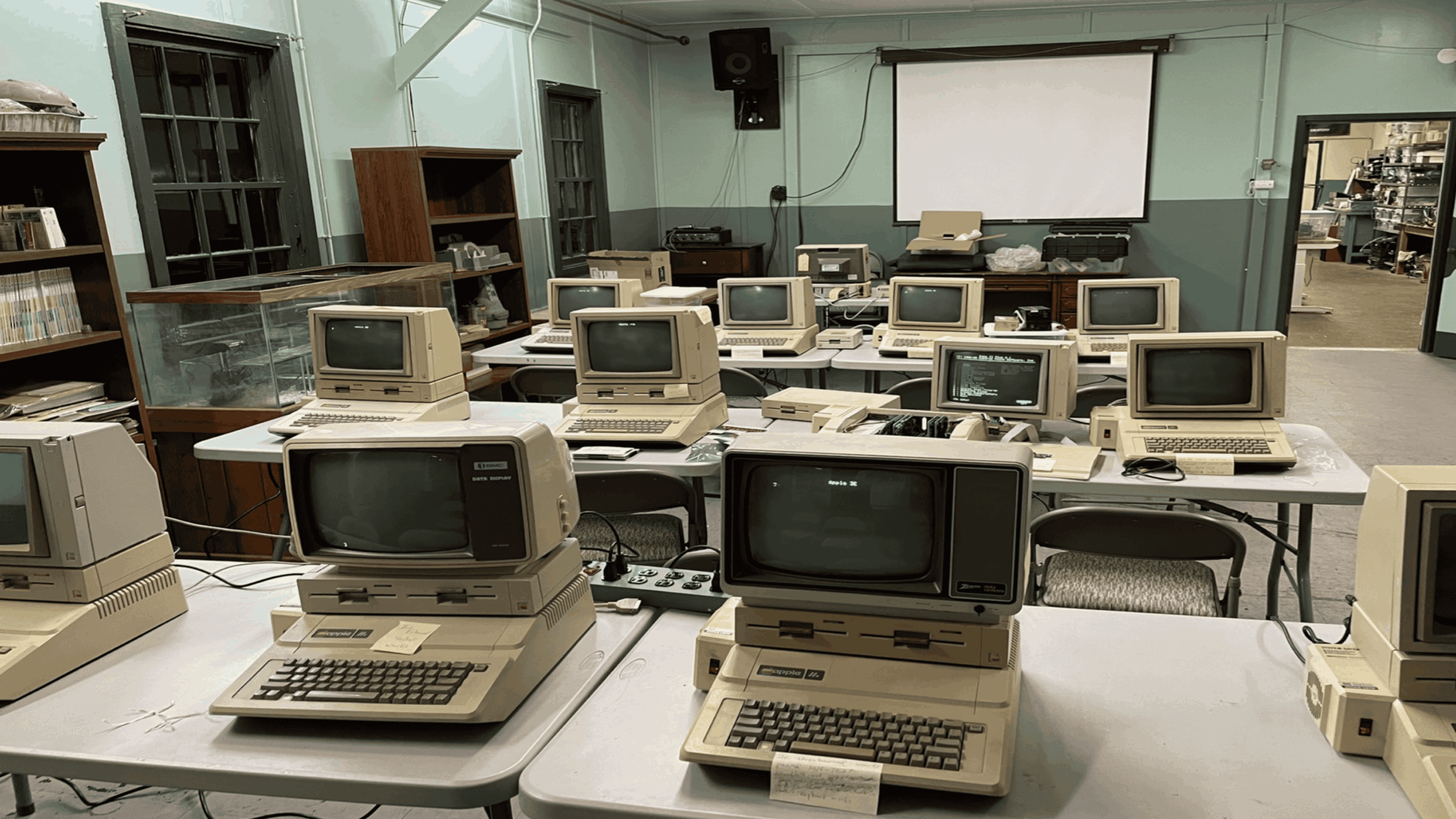
Early computer labs featured boxy monitors running basic programs on floppy disks, with students sharing limited machines once a week. Individual laptops and personal tablets now sit on almost every classroom desk, turning digital access into a daily learning requirement.
5. Handwritten Paper Report Cards Turning into Real-Time Online Portals
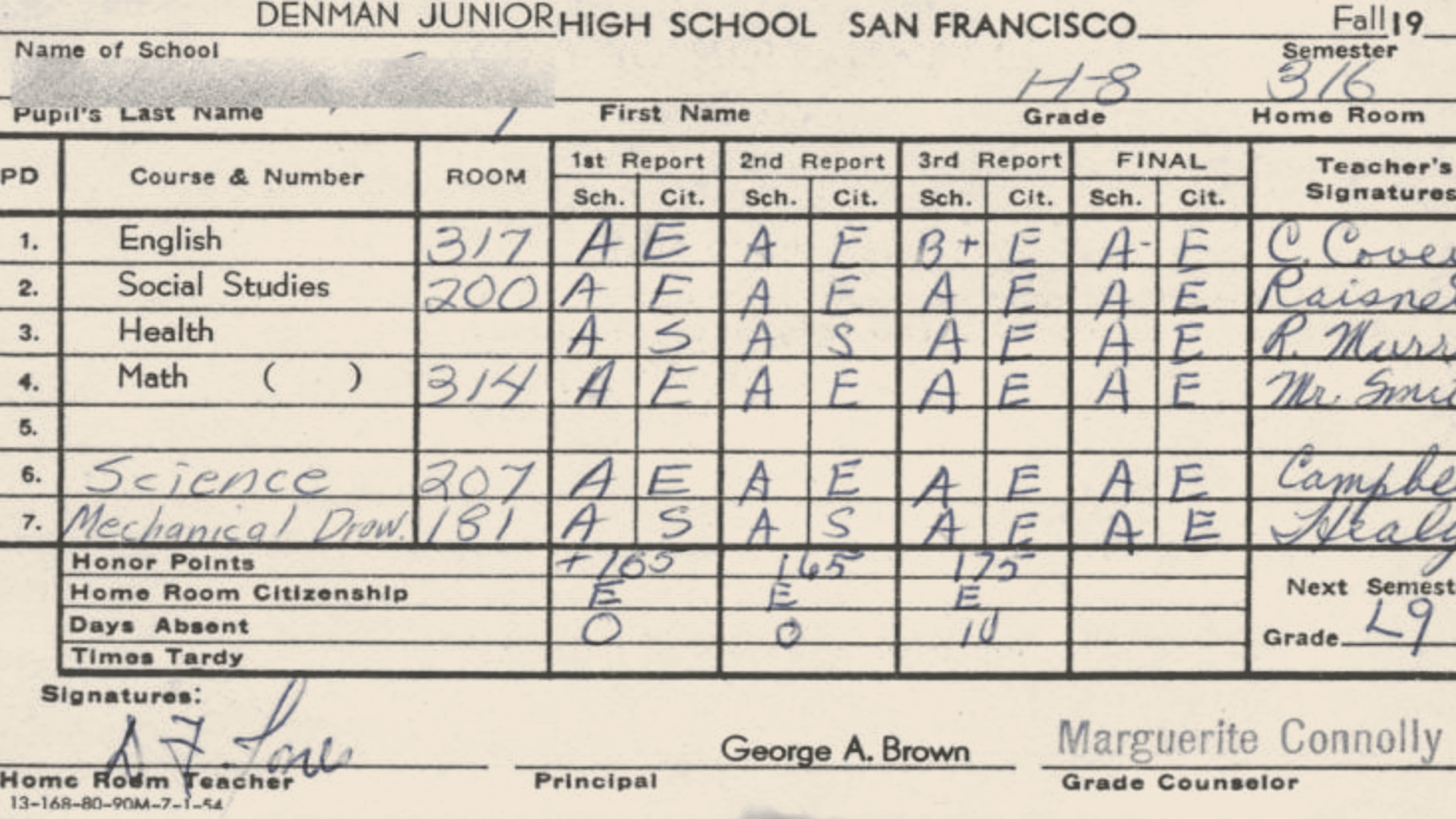
Waiting weeks for a quarterly report card stamped with handwritten letter grades delivered high-tension moments at the end of every term. Parents and students now track academic progress, assignment submissions, and attendance instantly through live online portals.
Trending on Wealth Gang
6. Physical Hall Passes Upgraded to Electronic Tracking Systems
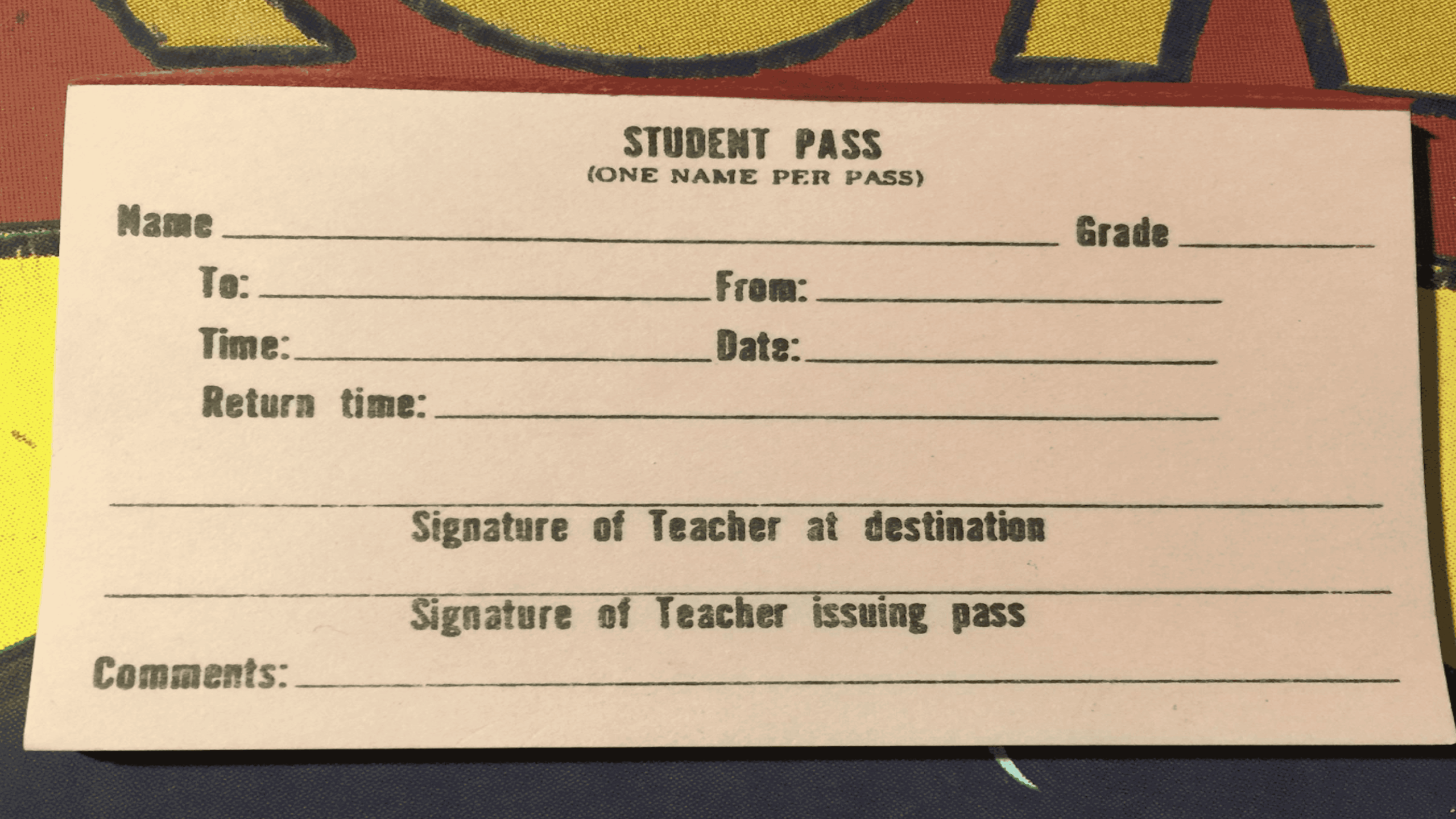
Carrying a large wooden block, a laminated strip, or a metal key served as the ultimate permission slip to walk through building corridors. Electronic hall pass apps and digital check-in stations now monitor student movements throughout the building automatically.
7. Open Campus Hallways Transitioning to Strict School Security Protocols
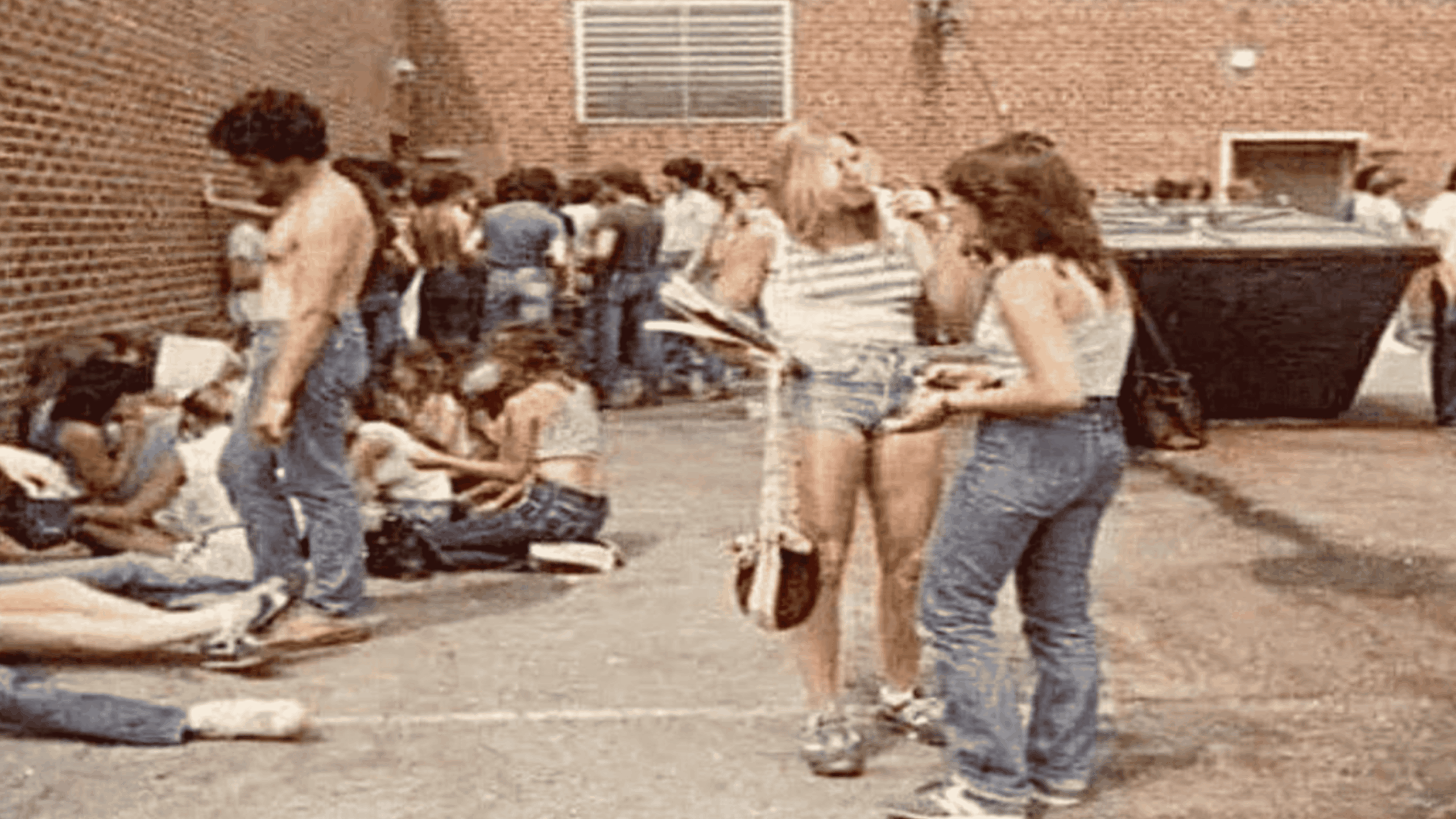
Walking freely through unlocked front entrances or wandering off campus for lunch defined the high school experience in many towns. Increased safety measures led to locked exterior doors, security camera coverage, visitor check-ins, and controlled access points across districts.
8. Analog Overhead Projectors Replaced by Digital Document Cameras
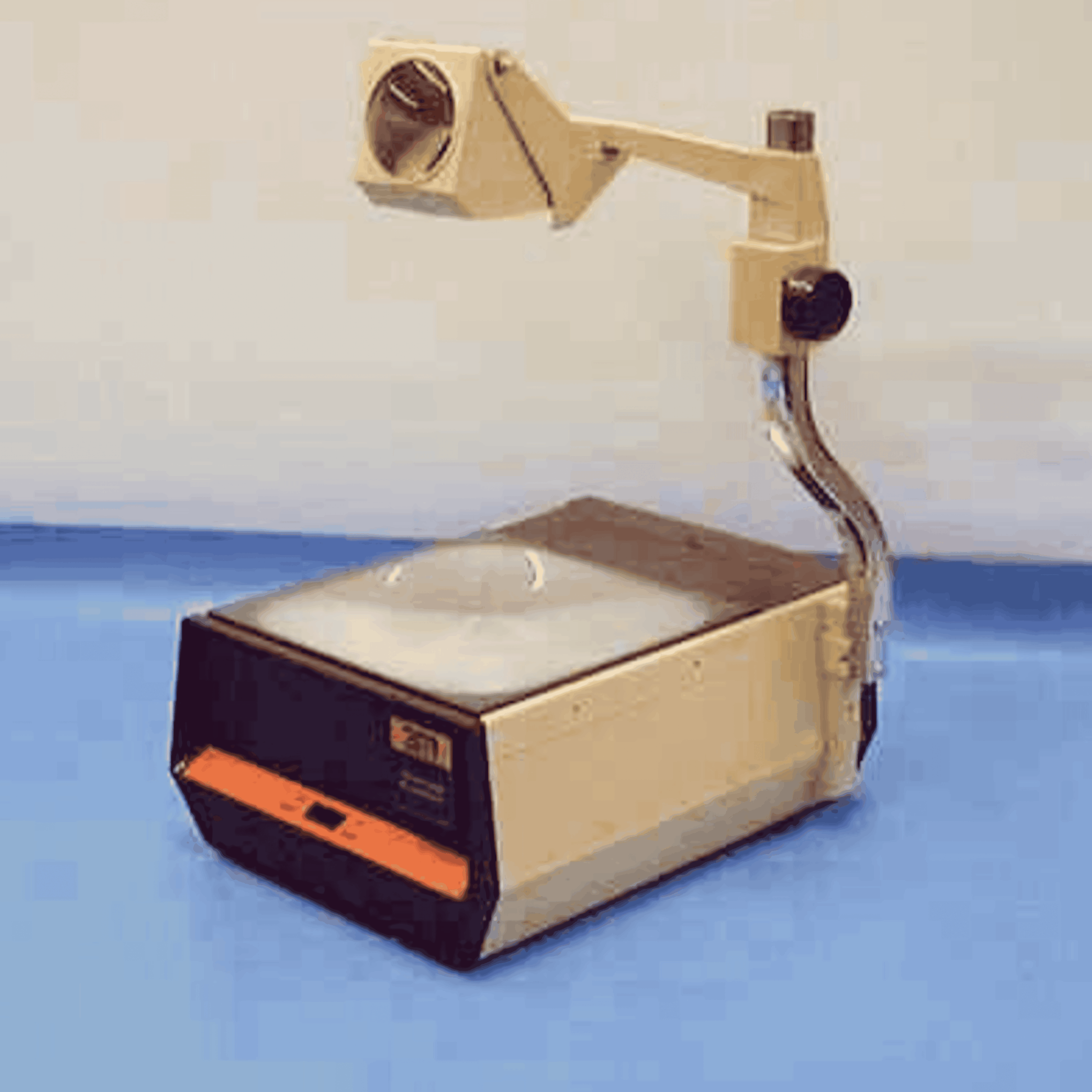
Teachers spent decades standing over glowing glass surfaces, writing directly onto clear plastic transparencies with wet erase markers. Sleek digital document cameras and wireless projection systems replaced those humming, hot bulb machines entirely.
Sign up for our newsletter
9. Physical Gym Class Roster Rolls Switched to Digital Fitness Tracking
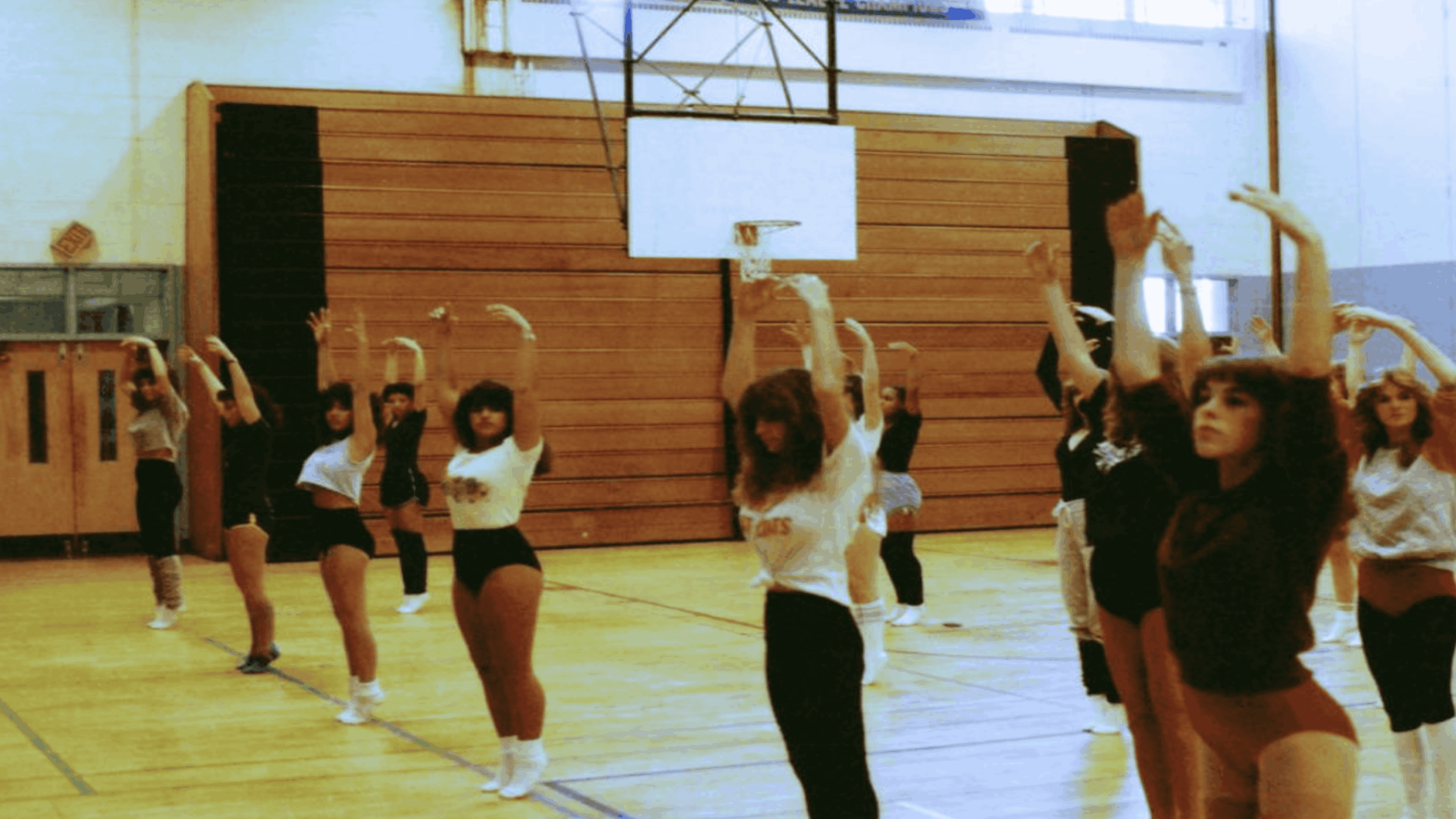
Coaches recorded physical education performance, attendance, and mile run times on paper clipboards while students wore identical cotton gym uniforms. Digital fitness tracking, online attendance tools, and varied athletic options transformed physical education modules.
10. Pay Phones in the Hallway Disappearing Entirely
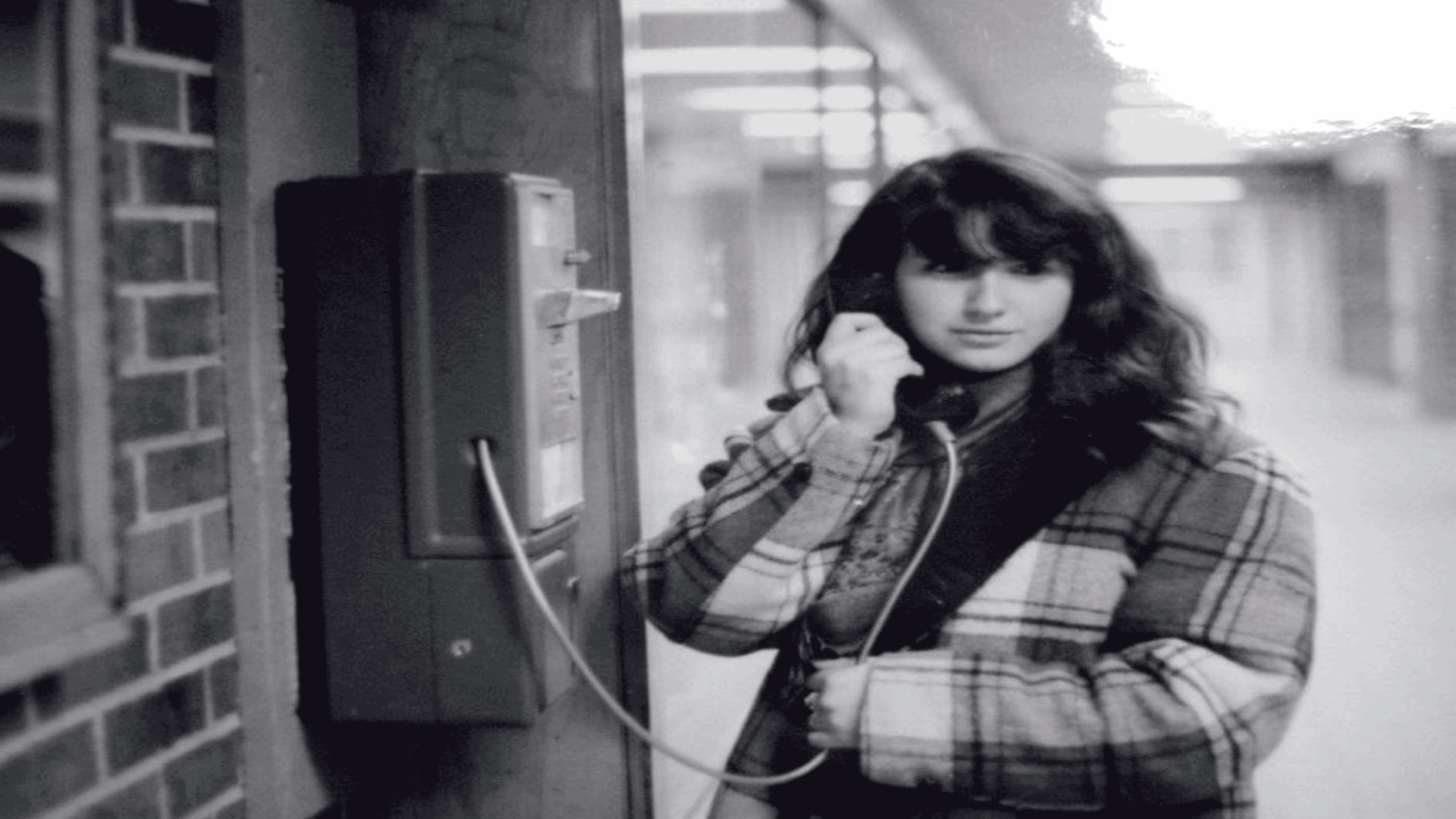
Reaching parents after football practice or requesting a ride home required lining up at a wall-mounted metal pay phone with a handful of loose quarters. Personal mobile devices and instant communication made those classic coin-operated hallway booths completely obsolete.
11. Canned Vending Machines and Mystery Meat Menus Upgraded for Nutrition

Compartment lunch trays featuring canned fruit, mystery meat casseroles, and sugary vending machine snacks dominated the 1980s cafeteria line. Modern school nutrition guidelines introduced fresh salad bars, whole grain choices, and strict limits on sodas and processed treats.
12. Paper Note Passing Replaced by Instant Digital Messages
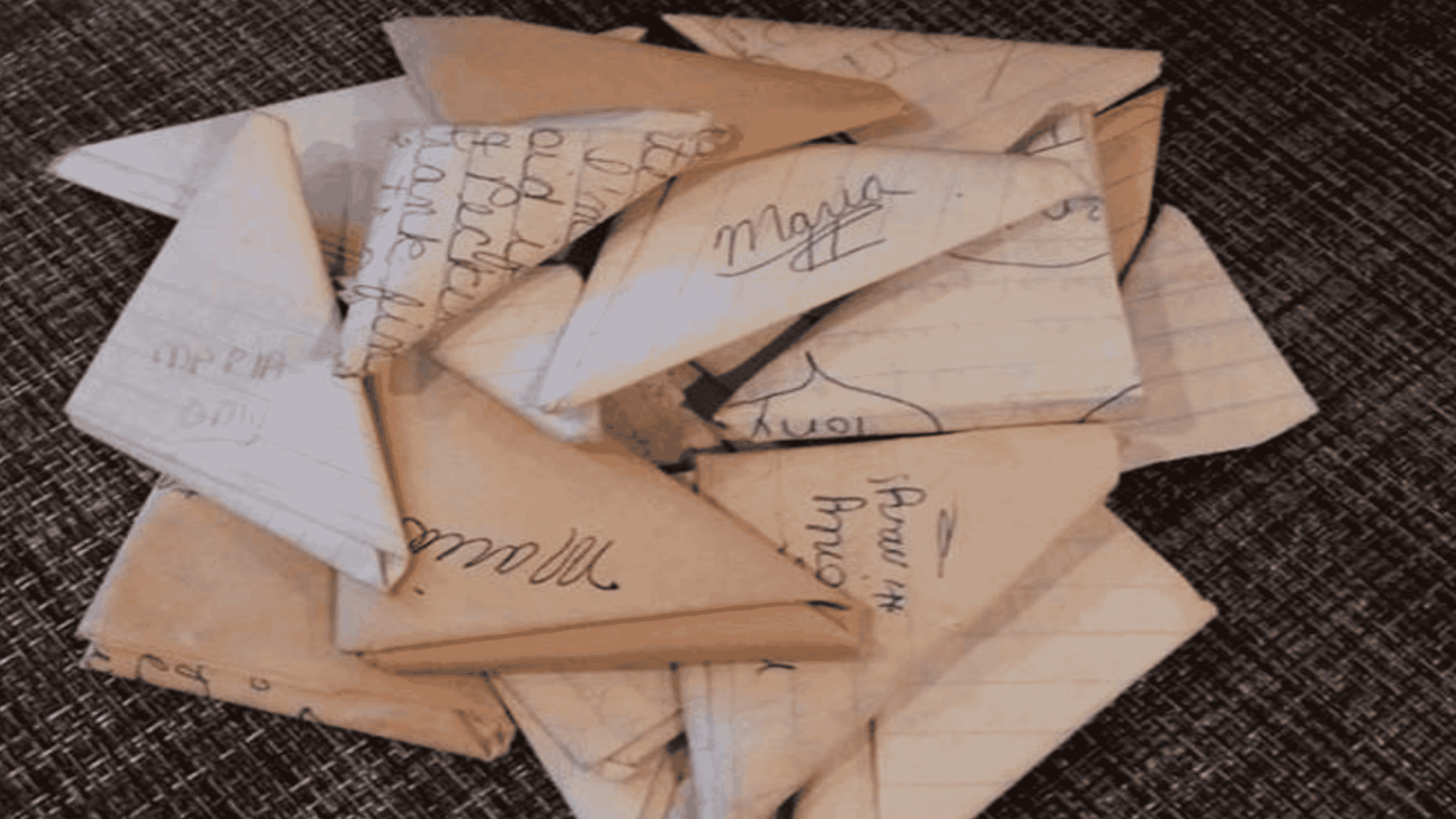
Mastering the art of folding paper notes into tight triangles and sliding them secretly across rows of desks was the ultimate form of classroom communication. Direct messaging apps and group chats completely replaced the thrills and risks of physical note passing between classes.
13. Film Strip Projectors and VHS Carts Replaced by Instant Streaming
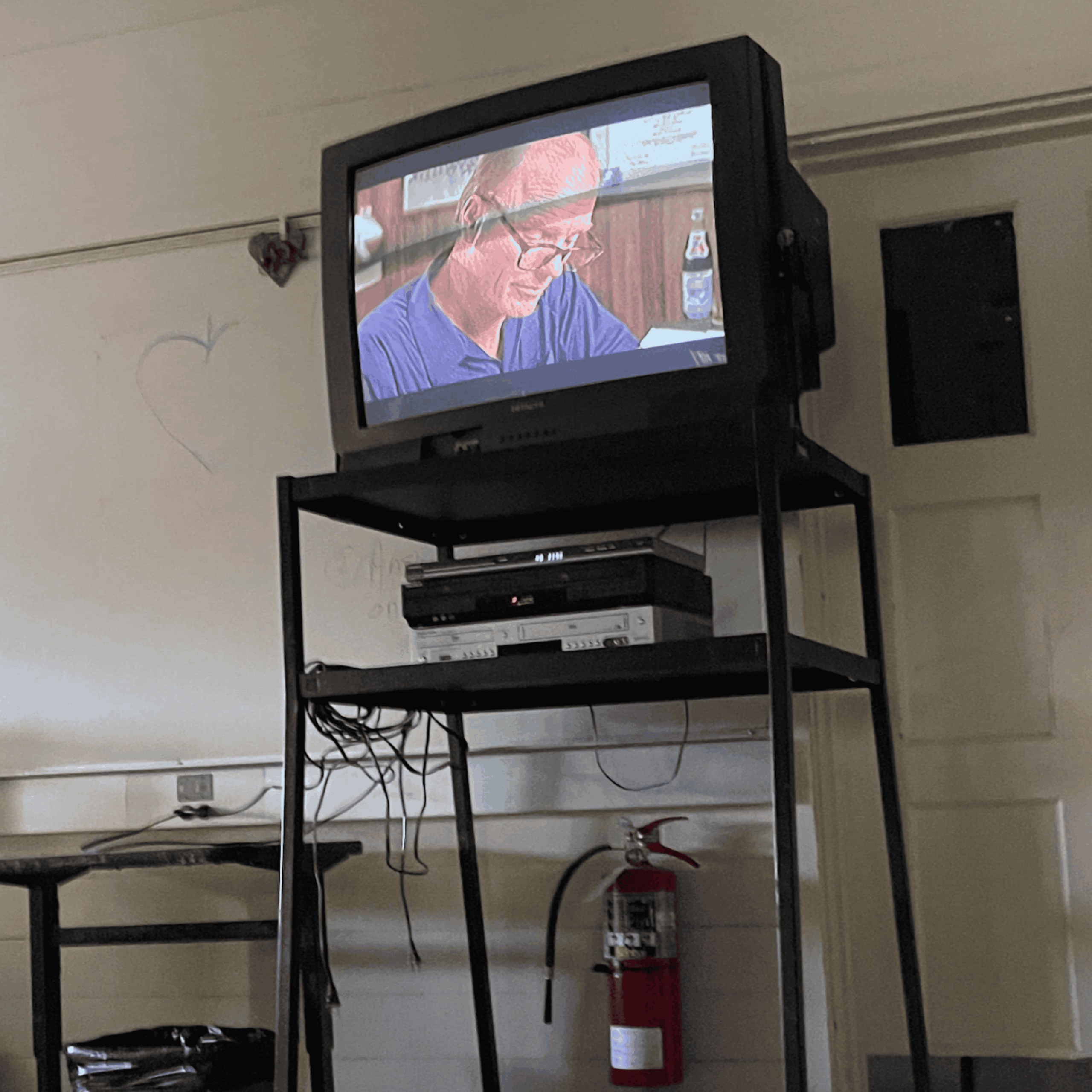
Rolling a heavy metal AV cart carrying a boxy television and a VCR into a darkened classroom signaled an exciting break from standard lectures. Teachers now stream educational videos, historical archives, and documentaries instantly with a single click.
14. Smoking Sections for Older Students Completely Eliminated
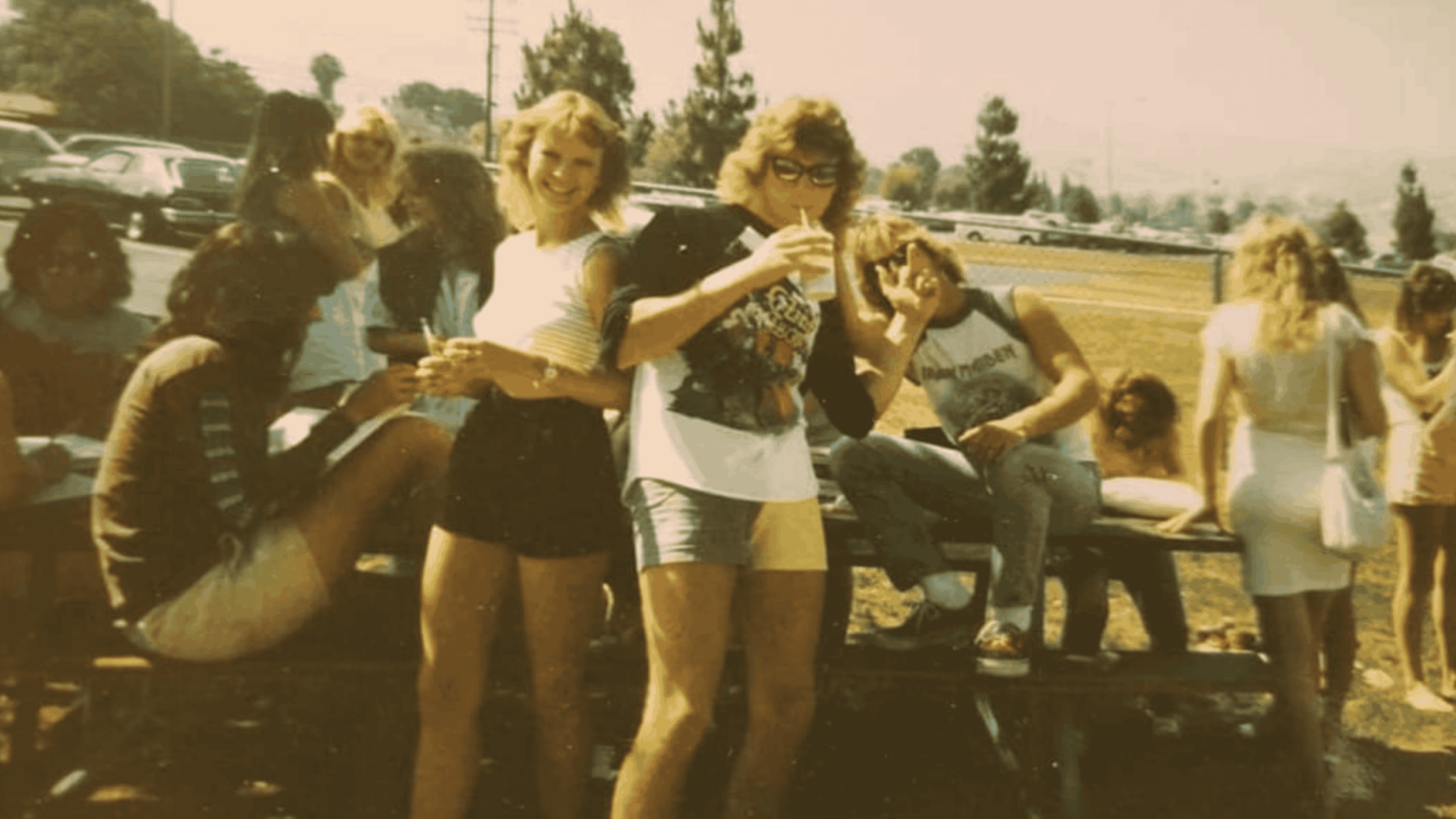
Designated outdoor courtyards or parking lot corners once allowed high school upperclassmen to gather for legal cigarette breaks between periods. Strict health regulations, campus bans, and wellness initiatives eliminated designated smoking areas from public school property.