The 1950s can feel like another universe to anyone who grew up with smartphones and streaming. It was a decade of neighborhood friendships, family dinners, and long afternoons. Many things that seem ordinary today didn’t exist. There were no smartphones to tell you where you were and no social media to document every moment.
For people who lived through the decade, however, these things weren’t strange at all. Children found their own entertainment, and families relied on radios and newspapers for information. Some of these customs have disappeared, while others survive only in old photographs and memories. Here are 15 things from the 1950s that younger generations may have a hard time understanding.
1. The Telephone Wasn’t A Personal Belonging
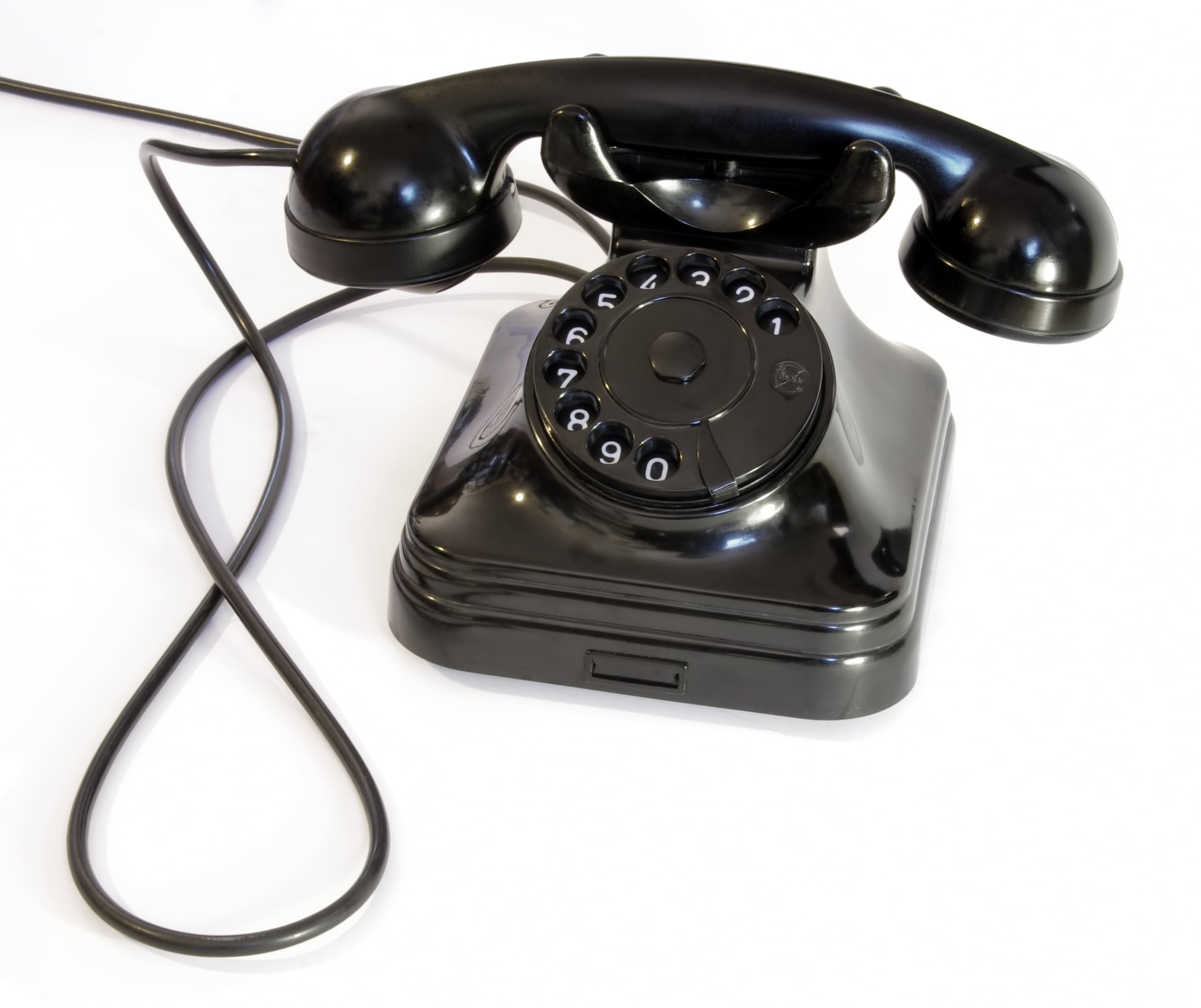
Families shared one phone. If you wanted to call a friend, you picked up the receiver and dialed the number. There was no texting, voicemail, or ability to take the phone with you. Today, the idea of having to ask someone else to get off the phone can seem unbelievable.
2. Television Was Still a Novelty
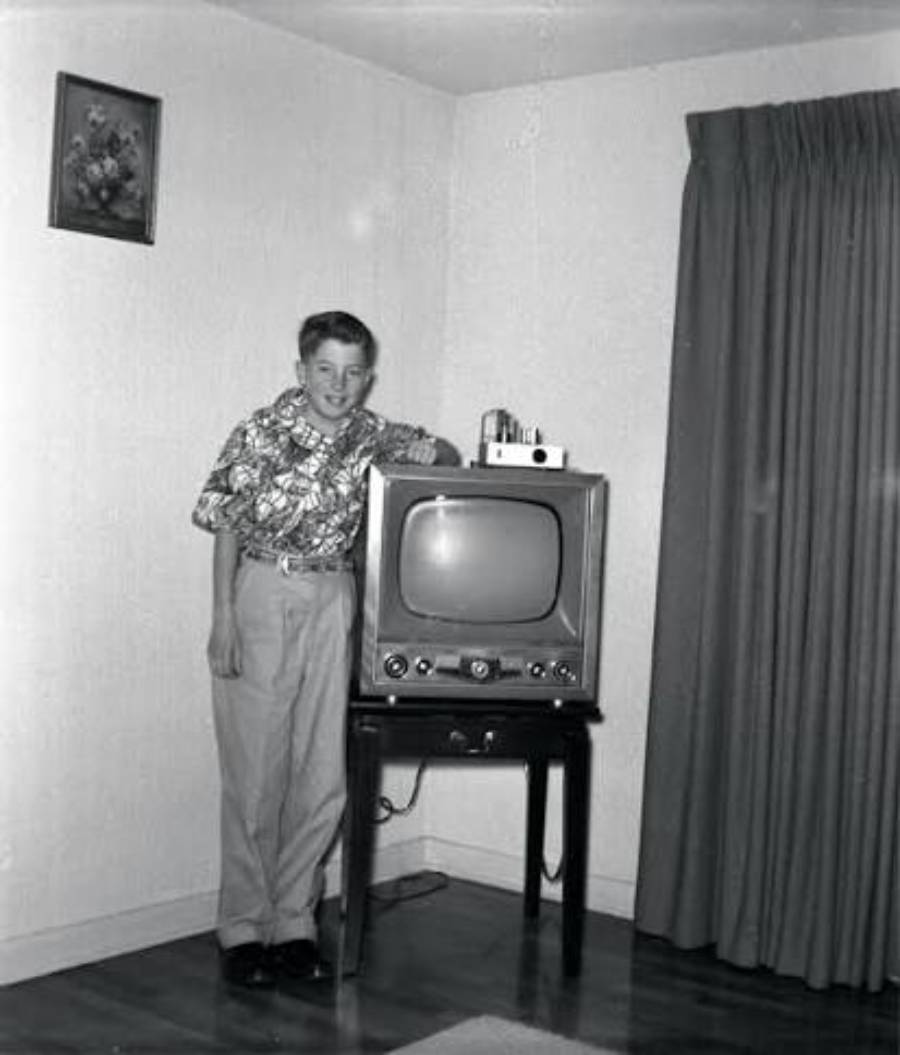
Television was becoming very popular during the 1950s, but having one in the living room was a new experience. There were only a few channels. Families gathered around the television at specific times to watch their favorite shows, and there was also no recording of a program for later.
3. Kids Played Outside for Hours
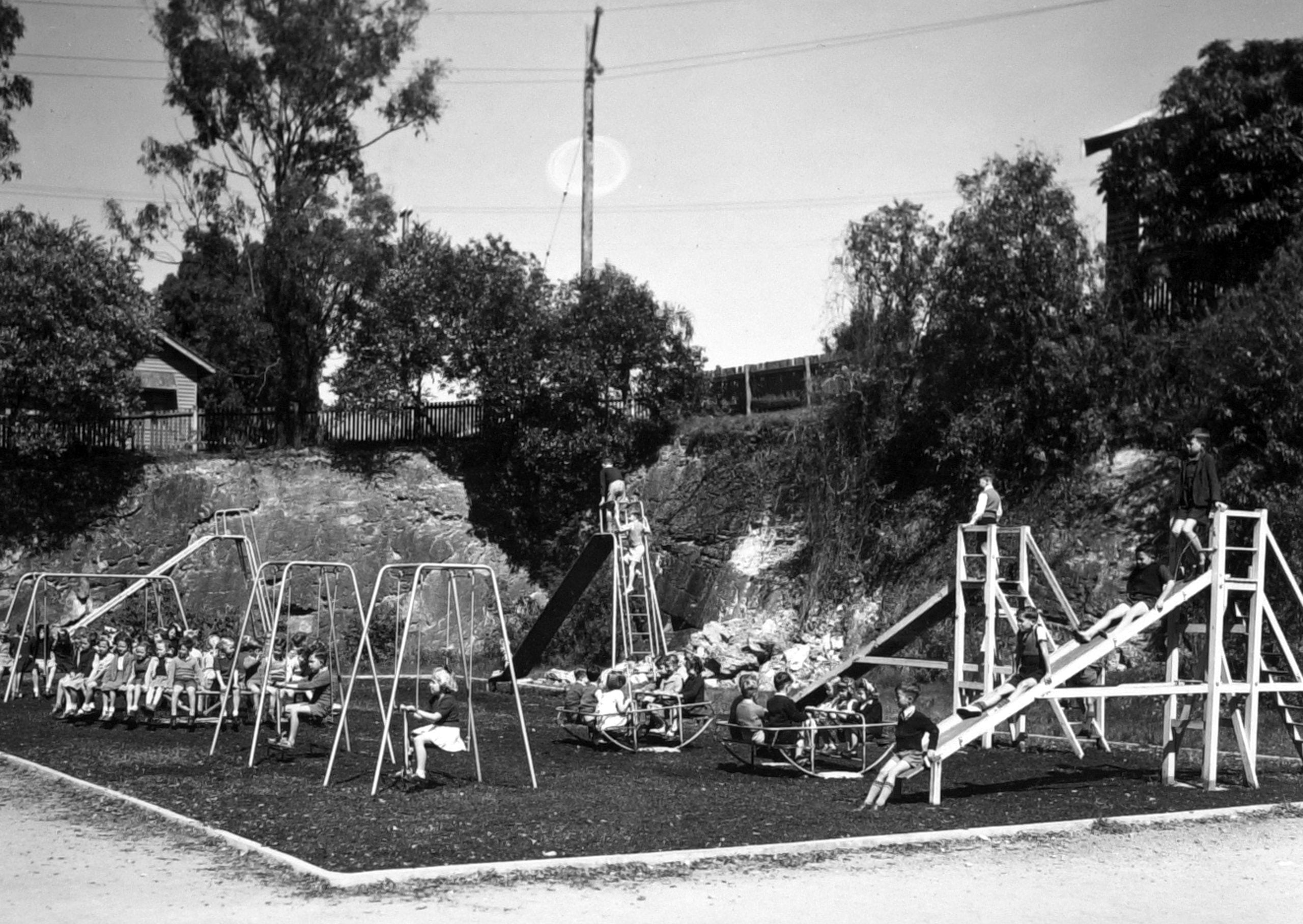
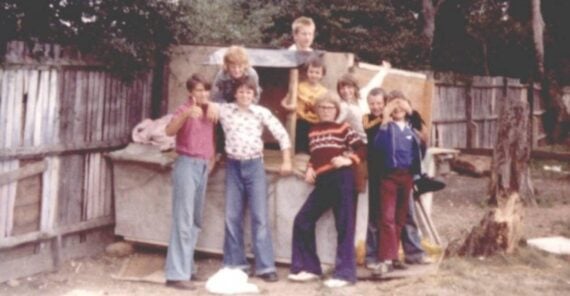
Children didn’t need parents to organize every minute of their day. They rode bicycles, climbed trees, and explored neighborhoods. Once homework was finished, kids could disappear outside for hours.
4. Going to the Movies Was an Event
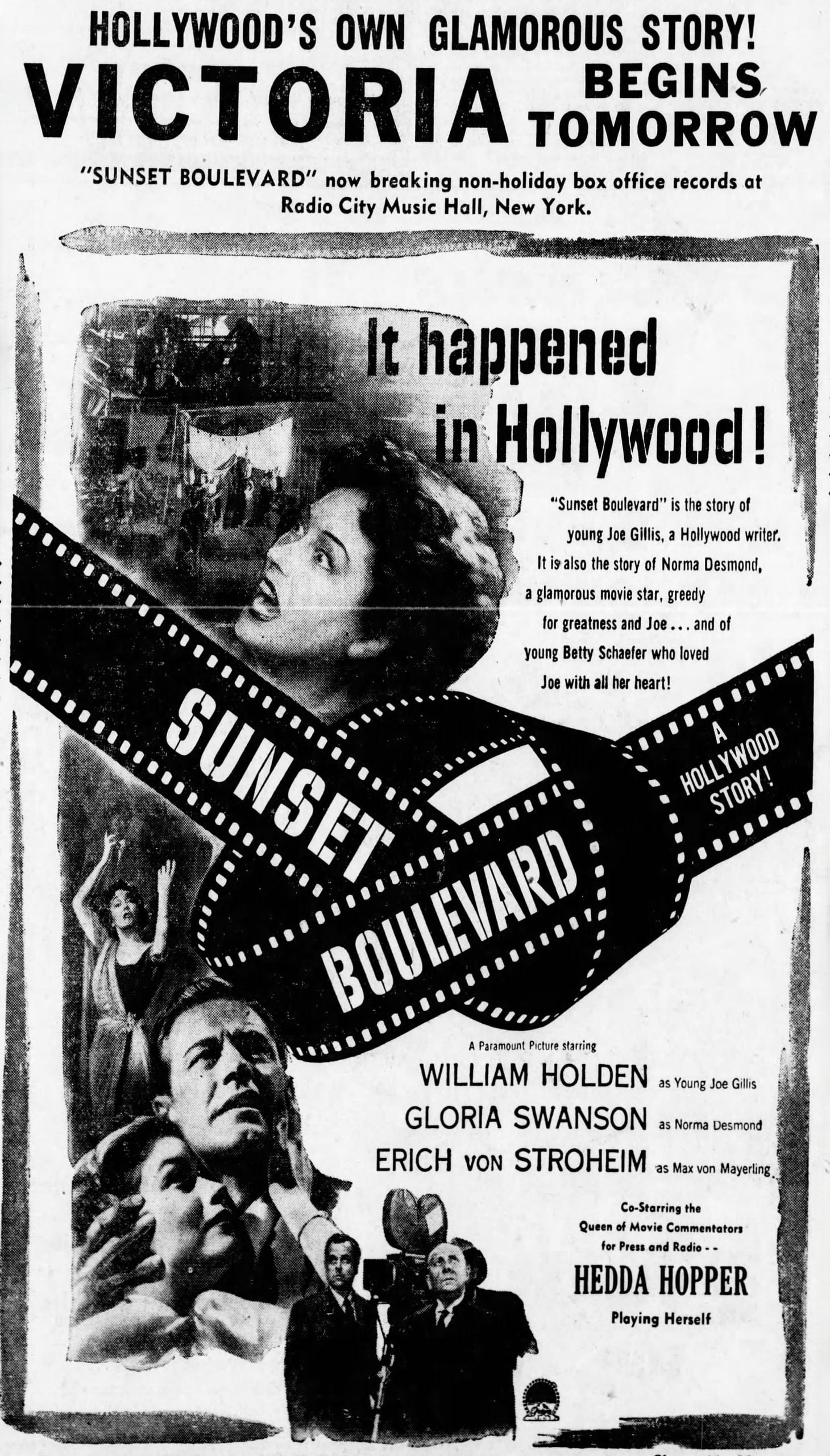
Going to the cinema could be an entire occasion. People dressed up, bought popcorn and candy, and settled into a large theater to watch a movie on the big screen. Unlike today, there was no option to pause the movie.
5. There Was No Instant Music
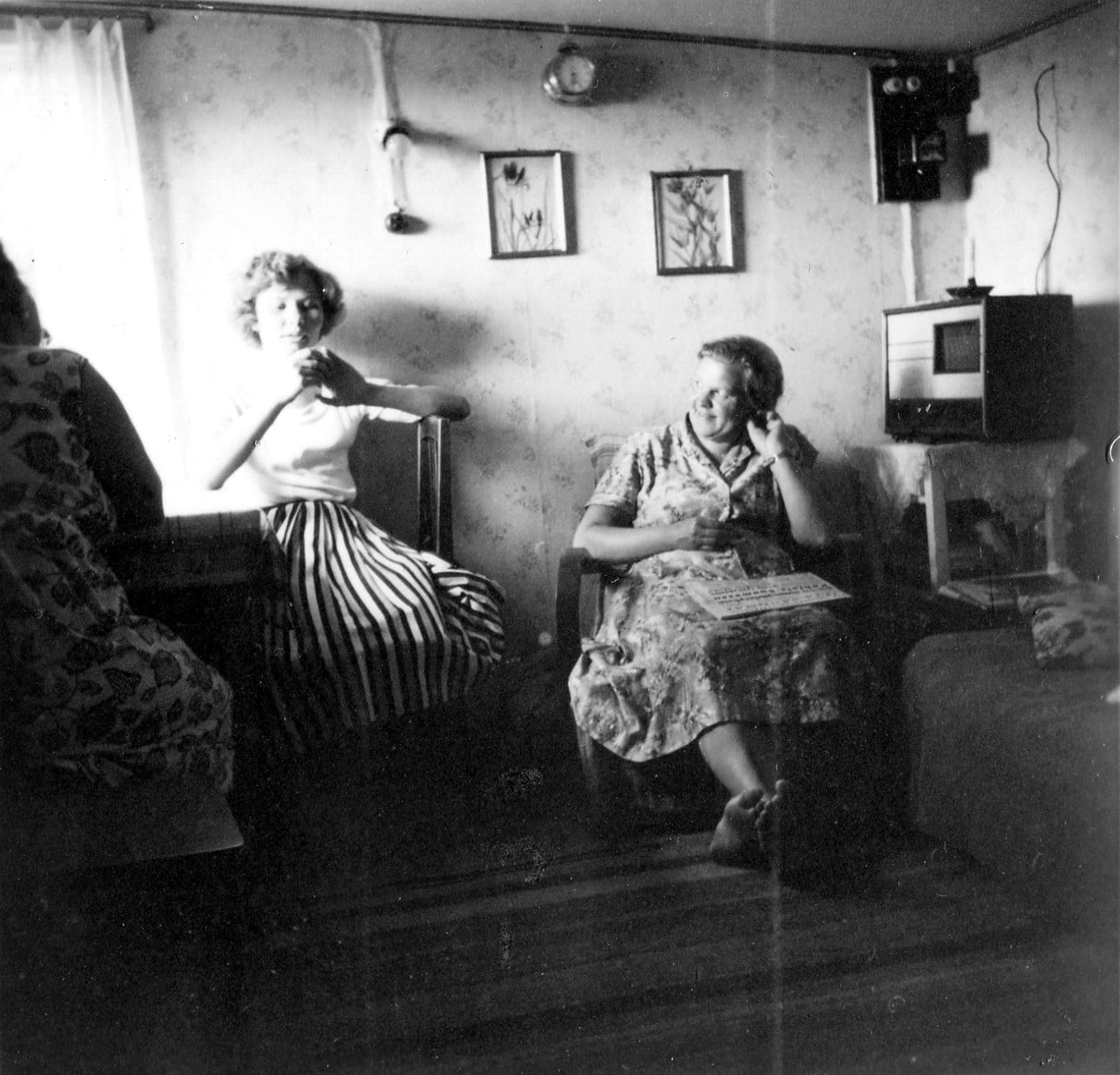
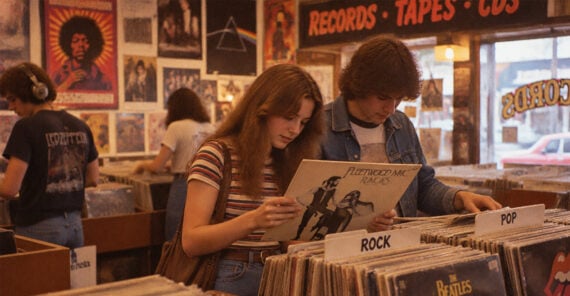
If you wanted to listen to a particular song, you couldn’t simply search for it. Music came through records, radio, or jukeboxes. For young music fans, a new single could feel like a genuine event.
Trending on Wealth Gang

6. The Radio Was the Entertainment Center
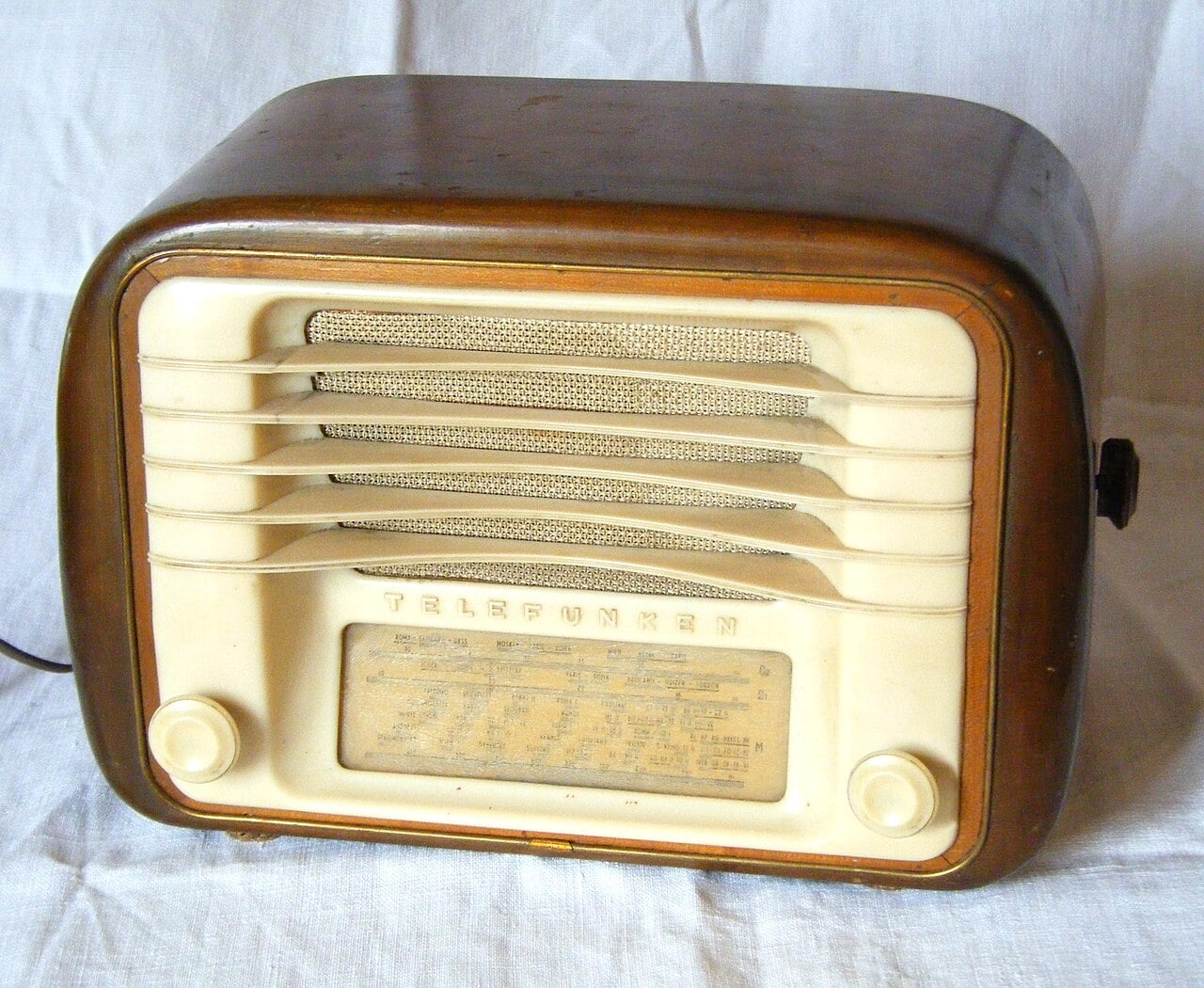
Before television, the radio was one of the most important forms of home entertainment. Today, younger generations are accustomed to choosing exactly what they want to watch or listen to. In the 1950s, audiences often listened to whatever happened to be on.
7. Nobody Googled an Answer
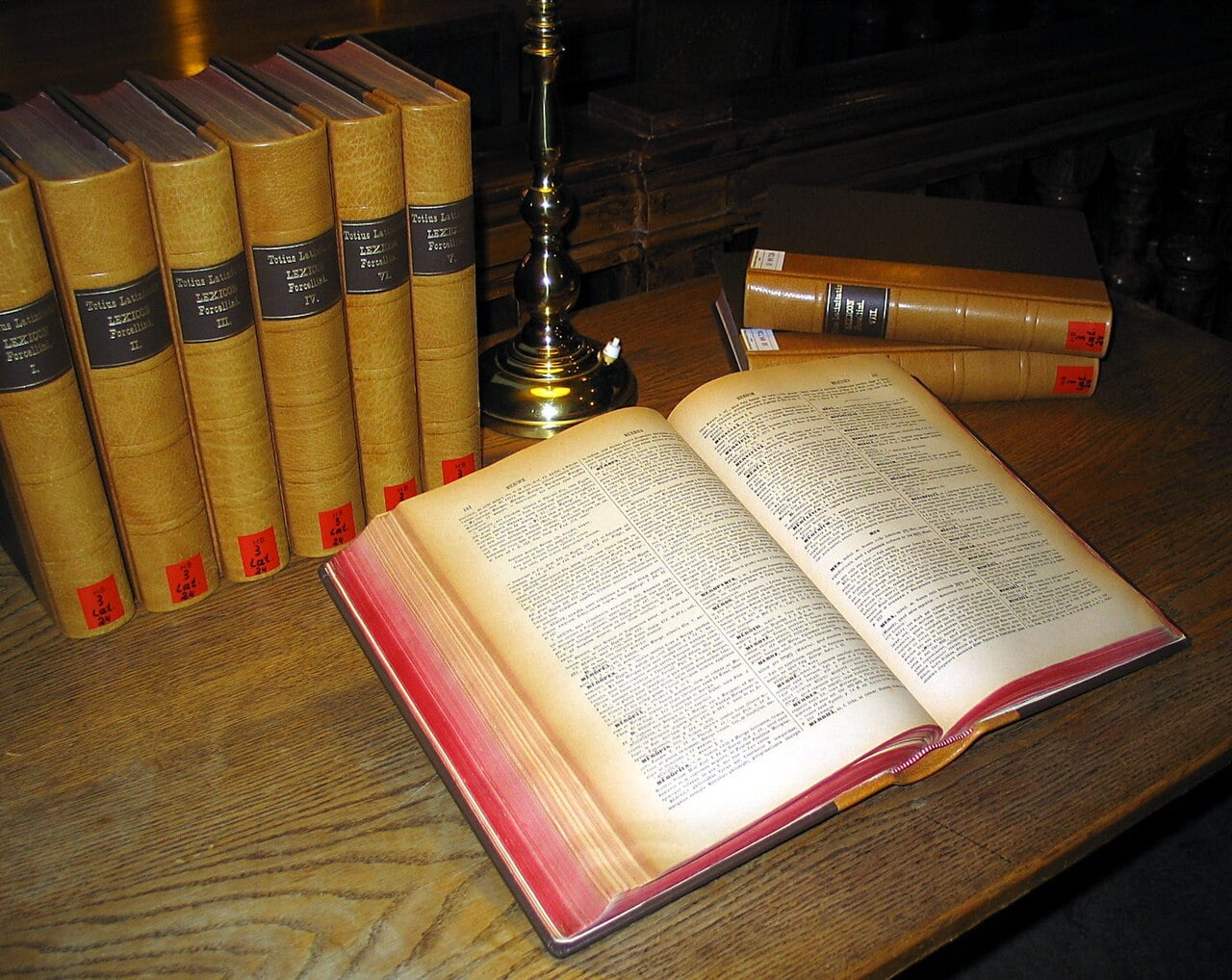
Have a question? You couldn’t type it into a search engine. People relied on encyclopedias, dictionaries, libraries, newspapers, and magazines. The library was an important resource for students.
8. A Family Meal Meant Everyone at the Table
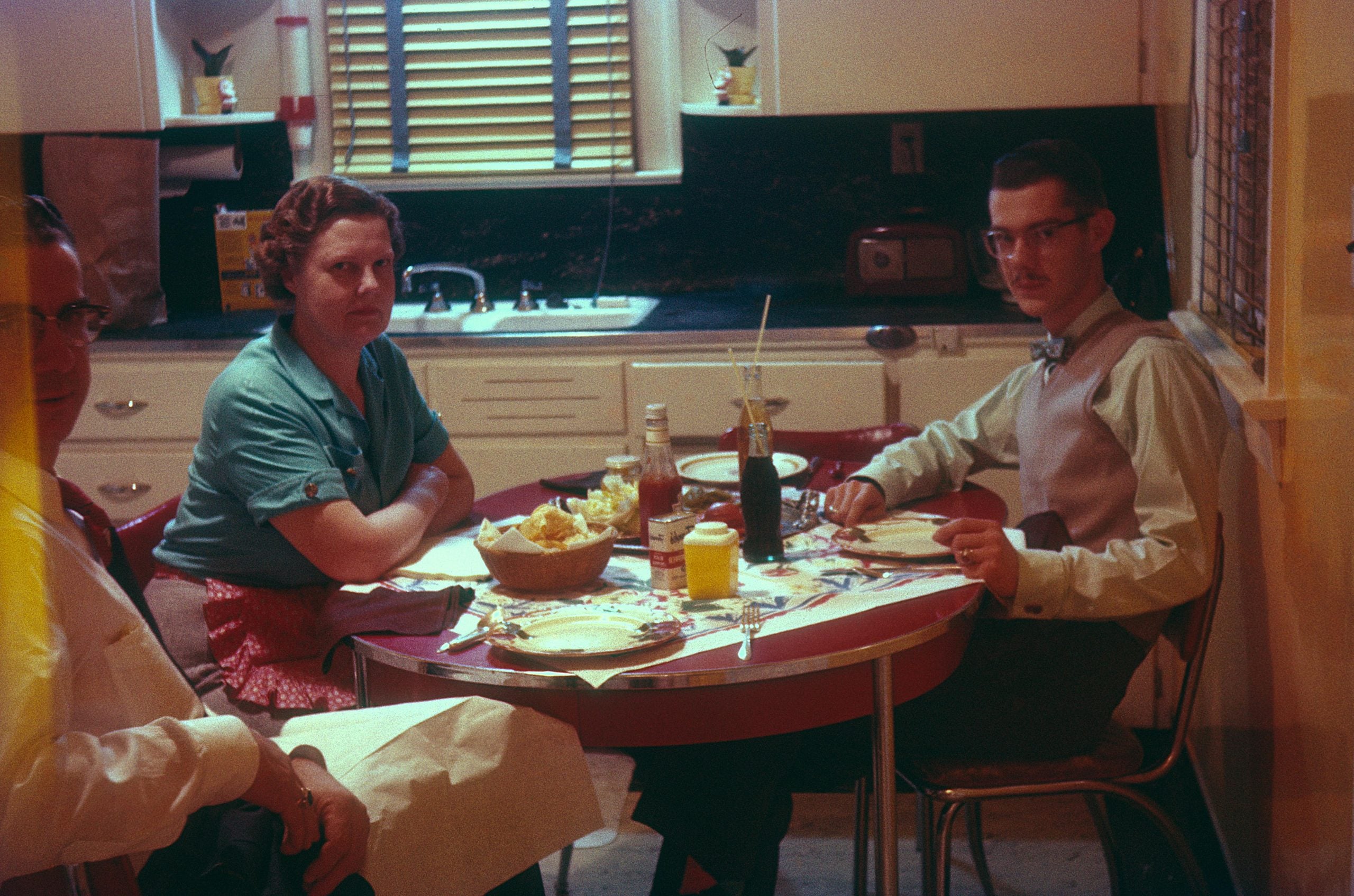
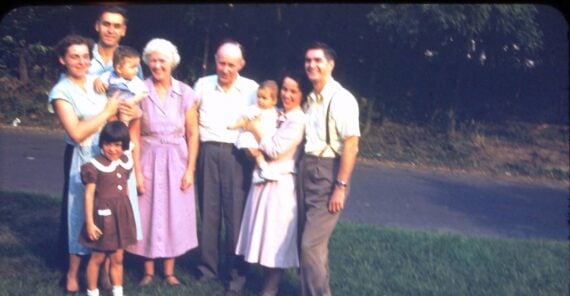
Family dinners were an important part of daily life. People generally sat down together, ate the same meal, and talked about their day.
Sign up for our newsletter
9. Teenagers Had Their Own Culture
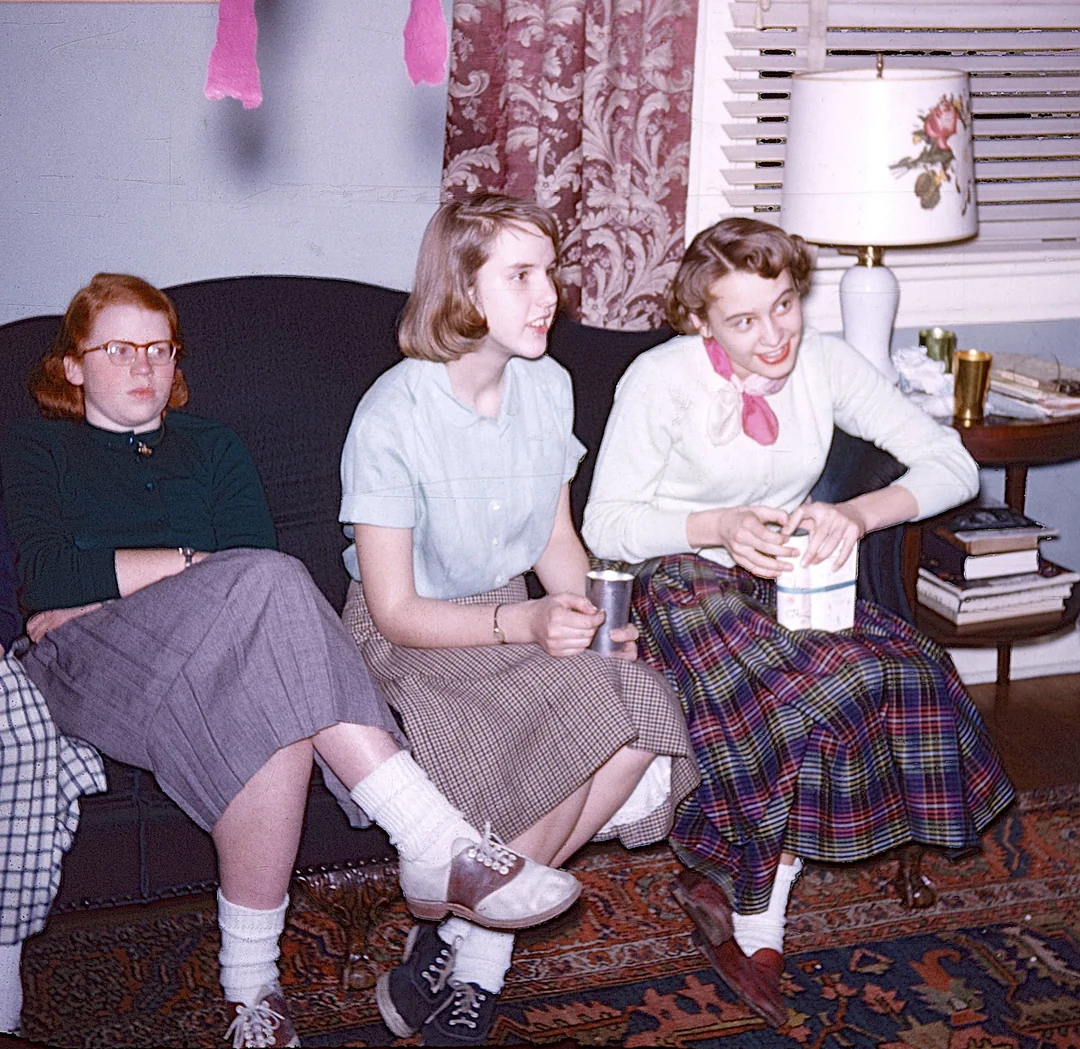
The 1950s helped establish the teenager as a powerful cultural force. Young people embraced rock ‘n’ roll, poodle skirts, and new styles of dancing. Musicians such as Elvis Presley became cultural icons, while movies and television helped spread their culture.
10. Diner Culture Was Everywhere
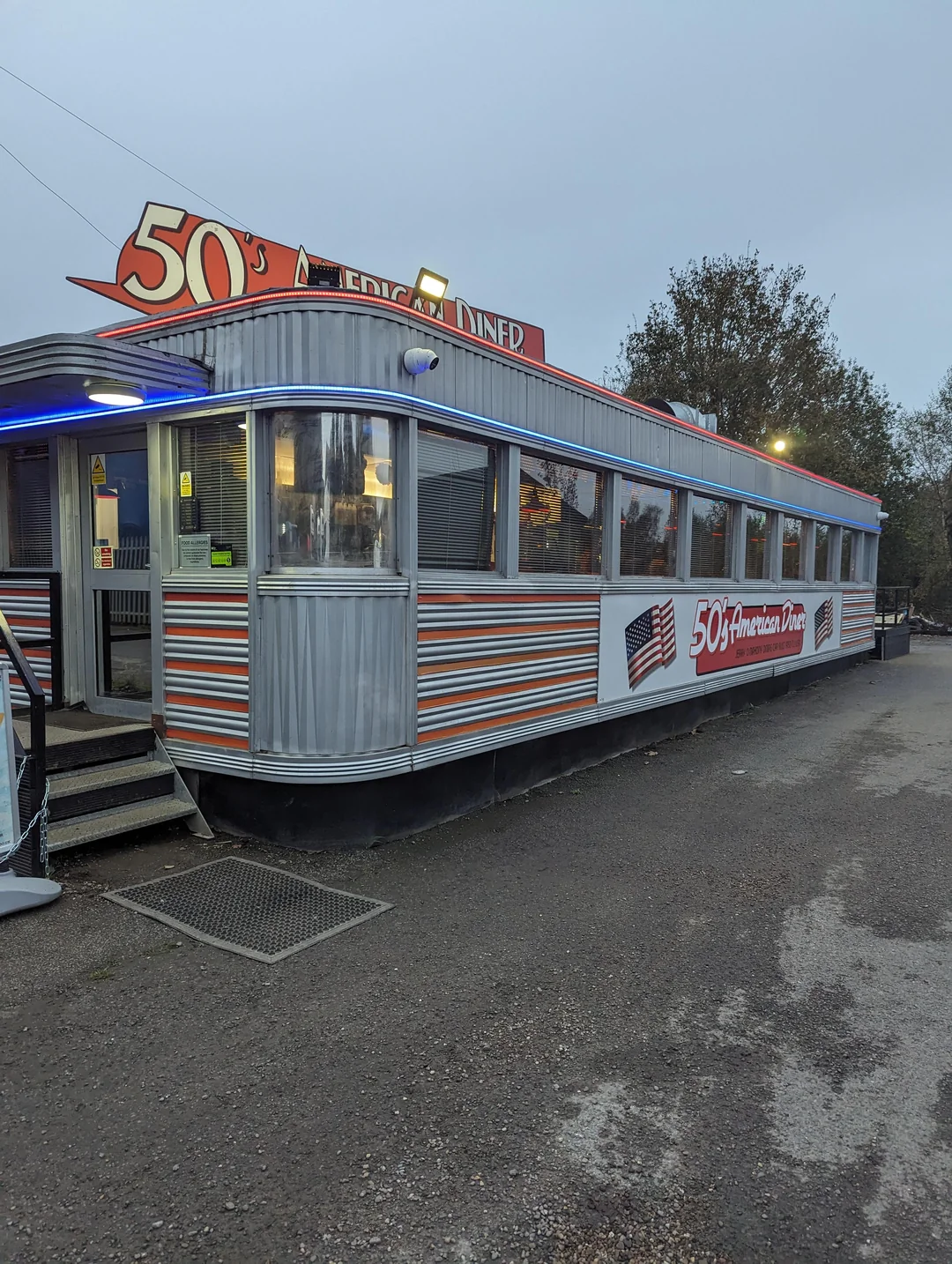
The classic American diner was a social gathering place where people could sit in booths, drink milkshakes, eat burgers, and spend time with friends. For teenagers, diners could provide a sense of independence.
11. Cars Were a Huge Part of Daily Life
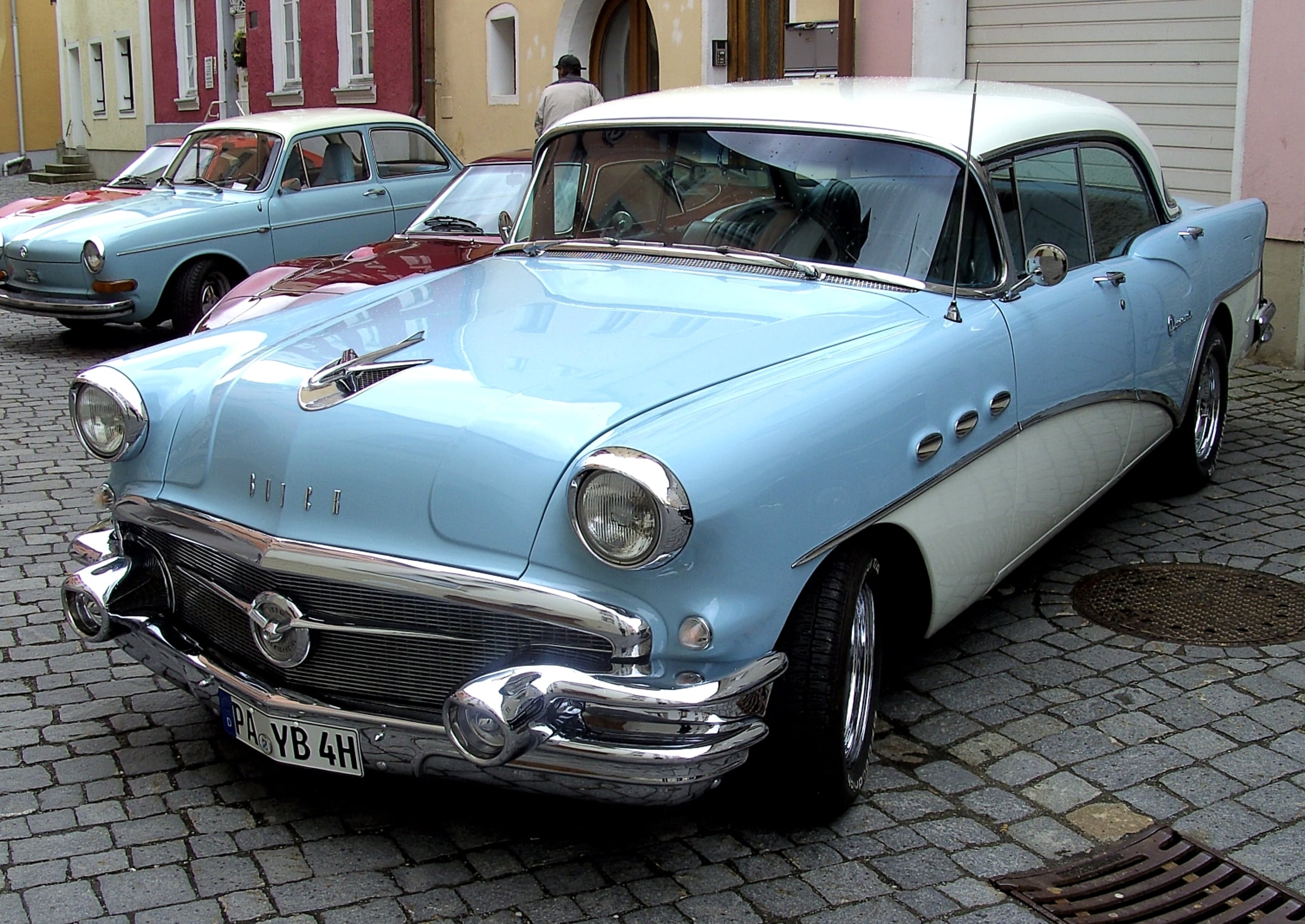
Cars weren’t only transportation. They were symbols of freedom and status. American automobiles became larger and more elaborate during the decade, with dramatic shapes and recognizable designs. Cars became places for dates, road trips, and hanging out with friends.
12. People Dressed Up More Often
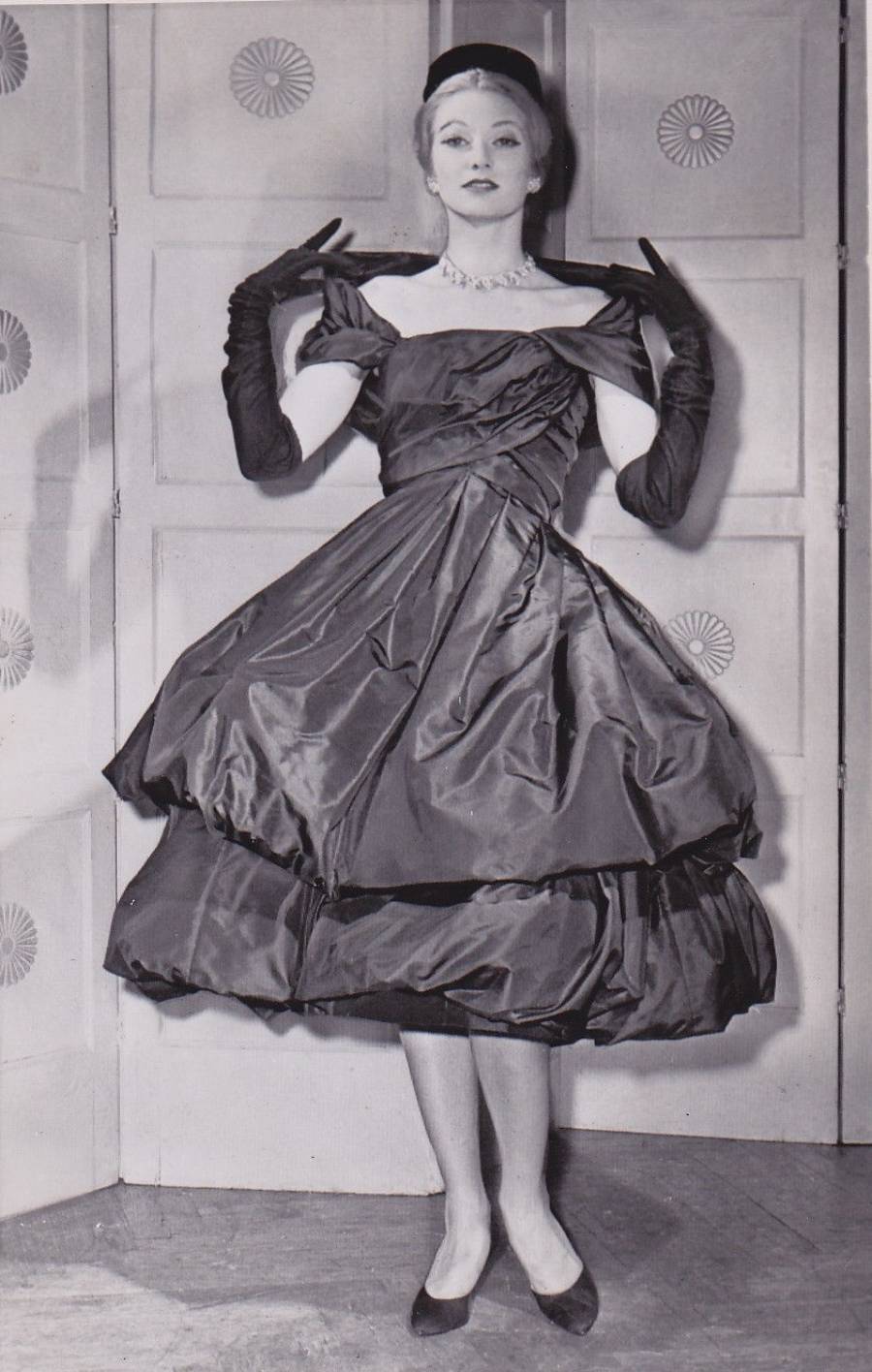
Casual clothing existed, but people generally put more effort into their appearance when going out. Going shopping, attending church, or going to dinner could involve more formal clothing. Modern casual fashion would probably have looked surprisingly relaxed to someone walking through a 1950s town.
13. There Was No Thing as “Being Online”
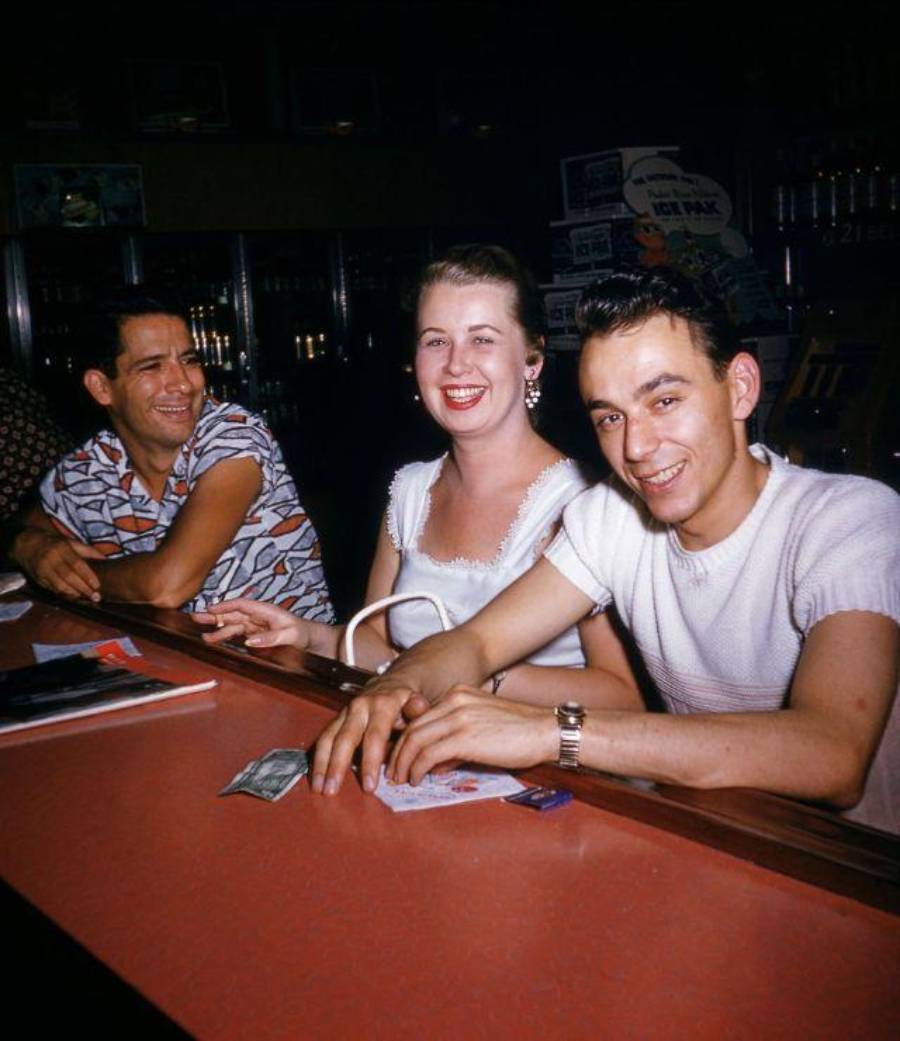
There was no digital version of yourself. You didn’t have a profile picture, username, or follower count. Friendships existed in person, through letters, or over the telephone. There was no expectation that every birthday, meal, or accomplishment would be photographed and shared with hundreds of people.
14. Waiting Was Part of Life
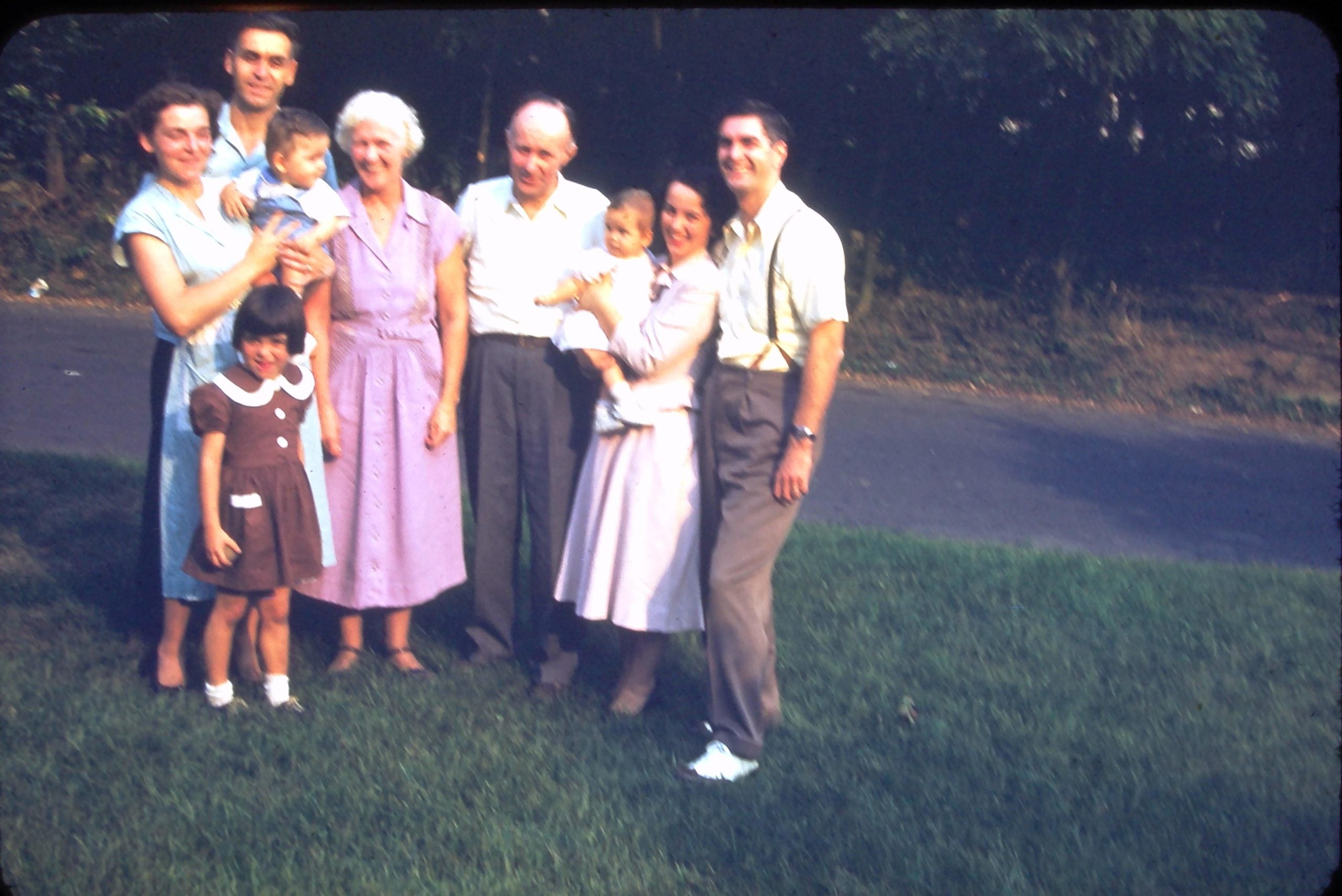
Perhaps one of the biggest differences between the 1950s and today was the amount of waiting people accepted as normal. Letters took time to arrive. Finding information required research. Getting photographs developed could take days.
15. Neighbors Knew Each Other
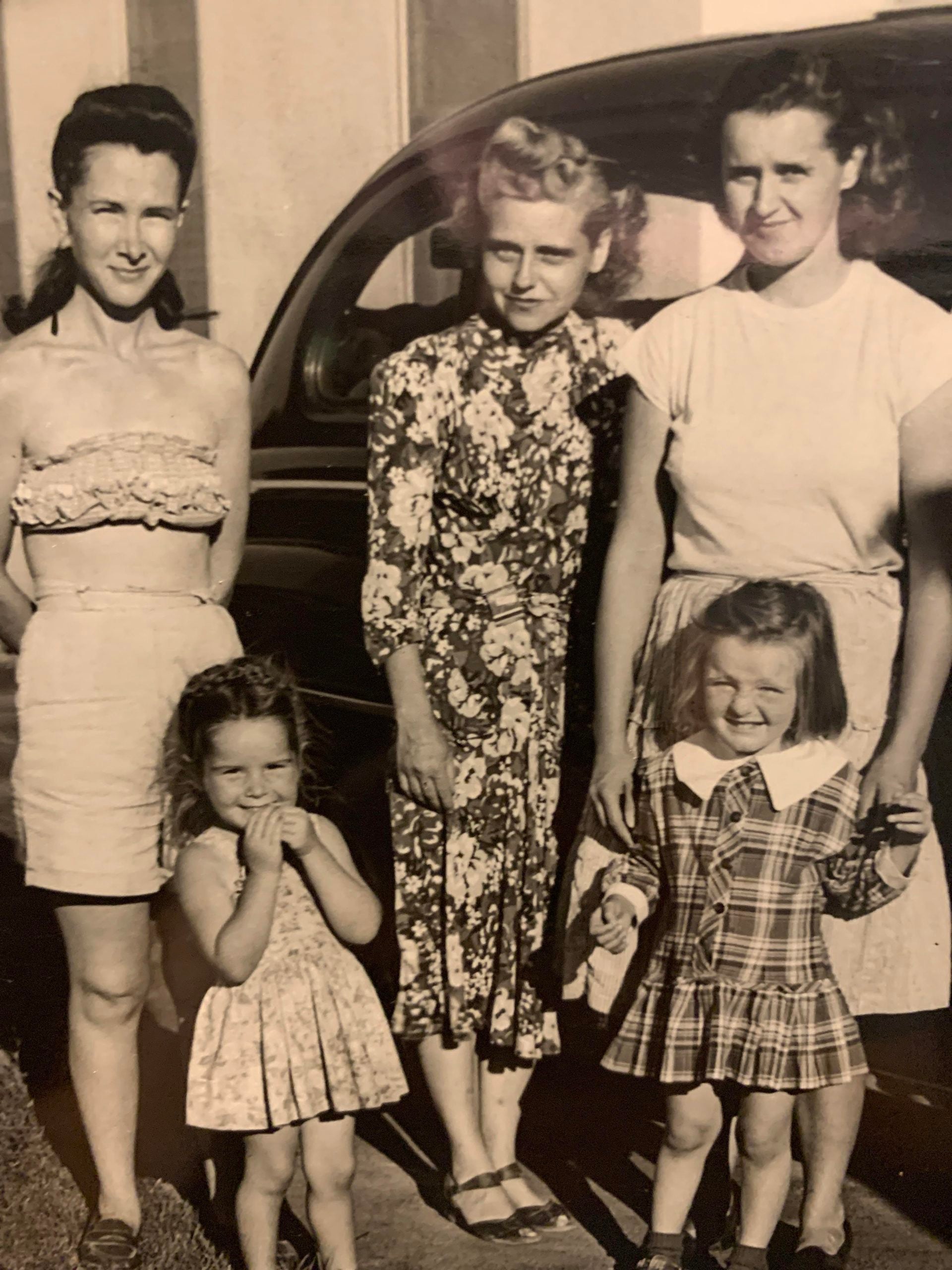
In many communities, people knew the families who lived nearby. Neighbors borrowed ingredients, watched each other’s children, or sat outside and talked. Communities weren’t perfect, and the 1950s had serious social problems that shouldn’t be romanticized. But there was a stronger sense of physical proximity because so much of life happened locally. Today, someone can live next door for years without ever having a real conversation with their neighbor.
Want more 1950s content?
15 Things Every Man Wore to Work in the 1950s shows the white shirts, ties, and felt hats that filled the workday. 15 Household Items From the ’50s We Wish We Kept looks at the cast iron skillets, and rotary phones that were built to last. And if you want a laugh, 17 Ads That Reveal How Weird The 1950s Were goes through the funny ads of the decade.