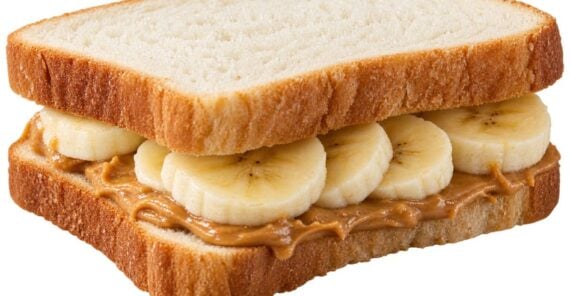
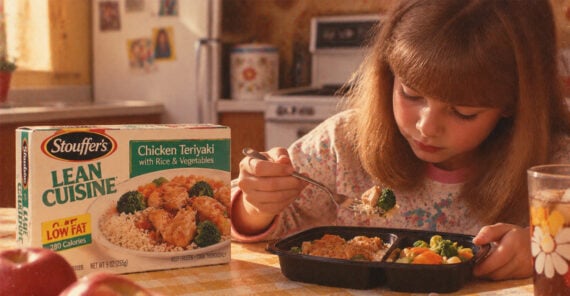
For decades, eating healthy often meant following a surprisingly simple set of rules. Choose margarine instead of butter. Pour yourself a glass of orange juice every morning. Grab a granola bar instead of a candy bar. If the package said low-fat, even better.
Many of those choices made perfect sense at the time. They were recommended in magazines, advertised on television, packed into lunchboxes, and served at breakfast tables across America. But nutrition advice changes, and so does our understanding of what is actually inside the foods we eat. These 16 foods once enjoyed a glowing reputation that has become much more complicated over the years.
1. Margarine
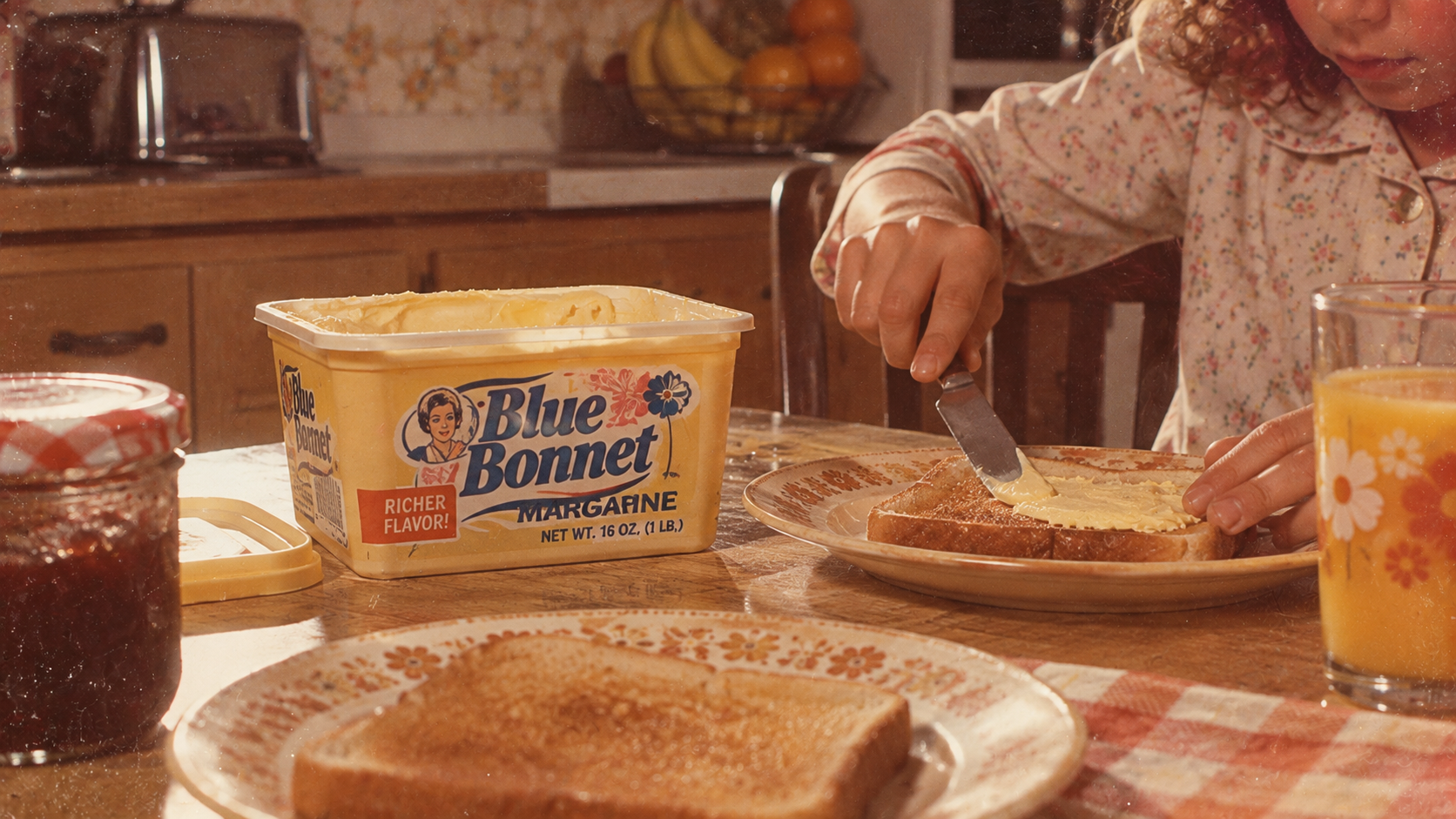
There was a time when switching from butter to margarine felt like one of the easiest things a family could do for its health. The familiar plastic tub sat in refrigerators everywhere, ready for toast, baked potatoes, and morning English muffins. But many older margarines contained trans fats, which were later strongly linked to cardiovascular problems. Today’s versions are often formulated differently, but margarine’s old image as the unquestionably healthier choice never quite recovered.
2. Orange Juice
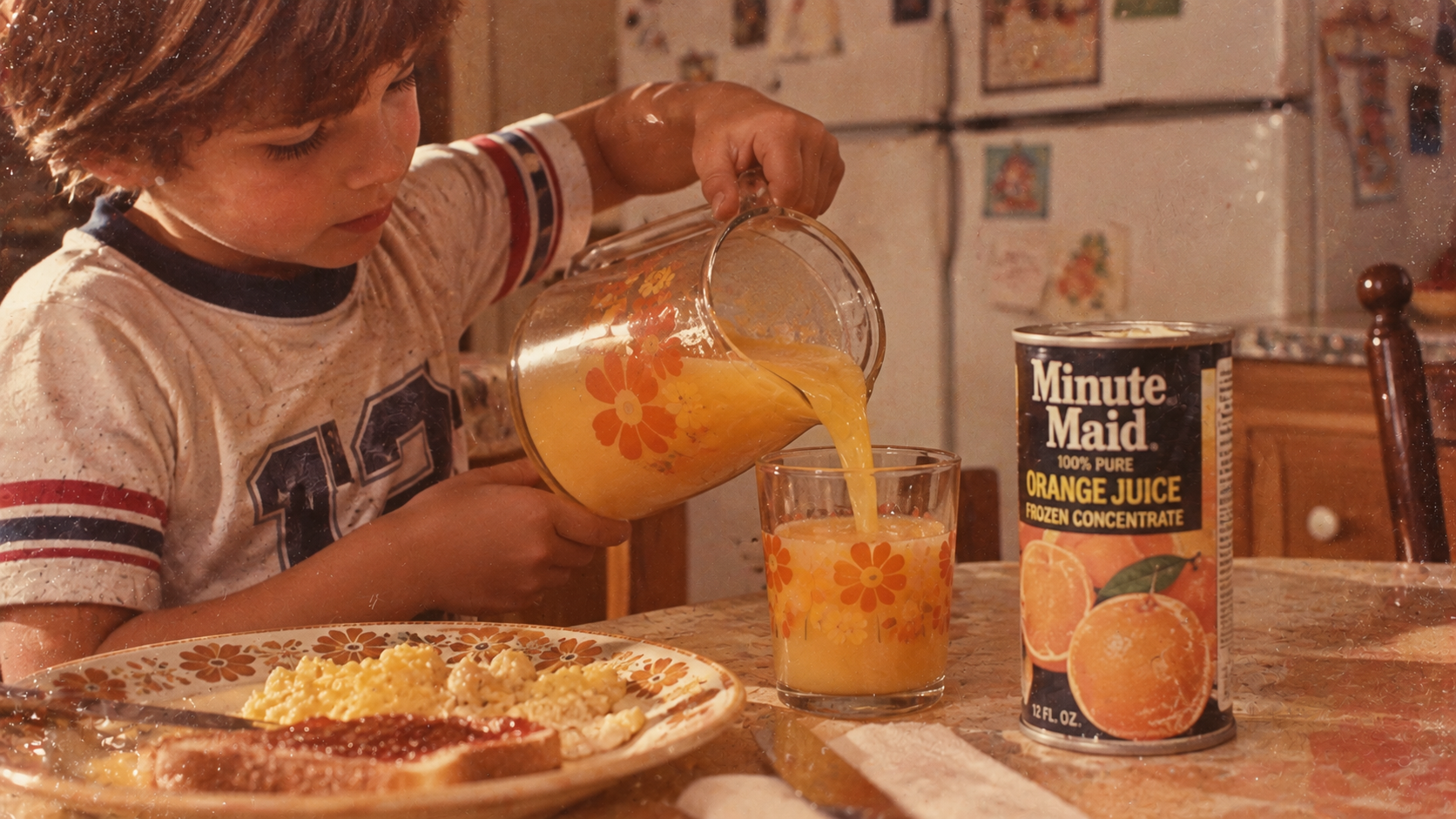
A tall glass of orange juice once seemed practically mandatory at breakfast. Commercials showed it beside cereal, toast, and coffee, while parents happily poured it for children before school. Although orange juice contains vitamin C and other nutrients, it also delivers a concentrated amount of sugar without the fiber found in a whole orange. These days, that giant breakfast glass doesn’t look quite as virtuous as it once did.
3. Granola
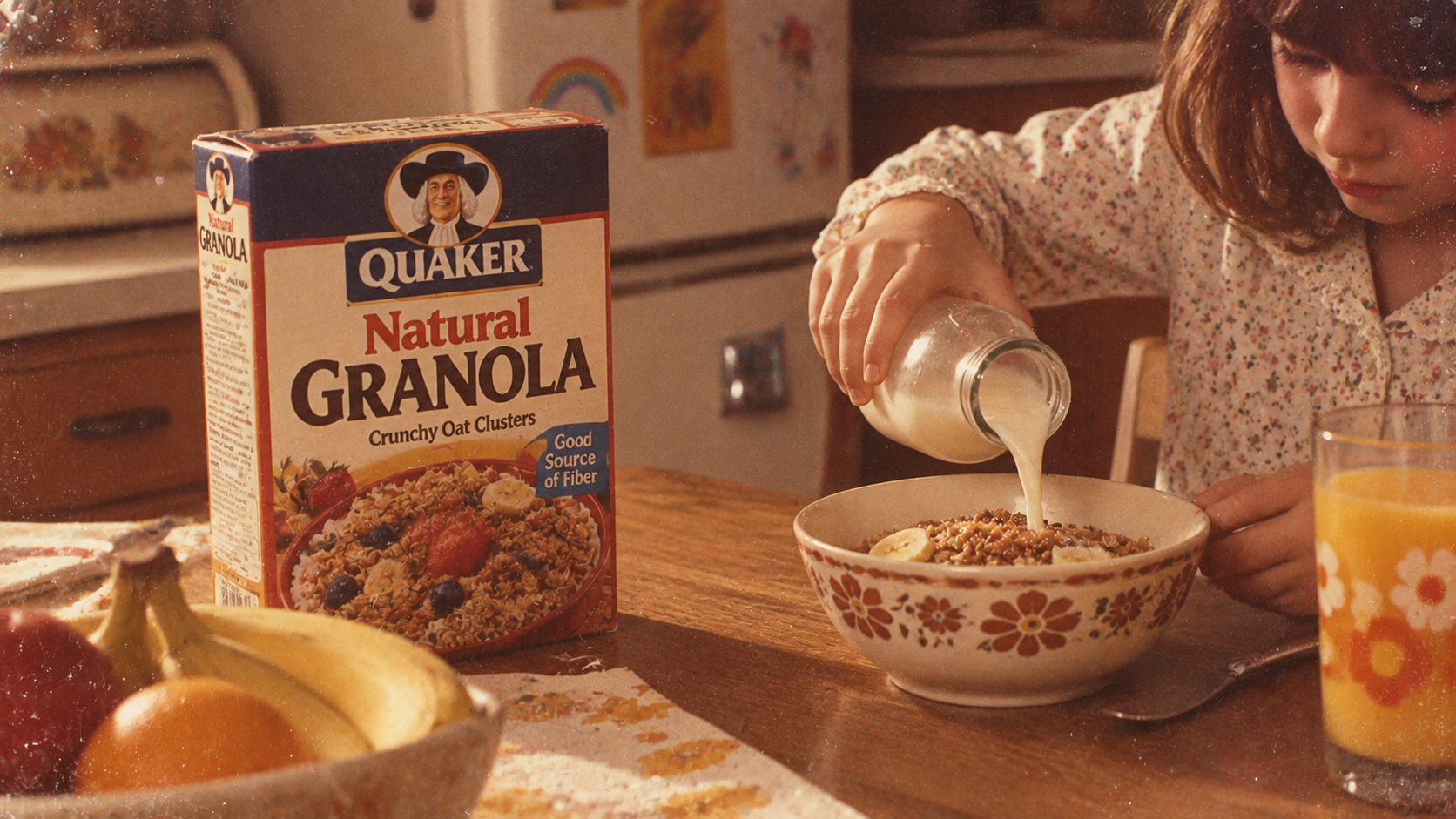
Granola spent years surrounded by an almost magical health halo. Oats, nuts, raisins, and seeds certainly sounded wholesome, especially compared with sugary cereals. The problem was that wide commercial varieties added generous amounts of sugar, syrups, oils, and chocolate. A bowl that looked like the responsible breakfast choice could quietly contain far more calories and added sugar than people realized.
4. Bran Muffins
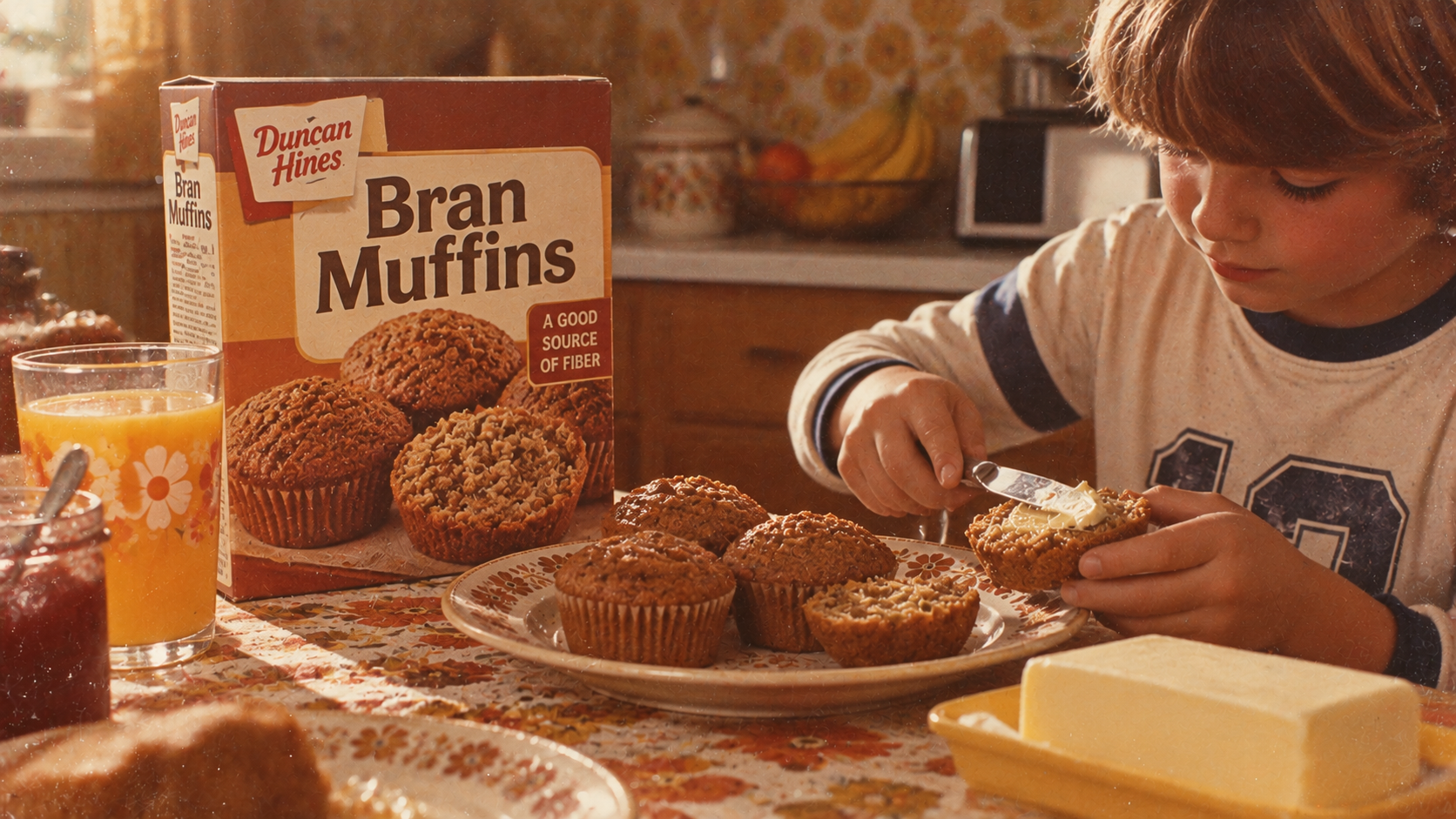
For years, the bran muffin was the sensible person’s bakery order. While everyone else reached for donuts and Danish pastries, choosing bran somehow felt like doing your body a favor. Bran itself provides fiber, but oversized bakery muffins often came loaded with refined flour, sugar, and oil. Somewhere along the way, people realized that putting bran into a very large sweet muffin didn’t automatically turn it into health food.
5. Low-Fat Yogurt
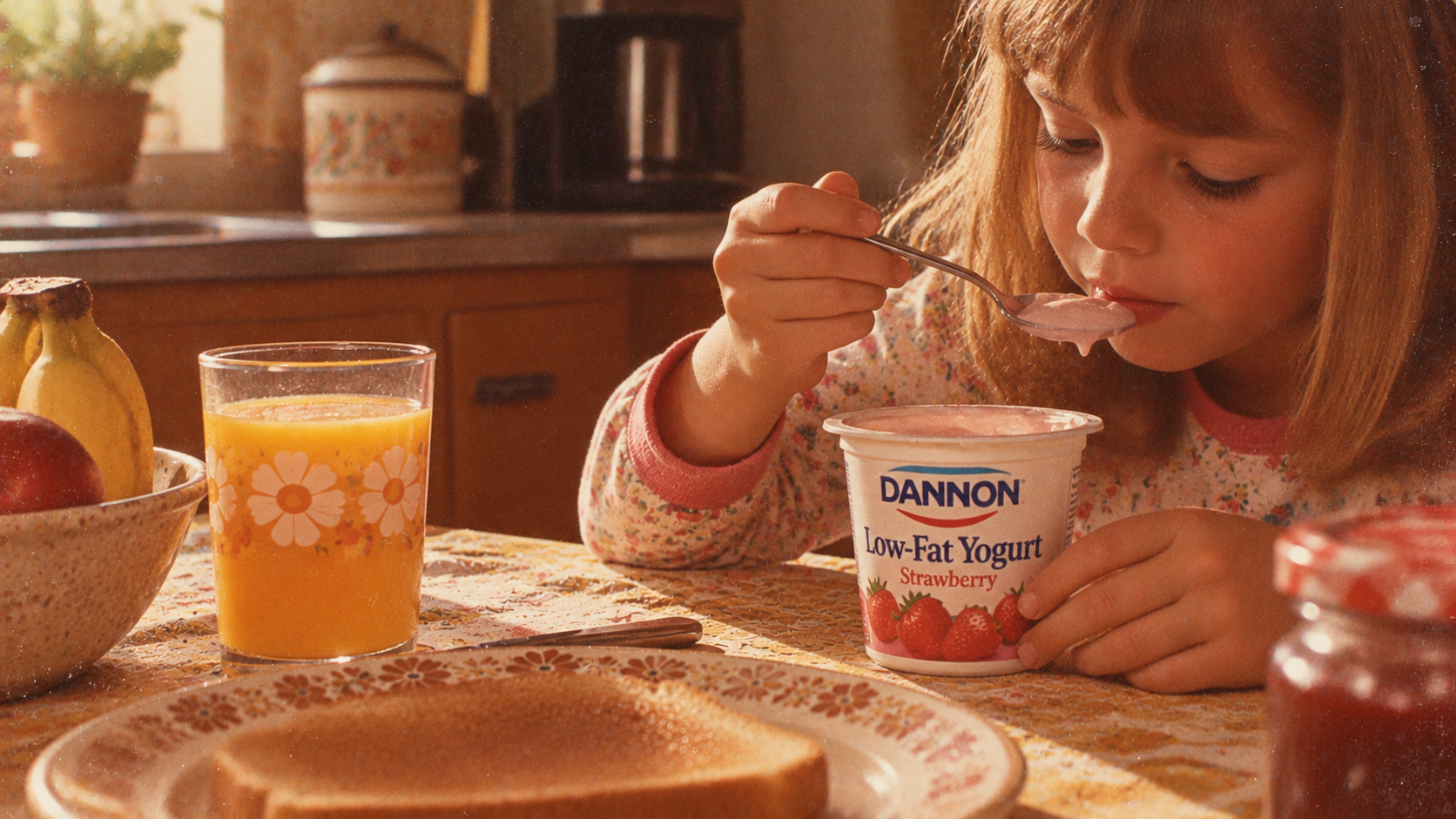
When fat became the nutritional villain, low-fat and fat-free yogurt seemed like an obvious upgrade. Grocery store refrigerators filled with colorful little containers promising a lighter way to enjoy something creamy. But removing fat often meant manufacturers added more sugar or sweeteners to improve the flavor. Eventually, shoppers started paying more attention to the ingredient list rather than simply looking for the words fat-free.
Trending on Wealth Gang


6. Breakfast Cereal
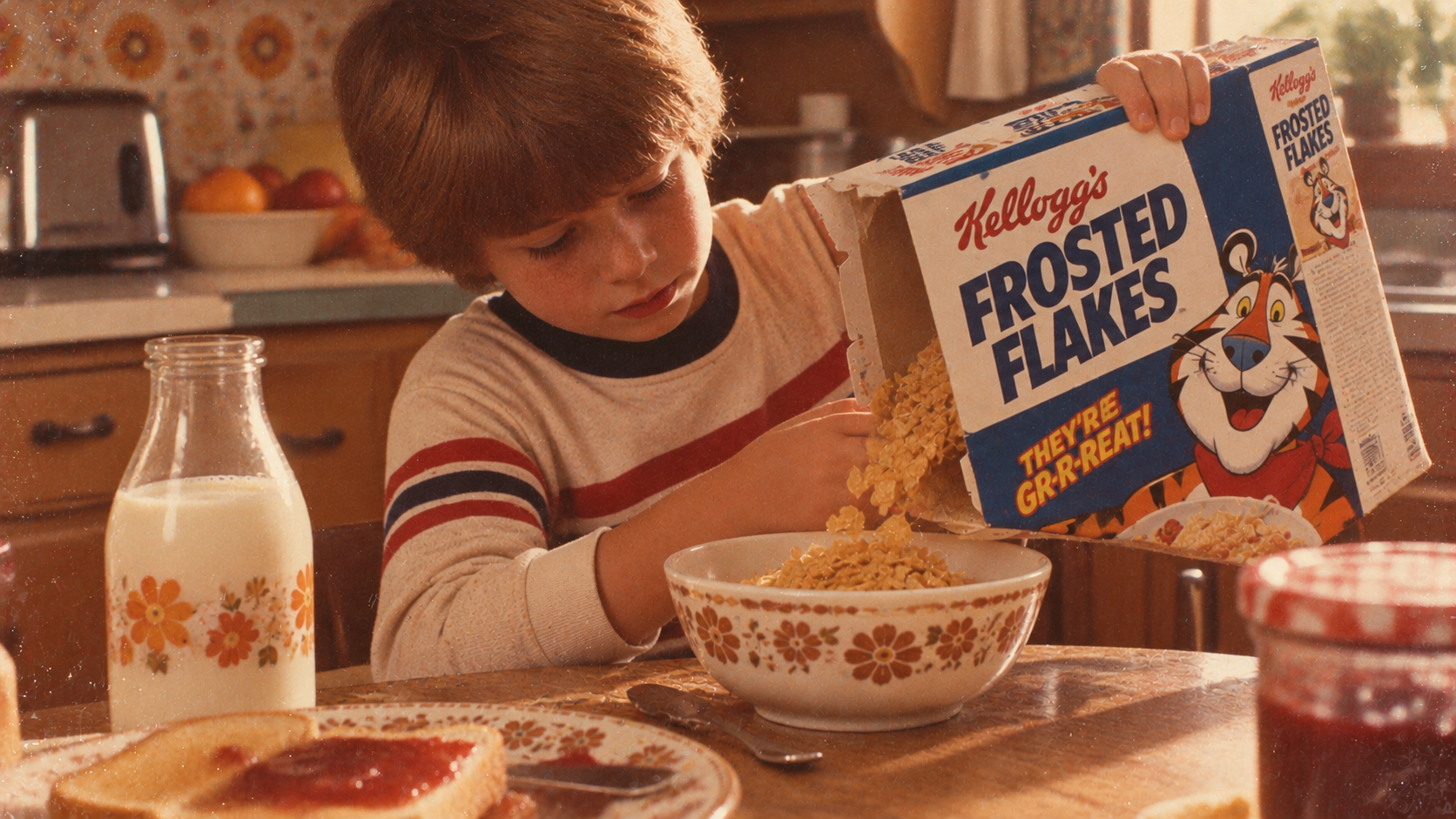
For generations, cereal boxes promised vitamins, minerals, whole grains, and a strong start to the day. Even brightly colored varieties could look surprisingly respectable once the front of the box mentioned iron or added vitamins. Over time, though, people became more aware of just how much added sugar and refined grain some cereals contained. That cheerful morning bowl suddenly required a little more label reading.
7. Fruit Snacks
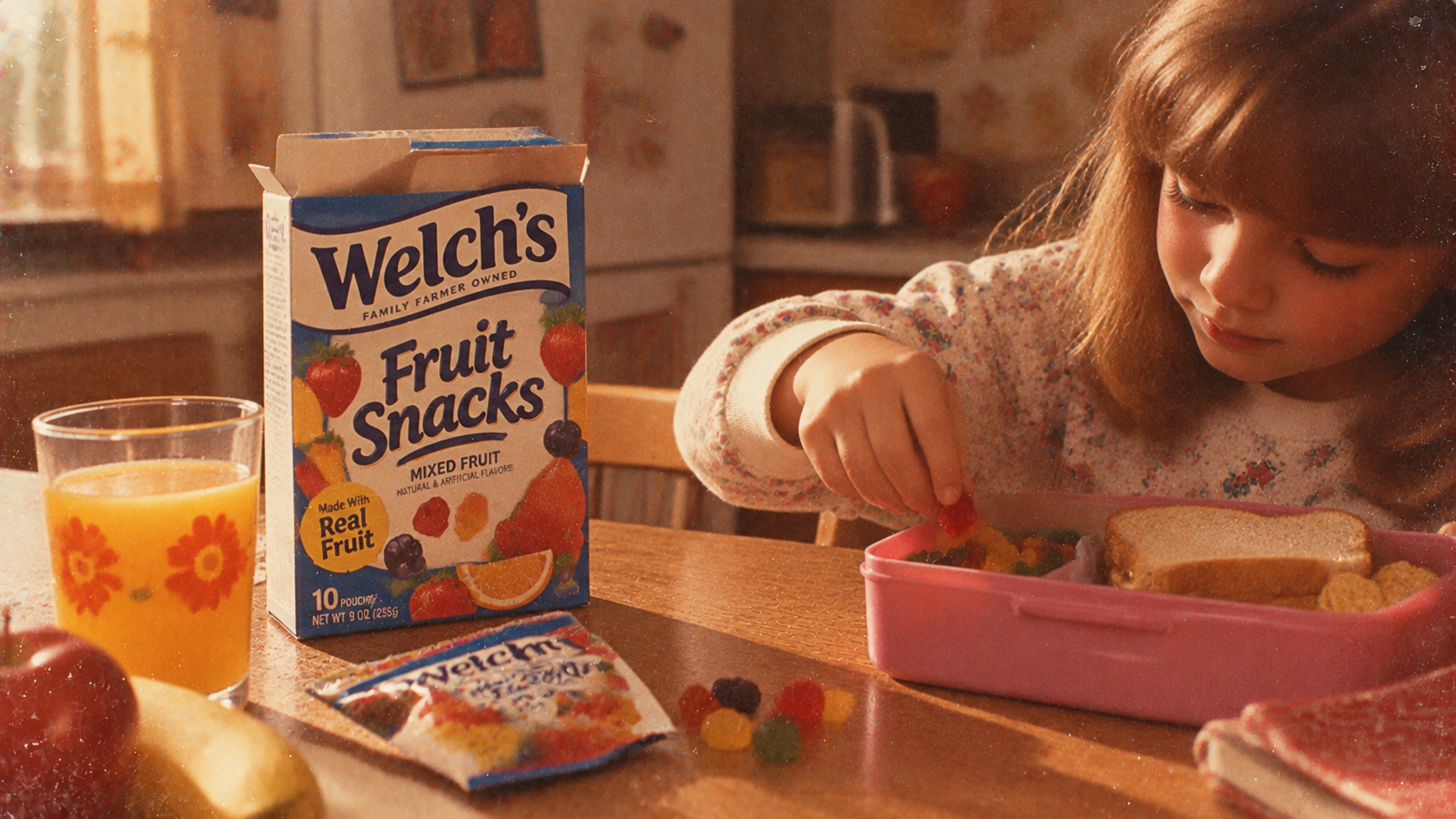
They had “fruit” right in the name, which made slipping a package into a child’s lunchbox feel completely reasonable. Some even advertised vitamin C or featured pictures of strawberries, oranges, and grapes on the package. Yet many fruit snacks were much closer to candy than actual fruit, with added sugars and little fiber. Parents eventually became more skeptical of foods that looked fruity without offering much of the real thing.
8. Rice Cakes
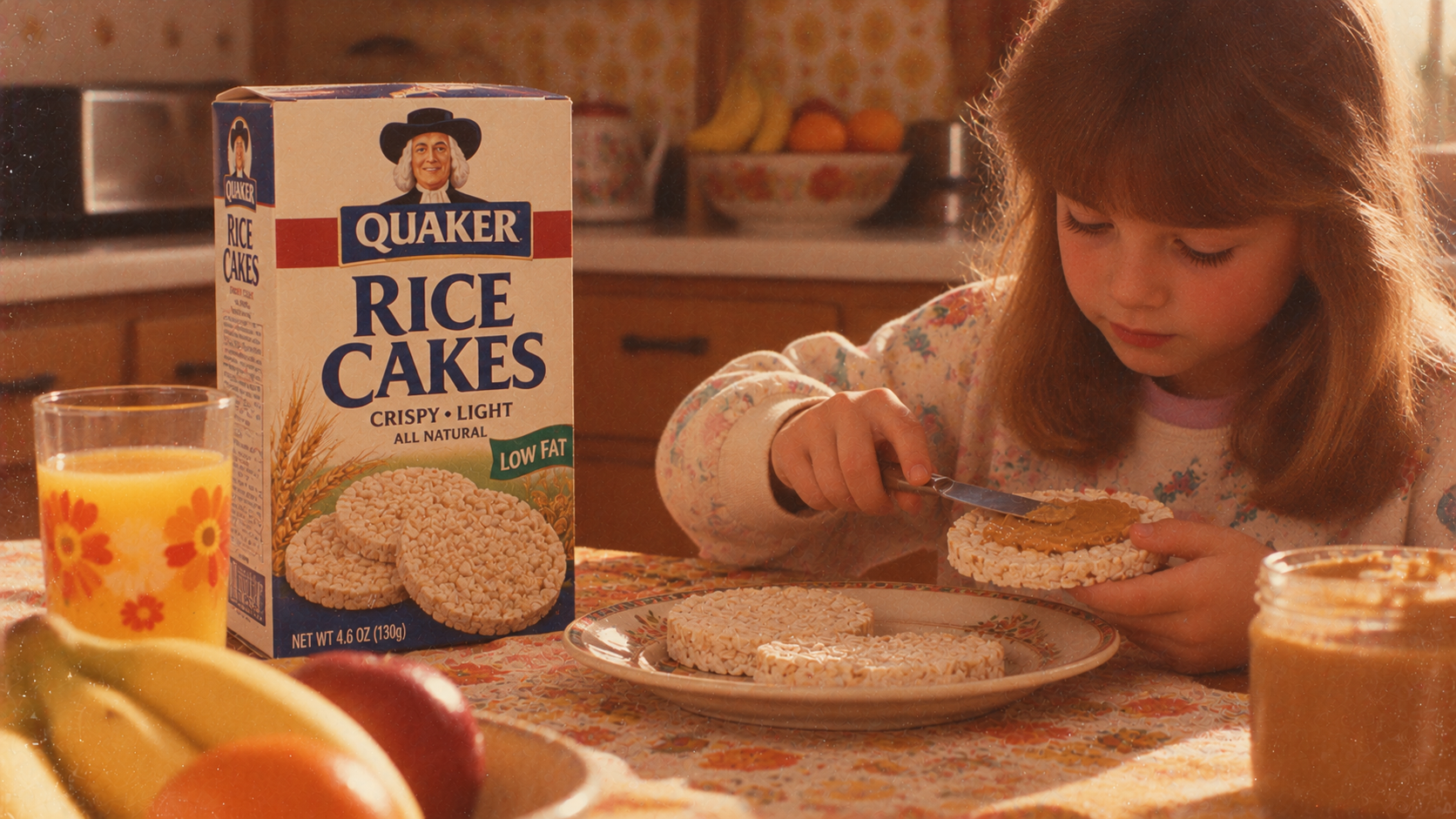
Few foods captured the low-fat era quite like rice cakes. They were light, crunchy, nearly weightless, and became the snack of choice for anyone trying to eat better in the 1980s and 1990s. But plain rice cakes offered relatively little protein or fiber and could leave people hungry again quickly. Their almost legendary diet-food status gradually faded as nutrition advice shifted toward more satisfying, nutrient-dense snacks.
Sign up for our newsletter
9. Diet Soda
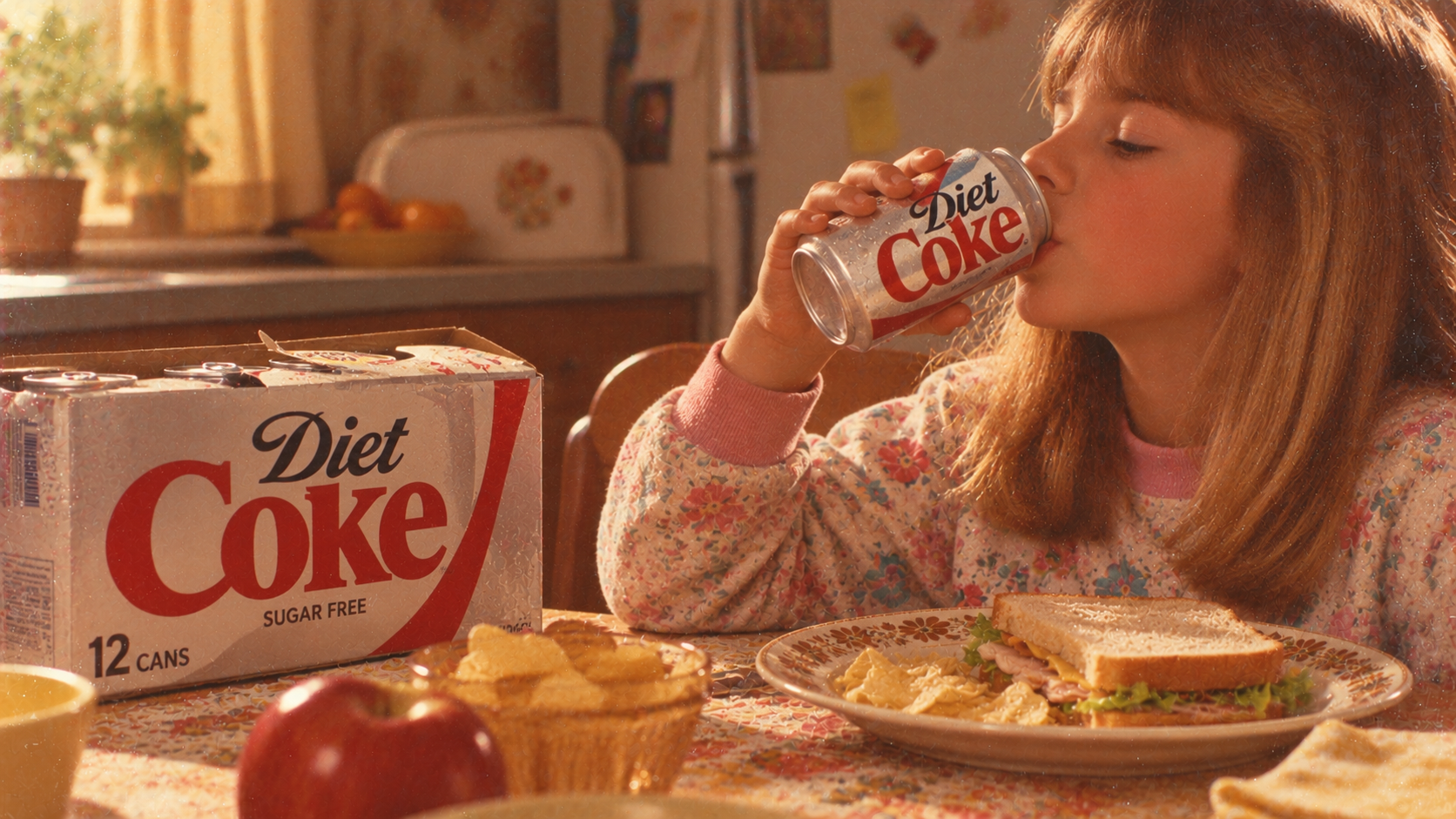
For years, ordering a diet soda felt like the responsible compromise. You still got the cold, fizzy drink but without the sugar and calories of the regular version. Questions about artificial sweeteners, appetite, and the broader health effects of regularly consuming intensely sweet drinks complicated that simple equation. Diet soda remains popular, but few people see it as the straightforward “healthy” beverage it was once marketed to be.
10. Frozen Diet Meals
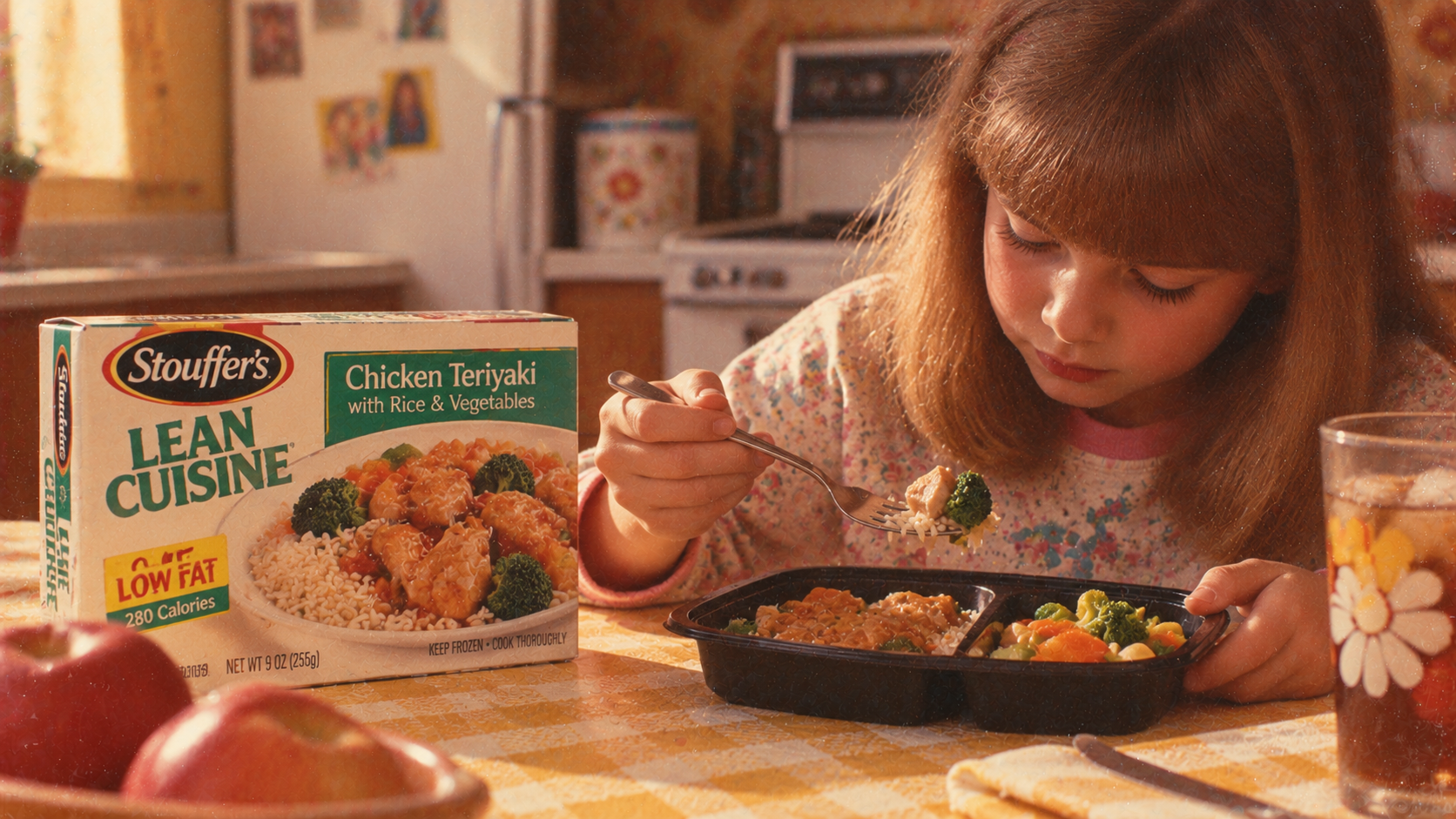
Those little frozen trays were everywhere during the dieting boom. They offered carefully counted calories, tiny portions, and the comforting feeling that someone else had already done the nutritional math for you. While convenient, many were highly processed and surprisingly high in sodium, and sometimes lacking enough protein, vegetables, or fiber to make a satisfying meal. The idea that fewer calories automatically meant healthier eventually started to feel outdated.
11. Flavored Instant Oatmeal
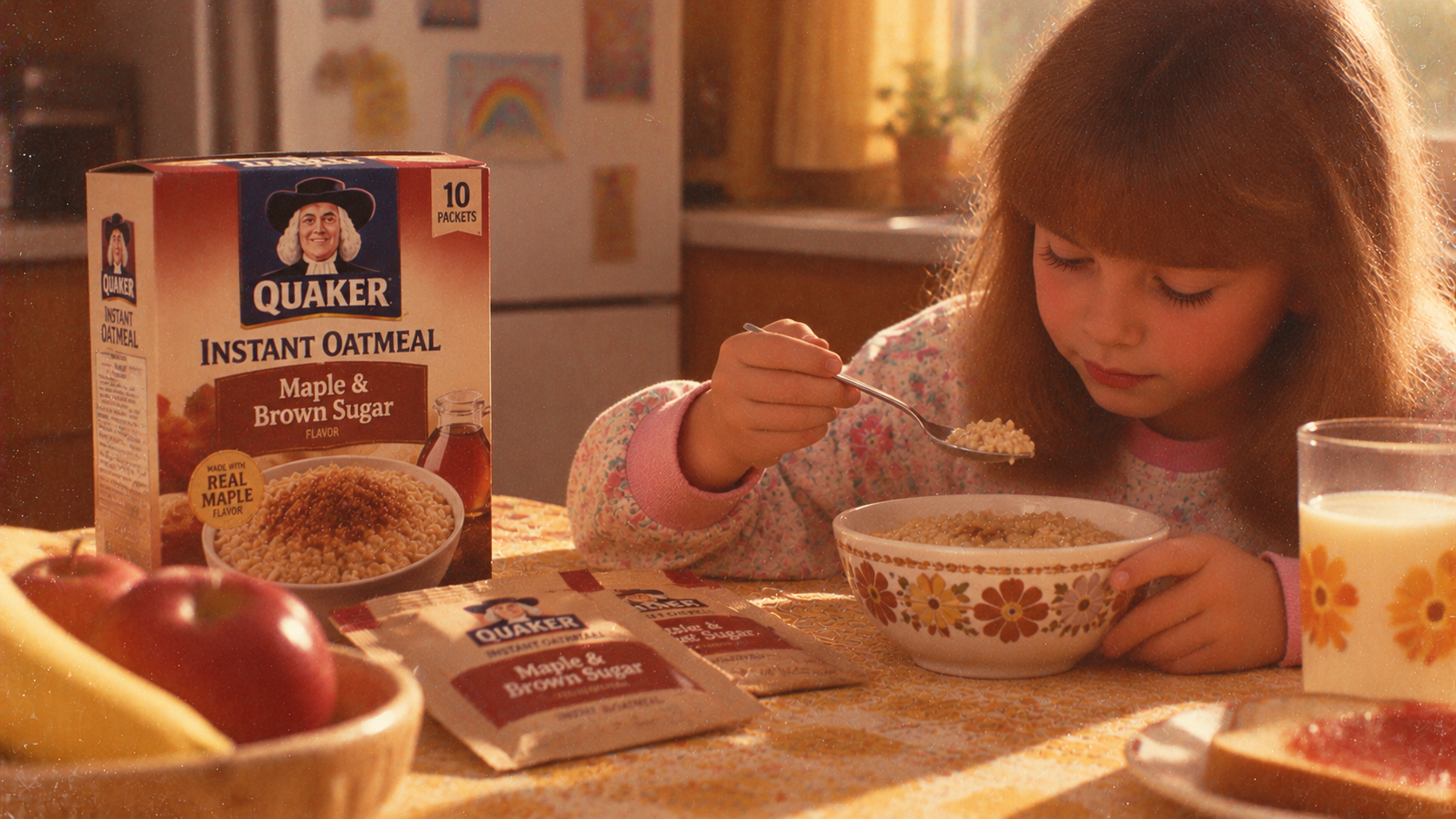
Oatmeal earned its wholesome reputation for good reason, and instant packets seemed to make a healthy breakfast even easier. Just add hot water, stir, and breakfast was ready before anyone had to rush out the door. The catch was that many flavored versions came with substantial added sugar and sweet flavorings. Plain oats never lost their appeal, but those sugary little packets became harder to confuse with the old-fashioned bowl Grandma used to make.
12. Trail Mix
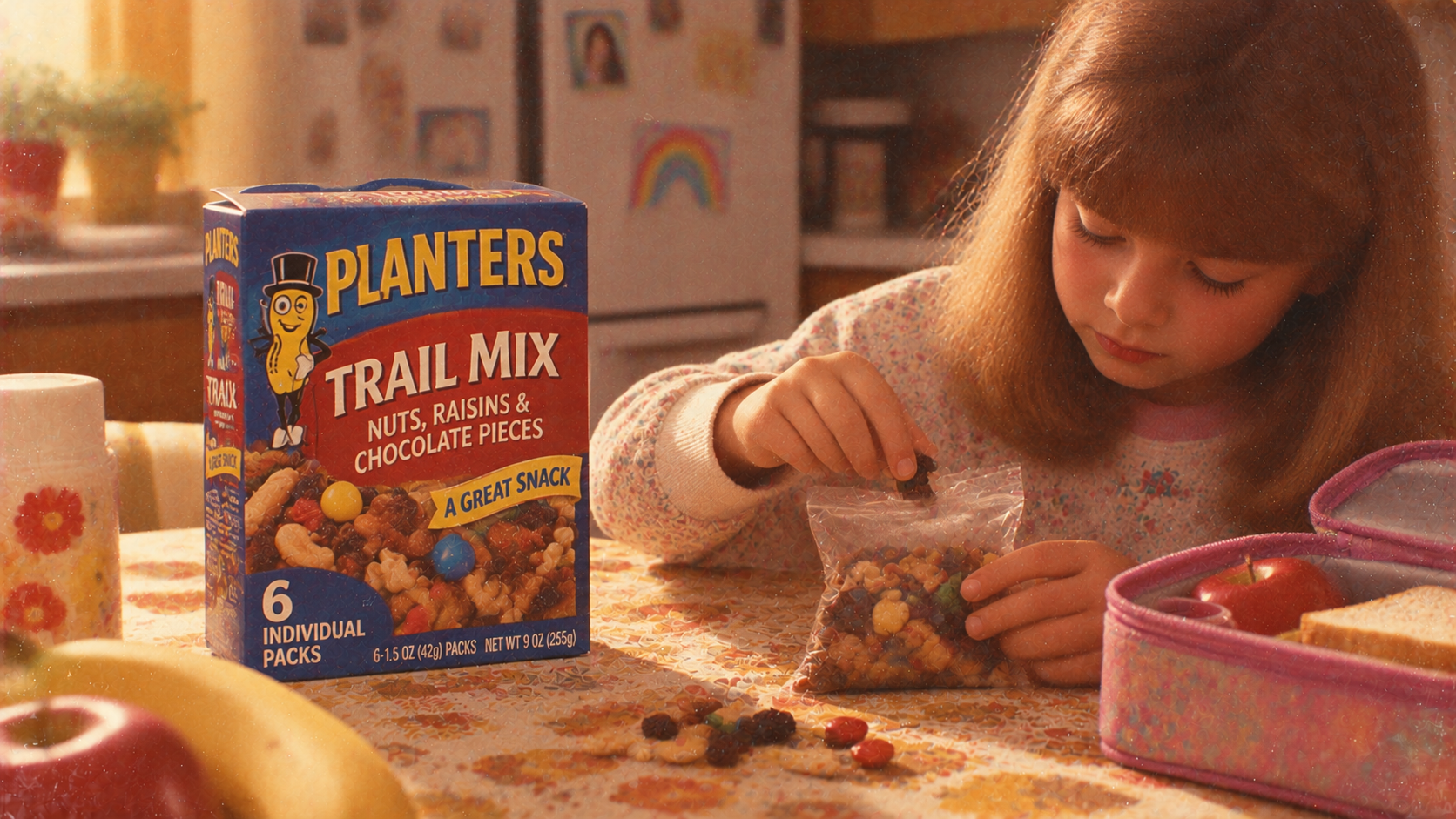
Trail mix once conjured images of hiking boots, mountain trails, and people who somehow always remembered to bring a reusable water bottle. Nuts and dried fruit made it sound naturally nutritious. Then commercial versions started filling bags with candy pieces, chocolate chips, sweetened fruit, and sugary coatings. It could still be a useful snack, but the line between trail mix and dessert became surprisingly thin.
13. Reduced-Fat Peanut Butter
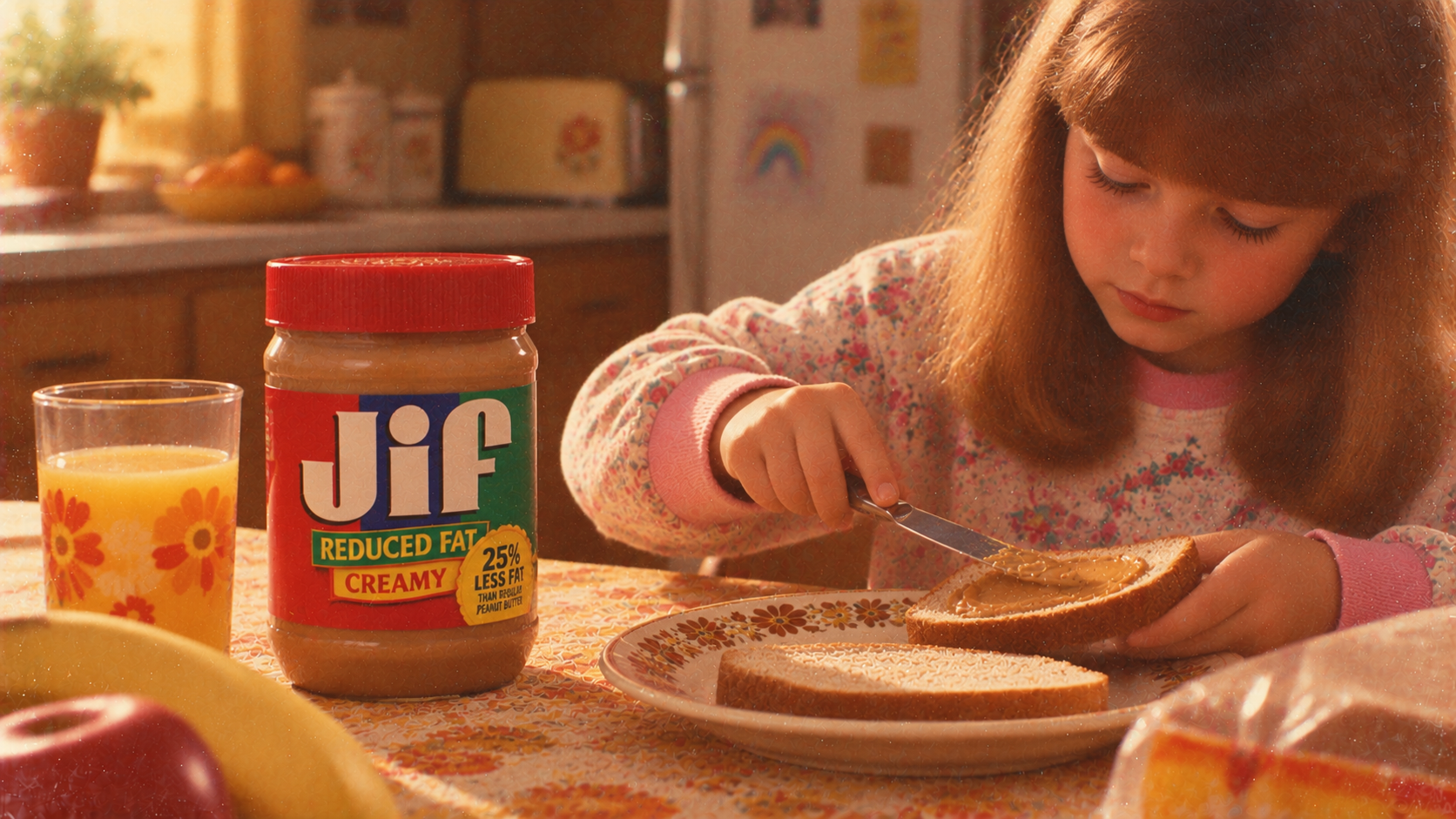
During the low-fat craze, even peanut butter’s natural fat seemed suspicious. Reduced-fat versions arrived promising the familiar taste with less of what everyone had been told to avoid. But manufacturers often compensated with additional sugars, starches, or other ingredients, while regular peanut butter naturally contains mostly unsaturated fats. Eventually, many shoppers went back to simpler jars containing little more than peanuts and salt.
14. Veggie Chips
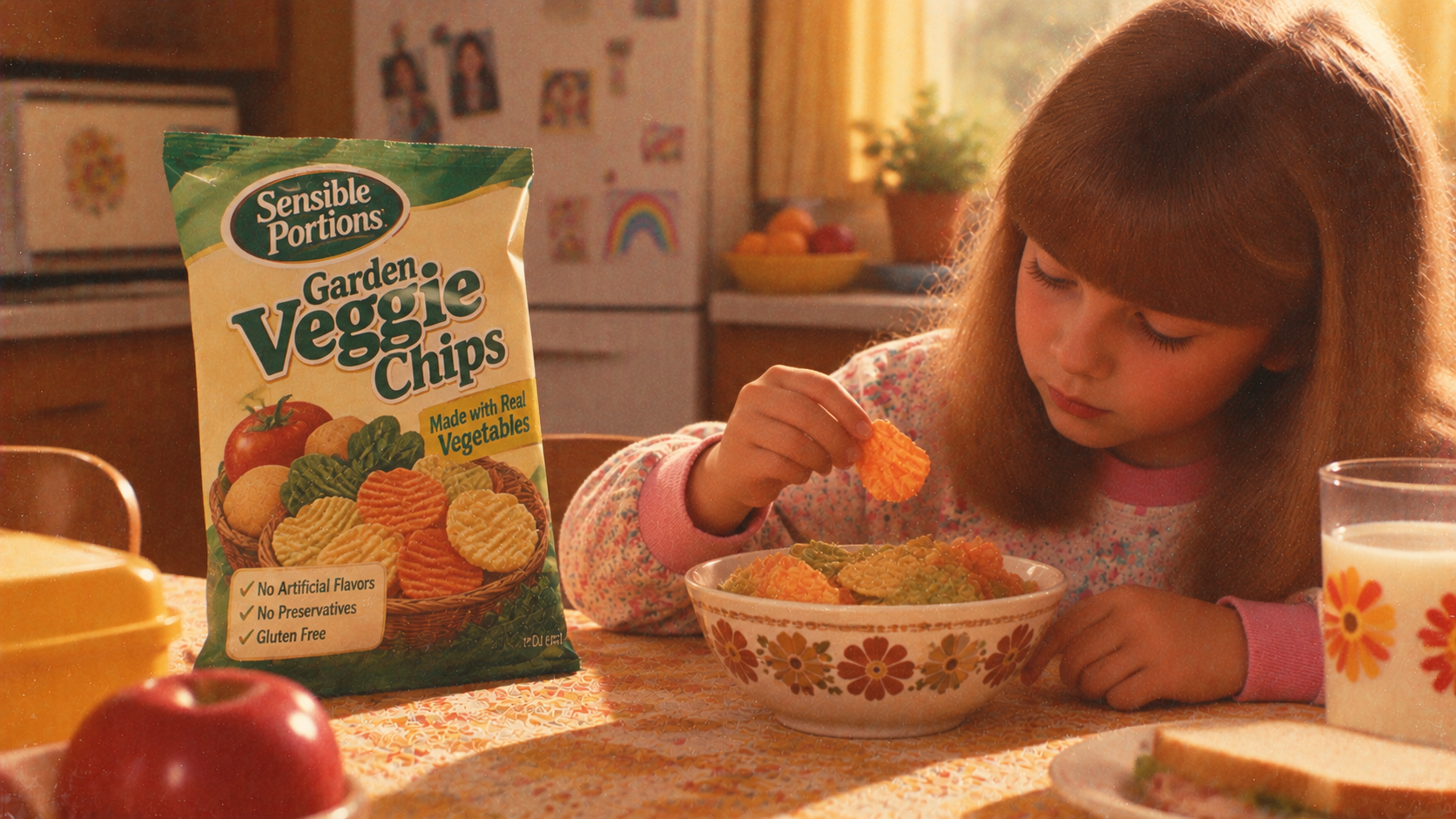
The word veggie did a remarkable amount of work on snack-food packaging. Colorful chips made with spinach, tomato, beet, or other vegetable powders looked like something you could eat with far less guilt than ordinary potato chips. Nutritionally, however, many were still fried or processed snacks with plenty of sodium and very little actual vegetable content. The green chip, it turned out, wasn’t necessarily a serving of greens.
15. Energy Bars
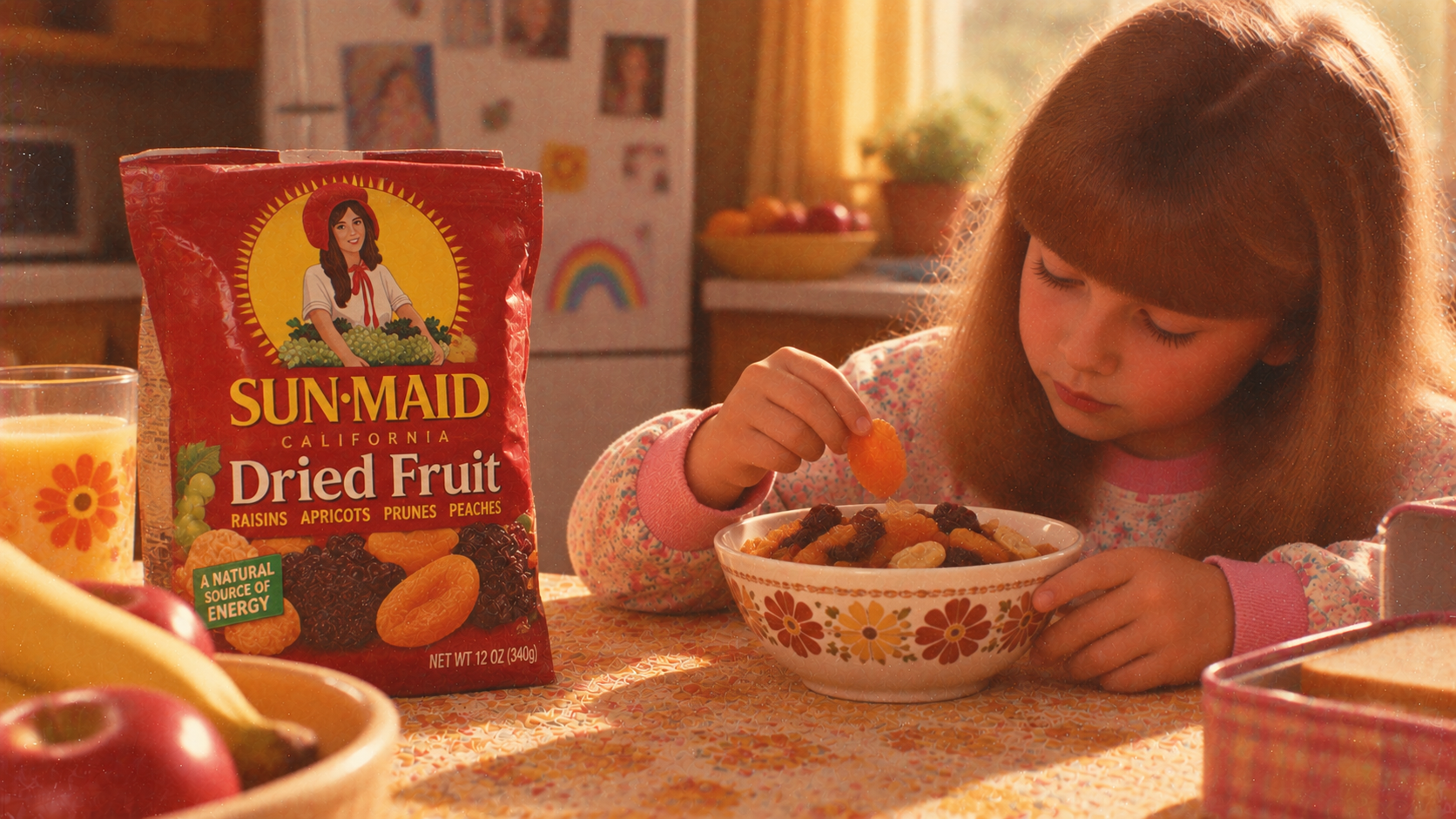
Energy bars originally seemed designed for athletes, hikers, and people doing things far more strenuous than sitting at a desk. Soon they were everywhere, tucked into purses, gym bags, office drawers, and school backpacks. Some contain useful combinations of protein and fiber, but others pack in syrups, chocolate, and added sugars until they resemble candy bars with better branding. Energy stopped being automatically interpreted as healthy.
16. Dried Fruit
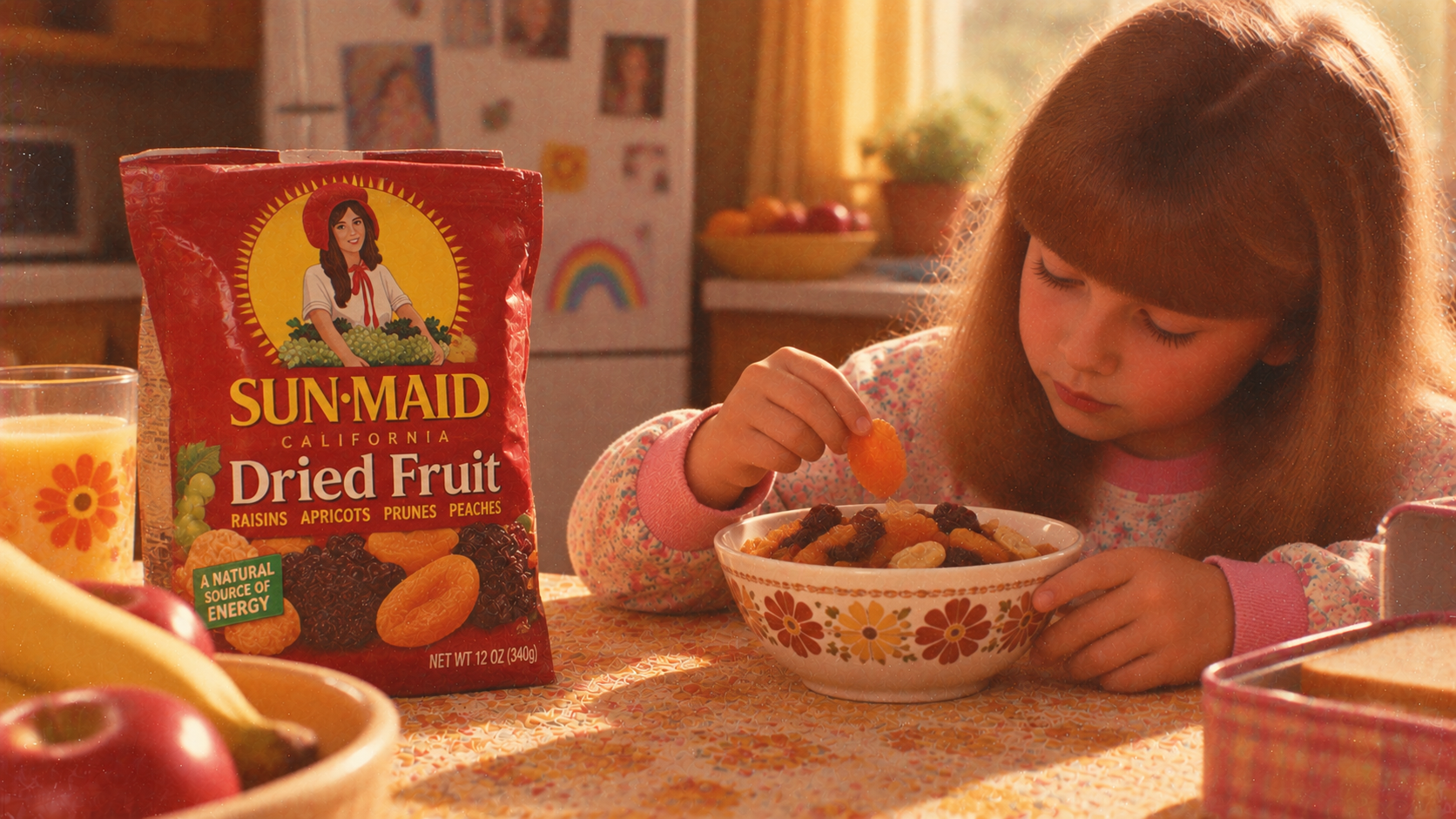
Dried fruit has always looked like one of those snacks that couldn’t possibly cause much controversy. After all, it’s fruit. But removing the water makes it incredibly easy to eat far more fruit and therefore more concentrated natural sugar than you would in its fresh form, while some varieties also contain added sugar. A handful can still fit perfectly well into a balanced diet; the old idea that an entire bag was basically interchangeable with fresh fruit is what changed.
More Related Notes
• 15 Myths That Keep Circulating Even Though They’ve Been Debunked.
Explore familiar beliefs that remained popular for years before new information challenged what people had long accepted as true.
• 14 Things We Always Believed That Were Never Actually True.
Take a closer look at widely accepted ideas that eventually turned out to be misleading, outdated, or far more complicated than people once believed.
• 10 Foods That Disappeared for Years and Suddenly Came Back.
Discover foods that fell out of favor before unexpectedly returning, showing how changing tastes, nutrition trends, and nostalgia can reshape what people choose to eat.