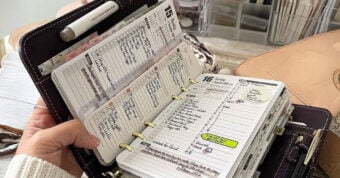
A hand holds an open planner filled with neatly handwritten notes, lists, and highlighted tasks. The planner is in a leather cover with a pen attached. Office supplies and a tan bag are visible in the background.

For decades, certain everyday habits were seen as clear signs of a good, successful life. Owning specific things, following rigid routines, or living by traditional milestones once symbolized stability and happiness. But as society, technology, and values have shifted, many of those habits no longer carry the same meaning. What once felt responsible or admirable can now feel outdated, impractical, or even limiting. Here are 15 simple habits that used to define a good life but don’t anymore.

1. Working for the Same Company for Life

Five people work together at a modern office table with laptops and documents. One woman stands and leans over to speak to three seated colleagues, while another person sits nearby, smiling. Large windows surround the workspace.
Stealthelook / Pinterest.com

Long-term loyalty was once the ultimate sign of stability. Today, flexibility and growth often matter more than staying put.

2. Owning a Large House as a Life Goal

A two-story brick house with black shutters, a dark tiled roof, and white trim. The path to the entrance is lined with manicured hedges and fallen autumn leaves. Tall trees with yellow leaves surround the house.
Happyhomeinspo_com / Pinterest.com

Bigger homes once symbolized success. Now, many prioritize mobility, lower costs, and simpler living.

3. Avoiding Career Changes

A woman in a blue sweater studies on a laptop at a round wooden table in a large library, surrounded by bookshelves and other people working under reading lamps.
Mkovalphoto / Pinterest.com

Switching paths used to be seen as risky. Today, reinvention is often viewed as smart and necessary.

4. Saving Everything “For Retirement”

A glass jar labeled "RETIREMENT" is filled with coins and rolled-up dollar bills, symbolizing saving money for retirement. The jar sits on a neutral surface with a blurred blue-gray background.
Pennypinchinmom / Pinterest.com

Delaying enjoyment was once praised. Now, balance between future planning and present living is valued.

5. Judging Success by Job Titles

A hand wearing a black graduation gown holds up a rolled diploma tied with a red ribbon against a clear blue sky.
Missywalks / Pinterest.com

Titles used to define status. Today, fulfillment, freedom, and income flexibility often matter more.

6. Always Being Busy

Chakaesp / Pinterest.com

Constant busyness once signaled importance. Now, rest and boundaries are seen as signs of control.

7. Buying New Instead of Used

Interior of a thrift store with racks of assorted jeans, clothes, and sweaters on both sides of a wide aisle under bright lighting. Signs and framed art are visible on the back wall.
DiaryofaTOgirl / Pinterest.com

New purchases once showed financial health. Today, secondhand and sustainable choices are respected.

8. Staying Offline Outside of Work

A person stands at a wooden table, closing a laptop with one hand. A smartphone, a glass with a drink, and an open notebook with a pen are also on the table. A plant is visible in the background.
Apttherapy / Pinterest.com

Being disconnected once meant balance. Now, digital presence can be essential for opportunity and community.

9. Following a Strict Daily Routine

A laptop on a table
Templatesnotionideas / Pinterest.com

Rigid schedules once meant discipline. Today, adaptable routines often fit modern life better.

10. Measuring Happiness by Material Possessions

A close-up of a person's wrist wearing a silver watch with a blue face and date display. Another similar watch lies on a dark surface nearby. The person wears a gray sleeve and a silver ring.
Vovkaivlev / Pinterest.com

What you owned used to define success. Experiences and time now carry more weight.

11. Never Discussing Mental Health

A therapist holds a notebook and pen while taking notes during a session. In the background, a woman sits on an armchair, talking with her hands clasped in her lap. The scene conveys a therapy or counseling setting.
Logofabrica / Pinterest.com

Silence was once seen as strength. Openness is now recognized as healthier and more honest.

12. Living Close to Family No Matter What

A group of six people of varying ages sit together in a cozy living room, looking at old photo albums and photographs, sharing memories, and smiling. Sunlight streams through a window with potted plants on the sill.
Ramila1292 / Pinterest.com

Proximity used to equal stability. Today, people often prioritize personal growth and global mobility.

13. Avoiding Side Projects

Two people in business attire shaking hands over a desk with a laptop, documents, and a pen in an office setting, with large windows in the background.
Marusyahappy33 / Pinterest.com

Focusing on one job was ideal. Now, side hustles and creative outlets are common and respected.

14. Dressing Formally to Be Taken Seriously

A man in a blue suit adjusts his blue tie, with only his hands and upper torso visible, against a blurred indoor background.
JaniseSomer / Pinterest.com

Formal appearance once equaled professionalism. Today, competence matters more than dress codes.

15. Following the Same Life Timeline

A silhouetted family plays on a beach at sunset; an adult lifts a child into the air while another adult stands nearby, with the sky and sea in the background.
Popsugar / Pinterest.com

Marriage, kids, and milestones once followed a fixed order. Today, there’s no single path to a good life.

Meet the Writer

Tatiana is a graphic designer specialized in marketing, with over 15 years of experience in the digital marketing world. Throughout her career, she’s worked with a variety of brands, developing strategies that blend creativity, identity, and results and loves to churn out refreshingly engaging content for audiences across many content realms at the same time. Find her on Behance at, tatianaalalach, as well.