Many technologies that Americans now consider essentials were invented long before they became part of everyday life. Refrigerators, dishwashers, and televisions, for example, were once expensive items that only a small number of people could afford.
Several factors slowed adoption, including high prices and limited infrastructure. Manufacturers also needed time to improve their products and convince people that these unfamiliar technologies were worth buying. The next 15 technologies show how long it can take for an invention to become an everyday convenience.
1. Dishwashers
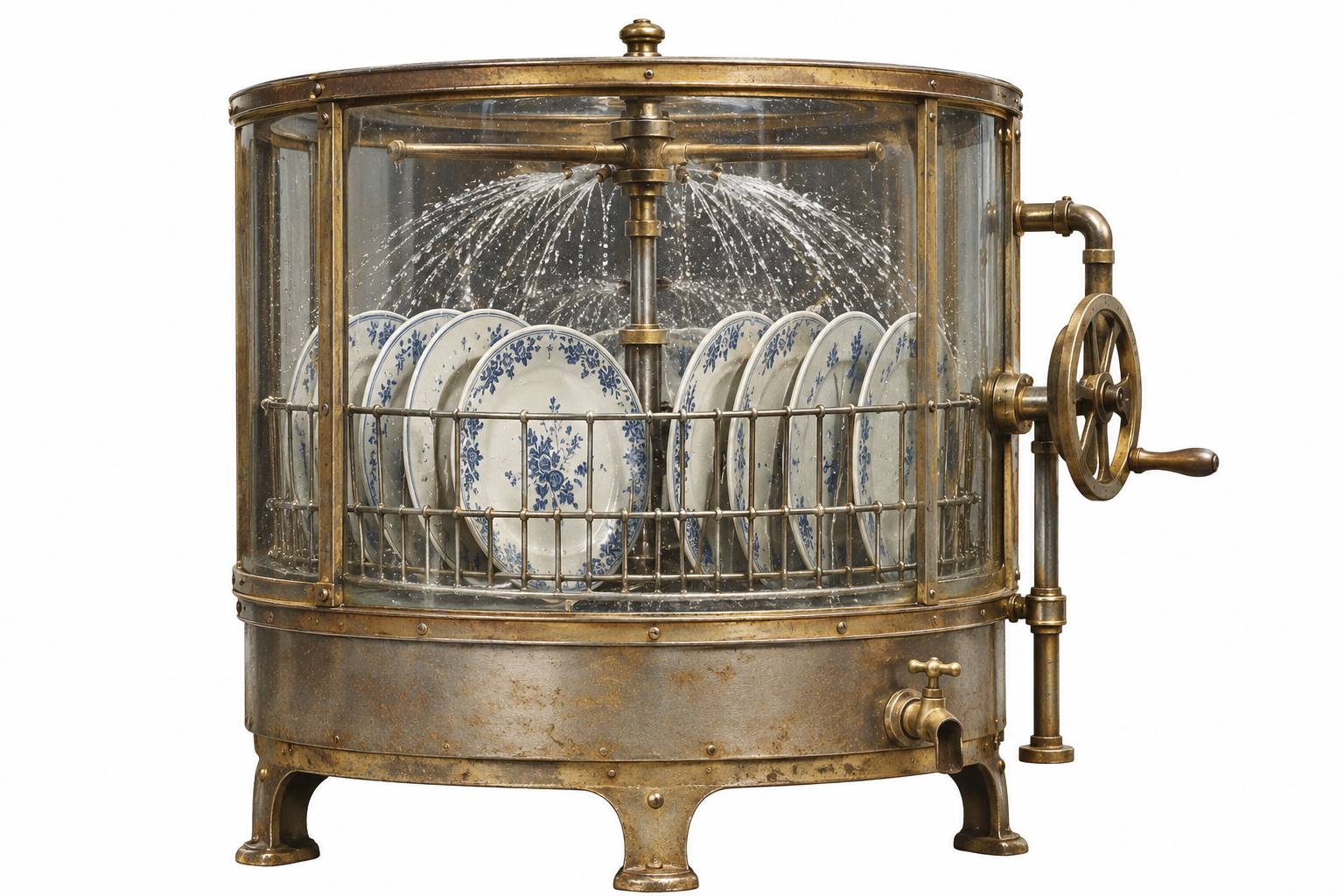
Josephine Cochrane patented her mechanical dishwasher in 1886. Her machine used water pressure to clean dishes, but the cost made it more attractive to commercial customers such as hotels and restaurants than to ordinary families. In 1970, the U.S. Census Bureau found that only 19% of occupied American homes had a dishwasher.
2. Microwave Ovens
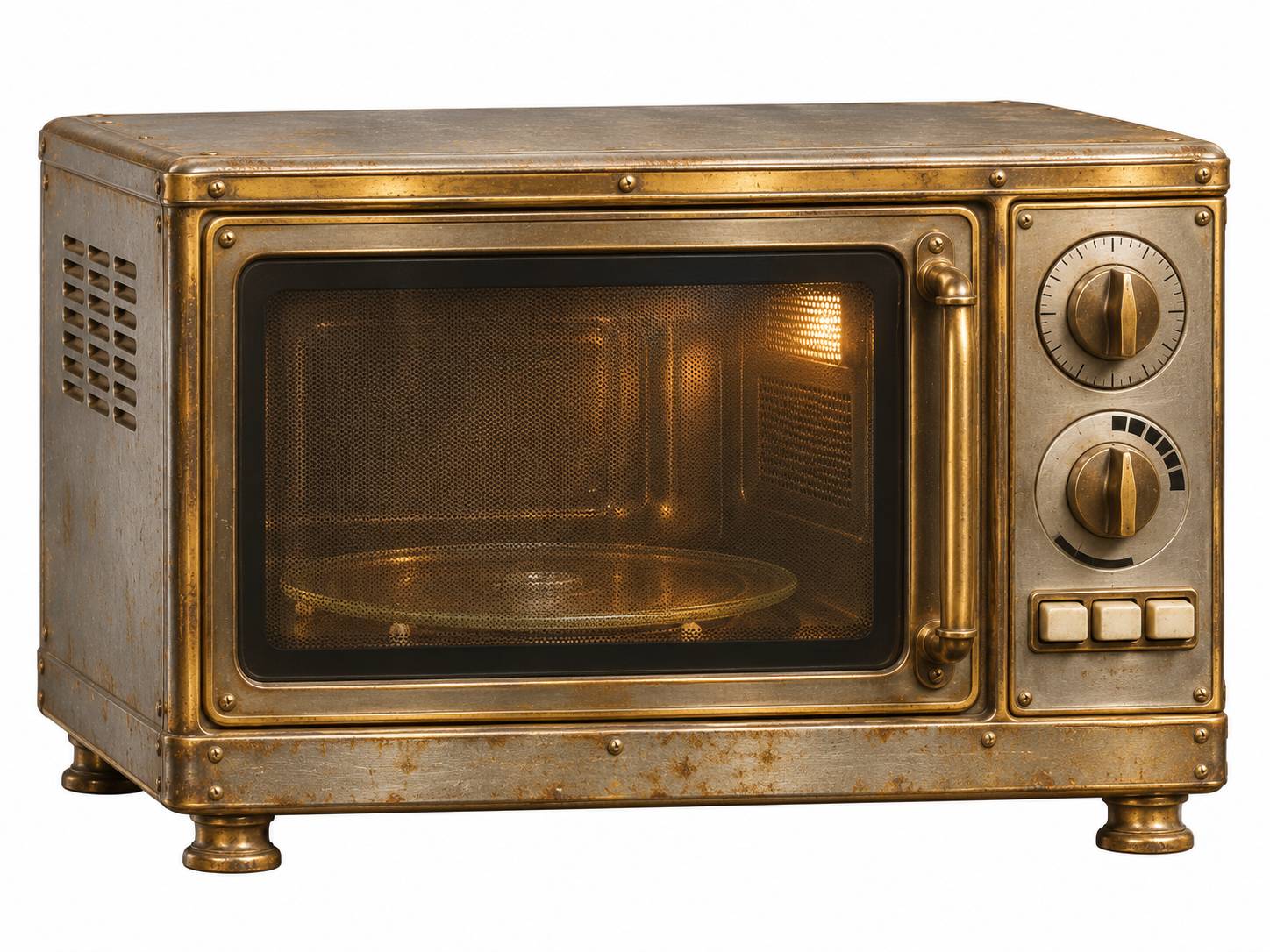
Commercial microwave ovens appeared in 1947, but early machines were enormous, expensive, and intended for professional kitchens. In 1955, Tappan introduced a model designed for household use that cost $1,295. Smaller and more affordable models gradually attracted buyers, particularly during the 1980s. According to the Smithsonian, 90% of American homes had a microwave by 2000.
3. Air Conditioning
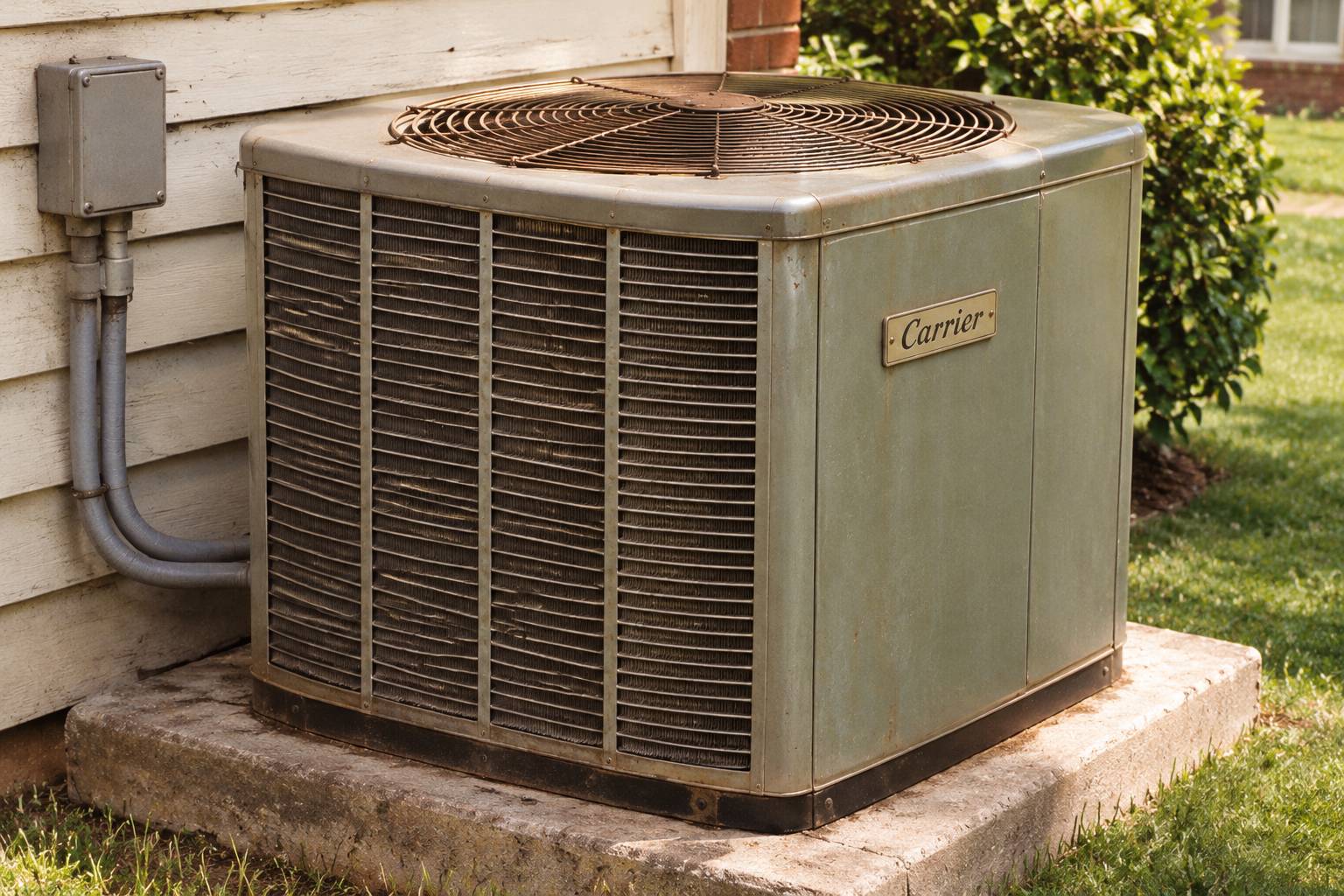
Willis Carrier developed an electrical air-conditioning system in 1902 to control temperature and humidity in a printing facility, not to keep families comfortable during summer. Cooling technology gradually spread to department stores, theaters, and other commercial spaces before residential models became practical. By the late 1960s, most American homes included central air conditioning.
4. Electric Refrigerators
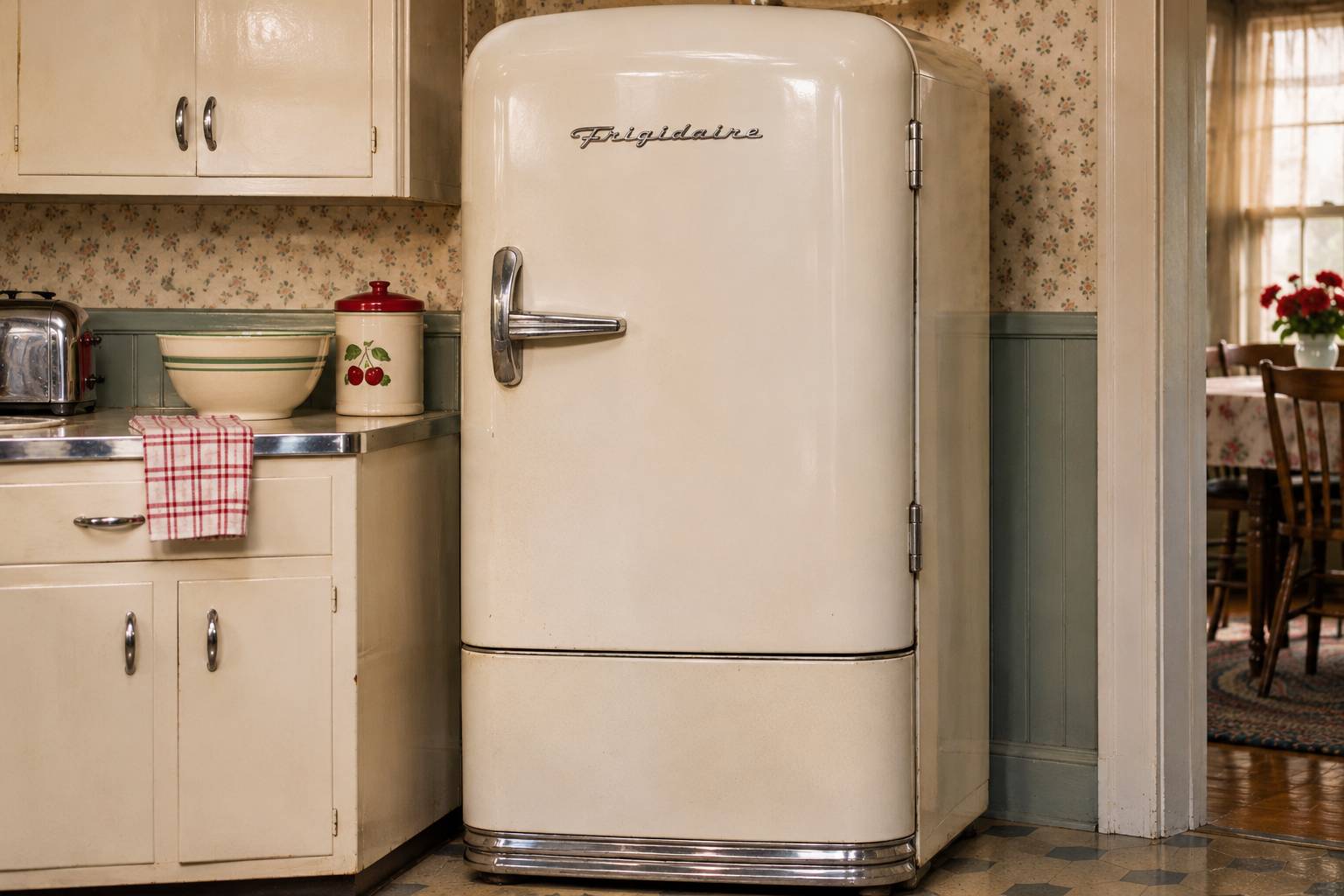
Years ago, many American families relied on insulated iceboxes that required regular deliveries of ice. Domestic electric refrigeration began developing in the early 20th century, but the machines were expensive and depended on electrical service. By 1950, Census Bureau records showed mechanical refrigeration in roughly four out of five American homes.
5. Vacuum Cleaners
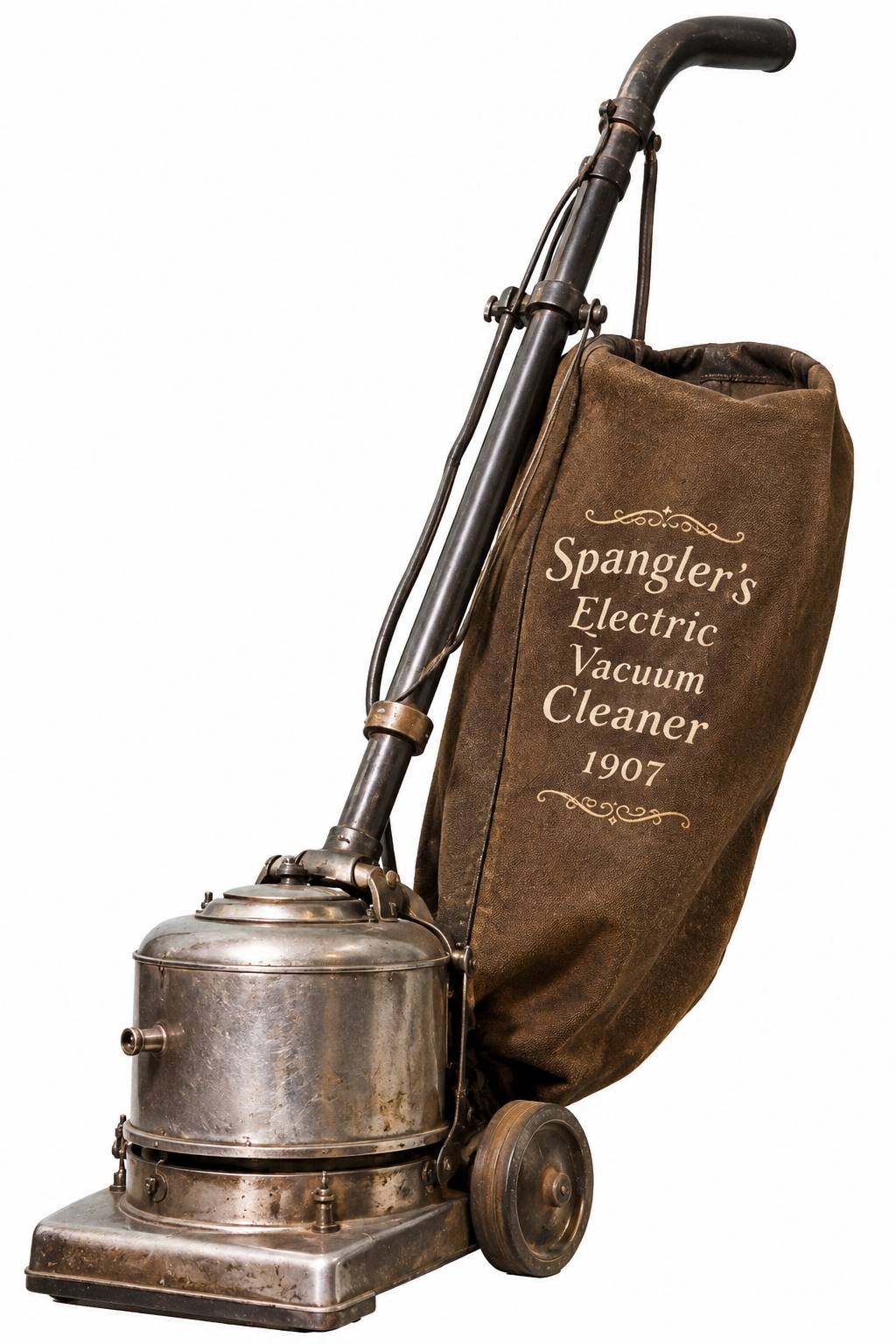
Portable electric vacuum cleaners became available during the early 1900s, but buying one was not an obvious choice for houses accustomed to sweeping floors and beating rugs outdoors. James Murray Spangler developed an influential electric vacuum design in 1907. The Smithsonian reports that about 51% of electrified American houses owned an electric vacuum cleaner in 1950.
Trending on Wealth Gang


6. Automatic Washing Machines
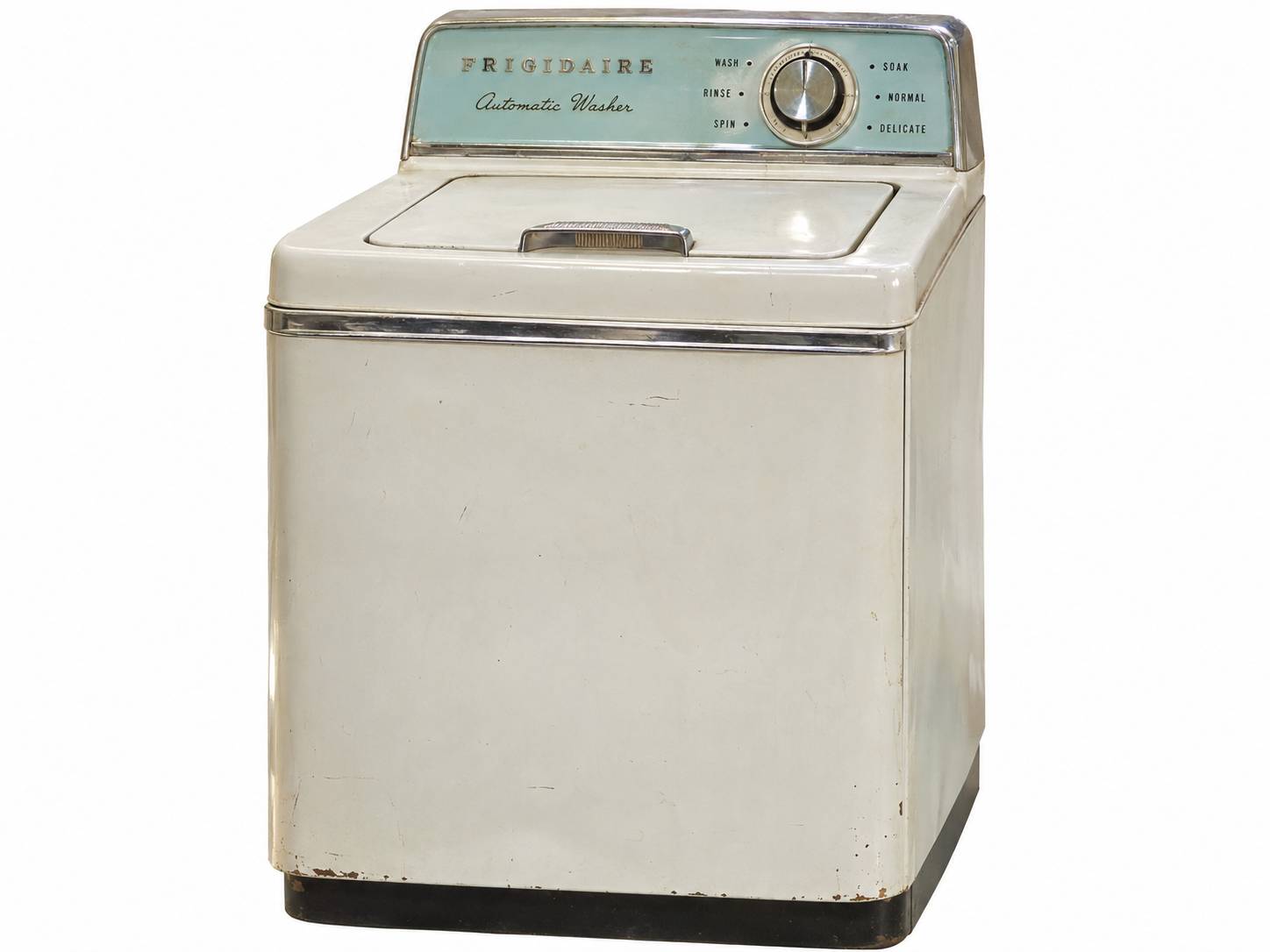
Electric washing machines were being marketed in the early 20th century, but many early models still required considerable physical work. Some needed clothes transferred through wringers, while others couldn’t complete an entire washing cycle automatically. Census Bureau figures show that 39% of occupied American homes had automatic washing machines in 1960.
7. Telephones
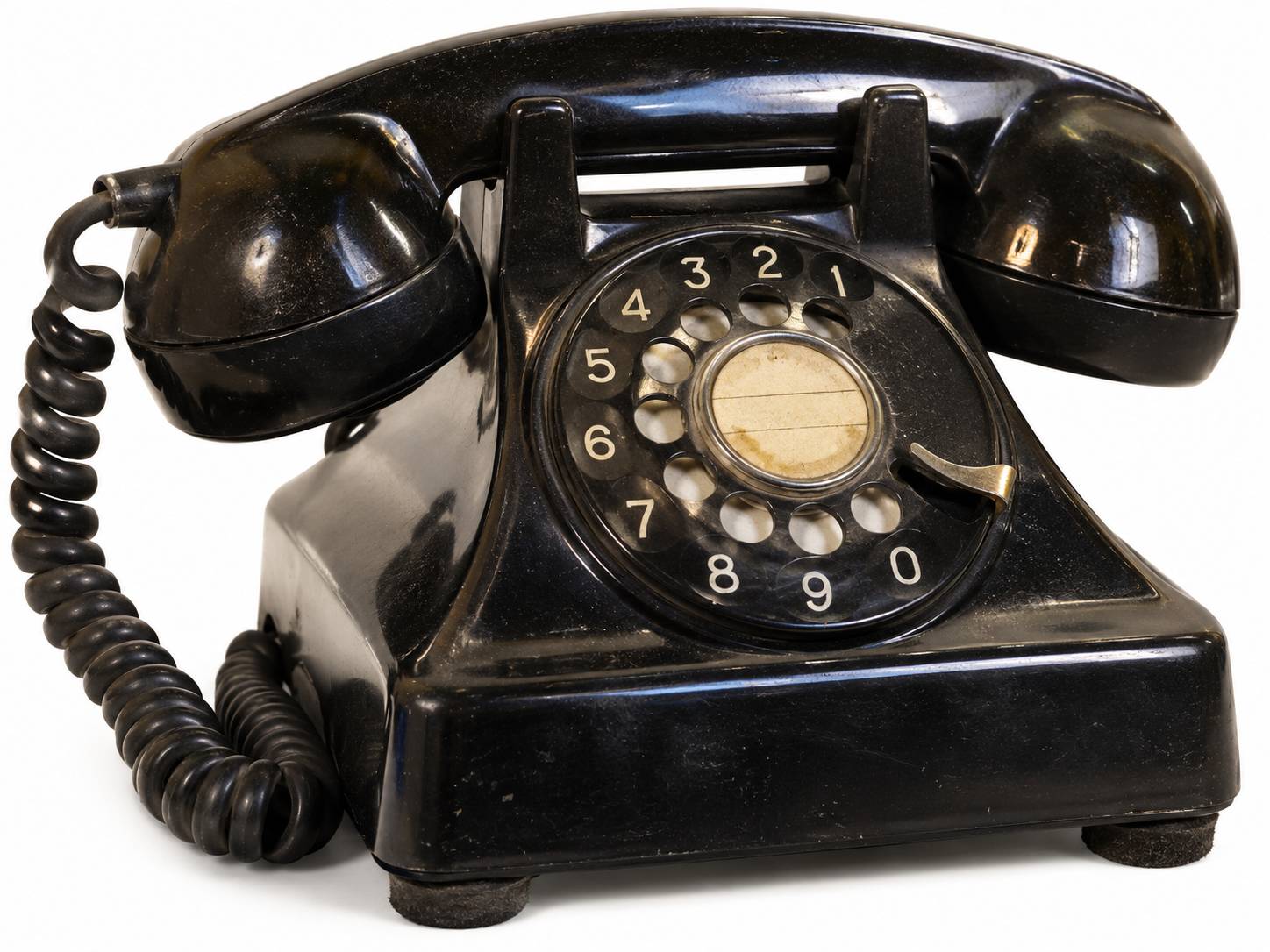
Alexander Graham Bell received his telephone patent in 1876. Rural communities often waited longer than urban neighborhoods to obtain connections. In 1960, one in five American households still lacked telephone access, according to Census Bureau records. By 1980, that share had fallen to 7%, illustrating how long it took for a familiar invention to become available across the country.
8. Personal Computers
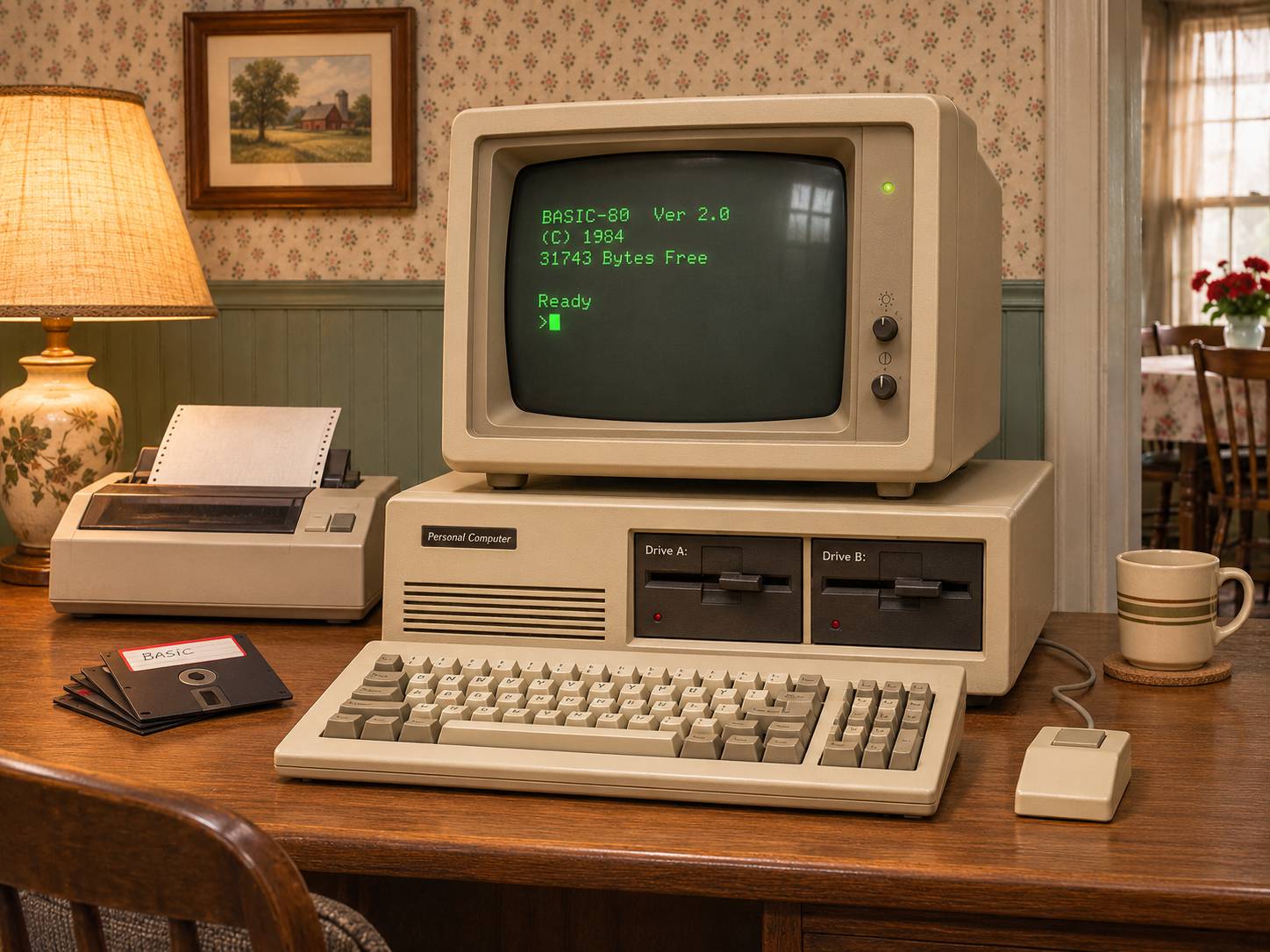
Personal computers entered the consumer market during the 1970s, but early models were expensive and offered limited practical value for many families. The Census Bureau found that just 8% of American homes owned a computer in 1984. By 2016, 89% had a computer of some kind.
Sign up for our newsletter
9. The Internet
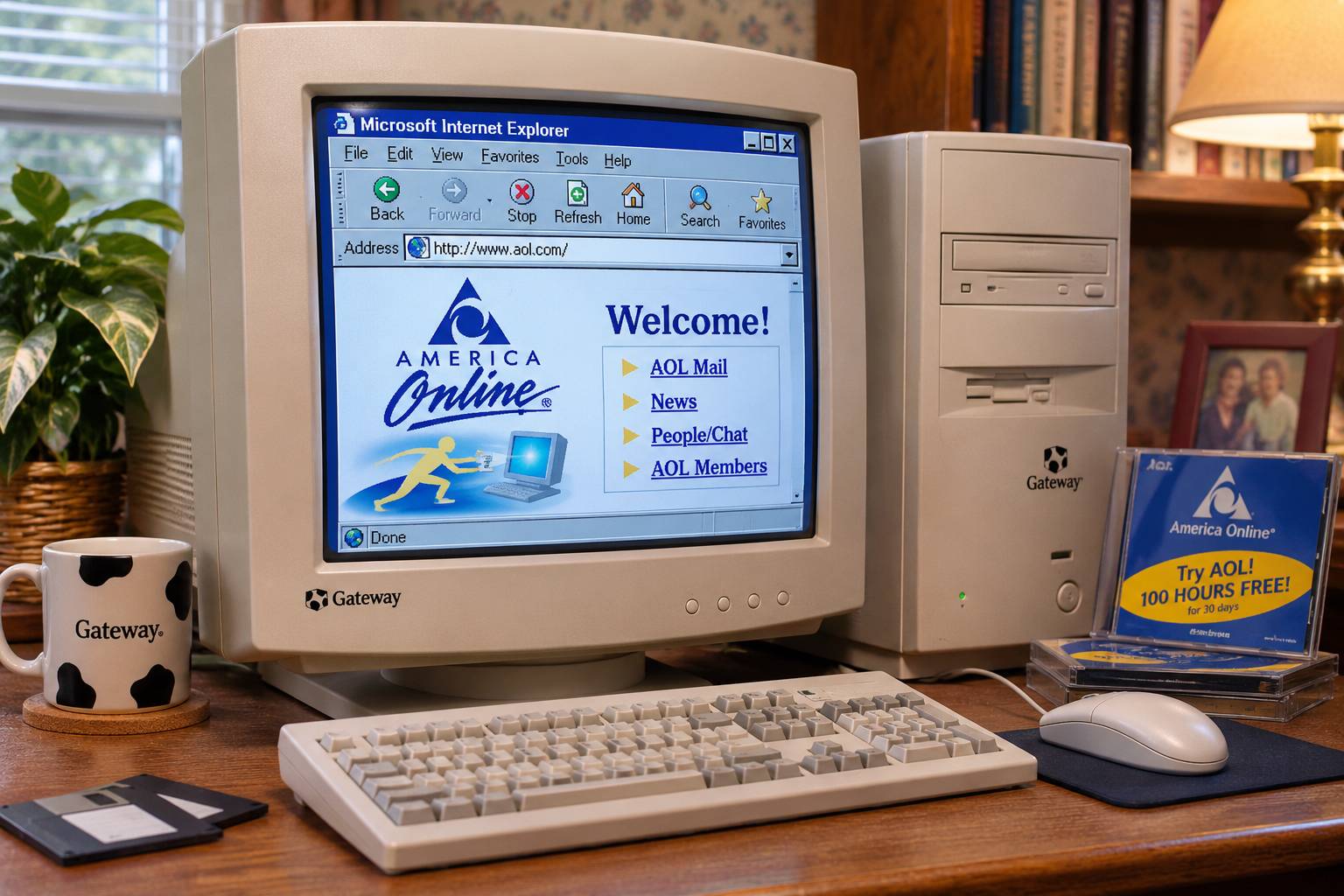
The internet developed from computer networking research that began decades before ordinary Americans could browse websites from their homes. Early networks connected universities, research institutions, and government organizations, while commercial access expanded during the 1990s. By 2026, internet use reached 97%.
10. Credit Cards
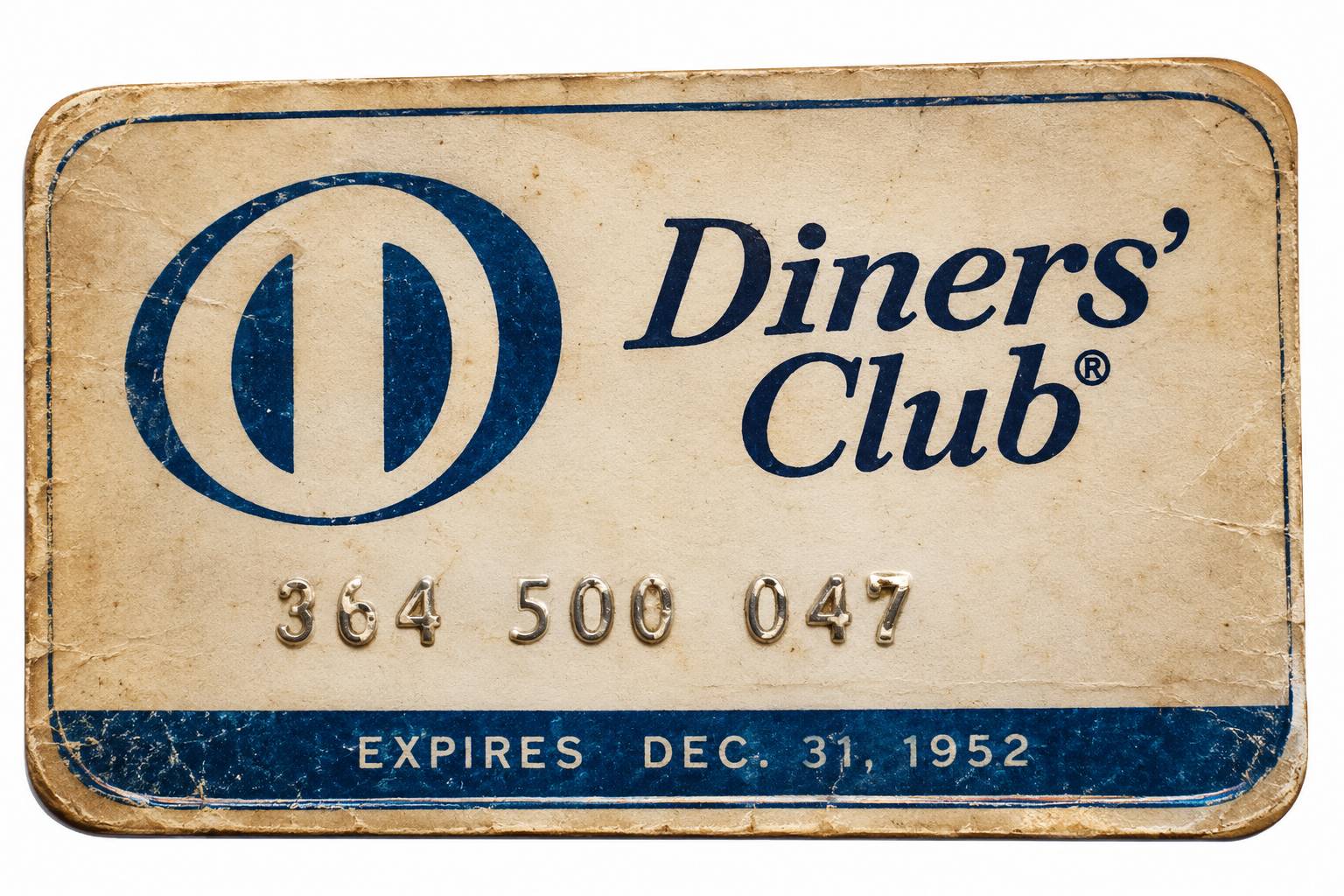
Credit arrangements existed long before the modern credit card. Diners Club emerged in 1950, followed by Bank of America’s BankAmericard in 1958. Broader acceptance developed as banks established national payment networks and electronic processing made card transactions more practical.
11. ATMs
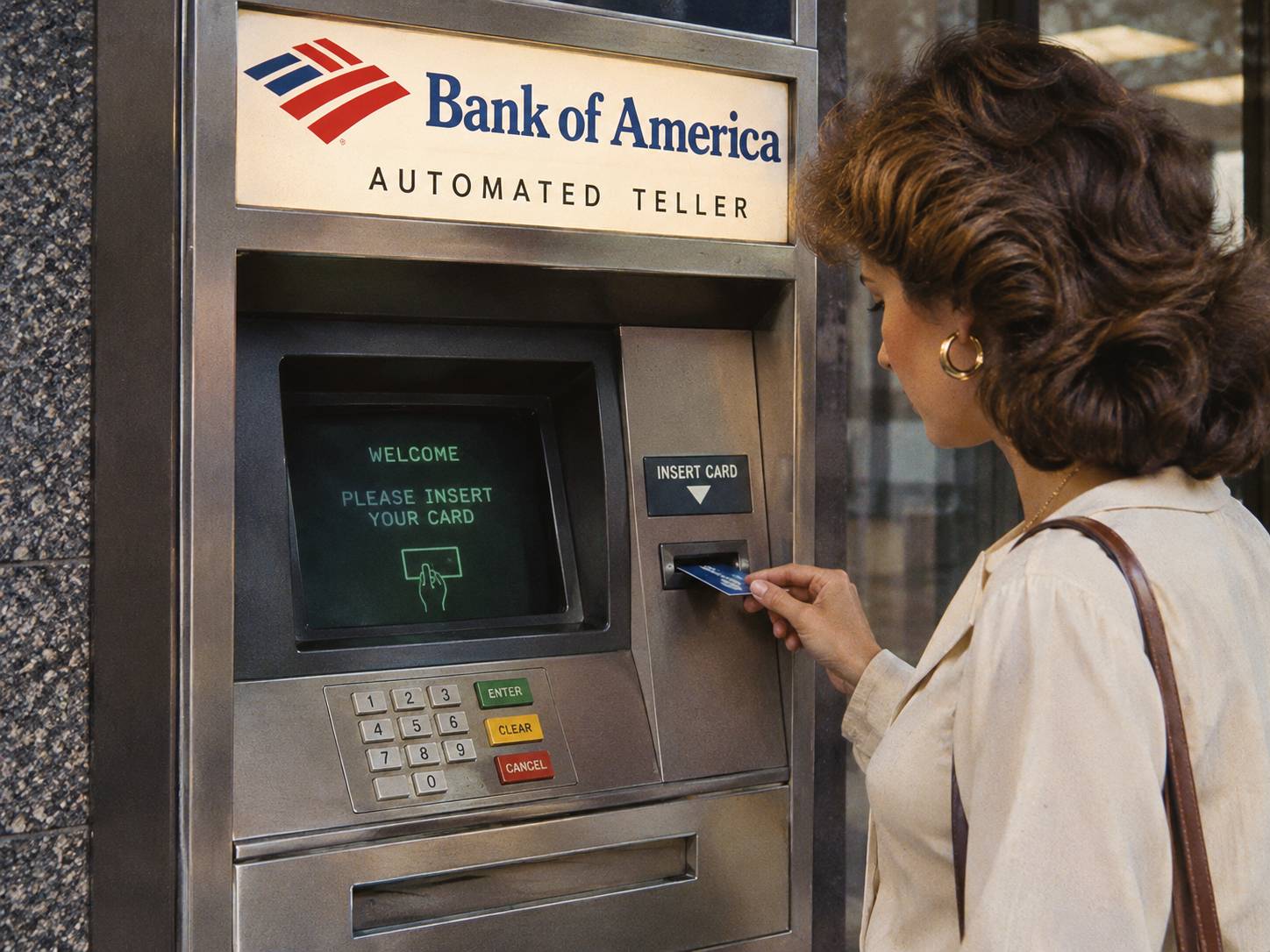
Automated cash-dispensing machines appeared during the late 1960s. Their popularity grew during the 1970s and 1980s as more financial institutions installed machines.
12. Barcodes
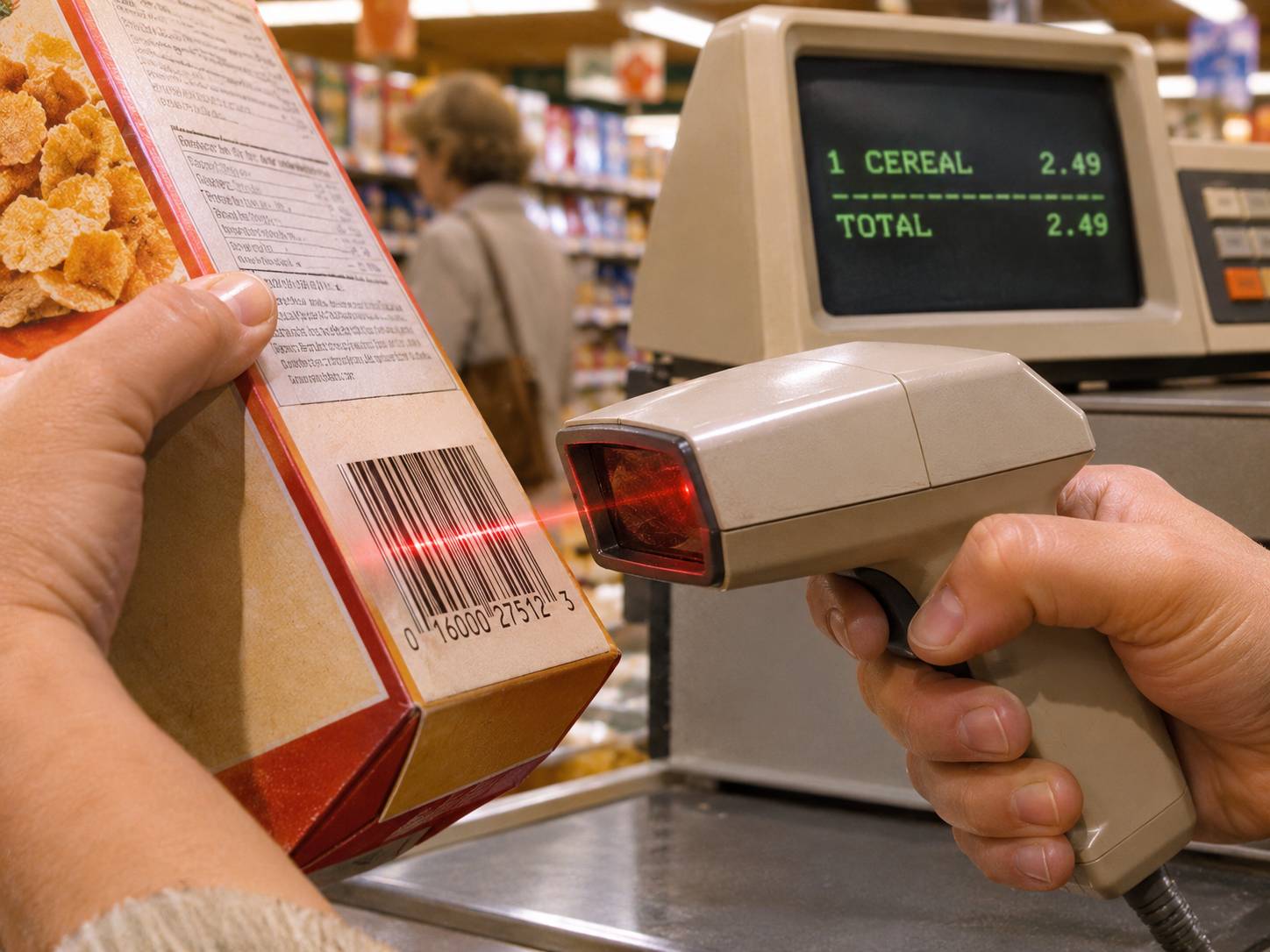
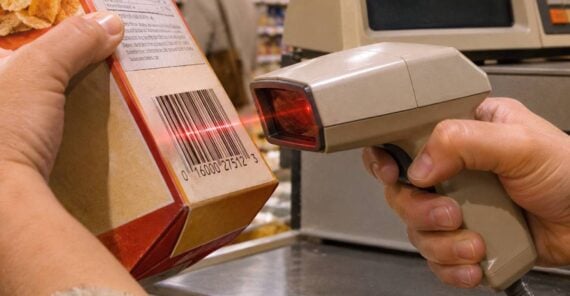
Bernard Silver and Norman Joseph Woodland developed an automated product-identification system in 1948. Their invention took decades to become commercially practical because scanning equipment was expensive and the grocery industry needed a standardized coding system. Barcodes spread through retail and distribution as computerized inventory systems became more common.
13. GPS
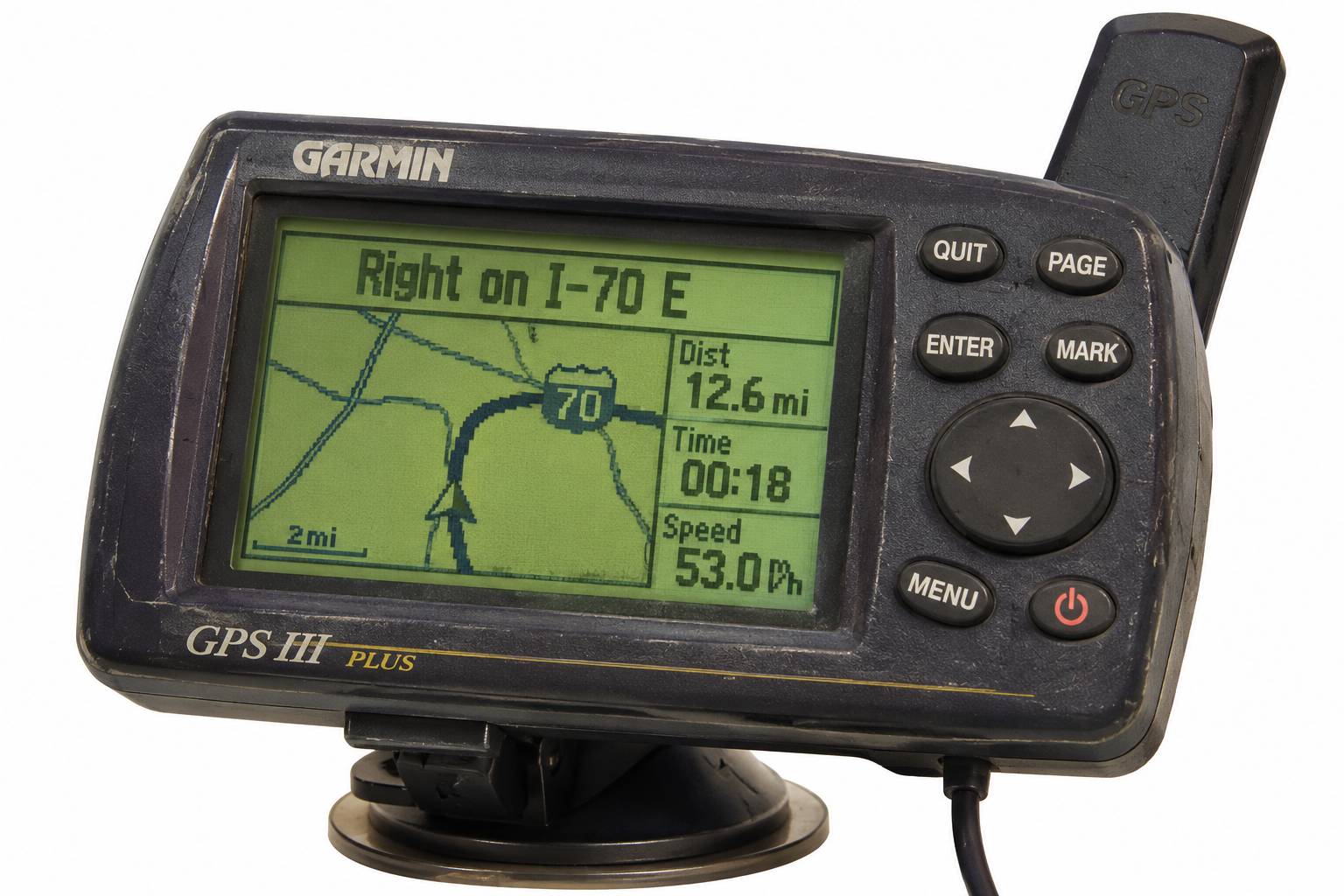
The American Global Positioning System began taking shape as a military satellite navigation project during the 1970s, with its first experimental satellite launched in 1978. Civilian applications expanded over the following decades, but early receivers were expensive and less convenient than modern navigation devices.
14. LED Lighting
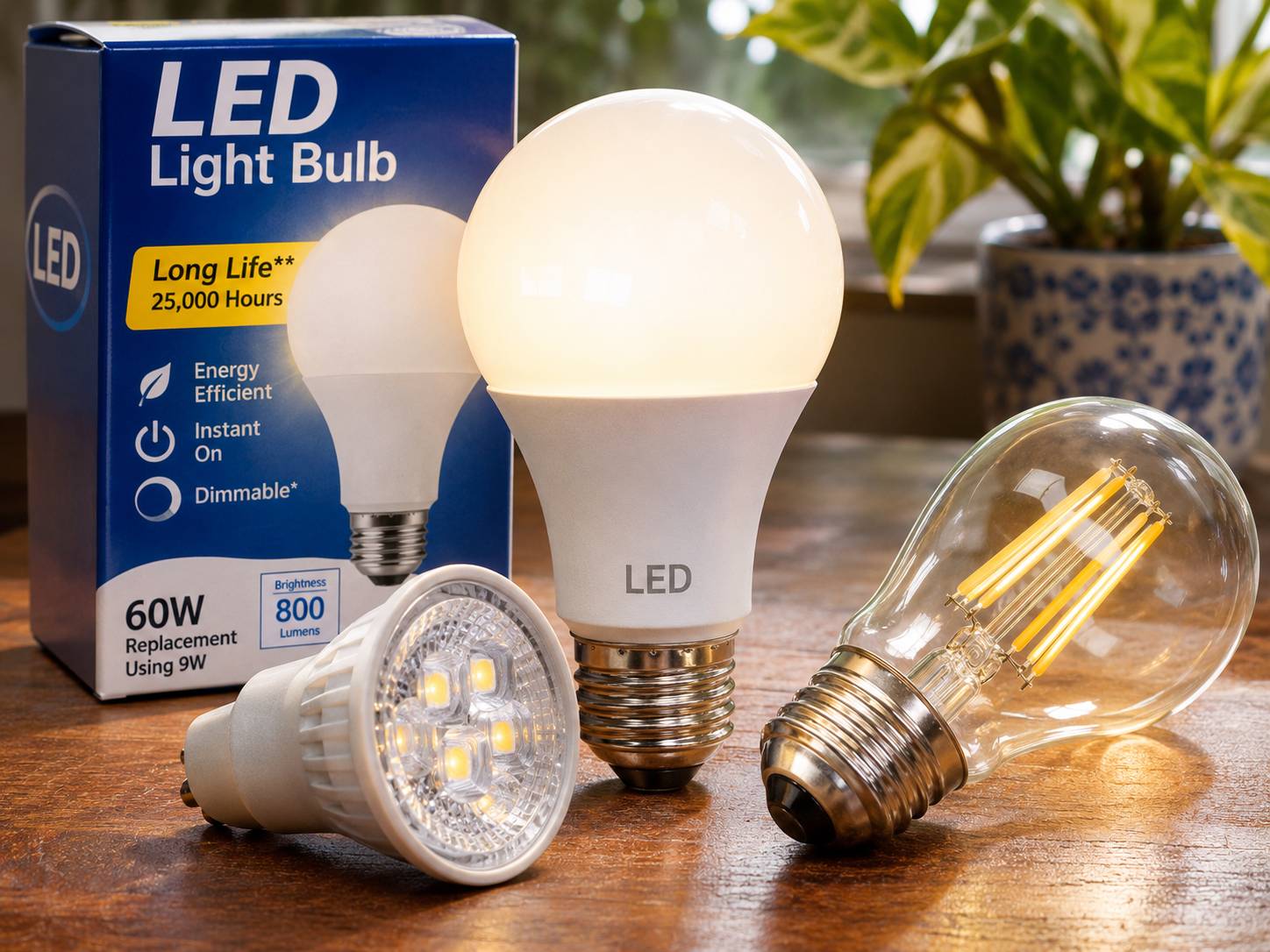
LED Lighting was developed at General Electric in 1962, but the technology wasn’t powerful enough to illuminate a room. Improvements in brightness, efficiency, and manufacturing costs eventually transformed LEDs into a popular alternative to incandescent and fluorescent lighting.
15. Clothes Dryer
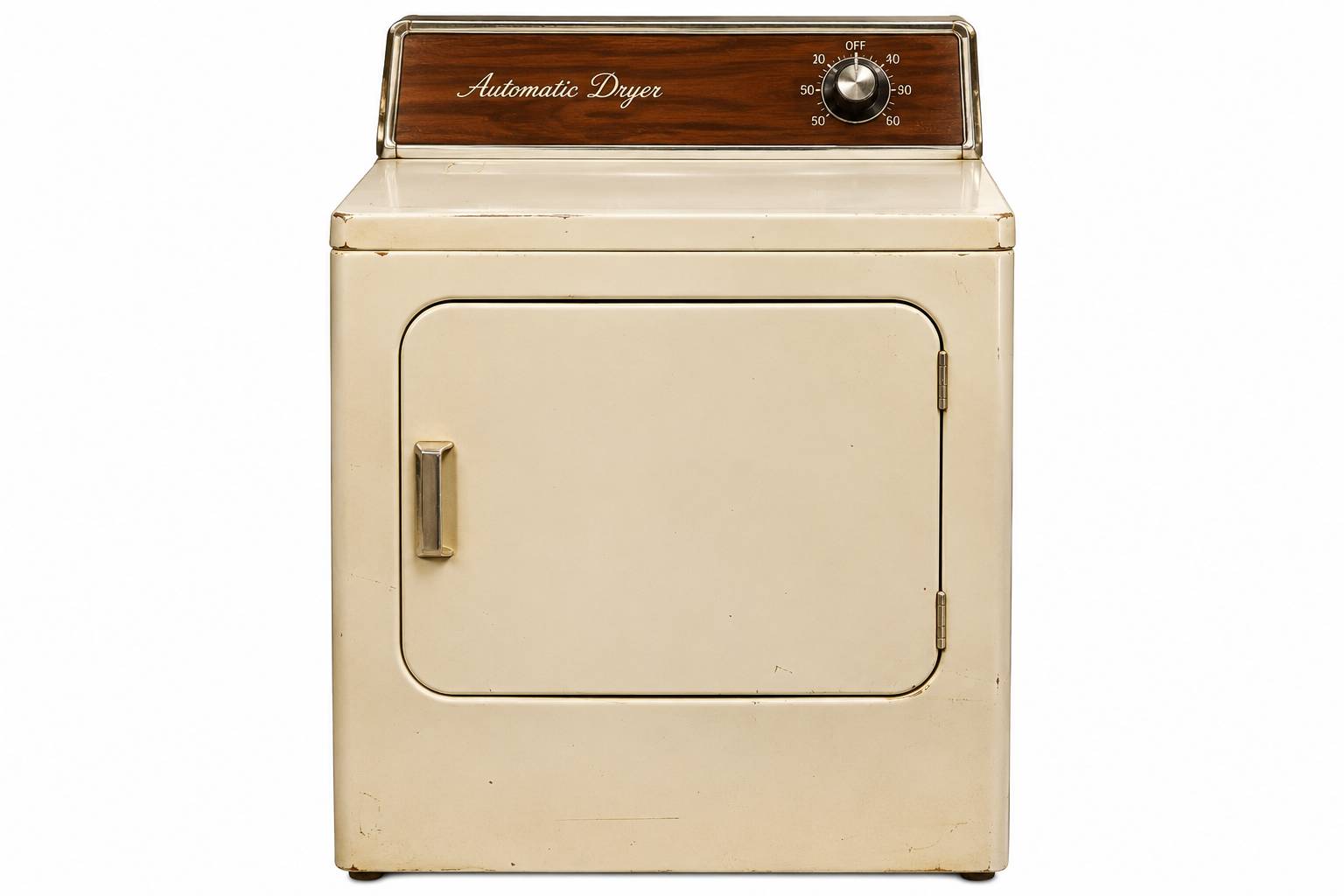
Census Bureau figures show that 58% of American homes still lacked one in 1970. This appliance gradually became more widely adopted as incomes and access to modern laundry equipment changed.