Today, getting through a cold winter usually means turning up the thermostat, grabbing a blanket, or putting on a warmer sweater. Most people rarely think about how much effort goes into keeping their homes comfortable. But for earlier generations, staying warm was a daily responsibility that involved physical labor, careful preparation, and plenty of uncomfortable mornings.
Before modern heating became common, families had to deal with freezing bedrooms, smoky fireplaces, expensive fuel, and fires that needed constant attention. Even wealthy households struggled to maintain comfortable temperatures during harsh winters. These 15 challenges show just how different winter life was before reliable indoor heating changed American homes.
1. Only Certain Rooms Were Warm
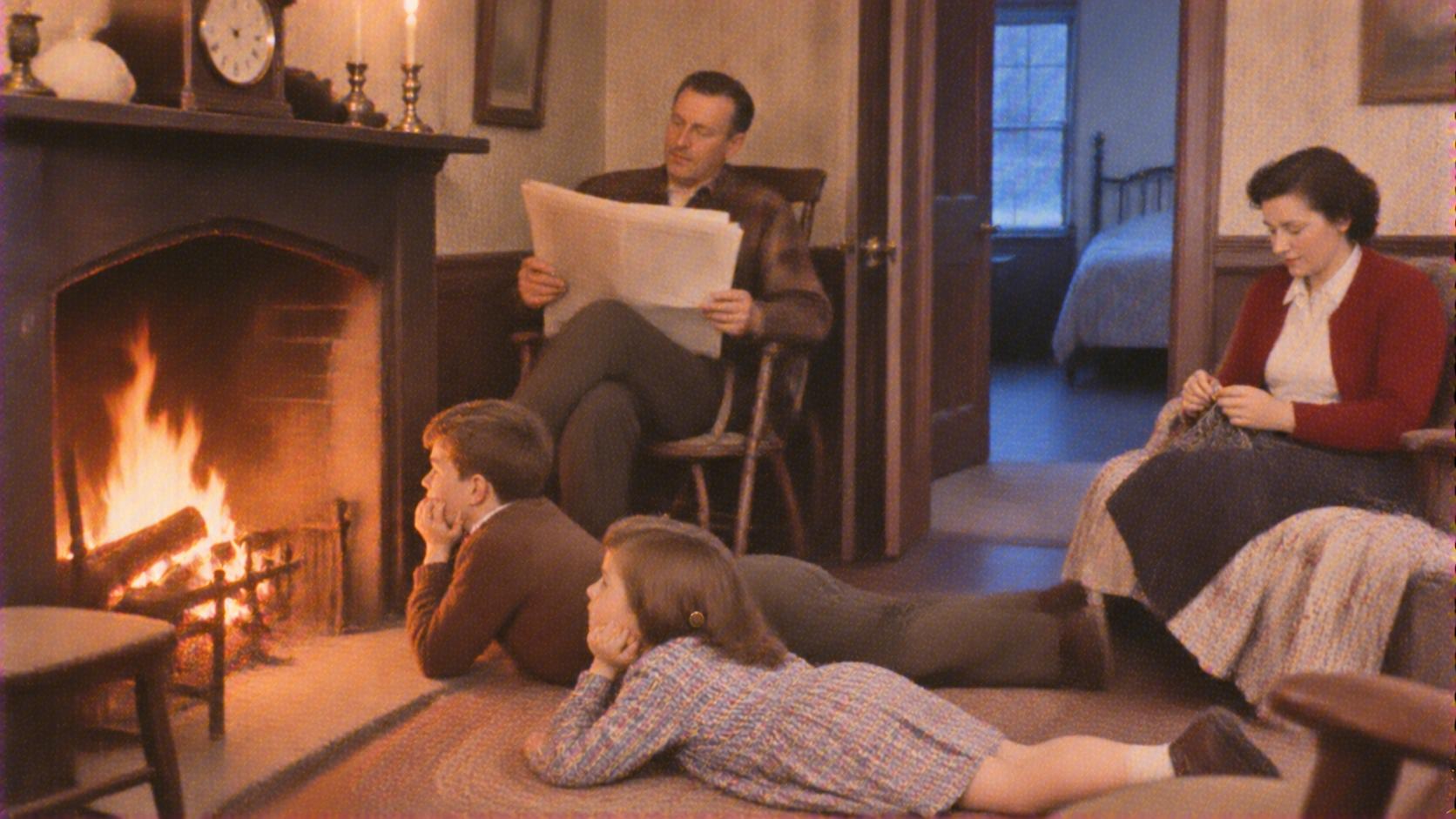
Before central heating, having a warm living room didn’t mean the rest of the house was comfortable. Most homes relied on individual fireplaces or stoves, which meant heat was concentrated in the rooms where those appliances were located. Bedrooms, hallways, and upstairs spaces could remain bitterly cold, even while a fire burned downstairs. Families often spent much of their winter evenings gathered around a single source of heat, making the warmest room the center of household activity. Moving from one part of the house to another could feel like stepping outdoors.
2. Gathering Enough Firewood Was Exhausting Work
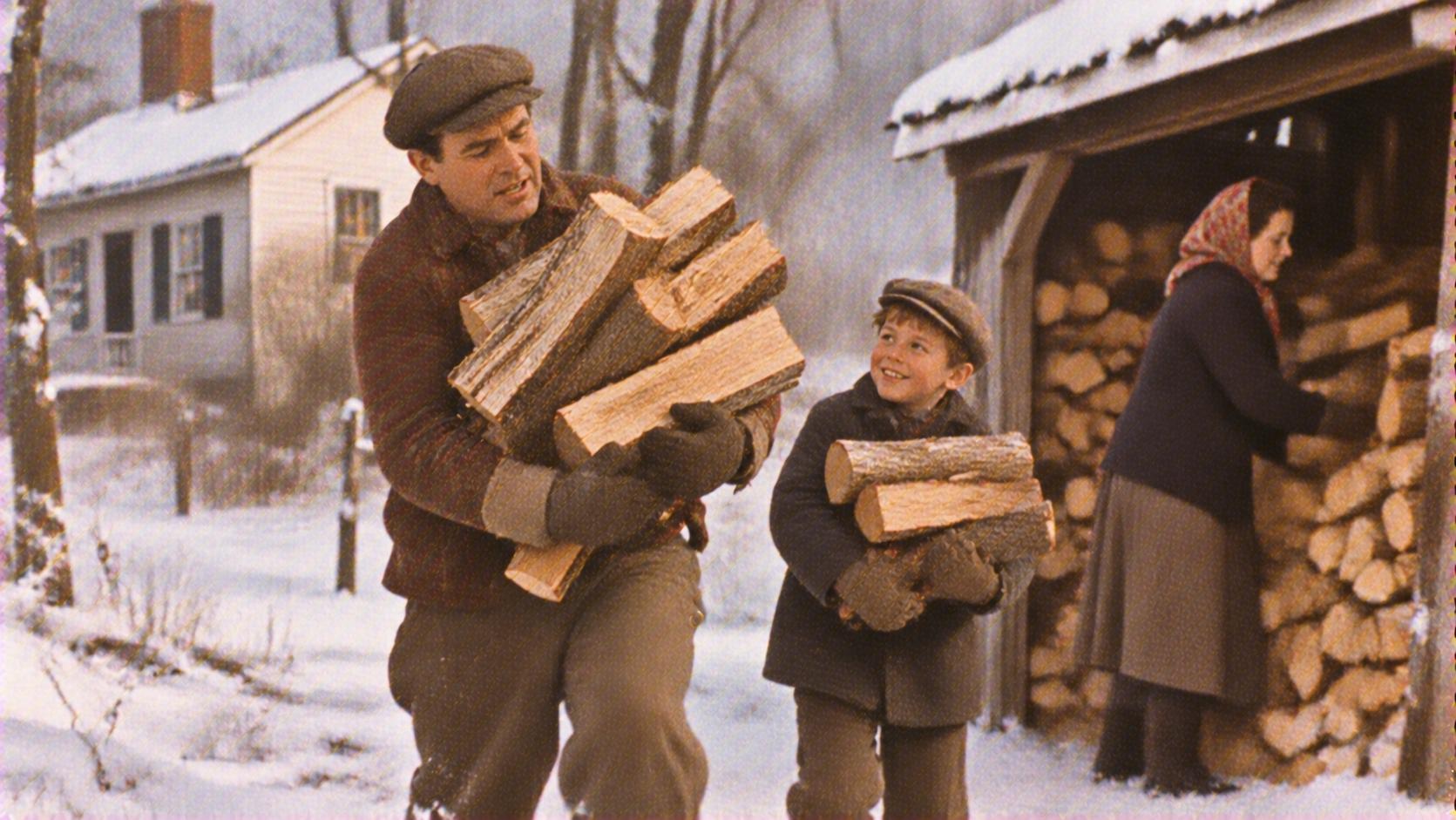
Staying warm during winter often required months of preparation, especially for families who depended on wood-burning fireplaces. Someone had to chop trees, split logs, transport the wood, and find a dry place to store enough fuel for the cold season. This was physically demanding work that couldn’t simply be postponed until temperatures dropped. Larger households with multiple fireplaces needed enormous quantities of wood, sometimes requiring several wagonloads to get through winter. Running short of firewood wasn’t just inconvenient. It could mean spending days in an increasingly cold house.
3. Heating a House Required Constant Attention
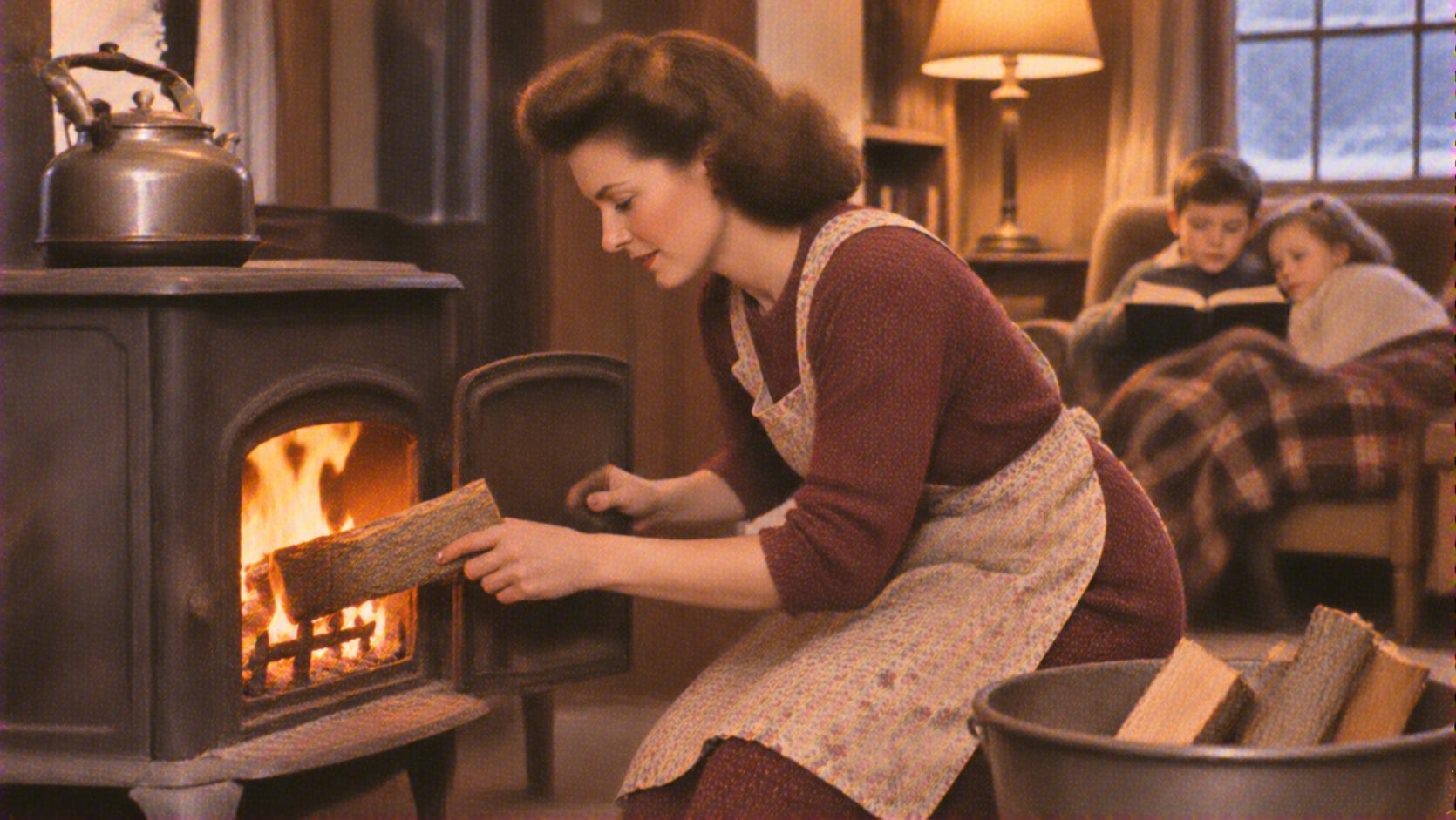
Modern heating systems work quietly in the background, but older systems needed someone to keep them running. Coal furnaces and wood-burning stoves required regular refueling, airflow adjustments, and monitoring to prevent the fire from dying out. A household member might have to visit the basement several times throughout the day to maintain a comfortable temperature. Adding too much fuel or allowing too much air into the fire could make rooms excessively hot, while neglecting it could leave everyone shivering. Keeping the house warm was practically another household chore.
4. Waking Up Could Mean Facing a Freezing House
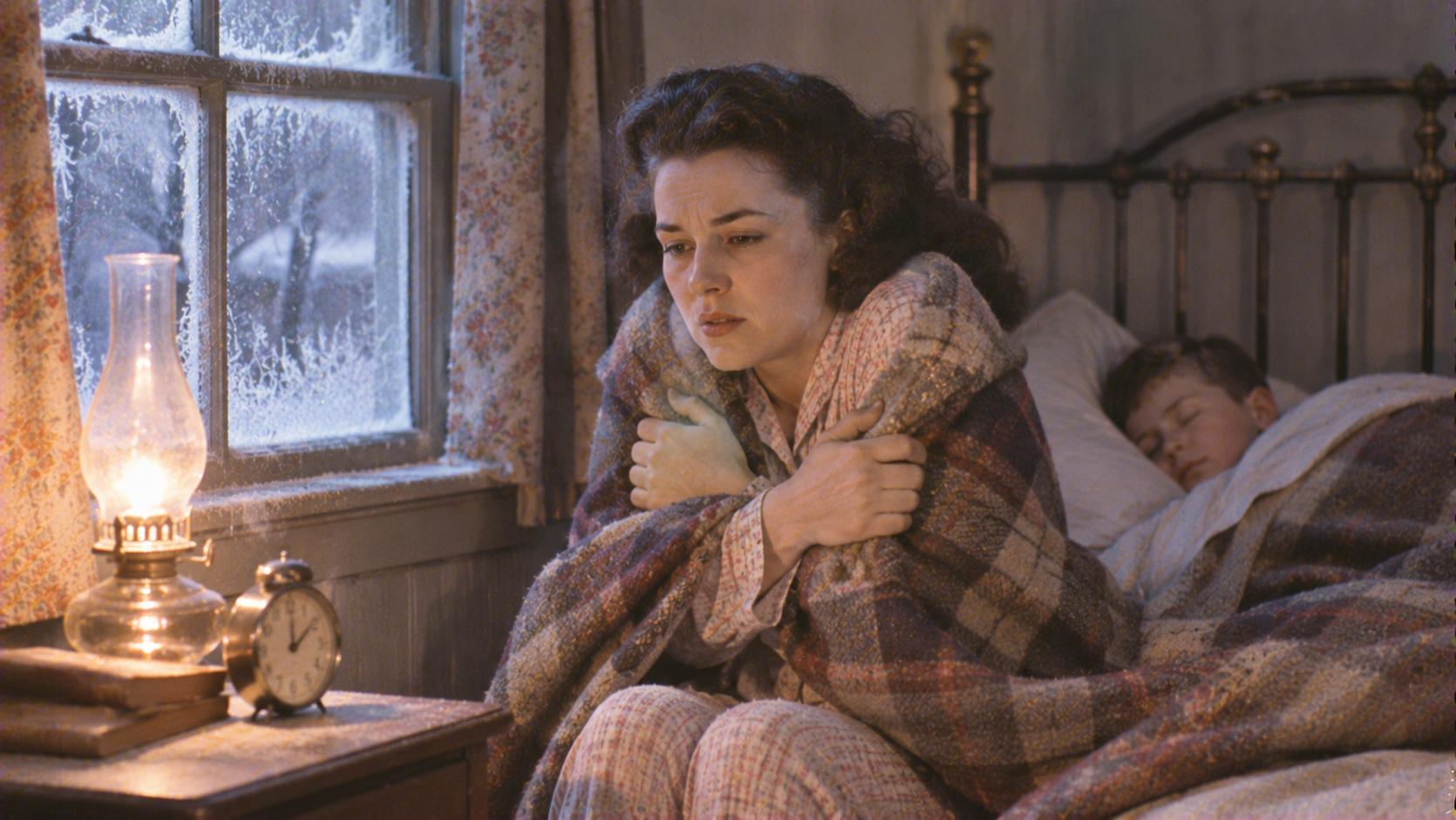
Getting out of bed on a winter morning was especially unpleasant when the household fires had burned down overnight. Without automatic temperature controls, rooms could become extremely cold while everyone slept. The first person awake often had the responsibility of restarting the fire or carefully reviving the remaining embers. Until the heat returned, getting dressed, washing up, and preparing breakfast could be miserable experiences. Even prominent historical figures experienced this problem. Thomas Jefferson and his wife reportedly arrived at a cold Virginia cottage in January 1772 after the fires had been banked for the night.
5. Fireplaces Wasted an Enormous Amount of Heat
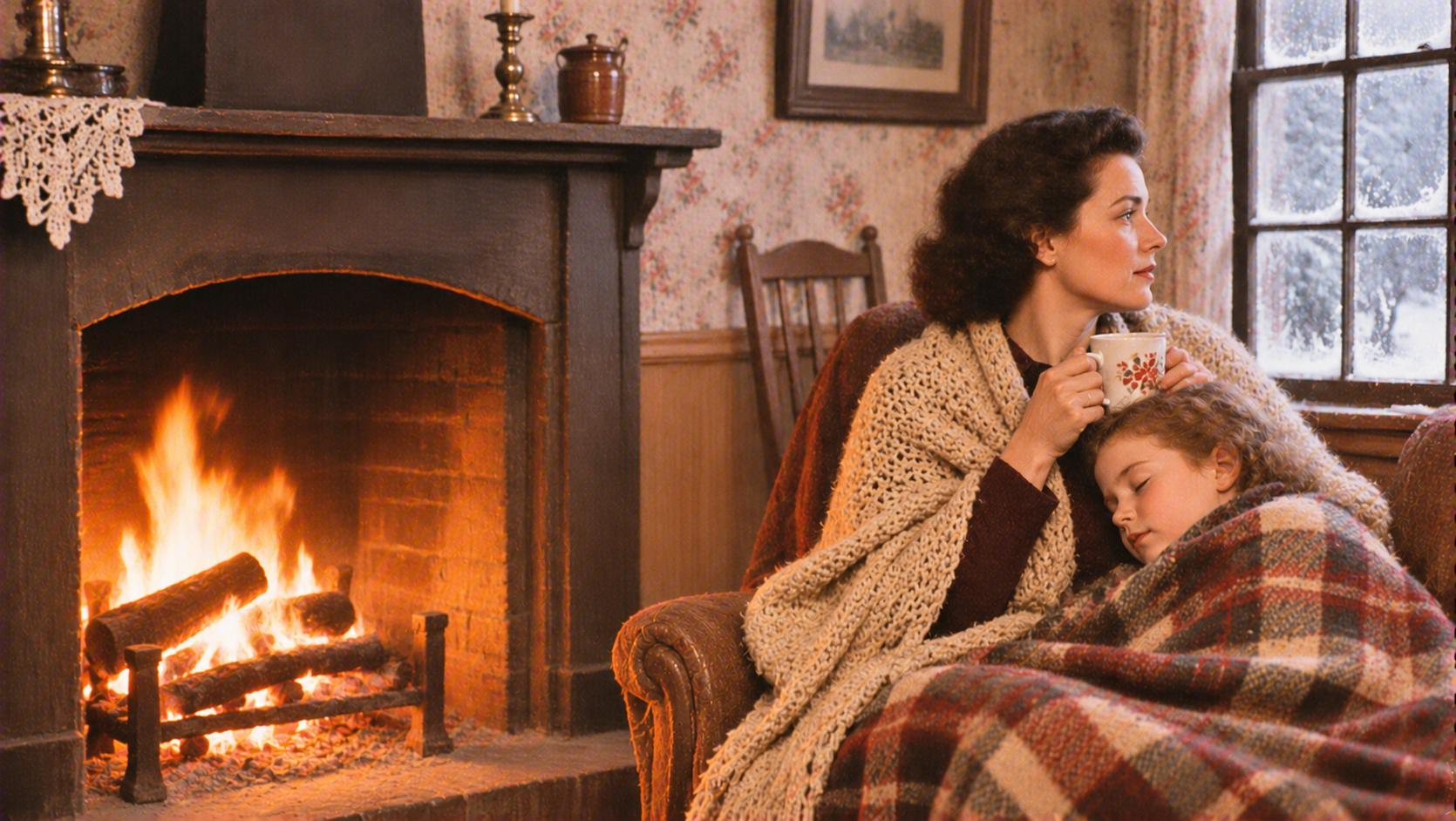
A crackling fireplace might seem like the perfect solution to a cold winter night, but traditional open fireplaces were remarkably inefficient. Much of the warmth generated by burning wood escaped directly through the chimney instead of heating the room. The chimney could also pull warm indoor air outside, allowing colder air to enter through gaps elsewhere in the house. Families could burn substantial amounts of valuable firewood without making their homes particularly comfortable. This problem eventually encouraged the development of enclosed stoves, which could capture and distribute heat more effectively.
Trending on Wealth Gang


6. Cold Drafts Were Difficult to Keep Out
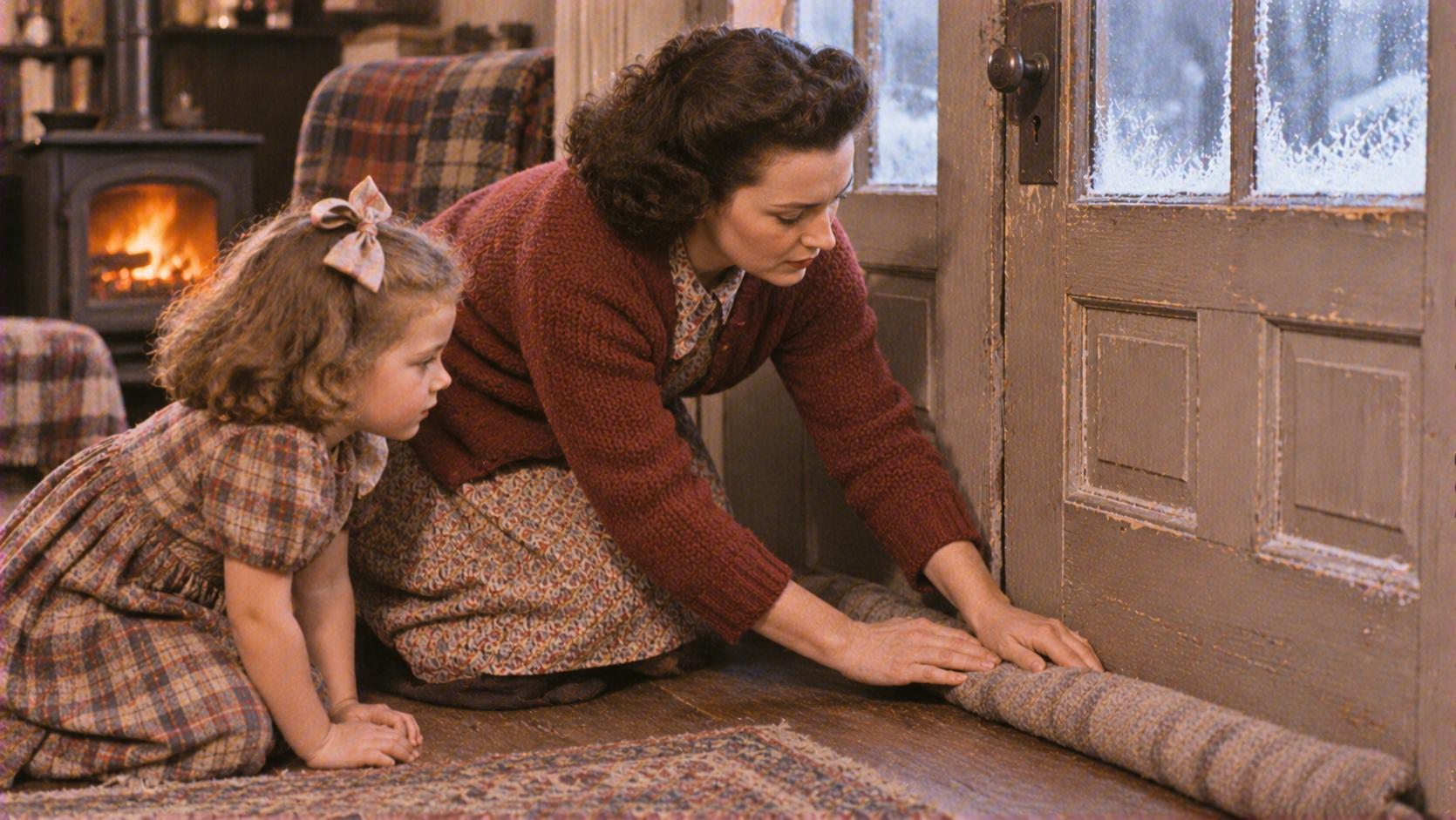
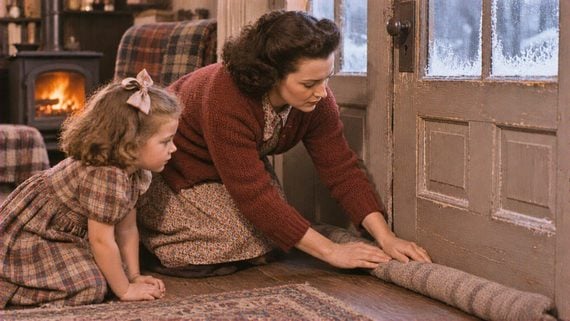
Older American homes often had gaps around windows, doors, floorboards, and other openings that allowed cold air to enter throughout winter. Without modern insulation or effective weather sealing, even a well-maintained fire couldn’t always overcome the constant movement of chilly air. Sitting near a window or exterior wall could feel noticeably colder than sitting beside the fireplace. Families tried various ways to reduce drafts, including closing off unused rooms, hanging heavy curtains, and blocking gaps around doors. Still, a house could feel cold no matter how much fuel was burned.
7. Windows Could Become Covered in Frost
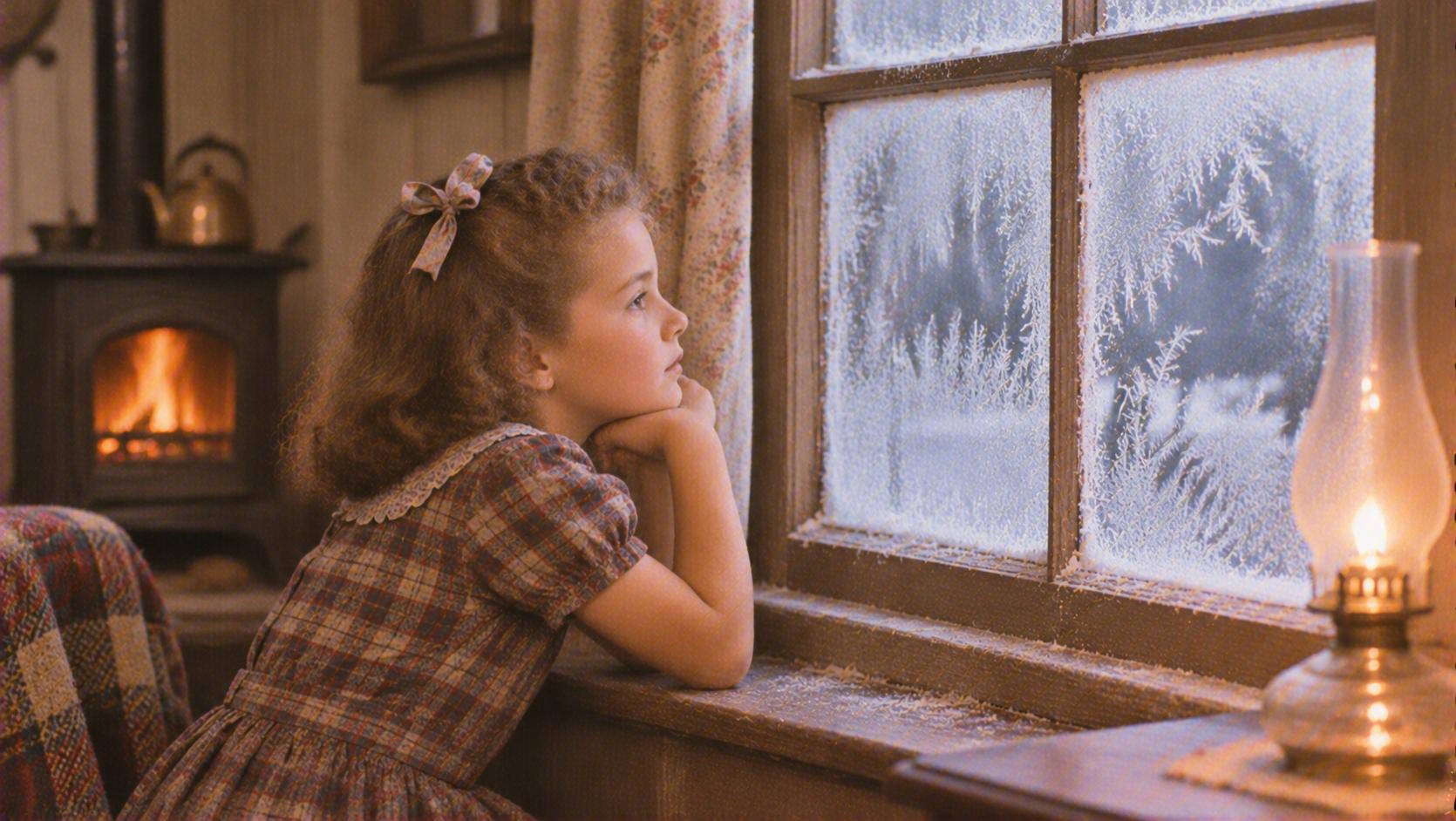
For people living in poorly heated homes, frost wasn’t always something they saw only outside. During particularly cold weather, moisture in the indoor air could freeze against single-pane windows, leaving intricate patterns of ice on the glass. These windows offered little protection against outdoor temperatures and allowed valuable indoor heat to escape. Some mornings, residents might wake up to find their bedroom windows covered in frost, even though they had slept all night indoors. The sight could be beautiful, but it was also a reminder of how little protection their homes provided against winter weather.
8. Sleeping in a Cold Bedroom Was Normal for Some Families
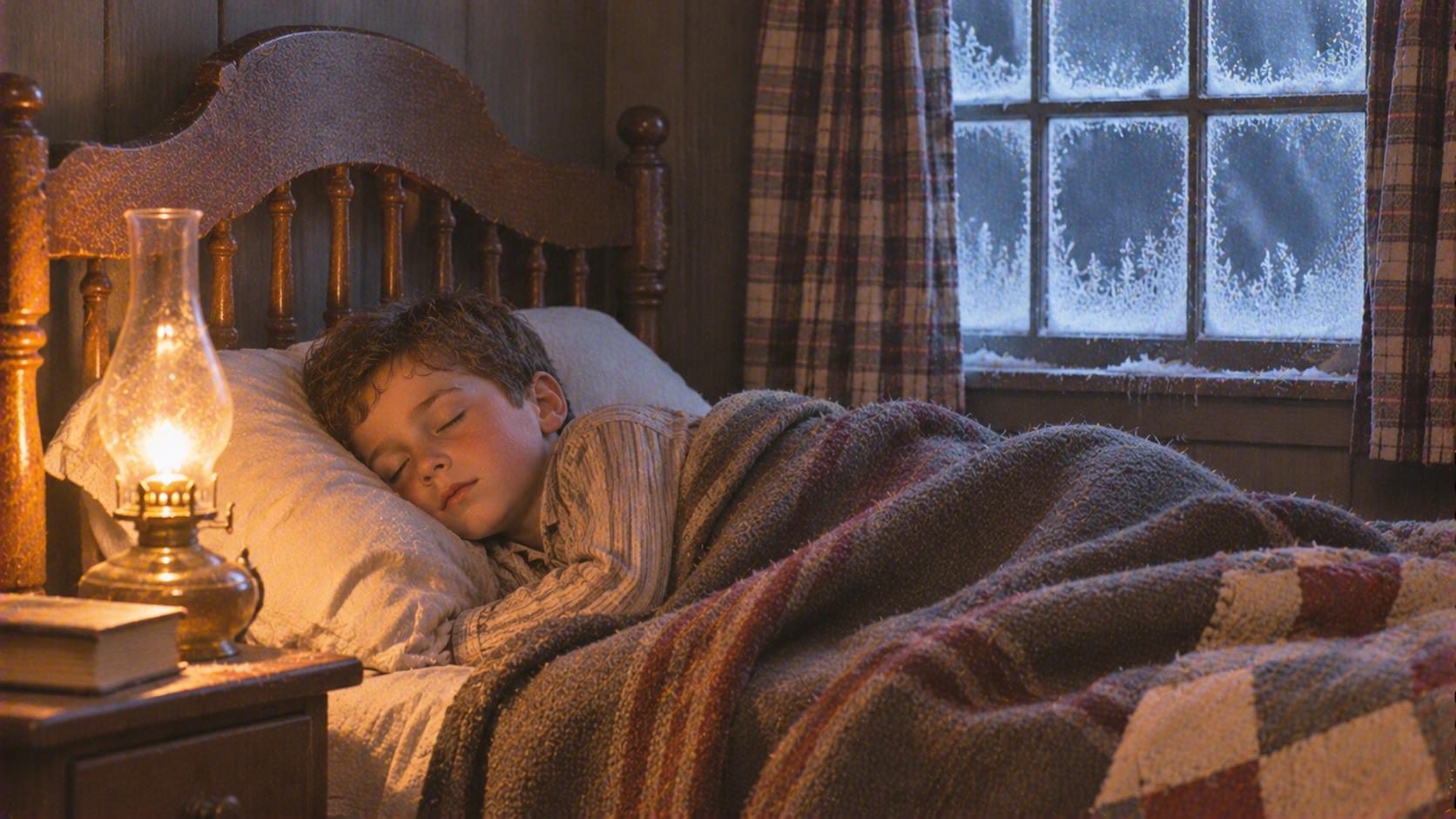
A warm bedroom wasn’t something every American household could count on before central heating. Many bedrooms had no dedicated heating source, leaving residents to rely on thick blankets, quilts, and layers of clothing to stay comfortable. Getting ready for bed could mean changing into nightclothes in a room that felt nearly as cold as the outdoors. Once tucked beneath the covers, people often depended on their own body heat to create a comfortable sleeping environment. Leaving the bed during the night meant abandoning that precious warmth and facing the cold all over again.
Sign up for our newsletter
9. Beds Sometimes Had to Be Warmed Before Anyone Could Sleep
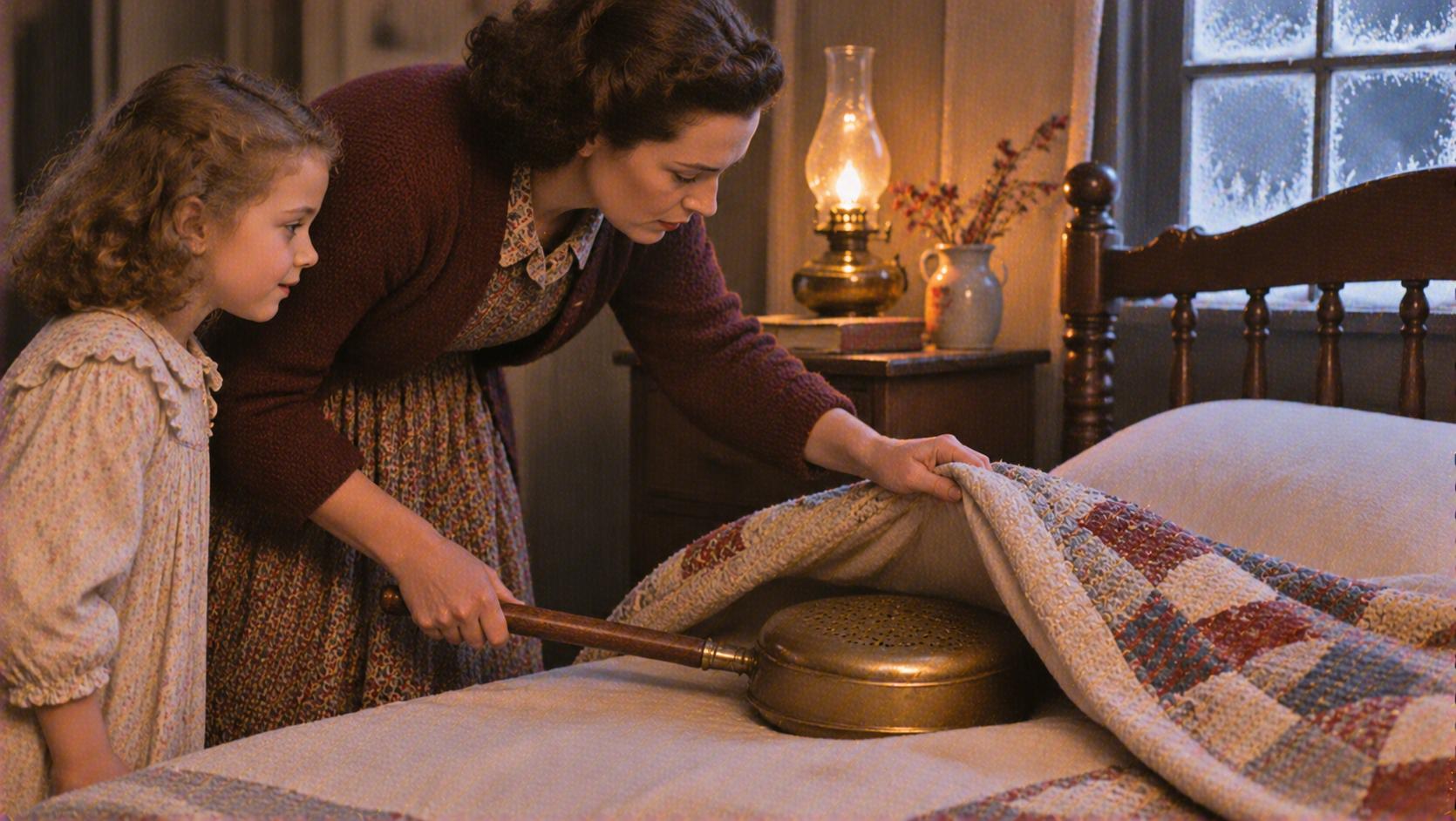
Climbing into freezing sheets was such an unpleasant experience that people developed special tools to make bedtime more comfortable. One popular solution was the warming pan, a metal container with a long handle that could hold hot coals or other heated material. Before someone went to bed, the pan was carefully moved between the sheets to take away the chill. These devices were particularly useful in bedrooms without fireplaces or stoves. Today, electric blankets and heated mattresses provide similar comfort with the push of a button, but earlier generations had to prepare their beds by hand.
10. Coal Heating Created Extra Household Work
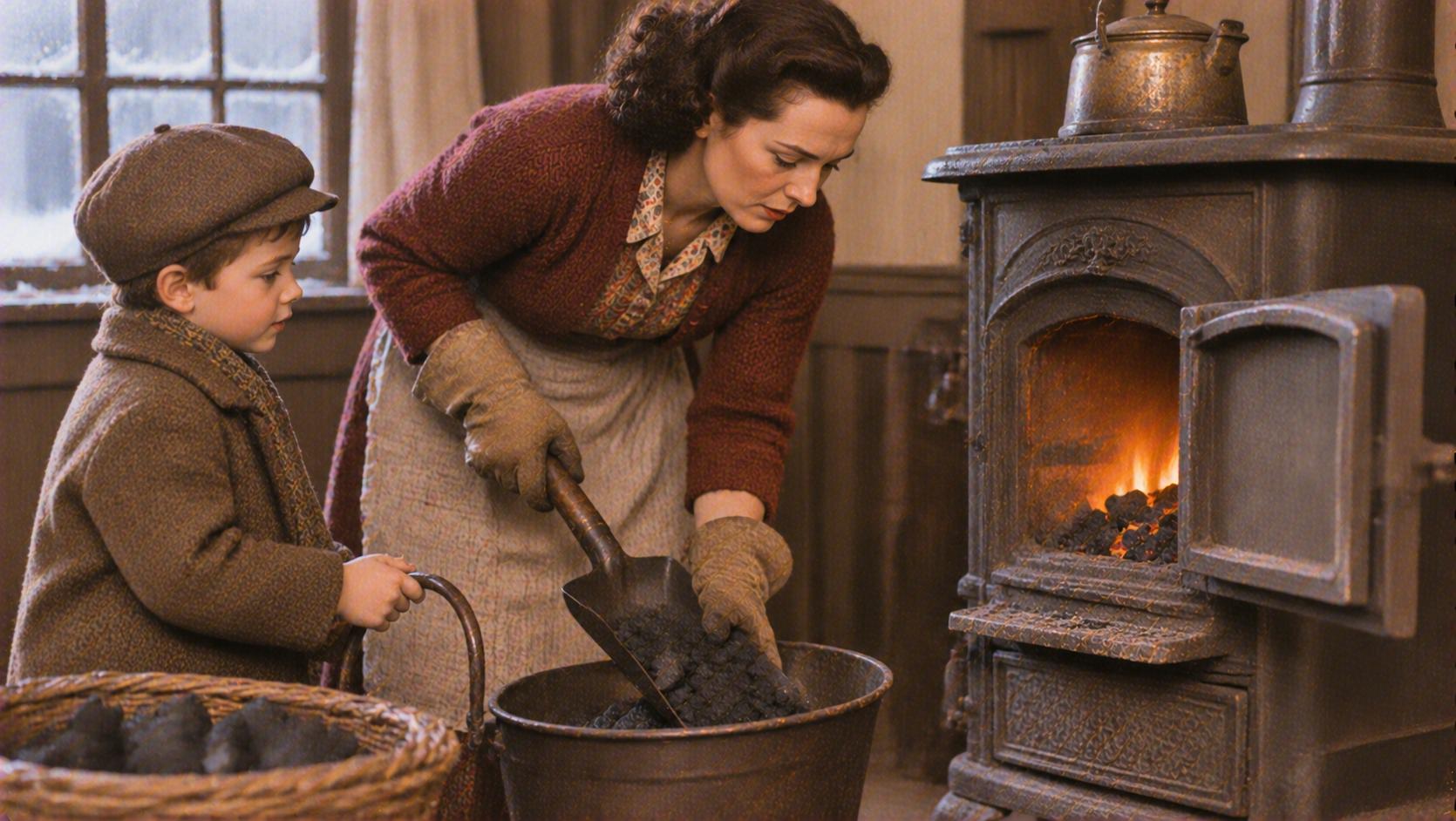
Coal eventually became a popular alternative to wood, but it didn’t eliminate the work involved in heating a home. Coal stoves and furnaces needed careful lighting, regular refueling, and adjustments to keep the fire burning properly. Residents also had to deal with ashes, dust, and the mess associated with storing and handling coal. An 1827 household guide reportedly devoted 15 pages to explaining how to manage coal stoves, illustrating how complicated the process could become. For many families, switching from wood to coal simply replaced one set of winter chores with another.
11. Smoke and Soot Could Make Indoor Air Unpleasant
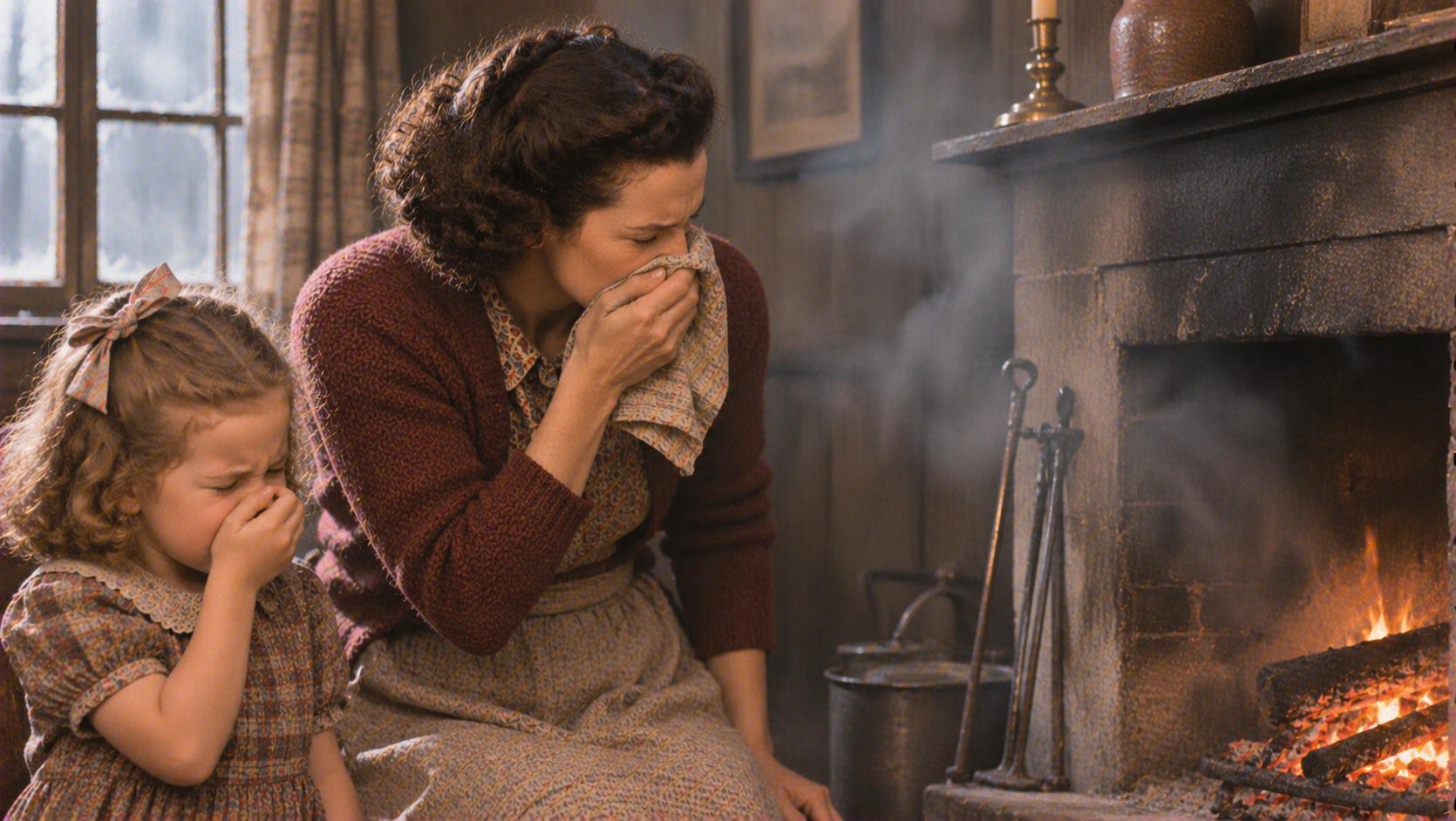
Keeping warm sometimes meant tolerating air that was far from clean. Wood-burning fireplaces and coal stoves could release smoke, soot, and other pollutants, particularly when ventilation was poor, or equipment wasn’t working properly. Soot could accumulate around fireplaces, on walls, and across household surfaces, creating additional cleaning responsibilities. Coal smoke also became a significant source of pollution in growing American cities. While modern heating equipment is designed to manage combustion gases more safely, earlier households sometimes had to choose between enduring the cold and dealing with unpleasant indoor air.
12. Indoor Fires Came With Serious Safety Risks
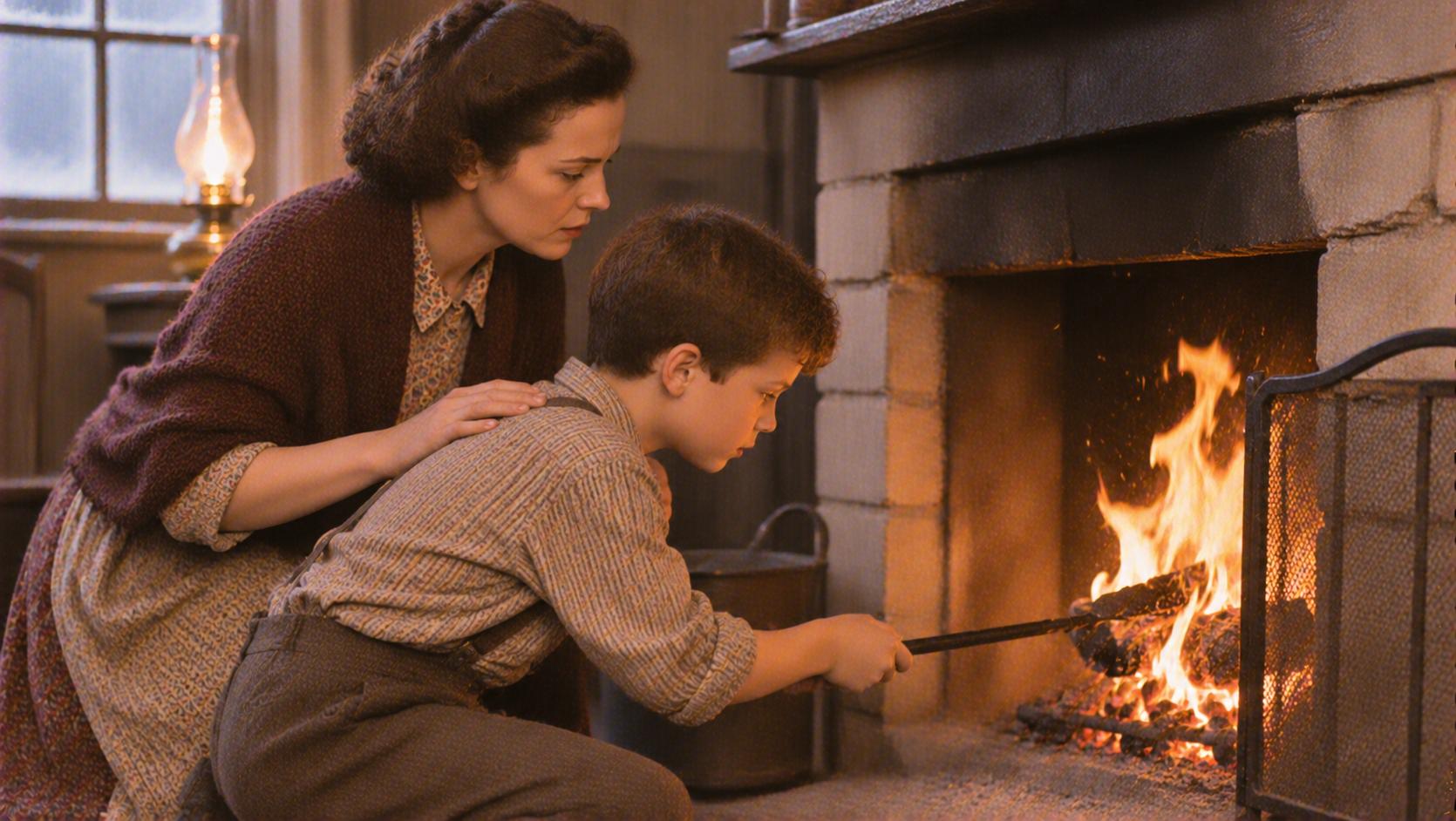
Depending on open flames for warmth introduced dangers that modern homeowners don’t always associate with heating. Burning embers could escape from fireplaces, poorly maintained chimneys could catch fire, and improperly ventilated stoves could release dangerous gases. Families needed to be especially careful when leaving fires burning overnight or when children were nearby. Carbon monoxide was another serious hazard associated with fuel-burning appliances, particularly in enclosed spaces. Although heating systems still require proper maintenance today, earlier households lived much closer to the flames and combustion processes that kept them warm.
13. Even Indoor Water Could Freeze
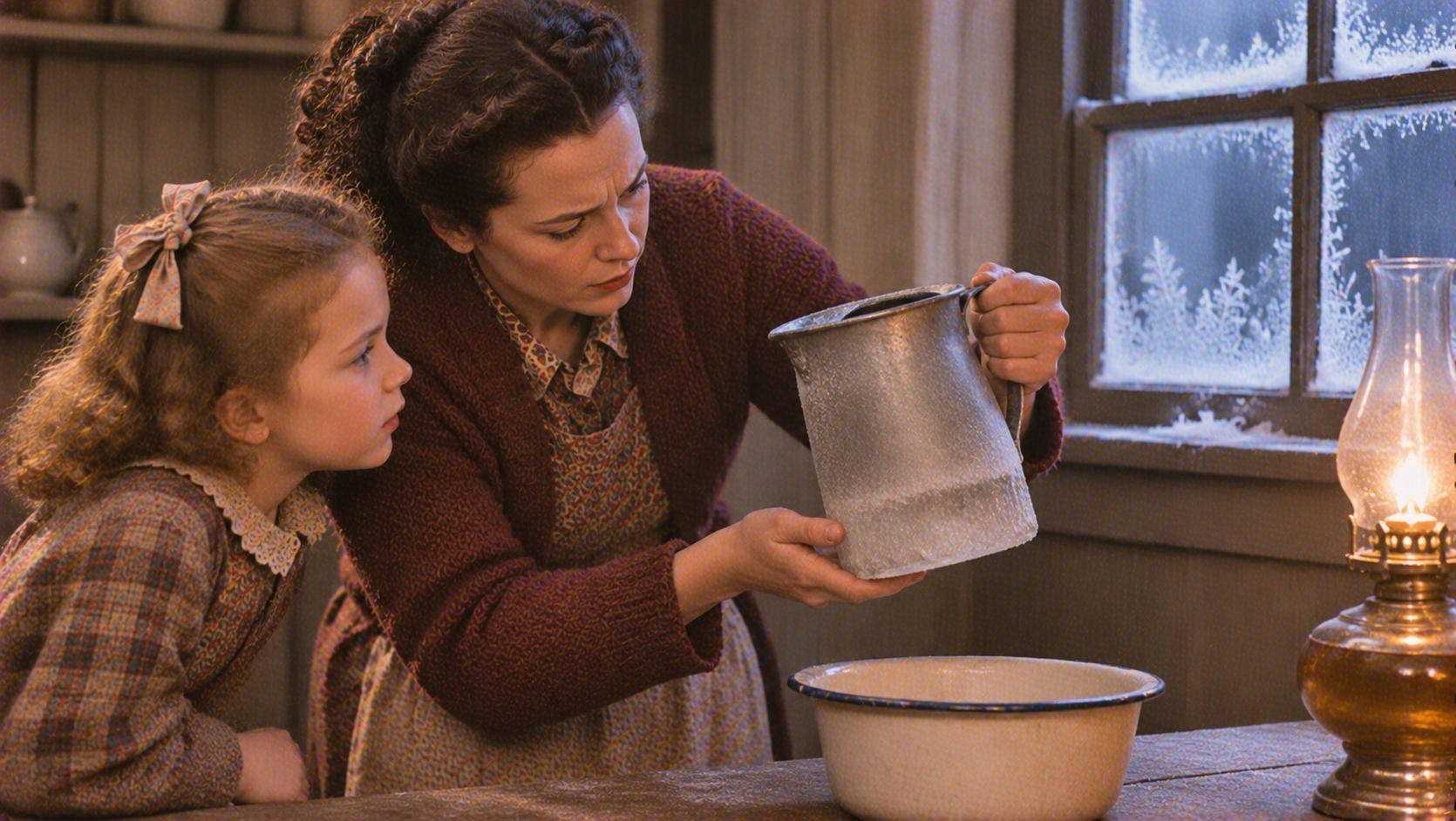
Some historical homes became so cold during winter that water could freeze inside the building. This wasn’t limited to abandoned houses or poorly constructed cabins. Colonial Williamsburg recounts an account from Virginia resident Landon Carter, who found frozen water in washbasins during April 1770. Thomas Jefferson also described experiencing temperatures cold enough to freeze his writing ink. These accounts show that even households with fireplaces couldn’t always maintain temperatures above freezing. Imagine waking up to wash your face and discovering that the water in your bedroom had turned to ice overnight.
14. Heating Fuel Could Be Expensive and Difficult to Obtain
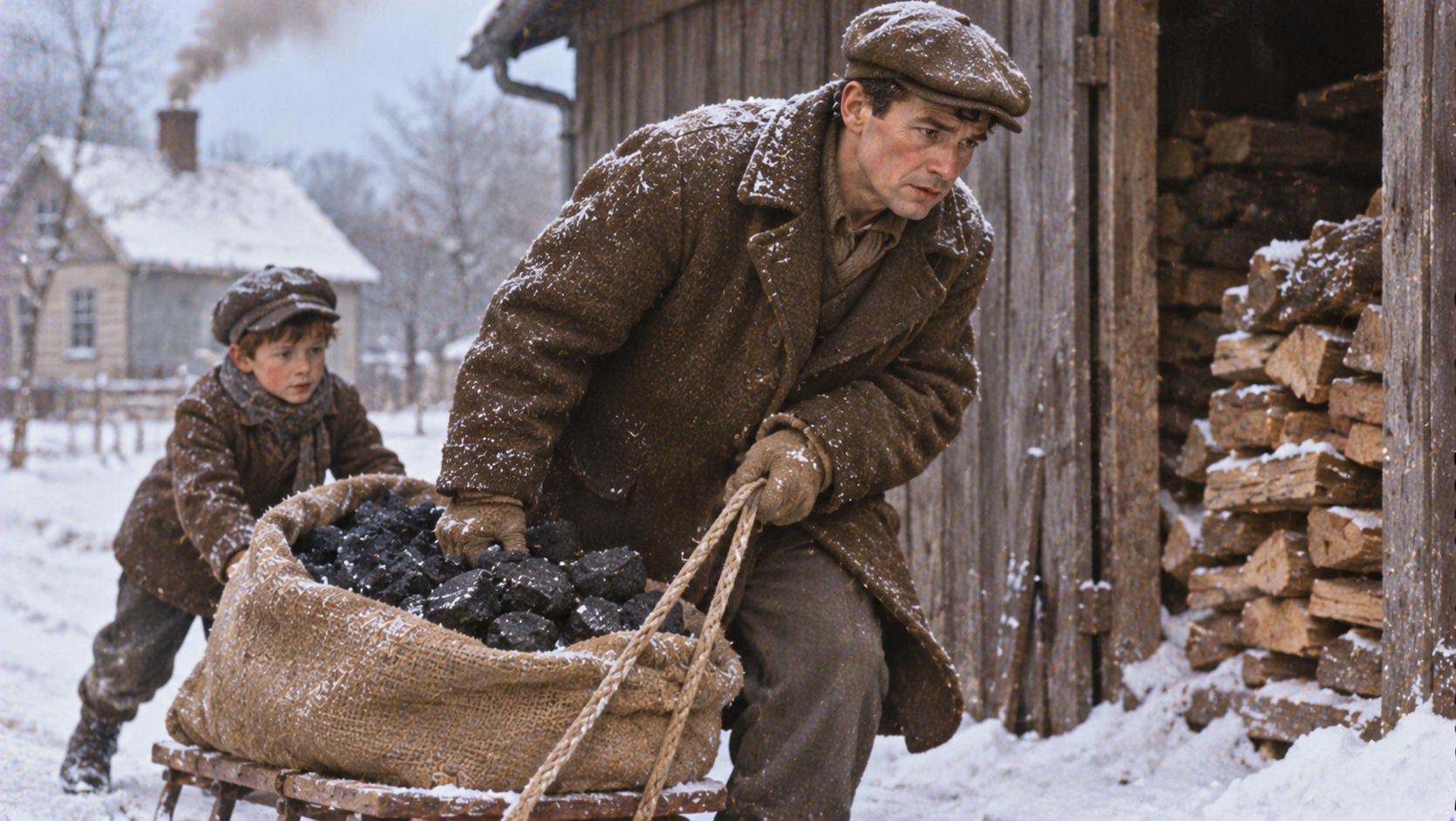
Having a fireplace was only useful if a family could afford enough fuel to keep it burning. As American towns and cities expanded, nearby supplies of firewood sometimes became scarce, forcing residents to purchase wood transported from increasingly distant areas. Benjamin Franklin complained in 1744 about communities obtaining firewood from nearly 100 miles away because local supplies had been depleted. Transportation costs and growing demand could make heating a significant household expense. For families with limited incomes, staying warm often meant carefully rationing fuel and accepting colder indoor temperatures.
15. Early Whole-House Heating Systems Had Their Own Problems
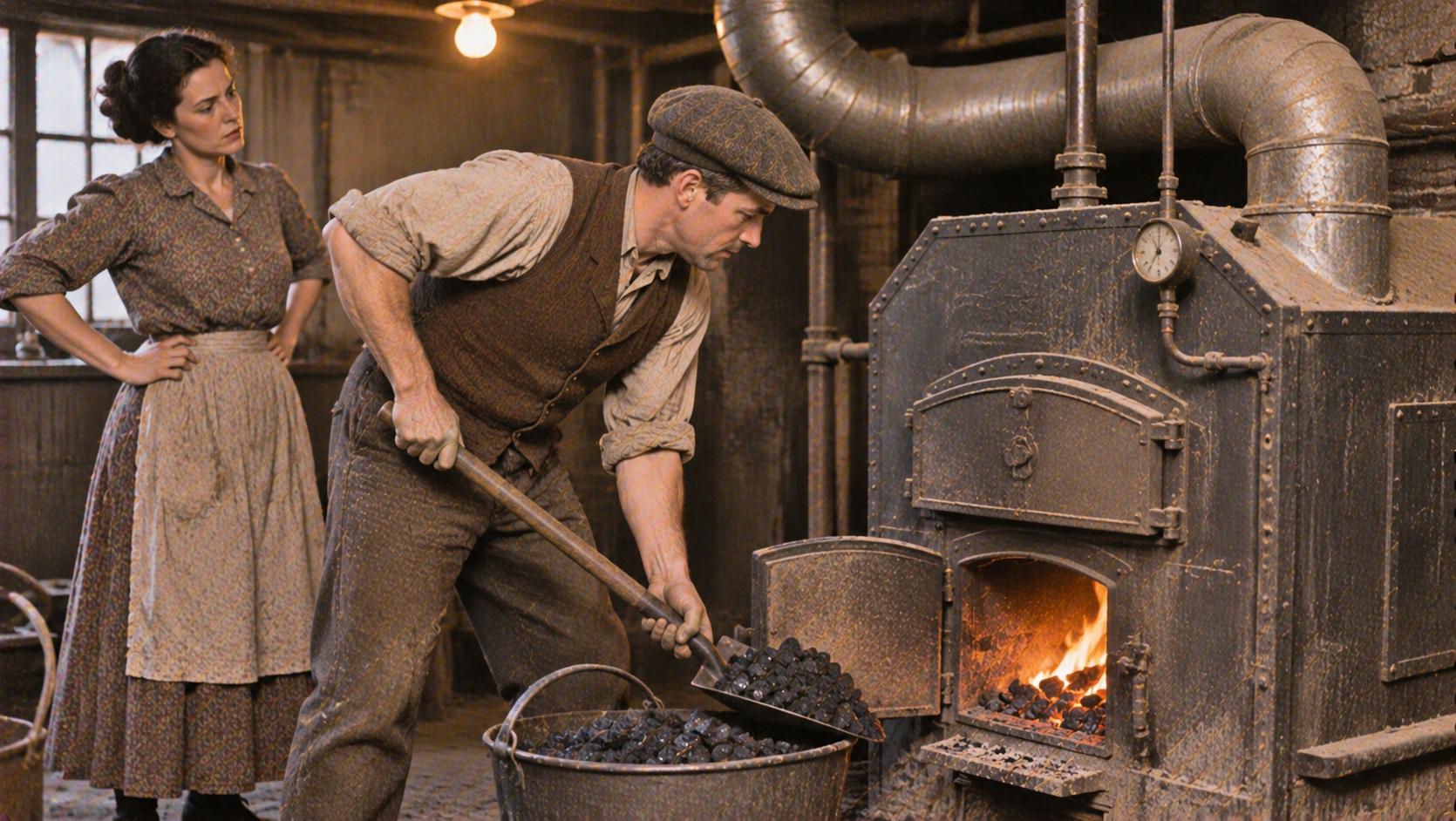
The introduction of central furnaces was an important improvement, but early versions weren’t nearly as dependable as modern systems. Some struggled to distribute warm air evenly throughout a building, leaving distant rooms cold while areas near the furnace became overheated. Poorly designed ducts could lose valuable heat, and furnace construction introduced additional safety concerns. Inventors spent decades improving these systems, including an 1848 furnace design that proposed better air pipes, insulated ductwork, and tighter door seals. It took generations of innovation before whole-house heating became the relatively effortless convenience Americans recognize today.
More Related Notes
• 16 Household Items From the 1960s That Were Made to Last for Generations
Explore the durable appliances and household essentials that families relied on before modern conveniences became widespread. These everyday objects reveal how much effort went into keeping homes comfortable and functional.
• 15 Vintage Photos of American Families at Home in the 1950s
Step inside American homes of the 1950s, when traditional heating systems, heavy blankets, and family gatherings around warm living spaces were part of everyday winter life.
• 16 Vintage Appliances That Were Built to Last for Decades
Discover the sturdy household appliances that previous generations depended on, from old-fashioned stoves to early heating equipment. These machines show how home technology evolved to make daily life easier and more comfortable.