Many of today’s scientific principles were initially dismissed as impossible or controversial. These moments of resistance have reminded us that scientific progress is rarely a linear progression, but a battle against established norms.
This collection of 15 revolutionary examples highlights the dramatic shifts that occur when new data dismantle old assumptions. By examining how these concepts transformed into accepted facts, we gain a deeper appreciation for the objective power of the scientific method and the importance of intellectual curiosity.
1. The Earth Revolves Around the Sun
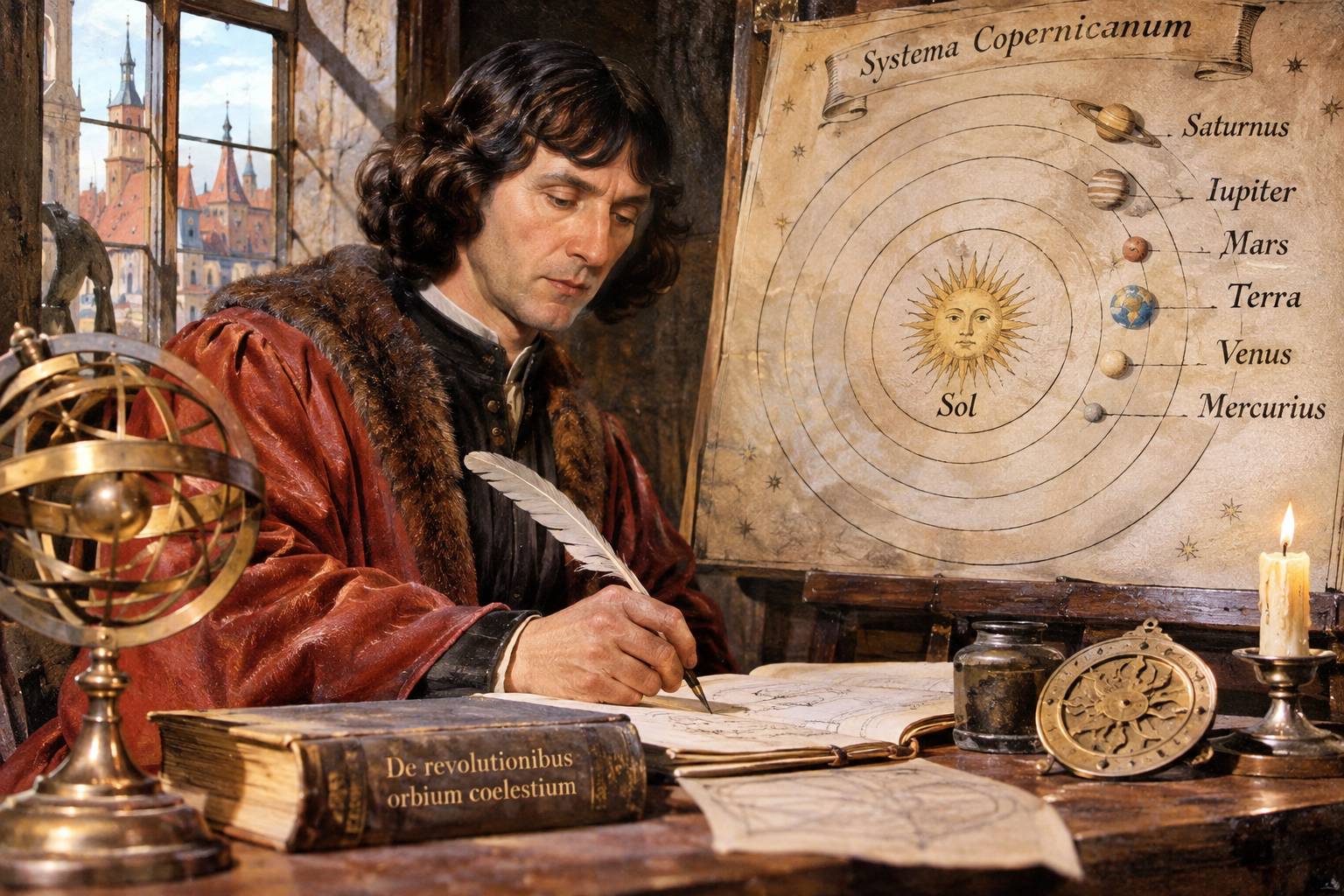
In 1543, Polish astronomer Copernicus published a model placing the Sun near the center of the planetary system, challenging the long-established belief that Earth stood at its center. His ideas faced substantial opposition because they conflicted with established astronomical traditions and interpretations of religious teachings.
2. Earth Is Older Than People Once Believed
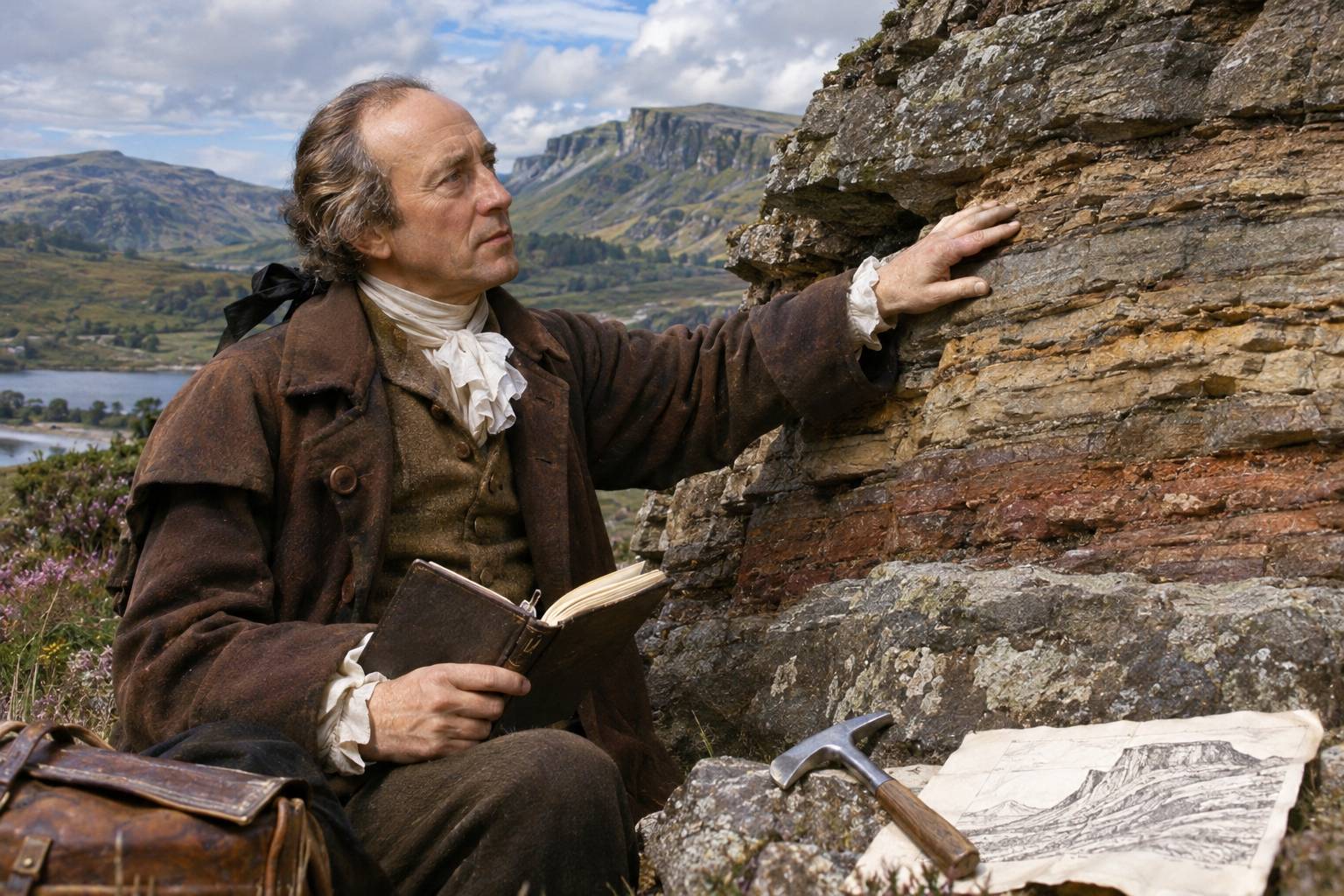
During the late 18th century, Scottish geologist James Hutton argued that Earth’s landscapes formed through natural processes operating over immense periods of time. His conclusions challenged popular views that Earth was only a few thousand years old and had acquired its major features through catastrophic events.
3. Earth Was Once Covered by Enormous Ice Sheets

In 1837, a Swiss scientist proposed that vast glaciers had once covered regions far beyond the world’s existing ice fields. His theory challenged established explanations for unusual rock deposits, giant transported boulders, and other geological features.
4. Matter Is Made of Atoms
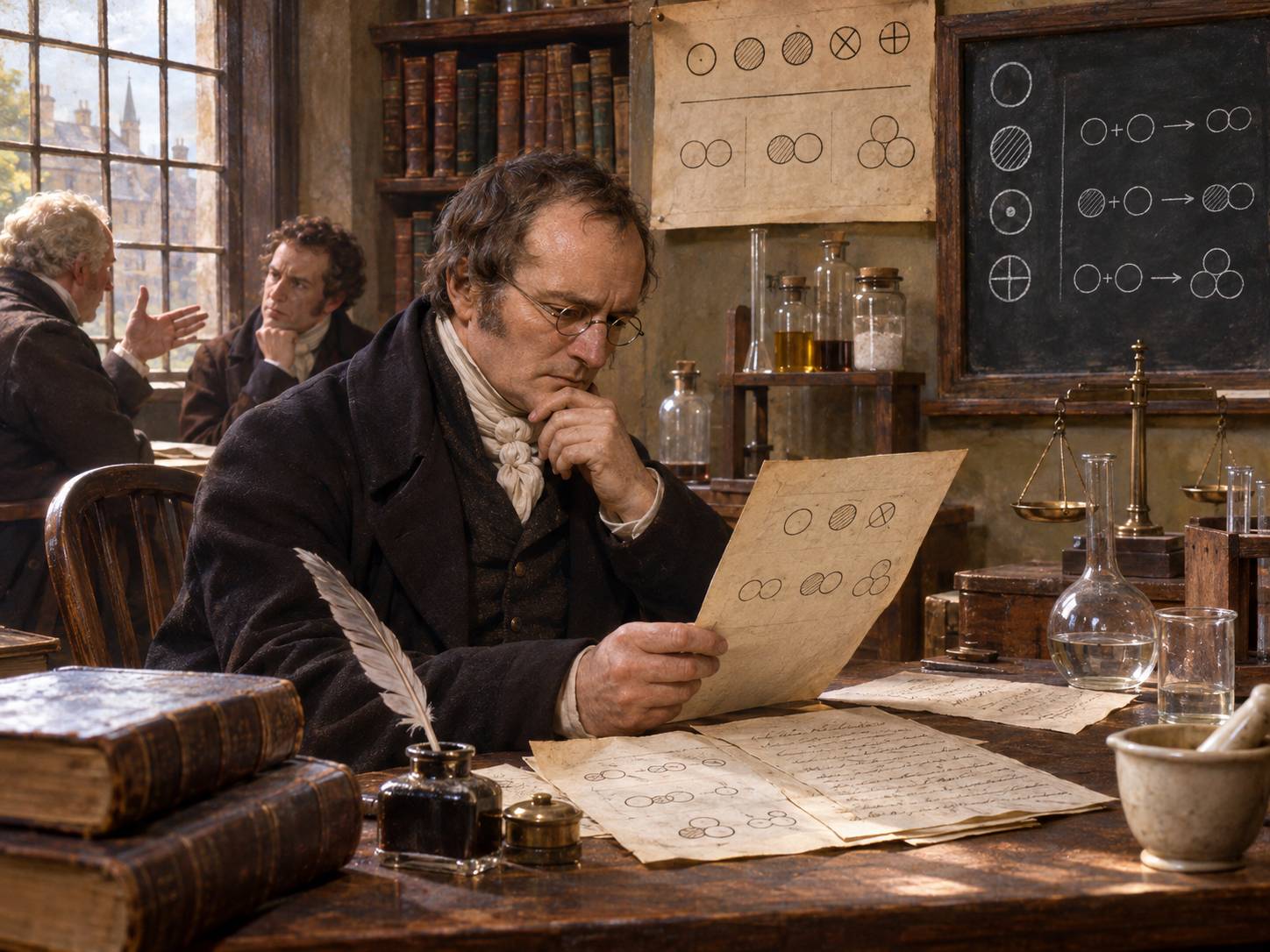
The idea that matter consists of tiny particles dates back to ancient philosophy, but scientists continued debating whether atoms physically existed well into the modern era. In the early 19th century, John Dalton developed an atomic theory that helped explain how chemical elements combine. Some prominent scientists still questioned whether atoms were real rather than convenient mathematical concepts.
5. Equal Volumes of Gas Can Contain Equal Numbers of Molecules
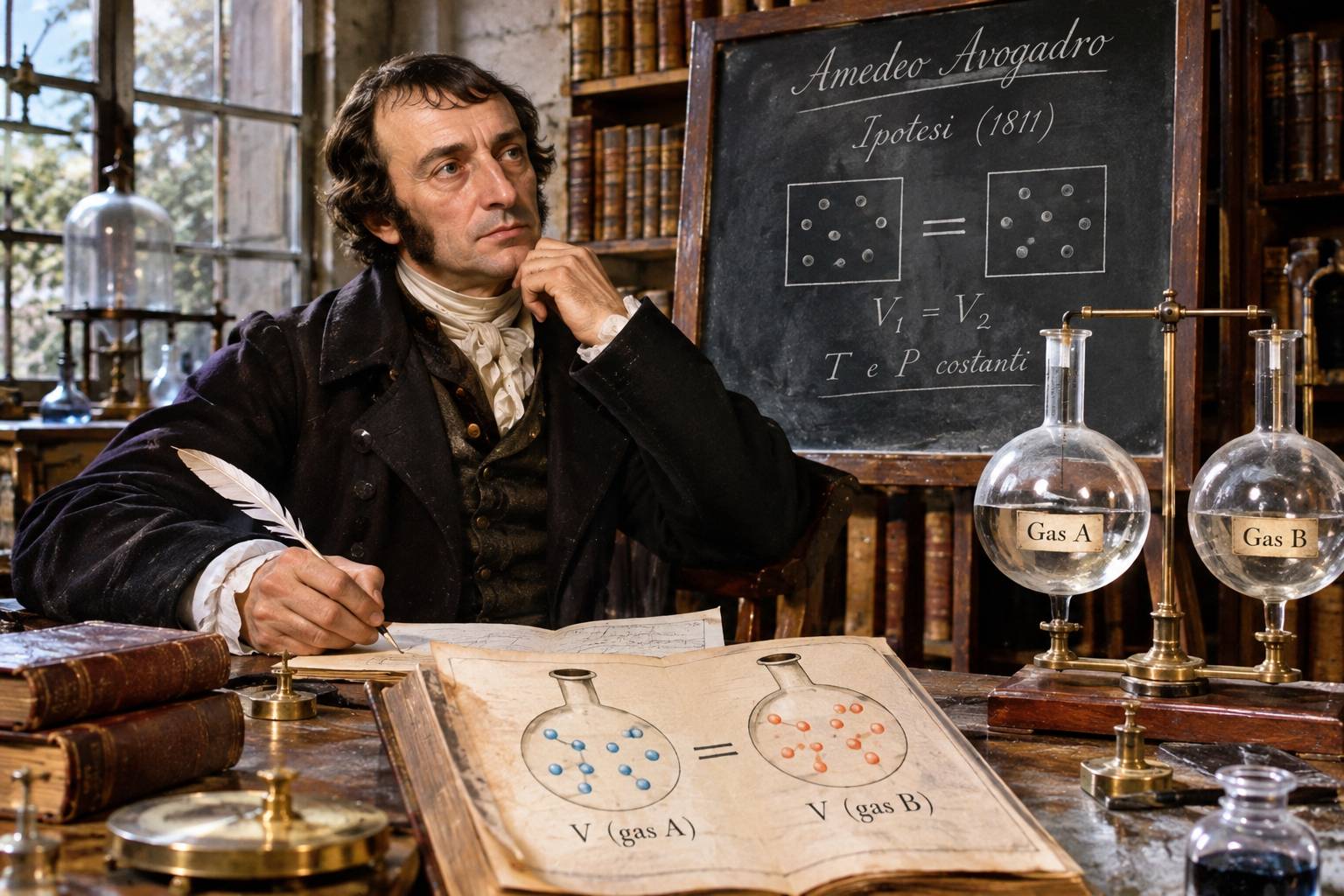
In 1811, Italian scientist Amedeo Avogadro proposed that equal volumes of gases at the same temperature and pressure contain equal numbers of molecules. His hypothesis could explain puzzling observations about how gases combine during chemical reactions, but it was neglected for decades.
Trending on Wealth Gang


6. Doctors Could Prevent Fatal Infections by Washing Their Hands
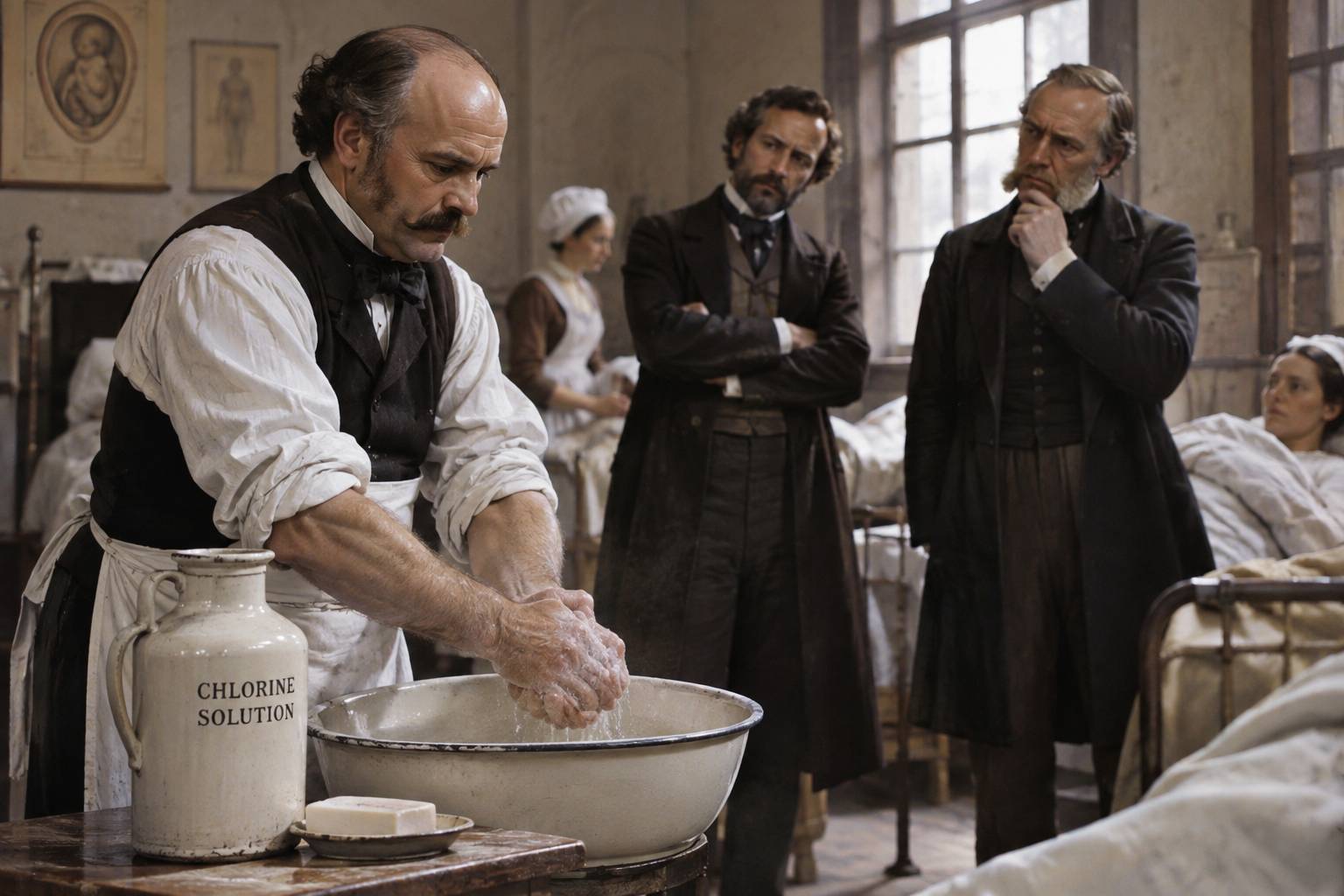
In 1847, a physician discovered that washing hands with a chlorinated solution dramatically reduced deaths from childbirth-related infections. His findings challenged prevailing medical practices, particularly because they suggested that doctors themselves could unknowingly spread deadly disease. Many physicians rejected or failed to adopt his recommendations at first.
7. Microorganisms Can Cause Infectious Diseases
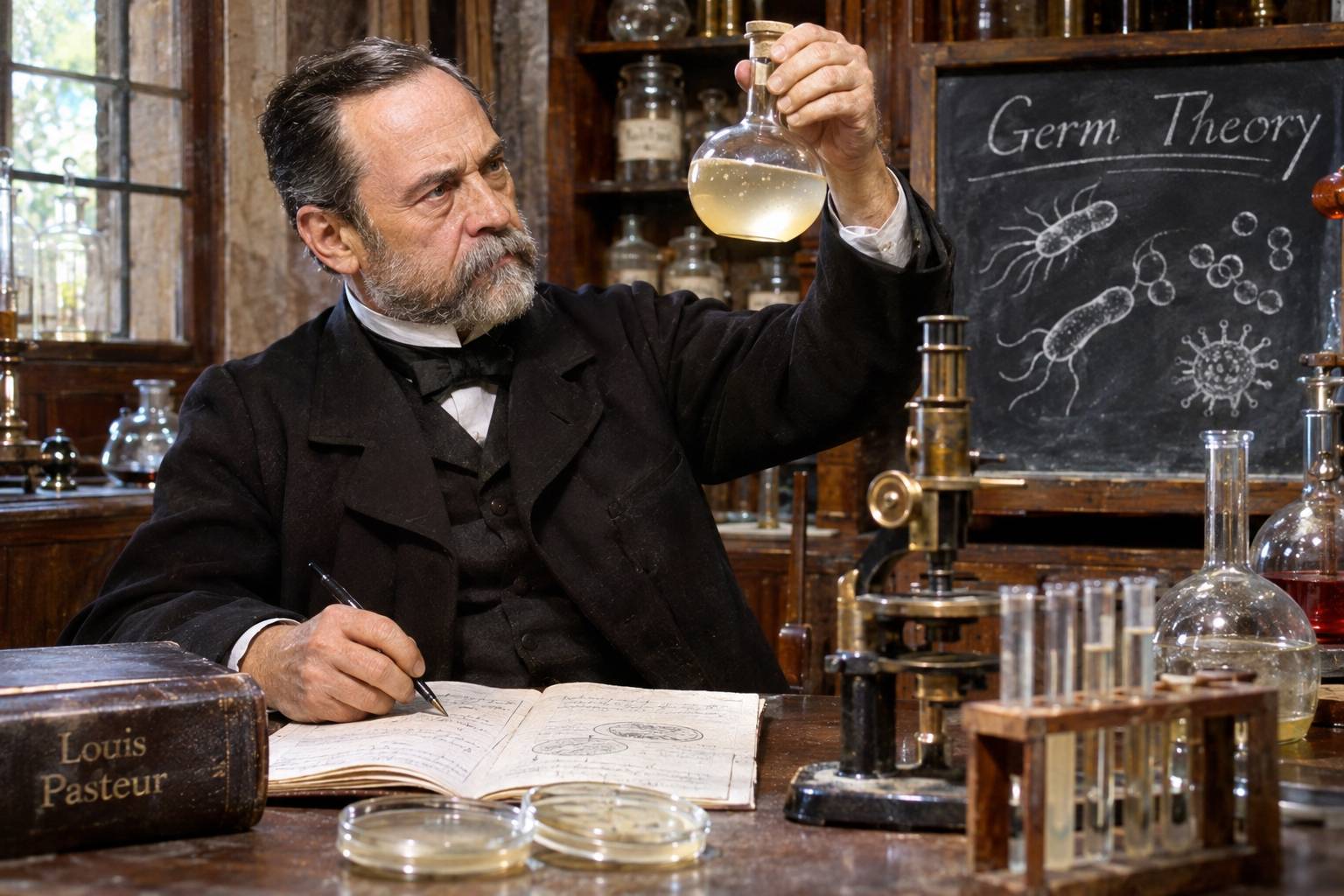
Before germ theory gained widespread acceptance, many physicians believed diseases were caused by poisonous air and environmental conditions. During the nineteenth century, researchers, including Louis Pasteur, developed evidence that specific microorganisms could cause infections. Pasteur’s experiments challenged existing assumptions about disease and demonstrated the importance of controlling microbial contamination.
8. Preventing Infection During Surgery Could Save Lives
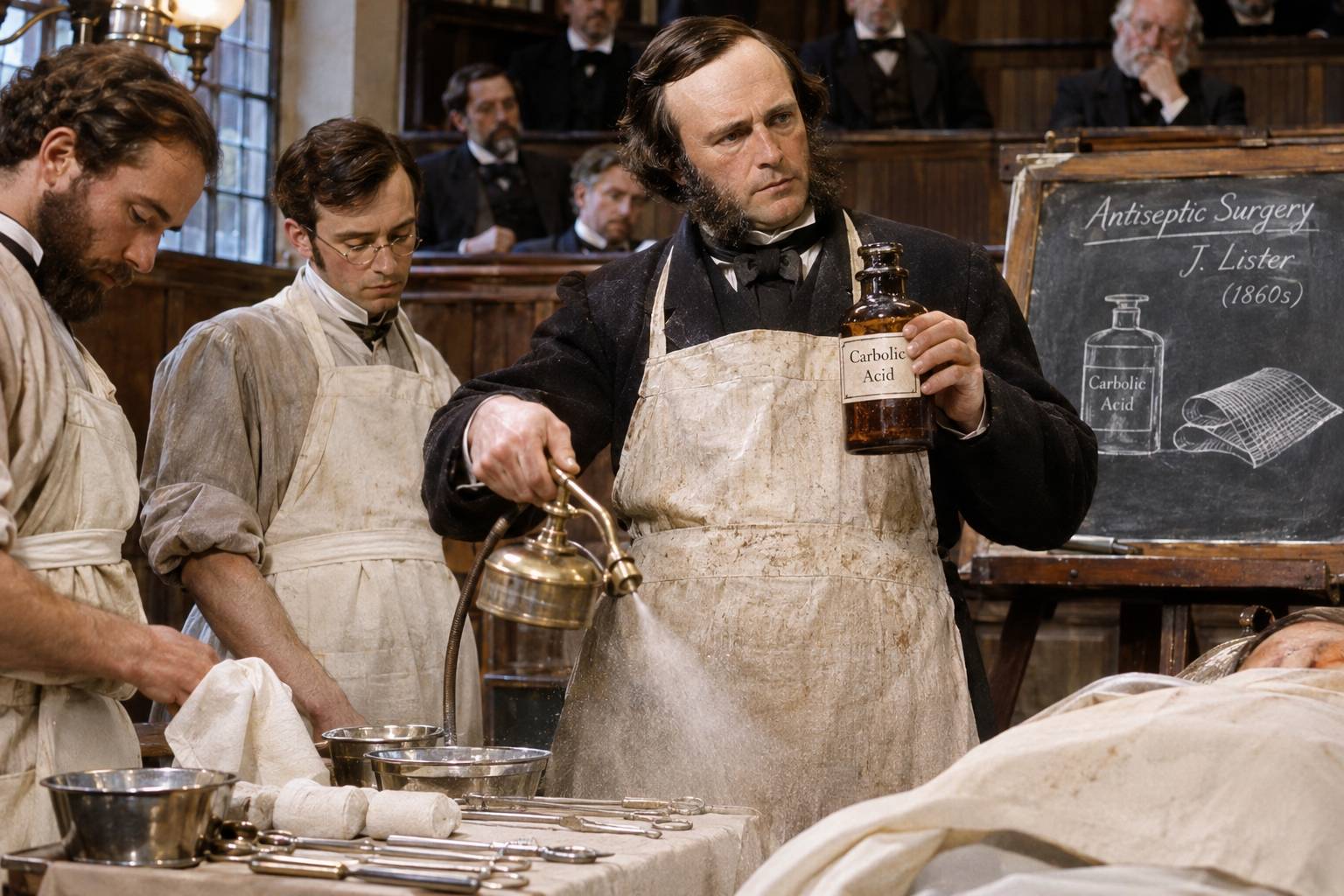
During the 1860s, Joseph Lister promoted antiseptic surgical techniques intended to prevent infections that killed patients after operations. Influenced by Louis Pasteur’s research, Lister used carbolic acid to reduce contamination of wounds, instruments, and surgical surroundings. His methods were initially controversial, and many surgeons were reluctant to change familiar practices.
Sign up for our newsletter
9. Traits Are Inherited Through Predictable Biological Rules

In 1865, Gregor Mendel presented research showing that certain characteristics in pea plants were inherited according to mathematical patterns. His findings received little attention, and the broader scientific community did not immediately recognize their significance.
10. Natural Selection Is a Major Mechanism of Evolution
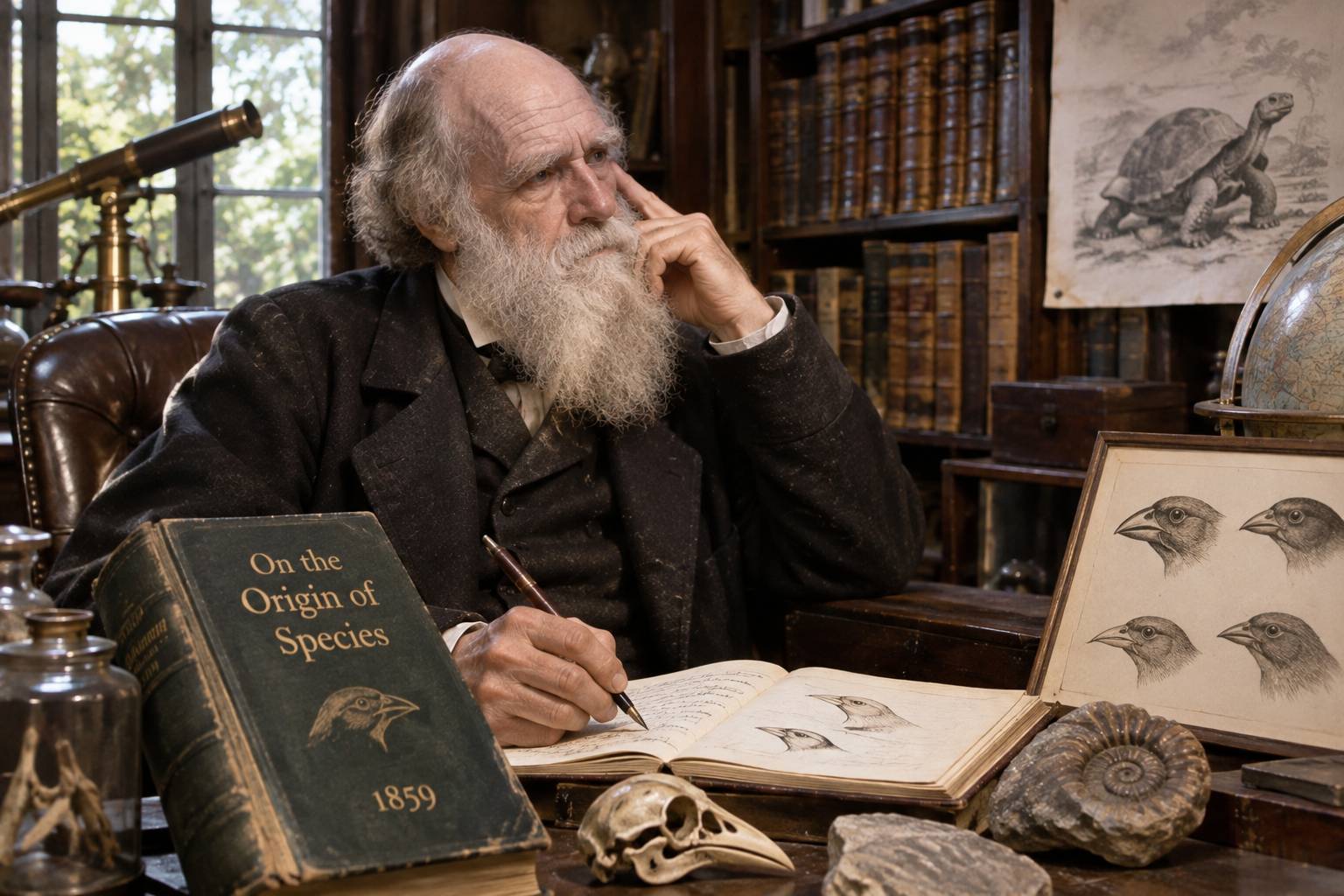
When Charles Darwin published On the Origin of Species in 1859, his explanation of evolution through natural selection sparked extensive scientific and public debate. Although many biologists accepted that species change over time, Darwin’s proposed mechanism remained controversial among researchers who favored alternative explanations.
11. The Continents Are Slowly Moving Across Earth’s Surface
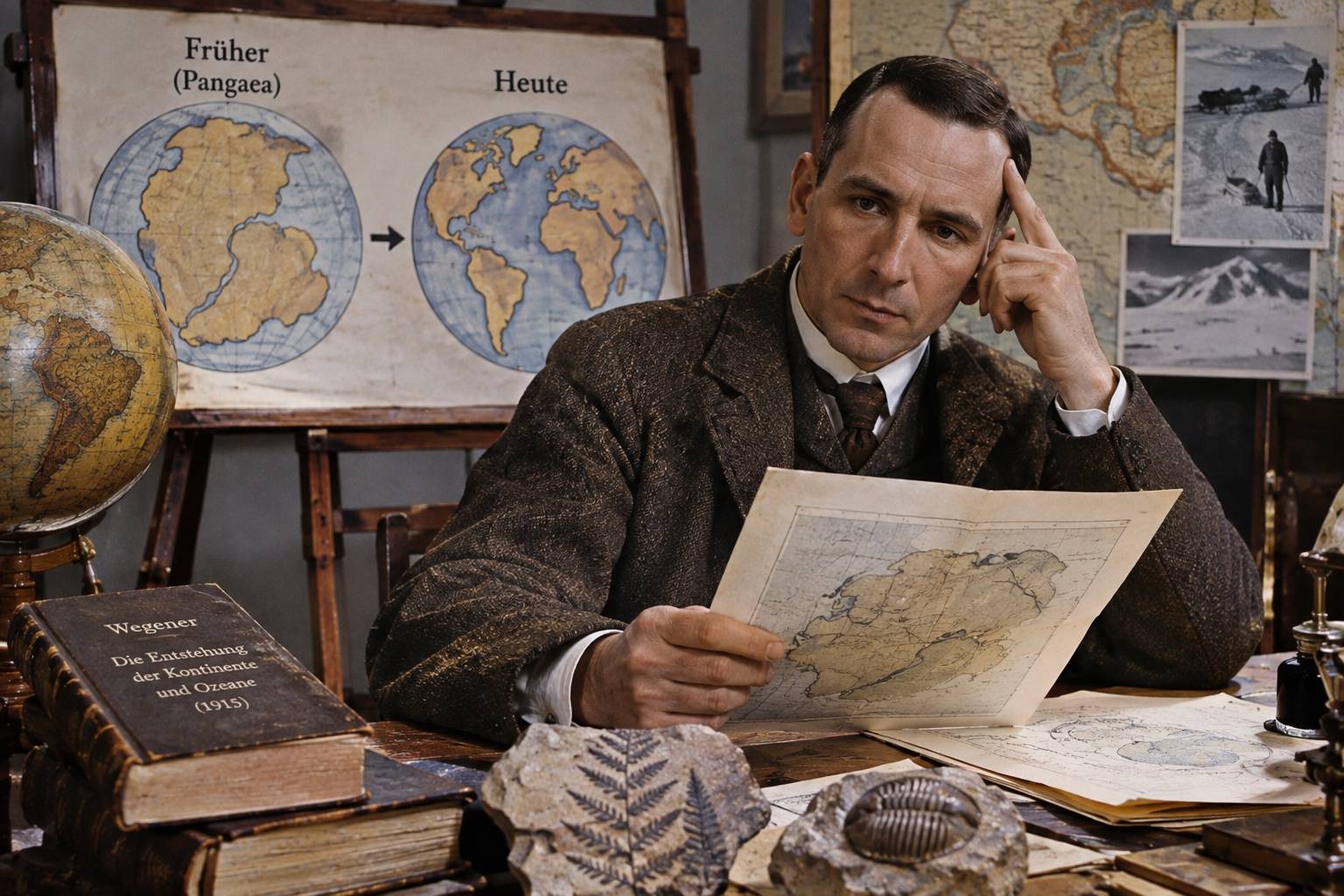
In 1912, German scientist Alfred Wegener proposed that continents had once been joined together and gradually moved apart. He pointed to matching fossils and rock formations, but struggled to explain what force could move entire continents. Many geologists rejected his hypothesis, and Wegener died in 1930 without seeing it gain widespread acceptance.
12. Earth’s Magnetic Field Has Reversed Direction Many Times
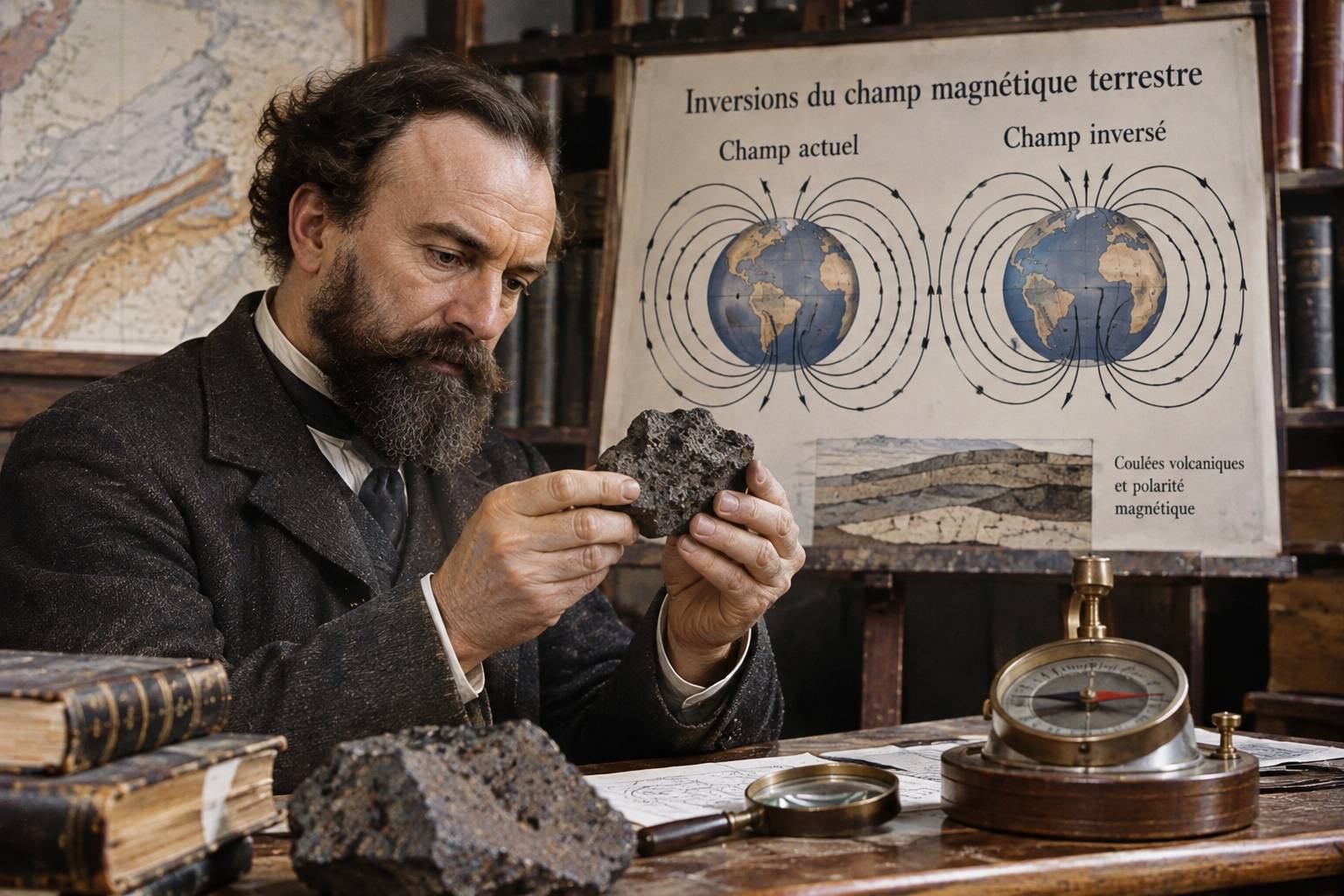
In 1906, French geophysicist Bernard Brunhes found volcanic rocks whose magnetic orientation suggested Earth’s magnetic field had once pointed in the opposite direction. At the time, researchers could not confidently establish whether these observations represented global reversals or unusual properties of individual rocks.
13. Increasing Carbon Dioxide Can Warm the Planet
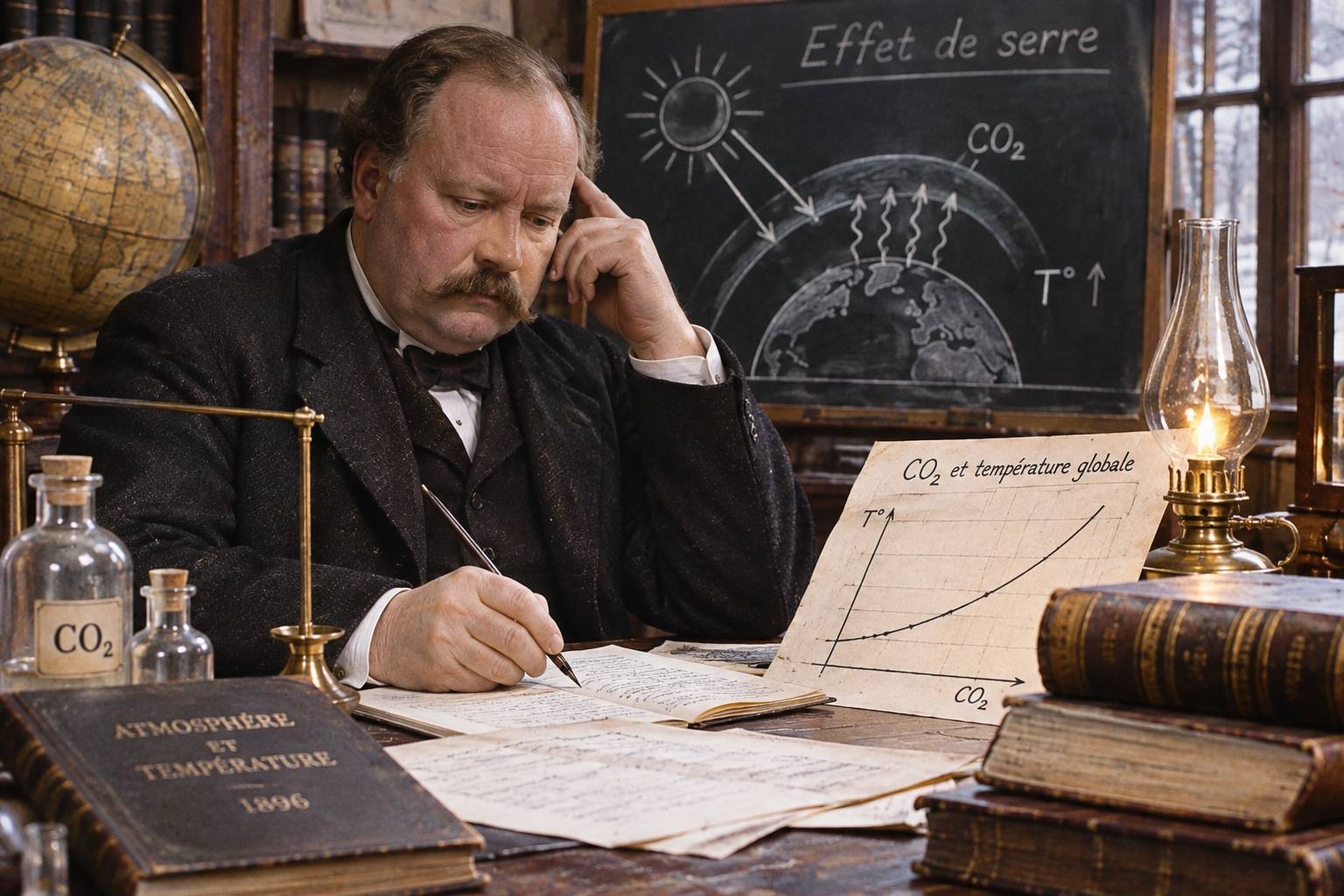
In 1896, Swedish scientist Arrhenius calculated that changes in atmospheric carbon dioxide could affect Earth’s temperature. At the time, scientists lacked the detailed global measurements and computer models needed to understand this relationship.
14. Black Holes Can Exist
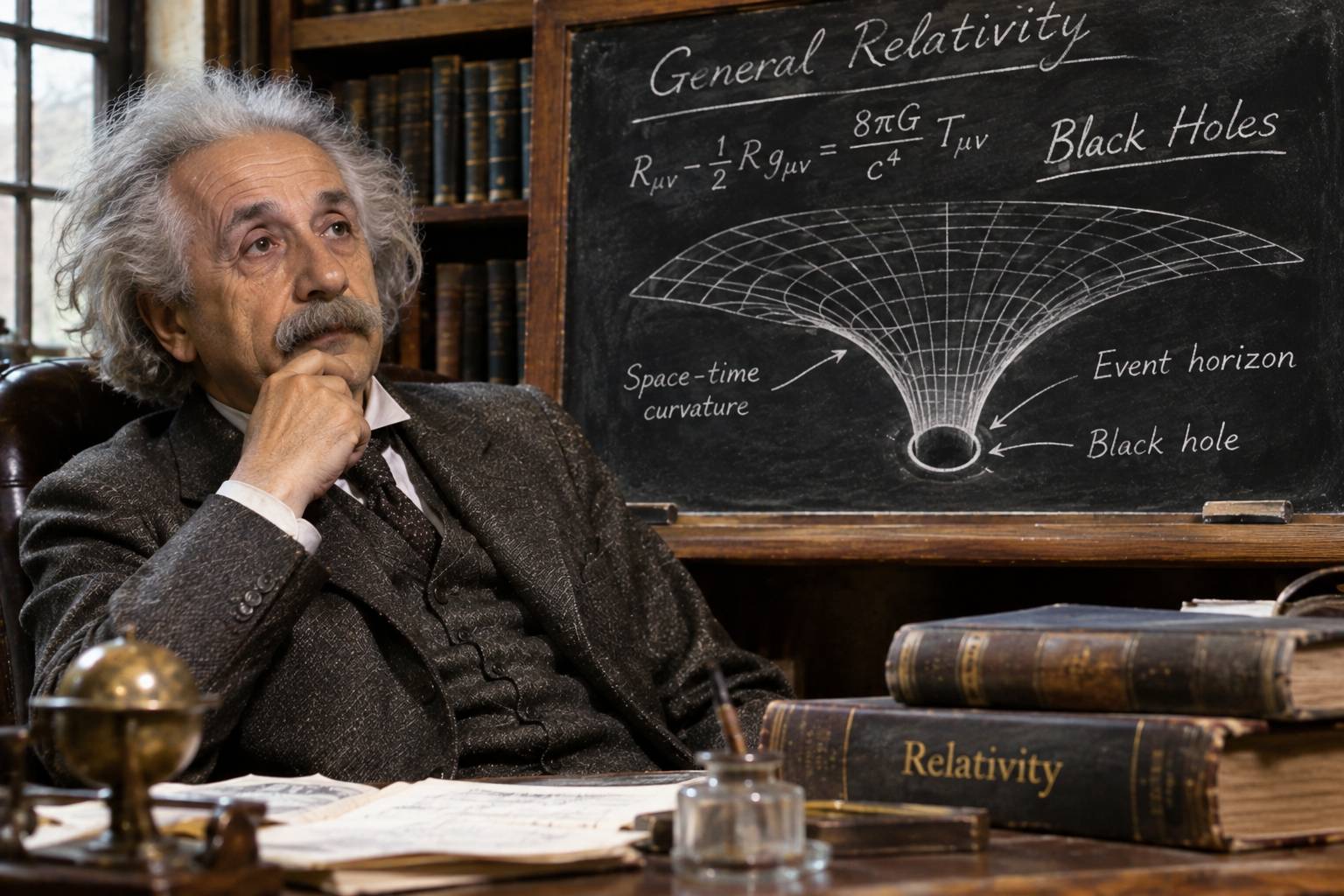
Albert Einstein’s general theory of relativity provided the framework for predicting objects whose gravity is so strong that light cannot escape. Although researchers explored these possibilities during the early 20th century, astronomers initially lacked observational evidence that such objects existed.
15. The Universe Began in a Hot Dense State
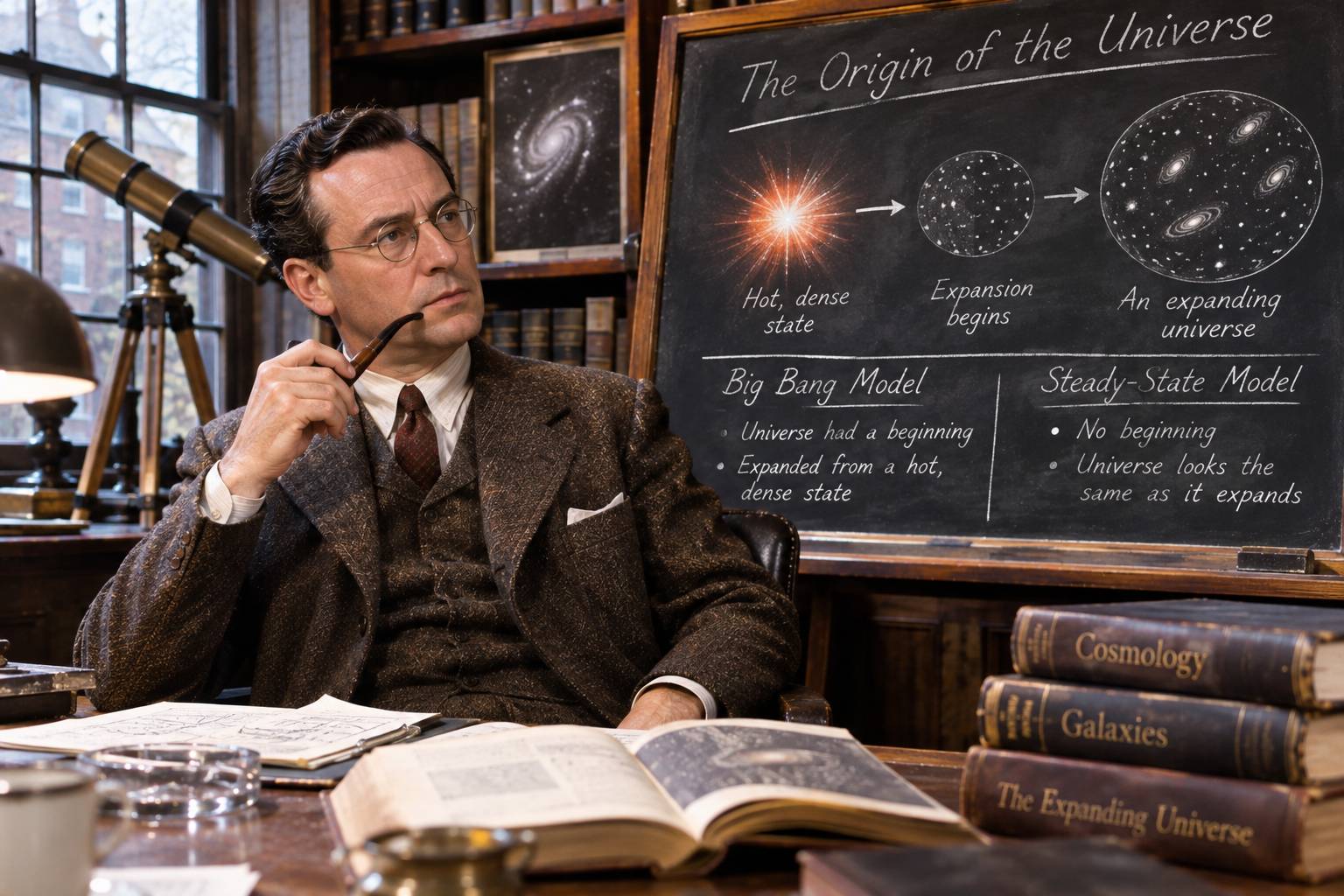
During the 1920s and 1930s, physicists and astronomers developed models suggesting the universe had expanded from an earlier, denser state. These ideas competed with alternative explanations, including the steady-state model, which held that the universe had no beginning and maintained its appearance as it expanded.
Discover more out-of-this-world content:
- 10 NASA and Space Race Artifacts That Were Auction Block Stars: A look at odd space relics, from moon dust to Apollo gear, that fetched millions at auction.
- 11 Sci-Fi Movies That Changed the Game After Their Release: Films like 2001: A Space Odyssey, The Matrix, and Interstellar that reshaped storytelling, technology, and pop culture forever.
- Inside the Galaxy: 24 Behind-the-Scenes ‘Star Wars’ Photos: Vintage snapshots revealing candid cast moments and the creative magic behind this saga.