The 1970s get a bad rap sometimes, remembered mostly for questionable fashion choices and even more questionable hairstyles. But dig a little deeper, and you’ll find a decade that shaped modern life in ways most people don’t even realize. The ’70s laid the groundwork for so much of what we take for granted today.
It was a decade of contradictions: disco balls and gas lines, moon landings fading into memory and personal computers just beginning to take shape. If you’ve ever wondered why certain habits or attitudes feel like they came out of nowhere, chances are the answer goes back to this wild decade. Next are 15 facts about the 1970s that explain a lot more than you’d think.
1. Gas Prices Quadrupled Almost Overnight
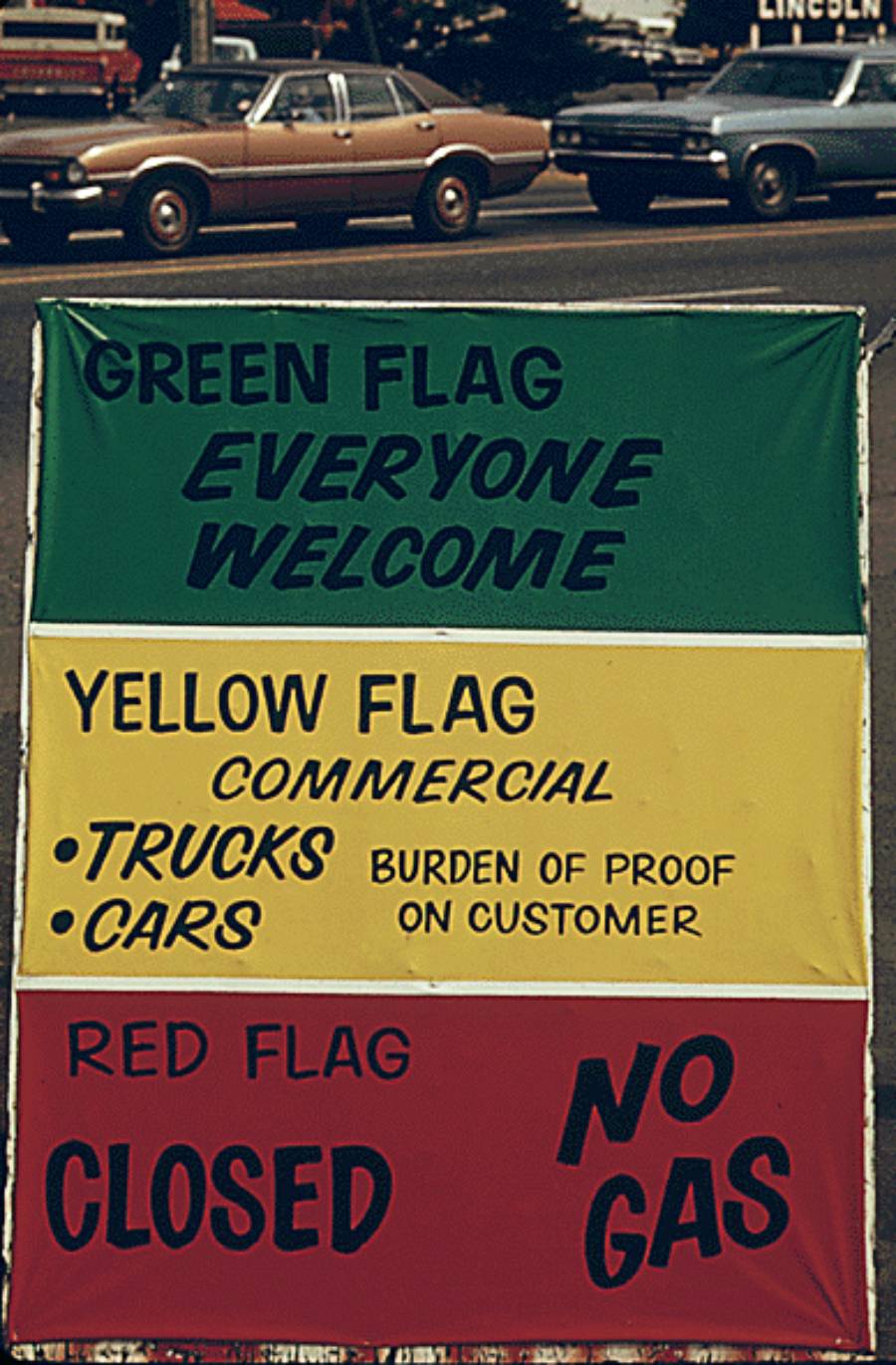
The 1973 oil embargo caused gas prices to skyrocket, sending shockwaves through the American economy that are still felt in policy decisions today. Long lines at gas stations became a defining image of the decade, with some drivers waiting hours just to fill up their tanks.
2. The Barcode Was Scanned for the First Time
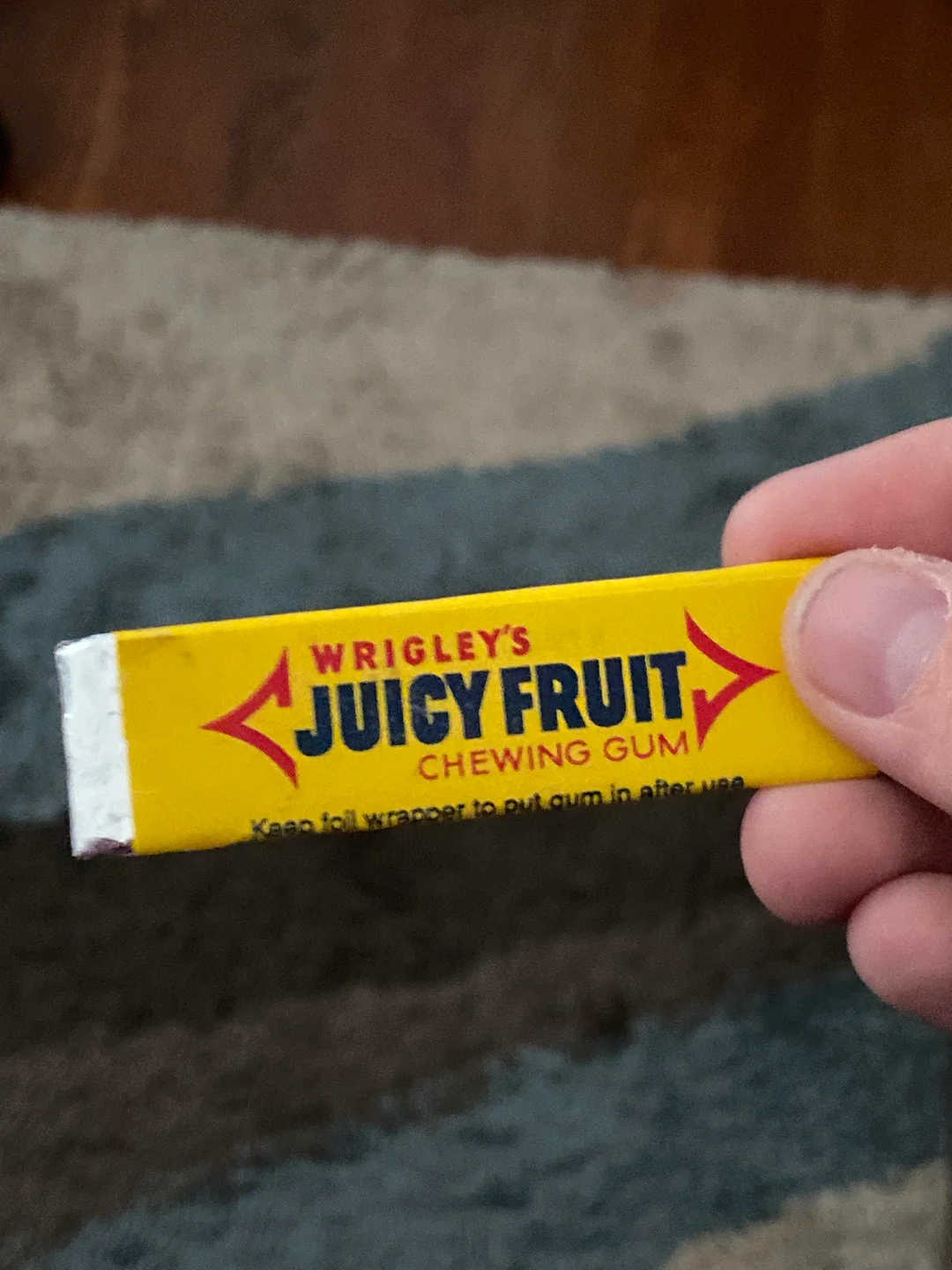
In 1974, a pack of Wrigley’s gum became the first product ever scanned with a barcode at a grocery store in Ohio. At the time, it seemed like a minor technological curiosity, but it quietly revolutionized retail, inventory, and shopping as we know it.
3. Disposable Diapers Changed Parenting Forever
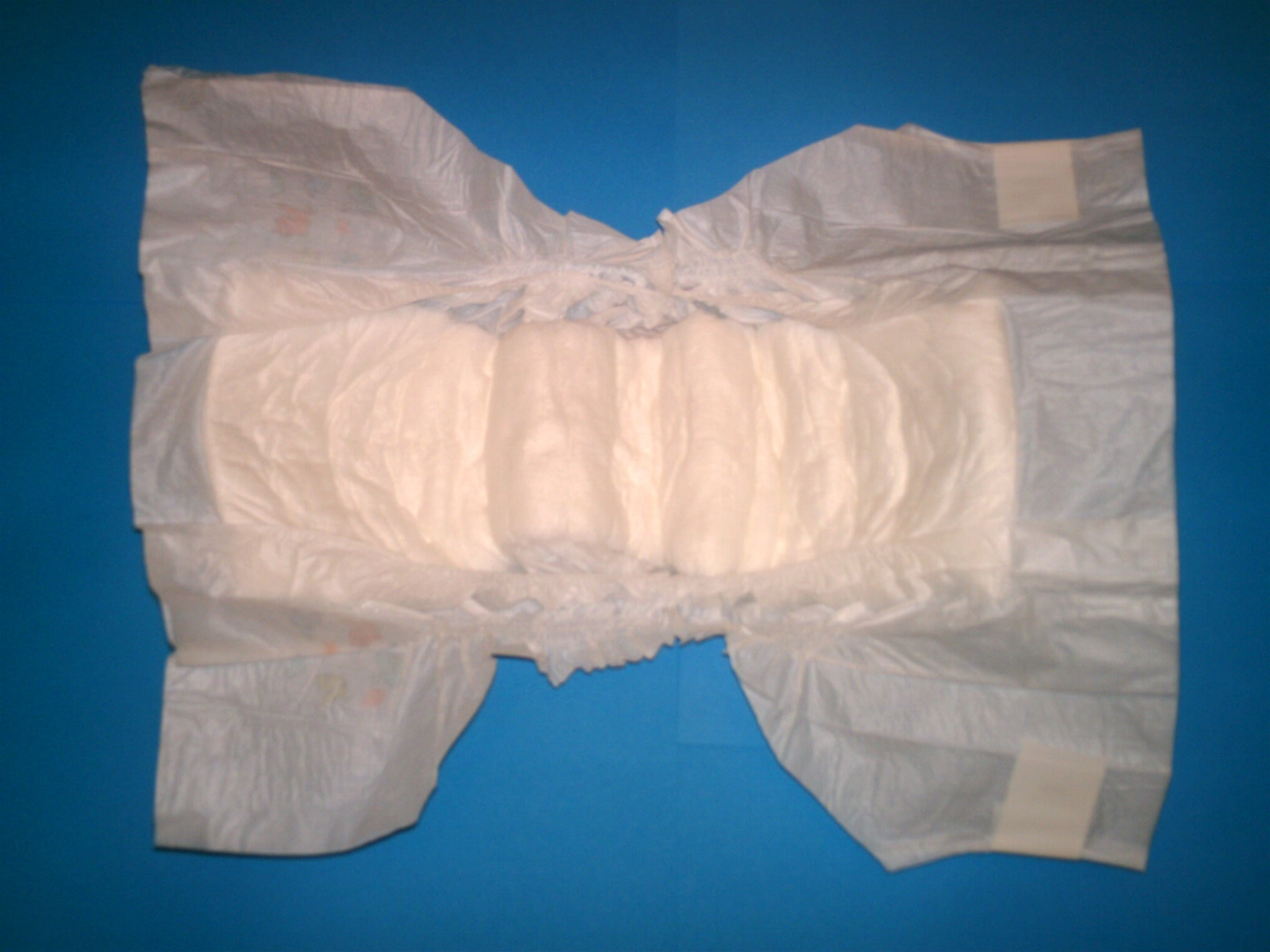
Although invented earlier, disposable diapers didn’t become mainstream until the 1970s, when brands like Pampers made them affordable and available. Before that, cloth diapers were simply part of daily parenting life.
4. Disco Was an Economic Force
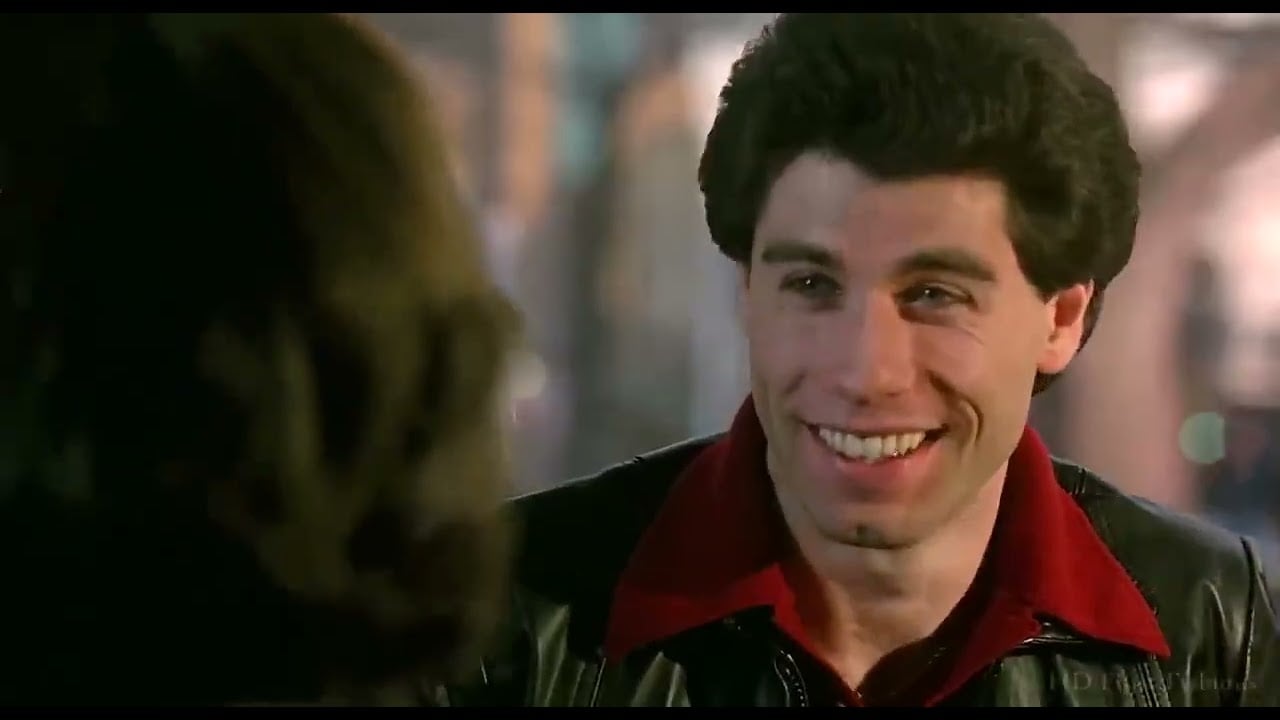
Disco exploded into a full-blown industry in the ’70s, generating billions of dollars through record sales, clubs, and fashion. Films like Saturday Night Fever turned the genre into a cultural phenomenon almost overnight.
5. The First Cell Phone Call Was Made in 1973
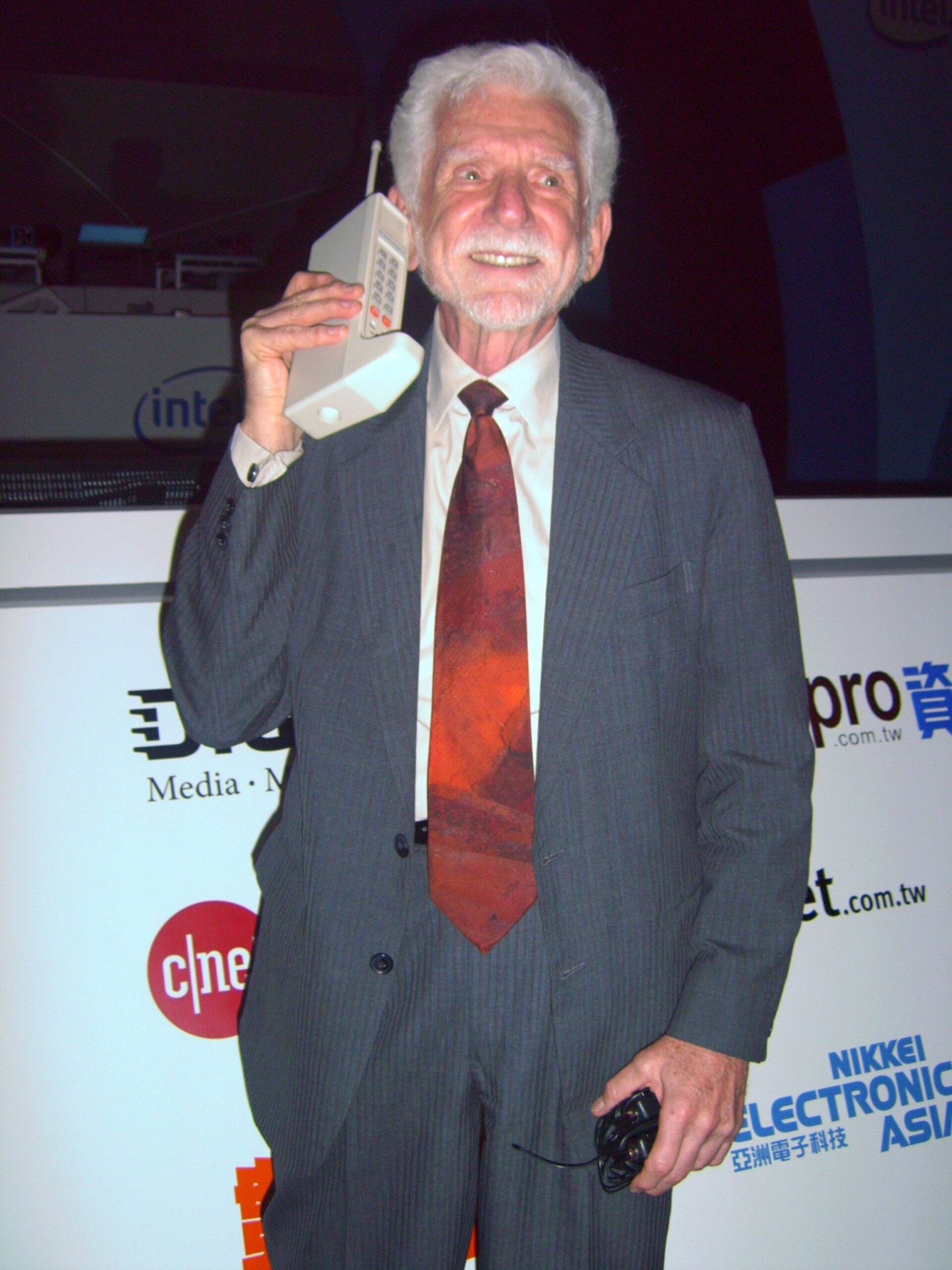
Motorola engineer Martin Cooper made the first-ever cellular phone call on a New York City street, using a device that weighed over two pounds. It would take another decade before cell phones were commercially available. That single call marked the beginning of a communication revolution.
Trending on Wealth Gang
6. Streaking Became a Legitimate Cultural Craze

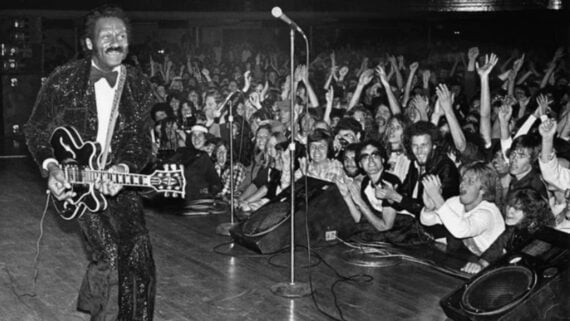
Running naked through public places, known as streaking, became a bizarre but popular trend in the mid-1970s. It happened everywhere from college campuses to the Academy Awards, where a streaker famously interrupted the live broadcast in 1974.
7. Fast Food Chains Exploded
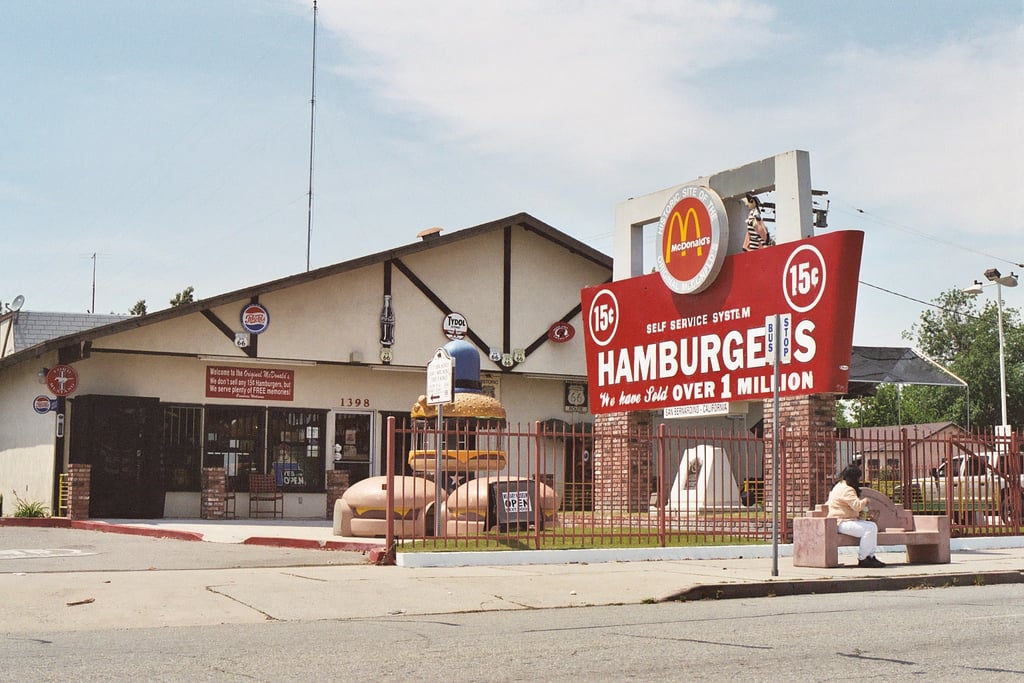
While fast food existed before the 1970s, this was the decade it truly went mainstream, with chains like McDonald’s, Wendy’s, and Taco Bell expanding nationwide.
8. Home Video Game Consoles Were Born
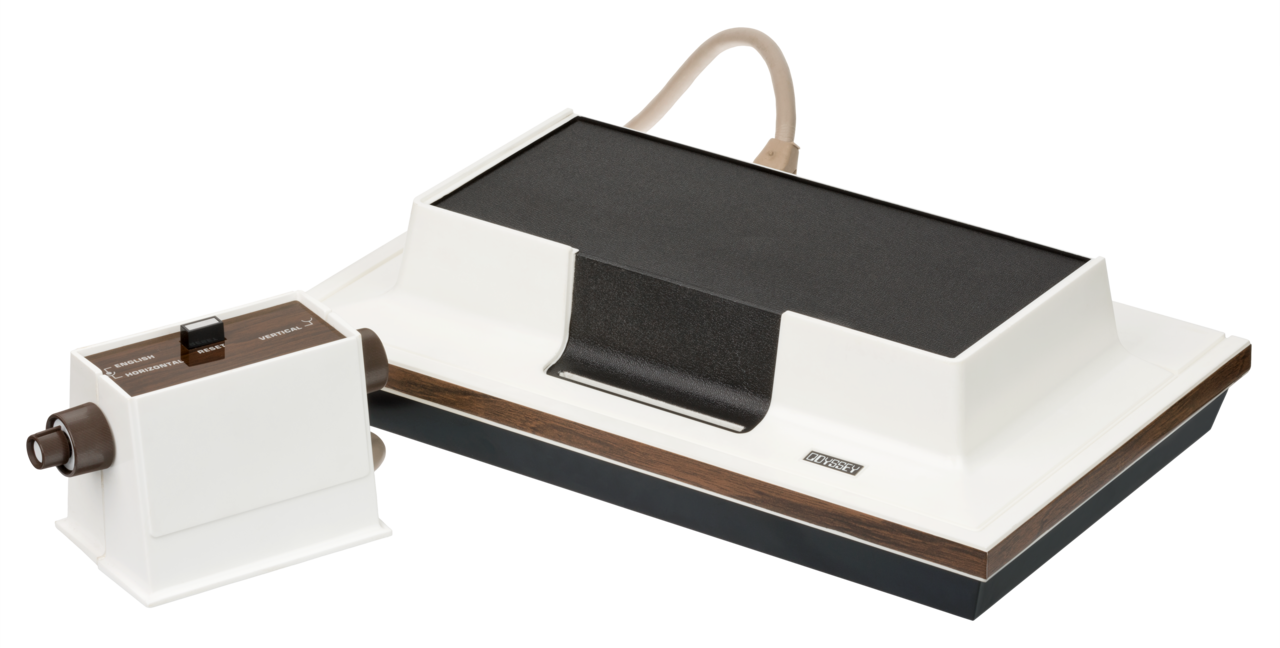
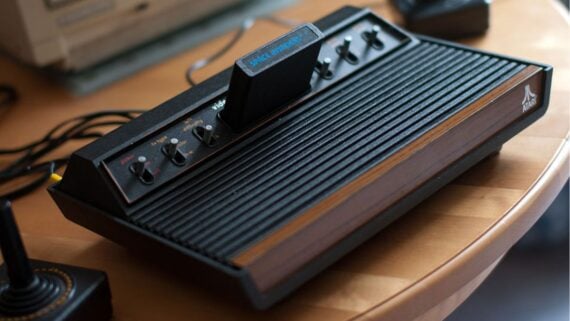
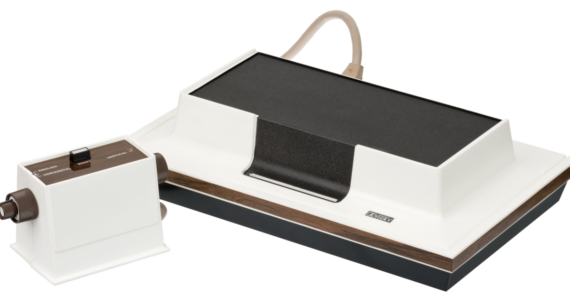
The Magnavox Odyssey, released in 1972, was the first home video game console, though its graphics were extremely primitive by today’s standards. Atari followed shortly after with Pong, the table tennis game.
Sign up for our newsletter
9. The Mood Ring Became a Phenomenon
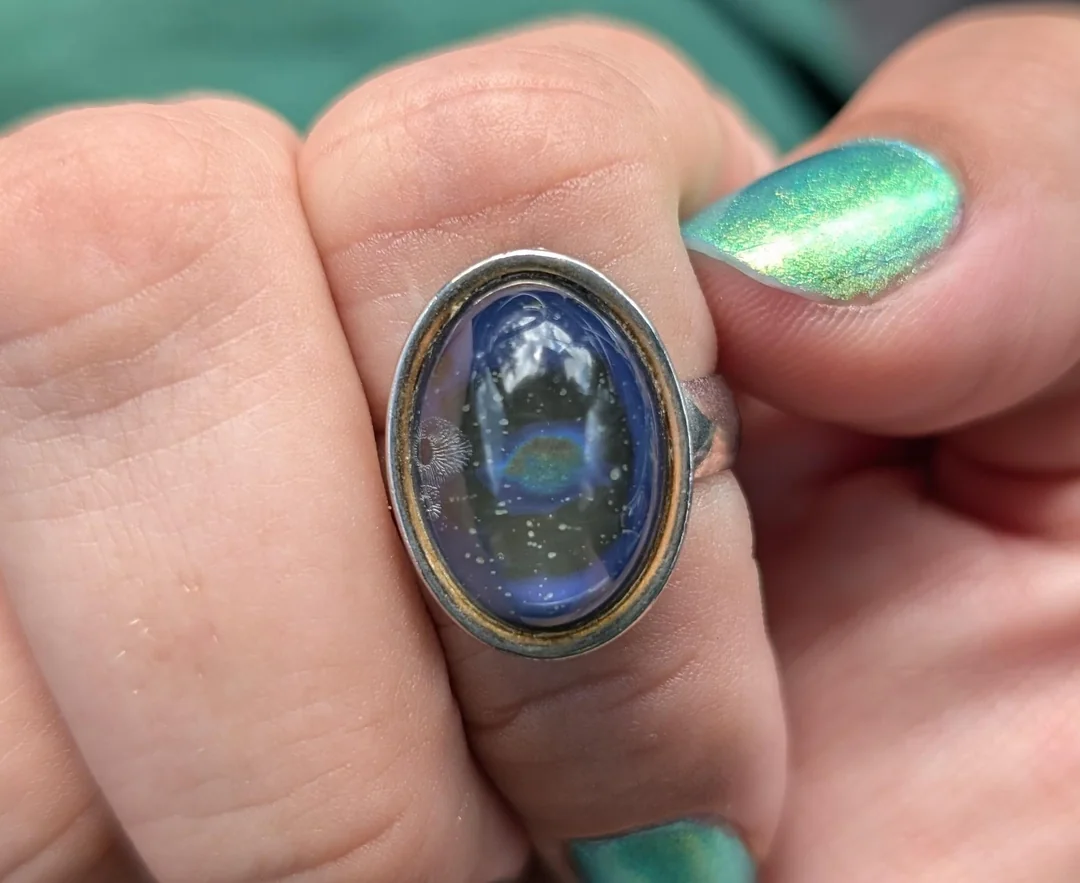
Invented in 1975, mood rings claimed to change color based on the wearer’s emotions. They became an instant phenomenon, selling millions of units within just a few months.
10. The Rubik’s Cube Wasn’t Actually Released Until the End of the Decade
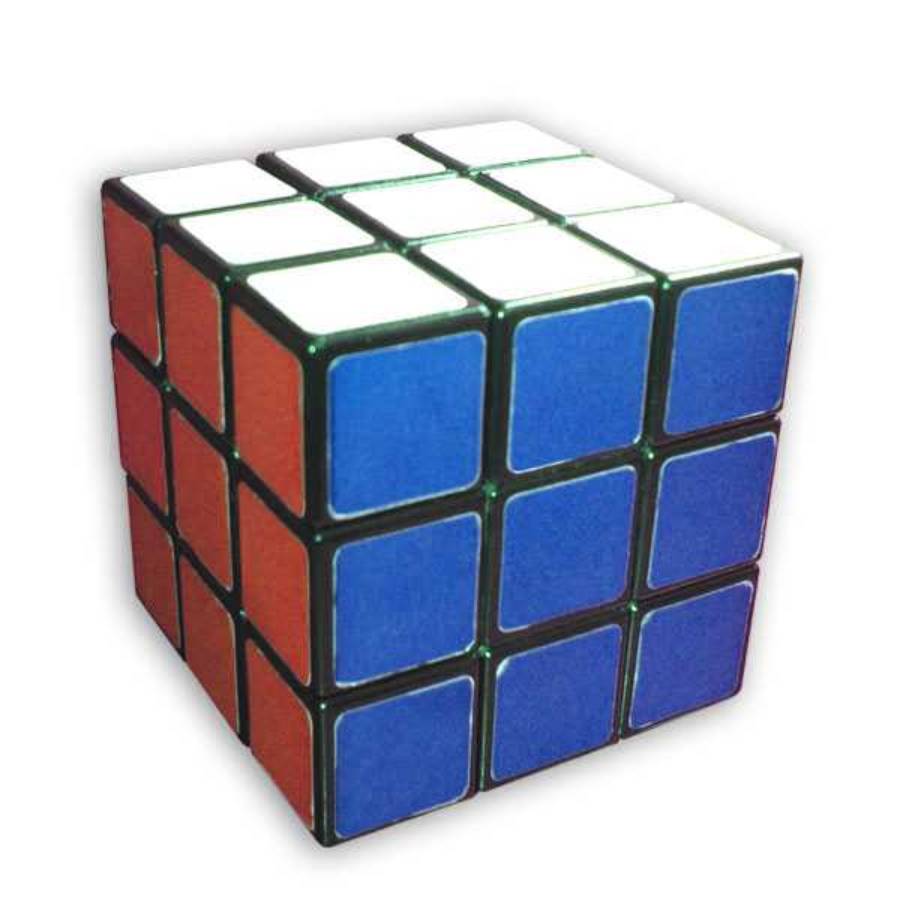
Though closely associated with the 1980s, the Rubik’s Cube was actually invented in 1974 by Hungarian architect Ernő Rubik.
11. Earth Day Launched a National Environmental Movement
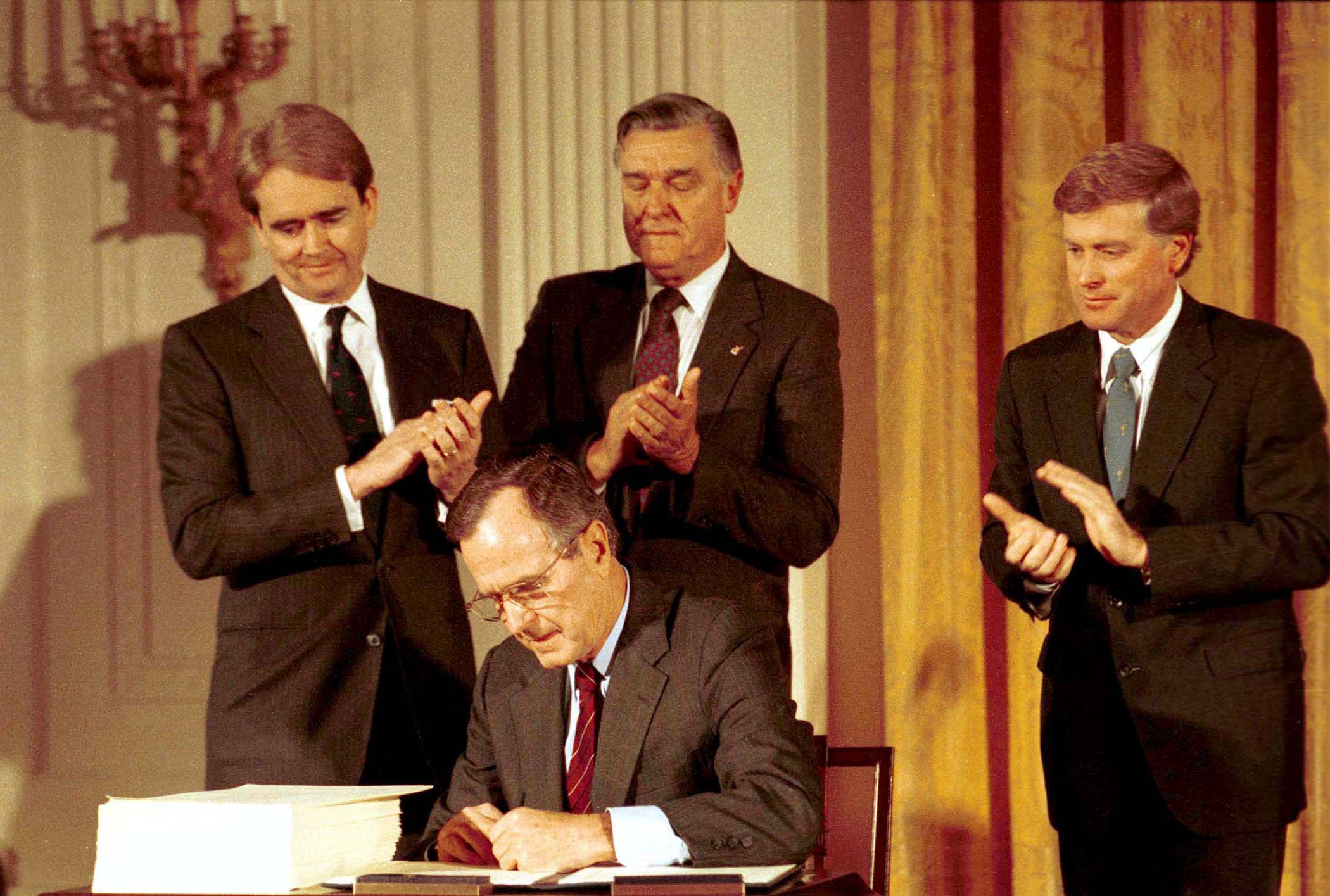
The first Earth Day took place in 1970, drawing an estimated 20 million participants across the country. It led directly to the creation of the Environmental Protection Agency later that same year. This momentum also helped push through landmark legislation like the Clean Air Act and Clean Water Act.
12. Home Computers Started as Kits
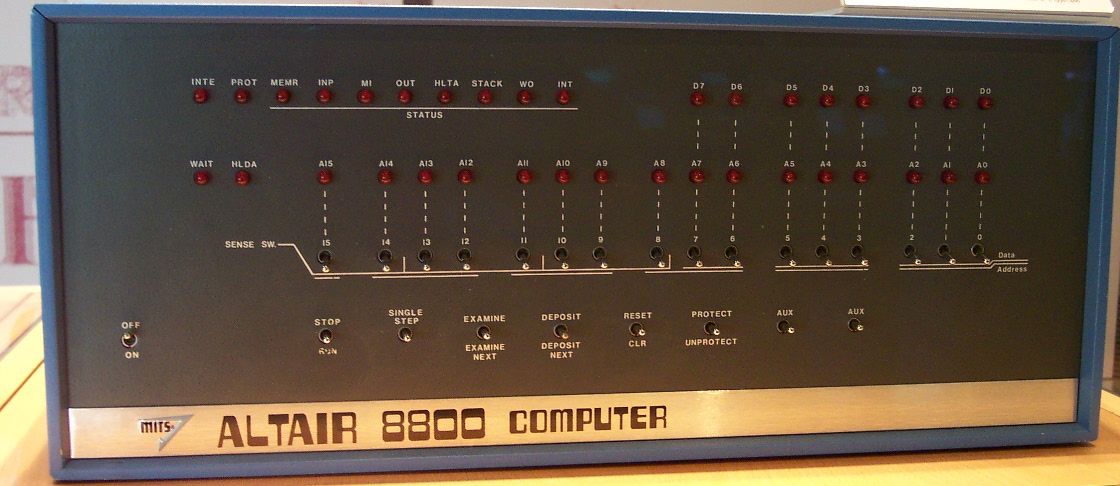
Long before computers sat on every desk, the mid-1970s saw the rise of build-it-yourself computer kits like the Altair 8800. These machines were marketed almost exclusively to hobbyists and required serious technical know-how just to assemble. Companies like Apple and Microsoft were both founded during this decade.
13. The Pet Rock Became a Million-Dollar Business
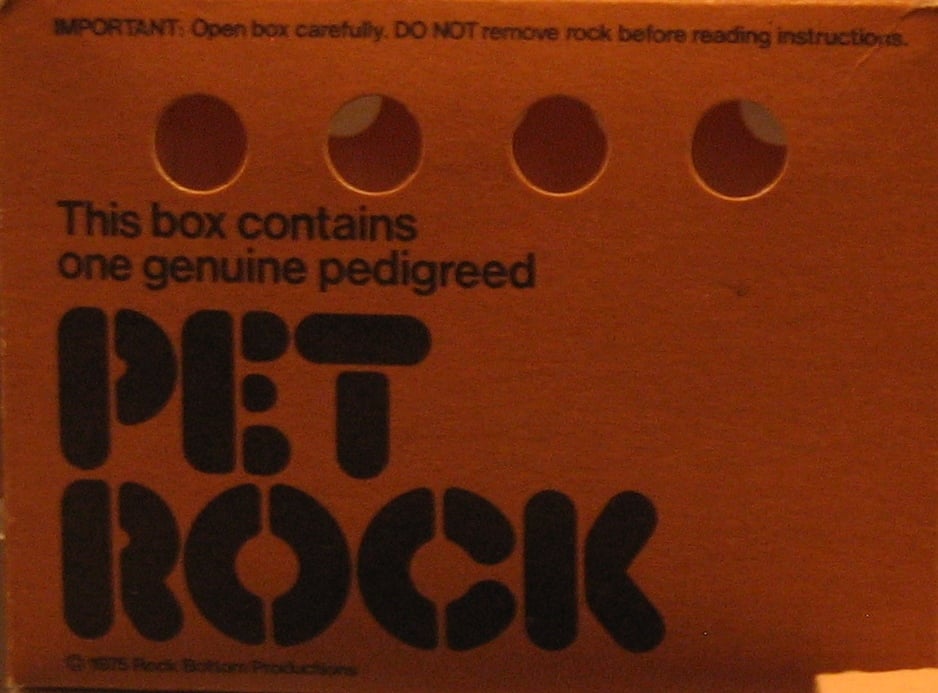
In 1975, an advertising executive turned ordinary rocks into a bestselling novelty gift. The Pet Rock became an overnight sensation. It remains one of the clearest examples of how marketing alone can turn something absurd into a cultural moment.
14. Roller Skating Rinks Were Packed Every Weekend
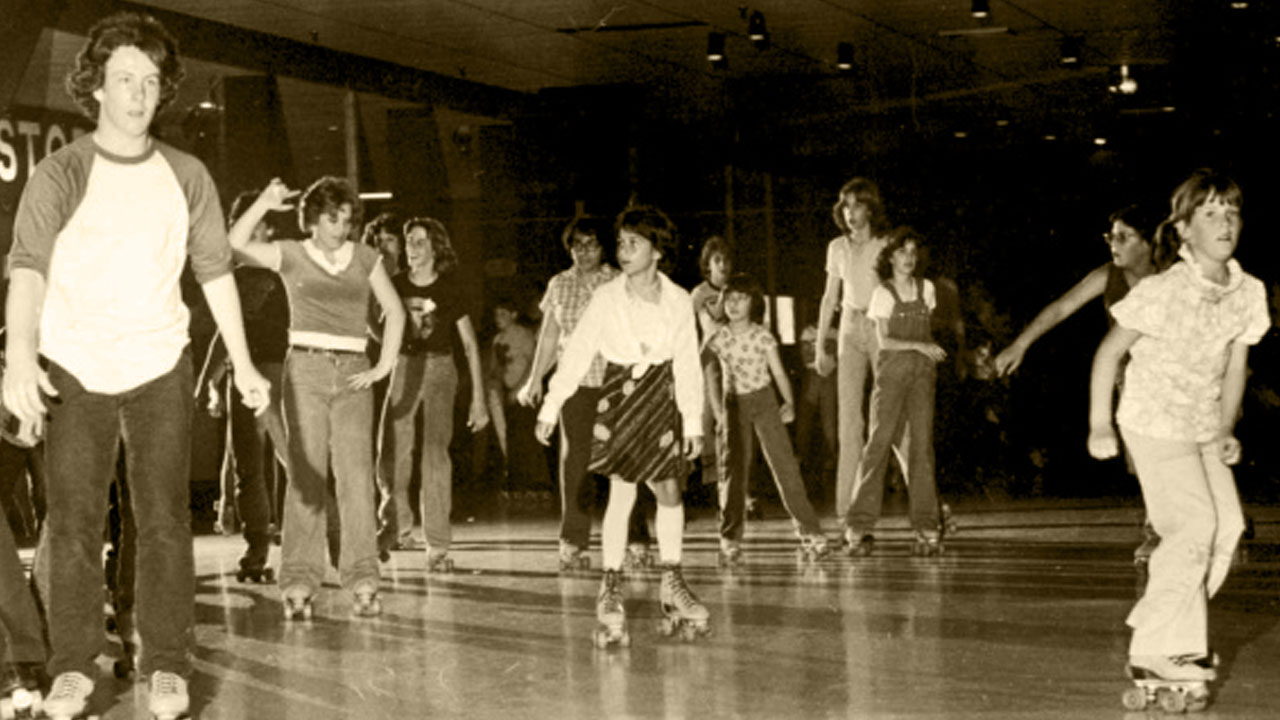
Roller rinks became a major social hub throughout the 1970s, often combined with disco music and colorful lighting to create an all-in-one entertainment experience. It was where teenagers gathered, socialized, and even dated.
15. The First Test-Tube Baby Was Born in 1978
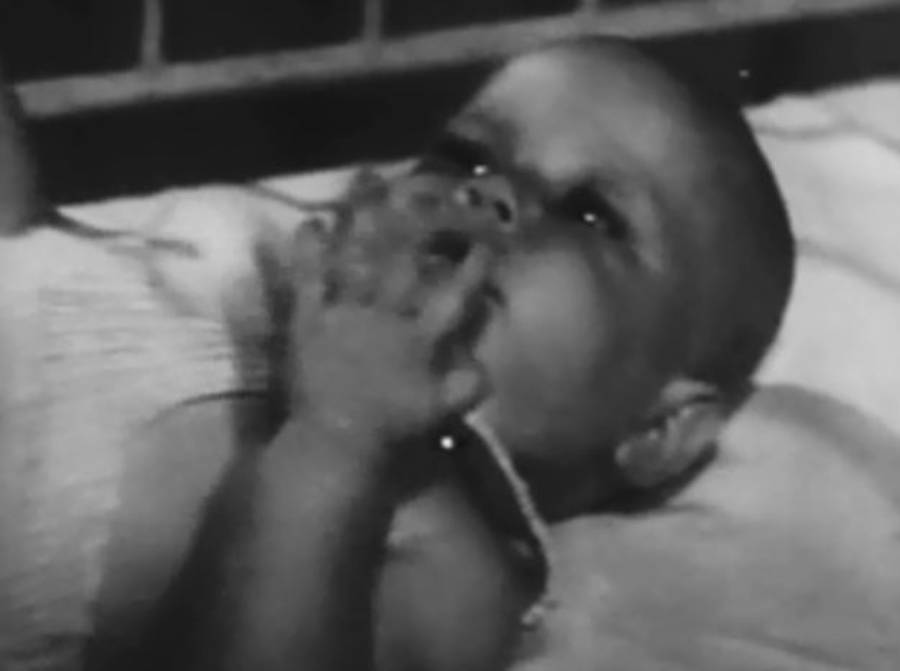
The birth of Louise Brown in England marked the first successful birth using in vitro fertilization, a medical breakthrough that seemed almost science fiction at the time. The procedure sparked ethical debates, but it also opened the door for millions of families struggling with infertility.
Still feeling that 70s nostalgia?
Relive it with 15 Things Kids Did in the 1970s That Would Be Unthinkable Today, a look back at the streetlight curfews and helmet-free bike rides that defined a whole generation’s childhood. Then step outside and see the decade in full color with 14 Colorized Photos Showing What America Looked Like in 1970, from muscle cars on Main Street to gas stations. And if those muscle cars caught your eye, don’t miss 18 Cars From the 1970s That Are Worth Much More Than Most People Expect Today, the rides that have quietly turned into six-figure collector gold.