

Technology has changed much more than the devices we use. It has quietly transformed the way we communicate, shop, work, travel, and even spend our free time. Many behaviors that feel completely normal today would have seemed strange or unnecessary in the late 2000s. Looking back, it’s surprising how quickly these habits became part of everyday life.
1. Checking Your Phone First Thing Every Morning

For millions of people, the first action of the day is reaching for a smartphone. Notifications, messages, emails, weather updates, and social media feeds create an immediate connection to the digital world before getting out of bed. Fifteen years ago, most people started their mornings without feeling the need to check a screen.
2. Using QR Codes for Everyday Tasks
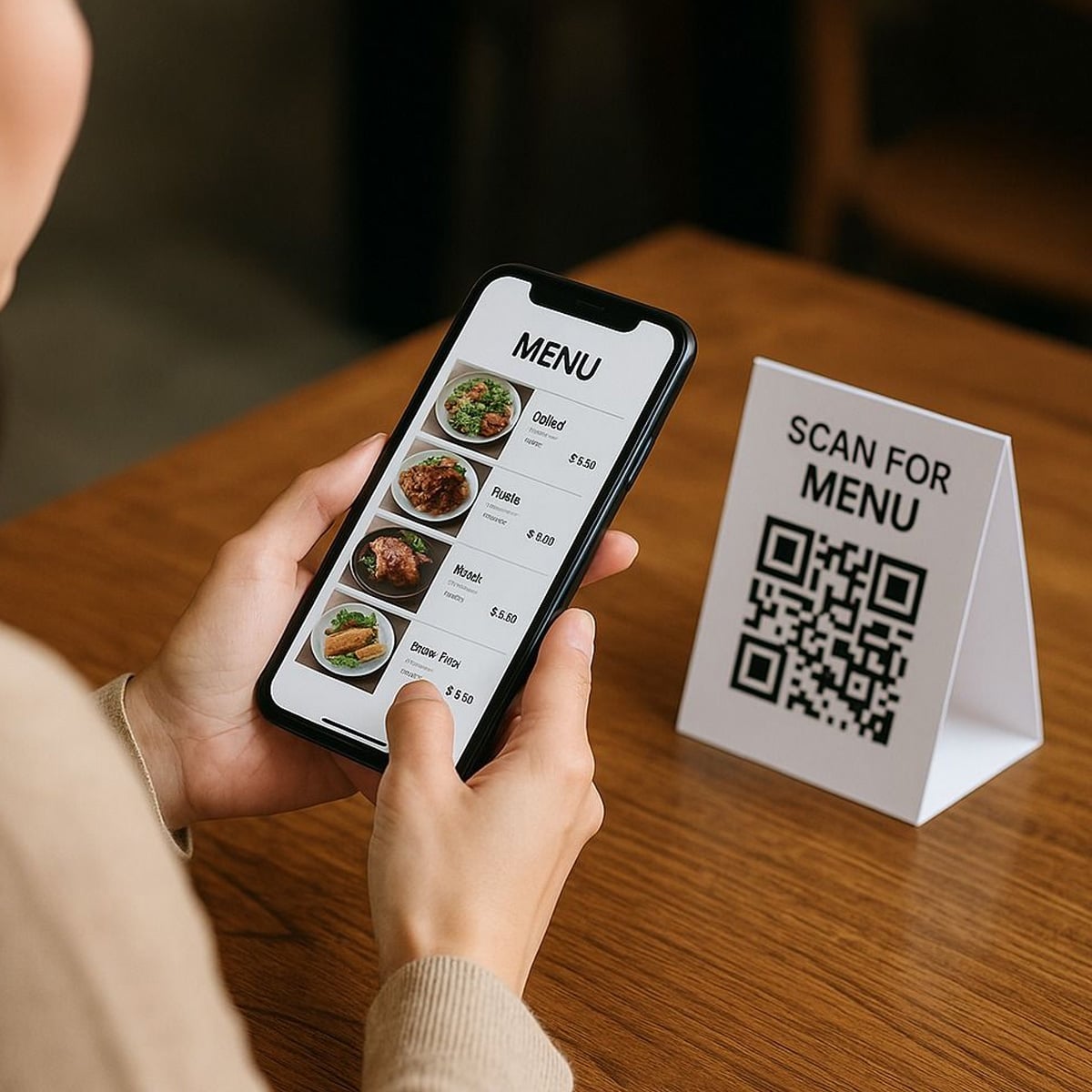
QR codes were around years ago but remained largely ignored. Today, they are everywhere, from restaurant menus and parking payments to event tickets and product information. Scanning a code with a phone has become one of the quickest ways to access services and information.
3. Watching Short Videos for Hours

The rise of platforms built around short-form content completely changed entertainment habits. Many people now spend significant amounts of time scrolling through endless streams of videos lasting only seconds. This style of media consumption barely existed before smartphones and modern social platforms.
4. Sending Voice Messages Instead of Calling

Voice notes have created a middle ground between texting and phone calls. People can communicate tone and emotion without requiring the other person to answer immediately. Fifteen years ago, leaving a voicemail was often the closest equivalent, but it was far less common in everyday conversations.
5. Tracking Daily Activity and Health Metrics

Counting steps, monitoring sleep quality, measuring heart rate, and tracking workouts have become routine for many people. Fitness watches and smartphone apps provide data that previous generations rarely had access to outside of professional medical settings.
Trending on Wealth Gang


6. Ordering Food Without Speaking to Anyone
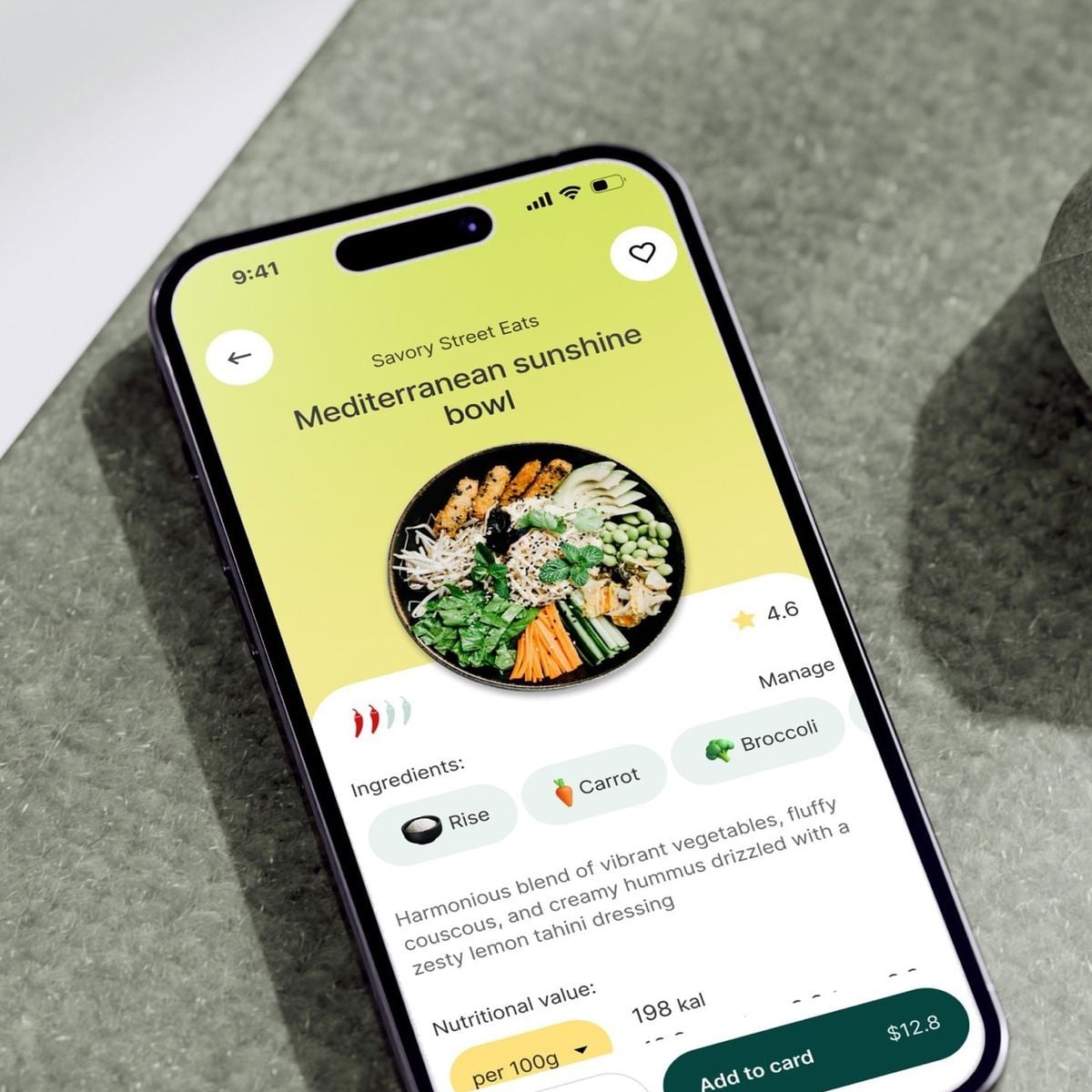
Food delivery once required a phone call and direct interaction. Today, many people can browse menus, place orders, pay, and track deliveries entirely through apps. The process has become so seamless that younger generations may never experience ordering dinner over the phone.
7. Taking Photos of Everyday Life Constantly

People now document meals, workouts, vacations, pets, and ordinary daily moments with remarkable frequency. While cameras existed before smartphones, carrying one everywhere and instantly sharing images with hundreds of people was not part of everyday life.
8. Paying with a Phone or Smartwatch

Digital wallets have changed the way people handle purchases. Tapping a phone or watch at checkout often feels more convenient than carrying cash or even a physical credit card. Fifteen years ago, this would have seemed futuristic to most consumers.
Sign up for our newsletter
9. Streaming Instead of Owning Media
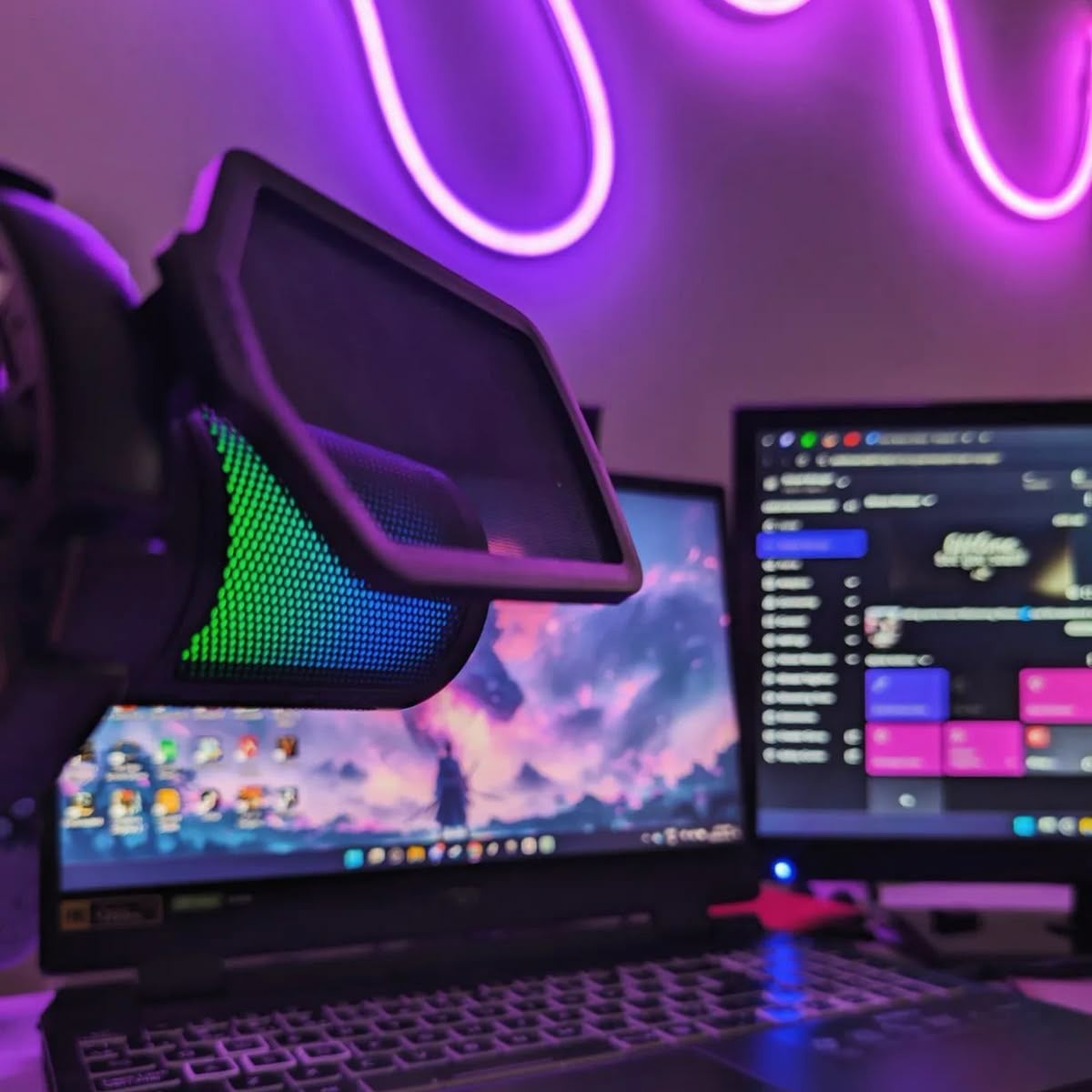
Many people no longer buy CDs, DVDs, or even digital downloads. Music, movies, television shows, and podcasts are streamed on demand through subscription services. Access has become more important than ownership, fundamentally changing consumer behavior.
10. Working and Collaborating Entirely Online

Remote work and cloud-based collaboration tools have made it possible for teams to operate from different cities, countries, and time zones. Virtual meetings, shared documents, and instant messaging have become routine parts of professional life
More Related Notes
10 Things That Became Popular Overnight and No One Saw Coming
A closer look at products that quietly became part of daily life, often spreading so quickly that few people stopped to question them.
• 12 recent inventions that people don’t realize are essential to everyday life
This article explores the social and technological shifts that continue to shape modern routines, communication, and lifestyles.
• 10 Technologies That Changed Everyday Life Faster Than Expected
A complementary read about the innovations that made many of today’s habits possible and transformed everyday life in just a few years.