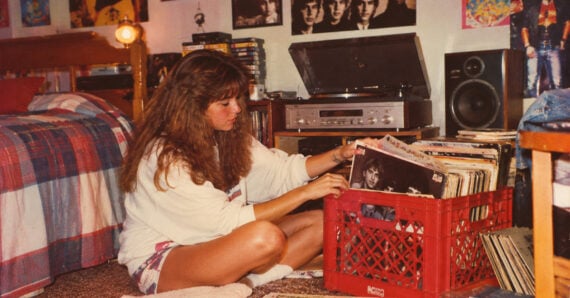

There was a time when “healthy” looked very different. It was a glass of juice waiting beside breakfast, a bran muffin grabbed on the way to work, margarine spread across toast, and a low-fat snack tucked into a lunch bag. If the package mentioned vitamins, fiber, or anything “diet,” it usually felt like the responsible choice.
Most people weren’t trying to make bad decisions. They were following the advice printed in magazines, repeated in commercials, and passed around kitchen tables. Nutrition science and public-health guidance have evolved, and some of those once-familiar health habits now come with important caveats. Looking back at them feels a little like opening an old pantry and realizing how much has changed.
1. Starting Every Morning With a Big Glass of Orange Juice

Breakfast didn’t seem complete without it. The carton came out with the cereal and coffee, and orange juice was practically shorthand for a healthy morning because everyone knew it contained vitamin C. Today, whole fruit is generally preferred because it retains fiber and is usually more filling, while juice can deliver a lot of sugar quickly.
2. Choosing Margarine Instead of Butter

u/rarepinkhippo / Reddit.com
For years, the little plastic tub in the refrigerator represented the sensible alternative to butter. Margarine was widely promoted as a heart-conscious choice, although formulations varied and some older products contained substantial trans fats. Modern guidance distinguishes among different types of fats rather than treating margarine as automatically healthier.
3. Eating a Giant Bran Muffin Because It Had Fiber
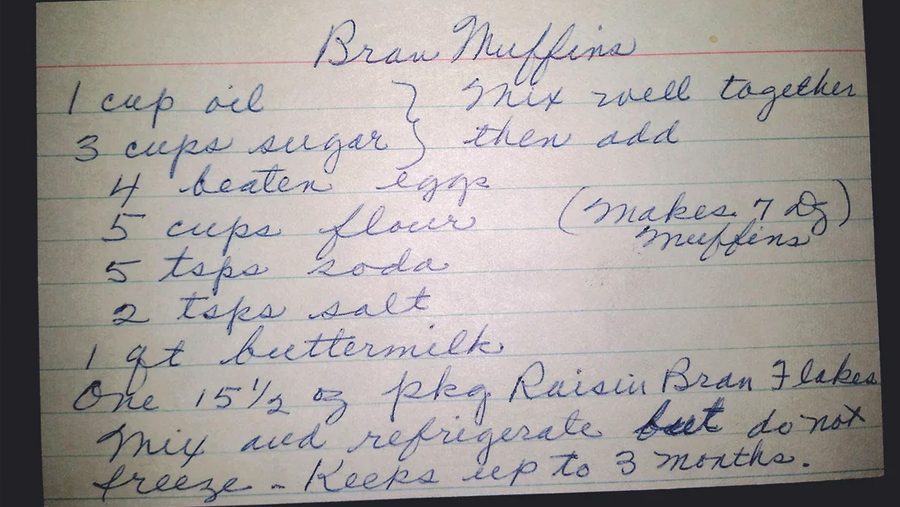
The word “bran” did a remarkable amount of work. Coffee shops and bakeries sold enormous muffins that felt virtuous next to doughnuts, even when some contained plenty of refined flour, added sugar, and calories. The bran wasn’t necessarily the problem. The health halo around the entire muffin was.
4. Keeping a Bowl of Canned Fruit Cocktail in the Refrigerator
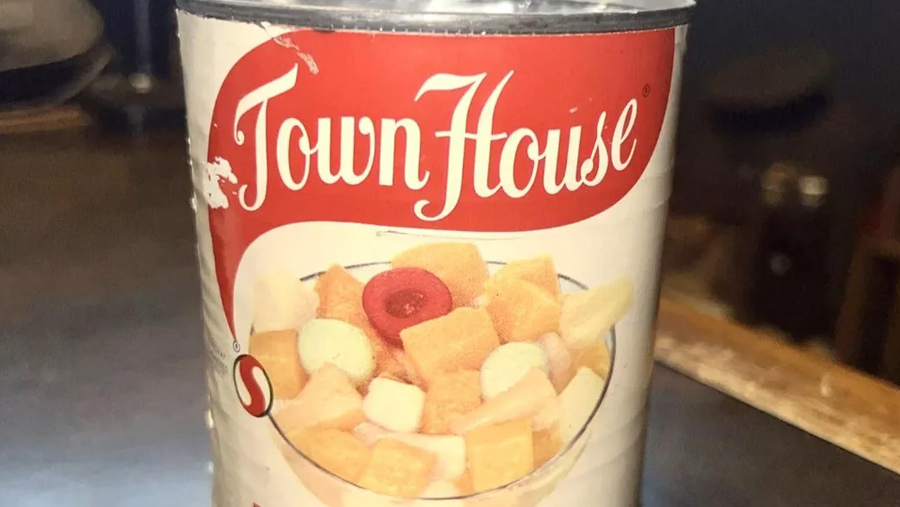
Those little peaches, pears, grapes, and bright red cherries looked wholesome because, technically, it was fruit. Fruit cocktail was a familiar dessert and lunchbox side, but versions packed in heavy syrup could come with considerable added sugar.
5. Giving Kids Fruit Snacks Instead of Candy
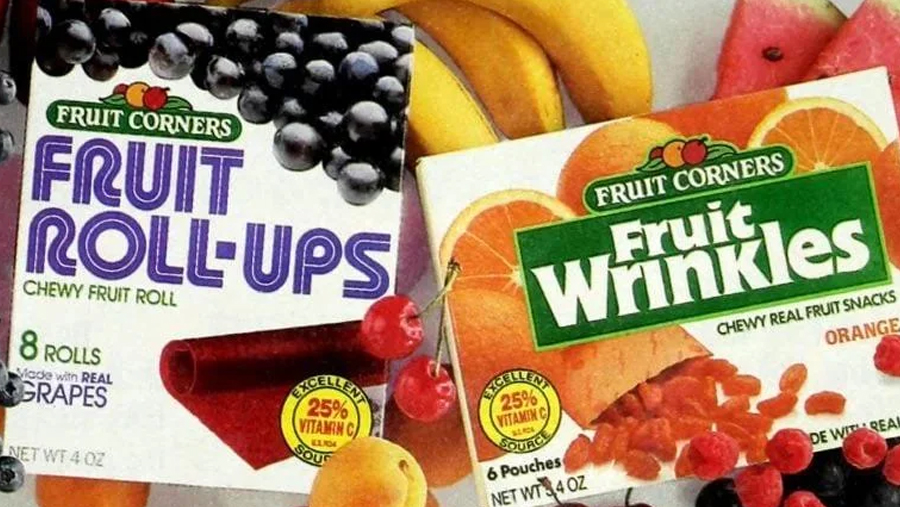
They had “fruit” right there in the name, sometimes alongside pictures of strawberries and oranges. That was enough to make many lunchboxes feel a little healthier. Yet many fruit snacks were closer nutritionally to chewy candy than to eating an actual piece of fruit.
Trending on Wealth Gang


6. Ordering a Frozen Yogurt Because It Was the “Healthy” Dessert
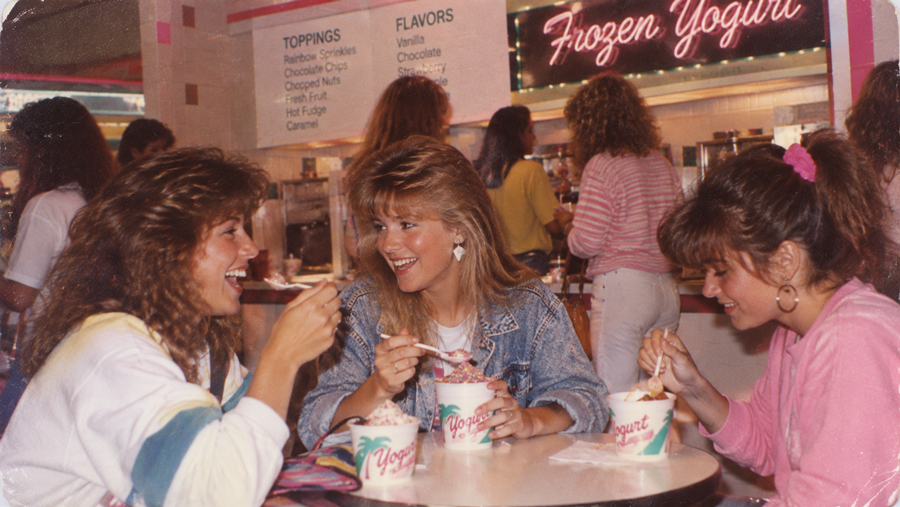
The frozen yogurt shop felt like the responsible version of the ice cream parlor. By the late 1980s and 1990s, people could pile a cup high and still feel they had chosen wisely. Depending on the product and toppings, though, sugar and calories could quickly erase much of that perceived advantage.
7. Drinking Diet Soda With Lunch Every Day
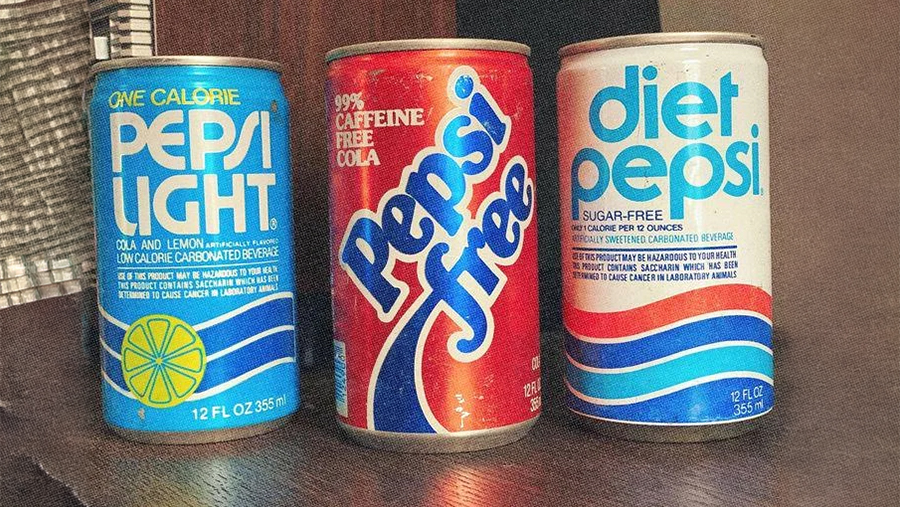
A can marked “diet” seemed almost self-explanatory. It had fewer or no calories compared with regular soda, which made it enormously appealing during the diet-conscious decades. Today, guidance around artificially sweetened drinks is more nuanced, and water remains the straightforward everyday choice.
8. Buying Anything That Said “Low-Fat”
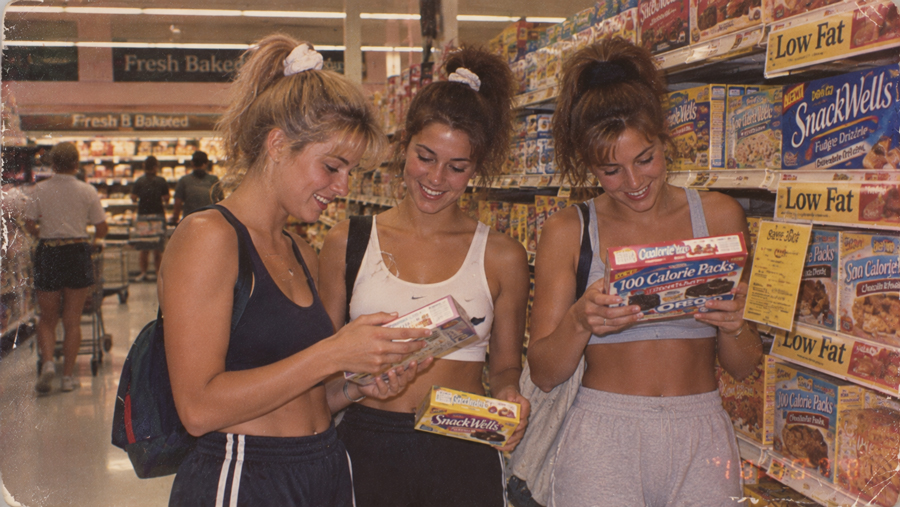
The words became almost magical during the low-fat boom. Cookies, yogurt, frozen desserts, crackers, and countless other foods suddenly looked healthier once fat was reduced. Sometimes manufacturers compensated with added sugars or refined starches, making “low-fat” a poor shortcut for judging the overall nutritional quality of a food.
Sign up for our newsletter
9. Eating Granola by the Bowlful
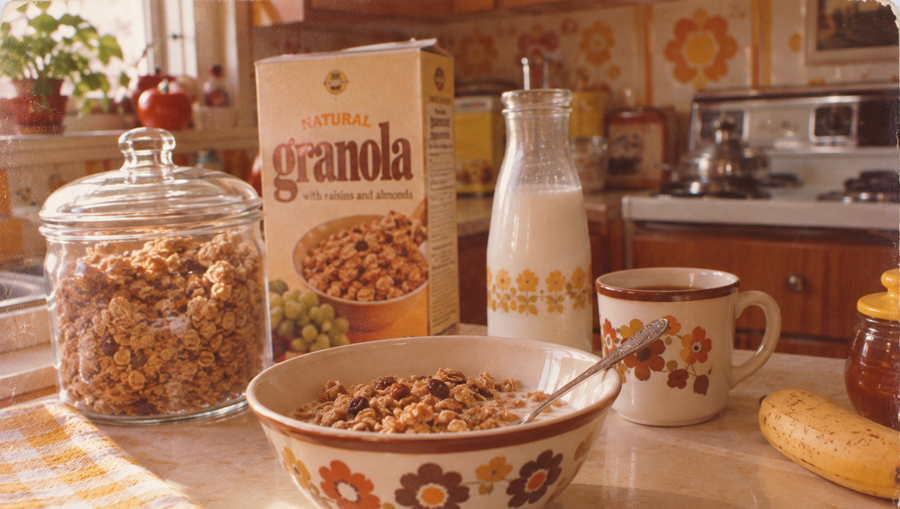
Granola belonged to the hiking, whole-grain, natural-food world, so it acquired an exceptionally wholesome reputation. But some commercial versions were dense with sweeteners and oils. Granola can certainly fit into a balanced diet, but the old assumption that any bowl of it was automatically light and healthy didn’t always hold up.
10. Reaching for Rice Cakes When Trying to Lose Weight
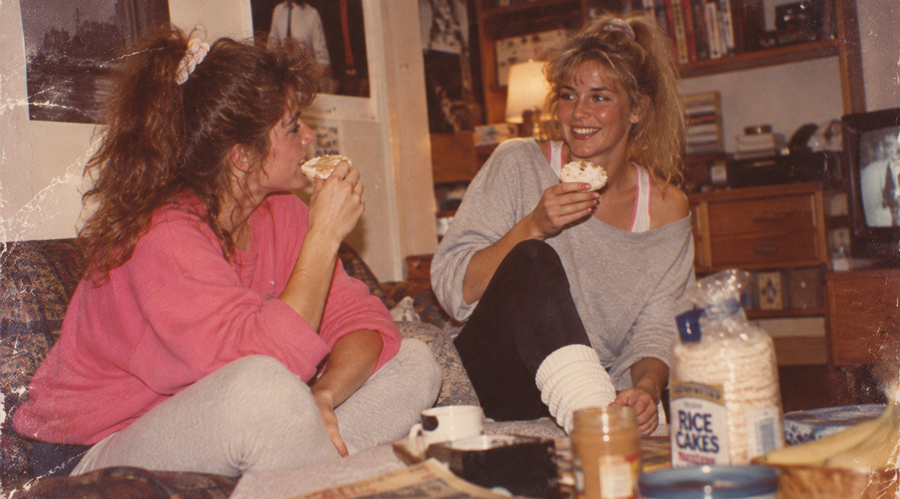
There was something about that dry crunch that practically announced “diet food.” Rice cakes became a familiar desk-drawer and afternoon snack, especially during the 1980s and 1990s. Plain varieties can be low in calories, but they’re also often low in protein and fiber, so eating them alone may not be especially satisfying.
11. Pouring a Huge Bowl of “Healthy” Breakfast Cereal
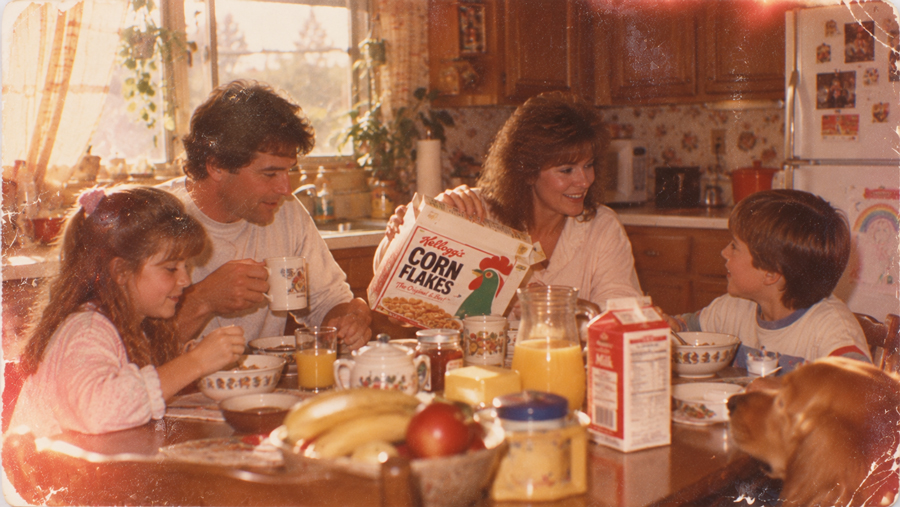
A cereal box covered in words like “fortified,” “whole grain,” and “vitamins” could make breakfast feel nutritionally settled. Some cereals genuinely provide useful nutrients, but others that carried a healthy image also contained significant added sugar. The front of the box didn’t always tell the whole story.
12. Eating Deli Turkey Sandwiches Almost Every Day

Turkey had the reputation of being the lean, sensible sandwich filling. Brown-bag lunches were filled with it, often accompanied by lettuce and something labeled light. Today, processed deli meats are generally recommended in moderation because they can be high in sodium and processing methods matter.
13. Drinking Sports Drinks After Any Kind of Exercise

The brightly colored bottle made a workout feel serious. Sports drinks can be useful during prolonged or intense exercise when carbohydrates and electrolytes need replacing, but for ordinary activity many people don’t need the added sugars or electrolytes. Water often does the job perfectly well.
14. Replacing Breakfast With a Diet Shake
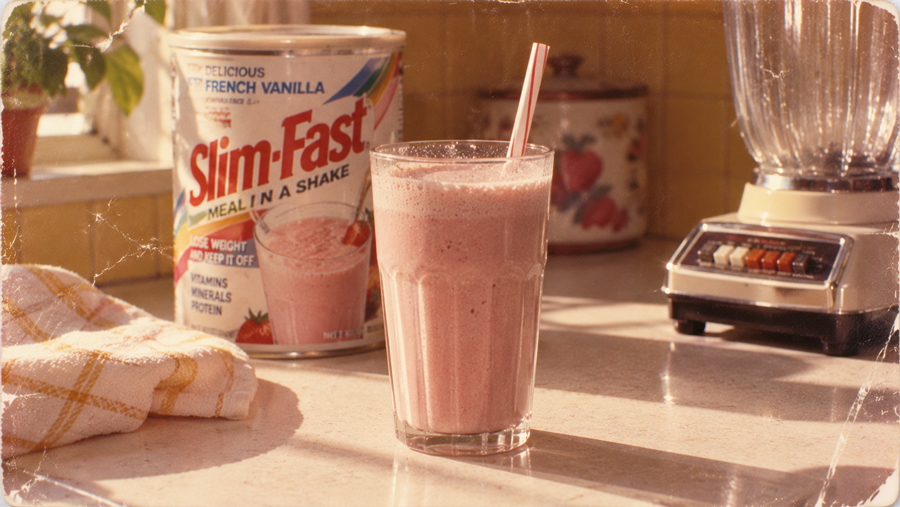
A can or powdered shake beside the blender looked wonderfully efficient. Diet culture promised that carefully measured liquid could simplify weight control without all the complication of an actual meal. Meal-replacement products still have specific uses, but relying on highly processed shakes isn’t automatically healthier than eating a balanced meal made from whole foods.
15. Treating a Baked Potato as a “Diet Dinner”

There was an era when a plain baked potato seemed to appear in every diet plan. Then came the toppings: margarine, low-fat cheese, sour cream substitutes, bacon bits, or whatever made the supposedly virtuous dinner easier to enjoy. Potatoes themselves can absolutely be part of a healthy diet. What feels dated is the idea that one particular food could become a universal shortcut to eating “healthy.”
More Related Notes
14 Snacks From the ’80s We Wish Still Existed
From colorful treats to discontinued favorites, these nostalgic snacks bring back the flavors many people associate with growing up in the 1980s.
15 School Supplies From the 1980s That Kids Wouldn’t Recognize Today
These once-common classroom essentials offer a nostalgic look at school life before digital tools transformed how students learned and worked.
15 Forgotten 1980s Household Gadgets That Vanished
These once-familiar household gadgets were part of everyday life in the 1980s, but changing technology and habits eventually made them disappear.