Before modern appliances, plumbing, and electricity became common, keeping a home running required hours of hard physical work. Chores that take us minutes today, like washing clothes or cooking a meal, used to fill a family’s entire day. Every task involved multiple steps and manual labor, making the household routine a daily challenge.
Many of these chores depended on the seasons and available resources. Families had to preserve meat for the winter, make their own clothes by hand, and keep fires burning constantly just to survive. Looking back at these times shows how much modern technology has saved us time and transformed our lives.
1. Washing Clothes
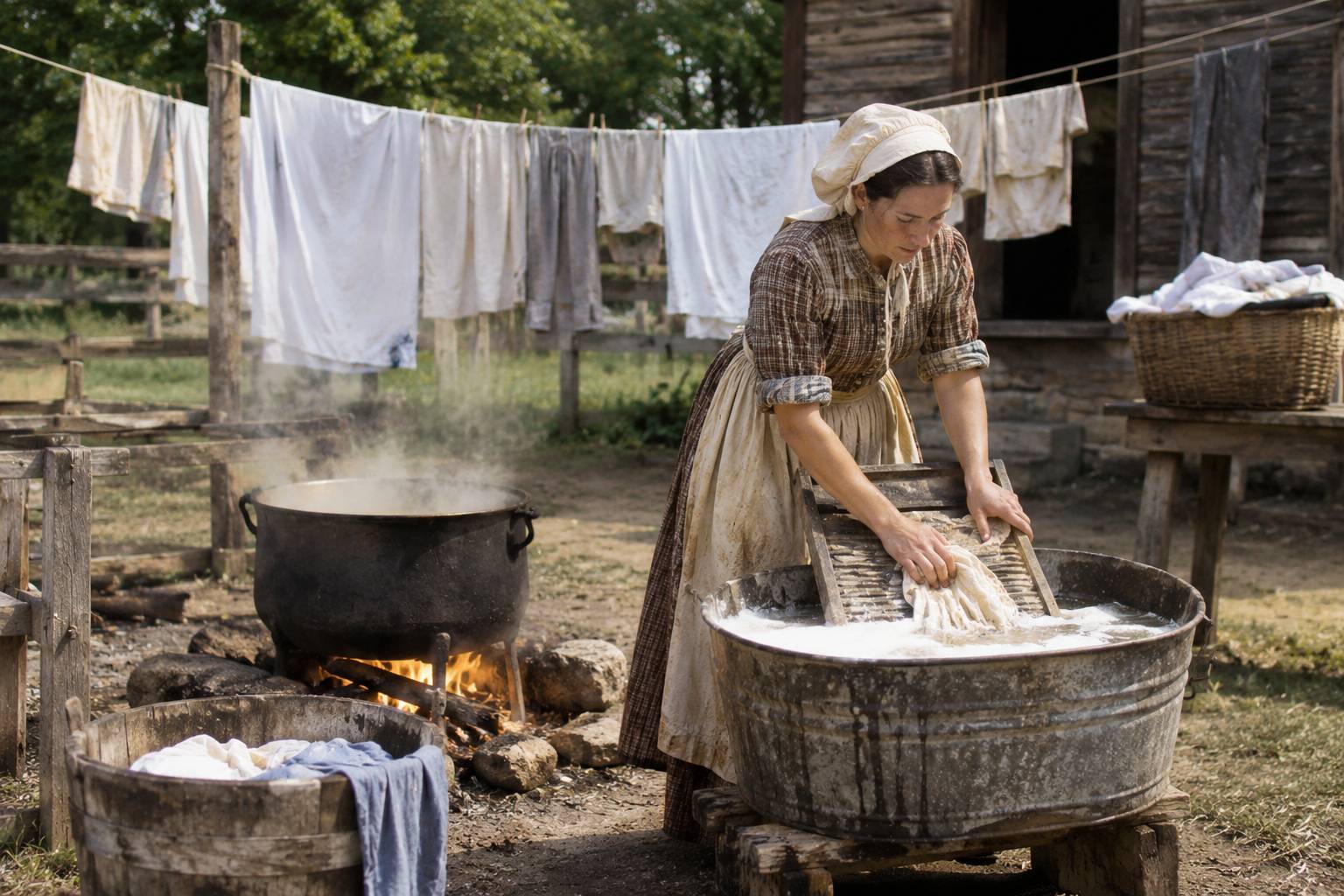
Before automatic washing machines, laundry involved hauling water, heating it, soaking garments, scrubbing stains, rinsing clothes, and hanging everything out to dry. The National Park Service documents how laundresses at Fort Scott in the 1840s spent entire days washing clothing for soldiers, with each laundress responsible for 15 men.
2. Ironing a Family’s Clothes
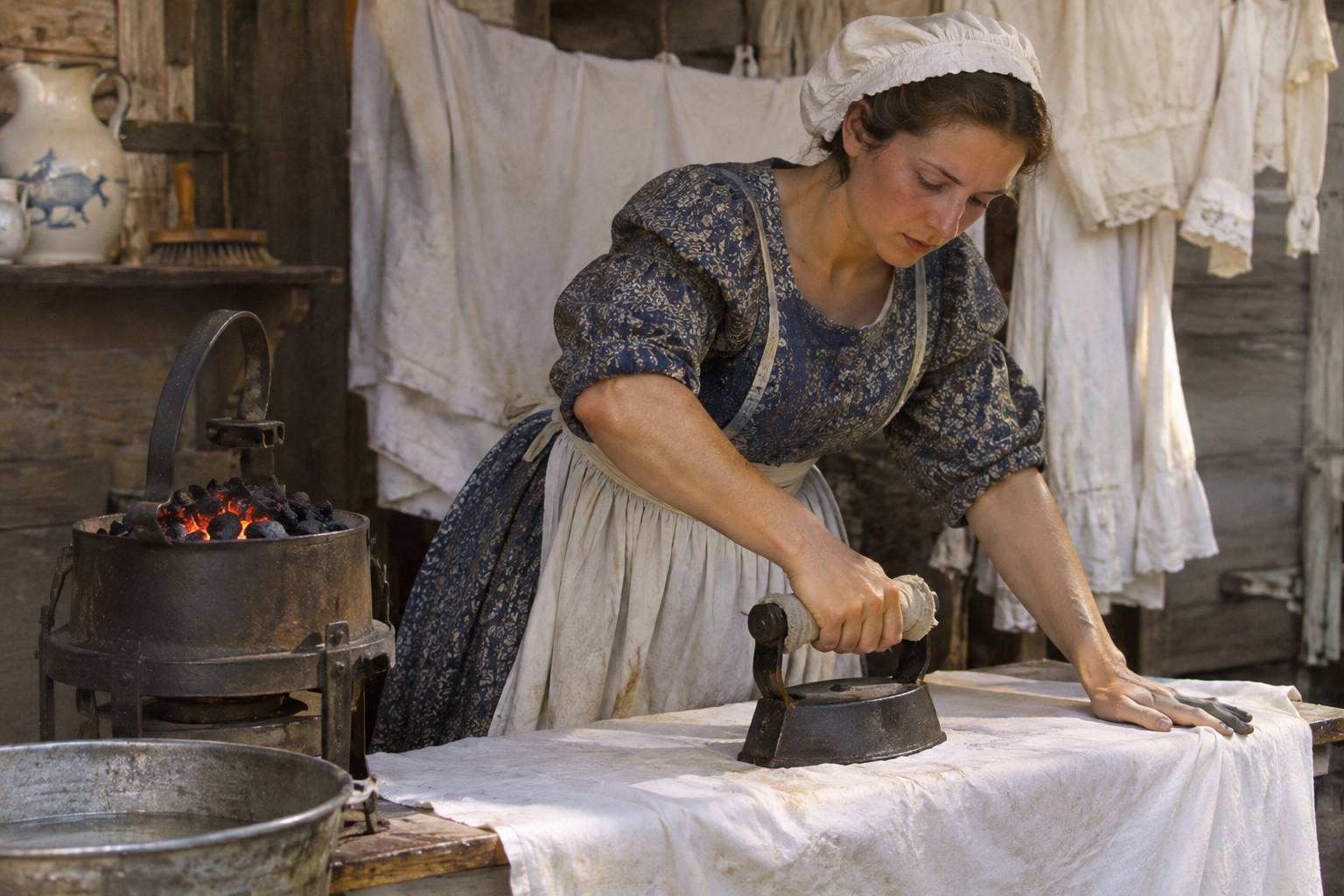
Ironing in the 19th century required more preparation than plugging in a device and waiting for it to warm up. Houses used heavy flat irons heated over hot coals, and the irons had to be reheated several times as they cooled. The National Park Service explains that laundresses at Fort Scott sprinkled clothing with water before ironing and wrapped hot iron handles with cloth to protect their hands.
3. Collecting Water

Before indoor plumbing, families collected water from wells, outdoor pumps, or nearby natural sources for cooking, laundry, and bathing. Water had to be carried outside after use, adding extra labor to almost every household activity. According to the U.S. Census Bureau, 45% of American housing units lacked complete plumbing facilities in 1940.
4. Cleaning Carpets
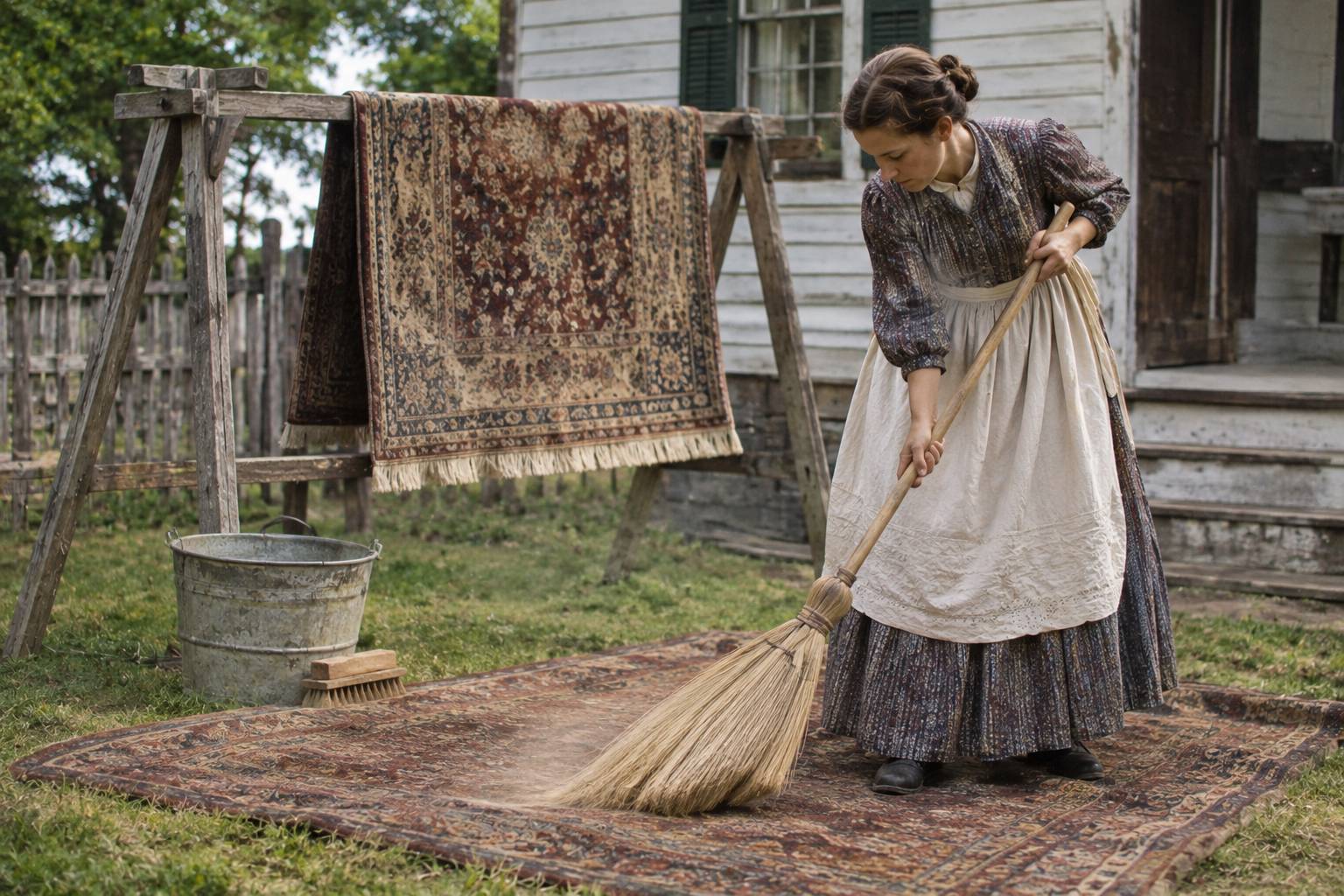
Before electric vacuum cleaners, cleaning carpets required more physical effort than running a machine across the floor. The Smithsonian explains that during the 19th century, families swept carpets with corn brooms and sometimes hauled rugs outdoors once or twice a year. Electric vacuum cleaners made it possible to remove dirt without moving carpets outdoors.
5. Scrubbing Floors
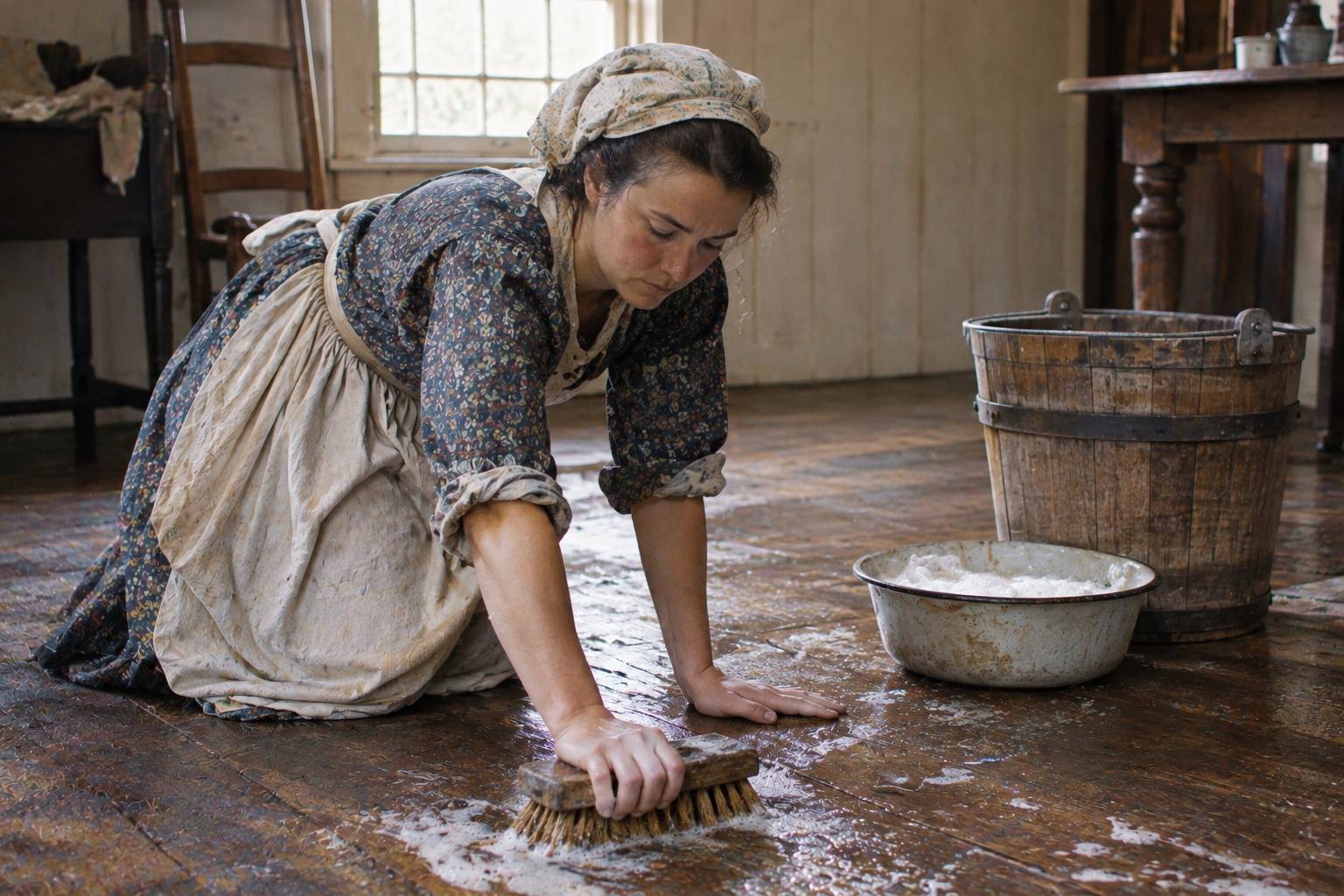
Before modern floor-care products, families often cleaned floors using water, homemade soap, and hand-operated brushes or scrubbers. Cleaning a house with multiple rooms required repeated bending, scrubbing, rinsing, and handling dirty water.
Trending on Wealth Gang


6. Washing Dishes
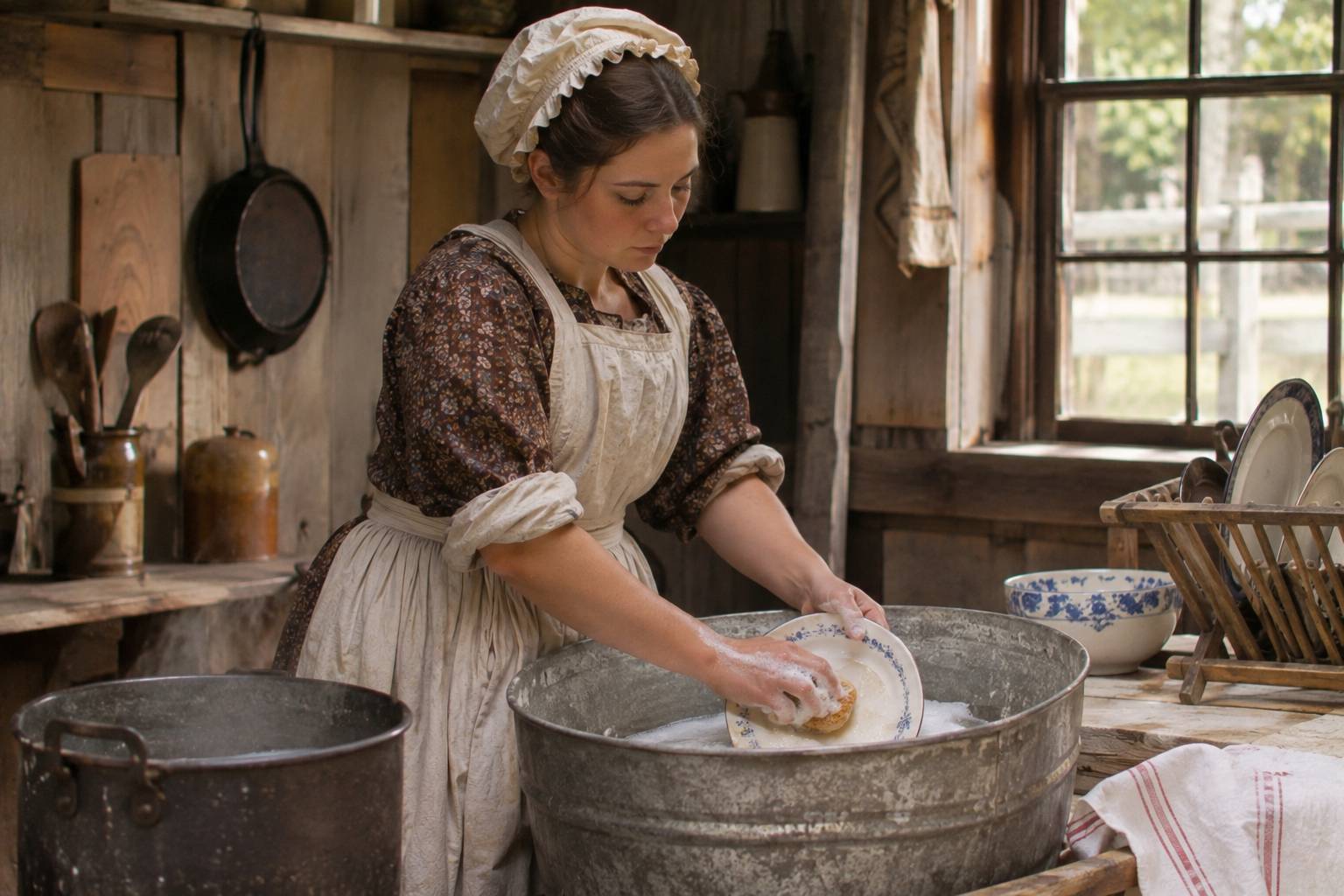
Before automatic dishwashers, families frequently had to bring water home and heat it before washing dishes. After meals, they scrubbed cooking pots, plates, and utensils by hand, dried them, and disposed of the used water. Modern plumbing and dishwashers have removed several labor-intensive steps, although handwashing dishes remains common.
7. Baking Bread
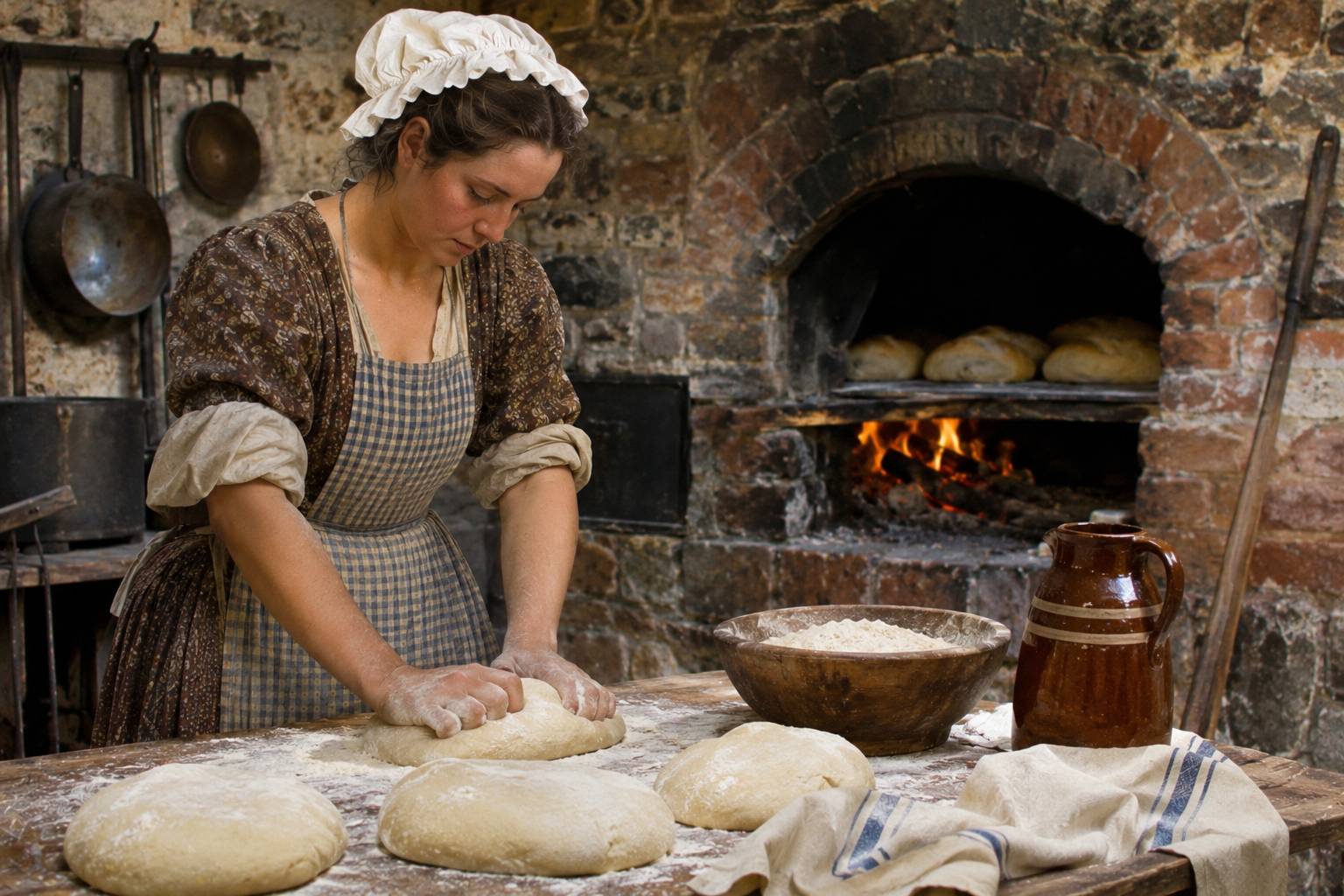
Before commercially baked bread was available, families frequently prepared bread at home by mixing dough, allowing it to rise, and baking it. At Pennsylvania’s Hopewell Furnace, the National Park Service reports that bread baking was typically a weekly chore, and the large oven could accommodate up to 24 loaves at once.
8. Preparing a Family Bath
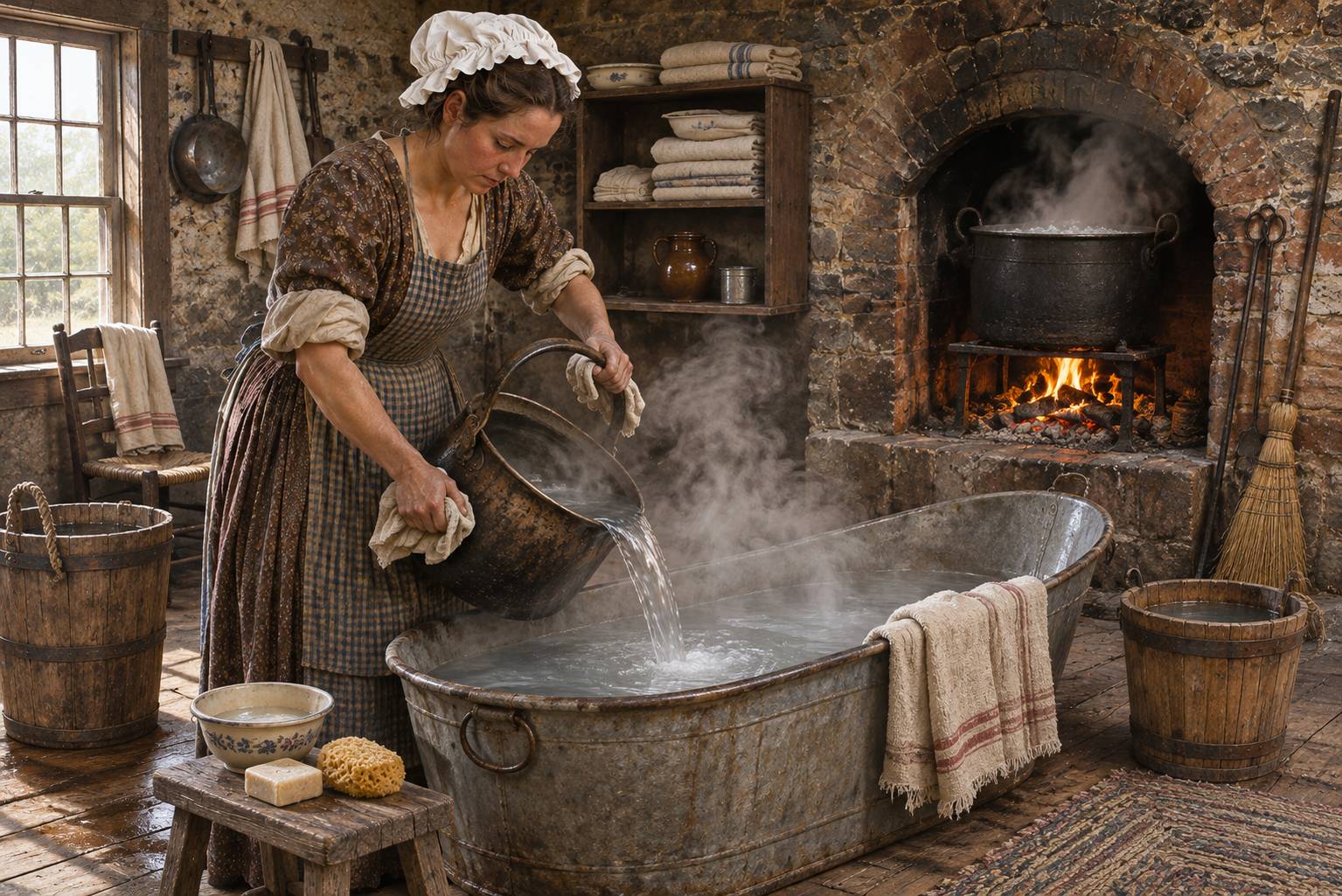
Bathing was more complicated for families who lived without indoor plumbing or reliable hot water. Water often had to be collected, heated over a fire or stove, and transferred into a tub. Modern water heaters, bathtubs, and plumbing systems have eliminated most of the preparation that once made bathing difficult.
Sign up for our newsletter
9. Preserving Fruits & Vegetables
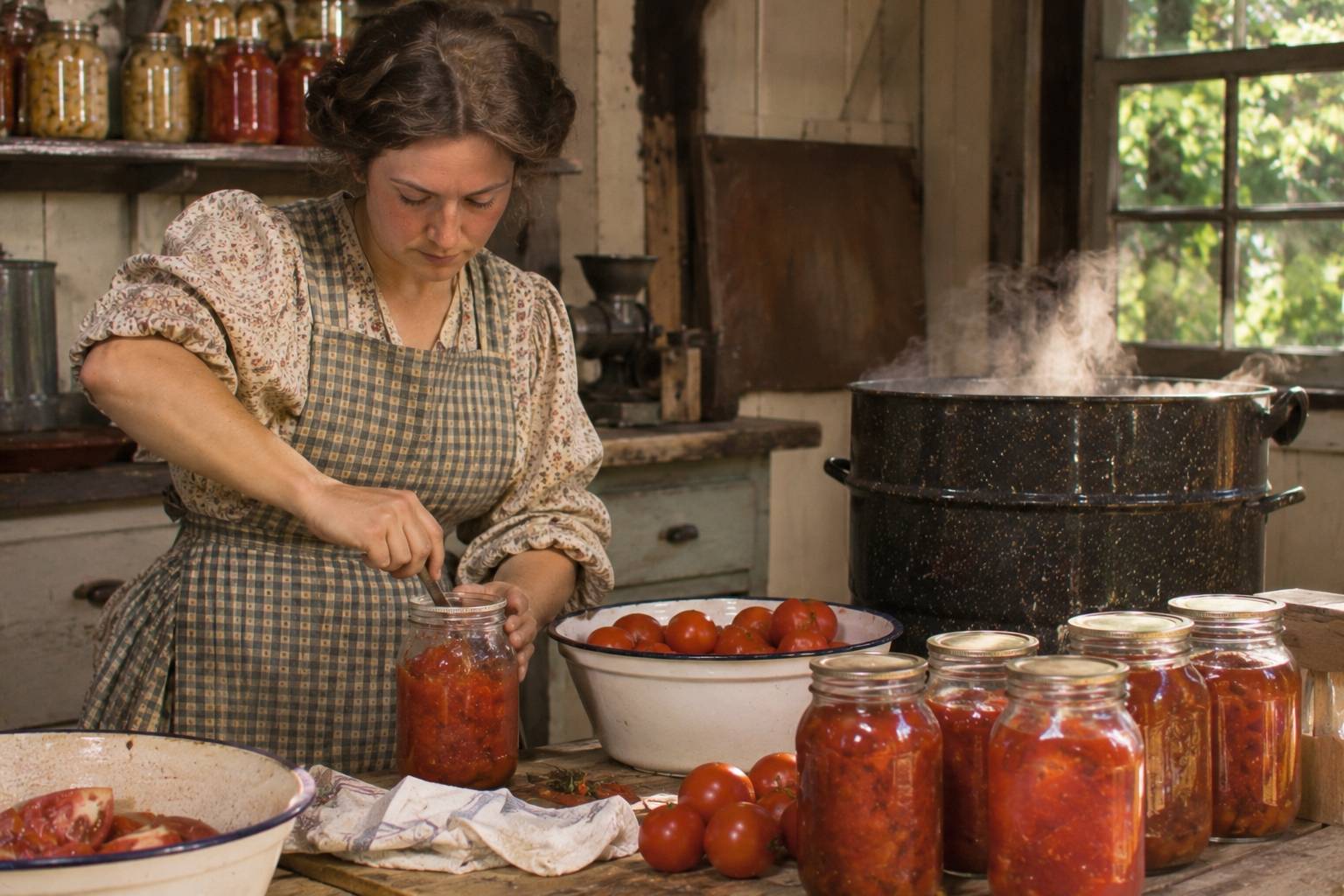
Before refrigerators, freezers, and commercially preserved foods became accessible, many houses depended on seasonal food preservation to stock their kitchens. Preparing large quantities of produce required washing, peeling, chopping, packing, and processing the food. According to the USDA, American houses and community canning centers preserved more than four billion jars of food in 1943, when World War II rationing encouraged families to preserve their harvests.
10. Making Butter
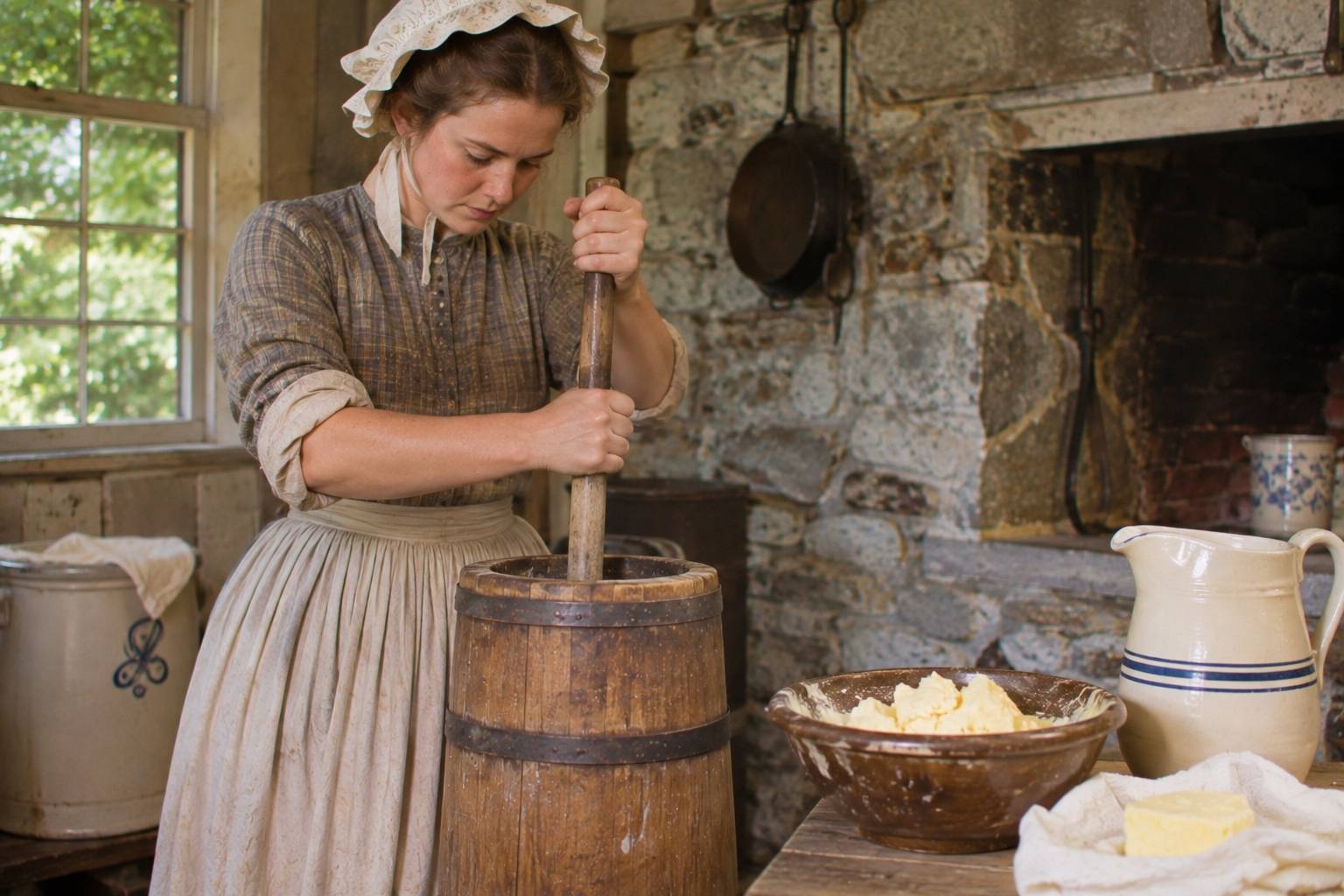
In dairy-producing households, making butter required separating cream from milk and churning it until the fat formed solid butter. The butter then needed to be worked, washed, and prepared for storage, adding more steps to the process. Commercial dairy processing eventually made butter something most Americans could purchase.
11. Sewing Clothes
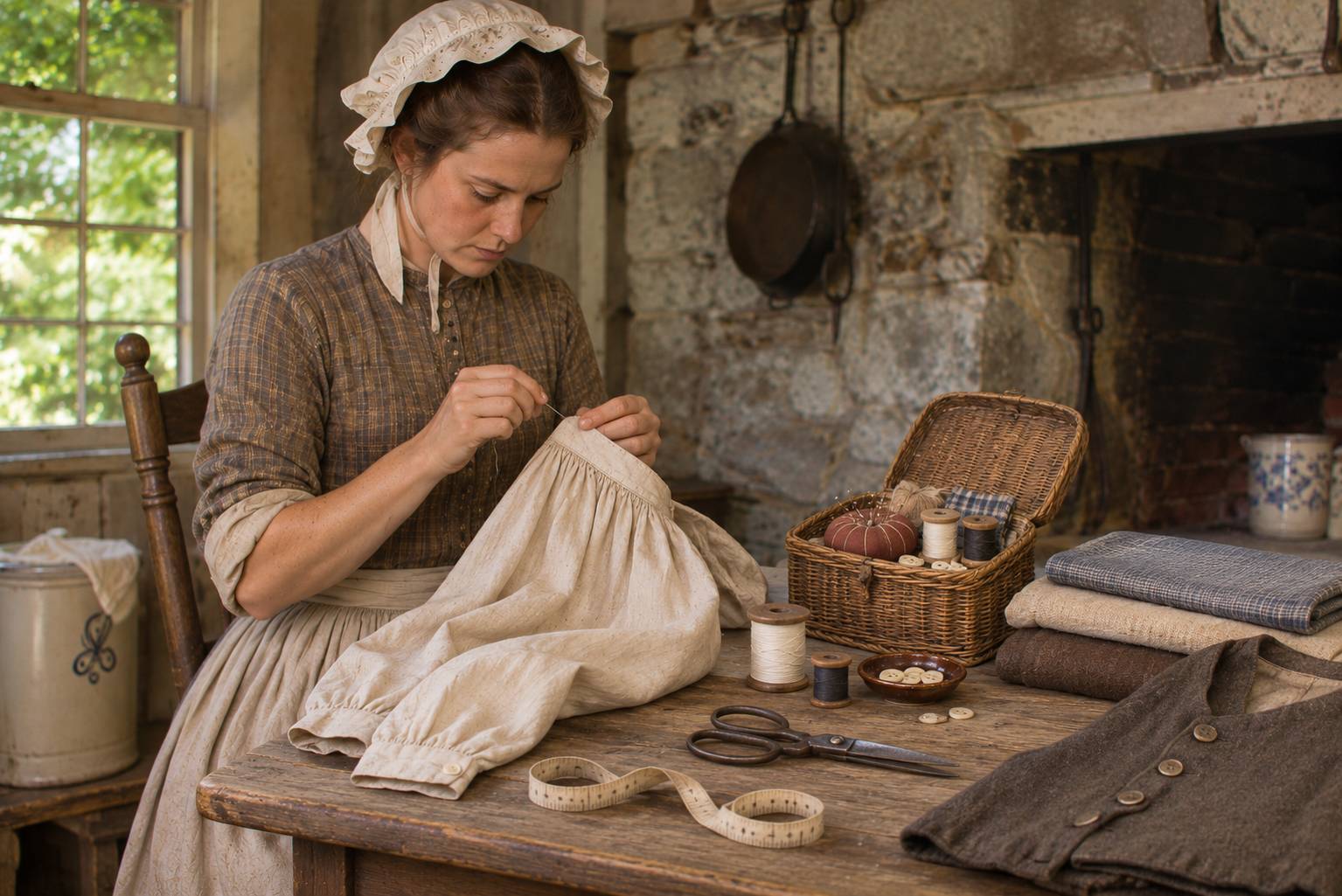
Before factory-made clothing, making garments at home was a responsibility in many houses. Sewing shirts, dresses, and other clothes by hand required measuring, cutting fabric, stitching seams, and fitting garments. The Library of Congress documents how sewing, knitting, and other textile work occupied substantial amounts of women’s time, including work performed by paid and enslaved laborers.
12. Spinning and Weaving Fabric
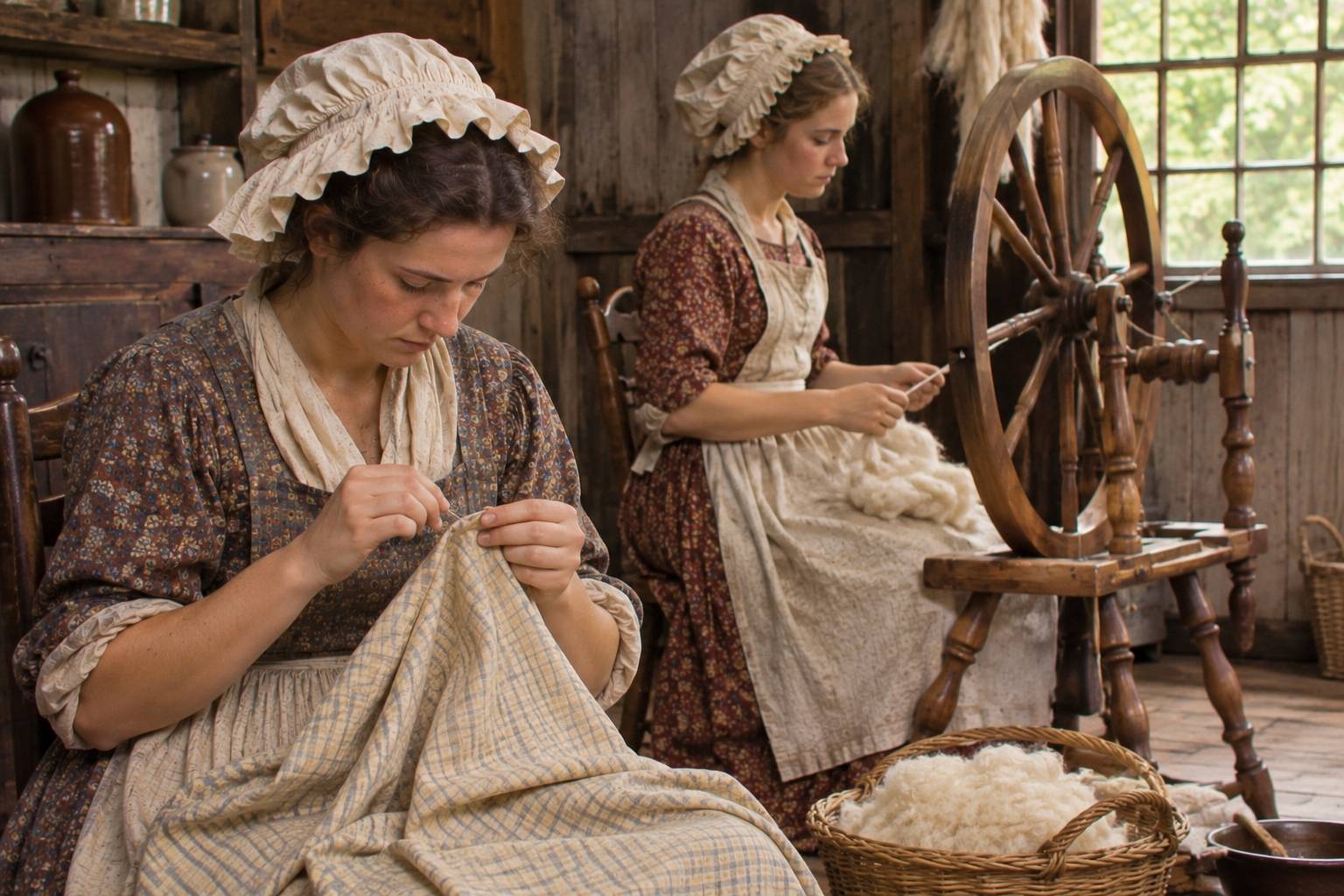
In some early American houses, producing clothing started long before anyone picked up a needle. Raw fibers such as wool and flax had to be prepared and spun into thread or yarn, which could then be woven into fabric. Historical records preserved by the Library of Congress include an account of 13 enslaved women and girls at Mount Vernon performing spinning and knitting work in June 1794.
13. Making Soap
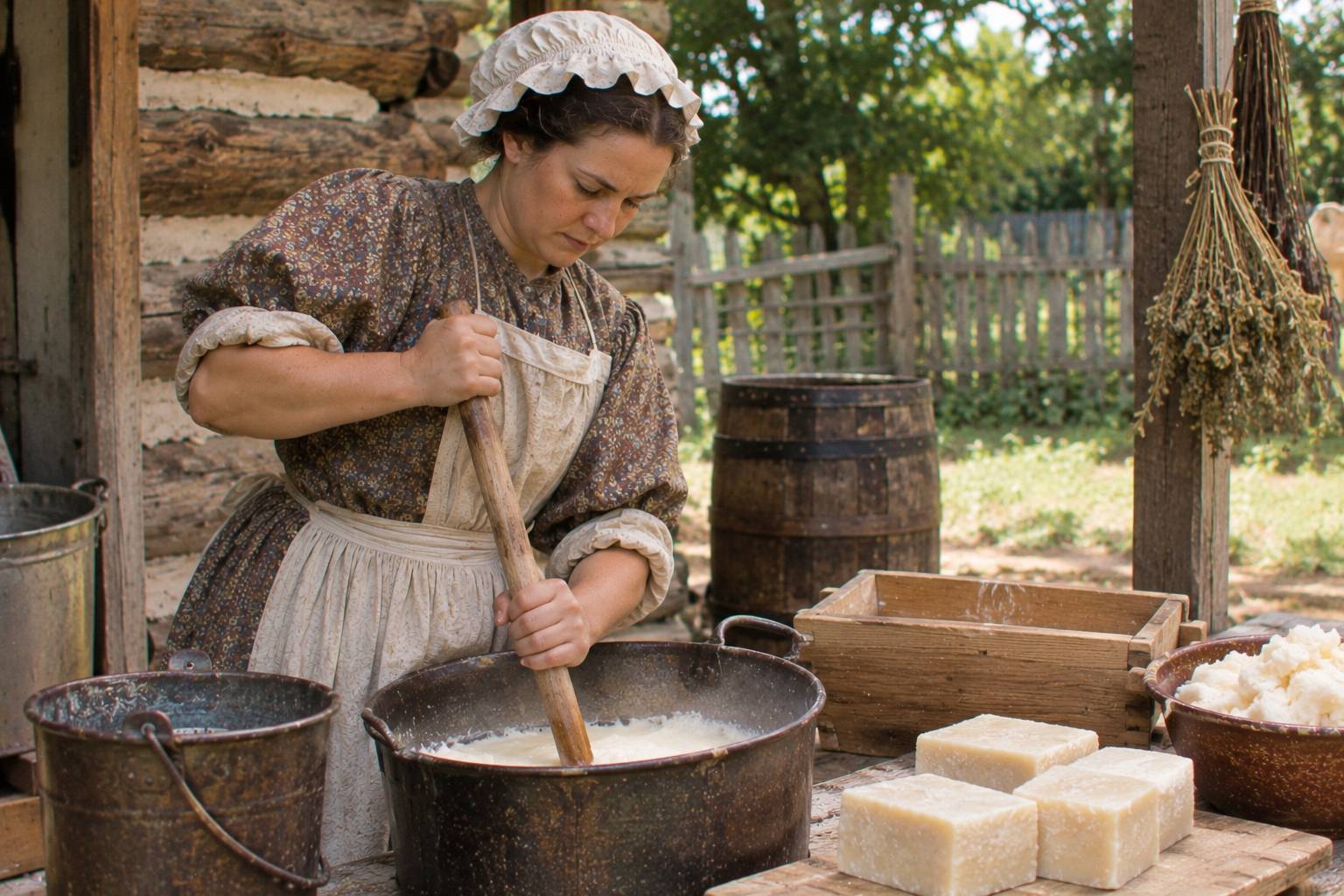
Before cleaning products became commercially available, families produced soap using animal fat and lye. Making soap involved obtaining the ingredients, preparing an alkaline solution, combining it with fat, and allowing the resulting soap to become usable. At Fort Scott during the 1840s, laundresses made their own cleaning soap using animal fat and lye, according to the National Park Service.
14. Making Candles
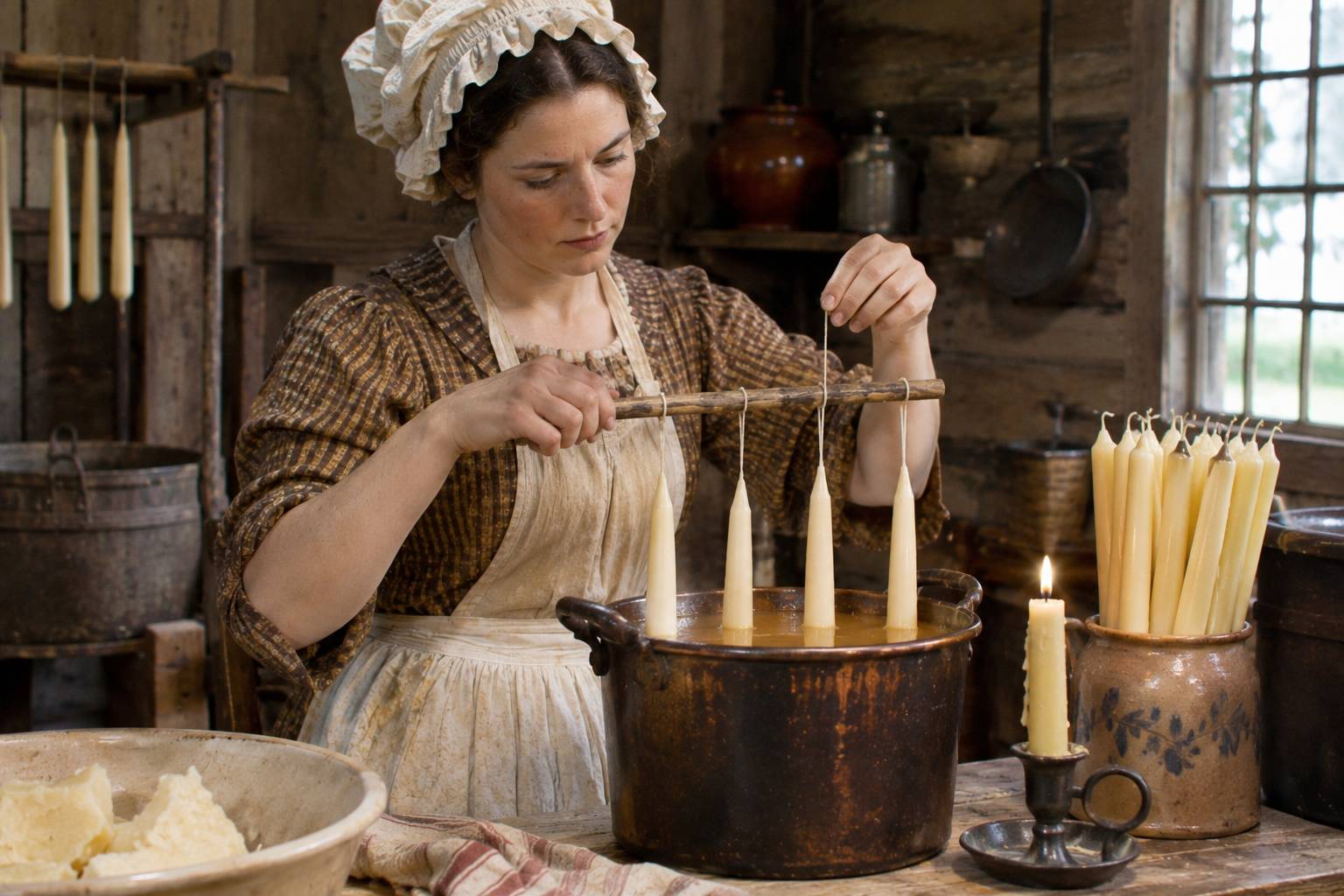
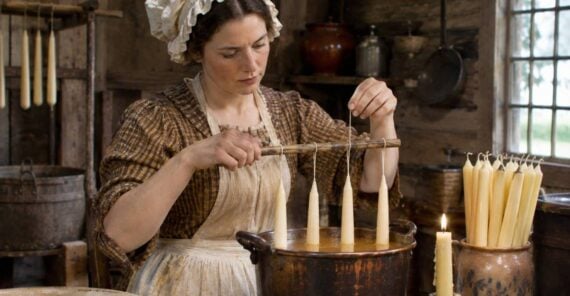
Before electricity became widespread, many families depended on candles, oil lamps, and other fuel-based lighting. In houses that made candles, the work involved preparing wax or tallow, forming the candles, and allowing them to harden. Electric lighting eventually eliminated the need for most families to manufacture candles for everyday illumination.
15. Cutting and Hauling Firewood
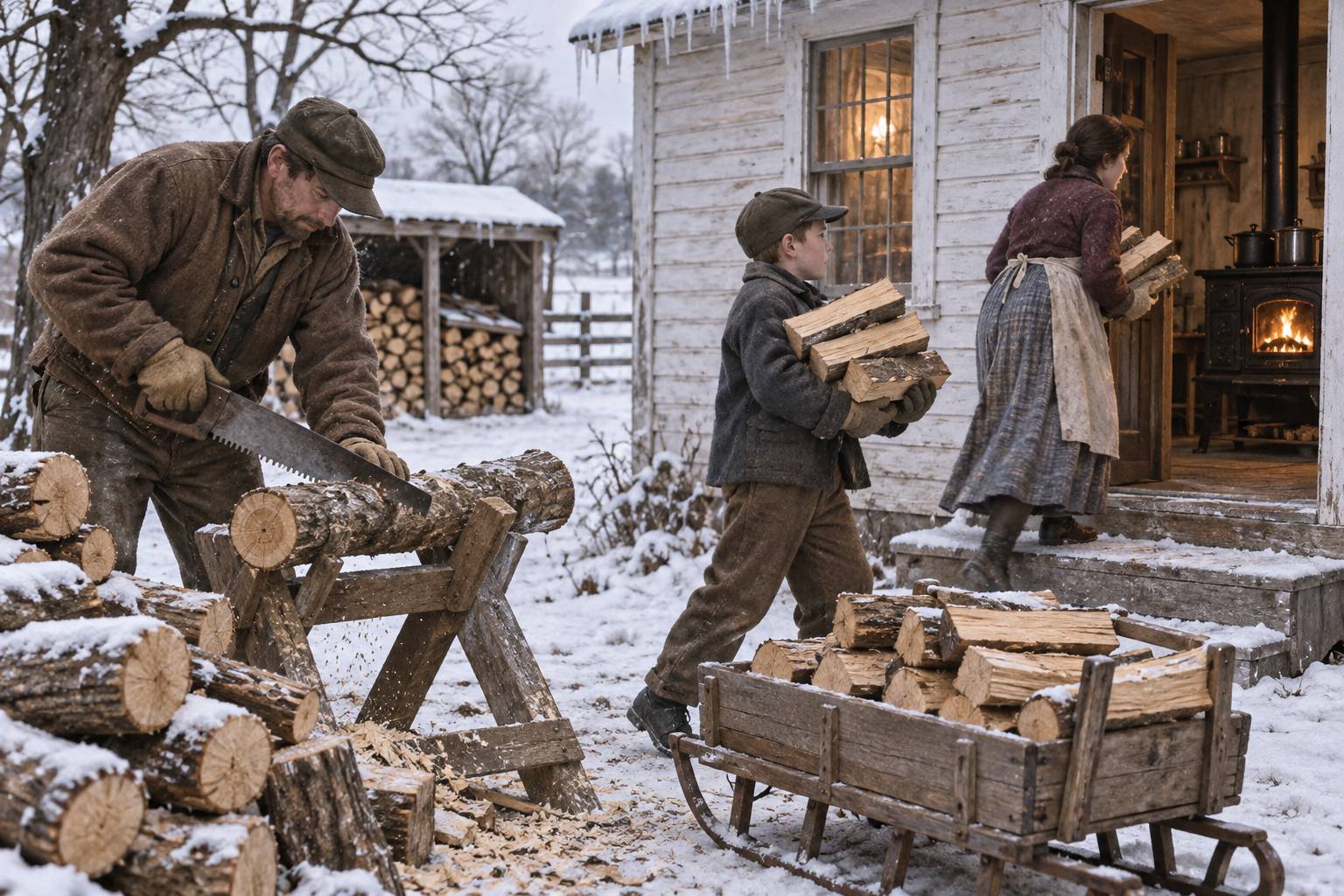
For families who relied on wood-burning stoves and fireplaces, keeping the house warm required far more than adjusting a thermostat. Wood needed to be collected or purchased, cut into pieces when necessary, carried indoors, and regularly added to fires for cooking and heating.
16. Preserving Meat
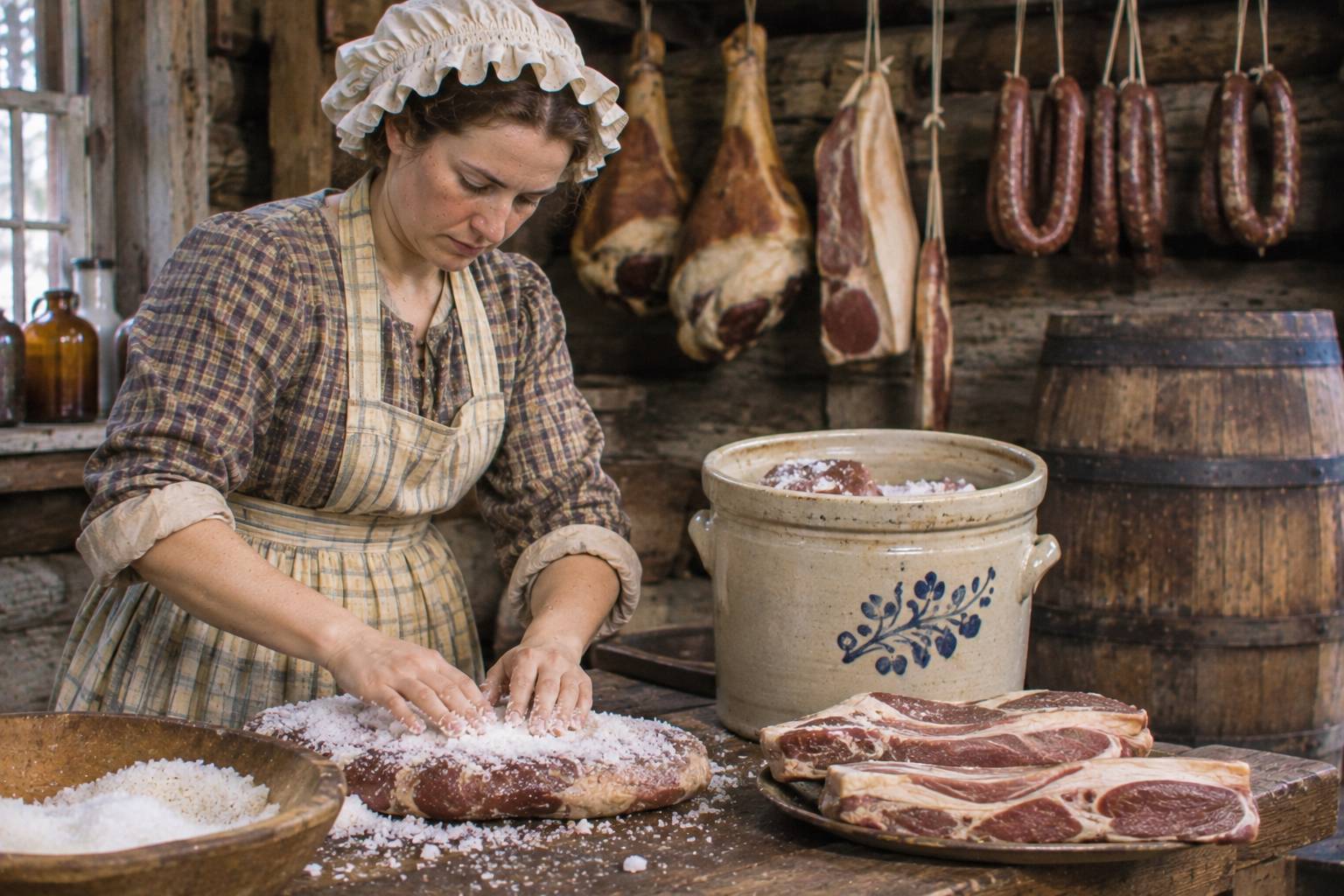
For many rural homes, preparing meat for winter involved slaughtering livestock, cutting the meat into portions, and preserving it before refrigeration was widely available. Some cuts required repeated applications of curing mixtures and could take months to finish preserving, making the process much more involved than purchasing packaged meat.
You might also like:
These 17 Photos of Bold 1960s Living Rooms show what decor reigned supreme at the time, while these 30 Vintage Photos Perfectly Capture 1950s Life in America. Last but not least, check out 12 Valuable Old Cookbooks That Command Serious Coin.