There was a time when a broken toaster didn’t mean a trip to the store. It meant a trip to the junk drawer, the toolbox, or the repair shop down the street. People fixed things because it made sense: buying new was expensive. A torn sock got darned. A busted radio got a new tube. A pair of shoes with a worn-out sole got resoled instead of tossed.
This mindset touched nearly everything in the house, from small appliances to big furniture. It wasn’t just about saving money, though that mattered. Next are 15 everyday items people used to repair instead of replace.
1. Television Sets
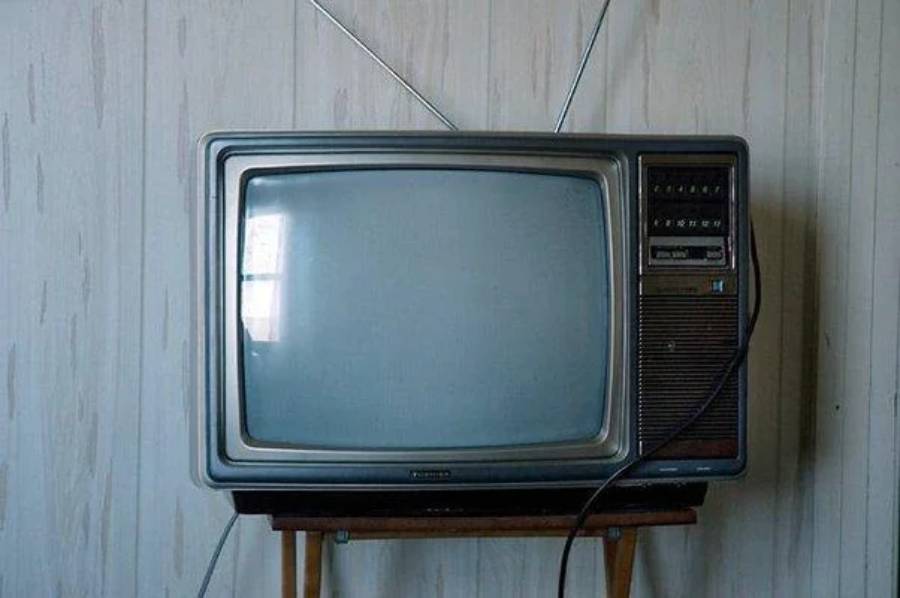
When the picture went fuzzy or the sound cut out, families called a repairman who came right to the house with a bag of vacuum tubes and testing equipment. Many drugstores even had tube-testing machines out front so people could swap a bad tube themselves.
2. Shoes
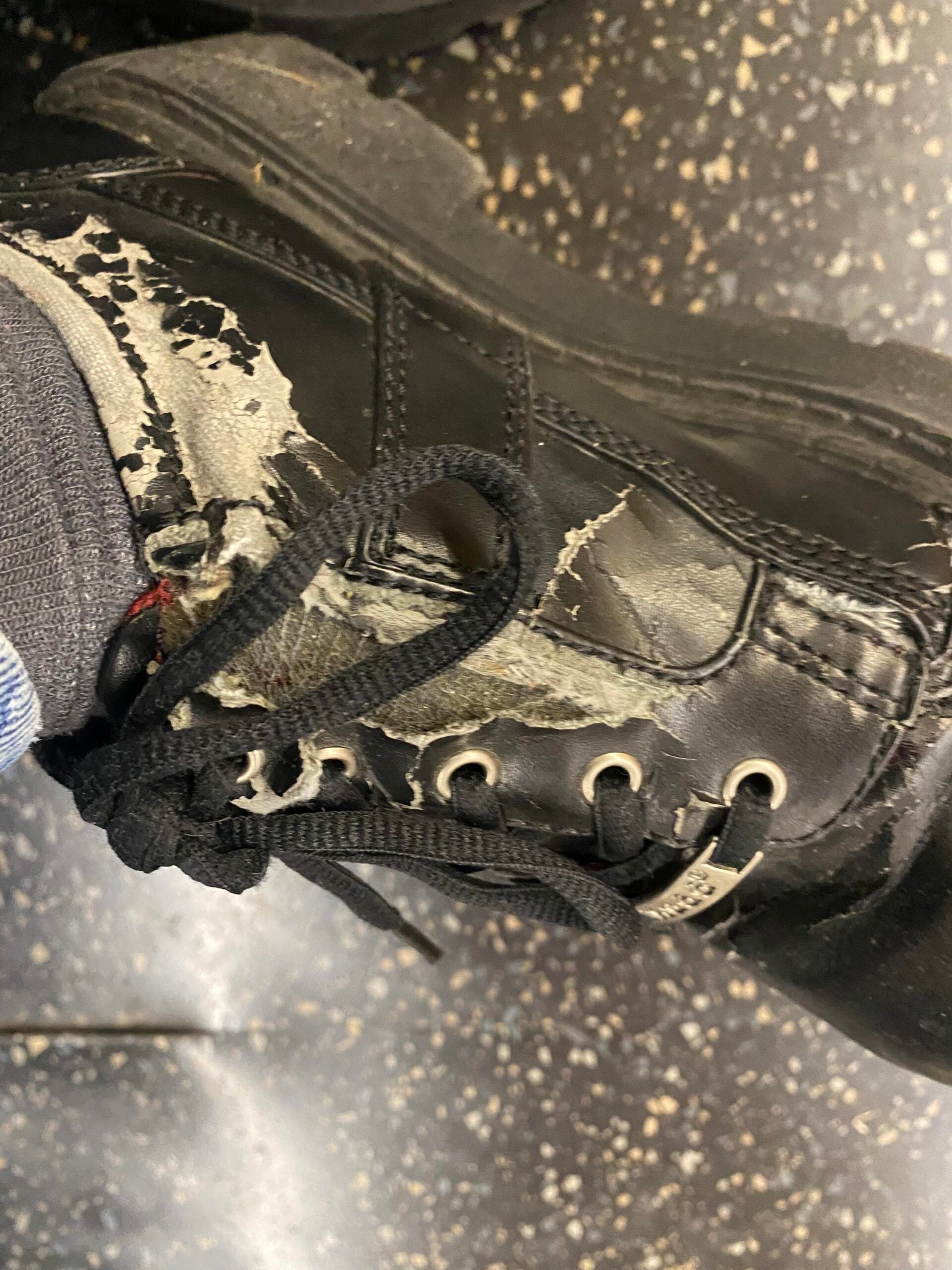
Worn-out soles and heels were no reason to throw away a good pair of shoes. Local cobblers resoled, patched, and stitched leather shoes back into shape, sometimes more than once, stretching the life of a single pair for years.
3. Clothes
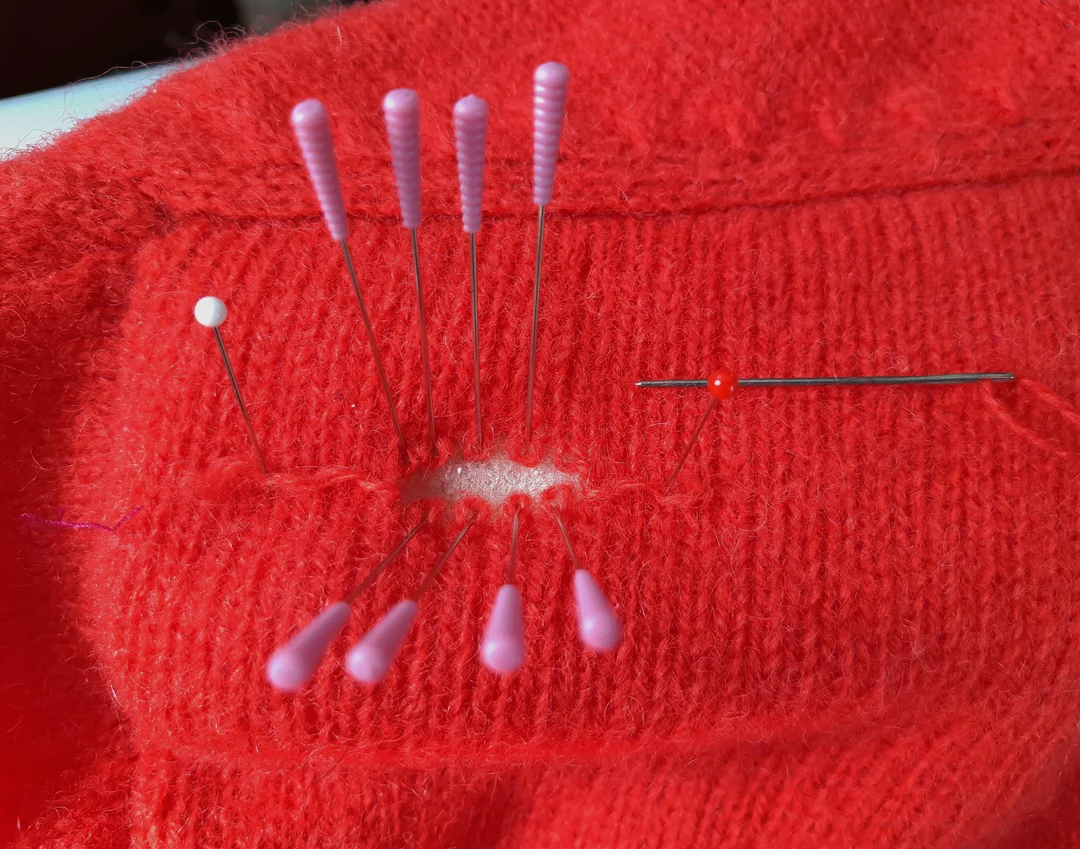
Socks with holes got darned using a needle and thread. Torn elbows on sweaters got patched. Sewing kits were a staple in nearly every home, and mending clothes was considered a basic skill.
4. Radios
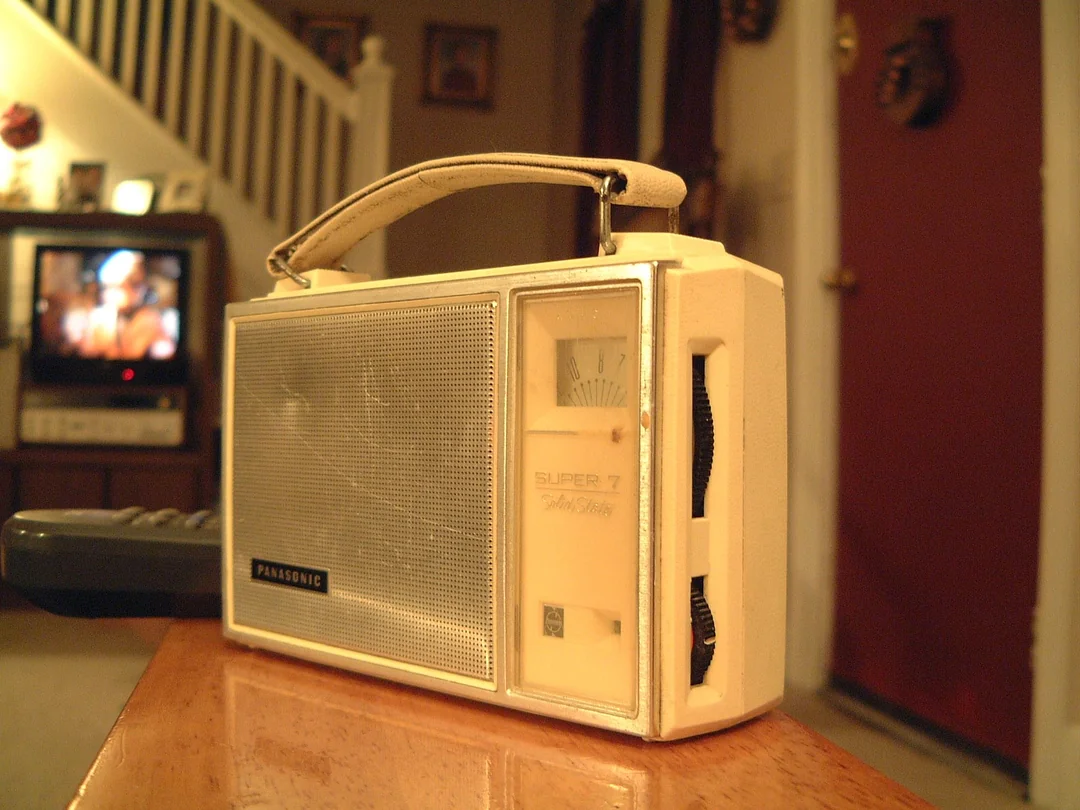
Like televisions, radios ran on tubes that eventually wore out or burned through. Rather than buying a new set, people replaced the failing tube and kept the same radio running for another decade.
5. Toasters
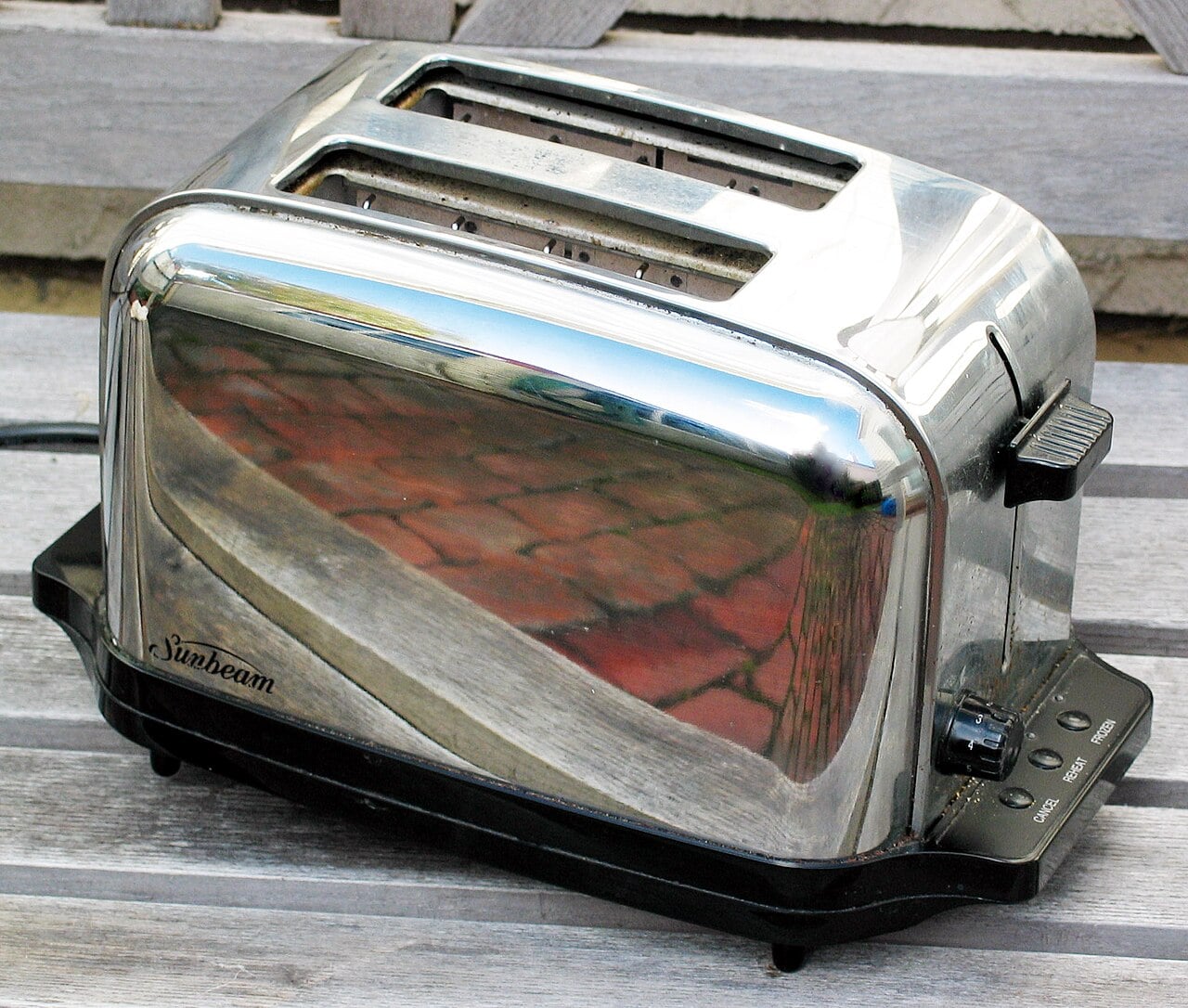
A toaster that stopped popping up bread wasn’t dead; it just needed a new spring or a cleaning. Basic appliances were simple enough that many people fixed them at the kitchen table.
Trending on Wealth Gang
6. Vacuum Cleaners
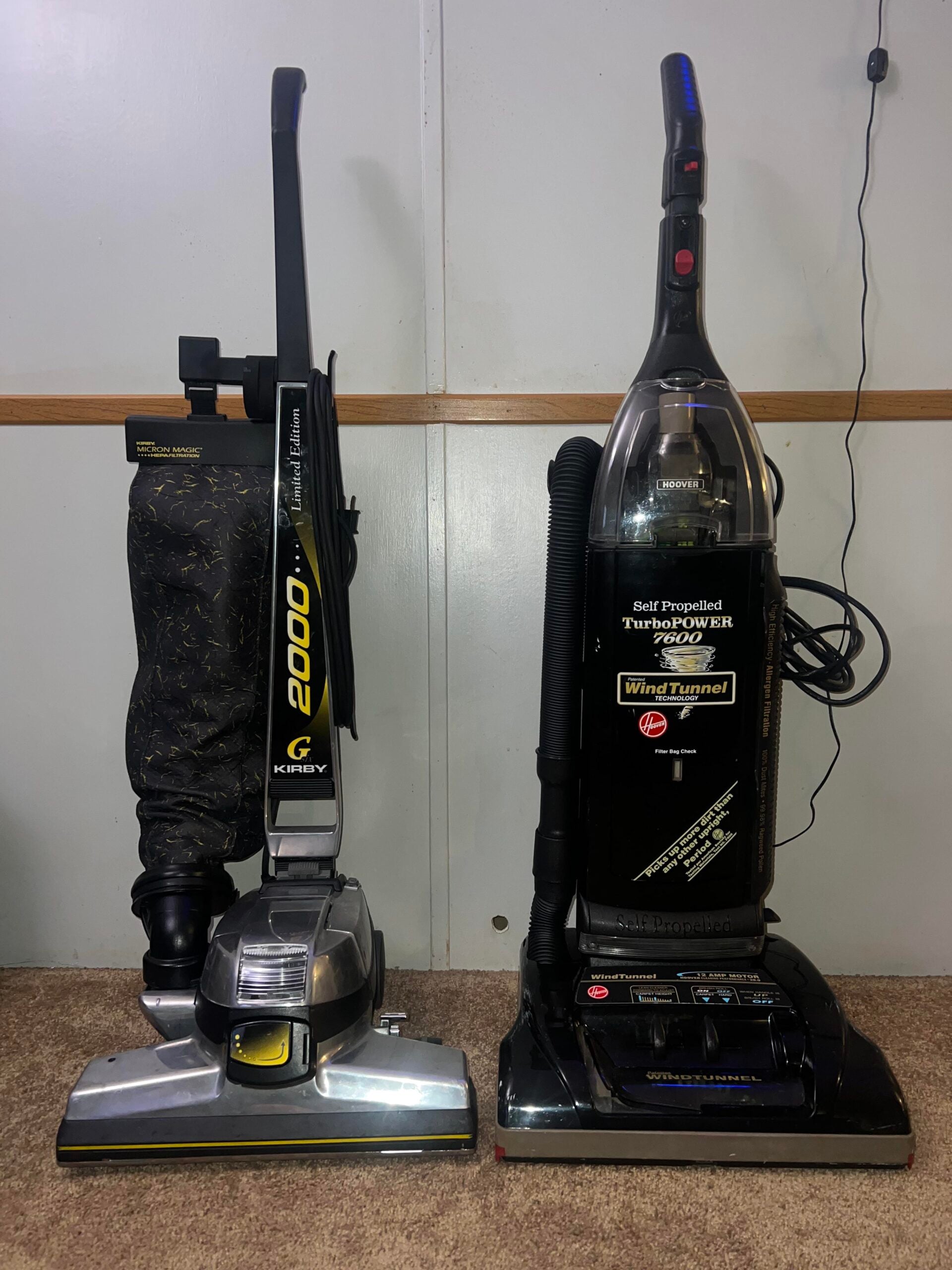
Broken belts, clogged hoses, or worn brushes didn’t send a vacuum to the trash. Replacement parts were sold at stores, and fixing a vacuum was considered routine home maintenance.
7. Umbrella
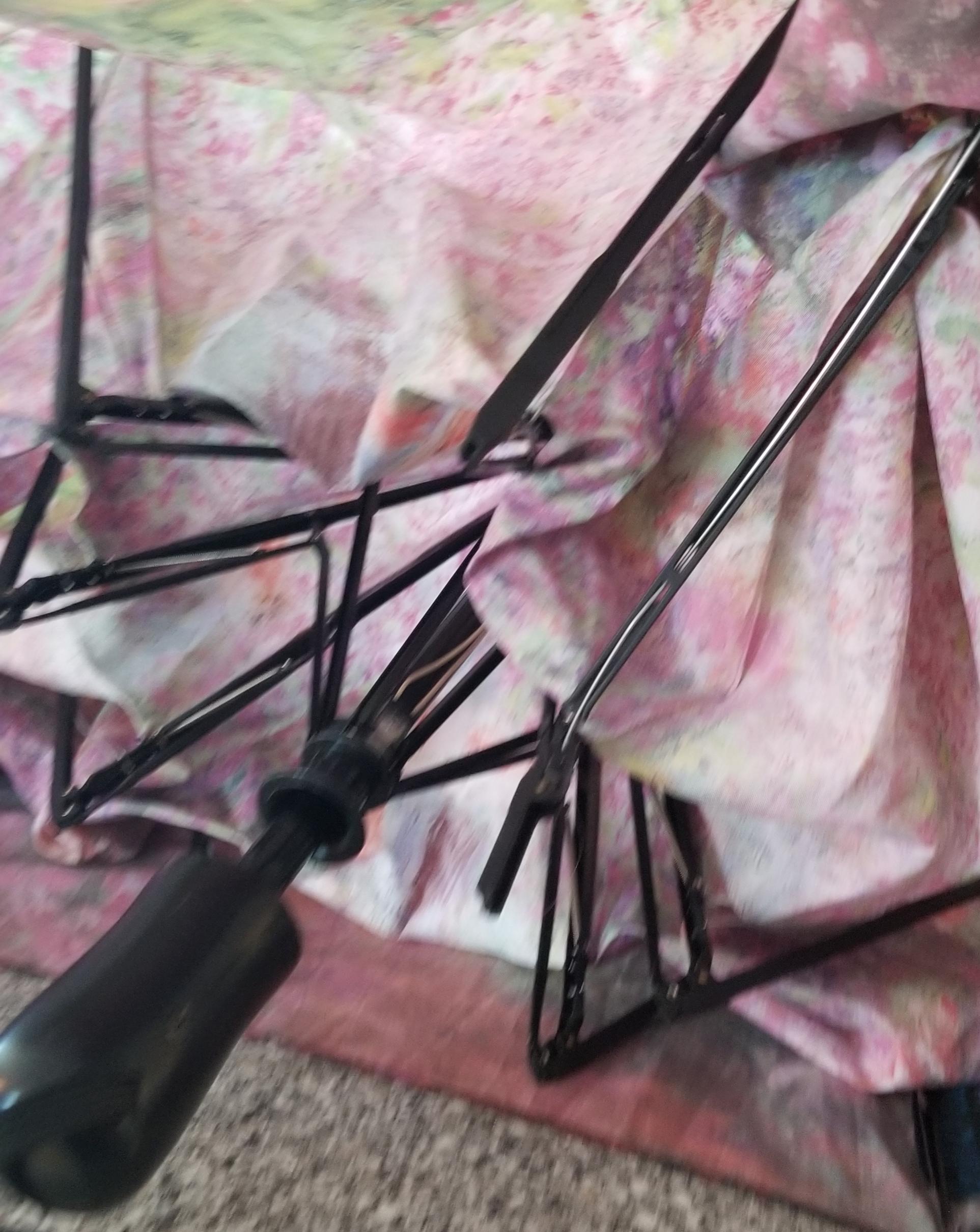
A bent rib or a torn panel could be repaired rather than replaced. Umbrella repair shops existed in cities specifically for this purpose.
8. Watch
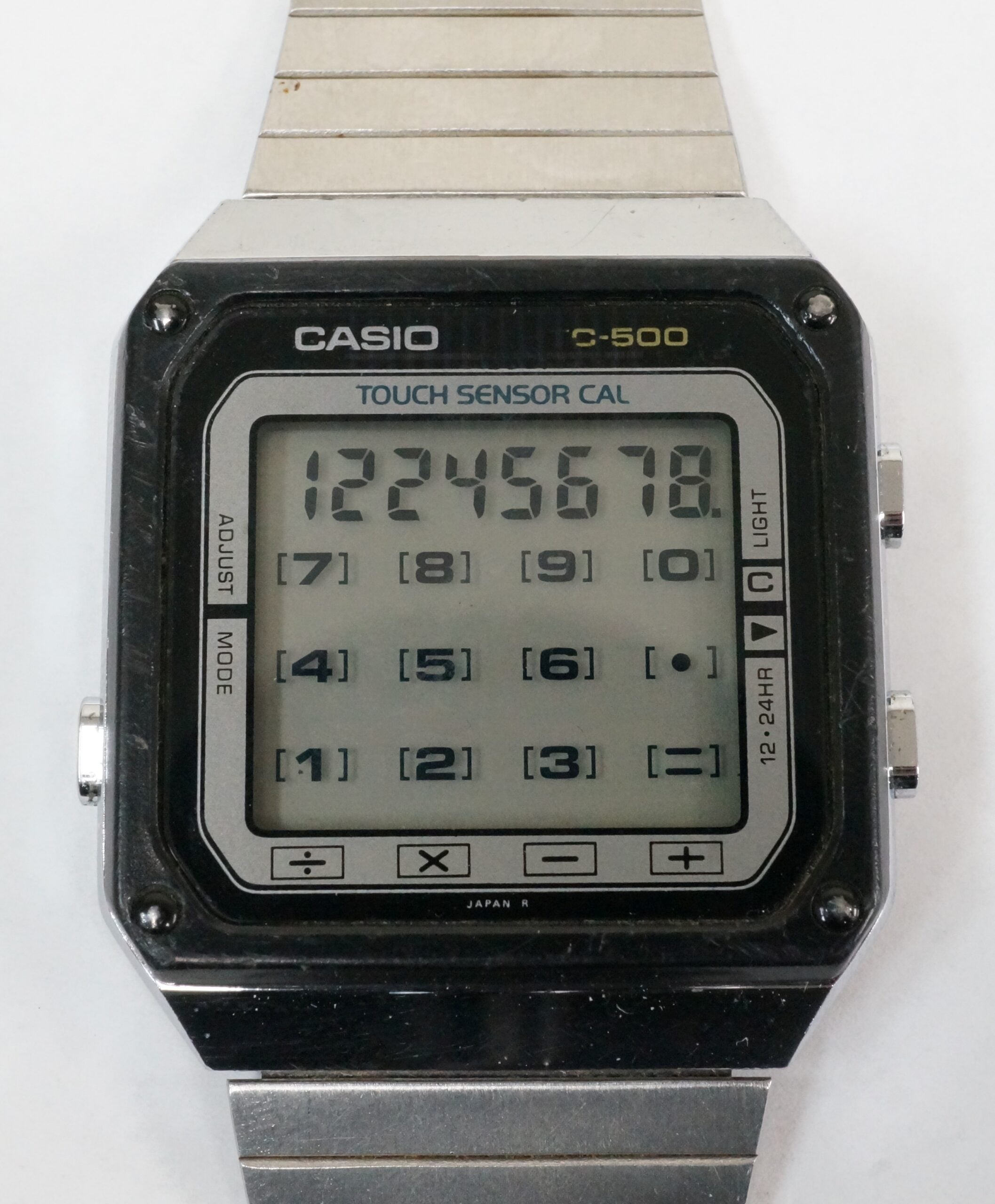
Watches needed regular cleaning and occasional part replacement to keep accurate time. Jewelers and watchmakers handled this kind of repair as a normal part of their business.
Sign up for our newsletter
9. Furniture
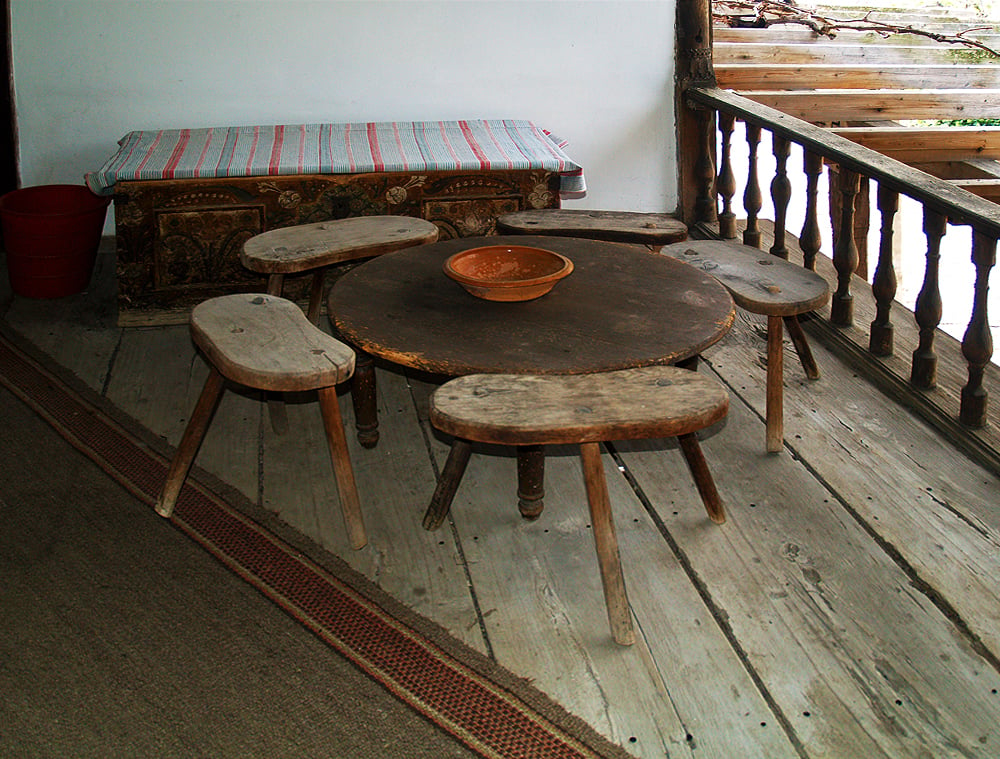
Chairs got new glue and dowels. Furniture was often built from solid wood, which made it easier to refinish and repair rather than replace.
10. Bicycles
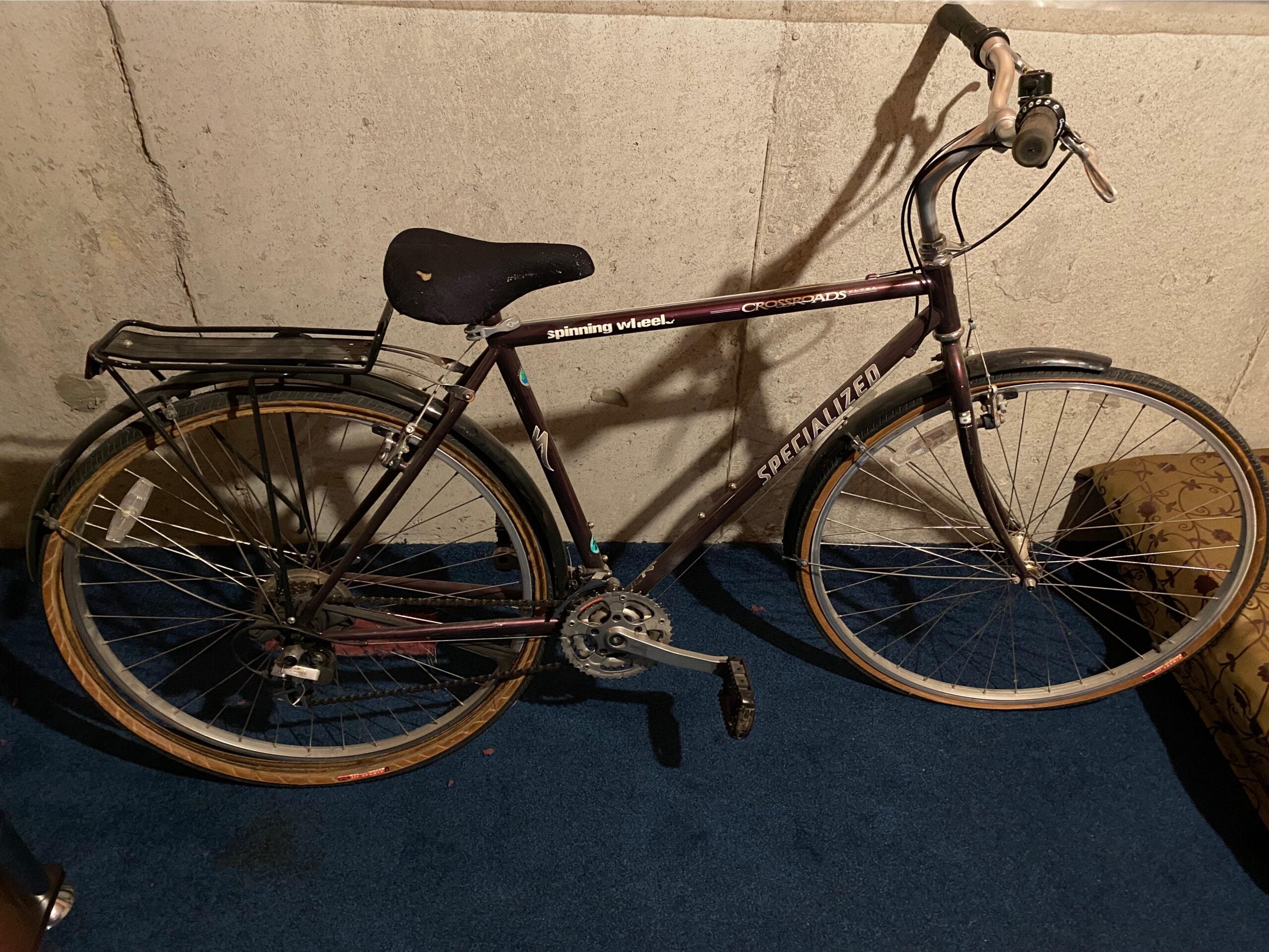
A flat tire meant patching the inner tube, not buying a new one. Chains, brake pads, and spokes were all replaceable parts, and most families kept a basic bike repair kit on hand.
11. Kitchen Knives
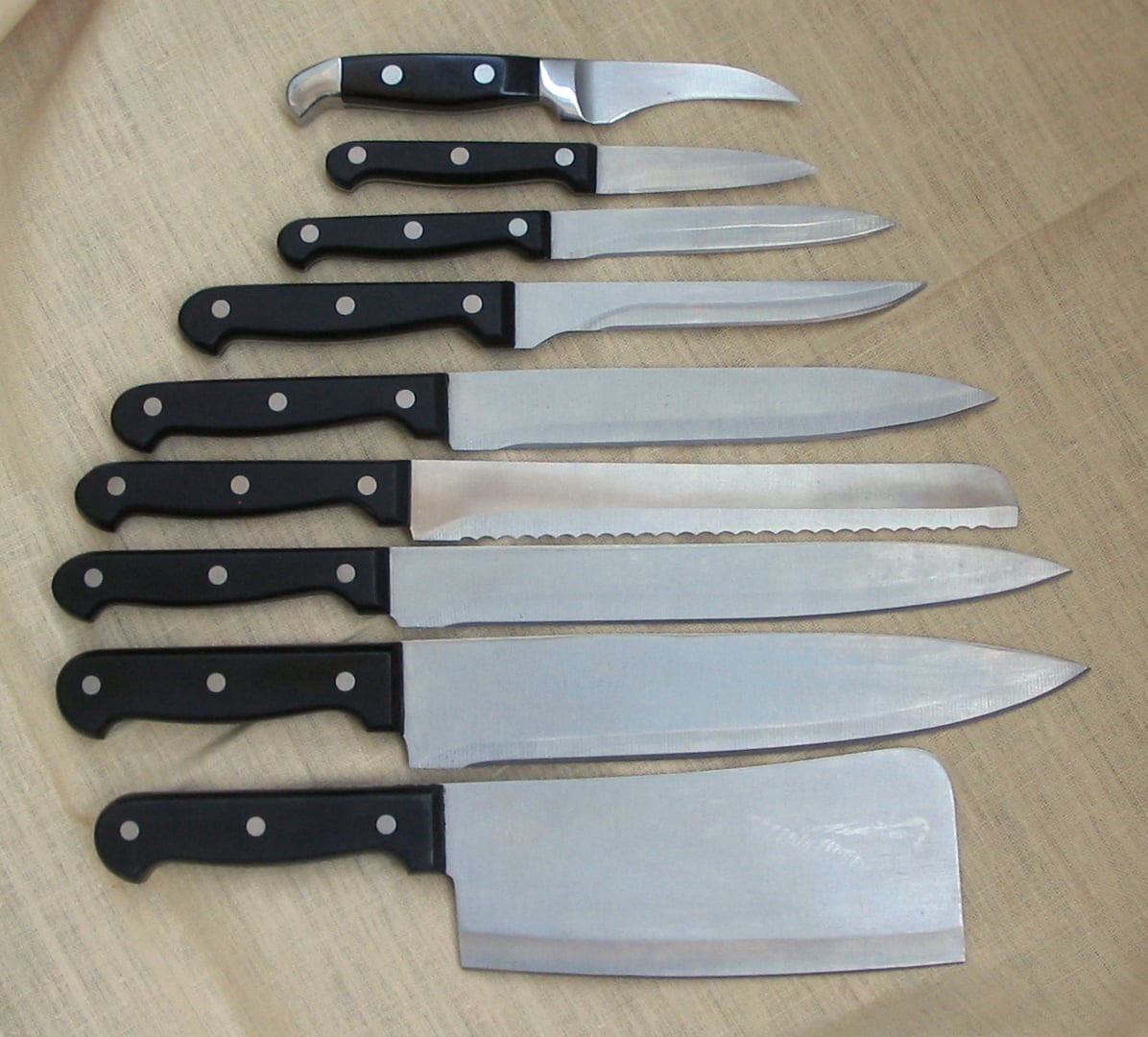
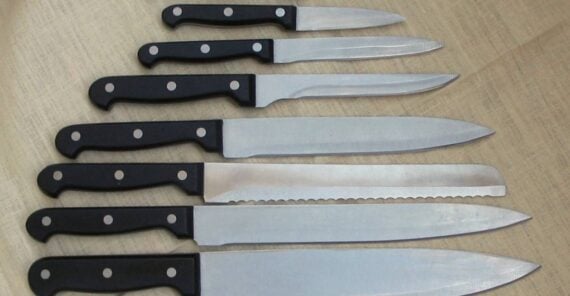
Dull knives were sharpened, not thrown away. Traveling knife sharpeners would come through neighborhoods, and many houses kept a whetstone in a kitchen drawer.
12. Typewriters
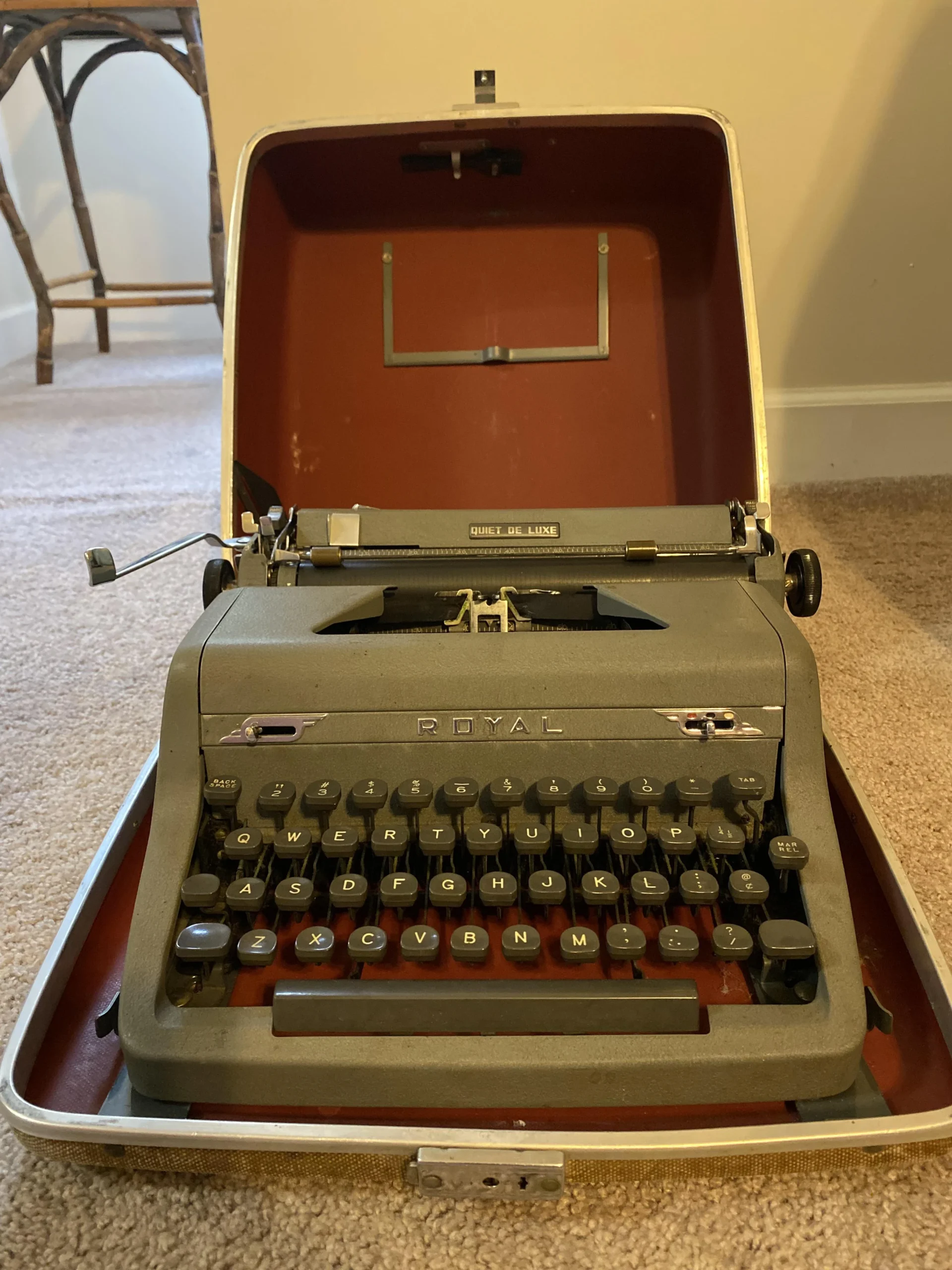
Sticky keys, worn ribbons, and misaligned type could all be fixed by a typewriter repair technician. Offices and homes relied on these machines for years, with regular servicing keeping them in order.
13. Cars
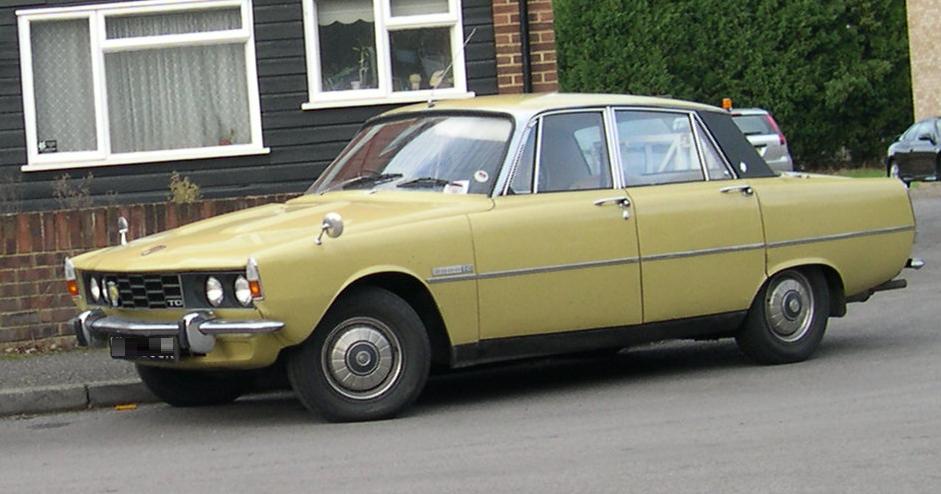
Auto repair was a much bigger part of car ownership. Engines were simpler and more accessible, so home mechanics and local shops could fix nearly anything.
14. Telephones
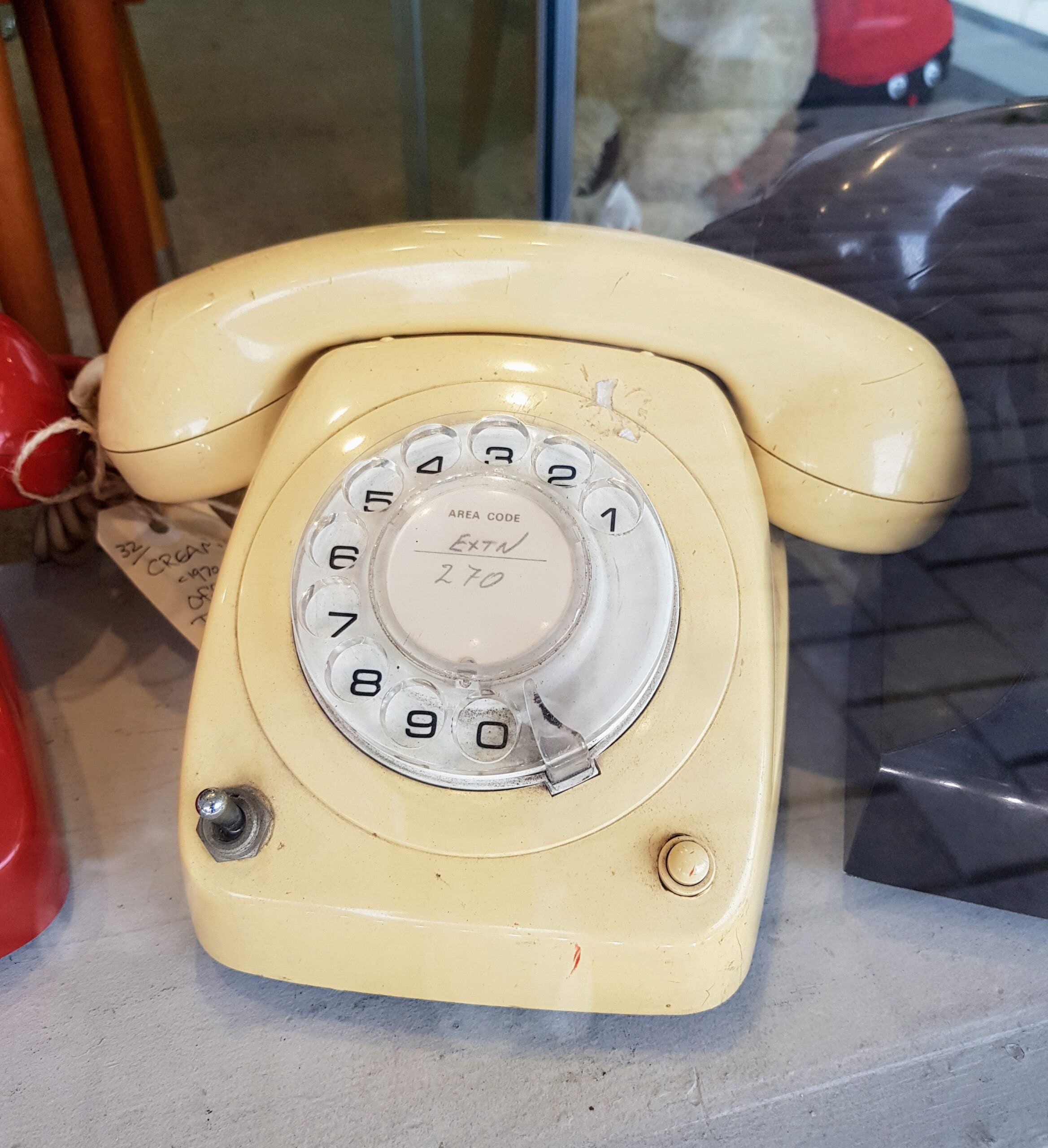
Rotary phones were built to last, and when they broke, a repair technician could fix the internal wiring or components. Since phones were often rented from the phone company, repair was the alternative anyway.
15. Pots & Pans
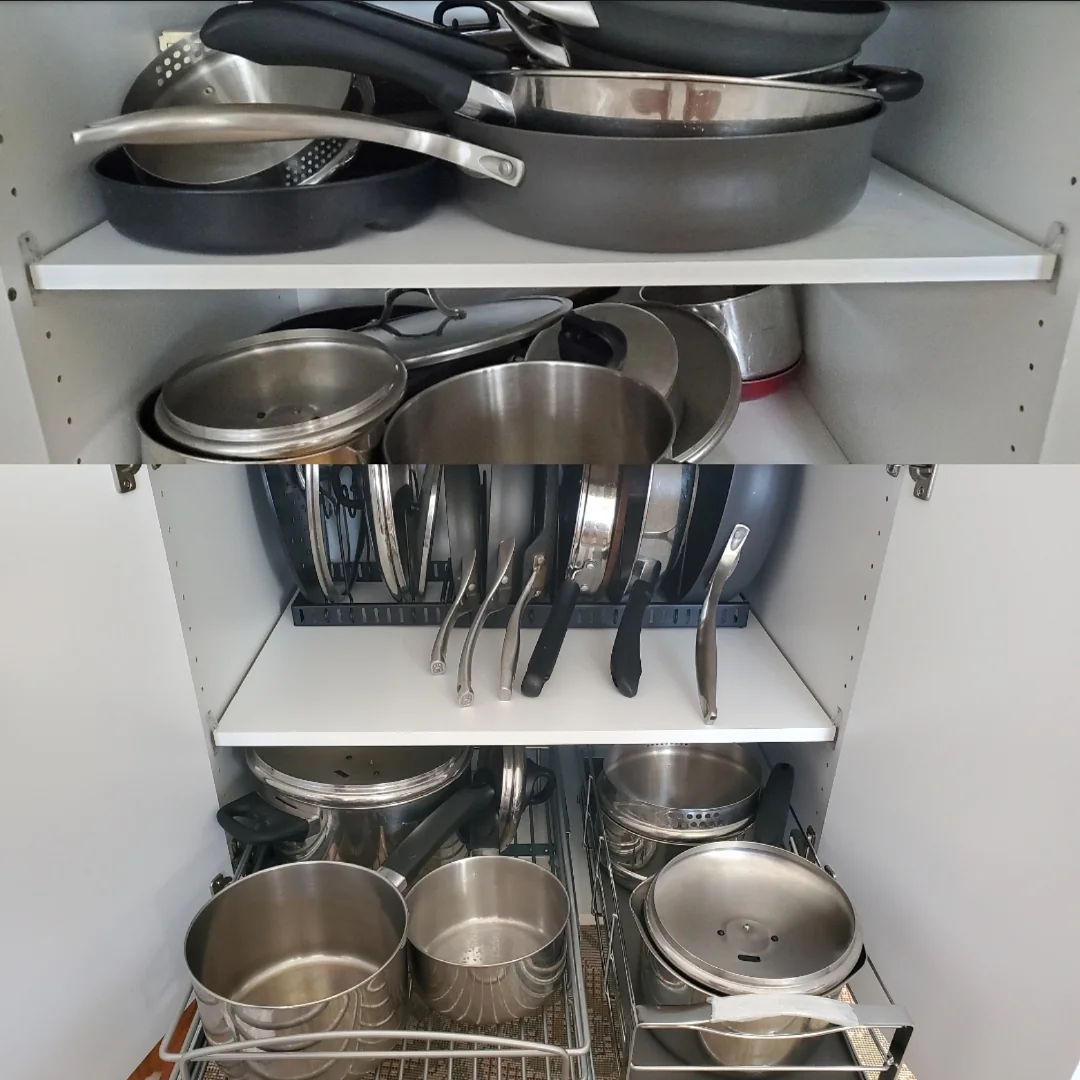
A pot with a loose handle or a small hole didn’t get thrown. Metal pots could be soldered, and this kind of metalwork repair was common enough that many towns had a repair shop for exactly this purpose.
Eager for more?
See how much pricier your grocery list has gotten in 14 Grocery Staples That Have Changed the Most in Price Since 2000, find out which former child stars actually held onto their fortunes in 15 Child Stars from the Early 2000s Who Managed Their Wealth with Great Success, or revisit the era itself in 12 Pictures That Capture the Spirit of Year 2000.