Everyone go ahead and raise hands if there’s a collective concern over the steady mounting costs of food. Seriously, you’ve got to remain vigilant, resilient, and tactical when it comes to not falling prey to the wildly quick escalating cost of living. It’s the darnedest thing and it doesn’t seem as if it’ll slow down any time soon either. These tips and tricks aim to help in cutting those inevitable food costs. It doesn’t all have to be so exceedingly difficult.
1. Create a Meal Plan (and Stick to It)

Planning out what you’re going to make (and eat) for breakfast, lunch, and dinner each day is a good way to keep yourself organized, but it’s also ideal for not going off the rails and shopping based on cravings. Stick to what you need to make the meals you’ve mapped out, and you’ll save money.
2. Plan To Repurpose

Roast a chicken on Sunday, and you can use the leftovers for chicken tacos, buffalo chicken wraps, chicken Caesar salad … the list goes on. Plus, whole chickens are pretty affordable, and you could even grab a $5 rotisserie chicken from Costco that’s already cooked.
3. Shop at Discount Grocery Stores

Don’t sleep on Aldi. It may be a discount grocer, but that doesn’t mean it’s low quality. There are so many good deals at Aldi that you’d be a fool to pass up on if saving money is your M.O.
4. Use Herbs and Spices Wisely

Herbs and spices are a great way to add depth to your meal, but pre-mixed combination spices or products like Shake ‘n Bake can be costly. Utilize affordable flavor enhancers, like ginger, garlic, and basic dried spices.
5. Use Coupon Apps

Download store apps and coupon apps (like Flipp, Ibotta, or Fetch) so you can stack deals and rebates for maximum savings.
Trending on Wealth Gang


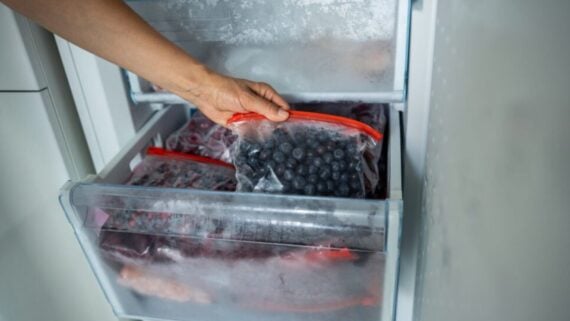
6. Freeze What You Can

Are strawberries on sale this week but you know they’re just going to transform into fuzzy mold factories before you can eat them all? Buy them while they’re cheap, and freeze them for later!
7. Embrace Store Brands

If you’re trying to save money at the grocery store, you can’t turn your nose up at generic brands. Often, the ingredients are nearly identical to the big-name counterparts.
8. Shop Weekly Sales

Remember when we told you to make a meal plan? Before you do that, check out the weekly sale ad to center your menu around which ingredients are on sale.
Sign up for our newsletter
9. Shop for ‘Ugly’ Produce

Companies like Imperfect Foods offer heavily discounted prices on produce that might look a little funny, but is otherwise perfectly fine to eat. Plus, you’re helping reduce food waste by purchasing products that might have ended up in the trash.
10. Cook Once, Eat Twice

After you’ve identified which ingredients are on sale, go the extra mile and make your cheap meal twice to eat again later. You could even collaborate with a friend or neighbor — make double your dinner one night to take them a batch, and then they return the favor the next night.
11. Avoid Pre-Cut or Chopped Produce

Chopping vegetables might be a tedious task you’d rather avoid, but you’d be wise to avoid chopped vegetables at the store. Those pre-cut veggies cost more than their whole parents.
12. Pay Attention to the Price Per Ounce

Just because the total price is cheaper doesn’t mean it’s the better deal. If you look at the price tags on store shelves, they will typically break down the price per unit (whether that’s ounces, pounds, or something else) so you can determine which size is actually the best bargain.
13. Grow Your Own Produce

You don’t need a giant backyard to have a vegetable garden. If you’ve got a small outdoor space, you can grab a few containers and grow your favorite vegetables right at home. You can even do it indoors if you have an area that gets plenty of sunlight.
14. Buy Meat in Bulk from a Local Farmer

Move past the sticker shock of what it costs to buy half of a beef and take some time calculating this option versus regularly buying different cuts of beef at the grocery store. We promise you’ll find that buying in bulk is the way to go (and the quality is unmatched, too).
15. Make Your Own Pantry Staples

Things like taco seasoning, salad dressing, and pancake mix are convenient to grab at the store, but they’re not all that complicated to make yourself. Plus, you might find that you have all the ingredients to make these things on hand already.
Interested in more grocery shopping stories?
Take a trip back in time with Photos: This Is What Grocery Shopping Looked Like in the ’70s. You might also want to check out This Common Grocery Shopping Mistake Can Inflate Your Bill By 64% and 12 Everyday Grocery Items That Cost Way More in Hawaii.