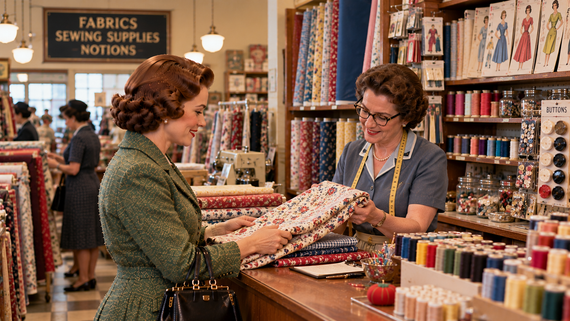
In the 1960s, downtown was more than a place to shop. It was where people went to take care of the little responsibilities that kept everyday life moving. On any given weekday, sidewalks were filled with shoppers carrying paper bags, businessmen stopping at the bank, and mothers taking their children along on errands. A trip downtown often meant dressing nicely, finding a parking spot, and making several stops before heading home.
Today, many of those same tasks take only a few minutes on a phone or computer. Back then, they involved standing in line, speaking to someone behind a counter, and sometimes waiting days for a result. Yet there was something memorable about those downtown trips, from the sound of cash registers to the familiar faces behind store windows. These 17 everyday tasks remind us just how much effort went into getting ordinary things done.
1. Paying the Electric Bill in Person
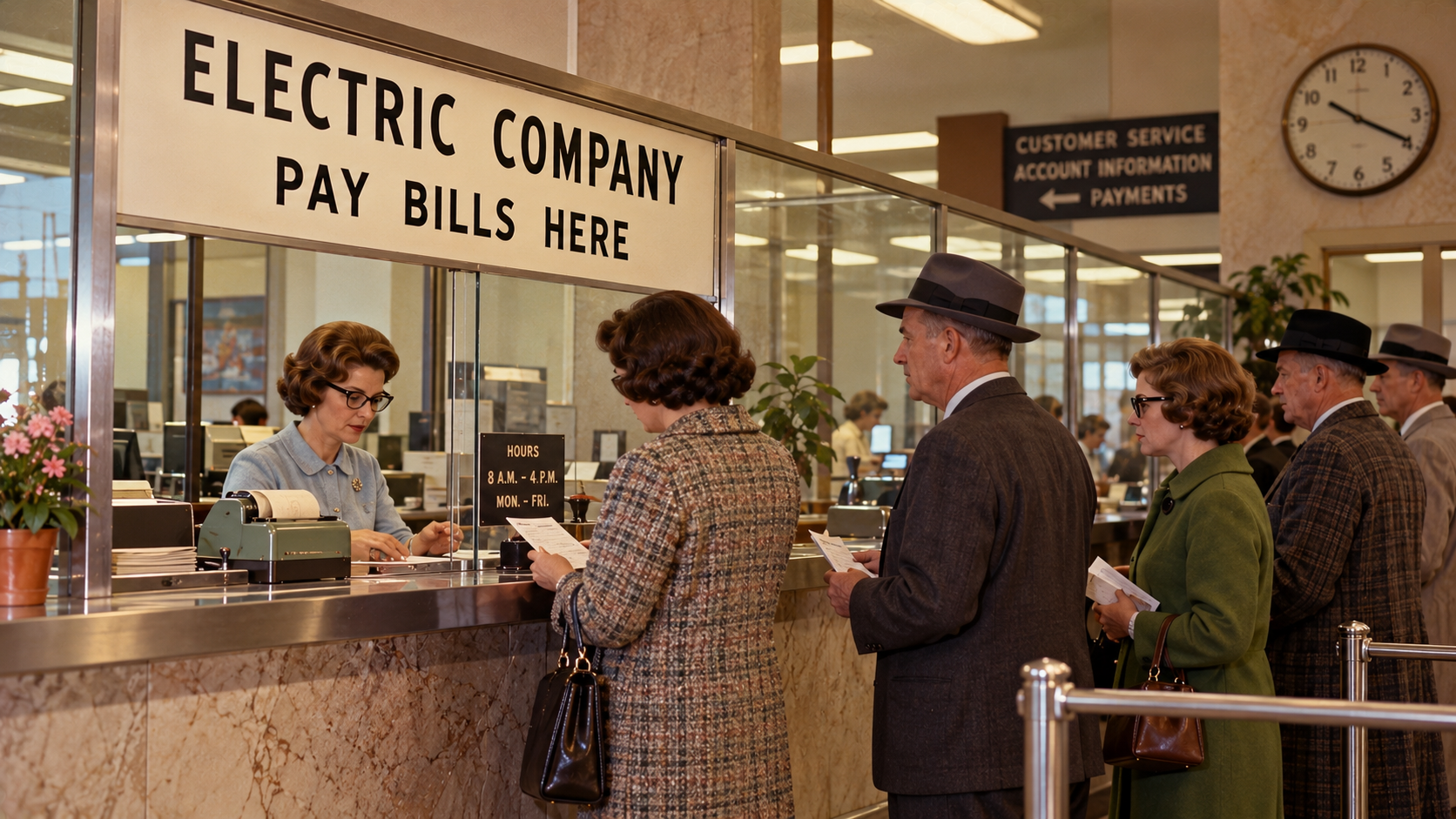
Before online payments and automatic withdrawals became common, paying the electric bill often meant visiting the utility company’s downtown office. Customers carried their paper statements, waited in line, and handed over cash or a check to a clerk behind the counter. Some families made a monthly routine of paying several bills during the same trip. A stamped receipt was worth keeping, especially if there was ever a question about whether the payment had arrived. Mailing a check was another option, but paying in person offered immediate reassurance.
2. Depositing a Paycheck at the Bank
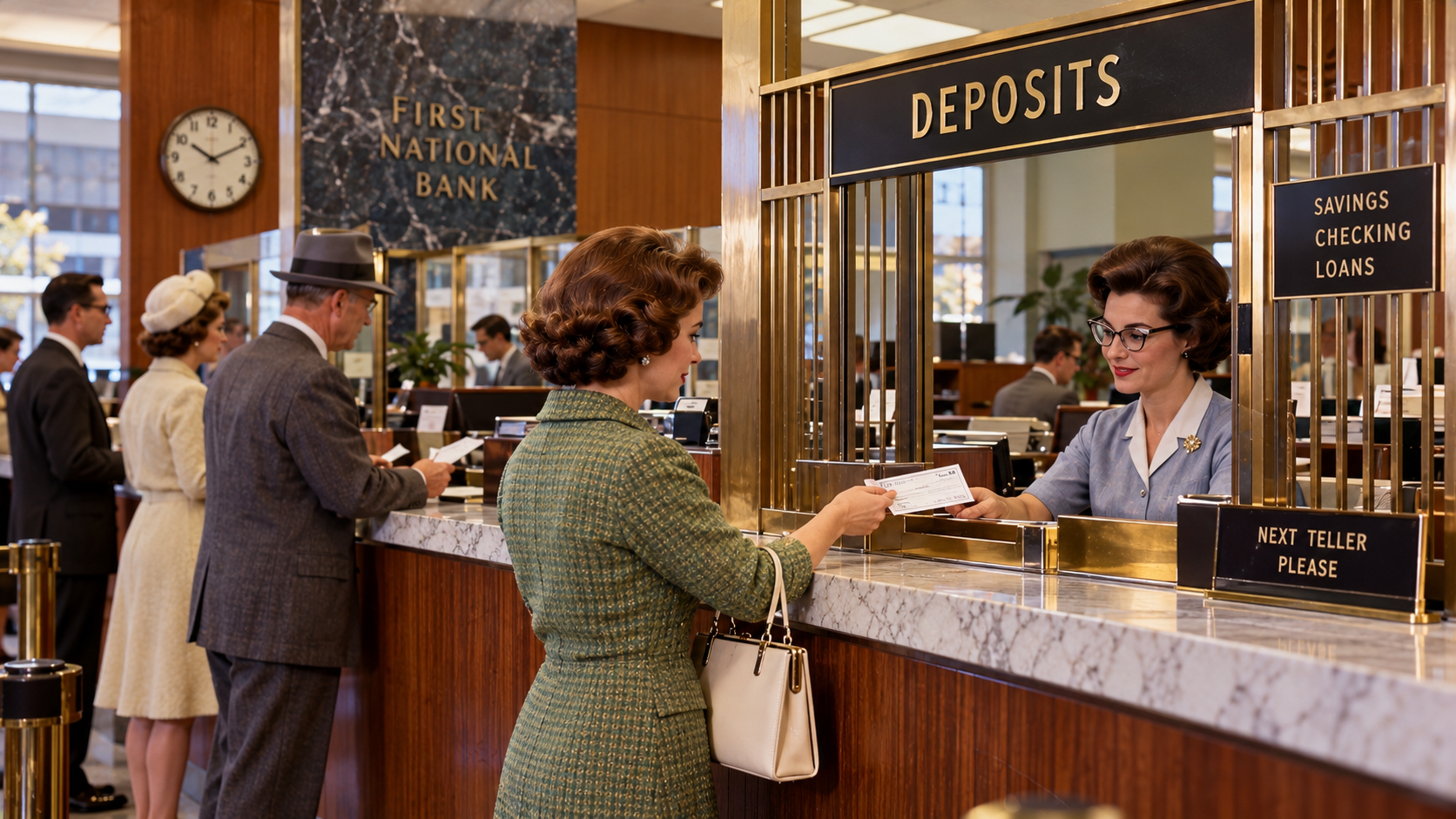
Friday afternoons could bring long lines to downtown banks as workers arrived with their weekly paychecks. Direct deposit was not yet an everyday convenience, so many employees received physical checks that needed to be cashed or deposited. Bank tellers knew regular customers by name, and transactions were recorded in paper passbooks or account ledgers. Since banks had limited business hours, getting there before closing could be a challenge. For many families, that weekly bank visit marked the official beginning of the weekend.
3. Buying Clothes at a Department Store
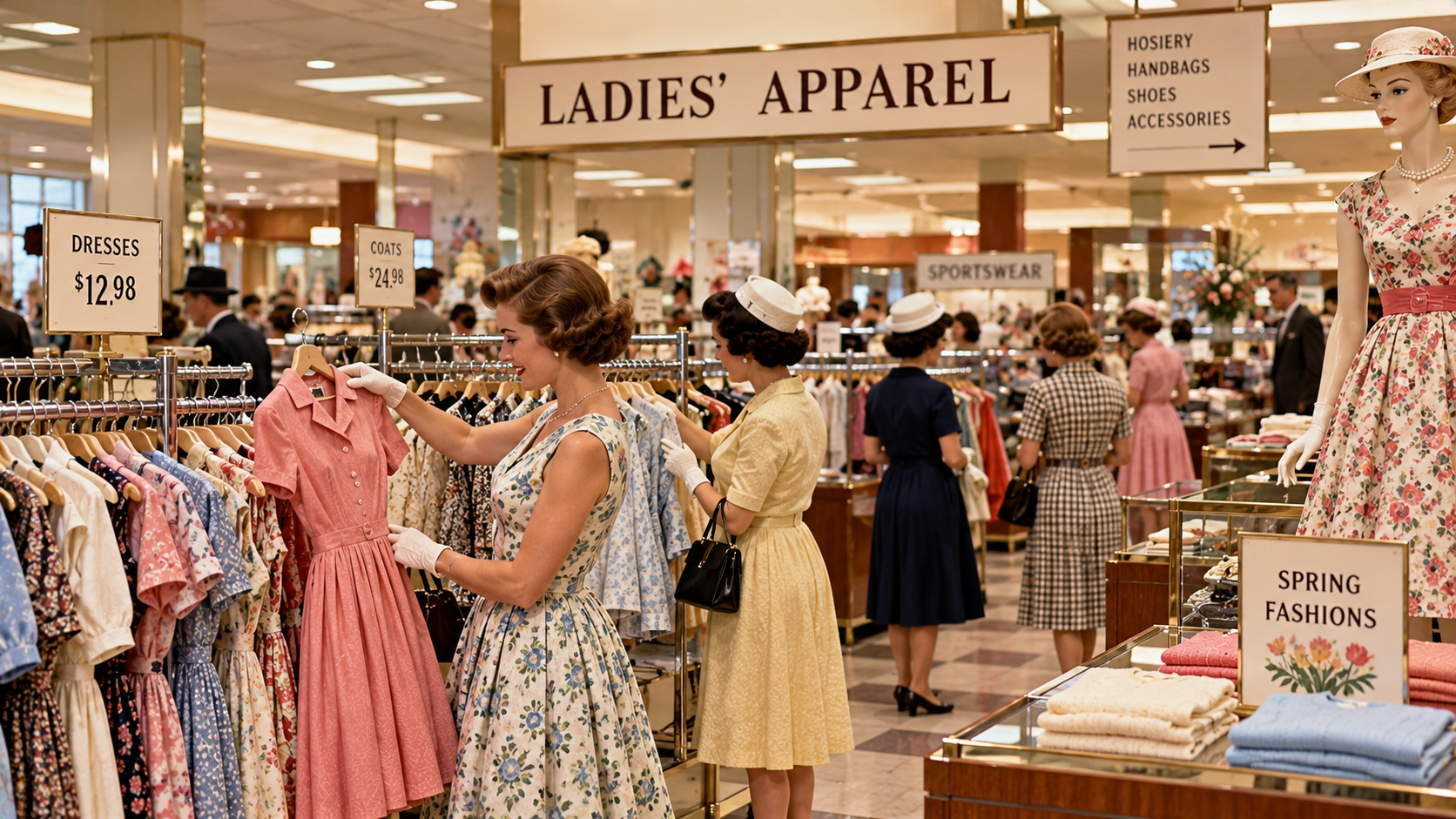
A new dress, winter coat, or pair of school shoes often required a visit to the downtown department store. Shoppers wandered through carefully arranged displays, rode escalators between floors, and received help from salesclerks who knew their merchandise. Fitting rooms had mirrors on every side, and purchases were sometimes wrapped in tissue paper before being placed inside sturdy shopping bags. Stores such as JCPenney and Sears became familiar destinations for families who wanted to see and try on clothing before buying it.
4. Getting a Watch Repaired
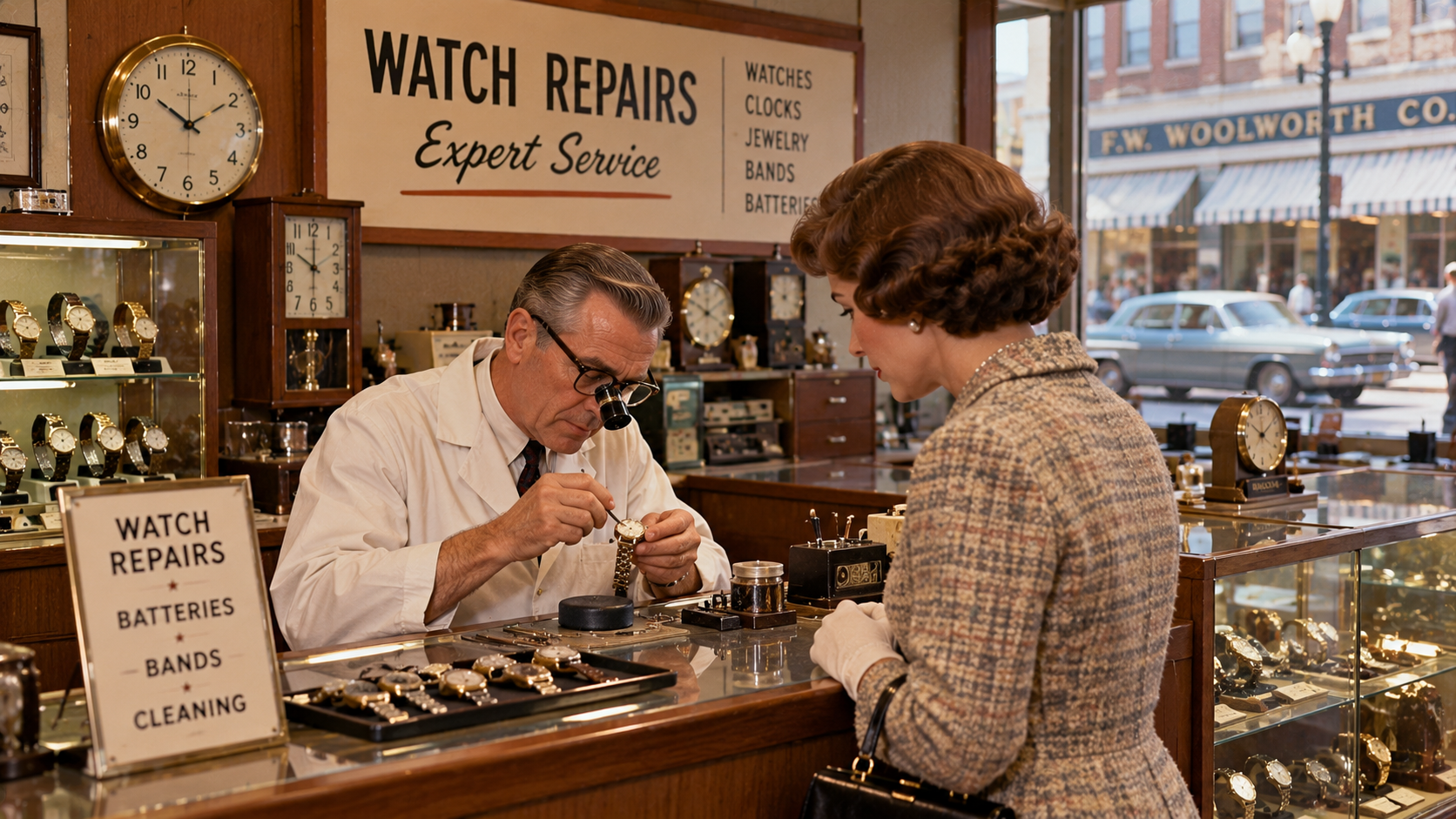
When a wristwatch stopped working in the 1960s, people rarely considered throwing it away. Instead, they brought it to a downtown jeweler or watch repair shop, where a specialist could examine its tiny mechanical parts. A broken spring, damaged crystal, or worn movement might require several days of careful work. Customers often received a handwritten claim ticket and returned later to collect their watch. These repairs reflected an era when everyday possessions were expected to last for years.
5. Developing a Roll of Film
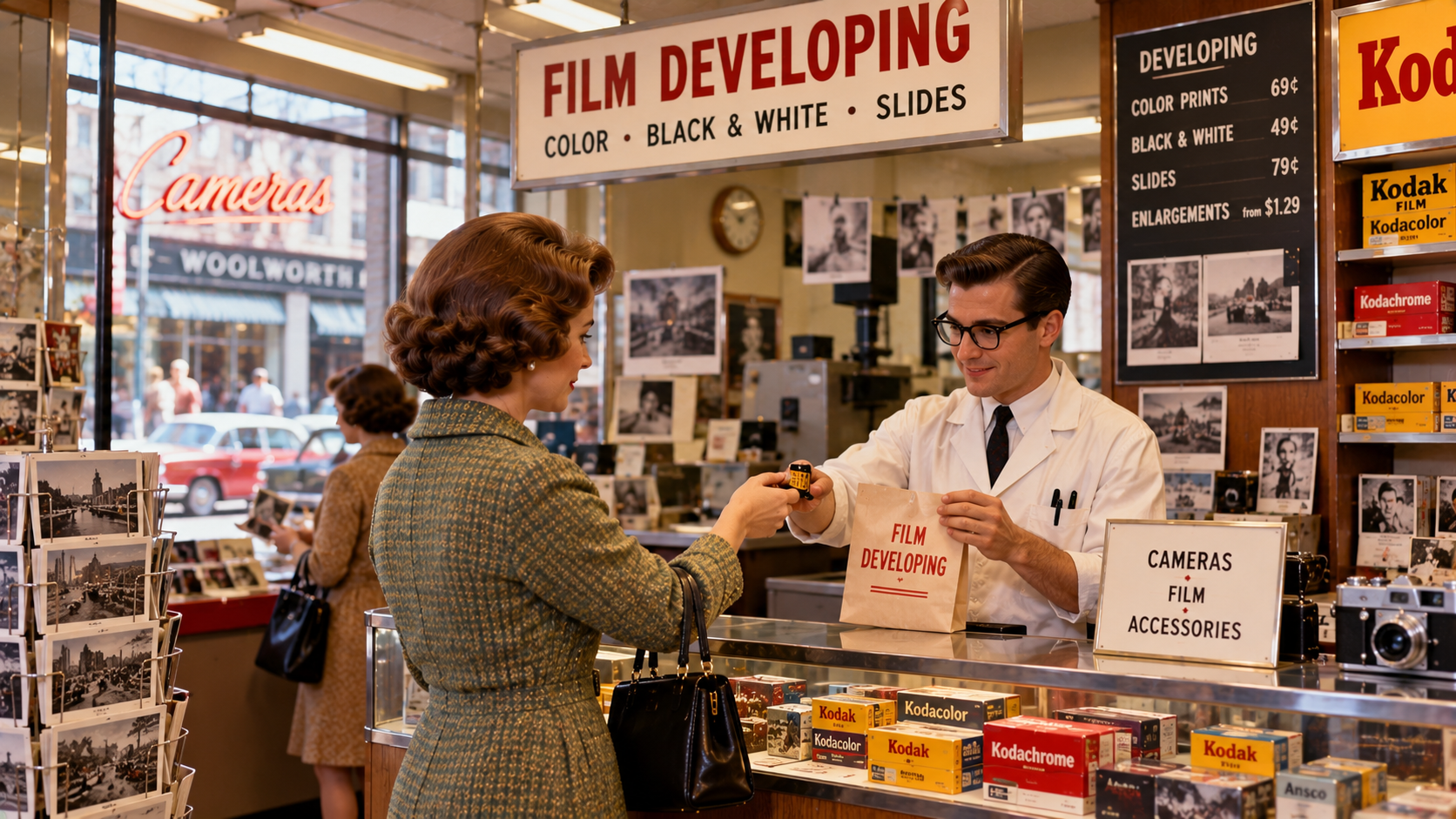
Taking family photographs was only half the process in the 1960s. Once a roll of film was finished, it usually went to a downtown camera shop, pharmacy, or photo counter for developing. Customers filled out paper envelopes, left their film behind, and waited for the pictures to return. Opening that envelope was always a small event because nobody knew exactly how the photographs had turned out. Blurry birthdays, crooked vacation pictures, and accidental shots of someone’s thumb all became part of the family collection.
Trending on Wealth Gang

6. Buying Tickets for a Show
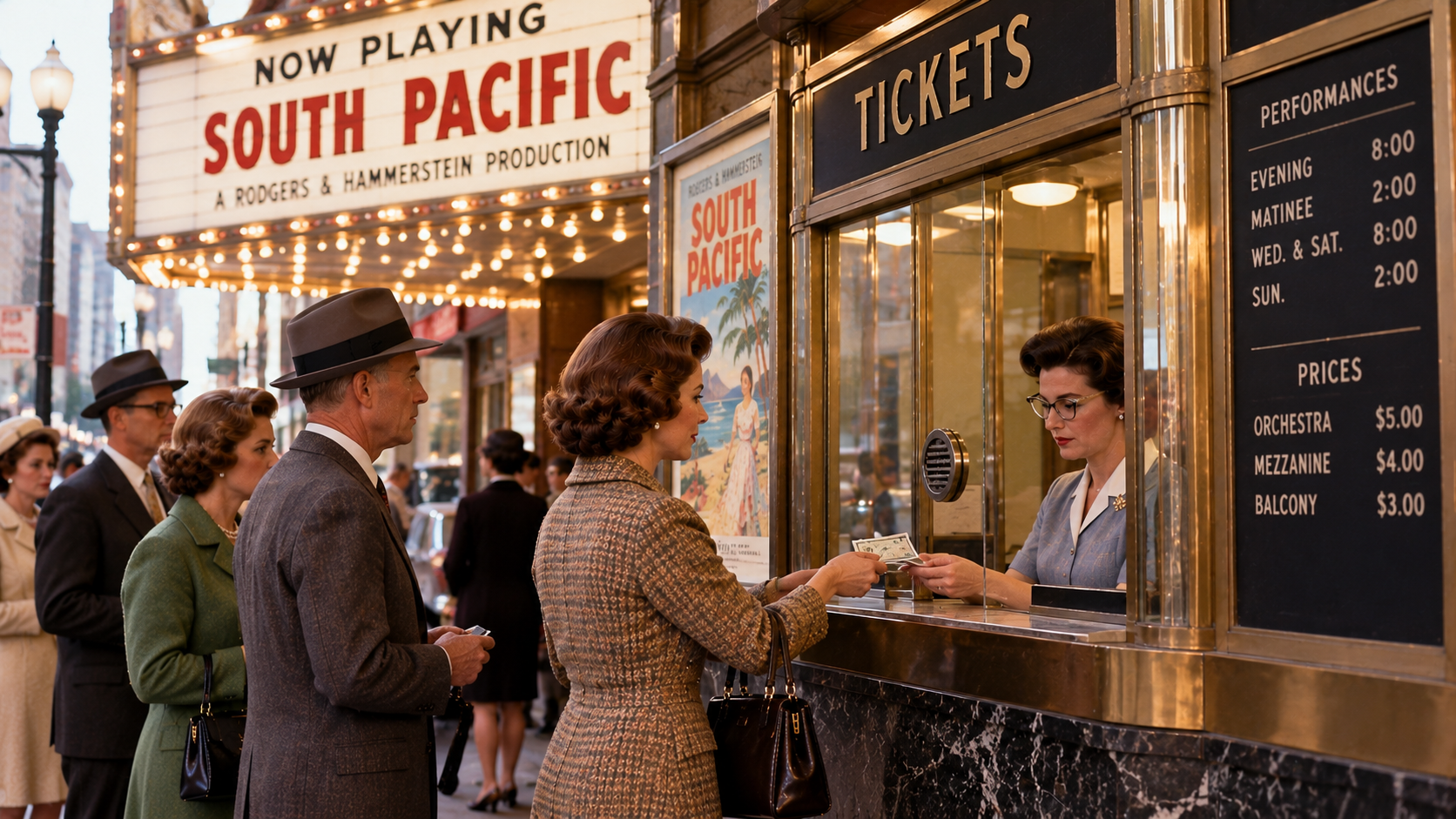
Planning a night at the theater or a special concert could involve visiting a downtown box office. Customers studied seating charts, asked about available performances, and purchased printed tickets directly from the attendant. Popular events sometimes attracted lines that stretched outside the building. Unlike today’s digital tickets, those little paper stubs were carefully tucked into wallets or purses until the evening arrived. Some people saved them afterward in scrapbooks alongside photographs and programs.
7. Visiting the Travel Agency to Plan a Vacation
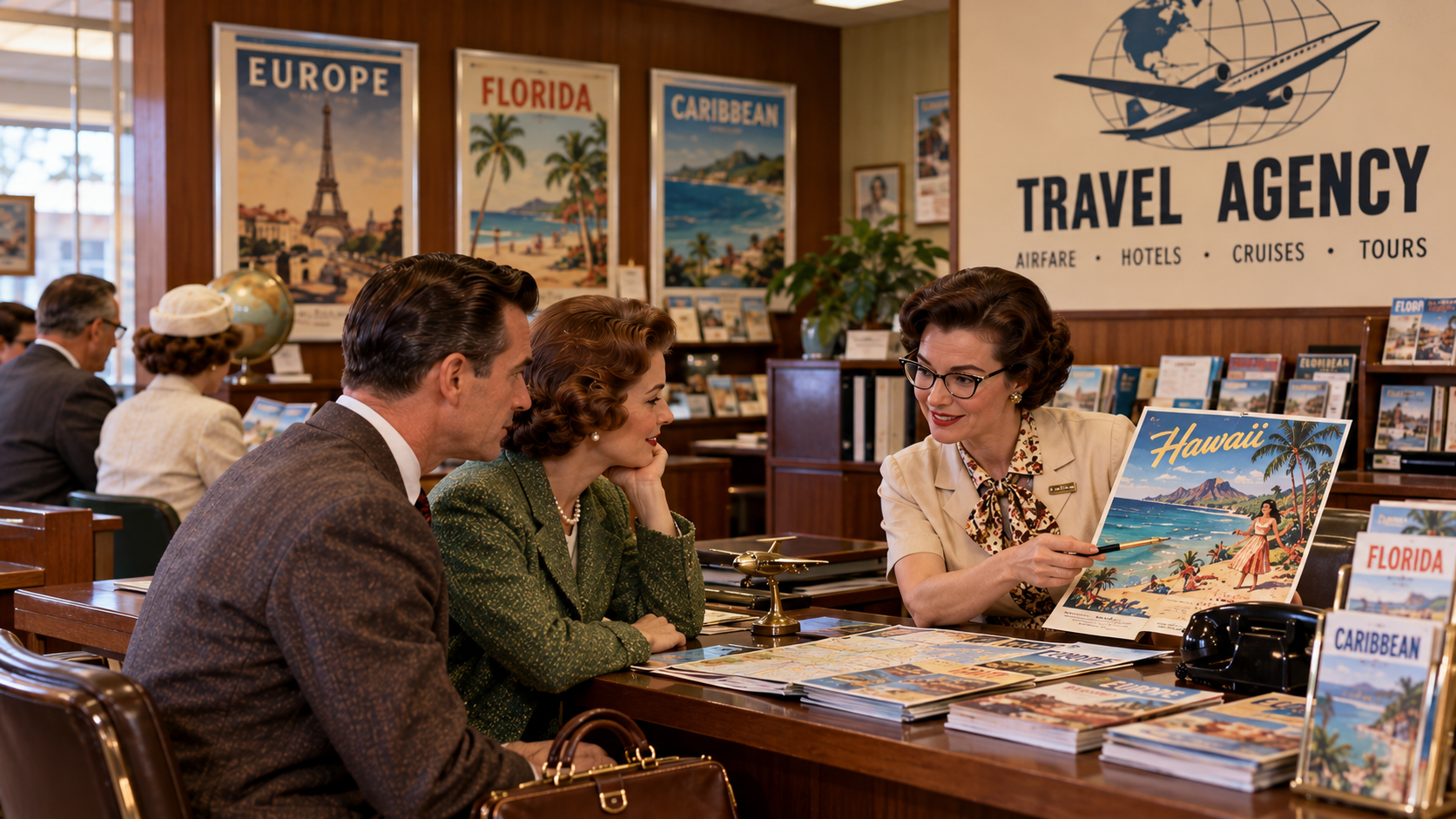
A family dreaming of a summer vacation might begin by sitting across a desk from a downtown travel agent. The office shelves were filled with colorful brochures advertising beaches, hotels, cruises, and destinations that seemed impossibly far away. Agents consulted printed schedules, explained fares, and helped arrange reservations. Travelers often left with folders containing tickets, itineraries, and hotel confirmations. Without online reviews or instant booking websites, a knowledgeable travel agent could make the difference between a smooth vacation and a frustrating one.
8. Getting Shoes Repaired
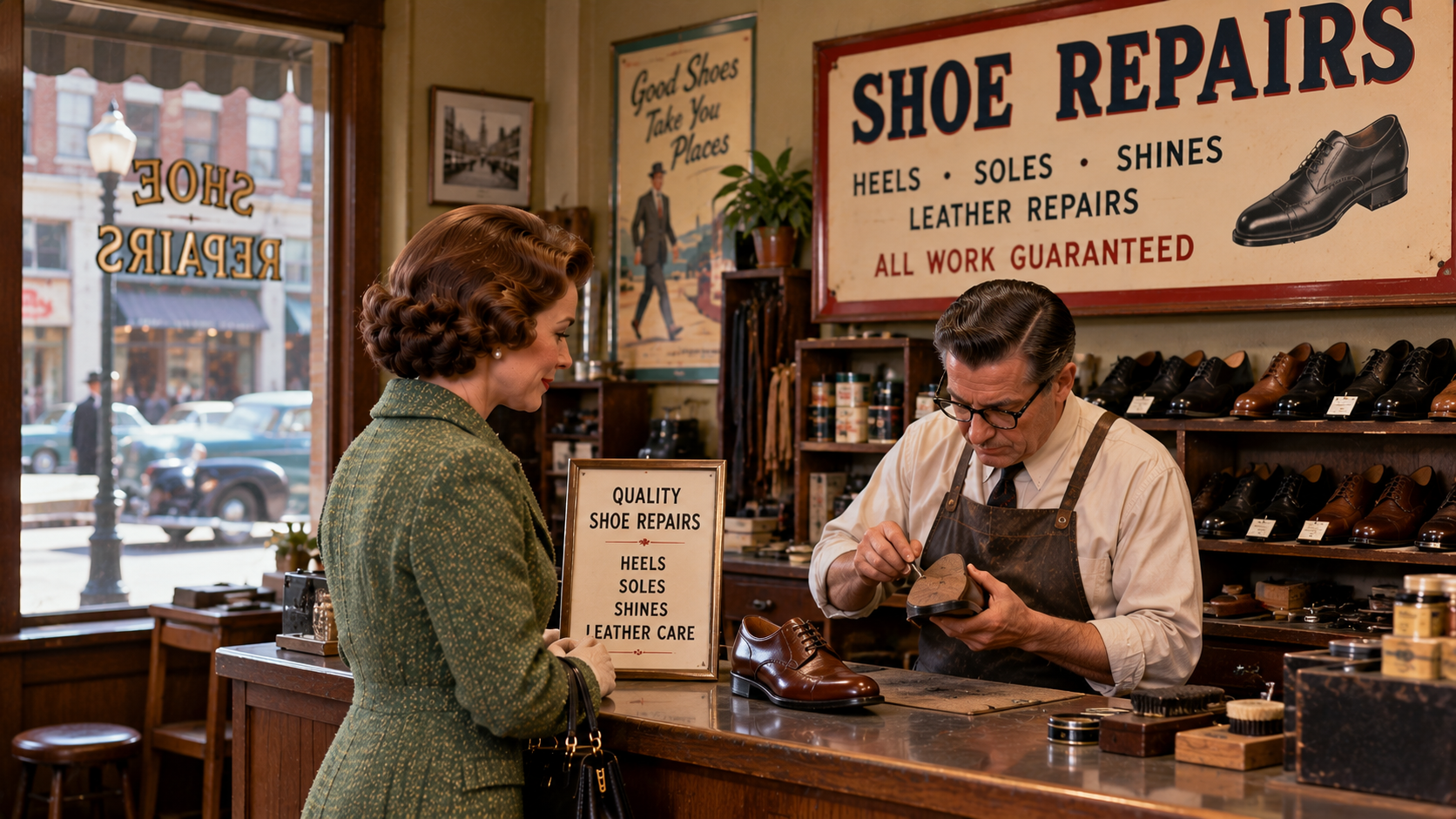
Downtown shoe repair shops were once busy places filled with the smell of leather polish and the sound of machinery. Instead of replacing shoes when the soles wore thin, customers brought them to a cobbler for new heels, stitching, or repairs. A favorite pair of dress shoes might return looking almost new after a few days. Children sometimes accompanied their parents and watched the craftsman work behind the counter. Repairing footwear was simply part of making household purchases last longer.
Sign up for our newsletter
9. Applying for a Marriage License
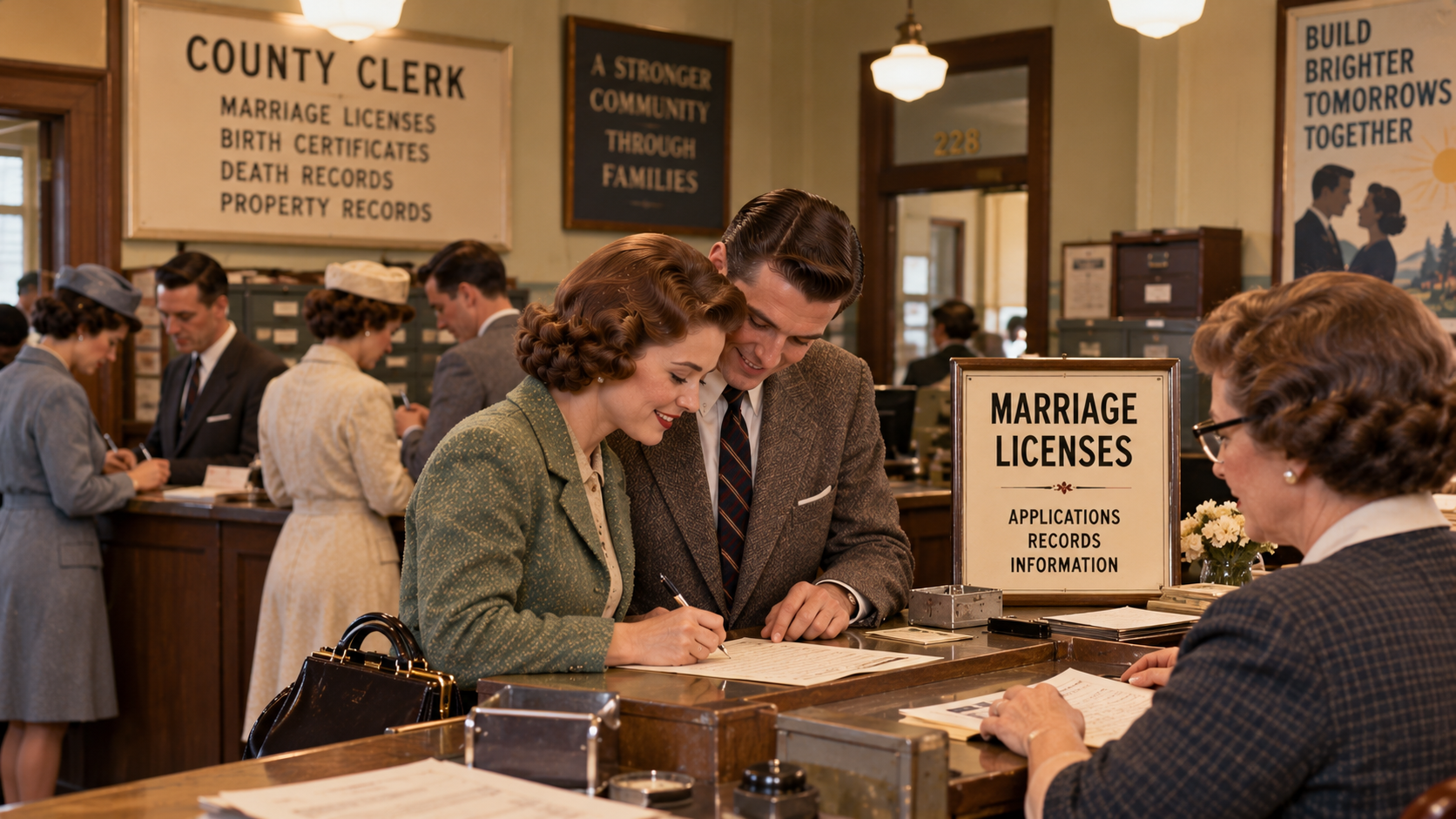
For couples preparing to get married, a visit to the county courthouse or clerk’s office was an important step. They arrived with the required identification, completed paperwork, and followed whatever waiting periods or local regulations applied. The process often involved sitting on wooden benches beneath fluorescent lights while clerks processed documents. Although the errand itself was practical, it carried a special sense of excitement. Walking out with the necessary paperwork made the upcoming wedding feel a little more real.
10. Ordering Prescription Glasses
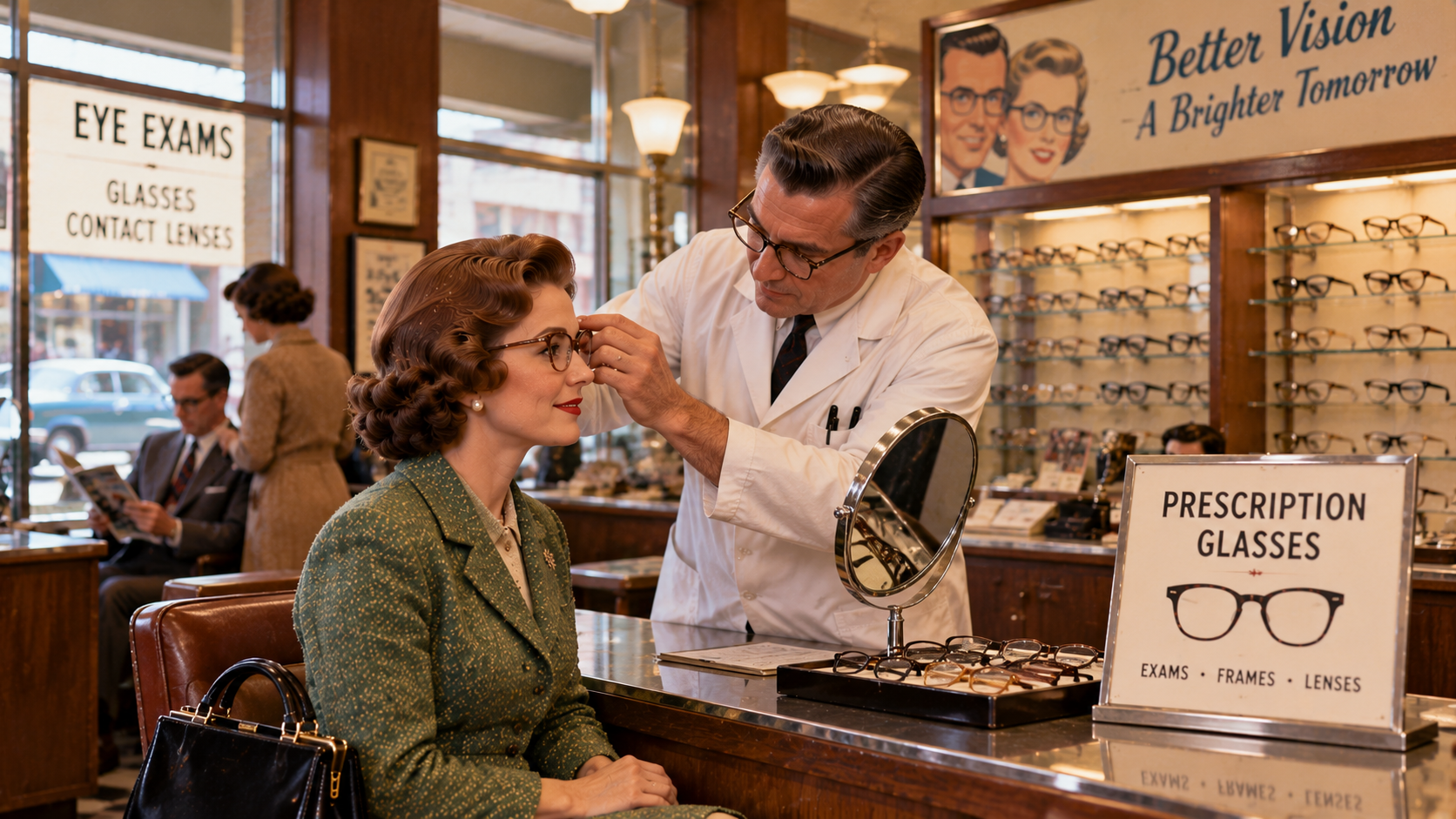
Getting a new pair of eyeglasses often meant visiting an optometrist or optical shop downtown. Customers examined rows of frames displayed behind glass and tried on different styles while a salesperson offered suggestions. After an eye examination, lenses were ordered and fitted, sometimes requiring another visit days later. Thick frames, cat-eye glasses, and metal-rimmed designs were familiar sights during the decade. Choosing glasses was a decision people took seriously because they expected to wear the same pair for years.
11. Purchasing a Money Order
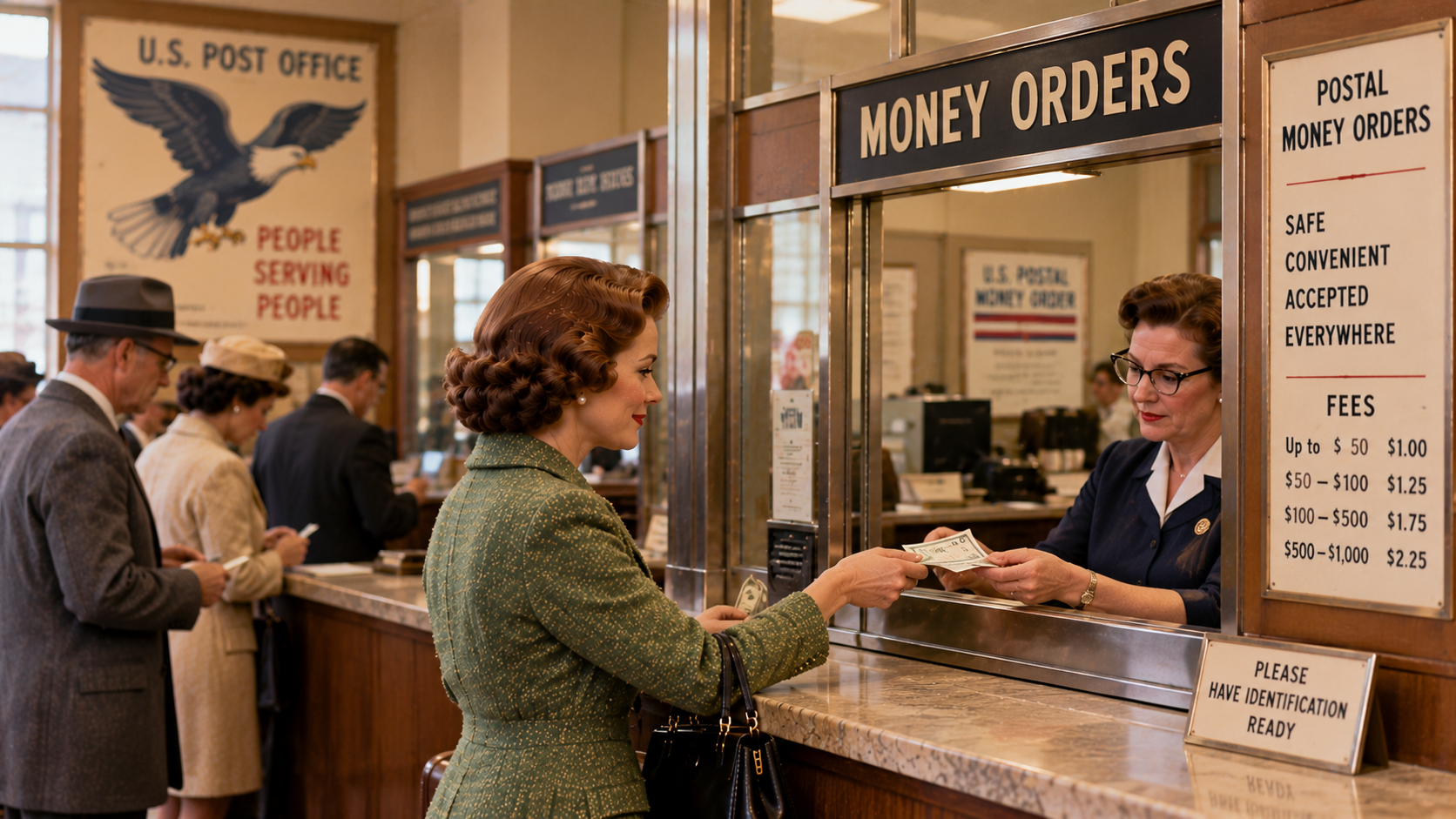
Before electronic transfers became routine, money orders offered a dependable way to send payments without writing a personal check. People visited downtown post offices, banks, or other authorized sellers to purchase them for rent, mail-order merchandise, and other expenses. The clerk collected the payment, issued the document, and provided a receipt that customers were wise to keep. For people without checking accounts, money orders were especially useful. Sending money required a little more planning when every transaction involved paper.
12. Picking Up a Special-Order Item
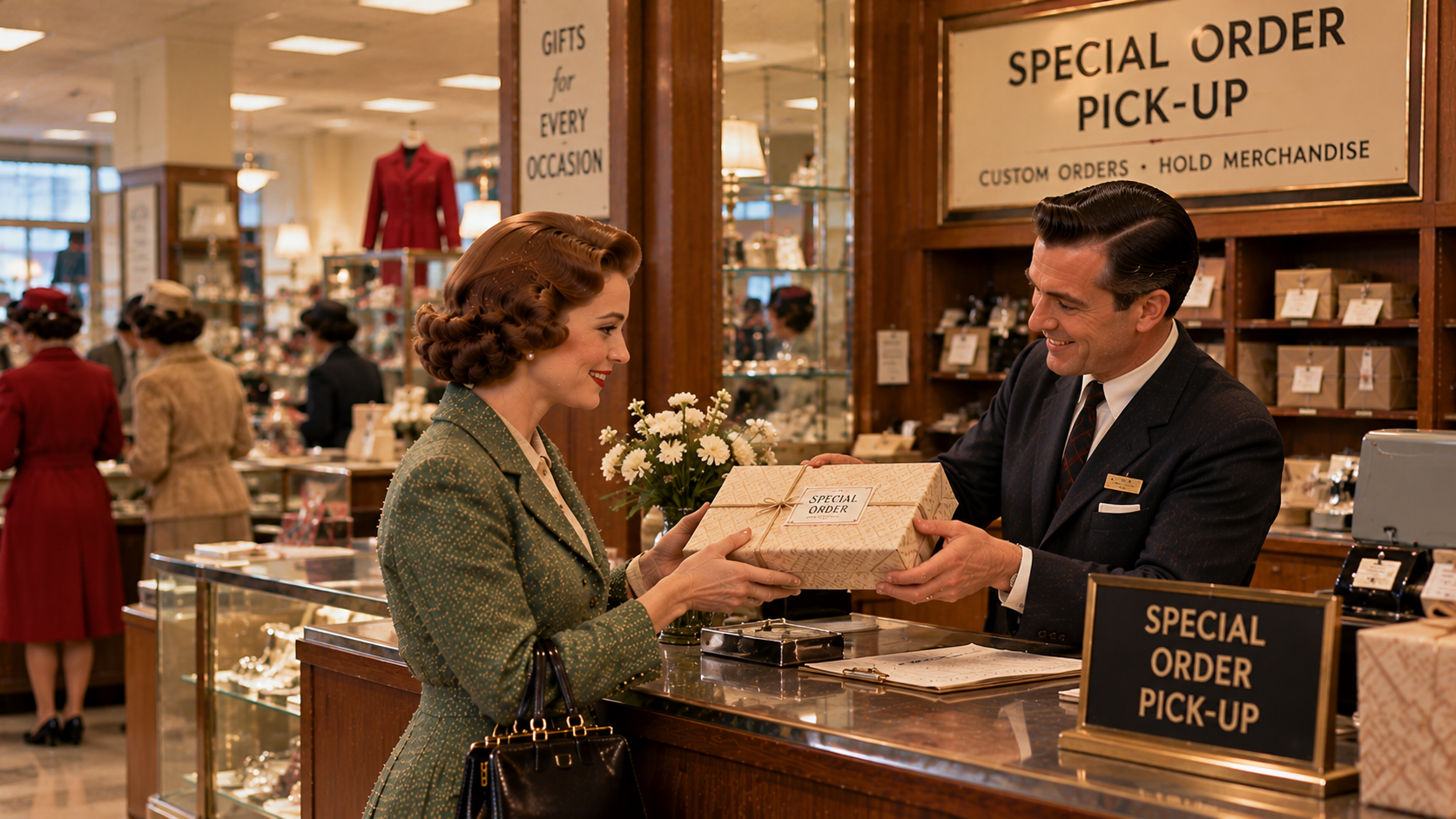
Not everything people wanted was sitting on a store shelf in the 1960s. A replacement appliance part, unusual fabric pattern, or particular piece of furniture might have to be ordered through a downtown retailer. Salesclerks consulted thick catalogs, wrote down product numbers, and estimated when the merchandise would arrive. Customers then waited for a telephone call or postcard announcing that their order was ready. Picking up that long-awaited purchase could feel surprisingly exciting after weeks of anticipation.
13. Having Important Documents Notarized
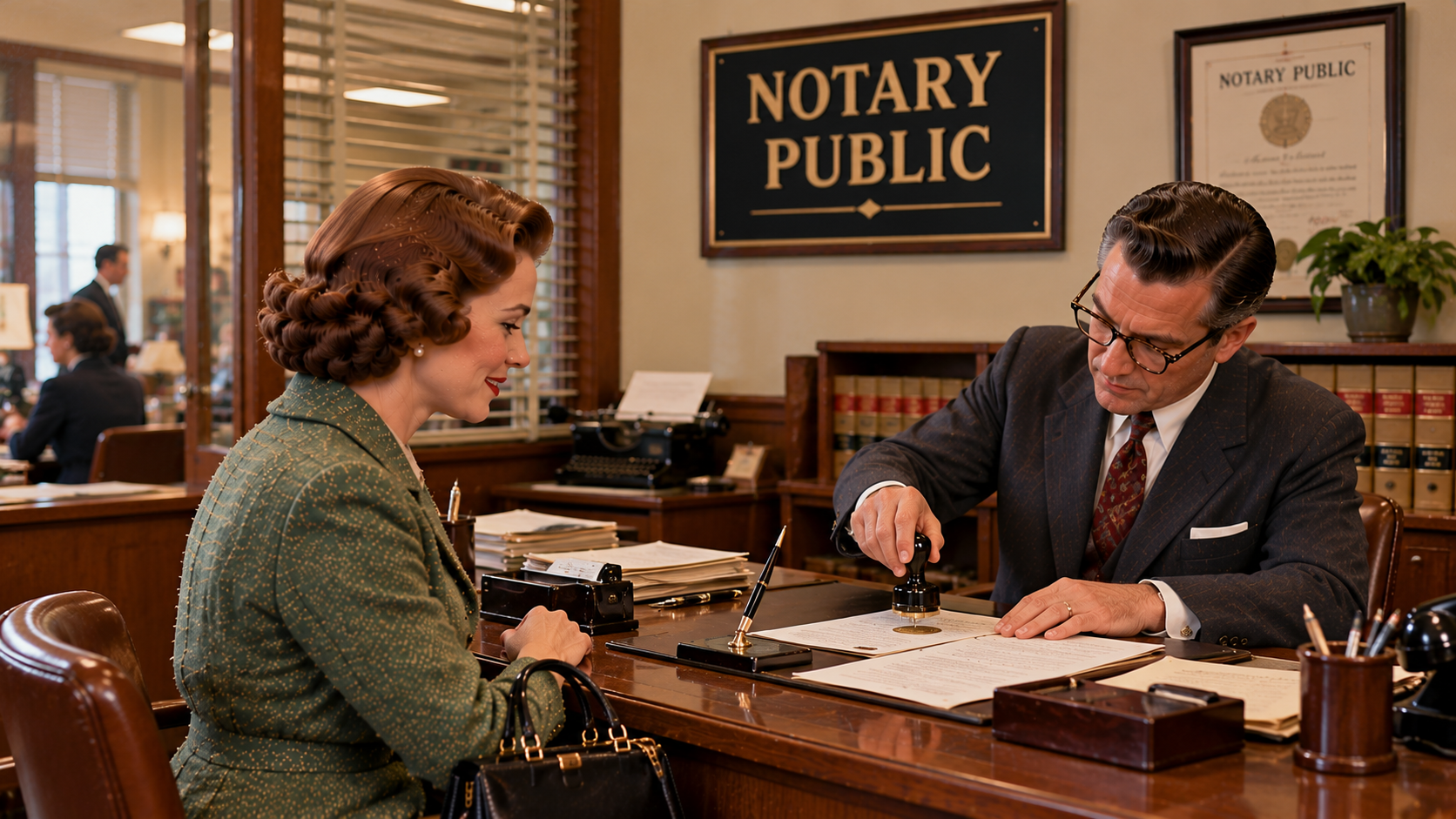
Signing certain legal or financial documents often required a trip to a downtown bank, law office, or notary’s desk. Customers brought identification and paperwork, then signed in front of an authorized official who verified the signature and applied an official seal. Real estate transactions, affidavits, and other formal matters could involve this extra step. The process was not particularly glamorous, but the stamps, signatures, and neatly organized files gave the occasion a sense of importance that ordinary paperwork rarely carries today.
14. Buying Fabric and Sewing Supplies
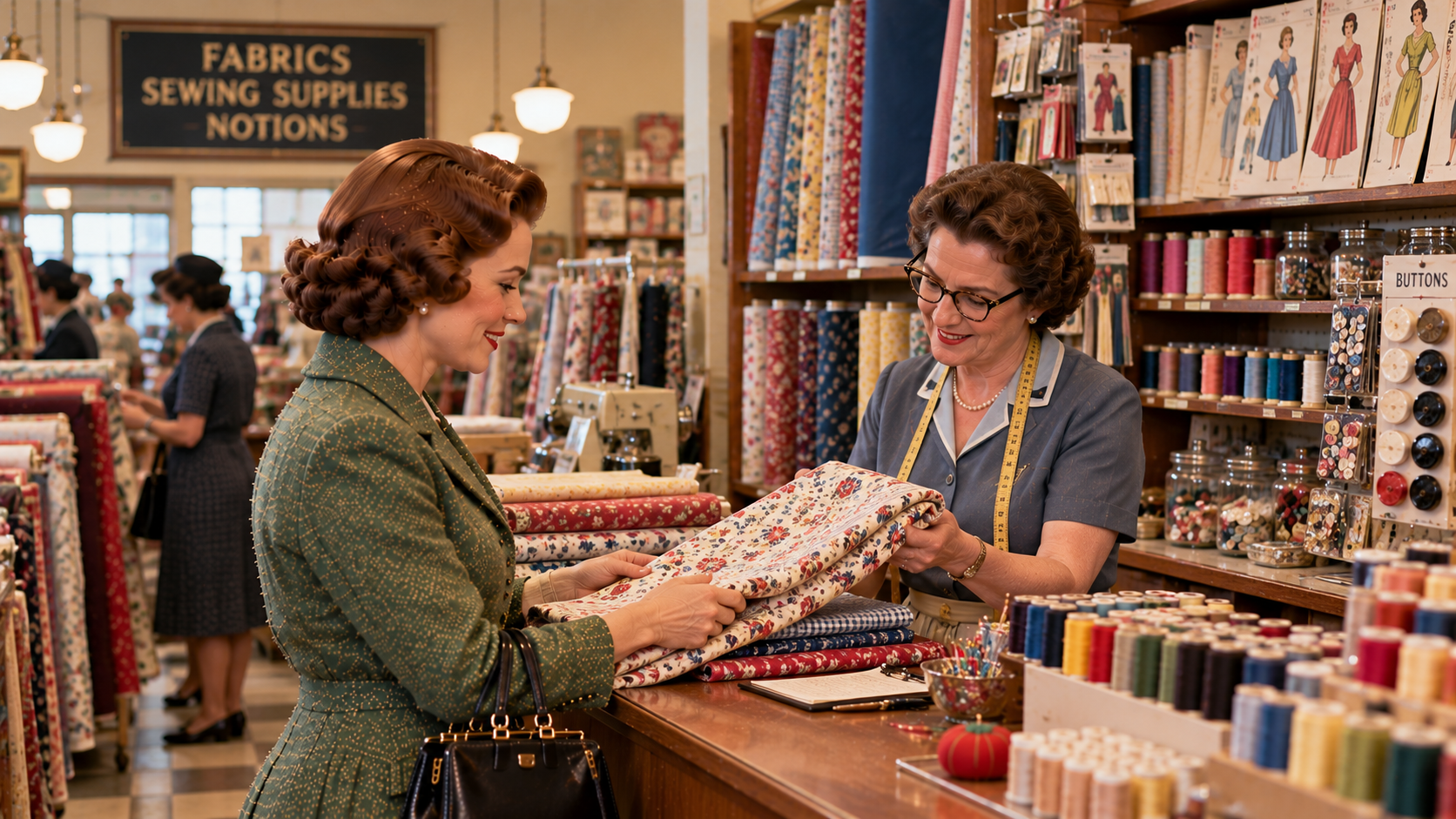
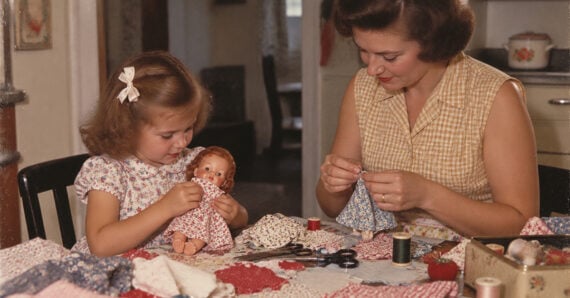
For many households, sewing was a practical way to save money and keep everyone dressed. Downtown fabric stores offered shelves of colorful cotton, wool, zippers, buttons, thread, and paper dress patterns. Customers unfolded bolts of fabric while clerks measured the required yardage with practiced precision. A mother planning Easter dresses or back-to-school outfits might spend an entire afternoon choosing materials. The trip often ended with a paper bag full of supplies and several evenings of sewing waiting at home.
15. Getting a Typewriter Serviced
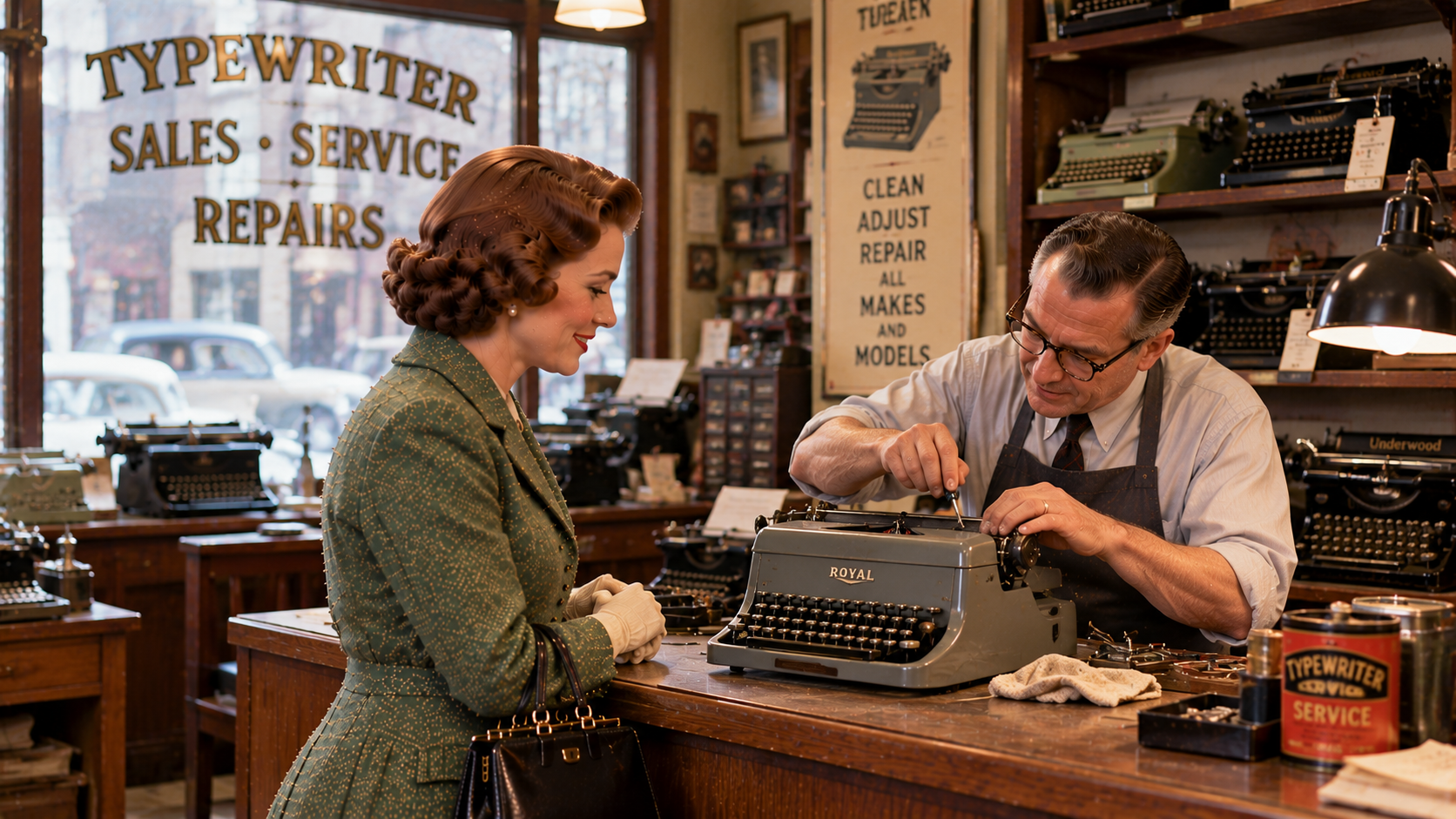
A typewriter was an essential tool for many offices, students, and home businesses in the 1960s. When keys began sticking, or the carriage stopped moving properly, owners brought the machine to a downtown repair shop. Technicians cleaned internal mechanisms, adjusted alignment, and replaced worn ribbons or damaged parts. A well-maintained typewriter could remain useful for decades. The familiar clicking of its keys and the sharp ding at the end of a line were sounds that belonged to everyday working life.
16. Searching Public Records at the Courthouse
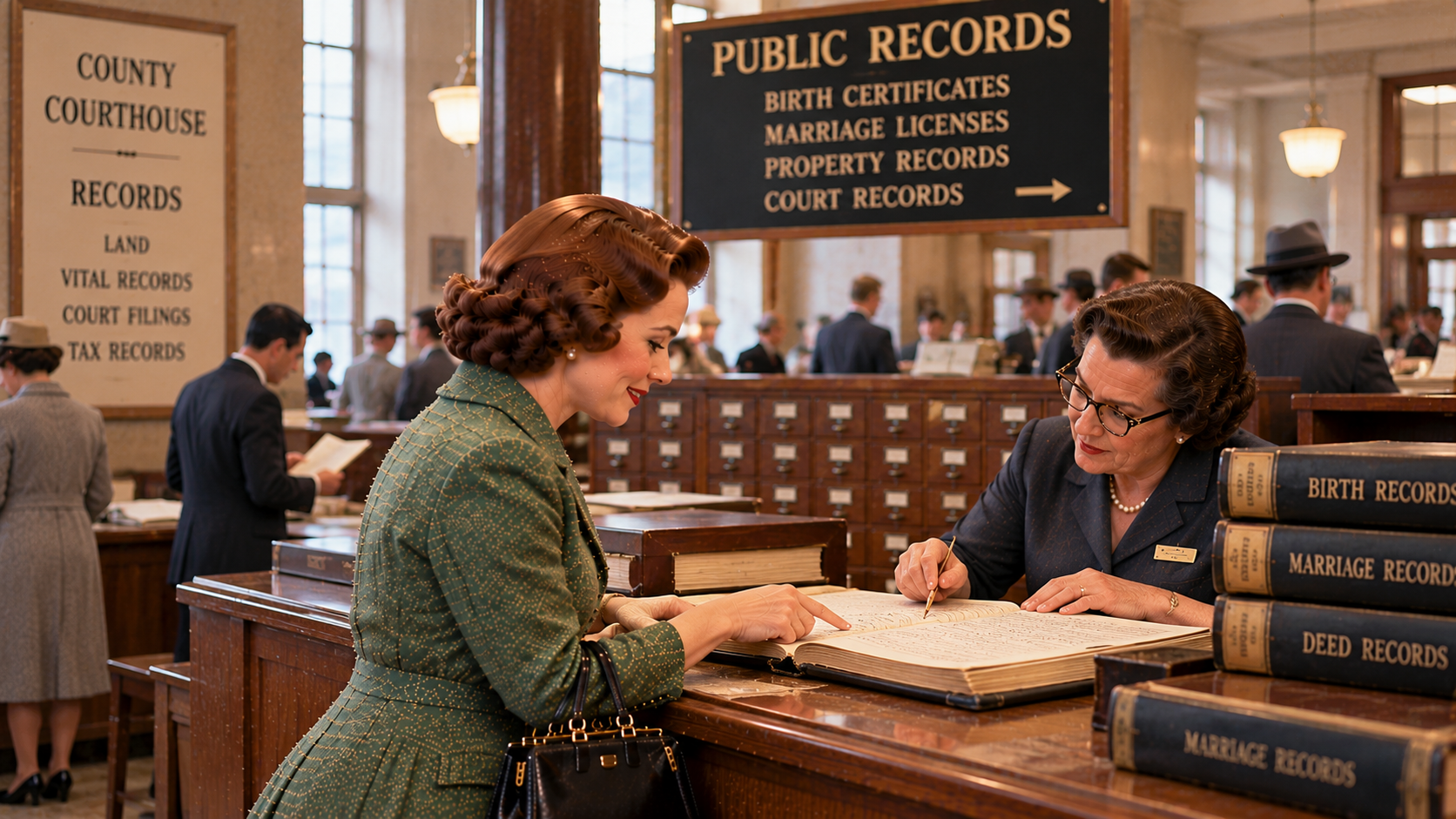
Finding information about property ownership, legal filings, or certain family records often meant spending time at the downtown courthouse. Visitors approached a clerk, requested the appropriate records, and searched through large books, indexes, or filing systems. Some documents had to be copied by hand or reproduced for a fee. There was no search bar to locate an answer instantly. Getting the information required patience, careful reading, and sometimes help from someone who knew exactly where the records were kept.
17. Mailing Packages at the Main Post Office
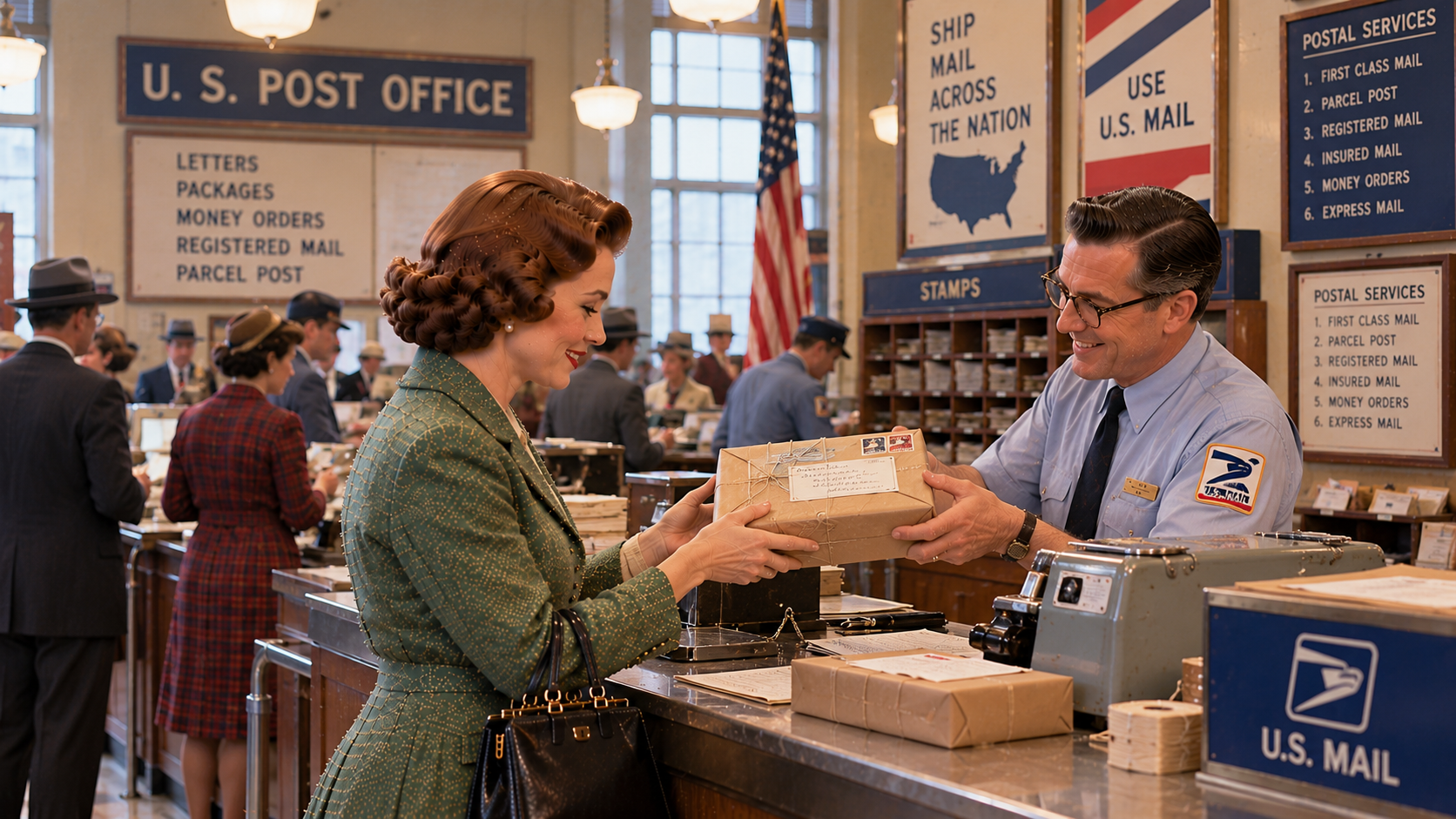
Sending a birthday present or holiday package could turn into a downtown outing, especially in communities where the main post office handled more services than smaller neighborhood branches. Customers wrapped boxes in brown paper, tied them with string, and carried them to the counter to be weighed. Postal clerks calculated postage, applied stamps or labels, and explained delivery options. During December, lines could stretch across the lobby as families mailed gifts to relatives across the country. The trip was one more reminder that staying connected often required leaving the house.
More Related Notes
• Small-Town Charm: 17 Glimpses of Everyday Life on America’s Main Streets
Take a nostalgic stroll through America’s old Main Streets, when department stores, local pharmacies, and neighborhood businesses made downtown the center of everyday life.
• 16 Things Americans Used to Buy at the Corner Store That Have Nearly Disappeared
Remember when a quick shopping trip meant stopping at a familiar neighborhood store for newspapers, household essentials, or penny candy? Rediscover the products and personal shopping experiences that have largely disappeared.
• 16 Photos That Capture Weekend Life in 1960s America
Revisit the ordinary weekend routines of the 1960s, from browsing downtown shops and visiting the barber to running errands and spending afternoons with family.