
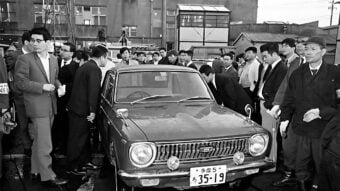
Some bank heists were so bold and flawlessly executed that, even today, they feel like scenes straight out of an action movie. Meticulous plans, secret tunnels, disguises, inside accomplices, and millions disappearing without a trace. Between the 1940s and the 1980s, these robberies defined an era when bank security was more vulnerable and criminal imagination knew no bounds. Many of these heists made history not just for the money stolen, but for the intelligence and precision behind every move.
1. The Brink’s Job (1950)

This was one of the most famous heists in history, carried out in Boston. The thieves made off with more than $2.7 million in cash, checks, and bonds. The job was so clean that it took years to identify those responsible, and they were only uncovered after one of the members eventually turned informant many years later.
2. The United California Bank Heist (1972)

This heist took place in Laguna Niguel, California, and was carried out by a gang led by Amil Dinsio. The thieves drilled into the vault over a long holiday weekend. They stole around $12 million, a record-breaking amount for the time.
3. The Great British Bank Robbery (1971)

A crew led by Gordon Goody pulled off a major bank robbery in London by using underground tunnels and duplicated keys. They walked away with nearly £3 million after months of careful planning and preparation. The sophistication of the operation later inspired books, films, and several British television series.
4. The Lufthansa Heist (1978)

This daring heist took place at New York’s JFK Airport and was orchestrated by Jimmy Burke, a figure connected to organized crime. The crew stole nearly $6 million in cash and jewelry. For years, it stood as the largest cash robbery in U.S. history. Most of the stolen money was never recovered.
5. The Société Générale Vault Robbery (1976)

Known as “the robbery of the century” in France, a group accessed the vault through a tunnel dug from Paris’s sewer system. They emptied hundreds of safe deposit boxes without using violence. Before leaving, they even left behind a mocking note. The leader was never convicted because his guilt could not be legally proven.
Trending on Wealth Gang


6. The Baker Street Robbery (1971)

This famous London heist involved tunnels dug from a nearby shop. The thieves gained access to safe deposit boxes containing cash, jewelry, and sensitive documents.
7. The Dunbar Armored Robbery (1977)

Although it wasn’t technically a bank robbery but rather a heist targeting a cash transport company, its impact on the banking world was massive. It took place in Los Angeles, where the thieves made off with more than $18 million. For decades, it remained the largest cash robbery in U.S. history. Almost no one was ever convicted.
8. The Pierre Hotel Heist (1972)

A group of thieves broke into New York’s Pierre Hotel and looted safe deposit boxes belonging to wealthy guests. The haul included cash, jewelry, and other valuable financial assets.
Sign up for our newsletter
9. The Knightsbridge Security Deposit Robbery (1987)

Although it took place toward the end of the period, the heist was highly significant. The thieves posed as customers and took control of the building. They escaped with millions in cash and valuables. The mastermind remained on the run for years, and the robbery is considered one of the most audacious in the UK.
10. The Banco Central Heist of Argentina (1960s)

Organized gangs took advantage of rudimentary security systems to steal large sums of money. These robberies marked a turning point in the country’s banking security. Many cases were never solved, and widespread corruption helped enable several successful heists. Today, for security reasons, using a phone inside banks is no longer allowed.
11. The Royal Bank of Scotland Robbery (1971)

This heist was planned over several months and allowed the thieves to access central vaults. They relied on inside information and perfectly timed execution. The haul was worth millions for its time.
12. The Montreal Bank Heist (1965)

It was one of the largest robberies in Canada at the time. The thieves exploited weaknesses in locking systems and surveillance. The case had a lasting impact on Canadian banking regulations.
13. The Security Pacific National Bank Robbery (1970s)

This California bank was targeted in a highly sophisticated heist that relied on insider access and careful planning. The thieves managed to bypass alarms, sensors, and surveillance systems with remarkable precision for the time. The robbery exposed serious weaknesses in traditional banking security measures. Millions in cash were stolen, and the case pushed banks across the United States to adopt more advanced monitoring and control technologies.
14. The Amsterdam Bank Tunnel Robbery (1968)

A gang dug a tunnel leading directly into a bank branch. The heist was quiet and exceptionally precise. They made off with large sums of money without triggering any alarms. It was widely considered a masterpiece of European organized crime.
15. The Tokyo Bank Heist (1968)

It is one of the most famous crimes in Japan. A man disguised as a police officer tricked bank employees into handing over a money-filled vehicle. The heist was swift and nonviolent, and the perpetrator was never identified.
More Crime Stories Worth Exploring
-
12 Rare and Valuable Relics From the Wild West
A fun historical companion piece that touches on outlaw lore (including references to bank heists) and keeps readers in a crime-meets-history mindset while they browse your site. -
British Cheese Heist: $390K of Artisanal Cheddar Stolen in England
A modern-day heist story with the same “how did they pull this off?” energy as classic bank jobs—great for readers who want more bold, headline-worthy thefts. -
21 Photos of Old-School Gangsters and Street Gangs
A strong contextual link for your heist article: it adds faces and atmosphere to the eras where organized crime, crews, and big robberies dominated the headlines.