Health advice has changed so much that opening an old magazine or medical pamphlet can feel like stepping into another world. There were generations who were told to spend more time in the sun, rest in bed for weeks after giving birth, or use products containing ingredients that would raise immediate concerns today.
Most people were simply following the best advice available to them, or recommendations shaped by the medical knowledge and advertising of the era. Some practices were eventually abandoned as better evidence emerged, while others were restricted or replaced by safer alternatives. These 15 examples show just how different “taking care of yourself” could once look.
1. Smoking Cigarettes to Stay Slim
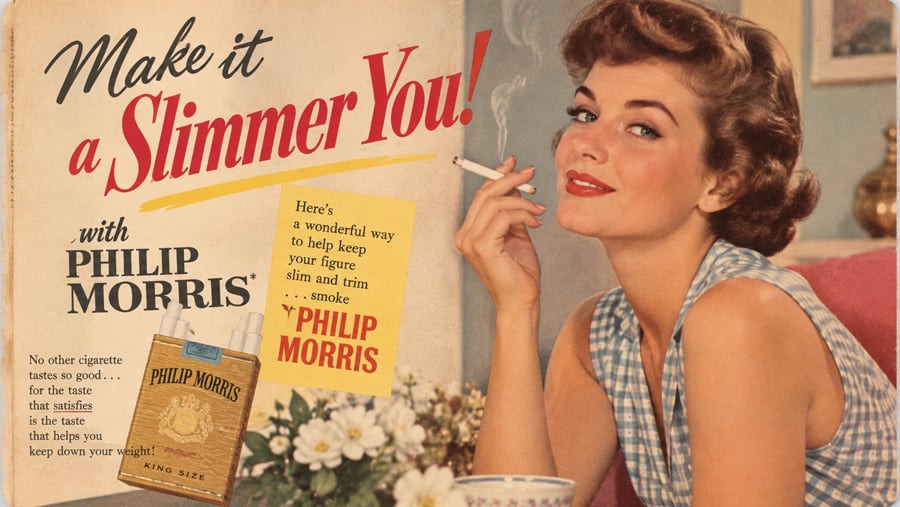
For decades, cigarette advertising sometimes connected smoking with appetite control, slimness, and sophistication. The idea that lighting a cigarette could help someone avoid overeating appeared in marketing aimed particularly at women. Today, the severe health risks of smoking are well established, making that message startling to encounter in old advertisements.
2. Giving Children Cod Liver Oil by the Spoonful
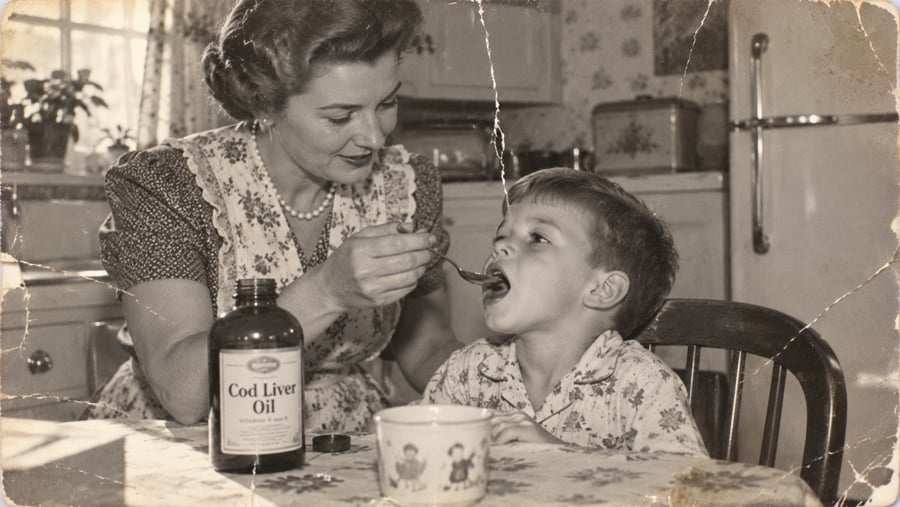
For many children, the bottle waiting in the kitchen cabinet was part of growing up. Parents commonly gave spoonfuls of cod liver oil as a source of vitamins A and D, especially before foods were as widely fortified. Cod liver oil itself hasn’t disappeared, but routinely pouring an imprecise spoonful into every child’s mouth feels very different from modern supplement guidance.
3. Putting Babies Outside to Nap in the Cold
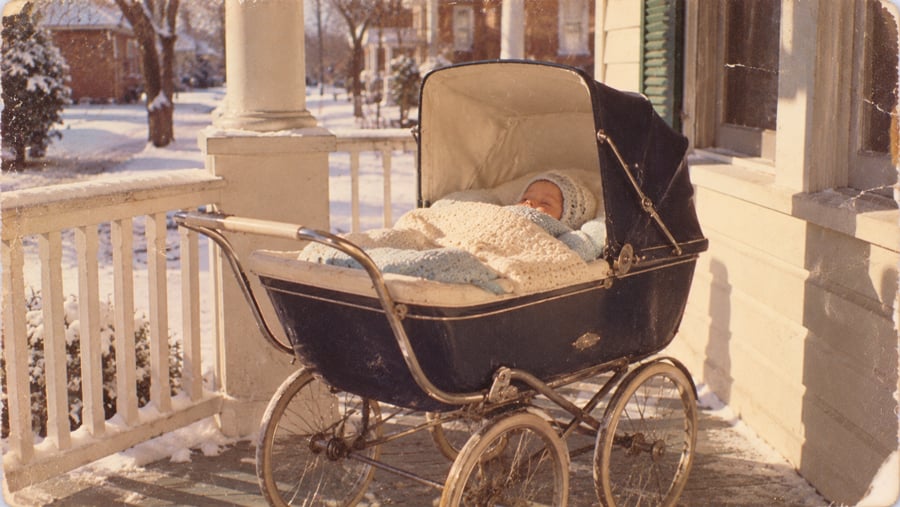
Fresh air was taken seriously. In parts of Europe and North America, babies were sometimes bundled up and placed outdoors, on porches, or beside open windows because cool fresh air was believed to promote health and better sleep. Outdoor naps still exist in some cultures, but modern infant sleep recommendations emphasize specific safety conditions that earlier generations often lacked.
4. Using the Sun as a Health Treatment
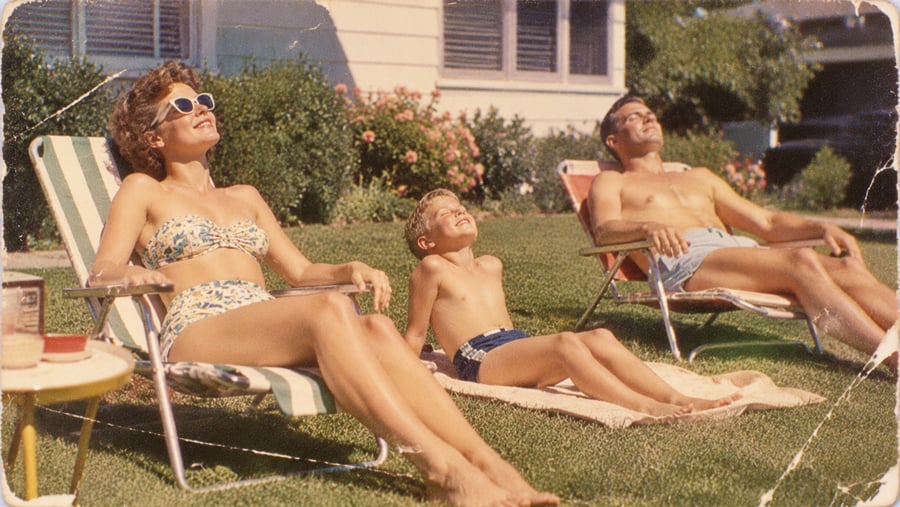
Long before sunscreen became an everyday concern, sunshine was frequently associated with vitality and good health. Sunbathing and heliotherapy were recommended in certain contexts, and a deep tan could signal that someone looked healthy. Today, excessive ultraviolet exposure is recognized as a major cause of skin damage and skin cancer.
5. Using Tanning Lamps at Home
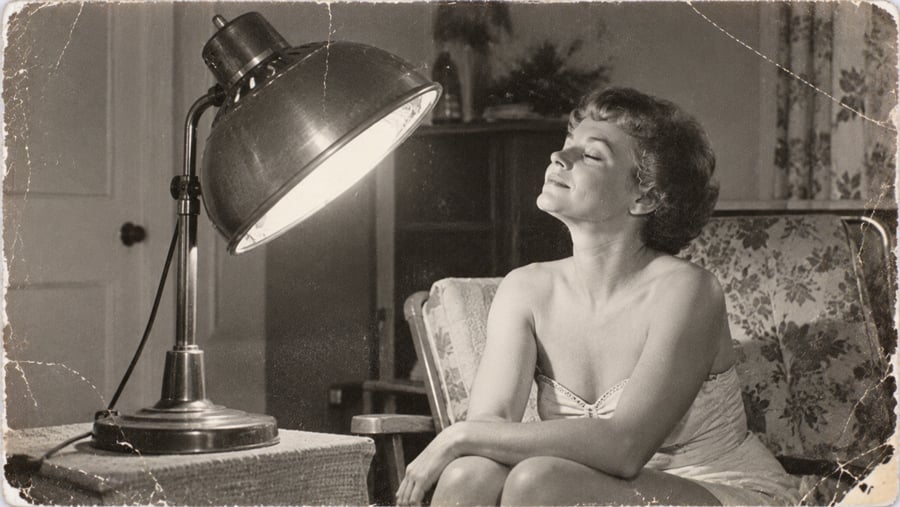
If natural sunshine wasn’t available, artificial light could provide the next best thing. Vintage sunlamps were sold for home use and promoted around ideas of health, beauty, and winter wellness. Modern understanding of ultraviolet exposure makes casually sitting beneath an old-fashioned tanning lamp considerably less appealing.
Trending on Wealth Gang


6. Staying in Bed for Days After Giving Birth
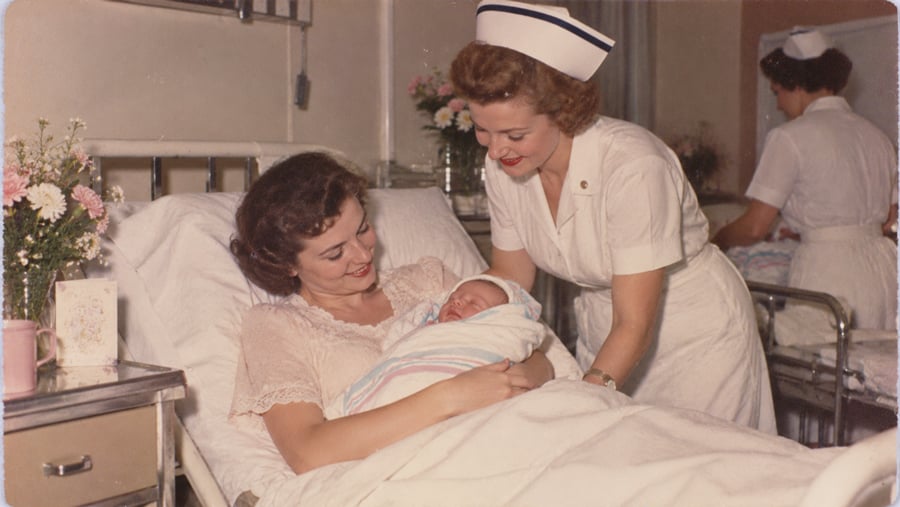
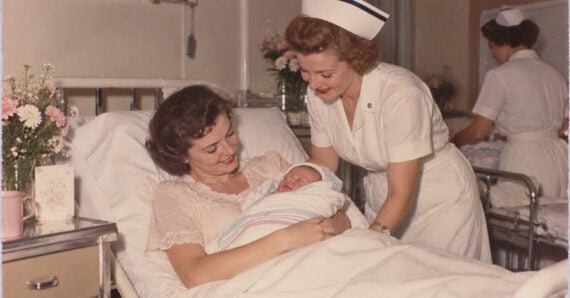
A new mother could once expect a much longer period of bed rest than is typical today. Remaining in the hospital or in bed for an extended recovery was often treated as sensible medical care. Modern postpartum care generally encourages safe movement relatively soon when medically appropriate, partly because prolonged immobility carries risks of its own.
7. Taking a “Tonic” When Feeling Run Down
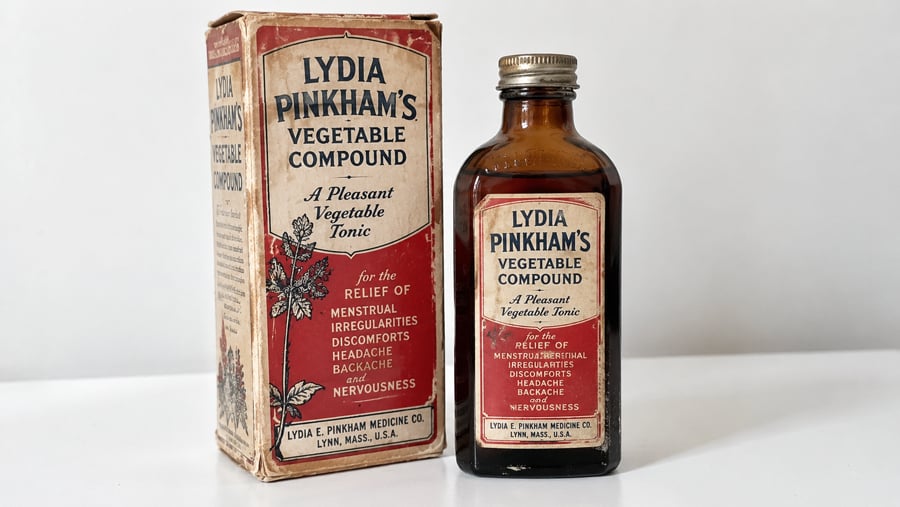
There was seemingly a tonic for everything: poor appetite, fatigue, nerves, digestion, or simply feeling under the weather. Bottles lined pharmacy shelves and medicine cabinets, sometimes containing ingredients consumers would never expect in a wellness product today. Taking an undefined restorative tonic simply because someone felt tired has largely disappeared from mainstream medical care.
8. Treating Children’s Coughs With Strong Medicinal Syrups
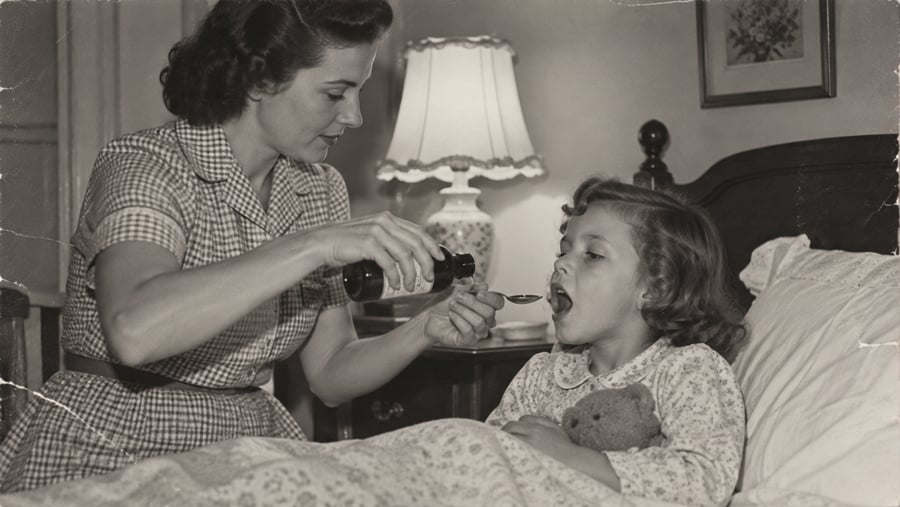
The medicine cabinet once contained remedies that could be considerably stronger than today’s parents might expect. Historically, some cough and soothing preparations contained ingredients such as alcohol, opiates, or other substances that later became much more tightly controlled. Modern pediatric guidance is far more cautious about cough medicines, particularly for young children.
Sign up for our newsletter
9. Exercising With a Vibrating Belt Machine
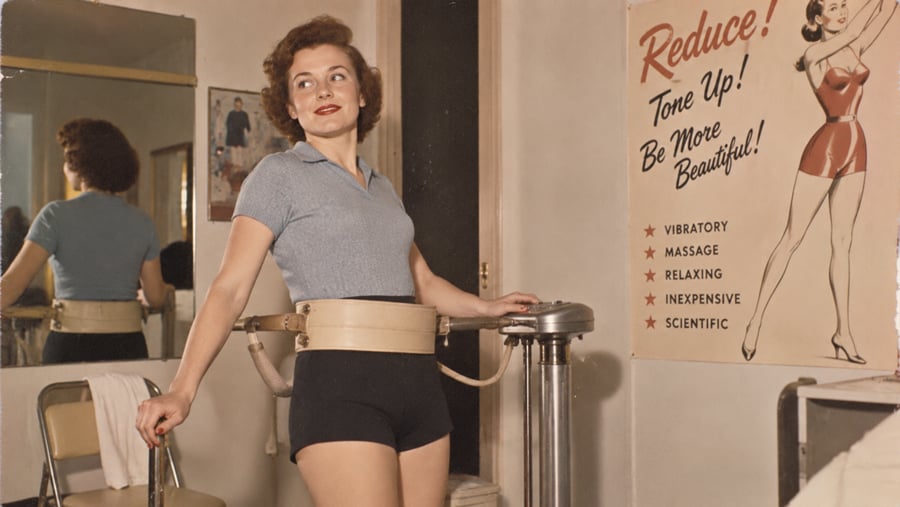
Standing still while a wide canvas belt vigorously shook the hips sounded wonderfully convenient. These machines appeared in gyms, beauty salons, and homes, promoted with claims surrounding figure control, circulation, and effortless exercise. They became an unforgettable symbol of an era when simply being vibrated by a machine could be marketed as part of getting fit.
10. Drinking a Glass of Milk Before Bed for Better Sleep
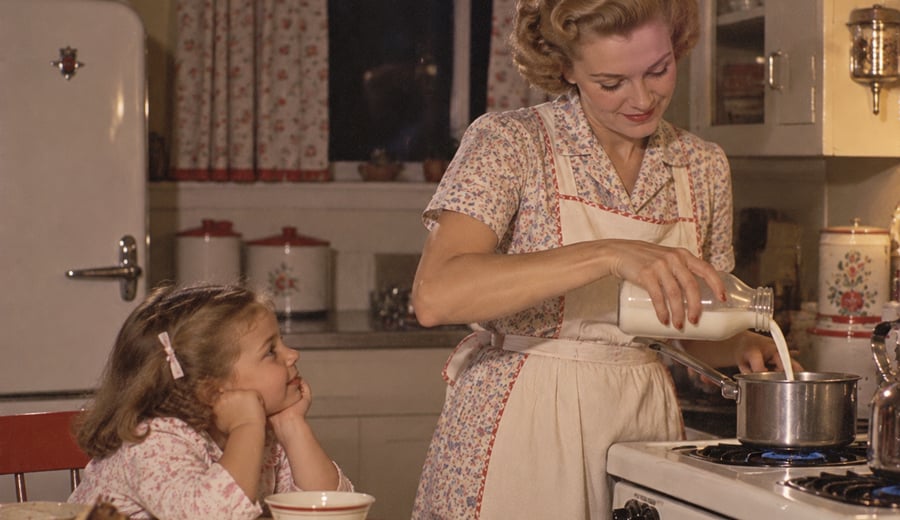
The nighttime glass of warm milk was almost a ritual in some homes. Parents poured it for children, adults drank it themselves, and it became associated with settling down for a restful night. Milk can certainly be part of a balanced diet, but it’s no longer treated as the near-universal sleep remedy it once seemed to be.
11. Brushing Teeth With Very Abrasive Powders
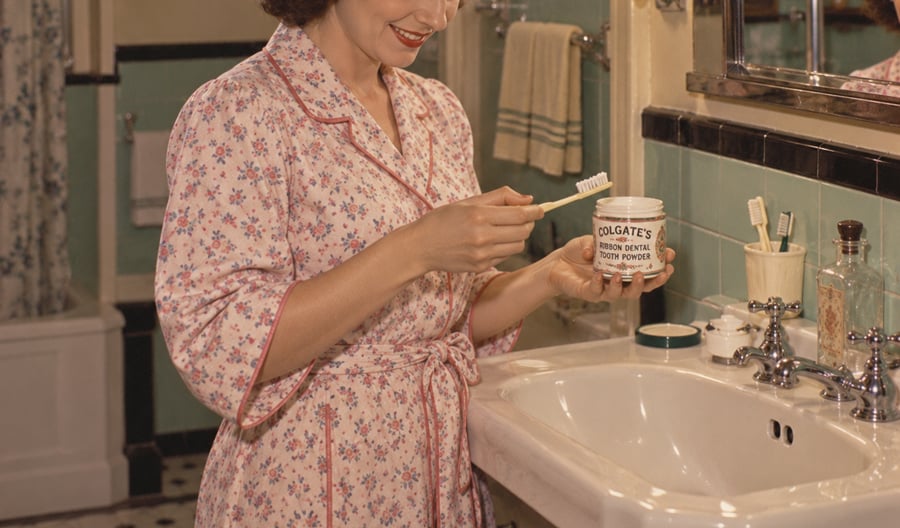
Before today’s enormous toothpaste aisle, tooth powders were common bathroom fixtures. Some historical cleaning products relied heavily on abrasive ingredients to scrub away stains. Dental care has since become much more attentive to protecting enamel while still removing plaque and stains.
12. Resting Almost Completely After a Heart Attack
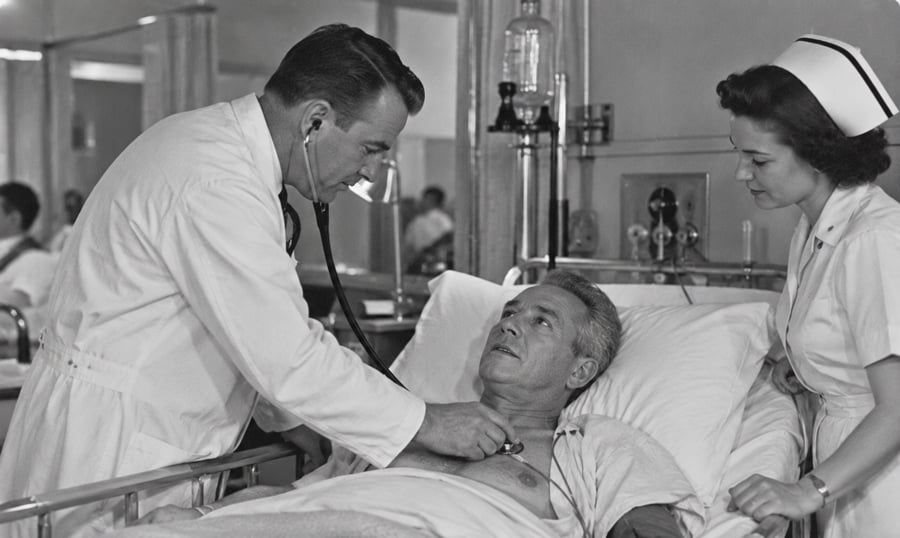
A heart attack once commonly meant weeks of strict bed rest. The heart was thought to need as little strain as possible while recovering. Cardiac rehabilitation has transformed that approach, and appropriately supervised physical activity now plays an important role in recovery for many patients.
13. Taking Mineral Oil Regularly for Constipation
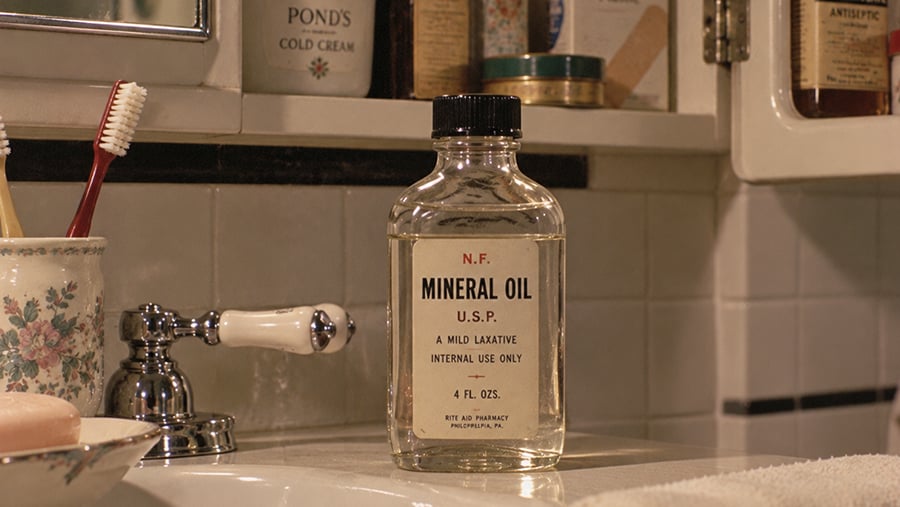
A bottle of mineral oil was a familiar sight in many medicine cabinets, and it was commonly used as a laxative. While mineral oil still has medical uses, routine or prolonged use is generally approached more cautiously because of issues including aspiration risk and interference with absorption of certain nutrients and medications.
14. Using Mercury-Based Antiseptics on Cuts
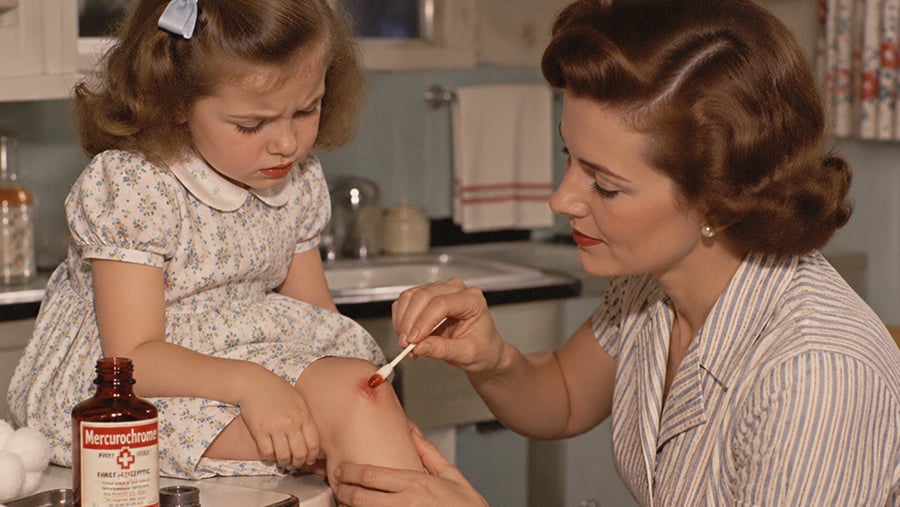
That little bottle in the medicine cabinet could leave a brightly colored mark on scraped knees. Products such as Mercurochrome became household staples for treating minor wounds, even though some formulations contained mercury compounds. Mercury-containing versions eventually disappeared from routine American medicine as safety standards changed.
15. Sending Sick Children Outside for “Fresh Air”
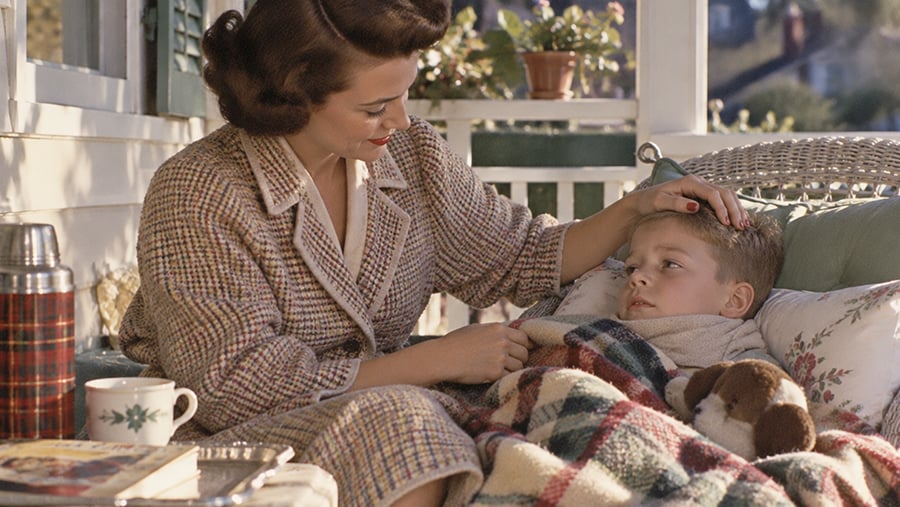
Fresh air was once practically a treatment of its own. A child recovering from an illness might be wrapped in blankets near an open window, placed on a porch, or encouraged to spend time outdoors because stale indoor air was considered part of the problem. Ventilation remains important, but modern care focuses far more on the specific illness, symptoms, hydration, rest, and evidence-based treatment rather than treating outdoor air itself as medicine.
More Related Notes
14 Snacks From the ’80s We Wish Still Existed
From colorful treats to discontinued favorites, these nostalgic snacks bring back the flavors many people associate with growing up in the 1980s.
15 School Supplies From the 1980s That Kids Wouldn’t Recognize Today
These once-common classroom essentials offer a nostalgic look at school life before digital tools transformed how students learned and worked.
15 Forgotten 1980s Household Gadgets That Vanished
These once-familiar household gadgets were part of everyday life in the 1980s, but changing technology and habits eventually made them disappear.