

For decades, the message to teenagers was the same: go to college, get a degree, land a desk job. Across the country, a new generation is picking up wrenches, welding torches, and tool belts instead of racking up student debt for degrees that don’t guarantee work. Trade schools are seeing enrollment spikes, apprenticeship programs are filling up, and teens are openly saying they’d rather learn a skill that pays immediately than sit in a lecture hall for four more years.
This isn’t a passing trend. It’s a real shift driven by economics, culture, and a growing appreciation for work you can actually see and touch. Below are 15 reasons why blue-collar careers are pulling in more teenagers than they have in generations, and why that shift might be the smartest move this generation makes.
1. College Costs

Tuition has climbed so high that many teens are doing the math and walking away. A four-year degree can leave graduates tens of thousands of dollars in debt before they’ve earned a single paycheck. Trade programs, by comparison, often cost a fraction of that and take a fraction of the time, making the return on investment far more attractive to cost-conscious teens and their families.
2. Faster Path to a Paycheck

Instead of spending four or more years in school, teens can complete a trade certification or apprenticeship in months to a couple of years. That means earning real income while their peers are still buried in textbooks.
3. High Demand for Skilled Labor

Electricians, plumbers, welders, and technicians are in short supply nationwide, and employers are competing for workers. Teens entering these fields often find themselves with job offers before they’ve even finished training.
4. Rising Wages in the Trades
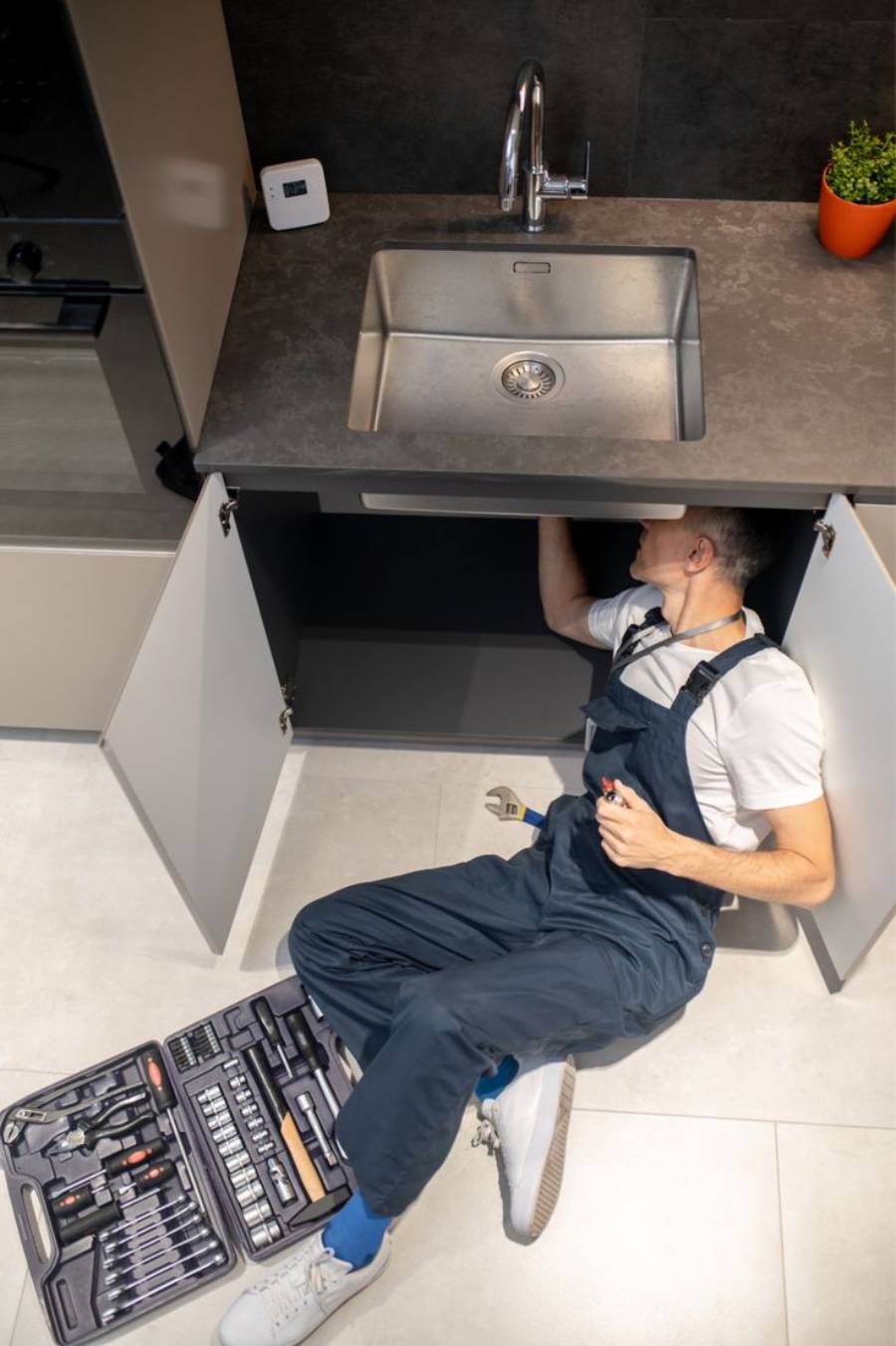
As demand outpaces supply, wages for skilled trade workers have climbed significantly. Many experienced tradespeople now out-earn college graduates in entry-level office jobs.
5. Hands-On Learning Fits How Many Teens Thrive

Not every teenager learns best sitting still in a classroom. Trade work rewards those who learn by doing, building, and problem-solving in real time. For kinesthetic learners, a workshop or job site can feel far more natural and engaging.
Trending on Wealth Gang


6. Apprenticeship Programs Are Expanding
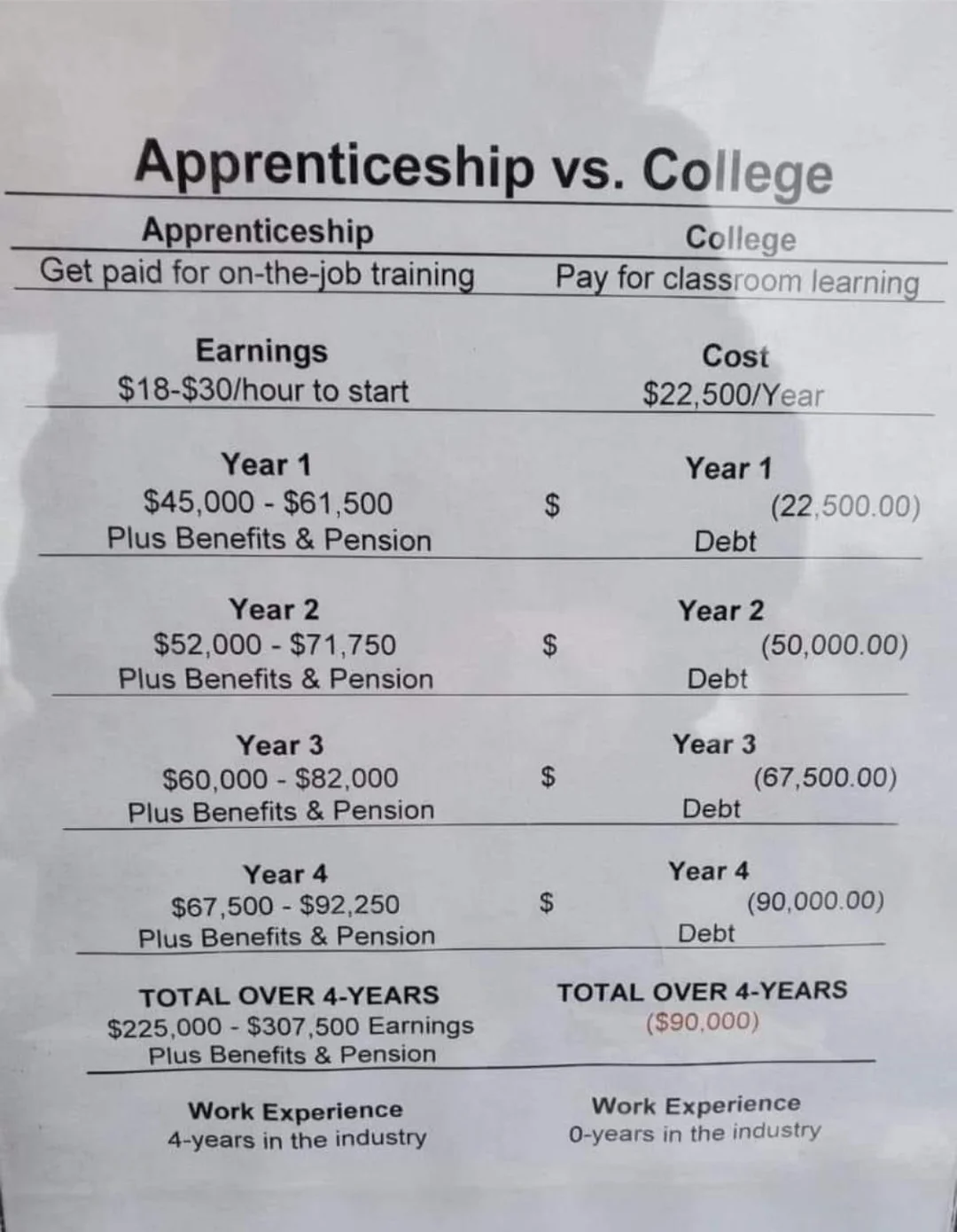
Unions, community colleges, and private companies have ramped up apprenticeship offerings, making it easier than ever for teens to get paid training straight out of high school. These programs combine classroom instruction with real work experience.
7. Social Media

Platforms like TikTok and YouTube are filled with tradespeople showing off their work, their trucks, and their paychecks. This visibility has helped erase old stigmas, showing teens that blue-collar work can be respected and even aspirational.
8. Job Security That’s Hard to Automate
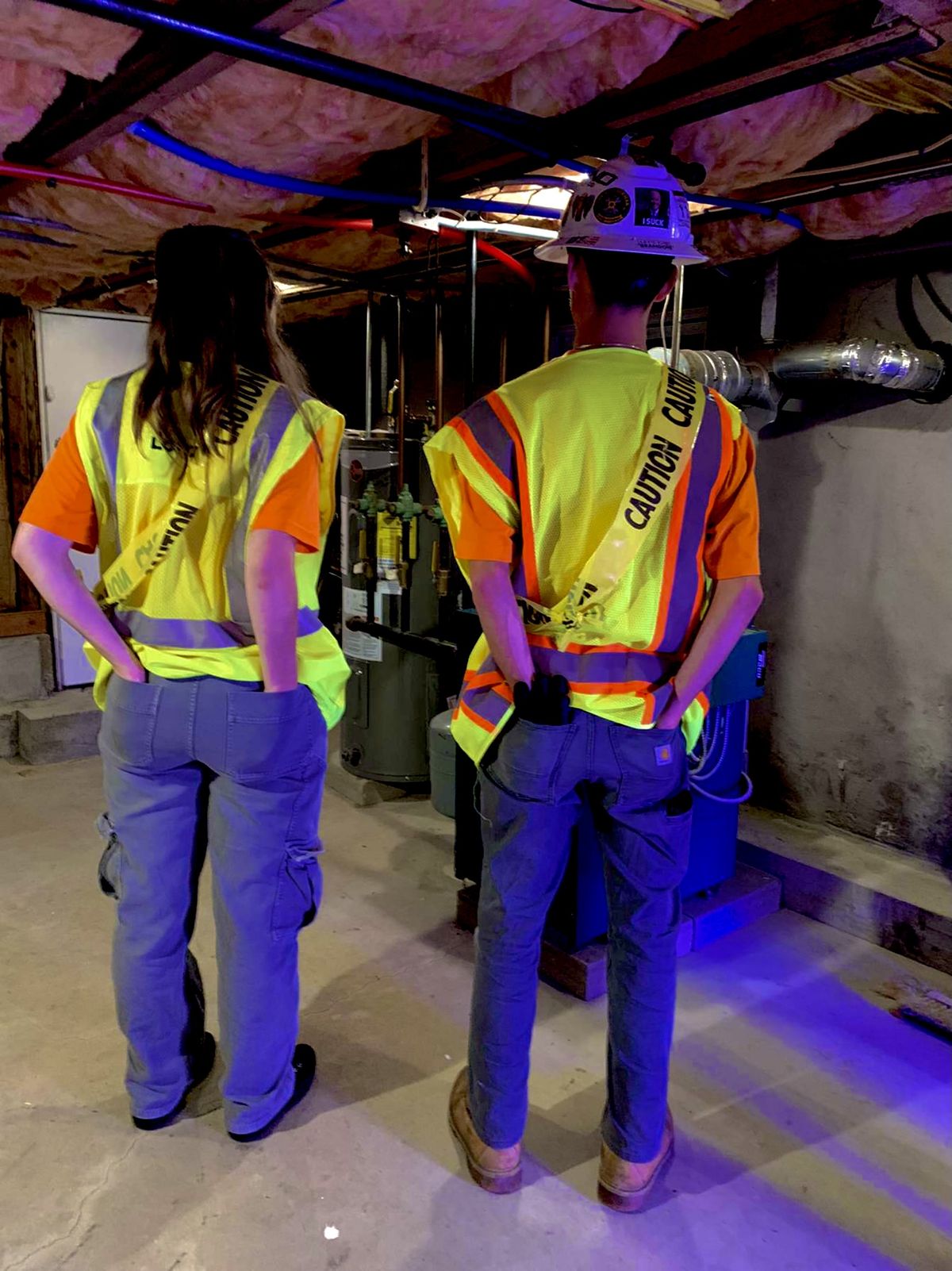
Many trade jobs require physical presence and hands-on problem-solving that’s difficult to replace with software or robots. As teens watch automation reshape office work, the relative stability of hands-on trades has become a major selling point.
Sign up for our newsletter
9. Entrepreneurial Opportunities

Trades naturally lend themselves to starting a business. A teen who learns plumbing, landscaping, or auto repair can eventually open their own shop, something far less common in traditional entry-level corporate roles. That path to ownership is a powerful draw for ambitious young workers.
10. Parents Are Reconsidering the College-Only Mindset

A generation of parents who took on student debt themselves are now more open to alternative paths for their kids. Many are actively encouraging their teens to explore trades, seeing firsthand how a certification can lead to stable, well-paying work.
11. Shorter & More Flexible Training Options

Trade certifications can often be completed part-time or alongside a high school diploma, giving teens flexibility that traditional four-year programs don’t offer. This makes it easier to start earning and gaining experience without putting the rest of life on hold.
12. A Sense of Immediate & Tangible Accomplishment

Building a deck, fixing a car engine, or wiring a new home offers a visible and satisfying result at the end of the day. For teens craving purpose and a sense of achievement, that immediate payoff can be more rewarding than years of theoretical coursework.
13. Growing Respect for Essential Workers

Recent years have highlighted just how critical skilled trades are to everyday life. Plumbers, electricians, and construction workers kept things running when much of the world paused.
14. Lower Barrier to Entry

Many trade careers don’t require a spotless academic record or standardized test scores to get started. This opens doors for teens who may not have thrived in a traditional classroom setting but have real potential once given hands-on training and mentorship.
15. A Shift in What Success Looks Like

More teens are redefining success on their own terms, valuing financial independence, practical skills, and job satisfaction over prestige alone. As that mindset spreads, blue-collar careers are increasingly seen not as a fallback, but as a smart, respected choice.
Want more Career advice?
If you enjoyed this story, you might also like 15 Boring Careers That Quietly Produce Millionaires, a closer look at the unglamorous professions that add up to real financial security over time. For a lighter take on workplace wisdom, 10 Career Lessons By Classic Sitcoms explores beloved shows like Friends, The Office, and Parks and Recreation for surprisingly practical advice. And for the flip side of career life, 15 Careers Where Anxiety and Burnout Are Rising Fast breaks down the professions feeling the most pressure as economic uncertainty and rapid change reshape the modern workplace.