

Retirement often brings a shift in priorities, and for many Americans, that means trading in larger homes for smaller, more affordable spaces. Downsizing is not just about simplifying life, it is a smart financial move that can save retirees thousands each year in housing costs, taxes, and maintenance. Across the country, certain states stand out as spots where retirees are making this transition, balancing affordability with lifestyle perks. From sunny coastal escapes to quiet suburban retreats, these 15 states are proving to be the most popular destinations for retirees looking to stretch their savings while enjoying a more manageable way of living.
1. West Virginia
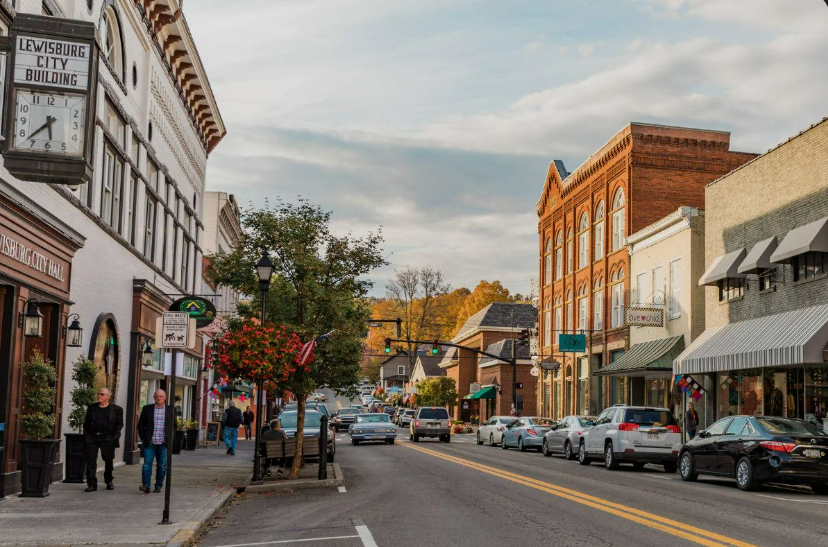
West Virginia attracts retirees with some of the lowest overall costs of living in the country. Very low home prices and modest property taxes make monthly housing expenses substantially smaller, and the state’s quiet mountain towns appeal to those seeking a slower pace and scenic views. Downsizing here often means trading a large, maintenance‑heavy house for a compact home or condo that dramatically reduces heating, cooling, and upkeep costs, though prospective movers should verify local healthcare access because rural areas can have fewer specialists.
2. Mississippi

Mississippi offers extremely affordable housing and low everyday costs, which makes smaller homes especially economical for retirees. Low property taxes and inexpensive utilities mean downsizing produces immediate, tangible savings that can be redirected to travel, healthcare, or hobbies. The warm climate and relaxed pace are appealing, but retirees should weigh proximity to larger medical centers and the availability of services when choosing a town.
3. Indiana

Indiana combines low housing costs with central access to Midwestern cities, giving retirees the benefit of affordability without sacrificing urban amenities. Downsizing to a modest home or condo in many Indiana communities reduces carrying costs and maintenance, and the state’s reasonable property taxes help stretch retirement income. For those who want occasional city culture while keeping housing expenses low, Indiana’s smaller cities and suburbs often strike a good balance.
4. Florida
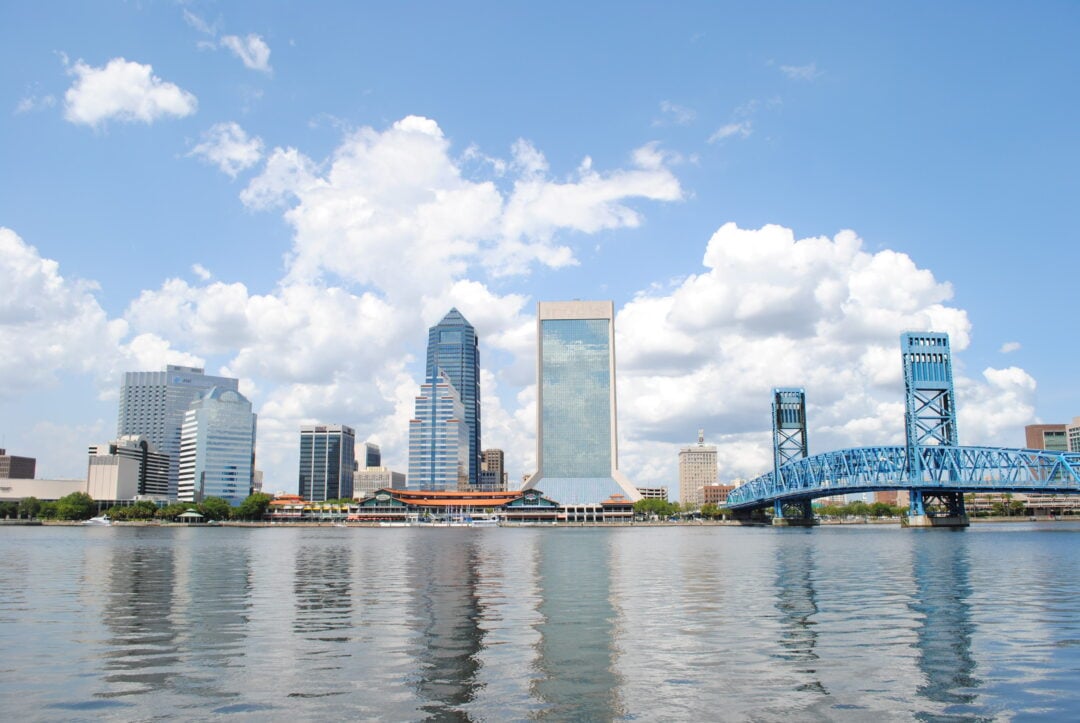
Florida remains a perennial draw because it has no state income tax, abundant retiree communities, and warm weather year‑round. Eliminating state income tax on retirement income can boost net income, and downsizing in non‑coastal or inland areas yields significant housing savings compared with beachfront markets. Popular coastal spots can be costly, so retirees seeking the best value often look to inland towns or smaller coastal communities where a smaller home still provides access to beaches and amenities.
5. North Carolina
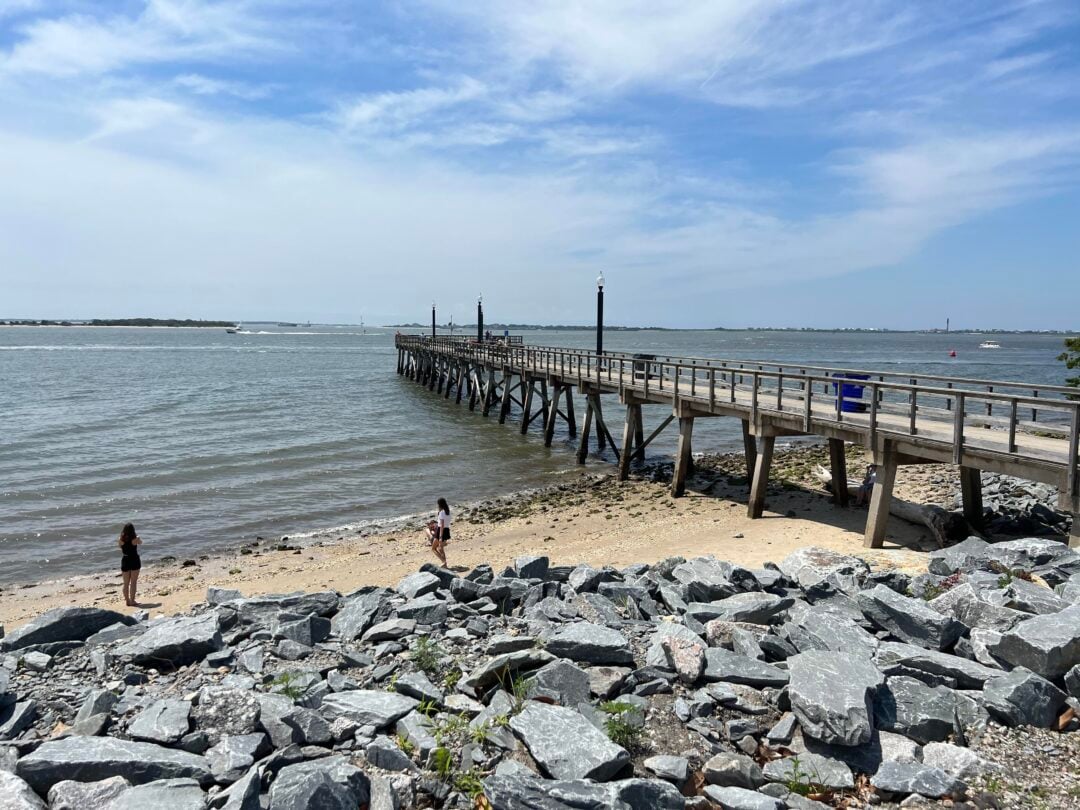
North Carolina appeals with a mild climate and a wide variety of settings from mountains to coast, making it easy to downsize into a location that matches lifestyle preferences. Downsizing here typically reduces maintenance and utility bills, and growing healthcare infrastructure in many regions makes it a practical choice for retirees who want both affordability and services. Coastal and resort towns command premiums, so inland suburbs and smaller mountain towns often provide the best combination of savings and quality of life.
Trending on Wealth Gang


6. Arizona

Arizona draws retirees with warm winters and well‑established retirement communities, and moving into a smaller home or condo cuts maintenance and cooling costs in many parts of the state. Higher‑elevation areas such as Flagstaff or Prescott offer milder summers while still delivering the sunbelt lifestyle, but intense summer heat in lower elevations should factor into long‑term cost estimates for cooling and home upkeep.
7. Georgia

Georgia combines a low cost of living with expanding healthcare access and mild winters, making it attractive for retirees who want affordability and services. Downsizing to a smaller home in many Georgia towns reduces property upkeep and utility bills, and favorable local tax treatments in some counties further stretch retirement dollars. Growing cities provide amenities while smaller towns keep costs down, so retirees can choose the trade‑off that fits their priorities.
8. Tennessee

Tennessee offers the advantage of no tax on wage income and a vibrant cultural scene in cities like Nashville, and lower overall taxes plus affordable housing reduce the cost of downsized living. Moving to a smaller home or condominium often eliminates the burden of yard work and large‑home maintenance, though retirees should confirm how different types of retirement income are taxed at the state level before making decisions.
Sign up for our newsletter
9. South Carolina

South Carolina combines coastal charm, golf communities, and a warm climate with reasonable property taxes and retiree benefits in some areas. Downsizing outside the most desirable coastal communities can yield meaningful savings while still providing access to beaches and leisure amenities, and inland towns typically offer the best values for retirees who want a quieter, lower‑cost lifestyle.
10. Virginia

Virginia is attractive for its good healthcare access, varied geography, and stable communities, and downsizing in many regions reduces property upkeep and energy costs. Central and southern parts of the state are generally more budget‑friendly than the expensive northern suburbs near Washington, D.C., so retirees often find better value by choosing smaller towns or suburban areas that still provide reliable medical services and community amenities.
11. New Mexico

New Mexico appeals to retirees seeking scenic landscapes, a dry climate, and artsy small towns, and lower home prices plus modest property taxes help stretch retirement savings. Downsizing into a compact home or condo in many New Mexico communities reduces maintenance and utility expenses, and the state’s unique culture and climate are a strong draw, though confirming local medical services is an important step for long‑term planning.
12. Wyoming

Wyoming offers tax advantages, most notably no state income tax, and wide open spaces that attract retirees who value solitude and low taxes. Tax savings combined with lower housing costs in many rural areas reduce annual expenses, and downsizing often means trading a large property for a smaller, easier‑to‑manage home. Sparse populations can mean longer travel for some services, so retirees should consider access to hospitals and emergency care.
13. Utah
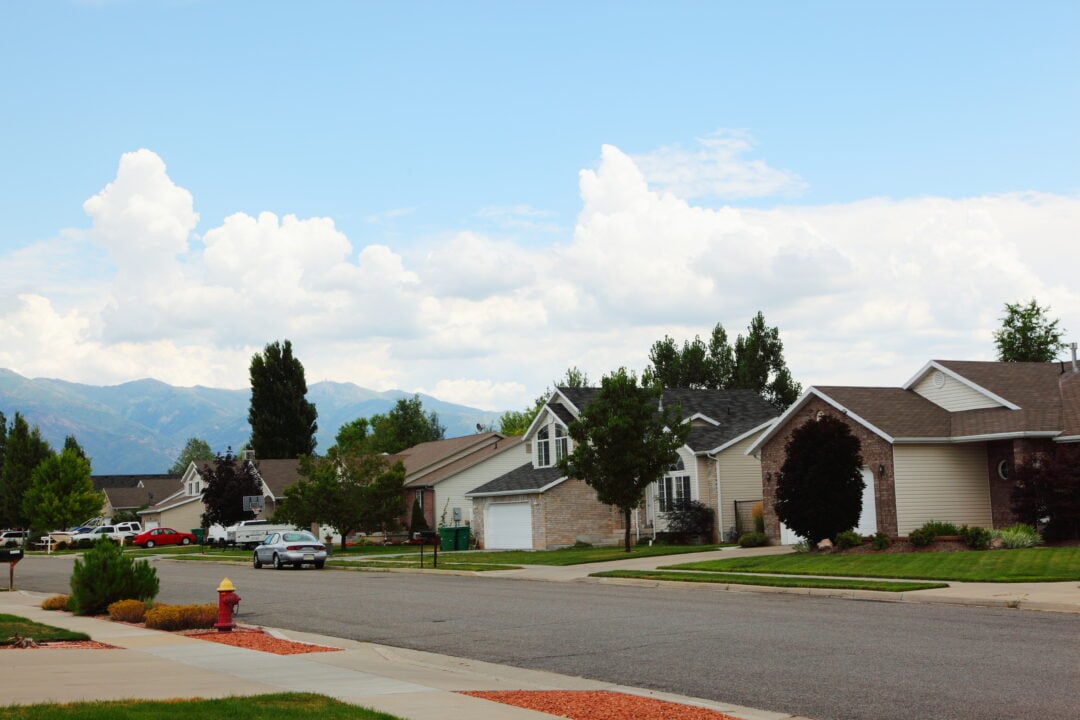
Utah provides abundant outdoor recreation, family‑friendly communities, and growing healthcare options, and downsizing to smaller homes in suburban areas cuts mortgage and maintenance costs. Rapid growth has pushed prices up in some markets, so retirees looking to downsize for savings should shop around for secondary markets and smaller towns that still offer good access to medical care and recreational amenities.
14. Montana

Montana draws retirees with its mountains, low population density, and slower pace of life, and downsizing outside resort towns yields meaningful savings on property and upkeep. The state’s natural beauty is a major lifestyle benefit, but winter weather and distance to specialists are practical considerations. Many retirees choose smaller towns with reliable local clinics and occasional access to larger regional hospitals.
15. Idaho
Idaho has become a growing retiree magnet thanks to its outdoor lifestyle and lower cost than many coastal states, and smaller homes and condos in non‑resort towns reduce carrying costs and maintenance. Popularity has driven prices up in hotspots, so retirees seeking the best value often look to secondary markets where downsizing still produces substantial annual savings while preserving access to trails, parks, and community amenities.
More related-content to keep reading:
- 9 of the Best States for Lower Tax Bills in 2026: Highlights nine states like South Dakota, Wyoming, and Florida where residents can expect significantly lighter tax burdens.
- 15 U.S. States With the Highest Property Taxes: The article lists the states with the steepest property tax rates, including Illinois, New Jersey, and Connecticut.
- The 10 Priciest States To Be a Renter Right Now: It reveals the most expensive states for renters, led by Hawaii, California, and Massachusetts.