In the 1950s, getting dressed was a much more formal event than it is today. For many men, the workday began with a shirt, neatly pressed trousers, polished shoes, and sometimes a tie. Clothes were expected to look flawless.
Not every man dressed the same way. Still, certain pieces of clothing were common during the decade for all. From high-waisted trousers and narrow ties to jackets and classic shoes, these everyday garments helped define the look of the 1950s worker.
1. White Dress Shirt
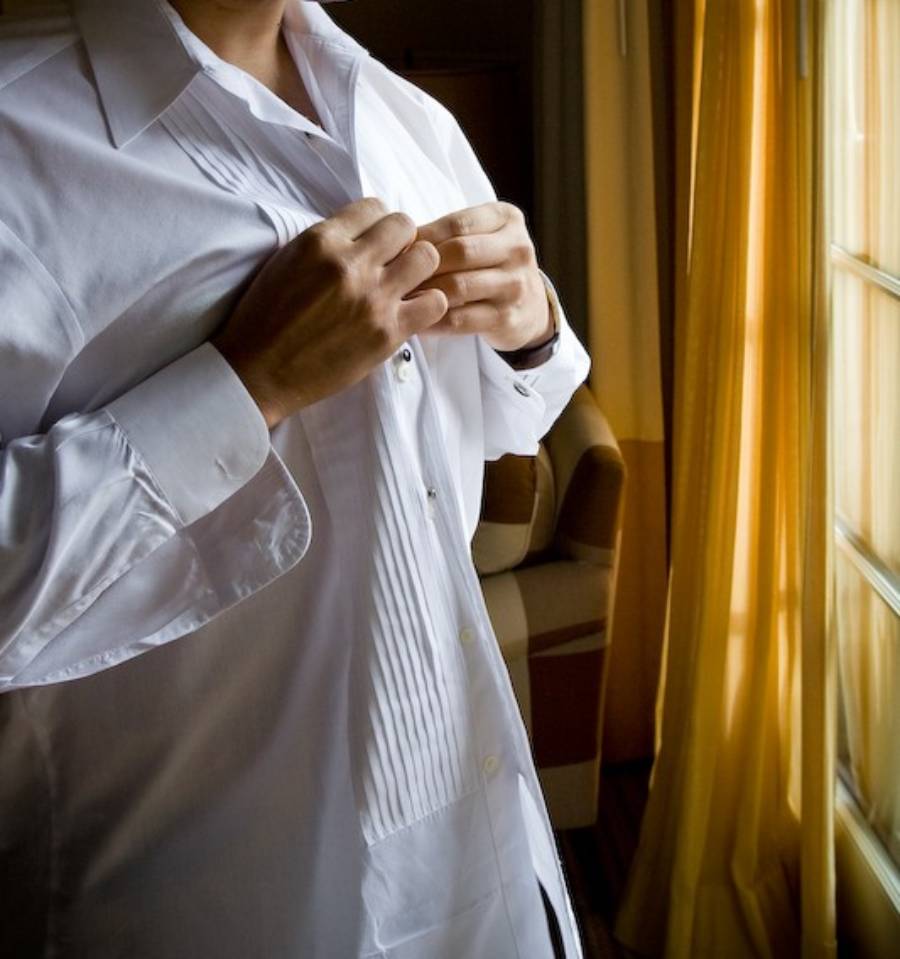
A white shirt was a staple of the 1950s workplace, especially for office workers and men in professional positions. Shirts were generally structured, with stiff collars. A fresh white shirt could make an outfit look more polished.
2. Narrow Neckties
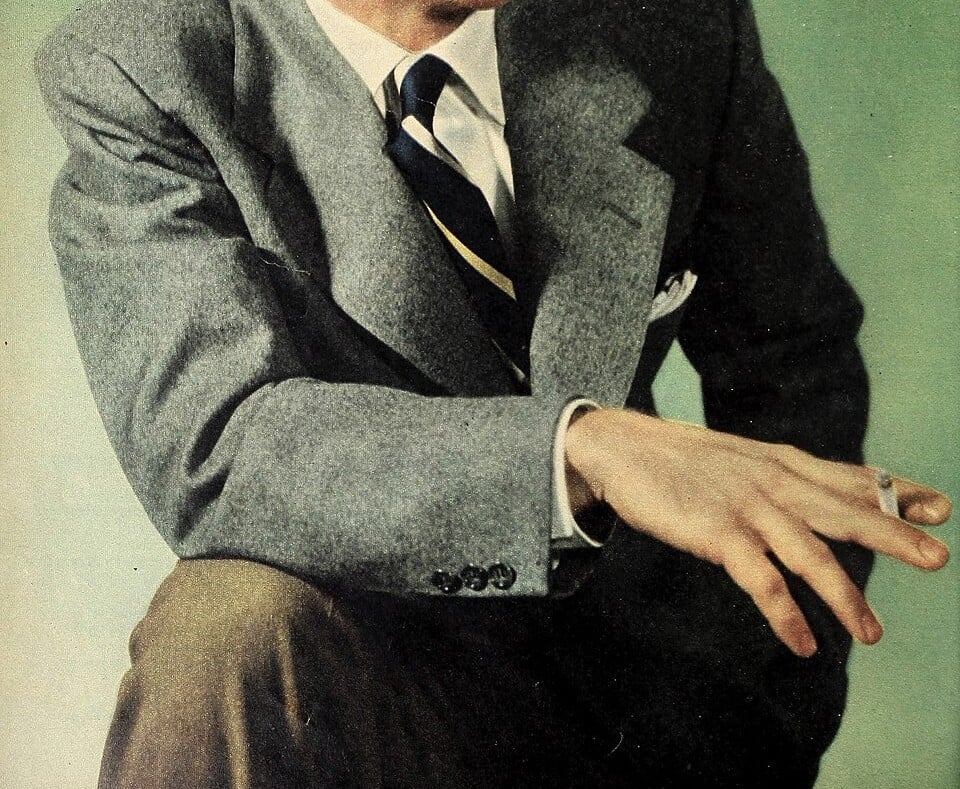
For many office workers, a necktie was part of getting dressed for work. Ties in the 1950s were often narrower than some of the wide styles we know today. Patterns ranged from conservative stripes and small geometric designs to bolder prints.
3. High-Waisted Trousers
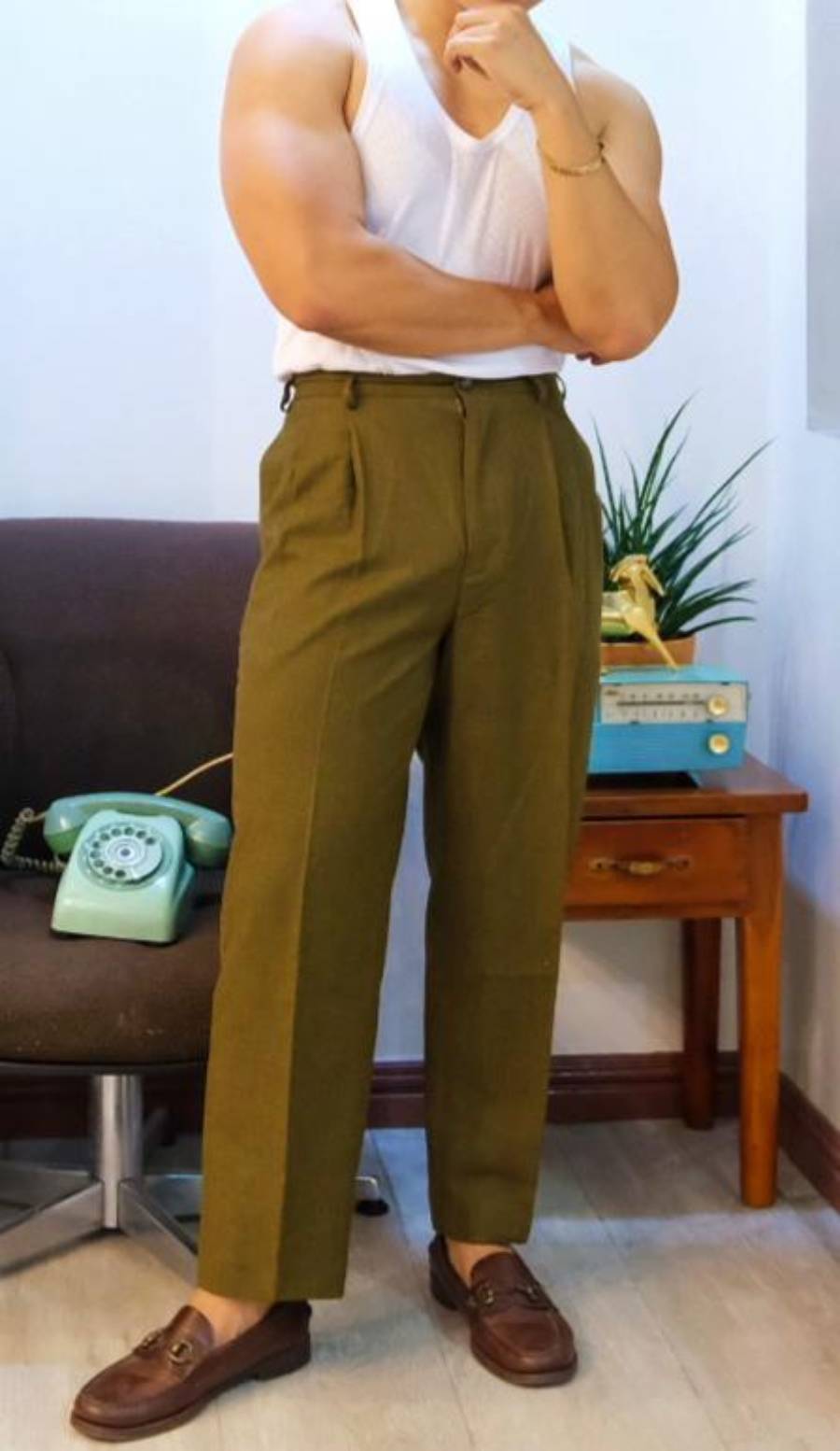
Men’s trousers were worn higher on the waist. They often had a fuller cut through the legs and were designed to sit comfortably above the hips. With a tucked-in shirt and belt or suspenders, the result was unmistakably mid-century.
4. Suit Jackets
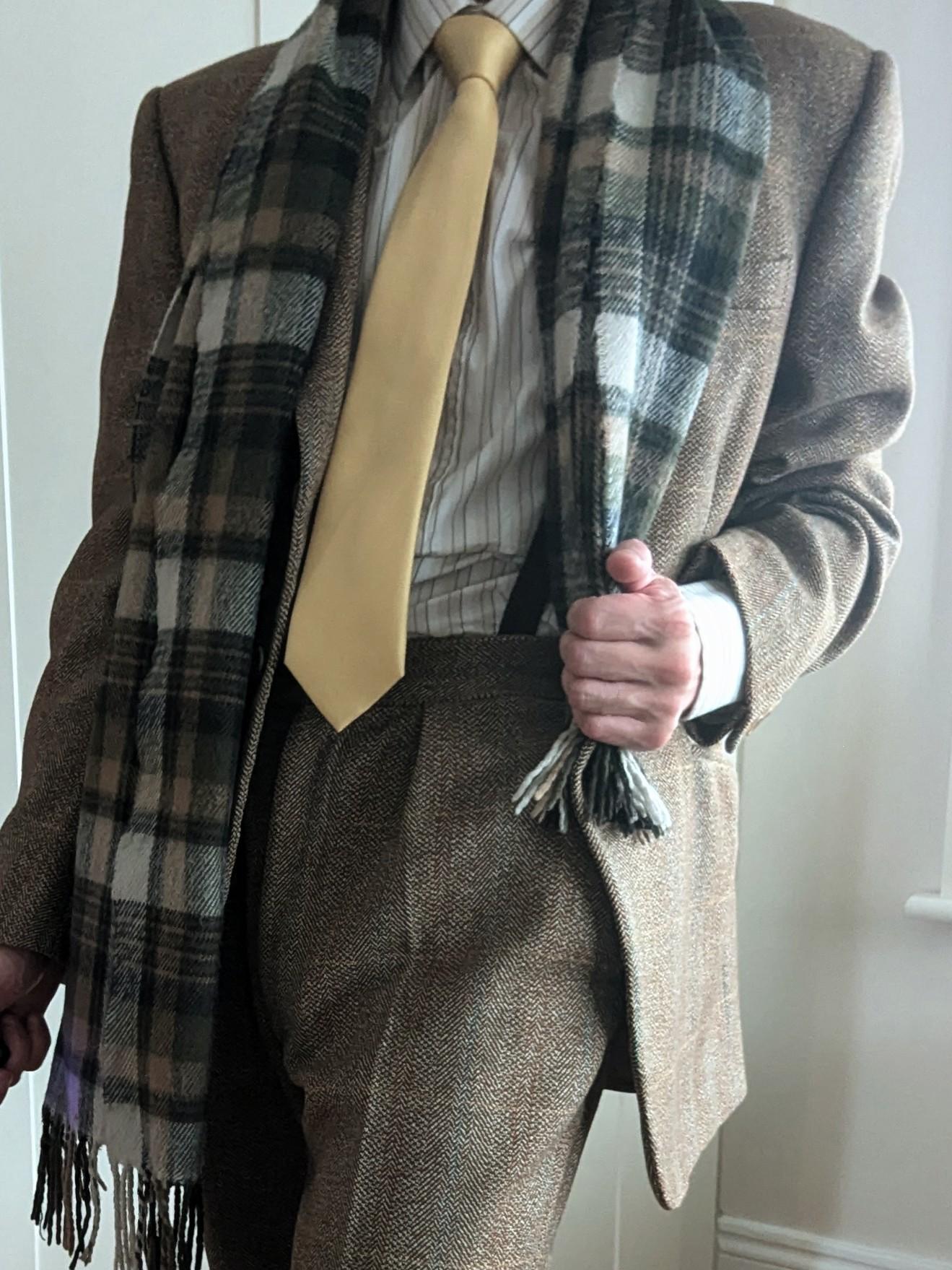
Men who wore suits regularly might have several in different colors and fabrics. A well-tailored one transmitted a sense of seriousness and respect.
5. Complete Suits
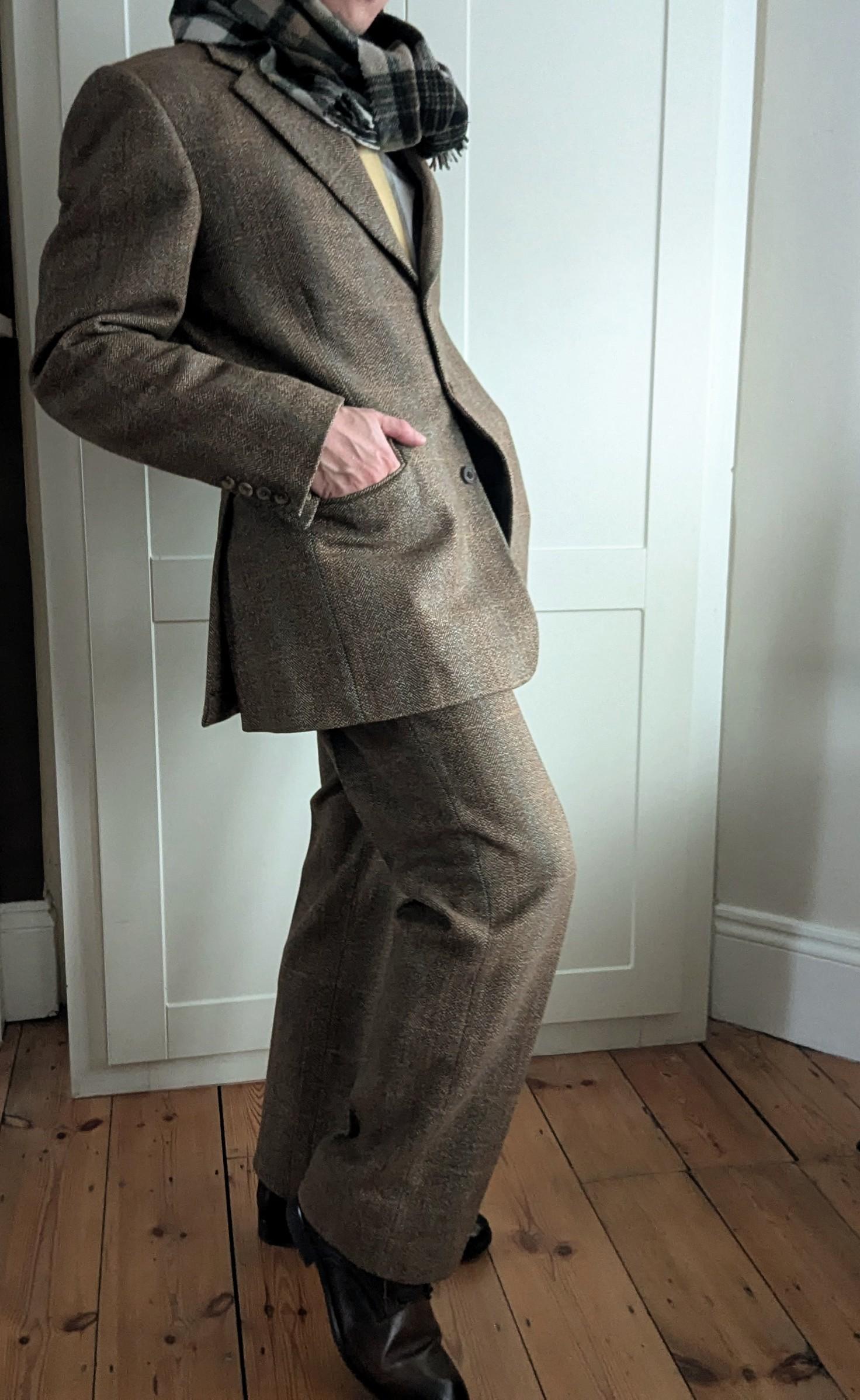
For many professional men, the suit was not reserved only for weddings or special occasions. The full outfit was especially common in corporate, financial, and legal jobs.
Trending on Wealth Gang


6. Leather Dress Shoes
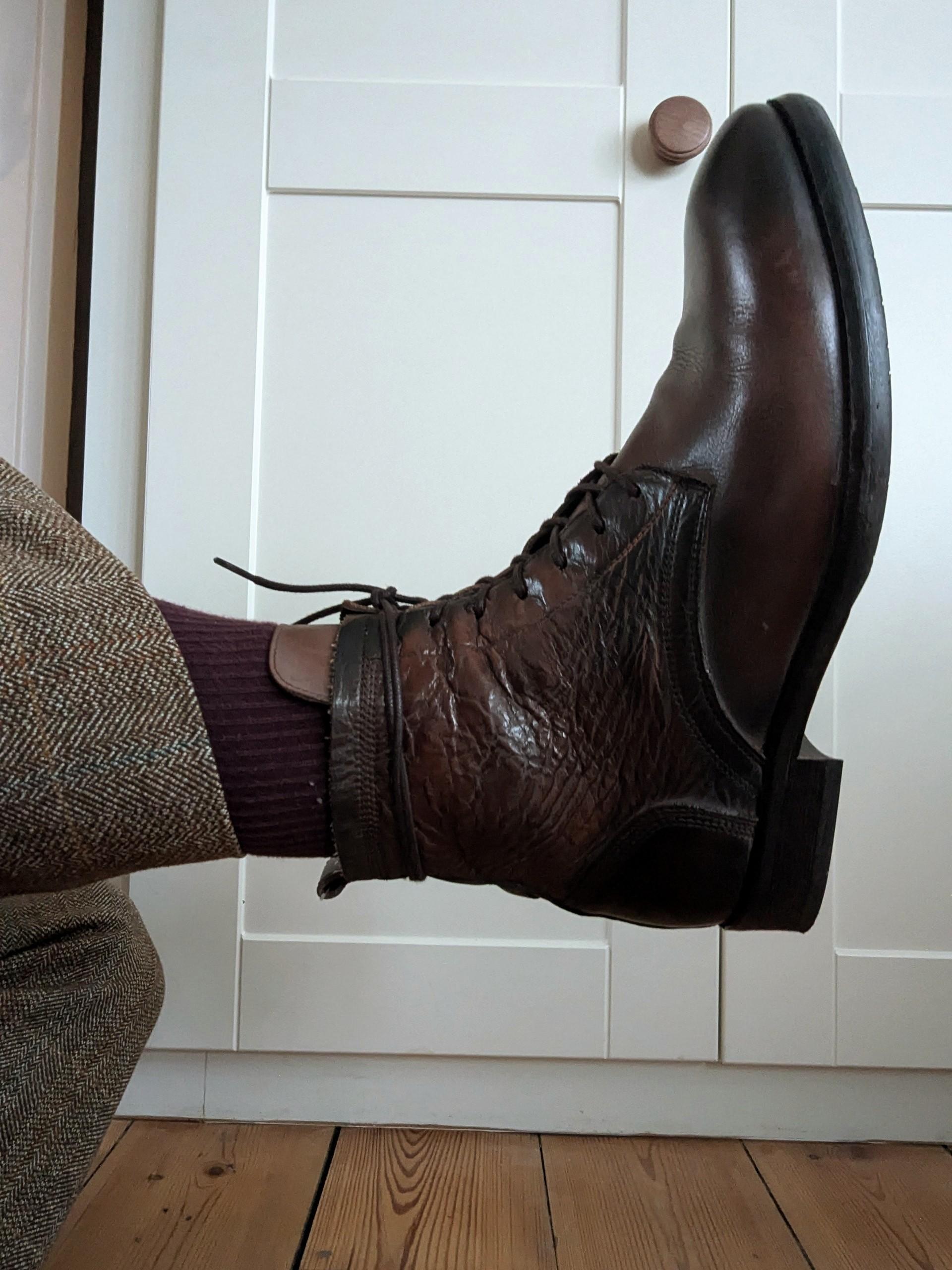
Lace-up oxfords, loafers, and other classic styles were common choices. Polishing them regularly helped preserve the leather and gave an outfit a finished appearance.
7. Suspenders
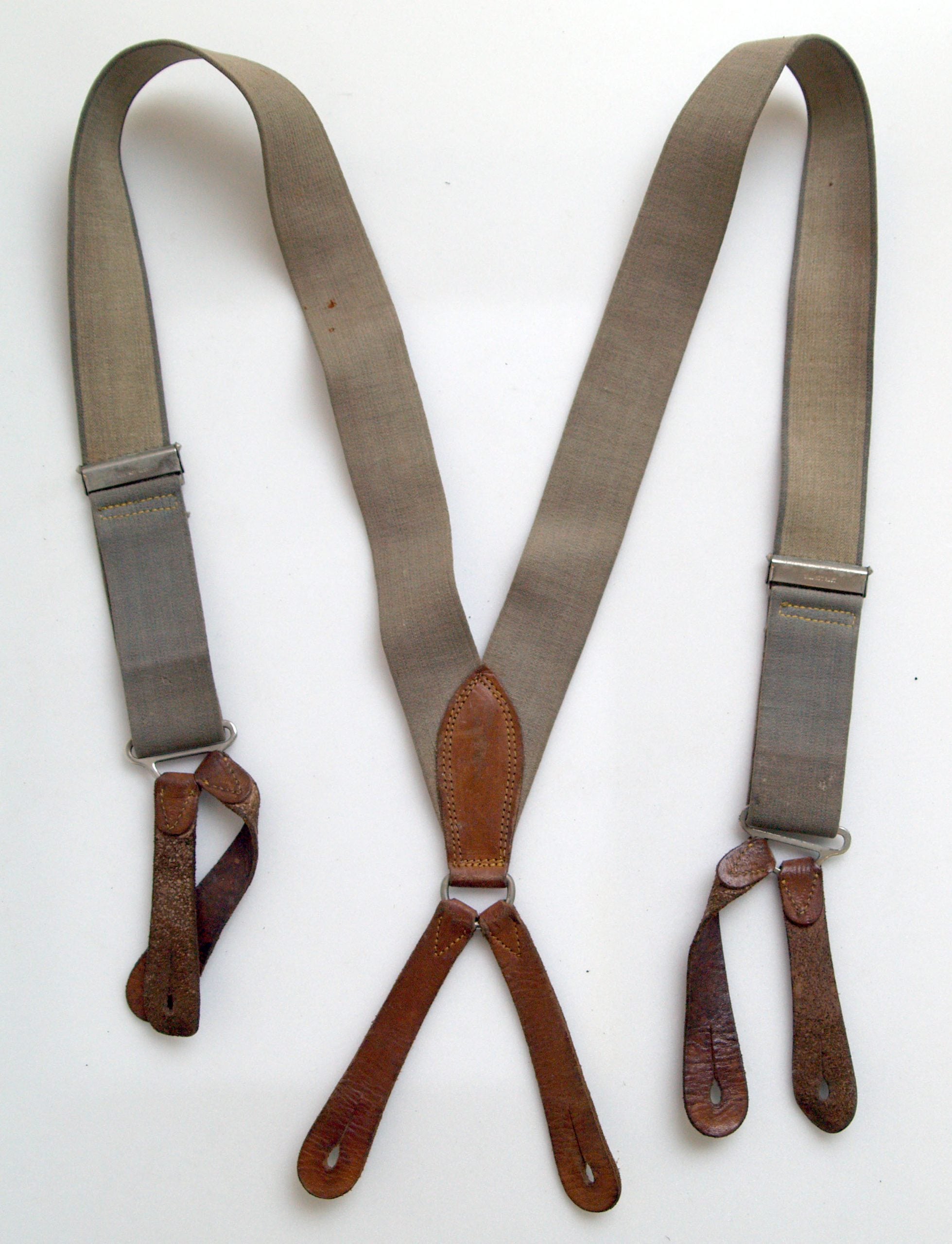
Although belts were also popular, suspenders were a familiar part of men’s wardrobes. They were useful with the higher-waisted trousers.
8. Work Jackets
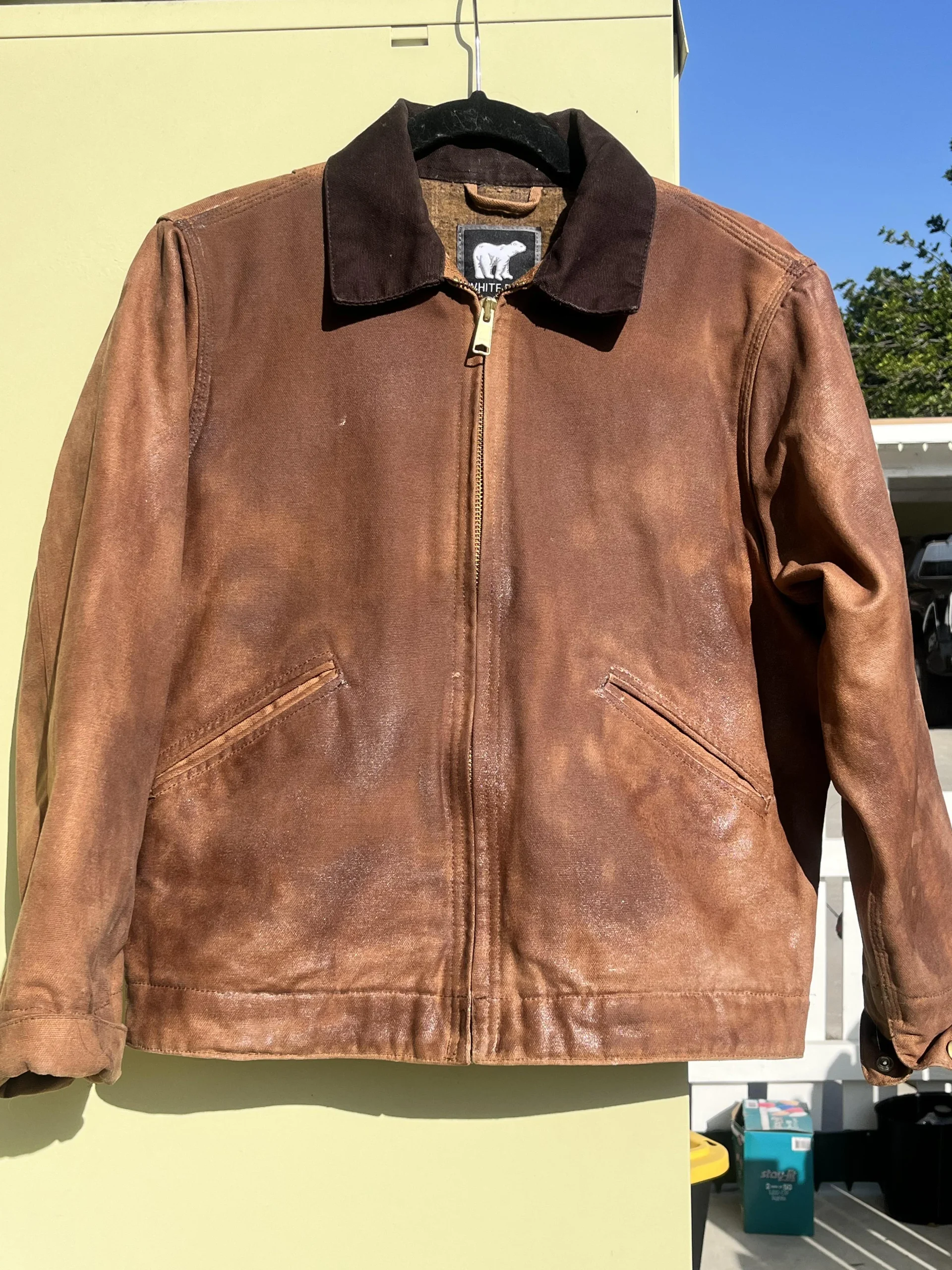
Men who worked with their hands needed clothing that could withstand dirt, grease, and dust. These items emphasized practicality rather than formality.
Sign up for our newsletter
9. Coveralls
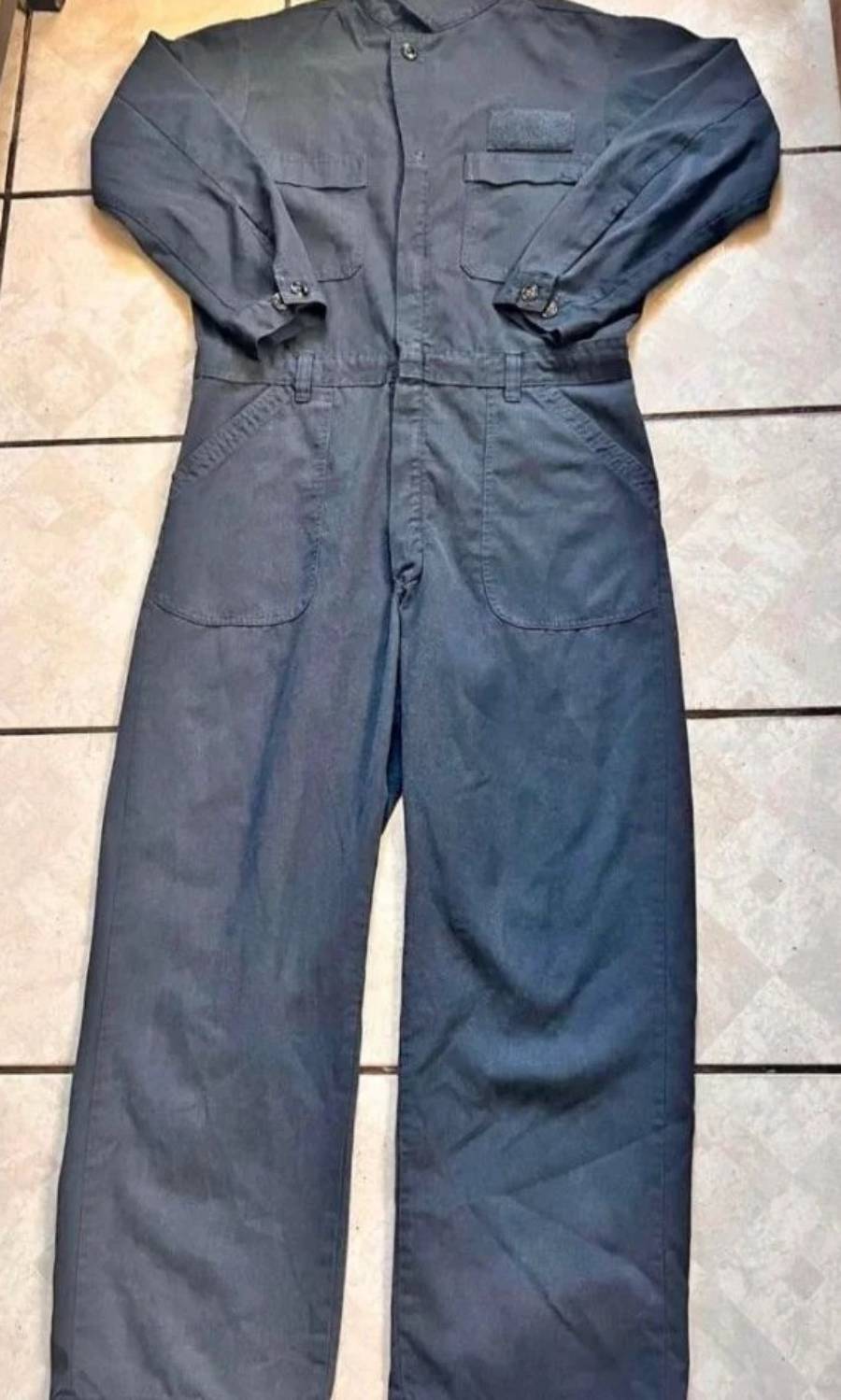
For industrial and mechanical jobs, coveralls provided protection. For many workers, they were as much a part of the job as the tools needed.
10. Cardigan Sweater
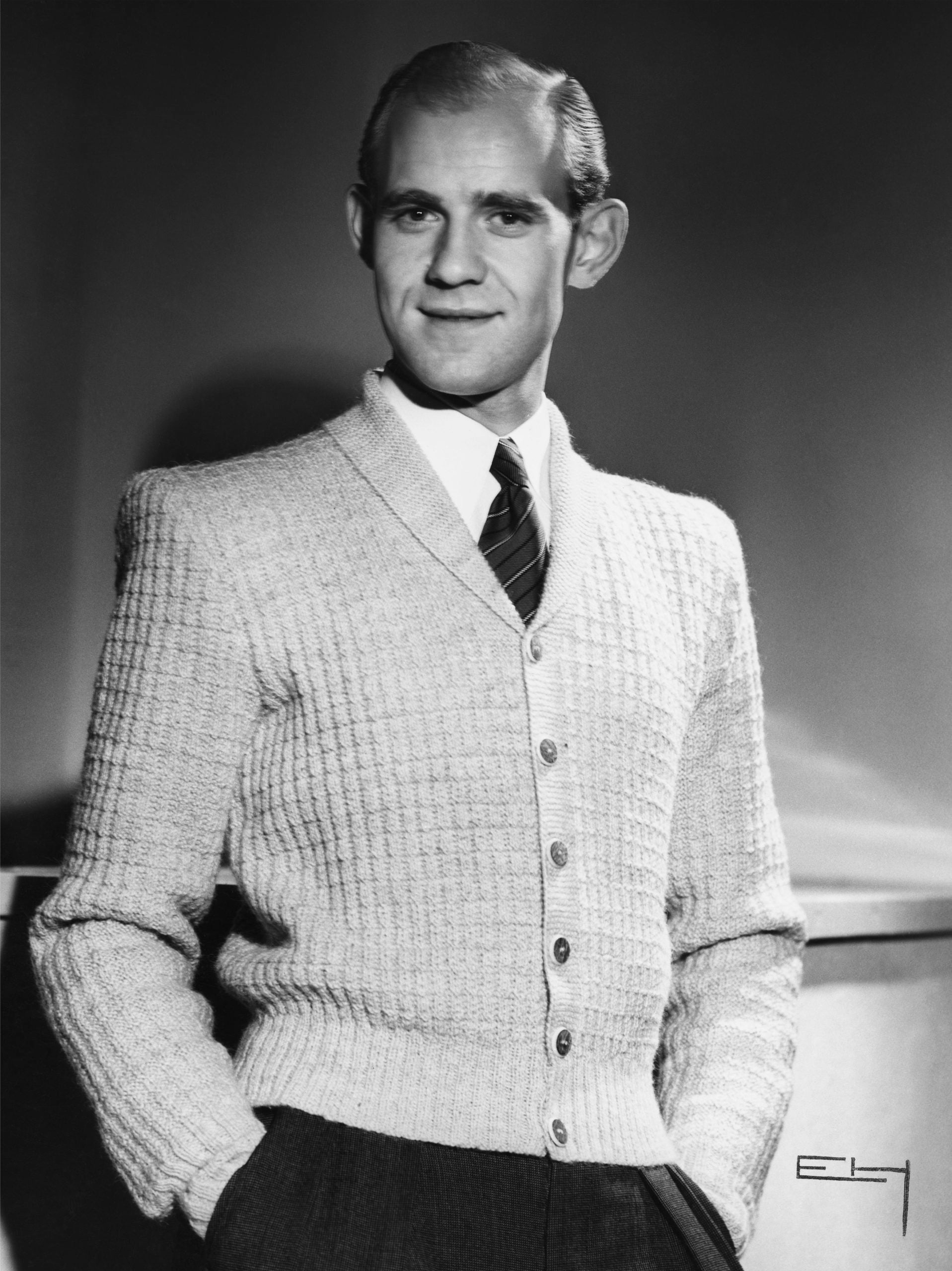
When the weather was cool, a cardigan could be worn over a shirt and tie without requiring a full suit jacket. This was especially useful in offices and other workplaces to stay warm.
11. Vests
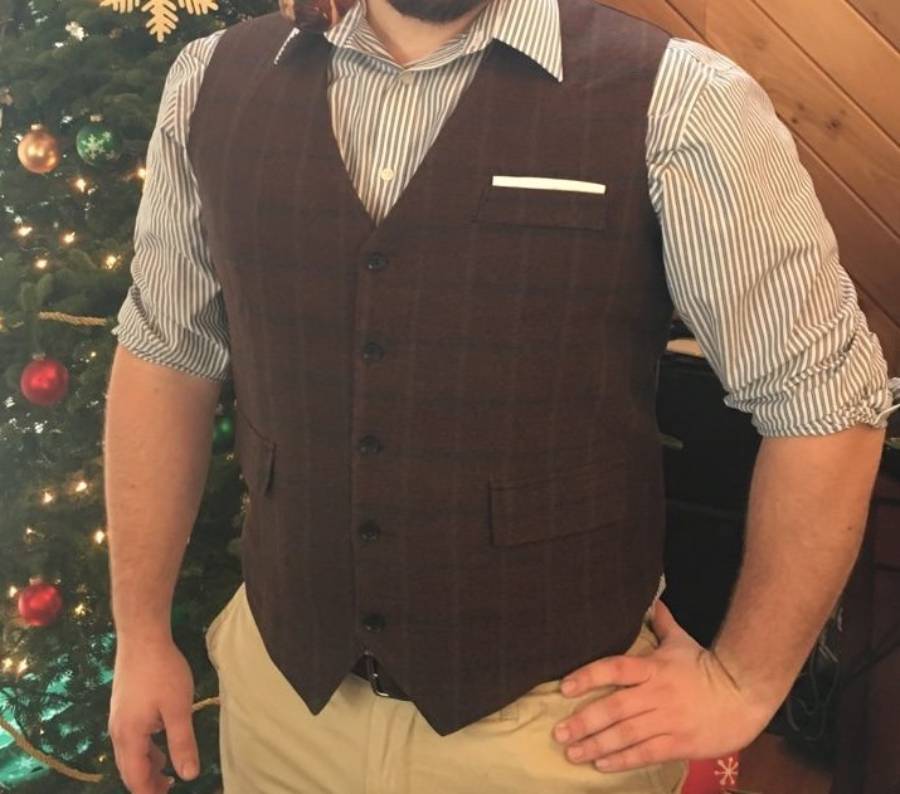
A vest added another layer to an outfit and created the structured appearance associated with mid-century´s fashion.
12. Wool Overcoats
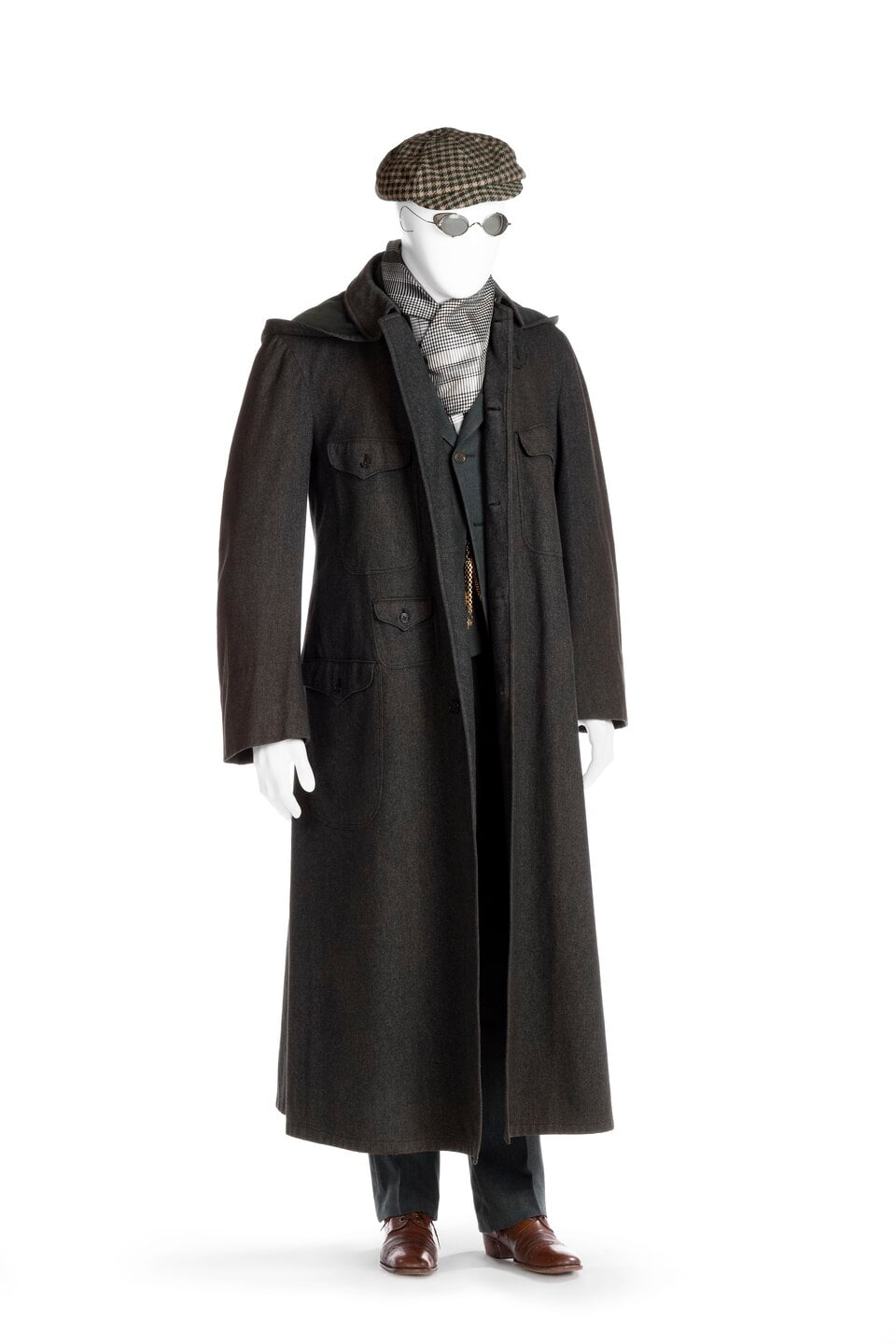
Long, structured coats in conservative colors were very appropriate for professional men. Paired with a hat and leather shoes, an overcoat was usually worn over a suit.
13. Felt Hats
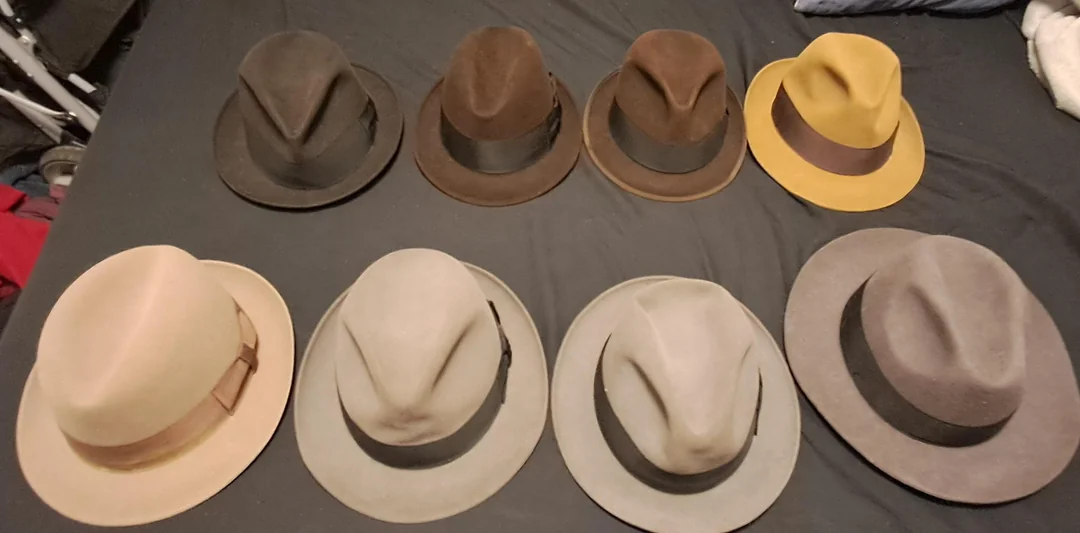
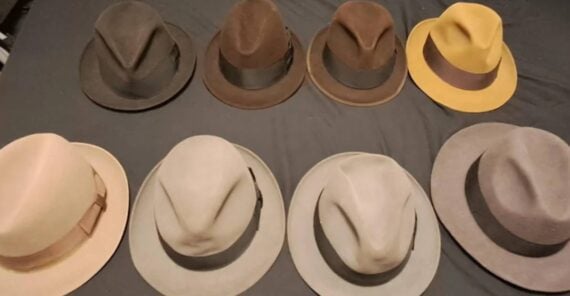
Hats were widely worn by American men, particularly when traveling to work or dressing formally. Fedoras and other felt hats were popular choices.
14. Work Boots
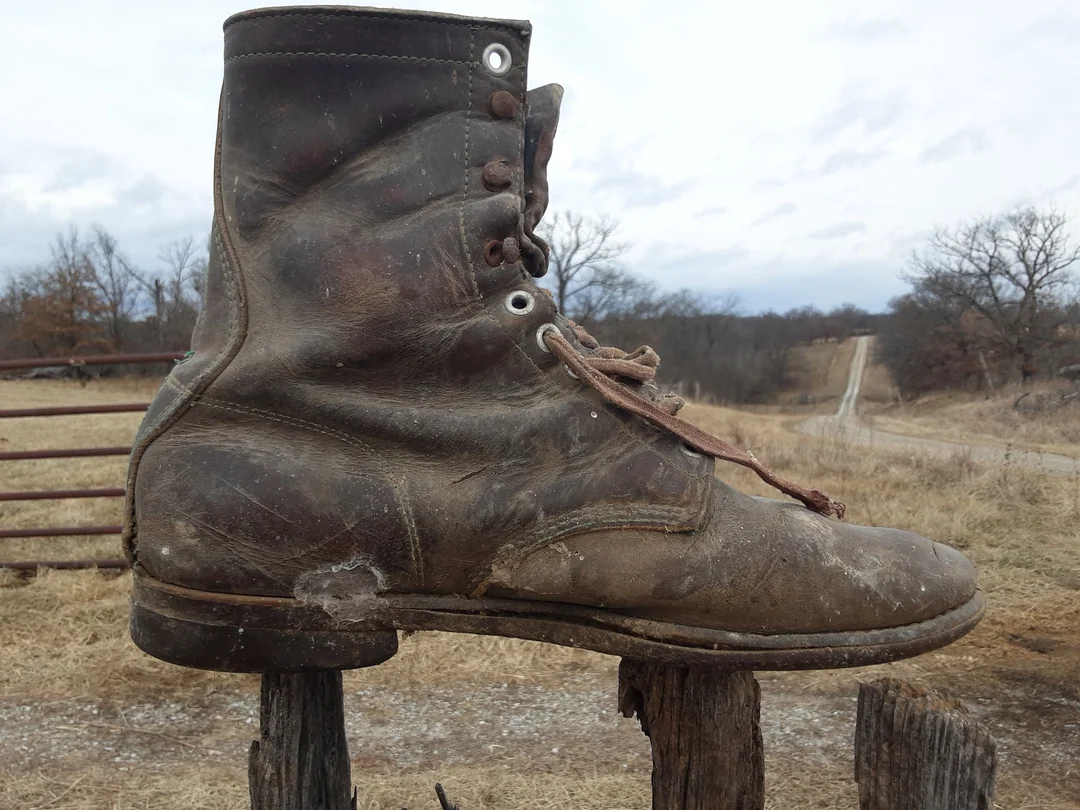
For construction workers, farmers, factory workers, and mechanics, sturdy boots were practical. Their importance illustrates how workplace clothing varied depending on the occupation.
15. Pressed Cotton Work Shirts
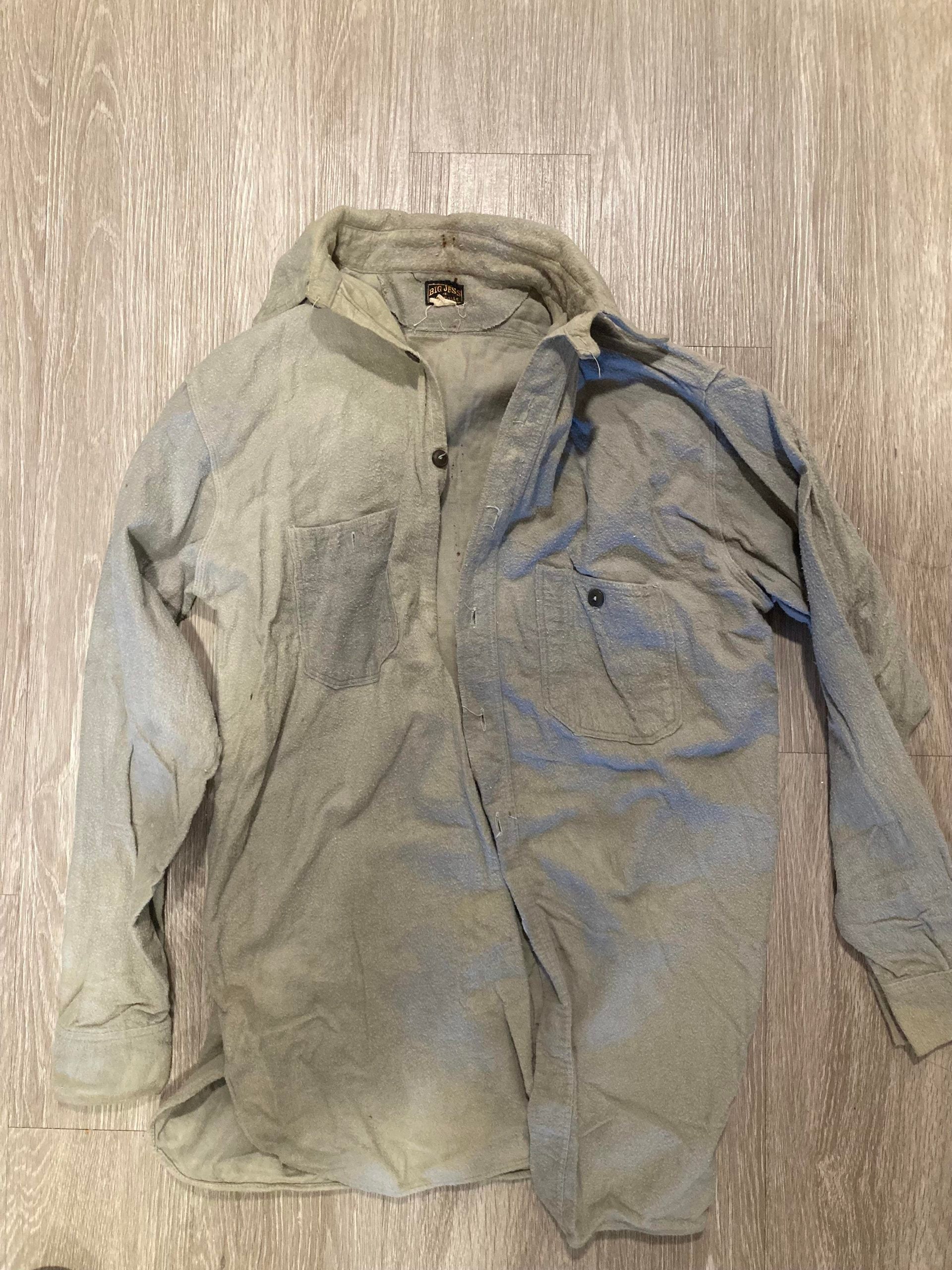
For men whose jobs required physical labor, a durable cotton work shirt was essential. These shirts were made for repeated washing and hard use and could be paired with work trousers or overalls.
Looking for more cool content?
20 Pictures of Street Fashion in the 1990s takes you back to the baggy jeans, flannel, and bucket hats that ruled the sidewalks, while 15 Fashion Statements From the Early 2000s We Miss picks up right where that decade left off, with low-rise jeans, hats, and butterfly clips taking center stage. And if going through these throwback looks has you itching to clear out your own closet, How To Make Money Selling Clothes From Your Wardrobe breaks down eight apps and sites to turn those old pieces into cash.