
During the harshest winters of the mid-20th century, keeping cities running was a real challenge. Before modern technology, thousands of people relied on physically demanding jobs. While snow and ice brought everything to a halt, these workers kept going without pause. Their roles were often overlooked, yet essential to everyday life. Thanks to them, transportation, energy, and basic services never stopped. This list honors those who kept the world moving when winters were especially unforgiving.
1. Coal Delivery Worker

These workers delivered coal door to door to heat homes and buildings. It was a physically demanding, heavy, and essential job. Without coal, many families could not survive the cold. Their work ensured steady warmth during the harshest months.
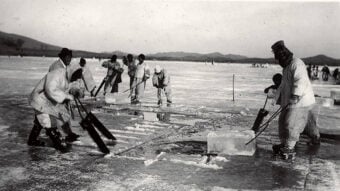
2. Ice Cutter

Before modern refrigeration, they cut blocks of ice from frozen lakes and rivers. The ice was stored and distributed to preserve foods that depended on it. They worked in extreme and dangerous conditions. Without them, the cold chain did not exist.
3. Railroad Switch Operator

They were responsible for keeping railroad track switches operational under snow and ice. Their work prevented accidents and delays. They spent hours outdoors clearing frozen mechanisms in extreme conditions. They were essential to winter transportation.
4. Power Line Repairman

These workers repaired power lines damaged by snowstorms and strong winds. They raced against the clock to restore electricity. Extreme cold made the job even more dangerous. Thanks to them, cities were not left in the dark.
5. Furnace Stoker

They manually fed the boilers in buildings and factories to keep the heating running. They controlled the fire to maintain stable temperatures. It was a constant and exhausting job.
Trending on Wealth Gang
6. Snowplow Operator

They operated snowplows to clear roads and streets. They worked at night and during intense storms in extremely harsh cold. Their efforts allowed ambulances and supplies to keep moving. They were essential to maintaining day-to-day urban mobility throughout the winter.
7. Lighthouse Keeper

They maintained coastal lighthouses throughout the winter. In extreme weather conditions, they made sure the lights stayed operational. They lived in isolation for weeks at a time. Their work helped prevent shipwrecks.
8. Telephone Line Installer

In this job, workers repaired and maintained telephone lines damaged by the cold. They climbed frozen poles to restore communications. It was a dangerous and highly technical task. Keeping contact was vital during emergencies.
Sign up for our newsletter
9. Milk Delivery Man

They were the ones who delivered milk daily, even in snow and ice. They woke up early to ensure fresh food reached every household. Winter made the job slower and more dangerous. Even so, they never stopped.
10. Boiler Operator

They monitored large heating systems in public buildings. They constantly adjusted pressure and temperature. A single mistake could cause serious failures and extremely dangerous situations for their own lives. Their vigilance ensured continuous heat.
11. Road Maintenance Worker

They worked outdoors all day to help prevent accidents during winter. They repaired roads damaged by ice and salt, removed dangerous ice, and marked hazardous areas.
12. Dock Worker

In this job, ports were kept operational during the cold. Workers removed ice and loaded cargo in harsh conditions. Trade depended on their efforts. It was physically demanding work and often poorly paid.
13. Coal Miner

They extracted coal even in the middle of winter. The mines operated nonstop to supply heating fuel. The work was hard and dangerous.
14. Gas Plant Operator

They supervised gas plants for heating and cooking. They monitored pressure and constant distribution. Cold weather increased demand. Their role helped prevent widespread outages.
15. Night Watchman

They guarded factories, power plants, and warehouses. In winter, they prevented fires and system failures while spending long hours alone and exposed to the cold. They were the first line of security.
Related Reads:
-
13 Strange Jobs People Actually Got Paid for in the 1800s — A fascinating historical look at unusual professions from the 19th century that expands on the theme of forgotten and essential labor from past eras.
-
31 Historical Photos of Everyday Life in 1932 — This visual journey into 1932 gives readers context about work and daily life during another challenging period in history, connecting well with your winter jobs theme.
-
15 Details That Show What Wealth Looked Like Before the Digital Era — While focusing on wealth and lifestyle history, this piece complements your article by portraying how daily life and work shaped people’s experiences before modern comforts.